
2027 Easiest Online Master’s Degree Programs

Co-Founder and Chief Data Scientist
Choosing an “easy” online master’s degree is not about finding a low-quality or effortless credential. It is about finding a legitimate graduate program that fits your background, schedule, learning style, and career goals without creating unnecessary barriers. For working adults, parents, career changers, nurses, teachers, managers, and other busy professionals, the easiest online master’s programs are usually the ones with flexible pacing, applied coursework, clear requirements, strong student support, and realistic admissions standards.
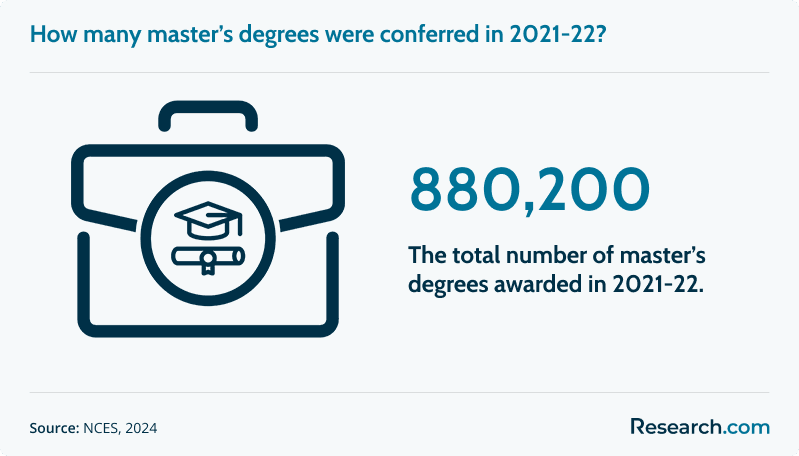
The demand for graduate education remains significant. The National Center for Education Statistics (NCES) reports that the total number of master’s degrees awarded grew by 16% from 2012 to 2022. At the same time, students are paying closer attention to cost, time commitment, transfer policies, financial aid, and whether a degree will actually improve career options. This guide explains which online master’s fields are often more manageable, how to compare programs, what they cost, how financial aid works, and when an “easy” online master’s degree is worth the investment.
Quick Answer: What Are the Easiest Online Master’s Degrees?
The easiest online master’s degrees for many students are typically applied, career-focused programs that build on prior work experience rather than requiring heavy lab work, advanced mathematics, or thesis-based research. Common examples include education, organizational leadership, communication, criminal justice, healthcare administration, sports management, and some applied technology or nursing tracks for students who already have relevant professional experience.
However, “easy” depends on the student. A master’s in accounting may feel manageable for someone with a finance background but difficult for someone new to financial reporting. An online MSN may be practical for a registered nurse but inaccessible to someone without nursing credentials. The best choice is the program that matches your existing skills, career direction, budget, and available study time.
Key Things to Know Before Choosing an Easy Online Master’s Program
- A master’s degree can support advancement into specialized, senior, or leadership roles in education, healthcare, business, technology, public service, and related fields.
- The median weekly salary for professionals with a master’s degree is around $1,737, compared to $1,493 for those with a bachelor’s degree.
- Online master’s programs can reduce commuting and relocation barriers, but accredited programs still require graduate-level reading, writing, projects, exams, fieldwork, or clinical work depending on the discipline.
- The easiest option is usually not the shortest or cheapest by default. It is the program with the best fit: flexible format, relevant curriculum, transparent costs, strong support, and credible accreditation.
- Easiest online master’s degree fields to consider
- How flexible completion timelines work
- How much an easy online master’s degree costs
- Financial aid for online master’s students
- Typical admission requirements
- Transfer credit policies
- Whether an easy online master’s degree is worth it
- How self-paced formats affect learning
- Common challenges in easier online graduate programs
- Using an online master’s degree for a career change
- Whether a 1-year master’s program can speed up career growth
- How to evaluate universities and programs
- Job market outlook for graduates
- Industries that value online master’s degrees
- Online master’s degrees vs. affordable online bachelor’s programs
- How online certifications can strengthen a master’s degree
- Career services in online master’s programs
- Career options after an easy online master’s degree
- Ways to finance an online master’s degree
- How accelerated education paths can support graduate study
Easiest Online Master’s Degree Programs
Research.com’s program guidance is designed to help students compare online master’s options using practical factors such as flexibility, cost, admissions expectations, academic workload, and career relevance. The fields below are commonly considered more manageable because they tend to emphasize applied projects, professional experience, discussion-based learning, and workplace problem-solving. They are not automatically easy for every student, and students should still verify accreditation, curriculum requirements, practicum obligations, and career outcomes before enrolling.
| Program field | Why it may feel easier | Best fit for | Watch out for |
| Education and teaching | Often connects directly to classroom practice, curriculum design, and school leadership. | Licensed teachers, instructional coaches, and education professionals. | Licensure rules, field placements, and state-specific requirements. |
| Organizational leadership | Usually emphasizes communication, team development, leadership, and applied projects. | Managers, supervisors, HR professionals, and career advancers. | Programs that are too broad and do not build measurable skills. |
| Communication | Frequently uses writing, presentations, campaigns, and media projects instead of technical exams. | Marketing, PR, media, nonprofit, and corporate communication professionals. | Portfolio quality and specialization matter for career value. |
| Healthcare administration | Focuses on operations, policy, budgeting, and leadership rather than direct clinical training. | Healthcare workers moving into management or administrative roles. | Healthcare experience may be important for stronger job outcomes. |
| Applied computer science | Prioritizes practical software, data, or systems skills over deeper theoretical computer science. | Career changers and professionals seeking technical upskilling. | Programming prerequisites and fast-paced technical assignments. |
Education and Teaching
Graduate programs in education can be more manageable for students who already work in schools because the assignments often connect directly to real classroom, curriculum, or leadership problems. Instead of relying only on abstract theory, many programs ask students to design lesson plans, analyze instructional practices, evaluate school policies, or complete leadership projects. A master’s in educational leadership may be especially practical for teachers who want to move into department chair, instructional coordinator, assistant principal, or administrative pathways.
Organizational Leadership
Organizational leadership master’s programs are often appealing to working adults because the coursework usually centers on people management, communication, organizational change, ethics, strategy, and team performance. Students with supervisory or project experience may find it easier to connect readings and assignments to situations they already handle at work. This field can be a better fit than a highly quantitative business degree for students who want leadership training without a heavy finance or analytics concentration.
Accounting
An online master’s in accounting is not “easy” for everyone, but it can be more straightforward for students who completed undergraduate coursework in accounting, finance, or business. Many programs follow a structured sequence of tax, auditing, reporting, analytics, and professional standards courses. Some also align coursework with CPA preparation, which can help students focus on exam-relevant competencies instead of unrelated electives. Students without an accounting background should check prerequisite requirements before applying.
Criminal Justice
Criminal justice master’s programs often use case analysis, policy review, ethics discussions, leadership scenarios, and research on justice systems. This applied format can be easier to follow for students with experience in law enforcement, corrections, courts, security, emergency management, social services, or public administration. The workload may still include writing-intensive assignments, but many programs do not require the same level of advanced statistics, laboratory science, or technical coding found in other graduate fields.
Communication
Communication master’s programs are often manageable for students who enjoy writing, media analysis, public speaking, messaging strategy, digital content, or organizational communication. Coursework may involve campaign plans, presentations, audience research, brand messaging, crisis communication, or public relations projects. This makes the degree accessible to students from several backgrounds, although strong writing skills and consistent participation are usually important for success.
Sports Management
Sports management can be a practical online graduate option for students who understand athletics, recreation, coaching, event operations, fitness, or sports business. Courses commonly cover sports marketing, facility management, compliance, finance, event planning, and athletic administration. Assignments often use real sports organizations or case studies, which can make the material more engaging than theory-heavy programs. Students should still investigate internship expectations and whether the program has employer connections in the sports industry.
Psychology
Online psychology master’s degrees may be easier for students who are interested in applied human behavior, counseling concepts, assessment, ethics, or workplace psychology. However, students should be careful: not every psychology master’s degree leads to licensure, and clinical or counseling programs may require supervised field hours, practicum placements, or state-specific approvals. Before enrolling, verify whether the program is designed for licensure, doctoral preparation, organizational roles, or general professional development.
Nursing
Online master’s programs in nursing are generally built for registered nurses who already understand clinical environments, patient care workflows, and healthcare documentation. They may feel more manageable when the concentration matches the nurse’s experience, such as nursing education, leadership, care coordination, or administration. Programs with advanced practice tracks can be more demanding because clinical hours, state authorization, certification preparation, and placement requirements may apply.
Healthcare Administration
Healthcare administration master’s programs usually focus on leadership, policy, finance, compliance, quality improvement, and organizational operations in healthcare settings. For students who already work in hospitals, clinics, insurance organizations, public health agencies, or long-term care, the coursework can feel immediately relevant. Many master’s programs in healthcare administration are designed for working professionals and may use projects that let students analyze problems from their current workplace.
Applied Computer Science
Applied computer science programs can be more accessible than theory-heavy computer science degrees because they typically emphasize usable skills such as programming, software development, systems design, data analysis, cybersecurity fundamentals, or cloud tools. They can support career changers, but students should not assume they are easy if they have no technical background. The best programs clearly state prerequisites, offer bridge courses, and provide structured support for students who need to build coding or quantitative foundations.
How Flexible Is the Completion Time for Easy Online Master’s Programs?
Many master’s degrees take approximately one to two years to complete, but online formats can make the timeline more adaptable. Students may choose full-time, part-time, accelerated, cohort-based, asynchronous, or self-paced formats depending on their work schedule and financial situation. Those comparing the easiest online MSN programs, for example, should look closely at clinical expectations, course sequencing, and whether the school helps nurses coordinate field experiences around professional responsibilities.
Flexible start dates are another major advantage. Some online programs admit students several times per year instead of requiring them to wait for a fall or spring semester. Asynchronous classes can also make graduate study easier for students who cannot attend live lectures at fixed times. If you are comparing the easiest organizational leadership degree programs, prioritize programs that publish assignment schedules clearly, offer predictable course rotations, and allow part-time enrollment if your job demands fluctuate.
| Format | How it works | Who it helps most | Main risk |
| Self-paced | Students move faster or slower within program limits. | Independent learners with strong time management. | Easy to procrastinate without weekly deadlines. |
| Asynchronous | Coursework is completed online without required live class meetings. | Working adults, parents, and students in different time zones. | Less real-time interaction with faculty and classmates. |
| Accelerated | Courses are compressed into shorter terms or heavier schedules. | Students who can dedicate substantial weekly study time. | Workload can become intense quickly. |
| Part-time | Students take fewer courses per term. | Students balancing employment, caregiving, or financial limits. | Completion takes longer, and motivation may decline. |
How Much Does an Easy Online Master’s Degree Cost?
Graduate tuition varies significantly by institution type, residency policy, program length, and fees. NCES indicates that tuition rates at public universities are typically lower than those at private institutions. In the 2021-22 academic year, the average graduate tuition at public universities was $12,596, while private institutions averaged between $14,961 and $29,931. Private schools may cost more upfront, although institutional scholarships, employer partnerships, or tuition discounts can sometimes reduce the net price. Students considering healthcare pathways should compare cost and access carefully, including options such as the easiest pediatric nurse practitioner online program to get into if advanced nursing practice is the goal.
Online programs may charge by credit, by course, by semester, or through subscription-style tuition models. Students should also budget for technology fees, books, exam fees, background checks, clinical compliance costs, travel for residencies, or proctoring fees. Online study can reduce relocation, commuting, and campus housing costs, but it does not automatically make a degree inexpensive. Students exploring other health professions should also compare admissions difficulty and total cost in related pathways, including the easiest pharmacy school options that match their academic profile.
Are There Easy Online Master’s Programs With Financial Aid Options?
Accredited online master’s programs commonly participate in financial aid, but eligibility depends on the institution, program, enrollment level, and student status. The U.S. Department of Education explains that students must meet federal eligibility rules to qualify for federal aid programs. Graduate students should complete the FAFSA, confirm that the school is eligible for federal aid, and ask whether the specific online program qualifies.
Financial aid may include federal loans, state aid where available, school-based scholarships, field-specific scholarships, military education benefits, employer tuition reimbursement, and payment plans. Students should calculate the net cost after aid rather than judging a program by advertised tuition alone. It is also important to ask whether scholarships renew automatically, require a minimum GPA, or apply only to certain terms.
What Are the Admission Requirements for Easy Online Master’s Programs?
Admissions requirements vary by field, but many online master’s programs use a practical review process designed for working adults. Common requirements include:
- Bachelor’s degree: Most programs require a bachelor’s degree from an accredited institution and may expect a minimum GPA of 2.5 to 3.0.
- Official transcripts: Schools usually request transcripts from all previously attended colleges.
- Personal statement or goals essay: Applicants may need to explain why they want the degree and how it connects to their career plans.
- Letters of recommendation: Some programs ask for academic or professional references who can speak to readiness for graduate study.
- GRE or GMAT policy: Many programs are waiving GRE or GMAT requirements, especially for applicants with relevant academic performance or professional experience.
- Professional experience: Education, business, healthcare, public health, and leadership programs may value work history and may use it to determine prerequisite waivers or admissions strength.
- Field-specific credentials: Nursing, education, counseling, accounting, and other regulated fields may require licensure, prerequisite courses, or proof of professional standing.
Can I Transfer Credits Between Online Master’s Programs?
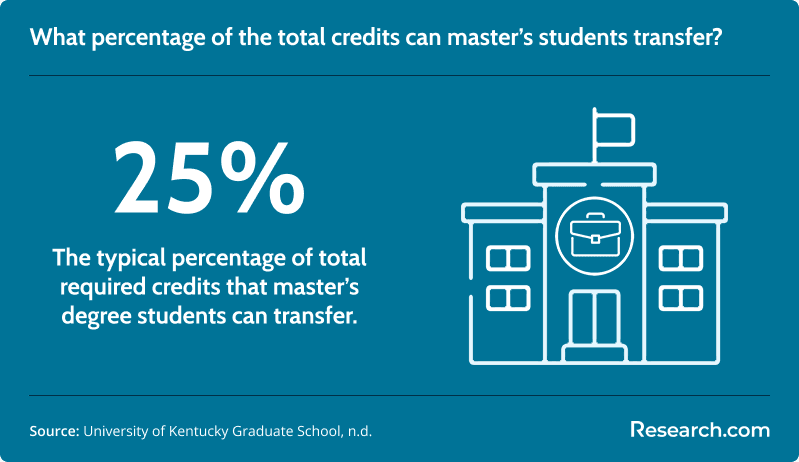
Many online master’s programs accept transfer credits, but the rules are not universal. Schools may allow students to transfer 25% to 50% of required credits when prior graduate coursework came from an accredited institution, was completed recently enough, earned an acceptable grade, and closely matches the new curriculum. Fields with standardized core courses, such as accounting, education, and healthcare administration, may be more likely to review transfer work favorably.
Before enrolling, request a written transfer evaluation. Ask which courses will apply to core requirements, which will count only as electives, and whether transfer credits affect financial aid, residency requirements, or graduation timelines. Students with prior graduate certificates, military education, professional certifications, or employer-based training should ask whether any of those experiences can reduce course requirements, but should not assume approval without documentation.
Is an Easy Online Master’s Degree a Valuable Investment?
An easy online master’s degree can be worthwhile when it is accredited, affordable, aligned with a clear career objective, and recognized in the target industry. The investment is weaker when the student chooses a program only because it seems quick, ignores total cost, or selects a degree that does not support licensing, promotion, specialization, or a realistic career transition. Students trying to control expenses should compare credible low-cost options, including cheapest online graduate programs, while also checking completion rates, faculty support, and employer relevance.
| Question | Why it matters | Better decision rule |
| Will this degree qualify me for a specific role or promotion? | A degree without a clear career use may not justify the cost. | Choose a program tied to documented job requirements or advancement criteria. |
| Is the school properly accredited? | Accreditation affects aid eligibility, transferability, credibility, and licensing pathways. | Verify institutional and programmatic accreditation before applying. |
| Can I complete the workload while working? | Dropping or extending enrollment can increase costs. | Review weekly workload expectations and choose full-time or part-time accordingly. |
| What is the full cost after fees and aid? | Tuition alone rarely shows the real price. | Compare net cost, not advertised tuition. |
How Do Self-Paced Online Formats Enhance the Overall Learning Experience?
Self-paced learning can make a master’s program more manageable because students can spend more time on difficult material and move more quickly through familiar content. This format works best for disciplined learners who can plan their week, meet milestones, and ask for help before falling behind. Students comparing accredited self-paced online colleges should look for clear instructor access, transparent grading, academic advising, and limits that prevent students from delaying progress indefinitely.
What Challenges Might Arise With an Easy Online Master’s Degree?
Flexible programs can still be difficult. Online students may struggle with isolation, inconsistent motivation, limited networking, unclear technology platforms, delayed feedback, or weak career support. Some programs that advertise convenience may offer fewer live interactions or less structure than students expect. Others may be easy to enter but hard to complete because assignments are compressed into short terms.
Students should also avoid assuming that an easy graduate degree automatically improves employability. Employer recognition, accreditation, skills gained, portfolio quality, licensure alignment, and professional experience all matter. In some cases, students who need to finish an earlier credential first may benefit from a faster undergraduate option such as an online accelerated bachelor's degree before pursuing graduate admission.
Can an Easy Online Master’s Degree Support a Career Transition?
Yes, an online master’s degree can help with a career transition when it builds skills that employers in the new field actually value. Applied programs are often useful because students can complete projects, case studies, portfolios, and internships related to their target industry. For example, a teacher moving into instructional design, a nurse moving into healthcare administration, or a business professional moving into data-informed management may benefit from a focused graduate program.
The key is choosing a degree that closes a specific skill gap. Students seeking a faster transition should compare accelerated options carefully, including a fastest online degree pathway when speed is important. Fast programs can be useful, but they require strong planning and may not be ideal for students who need extensive career exploration, foundational coursework, or licensure preparation.
Can a Condensed 1-Year Master’s Program Accelerate Your Career Growth?
A condensed program such as a 1 year masters can help students finish faster, reduce time away from career advancement, and apply new skills quickly. These programs are best for students with strong academic preparation, predictable schedules, and clear goals. They may be less suitable for students who need lighter weekly workloads, more faculty interaction, field placements, or time to absorb unfamiliar technical material.
Before choosing a 1-year format, ask how many hours per week the program expects, whether courses overlap, whether capstones or internships are required, and what happens if you need to slow down. An accelerated timeline is only valuable if you can complete it successfully without sacrificing learning quality or professional performance.
What Should I Look for in a University Offering an Easy Master’s Degree Online?
The best online university is not simply the one with the easiest application. It should offer a credible credential, a realistic workload, transparent pricing, and the support needed to finish. Use the criteria below before committing.
Accreditation
Accreditation confirms that an institution or program has been reviewed against recognized quality standards. Students should verify institutional accreditation and, when relevant, field-specific accreditation. The Council for Higher Education Accreditation provides information on specialized accreditation based on the field, including areas such as business, public health, and education. Accreditation is especially important for financial aid, transfer credit, employer recognition, and licensure-related programs.
Program Flexibility
Look beyond the word “online.” Ask whether courses are asynchronous or live, whether part-time study is allowed, how often courses start, and whether students can pause or reduce course loads if work or family demands change. Flexibility should be built into the program design, not left for students to negotiate after enrollment.
Career and Student Support Services
Strong support can make an online degree easier to complete. Useful services include academic advising, online tutoring, writing support, library access, technical help, faculty office hours, career coaching, resume review, internship guidance, and alumni networking. Students in career-changing programs should prioritize schools that offer targeted career resources for online learners, not only campus students.
Faculty Expertise
Faculty background matters. In applied programs, instructors with industry experience can help students connect coursework to workplace problems. In research-oriented or licensure-related programs, faculty credentials, supervision experience, and scholarly expertise may be more important. Review faculty bios, course leadership, and whether online students have meaningful access to instructors.
Questions to Ask Before Enrolling
- Is the institution accredited, and does the program need specialized accreditation for my career goal?
- What is the total cost, including fees, books, residencies, exams, and clinical or field placement expenses?
- How many hours per week do successful students typically spend on coursework?
- Can I complete the program part-time if my work schedule changes?
- Are GRE or GMAT scores required, optional, or waived?
- How many credits can I transfer, and will the school review them before I enroll?
- Does the program meet licensure or certification requirements in my state, if applicable?
- What career services are available specifically to online graduate students?
What Is the Job Market Outlook for Easy Online Master’s Degree Graduates?
The job outlook depends more on the field than on whether the degree was online. Employers generally care about accredited education, relevant skills, work experience, licensure where required, and evidence that graduates can solve workplace problems. Fields such as applied computer science, communication, healthcare administration, education leadership, and organizational management may value practical graduate-level training when it aligns with role requirements.
Students should evaluate career outcomes by discipline, not by the broad label of “easy online master’s degree.” Compare job postings in your target field, look for required and preferred credentials, review whether employers mention specific certifications or licenses, and ask programs for career placement support. If you are still exploring accessible academic routes, Research.com’s guide to the easiest degrees to get online can help you compare broader online degree options.
What Industries Value Easy Online Master’s Degrees?
Several industries value online master’s degrees when the program is accredited and the curriculum matches job expectations. Education, healthcare, public administration, nonprofit management, business, human resources, finance, marketing, communication, and technology are common examples. In healthcare administration and public administration, graduate education may be preferred for some leadership or management roles because the work requires policy knowledge, budgeting, compliance, and organizational decision-making.
According to the U.S. Bureau of Labor Statistics (BLS), professionals with advanced degrees generally earn higher salaries and are eligible for senior roles. That does not guarantee a salary increase for every graduate, but it does show why a master’s degree can be valuable in fields where advanced expertise is tied to promotion, specialization, or leadership responsibilities.
Technology employers may also consider online graduate degrees in applied areas such as cybersecurity, data analysis, project management, and software development, especially when students can show portfolios, projects, certifications, or relevant work experience. In business fields, online graduate programs can help professionals strengthen leadership, analytics, communication, and management skills without leaving the workforce.
How Do Online Master’s Degrees Compare With Cheap Online Bachelor Degree Programs in Delivering Advanced Career Benefits?
Online master’s degrees and cheap online bachelor degree programs serve different purposes. A bachelor’s degree usually provides broad entry-level preparation and may be the minimum credential for many professional roles. A master’s degree is more specialized and is often used for advancement, career switching, licensure preparation, leadership development, or deeper technical expertise.
Students should not choose a master’s degree if they still need a bachelor’s credential for basic eligibility. But for those who already hold a bachelor’s degree and want to move into management, specialized practice, advanced analytics, education leadership, healthcare administration, or other higher-responsibility roles, a graduate degree may provide more targeted career value.
Can Additional Online Certifications Enhance My Career Prospects?
Online certifications can strengthen a master’s degree when they add a specific skill that the degree does not fully cover. For example, a healthcare administration student may benefit from a compliance or data analytics credential, while a communication student may add digital marketing or project management training. Students comparing the highest paying online certifications should choose credentials that match job postings in their intended field rather than collecting certificates without a strategy.
Do Online Master’s Programs Offer Dedicated Career Support Services?
Many online master’s programs offer career services, but the quality and accessibility vary. Strong programs may provide career coaching, resume and LinkedIn reviews, interview preparation, job search tools, alumni mentoring, employer panels, internship guidance, and networking events designed for online students. Some career centers may also recommend targeted credentials such as the highest paying certifications when they complement the student’s graduate degree and career target.
Before enrolling, ask whether career services are included in tuition, available after graduation, and staffed by advisors familiar with your industry. Career support is especially important for students using an online master’s degree to switch fields.
What Are the Best Careers With an Easy Online Master’s Degree?
Career outcomes depend on the degree field, prior experience, location, licensure, and employer requirements. Still, several roles may align well with applied online master’s programs:
- Public Health Manager: Averages a median salary of $110,680 and may suit students interested in healthcare programs, policy, operations, and community health services.
- Cybersecurity Analyst: With a median salary of around $120,360, this role is relevant for graduates who build strong technical security, risk management, and systems skills.
- Human Resources Manager: Offering a median salary of about $136,350, this career may align with organizational leadership, business, or human resources graduate study.
- Education Administrator: Postsecondary education administrators earn a median salary of approximately $102,610 and may benefit from training in leadership, student services, academic operations, and curriculum development.
These careers show why program fit matters. A manageable master’s degree is most valuable when it develops skills that connect directly to the target role, such as strategy, compliance, communication, technical problem-solving, budgeting, or personnel management.
How Can I Finance an Easy Online Master’s Degree?
Financing an online master’s degree starts with understanding the full cost and then matching that cost to available aid. Students should complete the FAFSA when applicable, compare institutional scholarships, ask about employer tuition reimbursement, review military or veteran benefits, and determine whether payment plans are available. Research.com’s guide to online accredited colleges that accept financial aid can help students focus on institutions where federal aid participation is part of the affordability picture.
Practical Ways to Lower Cost
- Choose an accredited public university when it offers a lower net price.
- Ask whether online students pay in-state, out-of-state, or flat-rate tuition.
- Request a transfer credit review before enrolling.
- Compare total program cost, not only cost per credit.
- Use employer tuition assistance if the degree aligns with your job.
- Apply for field-specific scholarships from professional associations.
- Avoid taking unnecessary electives that do not count toward graduation.
Can Accelerated Education Paths Complement My Online Master’s Degree?
Accelerated education pathways can help some students reach graduate study more efficiently, especially if they still need prerequisites, transfer credits, or a prior credential. For example, accelerated associate degree programs may help students complete foundational coursework more quickly before moving toward a bachelor’s degree and, eventually, a master’s program. This strategy works best when credits transfer cleanly and each credential supports a clear long-term plan.
Students should avoid stacking accelerated programs without checking transferability, accreditation, and admissions requirements. Speed only helps when the credits count and the pathway leads to the intended career outcome.
Common Mistakes to Avoid When Choosing an Easy Online Master’s Degree
- Choosing only by the word “easy”: A program should be manageable, not academically weak or poorly recognized.
- Ignoring accreditation: Unaccredited or improperly accredited programs can create problems with financial aid, transfer credit, employer recognition, and licensure.
- Comparing tuition without fees: Technology fees, books, residencies, exams, and field placement costs can change the real price.
- Assuming online means self-paced: Some online programs have strict weekly deadlines or required live sessions.
- Overlooking state licensure rules: Nursing, education, counseling, psychology, and other regulated fields may have state-specific requirements.
- Skipping transfer credit evaluation: Students with prior graduate coursework may save time and money if credits are approved before enrollment.
- Relying only on rankings: Rankings can help narrow options, but the right program must fit your schedule, budget, field, and career goal.
- Assuming salary outcomes are guaranteed: Earnings depend on field, experience, location, credentials, employer demand, and individual performance.
References
- BLS. (2024). Employment Projections. BLS.
- BLS. (2024). Human Resources Managers. BLS.
- BLS. (2024). Information Security Analysts. BLS.
- BLS. (2024). Medical and Health Services Managers. BLS.
- BLS. (2024). Postsecondary Education Administrators. BLS.
- NCES. (2023). Average and percentiles of graduate tuition and required fees in degree-granting postsecondary institutions, by control of institution: Academic year 1989-90 through 2021-22. NCES.
- NCES. (2024). Graduate Degree Fields. NCES.
- Liberty University. (n.d.). Experience Plus and Transfer Credit. liberty.edu.
- University of Kentucky Graduate School. (n.d.). Transfer Students. gradschool.uky.edu.
Key Insights
- The easiest online master’s degree is the one that fits your background and goals, not necessarily the one with the shortest timeline or simplest admissions process.
- Applied fields such as education, organizational leadership, communication, criminal justice, healthcare administration, sports management, and some nursing or technology tracks are often more manageable for students with related experience.
- Many master’s programs take approximately one to two years, but self-paced, asynchronous, accelerated, and part-time formats can make completion more realistic for working adults.
- Graduate tuition varies widely: in the 2021-22 academic year, average graduate tuition was $12,596 at public universities and between $14,961 and $29,931 at private institutions.
- Accreditation, transfer credit, financial aid eligibility, licensure alignment, and career services should carry more weight than marketing claims about convenience.
- Online graduate degrees can support promotions, career changes, and specialized roles, but outcomes depend on the field, student experience, employer demand, and the practical skills gained during the program.
Other Things You Should Know About Easy Online Master’s Degree Programs
Yes, many online master's degree programs in 2027 offer accelerated options. These programs allow students to complete their degrees faster by condensing coursework into shorter timeframes, often with more intensive study formats. This can significantly reduce the time needed to earn a degree.
Many online master’s programs ask for a minimum 2.75 or 3.0 undergraduate GPA for admission. Some schools admit lower GPAs with a strong resume, personal statement, or recommendation letters, but the standard cutoff is usually listed in the program’s admissions rules.


