2027 Hybrid vs Fully Online Environmental Science Bachelor's Degree Programs

Co-Founder and Chief Data Scientist
A working single parent in a rural town considers pursuing a bachelor's degree in environmental science. The choice is between logging in remotely at any hour or traveling weekly to campus for hands-on labs and face-to-face discussions. Time constraints and childcare responsibilities press for a fully online program's flexibility, while the desire for direct engagement and networking leans toward a hybrid format.
Approximately 35% of environmental science graduates find employment in fields requiring practical experience, underscoring the importance of learning format decisions. This article explores the pros and cons of hybrid versus fully online environmental science degree programs to guide prospective students in making informed choices.
Key Benefits of Hybrid vs Fully Online Environmental Science Bachelor's Degree Programs
- Hybrid programs offer more learning flexibility by combining online coursework with scheduled in-person sessions, benefiting students who prefer some campus engagement without full-time commuting.
- Fully online programs provide minimal in-person interaction, making them ideal for students needing maximum schedule adaptability, especially those balancing work or family obligations.
- Hybrid formats support networking and hands-on experiences crucial in environmental science careers, while online formats better accommodate diverse personal and professional commitments through self-paced study.
What is a hybrid vs. a fully online environmental science bachelor's degree?
Hybrid and fully online environmental science bachelor's degree programs mainly differ in how courses are delivered, the amount of in-person engagement required, and the overall learning structure. According to the National Center for Education Statistics, over 35% of undergraduates enrolled in fall 2021 took at least one online course, reflecting the growing popularity of digital learning. Below is a comparison to help clarify these differences.
Hybrid Programs
- Course delivery blends online lectures with scheduled on-campus or in-person sessions such as labs and seminars.
- Students must coordinate their schedules to attend these on-site sessions, which may happen weekly or monthly.
- Interaction with instructors and peers is often more direct and hands-on during face-to-face meetings.
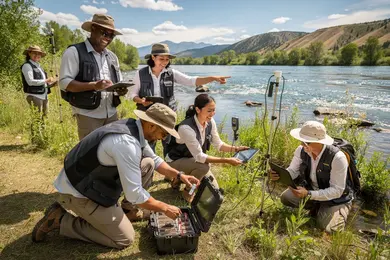
- Practical experiences like fieldwork and lab activities are common, enhancing experiential learning.
- Hybrid environmental science bachelor's degree programs appeal to those seeking a balance of flexibility and personal engagement.
Fully Online Programs
- All coursework, assessments, and discussions are delivered digitally without any physical attendance required.
- Students can usually complete assignments anytime before deadlines, offering maximum schedule flexibility.
- Interaction happens primarily through forums, video calls, and emails, which may feel less immediate but still facilitate communication.
- Virtual simulations, multimedia content, and remote projects replace hands-on lab or field experiences.
- Fully online environmental science bachelor's degree options suit learners who prioritize convenience and accessibility regardless of location.
For those exploring flexible graduate options, a useful resource is one year masters programs online, which also align with the trend toward digital education pathways.
How does a hybrid vs. a fully online environmental science bachelor's degree program work?
Both hybrid and fully online environmental science bachelor's degree programs follow structured academic pathways designed to build knowledge progressively, but they differ significantly in course delivery and student interaction. Recent data from the National Center for Education Statistics shows enrollment in distance education courses rose from 20% in 2012 to over 37% in 2020, highlighting a growing trend toward flexible learning models.
This growth reflects changing student preferences and technological advancements. Below is a comparison of how these program types typically operate.
Hybrid Programs
- Students complete most coursework online while attending scheduled on-campus sessions for hands-on labs and group projects.
- Course materials and lectures are accessed digitally through a learning management system, blending asynchronous and synchronous learning.
- Class participation includes online discussions complemented by in-person meetings every few weeks.
- Communication occurs via email, discussion boards, video calls, and face-to-face interaction to support varied learning styles.
- Scheduling balances remote assignments and on-site activities with structured deadlines for timely progress.
Fully Online Programs
- All coursework is delivered through digital platforms, allowing students to study remotely without any campus visits.
- Lectures, readings, and assignments can be accessed asynchronously, with some programs offering live webinars for real-time engagement.
- Student interaction mainly occurs through online forums, video conferences, and chats to maintain community and collaboration.
- Flexible scheduling enables learners to engage with materials at their convenience while adhering to course deadlines.
- Assessments and group projects are completed entirely online using digital collaboration and testing tools.
Those exploring a hybrid environmental science bachelor's degree program structure or the fully online environmental science bachelor's degree admission and flexibility options may also want to consider related fields. For instance, an accredited online psychology degree provides a similarly accessible and flexible model in a different discipline.
Are admission requirements different for hybrid and fully online environmental science bachelor's degrees?
Admission criteria for hybrid and fully online environmental science bachelor's degree programs generally align closely, reflecting institutional academic standards rather than delivery format. Yet, variations arise from the differences in how each program engages students. Below are some key distinctions prospective applicants should consider.
- Residency and Attendance Requirements: Hybrid programs often require candidates to demonstrate their ability to attend on-campus sessions, which might involve proving local residence or plans to relocate. Fully online programs typically remove geographic limits, welcoming students regardless of location.
- Technical Specifications: Fully online applicants usually need to confirm reliable internet access and compatible technology to handle virtual labs and interactive coursework. Hybrid students may encounter fewer technical demands due to in-person components that reduce sole reliance on digital tools.
- Documentation and Application Materials: Applications for hybrid programs might require additional paperwork, such as health clearances or campus access permissions, linked to on-site participation. Fully online programs often streamline their processes, focusing primarily on academic records and standardized test scores.
- Program-Specific Prerequisites: Hybrid degrees may insist on prior lab or field experience tied to their in-person requirements. Conversely, fully online programs might offer modified prerequisites or remote alternatives that fulfill the same educational objectives.
- Interview or Visit Expectations: Some hybrid programs include personal interviews or campus visits to assess fit for blended learning, while fully online programs tend to rely on virtual communication and rarely require in-person meetings.
A student enrolled in a fully online environmental science bachelor's degree shared her experience, noting the application process felt straightforward but thorough. She emphasized that confirming her technical setup upfront saved her from difficulties later, explaining, "I made sure my internet and computer met the requirements before applying, which made the transition smoother."
She also appreciated the focus on academic records over extra paperwork, saying, "It was relieving not to have to handle health forms or travel for interviews." The student reflected positively on the flexibility but acknowledged that thoroughly understanding the technical expectations was essential to avoid surprises once classes began.
Is the learning experience better in hybrid vs online environmental science bachelor's degrees?
Hybrid environmental science bachelor's programs blend online flexibility with valuable in-person engagement, often leading to increased student involvement. These programs enable face-to-face interactions through labs, discussions, and group work, enhancing the learning process.
Students benefit from more immediate access to instructors during on-campus sessions, which helps clarify challenging concepts. Additionally, hybrid formats offer both physical and digital resources, allowing students to use campus facilities alongside virtual libraries and online materials. This integrated approach often results in a more immersive and dynamic educational experience than purely online options.
Fully online environmental science degrees focus heavily on convenience, appealing to those with busy schedules or personal commitments. Although they lack direct physical engagement, many online programs use interactive tools like video lectures, forums, and virtual labs to promote collaboration and involvement.
Instructor access is typically limited to virtual office hours or asynchronous methods, placing more responsibility on students to manage their learning. The reliance on digital platforms requires comfort with online databases and resources, which can be a hurdle for some. While offering unmatched flexibility, fully online programs may not deliver the same depth of hands-on experience or real-time peer interaction as hybrid formats.
Which is more flexible: a hybrid or a fully online environmental science bachelor's degree?
Hybrid environmental science bachelor's degree programs offer a mixture of online coursework and mandatory in-person sessions such as labs, seminars, or fieldwork, resulting in a structured weekly schedule. While this format limits flexibility due to required attendance on campus at set times, it allows students to experience direct interactions with faculty and peers.
This blend appeals to those seeking a balance between remote learning convenience and hands-on education. Students balancing work or personal commitments may find these fixed schedules challenging but appreciate the opportunity for face-to-face engagement.
For individuals comparing which is more flexible hybrid environmental science bachelor's degree programs, this format offers partial scheduling freedom alongside essential campus involvement.
Fully online environmental science degrees, in contrast, provide greater flexibility by enabling students to access lectures, assignments, and discussions remotely and asynchronously. This setup supports learners who need to control when and where they study, accommodating jobs, family, and other responsibilities without on-campus attendance requirements.
According to a 2023 study by the Online Learning Consortium, 73% of online students prioritize flexible scheduling, highlighting its significance. For those seeking maximum autonomy, fully online programs reflect the flexibility advantages many are looking for. Prospective students can explore options like a data master online that accentuates the convenience of remote study.
What is the workload for hybrid vs fully online environmental science bachelor's degrees?
Hybrid and fully online environmental science bachelor's degree programs maintain similar academic expectations, yet they differ in pacing and organization, which impacts how students manage their time. Research from the Online Learning Consortium finds that roughly 60% of online learners dedicate more time to their coursework than initially expected, highlighting a significant commitment regardless of delivery style. These distinctions shape how students approach their studies and manage their weekly schedules.
In hybrid environmental science programs, workload divides between on-campus sessions and online activities. Students must attend scheduled classes in person, which sets a fixed timetable and requires consistent attendance.
This structure allows for direct interaction with instructors and classmates during designated times. Outside of these meetings, learners complete digital assignments, readings, and labs remotely, balancing the structured classroom environment with independent online work.
Fully online environmental science degrees emphasize asynchronous learning, enabling students to access lectures, discussions, and resources at their convenience. This format demands strong self-motivation and discipline, as students are responsible for setting their own deadlines and maintaining study routines without scheduled class meetings.
Coursework typically includes virtual labs, interactive modules, and digital assignments designed to simulate hands-on experiences. While online delivery offers flexibility, it requires learners to carefully manage their pace to meet academic requirements independently.
How does tuition compare for hybrid vs online environmental science bachelor's degrees?
Tuition for hybrid and fully online environmental science bachelor's degree programs can vary significantly due to differences in delivery formats, institutional pricing policies, credit requirements, and extra student fees. On average, fully online programs tend to offer tuition rates roughly 10-15% lower per credit hour compared to hybrid options, reflecting lower institutional overhead costs.
- Per-Credit Costs: Hybrid environmental science programs usually have higher per-credit fees because students access some on-campus instruction, which requires additional faculty time and use of physical resources.
- Campus and Technology Fees: While both program types charge technology fees, hybrid students often face extra campus fees covering lab usage, facilities, and student services that fully online students generally avoid.
- Residency and Facility Charges: Some hybrid programs apply in-state tuition only for the on-campus portion, which can increase costs for non-residents, whereas fully online programs frequently charge uniform rates regardless of location.
- Payment Flexibility: Hybrid programs may enforce stricter payment deadlines tied to on-campus enrollment cycles, limiting flexibility, whereas fully online programs usually allow rolling admissions and multiple payment options.
When discussing how tuition compares for hybrid versus online environmental science bachelor's degrees, a graduate of a hybrid program shared that managing the fluctuating fees was challenging. He described navigating additional campus fees and coordinating payments by set deadlines as stressful but said the in-person sessions enhanced his learning experience. He also noted that despite higher tuition, access to labs and face-to-face support made the investment worthwhile, even though budgeting required careful planning throughout the degree.
Do employers prefer hybrid or fully online environmental science bachelor's degrees?
Employer perceptions of hybrid and fully online environmental science bachelor's degrees have evolved significantly as online education quality and technology have improved. A 2023 survey by the National Association of Colleges and Employers reports that over 75% of employers now trust candidates with online degrees, reflecting broad acceptance across various industries. This shift sets the stage for examining how employers view hybrid versus fully online environmental science programs in today's job market.
When considering employer preferences for hybrid vs fully online environmental science degrees, several factors come into play:
- Balance of Experience: Hybrid degrees offer a mix of in-person and online learning, which employers often see as providing practical hands-on skills alongside flexibility. This format tends to prepare graduates with both fieldwork experience and digital adaptability.
- Flexibility and Motivation: Fully online programs highlight self-discipline and time management. Employers value these traits but sometimes question whether graduates gain sufficient lab or field exposure purely through remote learning.
- Industry Expectations: Certain sectors, like environmental consulting or government, may prefer hybrid graduates for their demonstrated practical skills. Other fields focused on technical expertise might equally appreciate fully online graduates who have maximized digital platforms.
- Reputation Over Format: Employers often prioritize the institution's reputation and candidate credentials above the degree delivery method, emphasizing relevant experience and proven competencies.
For students weighing these options, it's important to note how job market perceptions of online and hybrid environmental science bachelor programs vary by employer and role. Additionally, some may consider complementary pathways, such as pursuing a masters degree in counseling online, depending on career goals and interests.
Who should choose a hybrid vs. a fully online environmental science bachelor's degree?
The choice between a hybrid and a fully online environmental science bachelor's degree depends significantly on individual learning preferences, schedule flexibility, and lifestyle requirements. Each format presents distinct advantages tailored to different students' needs, making it essential to weigh these factors carefully before deciding. Here is a breakdown of the profiles best suited for each program type.
- Hybrid Learners: Students who benefit from a blend of in-person interaction and online convenience often thrive in hybrid environmental science degree benefits for working professionals. They enjoy direct access to instructors, hands-on lab experiences, and a structured learning environment that supports motivation while allowing some schedule flexibility.
- On-Campus Proximity: Those living near campus or willing to commute frequently find hybrid programs appealing. These students leverage face-to-face collaboration opportunities, enhancing practical skills and networking.
- Fully Online Professionals: Working adults balancing careers and education typically favor fully online environmental science bachelor's degree flexibility and career advancement. This format provides maximum scheduling freedom, accommodating their busy and often unpredictable lives.
- Remote Students: Learners residing far from campus or in remote regions where commuting is impractical find fully online programs more accessible. They benefit from geographic independence without compromising educational quality.
- Self-Directed Learners: Independent students comfortable with digital platforms and motivated by autonomy gravitate toward fully online programs. These individuals excel in managing their study pace and schedules.
- Career Transitioners: For those exploring changes within STEM fields, resources like the bachelor applied artificial intelligence demonstrate how flexible degree formats can support multi-disciplinary career pathways.
How can I succeed in a hybrid vs. a fully online environmental science bachelor's degree program?
Success strategies vary between hybrid and fully online environmental science bachelor's programs due to their differing blends of in-person and virtual learning. While hybrid students benefit from face-to-face interaction, fully online learners depend more on self-discipline and digital skills. The following approaches can help you thrive in either format.
- Time Management: Hybrid students should plan around scheduled campus days and allocate separate blocks for online study, while fully online learners must create consistent daily routines to stay on track without fixed class times.
- Active Participation: Engage fully during in-person labs or discussions in hybrid courses to build hands-on understanding; online students should maximize virtual forums and live sessions to stay connected.
- Resource Utilization: Hybrid learners can leverage physical campus facilities like libraries and tutoring centers, whereas online students should explore digital resources and virtual academic support.
- Tech Proficiency: Fully online students need to master learning management systems, video tools, and communication platforms to avoid technical obstacles that can hinder progress.
- Study Environment: Online learners benefit from creating a dedicated, distraction-free space at home, while hybrid students should optimize both home and campus settings for effective study.
- Communication: Regular interaction with instructors is vital in both formats; hybrid students can combine in-person and email contact, while online students rely on prompt virtual communication channels.
- Self-Motivation: Greater independence is critical for online students who must self-initiate study, whereas hybrid students can use scheduled campus time to maintain motivation and accountability.
What Graduates Say About Hybrid vs Fully Online Environmental Science Bachelor's Degree Programs
- Allan: "I chose the fully online environmental science bachelor's degree because I needed flexibility while working full-time. The program's structure allowed me to engage deeply with the material at my own pace, which made balancing studies and personal commitments much easier. Since graduating, the knowledge and practical skills I gained have been invaluable in securing my current role in sustainability consulting."
- Gunnar: "The hybrid environmental science program appealed to me because I wanted the best of both worlds: hands-on experience combined with the convenience of online learning. Navigating the mix of in-person labs and virtual lectures took some adjustment, but the support from faculty made the transition seamless. This degree has significantly broadened my career opportunities, allowing me to collaborate on impactful environmental projects nationwide."
- Jaxon: "Pursuing an environmental science degree fully online was initially a challenge due to the technical demands, but it ultimately taught me self-discipline and time management. The interactive virtual labs and discussion forums helped me stay connected with peers and professors despite the distance. Professionally, this degree has empowered me to bring innovative solutions to environmental challenges within my organization and advance rapidly in my field."
Other Things You Should Know About Environmental Science Degrees
Fully online environmental science programs often incorporate virtual labs and simulations to teach practical skills. However, some programs may require short, intensive in-person sessions or arrangements with local facilities to complete necessary lab and fieldwork components. It is important to check each program's structure for these experiential learning opportunities.
Hybrid programs typically provide more face-to-face interaction with peers and faculty, which can enhance networking. In-person components allow students to engage directly in group projects and campus events, potentially expanding professional connections more than fully online formats. However, some fully online programs offer virtual networking events and alumni platforms to support career growth.
Internship opportunities in 2027 are generally more accessible for hybrid programs due to in-person networking and proximity to local organizations. Fully online programs may rely more on virtual internships or require extra effort to secure placements, which can vary based on the university's industry connections.
Internship availability depends more on the institution's partnerships and location than program format. Hybrid students may find it easier to pursue local internships due to their on-campus presence, while fully online students might need to seek remote or regionally flexible internship options. Many programs facilitate connections to environmental organizations regardless of delivery mode.
References
- Program search – UniPage https://www.unipage.net/en/programs
- The Rise of Hybrid & Online Degrees: Are They Worth It? | EdNet Consultants https://www.ednetconsultants.com/the-rise-of-hybrid-online-degrees-are-they-worth-it/
- Hybrid vs Virtual Classrooms: Best Model for Online UG & PG https://dsuonline.com/resources/
- Difference between Hybrid, Online & In-Class Degree Programmes | BSBI https://www.berlinsbi.com/blog/what-is-the-difference-between-hybrid-online-and-in-class-degree-programmes
- Online Environmental Science Degree | BS Environmental Science | University of Phoenix https://www.phoenix.edu/online-liberal-arts-degrees/environmental-science-bachelors-degree.html
- How To Choose Between Online And Hybrid Learning - From Click to Masterpiece - Elevating Your Photography https://novessphoto.com/how-to-choose-between-online-and-hybrid-learning-2/
- Is a degree in environmental science worth it? | edX https://www.edx.org/resources/is-a-degree-in-environmental-science-worth-it
- Hybrid class vs. online: Choosing the best for your student https://www.asuprepdigital.org/blog/hybrid-class-vs-online/
- distance learning degree in Ecology, Environmental science etc.. – Chat Forum – Singletrack World Magazine Forum https://singletrackworld.com/forum/off-topic/distance-learning-degree-in-ecology-environmental-science-etc/