2027 Cheapest and Shortest Online Digital Photography Degree Programs That Pay Well: Cost, Duration, and Salary Outlook

Co-Founder and Chief Data Scientist
Choosing an online digital photography degree usually comes down to three questions: Can you afford it, can you finish it quickly, and will it help you build a portfolio that employers or clients take seriously? For many students, the goal is not to spend years in school. It is to gain practical camera, lighting, editing, and visual storytelling skills without taking on unnecessary debt.
Online study can make that path more flexible. Online education has grown by over 20% in recent years, giving aspiring photographers more ways to learn while working, freelancing, or managing other responsibilities. Still, not every low-cost or accelerated program is a smart investment. Students need to compare tuition, accreditation, course format, equipment costs, portfolio support, and career outcomes before enrolling.
This guide explains what to expect from the cheapest and shortest online digital photography degree programs, including typical costs, financial aid options, accelerated formats, skills taught, legitimacy checks, career paths, and how to choose a program that fits your budget and goals.
Key Benefits of the Cheapest and Shortest Online Digital Photography Degree Programs That Pay Well
- Online digital photography degrees reduce tuition costs by up to 40% compared to traditional programs, making them accessible for students with limited budgets.
- Accelerated online programs typically take 12 to 18 months, allowing faster entry into the workforce and minimizing opportunity costs.
- Graduates earn competitive salaries, with a median annual wage around $45,000, resulting in strong return on investment despite shorter academic timelines.
How Much Does an Affordable Online Digital Photography Degree Typically Cost?
An affordable online digital photography degree typically costs less than a comparable campus-based program, but the final price depends on the credential level, school type, credit requirements, and required technology. Online tuition generally runs about 15-20% lower than on-campus programs, mainly because students may avoid commuting, housing, and some campus-based fees.
For associate and bachelor's degree options, typical tuition often falls between $10,000 and $25,000. Students who choose a community college, public institution, or shorter associate-level pathway may pay less than those pursuing a longer bachelor's program at a private school.
- Tuition range: Many online digital photography associate and bachelor's programs cost between $10,000 and $25,000, depending on institution, transfer credits, and program length.
- Cost per credit: Students usually pay between $200 and $500 per credit. Public colleges and community colleges are often the lower-cost options.
- Online savings: Online rates tend to be approximately 15-20% less than equivalent on-campus tuition, though students should still check technology, platform, and course fees.
- Photography-specific costs: Budget for a reliable camera, lenses, lighting equipment, storage drives, editing software, printing, and portfolio expenses. These can add several hundred to a few thousand dollars.
- Program length: Accelerated associate degree programs may be completed in 12 to 18 months, which can reduce time away from full-time work and help students enter the field sooner.
- Return on investment: Median photographer salaries around $45,000 annually suggest that cost control matters. A lower-cost program can make financial sense if it helps you produce a strong portfolio and avoid excessive borrowing.
When comparing programs, calculate the full cost rather than tuition alone. Add required credits, equipment, software, fees, and any lost income if you plan to study full time. Students comparing affordable education paths beyond photography may also review options such as cheapest online mba programs to understand how low-cost online degrees vary by field.
Can You Get Financial Aid in the Cheapest Online Digital Photography Programs?
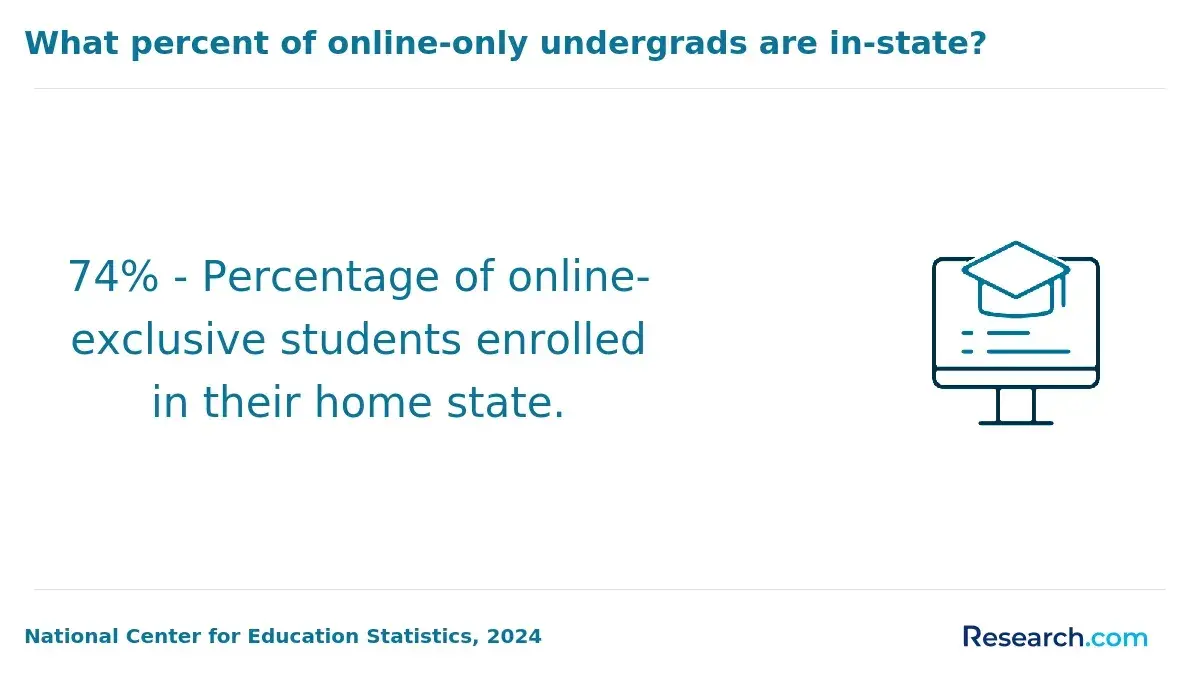
Yes, students in many affordable online digital photography programs can qualify for financial aid, but eligibility depends on the school, accreditation status, enrollment level, and whether the program participates in federal aid programs. Approximately 56% of online undergraduates benefit from some form of aid, so students should not assume that a low-cost online program must be paid fully out of pocket.
The most important first step is confirming that the institution is properly accredited and eligible for federal student aid. If it is not, students may have fewer grant, loan, and scholarship options.
- Federal Grants: The federal Pell Grant is need-based funding that does not require repayment. Eligible students can use grants to reduce tuition and fee costs in qualifying digital photography programs.
- Scholarships: State, school-based, and private scholarships may support students in creative disciplines. Look for awards tied to photography, digital media, visual arts, first-generation students, adult learners, or career changers.
- Loan Programs: Direct Subsidized and Unsubsidized Loans can help cover remaining costs, but they must be repaid. Borrow only what is necessary, especially in a field where income can vary by location, specialization, and freelance client base.
- Employer Tuition Assistance: Working adults may be able to use employer-sponsored tuition benefits if the program supports their current or future role. Policies differ by company, and some employers require continued employment after reimbursement.
In many affordable programs, the average cost per credit ranges from $200 to $400. Combining grants, scholarships, tuition reimbursement, and careful course planning can substantially reduce out-of-pocket costs. Students should also ask whether transfer credits, prior learning assessment, or portfolio review can reduce the number of credits they need to complete.
For additional perspective on evaluating accredited online programs in another professional field, students may compare requirements for cacrep accredited online masters counseling programs.
What Are the Shortest Online Digital Photography Degree Programs?
The shortest online digital photography options are usually certificate programs or accelerated associate degrees. About 30% of online learners pursue fast-track degrees, reflecting strong demand for programs that reduce completion time and total cost. The right choice depends on whether you need a formal degree, want a quick skills upgrade, or plan to transfer into a bachelor's program later.
- Certificate programs: Certificates typically last 6 to 12 months and focus on practical skills such as camera operation, lighting, editing, digital workflow, and portfolio development. They are often best for beginners, hobbyists moving into paid work, or professionals adding visual content skills.
- Associate degrees: Online associate programs in digital photography or related fields can be completed in as little as 12 months in intensive formats. They provide broader foundations than certificates and may include general education, digital imaging, composition, and business basics.
- Bachelor's degrees: Bachelor's programs usually take 2.5 to 4 years. Accelerated options may use year-round enrollment, transfer credits, or eight-week modules to help full-time students finish in 2.5 to 3 years.
Shorter programs can be cheaper because students spend fewer terms enrolled, but they are not automatically better. A fast program is worthwhile only if it gives students enough time to build a polished portfolio, receive critique, and learn industry-standard editing workflows. Many programs charge per credit hour, with costs averaging between $150 and $400.
Graduates may pursue roles such as photographer, photo editor, or multimedia artist. Reported median salaries range from $40,000 to $55,000 annually according to the U.S. Bureau of Labor Statistics. Career outcomes depend heavily on portfolio quality, client relationships, specialization, and location.
Students who later move into creative management, education, or organizational roles may also consider advanced study, such as a phd in organizational leadership online, if it aligns with long-term career plans.
The shortest online digital photography programs usually use accelerated terms, asynchronous coursework, project-based assignments, and frequent critique. The goal is to cover essential technical and creative skills in less time than a traditional semester schedule. About 65% of creative field programs have adopted modular formats to improve engagement and retention.
- Term Length: Courses are commonly offered in compact sessions lasting between 5 and 8 weeks rather than a traditional 15-week semester. This lets students focus on fewer subjects at once while moving through the program quickly.
- Course Delivery: Most coursework is online and asynchronous, meaning students can watch lectures, complete readings, upload assignments, and participate in discussions on a weekly schedule rather than at a fixed daily time.
- Weekly Workload: Students generally commit 10 to 15 hours per week. In accelerated terms, that time may include shooting assignments, editing, critique participation, technical practice, and portfolio revisions.
- Instructor Feedback: Feedback is central in photography education. Strong programs provide detailed critique on composition, lighting, exposure, editing choices, and visual storytelling.
- Peer Interaction: Discussion boards, shared galleries, video critiques, and group projects help students learn how others interpret images and solve creative problems.
The compressed pace can be demanding. Students who succeed in fast-track photography programs usually plan shoots ahead of time, keep editing software updated, maintain organized file storage, and avoid leaving portfolio assignments until the final deadline.
One graduate described the accelerated format as intense but useful: "Managing assignments in such a tight timeframe pushed me to develop strong discipline." She noted that instructor availability and peer critique helped her stay motivated while completing the program faster than a traditional schedule.
Online classes in accelerated digital photography degrees combine flexible access with firm weekly deadlines. Around 35% of students in these programs complete their degrees within shortened timeframes, but that pace requires consistent time management. Students should expect hands-on assignments, image uploads, editing projects, critiques, and occasional live interaction.
- Asynchronous learning: Students access lectures, readings, demonstrations, and assignments online. This format helps working adults and career changers complete coursework outside standard class hours.
- Synchronous sessions: Some programs include scheduled live critiques, instructor Q&A sessions, or group discussions. These sessions are valuable because photography students need real-time feedback on visual choices.
- Shorter terms: Many accelerated programs use 5- to 8-week modules instead of traditional 15-week semesters. Deadlines arrive quickly, so falling behind can be difficult to fix.
- Project-based assignments: Students may be asked to produce images under specific lighting, composition, editing, or storytelling requirements. These assignments help build a portfolio while reinforcing technical skills.
- Collaborative critique: Discussion boards, video calls, and shared galleries allow instructors and classmates to comment on images. Learning to give and receive critique is part of professional development.
- Time-efficient structure: The strongest programs balance flexibility with accountability. Students can often choose when to study, but they still need to meet weekly milestones.
Before enrolling, students should ask how critiques are delivered, whether live sessions are required, what software is used, and how many portfolio-ready projects they will complete. A low-cost program is more valuable when it gives students repeated opportunities to produce, revise, and present professional-quality work.
A shortest-track online digital photography degree is designed to build job-ready creative and technical skills quickly. Employment for photographers is expected to grow 6% from 2021 to 2031, and graduates who combine technical ability with business judgment and a strong portfolio are better positioned for paid opportunities.
- Camera and Lighting Skills: Students learn how to control exposure, composition, focus, color, natural light, studio light, and shooting conditions. These skills are essential for producing consistent images across different assignments.
- Editing and Digital Workflow: Programs commonly train students in industry-standard editing software like Adobe Photoshop and Lightroom. Students also learn file organization, image selection, retouching, exporting, and preparing work for print or digital use.
- Visual Storytelling: Photography is not only technical. Students learn how to communicate mood, brand identity, narrative, and audience intent through image choices.
- Critical Thinking and Problem-Solving: Real assignments often involve imperfect lighting, limited time, changing client requests, or technical issues. Students practice adapting quickly while still producing usable images.
- Communication Skills: Graduates need to explain creative decisions, present work to clients, accept feedback, and collaborate with editors, designers, marketers, or other creative professionals.
- Professionalism and Time Management: Accelerated programs require students to plan shoots, meet deadlines, manage revisions, and deliver files in the correct format. These habits carry directly into freelance and staff photography work.
A graduate of one quick online digital photography degree described the experience this way: "Learning to use complex editing tools through self-paced assignments pushed me to problem-solve independently while staying on schedule." He also said that client-style presentations helped him practice communication under realistic pressure.
The best outcome of a short program is not just a credential. It is a portfolio that shows technical control, a consistent visual style, and the ability to complete assignments that match real client or employer expectations.
Cheap and fast online digital photography degree programs can be legitimate, but students need to verify quality before enrolling. A low price or short timeline is not a problem by itself. The risk is enrolling in a program that lacks accreditation, has weak faculty oversight, provides little critique, or does not help students build a usable portfolio.
- Accreditation: Confirm that the institution has valid regional or national accreditation. Accreditation helps ensure academic standards and can affect transfer credit, financial aid eligibility, and employer confidence.
- Faculty Qualifications: Look for instructors with professional photography experience, relevant creative work, or advanced academic credentials. Faculty should be able to critique both technical execution and visual strategy.
- Curriculum Quality: A credible program should cover camera operation, lighting, composition, digital editing, visual literacy, portfolio development, and professional practices.
- Portfolio Development: Legitimate photography programs should help students create finished work that can be shown to employers, clients, or admissions committees for further study.
- Licensing and Certification Eligibility: Photography is not licensed in the same way as many regulated professions, but alignment with recognized software, technical, or industry certifications can still strengthen a graduate's profile.
- Industry Recognition: Employer relationships, alumni outcomes, student work samples, internships, and professional partnerships can indicate whether the program is respected.
Warning signs include vague tuition details, no clear accreditation information, unrealistic job guarantees, limited instructor access, and no examples of student work. Students should request a full cost breakdown, review the course catalog, and ask how many completed portfolio projects are required before graduation.
The highest-paying roles for online digital photography degree graduates usually involve specialization, commercial value, technical precision, or creative leadership. Salaries vary by market, experience, client base, and portfolio strength. A degree can help, but employers and clients often place equal or greater weight on demonstrated work.
- Commercial Photographer: Commercial photographers create images for brands, advertising agencies, product campaigns, websites, and editorial projects. Median salaries hover around $54,000 annually, with experienced photographers in large metro areas earning over $75,000.
- Photography Director: Photography directors, sometimes working in creative director-style roles, supervise visual production, guide photoshoots, manage teams, and shape brand imagery. These leadership roles typically offer salaries from $70,000 up to $90,000, particularly within corporate media environments.
- Forensic Photographer: Forensic photographers support law enforcement by documenting crime scenes and evidence with technical accuracy. This role requires careful procedure and legal awareness, with salaries ranging between $50,000 and $80,000 depending on experience and employer.
- Photo Editor: Photo editors select, refine, organize, and prepare images for publication or marketing use. Strong editing judgment and software skills can lead to higher-paying media, advertising, or corporate content roles.
- Freelance Photographer: Freelancers may work in wedding, fashion, real estate, portrait, event, or commercial photography. Freelancers can determine their hourly rates and may earn more than $60,000 annually by developing a strong portfolio and client base.
Earning potential in digital photography depends on more than completing a program. Graduates typically improve their prospects by specializing, building repeat clients, learning business pricing, maintaining a professional website, and developing a portfolio targeted to the work they want. Completing an accelerated online degree, which often costs between $250 and $400 per credit, can be a faster route into these opportunities if the program produces strong practical outcomes.
Students comparing low-cost, accelerated education models in other fields may also review the cheapest online edd programs for examples of how affordability and program quality can be evaluated together.
Job placement rates for online digital photography graduates vary widely by program. Data from the National Center for Education Statistics (NCES) shows that reputable and accredited programs often achieve employment rates above 70% within six months of graduation. However, students should read placement claims carefully because schools may define employment differently.
In photography, placement depends heavily on portfolio quality, internships, networking, local market demand, and whether graduates pursue staff jobs, freelance work, or related digital media roles.
- Industry demand: Digital media, advertising, social platforms, e-commerce, and content creation continue to create demand for visual skills. Graduates who can shoot, edit, and deliver platform-ready images may have more options.
- Internship and practicum opportunities: Programs with internships, practicums, or real client-style projects can help students gain experience and employer contacts before graduation.
- Alumni networks: Active alumni communities may support referrals, freelance leads, mentoring, and portfolio feedback.
- Program reputation and accreditation: Accredited and well-established online degrees may carry more employer trust, especially when paired with strong student work samples.
- Portfolio and capstone quality: Accelerated digital photography program graduate employment outcomes often improve when curricula incorporate comprehensive capstone projects.
According to the Bureau of Labor Statistics, photographers earn a median annual wage near $41,280, with top earners surpassing $80,000. These figures show why students should evaluate not only whether graduates get jobs, but what kinds of jobs they get and whether the program prepares them for higher-value specializations.
Programs averaging 60-90 credits and costing around $300-$400 per credit hour can typically be completed within two years, balancing affordability and time investment. Students who want a shorter skills-focused route may also compare certificate programs online to supplement a degree or strengthen a specific technical skill.
The best cheap online digital photography degree is not simply the lowest-priced option. It is the program that gives you credible training, strong feedback, usable portfolio work, and a realistic path to your career goal at a cost you can manage.
- Verify accreditation: Check whether the institution is accredited by recognized agencies such as the Accrediting Commission of Career Schools and Colleges (ACCSC) or regional accrediting bodies. Accreditation can affect credit transfer, financial aid, and employer confidence.
- Review the curriculum: A strong program should include camera skills, lighting, editing, digital media, composition, portfolio development, and professional practice. Avoid programs that are mostly theory with limited image production.
- Compare total cost: Add tuition, fees, software, equipment, printing, portfolio expenses, and any required subscriptions. A program with lower tuition may not be the cheapest if required materials are expensive.
- Check program length: Consider options that can be completed within 1 to 2 years, including accelerated formats. Make sure the faster timeline still leaves enough room for critique and portfolio revision.
- Evaluate student support: Look for career counseling, portfolio reviews, internship guidance, technical support, and access to instructors. These services matter more in online programs because students do not have in-person studio access.
- Ask about outcomes: Review graduation rates, employment rates, and examples of graduate work. Many affordable programs boast completion rates above 70% and job placement between 60-75% within six months.
- Consider earning potential: Median wages were about $40,000 annually as of 2022, with potential for higher earnings in specialized areas. Choose a program that supports the type of photography work most likely to match your income goals.
Before committing, request a sample syllabus, ask how critiques work, confirm whether live sessions are required, and find out what equipment is expected. If possible, compare student portfolios from several programs. The quality of graduate work is often the clearest sign of whether the program delivers value.
What Graduates Say About Their Cheapest and Shortest Online Digital Photography Degree
- : "I was drawn to the online digital photography program because of its affordable tuition-costing less than many traditional colleges-and quick completion timeline, which allowed me to finish in under a year. This flexibility and value made it possible to balance my job and studies, and now I'm confidently working as a freelance photographer. The program truly launched my career without the burden of heavy student debt. Vicente"
- : "Choosing a short, budget-friendly digital photography degree was a strategic move to advance my skills without wasting time or money. At around a few thousand dollars, the cost was manageable and the curriculum was intense but rewarding. Reflecting on my journey, I appreciate how this program made professional quality education accessible, leading directly to a promotion in my media company. Zane"
- : "As someone who values efficiency and professionalism, I found the affordable fast-track digital photography online degree perfectly suited my needs, averaging costs I could handle while delivering comprehensive training. The streamlined approach meant I gained essential knowledge swiftly, enabling me to enhance my portfolio and attract high-profile clients. The career boost from completing this program was immediate and significant. Gael"
Other Things You Should Know About Digital Photography Degrees
Online digital photography programs offering the fastest completion times in 2027 can be finished in as little as 12 to 18 months. These accelerated programs often require completing around 30 to 40 credit hours, allowing students to quickly gain the skills needed for the job market.
The cheapest online digital photography degree programs in 2027 typically require around 60 credit hours. These programs are designed to be completed in about two years, offering an affordable path to enhance photography skills and career prospects quickly.
- Photography School, Degree, and Career Guide | All Art Schools https://www.allartschools.com/photography/
- Online Photography Degree | Rocky Mountain College of Art + Design https://www.rmcad.edu/academics/program/online/photography/
- Do paid online photography classes have advantages over free online tutorials for a beginner? https://photo.stackexchange.com/questions/37921/do-paid-online-photography-classes-have-advantages-over-free-online-tutorials-fo
- Digital Photography https://www.stcc.edu/explore/programs/dpho.coc/
- Digital Photography Intensive Online Short Course | UAL https://www.arts.ac.uk/subjects/photography/short-courses/photography-skills/digital-photography-intensive-online-short-course-csm
- Digital Photography - eCornell https://ecornell.cornell.edu/certificates/marketing/digital-photography/
- College Certificate vs Online Photography School | Cameraderie https://cameraderie.org/threads/college-certificate-vs-online-photography-school.56322/
- Digital Photographer Career Guide - Sessions College https://www.sessions.edu/career-center/photographer/
- Learn Photography Online: Benefits, Pathways and Satisfied Students https://www.photographyacademy.ie/blog/learn-photography-online--benefits--pathways-and-satisfied-students
- Why I chose to study a Photography degree online https://www.falmouth.ac.uk/student-voice/why-i-chose-study-photography-degree-online