2027 Philosophy Degree Growth by State: Where Interest Is Rising the Fastest

Co-Founder and Chief Data Scientist
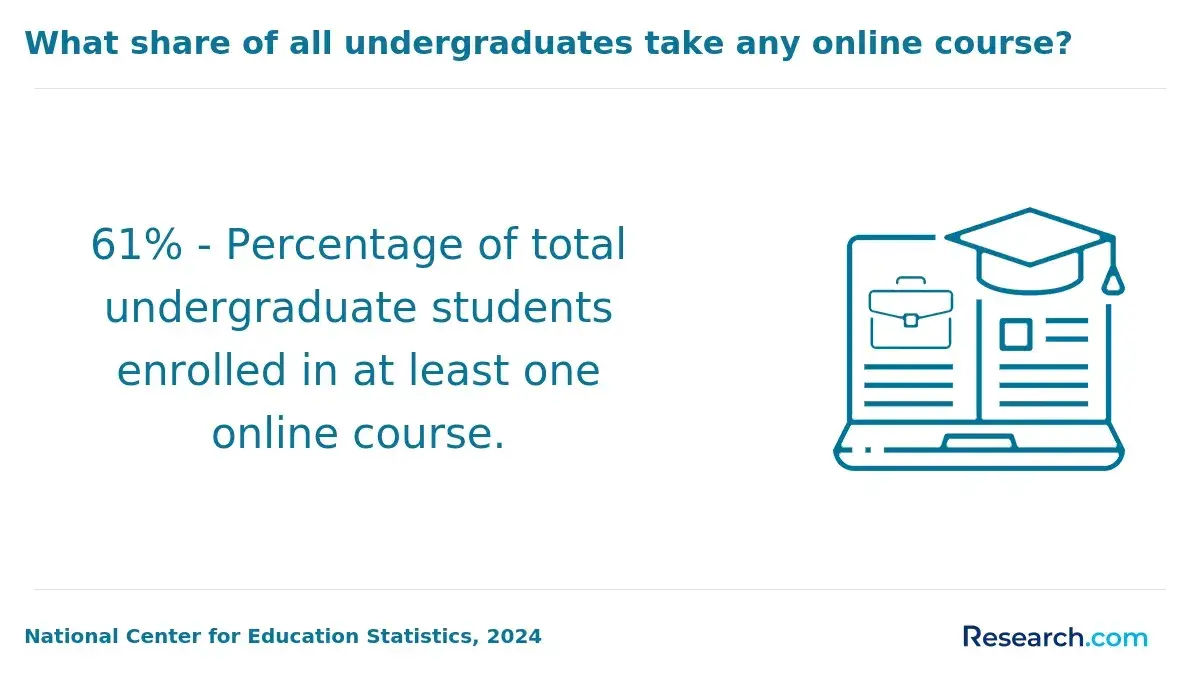
Identifying which states lead in philosophy degree growth reveals more than academic trends—it highlights how economic shifts, demographic changes, and regulatory landscapes converge to reshape graduate education demand. For example, the surge in flexible online program offerings, now accounting for over 40% of graduate enrollments nationwide according to the National Center for Education Statistics in 2024, allows adult learners and career changers to pursue philosophy in states with expanding higher education access.
Analyzing regional enrollment growth thus uncovers where institutional adaptability and workforce needs align, providing critical insight for prospective students weighing program accessibility, career mobility, and long-term market viability.
Key Things to Know About the State Where Philosophy Degree Interest Is Rising the Fastest
- States like California leverage robust online education policies that expand access for adult learners, but this often prolongs completion time compared to traditional programs, affecting career timing decisions.
- Rising Philosophy enrollment in Texas reflects regional economic diversification demands, signaling employers value critical thinking, yet graduates face competitive markets needing supplemented skills.
- Florida's loosening credential regulations spur institutional growth, but increased output risks saturating local employment, prompting students to weigh cost-benefit tradeoffs amid shifting workforce needs.
- Which States Are Seeing the Fastest Growth in Philosophy Degree Enrollment? States Seeing the Fastest Growth in Enrollment
- What Does Enrollment Growth in Philosophy Programs Actually Tell Prospective Students? Interpreting Enrollment Growth
- How Do Regional Job Market Conditions Drive Philosophy Degree Demand by State? Role of Regional Job Market Conditions
- Which States Have Added the Most New Philosophy Degree Programs in the Last Five Years? States That Have Added the Most Programs
- How Has the Rise of Online Education Changed Which States Lead in Philosophy Program Interest? Role of Online Education in Increased Program Interest
- What Demographic Trends Are Fueling Philosophy Degree Growth in Specific States? Demographic Trends Fueling Growth
- How Do State Funding Levels for Philosophy Services Influence Degree Program Growth? Role of State Funding Levels
- Which States Are Emerging as Unexpected Leaders in Philosophy Degree Interest? States Emerging as Unexpected Leaders in Growth
- How Does State Population Size Affect the Interpretation of Philosophy Degree Growth Data? Role of State Population Size
- What Role Do State Licensing Requirements Play in Driving or Suppressing Philosophy Enrollment? Role of State Licensing Requirements
Which States Are Seeing the Fastest Growth in Philosophy Degree Enrollment?
Rising enrollment in philosophy degree programs reflects a nuanced response to evolving workforce demands and intellectual trends rather than a uniform national shift. For those weighing graduate options, recognizing where philosophy degree enrollment growth is most pronounced can clarify both opportunity and the competitive landscape.
The states experiencing the fastest growth in philosophy enrollment illustrate how economic sectors, demographic shifts, and institutional strategies converge to influence student choices and graduate employability. This is neither confined regionally nor purely academic; rather, it signals localized workforce adaptation and shifting education priorities that affect career trajectories differently across the country.
- Washington: The state's rapid enrollment increase is linked closely to its expanding tech industry, which values philosophy-trained graduates for their capacity to navigate ethical challenges and complex problem-solving alongside technical roles—a tradeoff that offers unique cross-sector employability but requires students to align curriculum with applied analytical skills.
- Massachusetts: Growth here capitalizes on a dense network of research universities investing in interdisciplinary programs combining philosophy with computer science and ethics, preparing students for roles in data ethics and AI governance—a niche expanding in sectors under regulatory scrutiny and innovation pressures.
- Texas: In Texas, public universities are scaling liberal arts offerings, responding to a youthful population's increasing interest in philosophy, although graduates often face tradeoffs between broad critical thinking skills and the need for specialized qualifications valued in the workforce.
- Florida: Enrollment growth reflects targeted outreach to diverse student demographics, including career changers and non-traditional learners, where programs emphasize flexible delivery but may encounter workforce sectors that weigh practical credentials more heavily than liberal arts degrees.
- Colorado: The state's demographic trends toward younger and ethnically diverse populations intersect with philosophies emphasizing sustainability and ethical governance, embedding graduates in sectors where philosophical training can inform policy and corporate social responsibility initiatives.
This distribution highlights that the fastest-growing philosophy programs in US states are responding to varied regional economic realities and workforce expectations rather than following a single national pattern.
For students balancing philosophy study with practical career goals, understanding these local dynamics is critical, as is exploring options like online colleges that may offer alternative paths aligned with workforce demands.
What Does Enrollment Growth in Philosophy Programs Actually Tell Prospective Students?
Rising enrollment numbers in philosophy programs often draw attention but can mislead prospective students if viewed without deeper analysis. An influx of students might reflect factors unrelated to academic quality or career readiness, such as relaxed admissions standards or aggressive recruitment tactics.
Raw growth signals interest but insufficiently capture program effectiveness or graduate outcomes. Understanding the real value of a program requires examining several critical contextual elements:
- Retention Rates: Significant enrollment gains paired with low retention may indicate issues in program satisfaction or support services rather than authentic appeal.
- Graduation Rates: Consistent graduation outcomes suggest robust academic structures that better equip students for graduate study or diverse career trajectories.
- Job Placement Outcomes: Alumni success in fields like academia, law, or policy provides practical insight into how programs meet evolving workforce demands.
- Licensure Pass Rates: For programs linked to regulated professions, pass rates reveal alignment with industry standards and credentialing requirements.
- Recruitment vs. Quality: Distinguishing growth driven by reputation and labor market fit from growth fueled by marketing tactics is essential to avoid overestimating program caliber.
- Critical Evaluation: Beyond quantitative data, connecting with current students, faculty, and alumni offers essential perspective on intellectual rigor, mentorship, and networking advantages.
How Do Regional Job Market Conditions Drive Philosophy Degree Demand by State?
Variation in regional job market conditions significantly shapes demand for philosophy degree holders, often reflecting how localized economic and institutional trends influence graduate enrollment. For example, states with rapid healthcare sector expansion see increased openings for professionals versed in medical ethics and regulatory compliance—highlighting a practical tradeoff where philosophy graduates can leverage their skills in specialized applications rather than purely academic roles.
This dynamic underscores the value of integrating local occupational forecasts from sources like the Bureau of Labor Statistics with state workforce analyses to anticipate demand accurately and select graduate programs aligned with actionable career pathways.
- California: A robust surge in healthcare services and bioethics initiatives is generating demand for philosophy graduates adept at navigating complex ethical decisions in medical settings and public health regulatory frameworks.
- New York: Expansion in government and education sectors is driving need for philosophy-trained professionals who contribute analytical rigor and ethical oversight in policy development and civic program management.
- Washington: Growing school district recruitment combined with employer incentives for humanities graduates is boosting graduate enrollment as districts require educators and curriculum developers skilled in ethics and community engagement.
- Massachusetts: Increasing opportunities in research institutions and healthcare ethics boards fueled by state efforts to foster interdisciplinary expertise attract students interested in applied philosophy's intersection with technology and medicine.
- Texas: Public administration growth and education reforms are expanding roles for philosophy graduates focused on ethics supervision and advising on educational policy within the state's evolving systems.
Prospective students should thoroughly evaluate the regional employment outlook for philosophy graduates when choosing where to study or work. Robust local markets affect not only job availability but also enhance practicum placements and strengthen leverage in salary negotiations after graduation. Additionally, understanding these localized workforce patterns clarifies the practical implications and constraints of a philosophy degree across different states.
For those weighing their options, considering complementary fields or related degree programs is practical; many employers value interdisciplinary skills, and some students seek to pair philosophy with programs renowned for affordability and accessibility, such as the cheapest online psychology bachelor degree, which may broaden their career prospects while maintaining cost-effectiveness.
Which States Have Added the Most New Philosophy Degree Programs in the Last Five Years?
States expanding philosophy degree offerings reveal distinct regional strategies that directly impact student options and long-term career readiness. Growth in these programs stems from varying motivators such as targeted state funding, workforce-driven degree diversification, and inter-institutional competition.
For students, more programs within a state can translate into sharper financial aid rivalry and tailored specialization paths, but also necessitate rigorous evaluation of curricular focus versus tuition affordability before committing.
- California: Leads with several new philosophy programs in its public university system, bolstered by state investments in humanities and expanding online options to accommodate a demographically diverse, geographically dispersed population seeking affordable, flexible learning formats.
- Texas: Concentrates on scaling enrollment capacities in established philosophy departments, motivated by state workforce shortage designations that encourage interdisciplinary skills, especially those that complement technology and energy sectors' ethical and analytical demands.
- Florida: Combines new program launches with online curriculum expansions, driven by competitive grant incentives and an increasing cohort of nontraditional and returning students prioritizing adaptable graduate education.
- Ohio: Focuses on growing existing programs and offering more scholarships to enhance competitiveness within a dense regional higher-education market, aiming to retain state talent while attracting out-of-state applicants.
- Washington: Emphasizes program innovation aligned with local employer demands for graduates proficient in ethics, communication, and analytical reasoning, with a notable push toward online enrollments reflecting the tech-driven economy.
These varied approaches affect not only program availability but also the practical tradeoffs facing prospective philosophy graduate students. A surge in offerings can intensify competition for funding and refine niche academic tracks, yet also compels careful scrutiny of how well each program prepares graduates to meet labor market expectations or to leverage interdisciplinary credentials in their chosen fields.
One recent philosophy graduate recalled navigating the admissions landscape amid rising program options. Faced with rolling admissions across multiple states, this student hesitated over submitting a final application while waiting on financial aid details. The uncertainty extended the decision timeline, but it underscored the importance of timing and strategic prioritization in securing both admission and reasonable funding—a process complicated by growing program availability but ultimately resolved through persistent inquiry and flexibility.
How Has the Rise of Online Education Changed Which States Lead in Philosophy Program Interest?
Fully online philosophy graduate programs have shifted the traditional landscape of enrollment by freeing students from geographic constraints. Previously, applicants typically limited their choices to institutions within manageable travel or relocation distance.
Now, the states hosting established, fully online philosophy programs attract many out-of-state students, effectively positioning themselves as national centers for this field. This evolution requires prospective students to weigh factors like program prestige, tuition affordability, and accreditation quality more heavily than physical proximity.
- Geographic Decoupling: Online delivery removes the necessity of relocation, enabling students nationwide to enroll regardless of their home state, with certain states becoming key national providers due to their robust program infrastructure.
- Program Reputation: States with strong online philosophy offerings gain broader appeal by showcasing rigorous curricula and faculty expertise, drawing diverse applicant pools despite geographic separation.
- Tuition and Accessibility: Competitive pricing paired with flexible schedules in some states influences enrollment patterns more than travel considerations, especially for working professionals balancing education with other commitments.
- Licensure Implications: Candidates must remain aware of state-specific certification or professional licensure regulations, which can restrict post-graduate practice options despite online program accessibility.
- Institutional Roles: Those states with high-quality online programs increasingly shape regional educational economies and intellectual capital distribution, acting as de facto national hubs for philosophy graduate education.
What Demographic Trends Are Fueling Philosophy Degree Growth in Specific States?
The growth of philosophy degree enrollment across U.S. states is deeply influenced by persistent demographic trends that shape local workforce demands and educational priorities. For instance, Florida's rapidly aging population intensifies the need for ethics expertise in elder care, making philosophy graduates valuable in policymaking and counseling roles.
Conversely, states with younger populations forecast steady undergraduate demand. Recognizing these localized demographic forces offers students and professionals a strategic lens to forecast long-term career viability, rather than rely on broad national trends.
- Population Aging: States like Florida and Arizona, with large and growing senior populations, experience heightened demand for ethical frameworks addressing end-of-life care and elder services, driving philosophy curriculum expansions focused on these real-world challenges.
- Immigration Patterns: California and Texas see philosophy enrollment rise as diverse student populations engage with multicultural ethics, social justice, and identity topics, reflecting workforce needs for professionals who can navigate complex intercultural dialogues in public and private sectors.
- Urbanization: Concentrated urban centers on the Northeast and West Coast generate demand for philosophy in public administration and community ethics, where specialized programs attract students interested in policy development and leadership within dense metropolitan environments.
- K-12 Enrollment Growth: In states like Utah and North Carolina, increasing youth populations imply a steady influx of undergraduates, signaling stable philosophy program demand and future workforce replenishment aligned with regional demographic trends.
- Mental Health Diagnoses: Rising mental health diagnoses in Oregon and Massachusetts correlate with increased interest in applied philosophy fields such as medical ethics and existential counseling, reflecting interdisciplinary workforce needs within expanding healthcare systems.
These demographic trends are not uniform nationwide, creating localized hotspots where philosophy degree demand grows in response to state economic, health, and policy landscapes. Prospective students should evaluate these population shifts and regulatory environments carefully, prioritizing states whose demographic trajectories suggest stable, practical employment paths.
This approach is far more useful than general enrollment data when assessing the real-world value of philosophy education. Such analytical rigor also applies to professionals exploring educational pathways identified as among the best degrees for stay-at-home moms or those seeking to align study with workforce realities.
How Do State Funding Levels for Philosophy Services Influence Degree Program Growth?
States that commit substantial public funding to philosophy-related services create a more dependable career environment that directly fuels the expansion of graduate philosophy programs. The funding—spanning Medicaid reimbursement, block grants, school-based mental health support, and community health centers—establishes stable employment opportunities, which encourage student enrollment and help attract skilled faculty.
In contrast, states with chronically limited resources often face a brain drain as graduates relocate to better-funded regions, stalling growth and innovation within in-state programs.
Prospective students should carefully analyze their state's recent legislative actions on philosophy funding as an early indicator of the job market's viability and ask programs what proportion of alumni remain employed locally after five years, a critical measure of sustainable career paths.
- Employment Stability: Consistent funding underpins employer capacity to maintain job openings that graduating students expect, directly influencing demand for philosophy degrees in those states.
- Graduation Outcomes: Stronger state financial support correlates with higher in-state employment rates among program alumni, reflecting more reliable career pathways for graduates.
- Geographic Mobility: Limited funding prompts many graduates to seek work out-of-state, which can reduce local program enrollment and hinder long-term program development.
- Program Development: Investment in public philosophy services facilitates curricular innovation, attracting nontraditional students and expanding specialization options responsive to local market needs.
- Legislative Impact: Tracking state policy trends around philosophy funding offers insights into evolving support structures that shape program sustainability and workforce integration.
A graduate recalled applying to programs amid rolling admissions, noticing that programs in well-funded states processed applications and made decisions more promptly. The slower responses from underfunded states forced difficult timing decisions, as waiting for offers risked missing early admissions at stronger programs.
This experience underscored the practical disadvantages of entering markets with unreliable funding, shaping the graduate's strategy to prioritize programs in states demonstrating active investment in philosophy services and clearer employment prospects.
Which States Are Emerging as Unexpected Leaders in Philosophy Degree Interest?
States not traditionally recognized for philosophy graduate education have become unexpected leaders in enrollment growth by leveraging targeted policies and innovative programs that address regional workforce needs and broaden access. The tradeoff for prospective students is between benefitting from less competitive admissions and lower tuition costs against uncertainties tied to economic diversification and funding stability in these emerging markets.
- Arkansas: Arkansas's growth stems from expanded public university offerings strengthened by its participation in an interstate higher education compact, which eases out-of-state tuition barriers. Workforce development tied to critical thinking and ethics in STEM sectors presents tangible career relevance, although the state's limited economic diversification could eventually cap growth.
- Nevada: Nevada's rise in philosophy enrollment correlates with pandemic-era investments in education infrastructure and the launch of flexible online master's programs, expanding access for working professionals and geographically mobile students. Sustaining this growth depends on maintaining robust virtual options, as these programs undercut national averages in accessibility.
- Kentucky: Kentucky's interdisciplinary programs merging philosophy with public policy and ethics, combined with targeted aid for underserved rural populations, have sparked significant enrollment gains. Yet, the relative economic reliance on traditional industries signals potential challenges in securing diverse job placements for graduates long-term.
- Oregon: Oregon's stable growth reflects university-led sustainability ethics concentrations and robust nonprofit sector collaborations. Despite this, applicants must weigh the state's progressive but smaller program scale against competing regional hubs offering broader curricula and employment networks.
These emerging states offer promising enrollment trends aligned with workforce alignment but introduce risks linked to funding volatility and market size. Recent data show programs in these areas often experience faster admissions cycle growth than traditional hubs, reflecting shifting student priorities.
Those evaluating advanced philosophy degrees can also consider less saturated markets via a not for profit online university to balance cost and career opportunities. Philosophy degree growth in lesser-known states underscores the need to analyze both institutional offerings and economic context to make informed decisions about graduate study.
Rising interest in philosophy programs by state signals a realignment of educational access and institutional innovation, reminding students to scrutinize practical outcomes beyond enrollment numbers before committing to a program.
How Does State Population Size Affect the Interpretation of Philosophy Degree Growth Data?
Evaluating growth in philosophy degree enrollment requires interpreting data relative to state population size to avoid misleading conclusions. For example, a large state adding 2,000 new philosophy graduates annually may appear to lead expansion, but a smaller state adding just 300 can actually experience a faster per capita growth rate. This is vital because absolute enrollment increases do not reveal whether local markets can absorb these graduates or if demand genuinely outpaces supply.
States with high population numbers but saturated markets often struggle with limited career opportunities, while smaller states showing strong per-capita growth often indicate underserved labor pools with better immediate prospects.
When comparing philosophy degree enrollment trends relative to state population size, it is crucial to consider the existing baseline of licensed philosophy professionals. Markets where the ratio of licensed professionals to population falls below the national average typically offer more favorable hiring prospects for recent graduates and career changers. Aspiring students and geographically mobile professionals should prioritize such metrics over raw enrollment counts to identify genuine opportunities rather than superficial growth.
Understanding this requires attention not only to enrollment data but also to regulatory and economic conditions shaping workforce dynamics. States with complex licensure requirements may hamper market expansion despite rising interest, affecting how growth translates into employment. Practical decisions about where to study or practice philosophy hinge on this nuanced context, ensuring choices align with both career viability and regional workforce demand.
- Population Scale: Large states often show bigger raw increases but smaller relative per-capita gains.
- Workforce Saturation: Areas with fewer existing philosophy professionals tend to offer better early-career prospects.
- Licensure Complexity: States with stringent licensing standards can constrain market growth despite rising enrollments.
- Economic Conditions: Local economy and institutional funding influence program attractiveness and graduate absorptive capacity.
- Migration Trends: States attracting mobile students seeing rises in philosophy interest may reflect broader demographic shifts.
For those seeking efficient educational pathways aligned with workforce needs, exploring options, such as short Spanish degrees online, can be insightful, offering a comparative look at accelerated programs with practical career outcomes across fields.
What Role Do State Licensing Requirements Play in Driving or Suppressing Philosophy Enrollment?
State licensing requirements play a decisive role in shaping student interest and enrollment trends in graduate philosophy programs, largely through their impact on career clarity and employer preferences. Candidates weigh not only academic content but also the feasibility of navigating licensure pathways in their chosen state.
States with transparent, structured, and stable licensing frameworks tend to attract more students, as these reduce uncertainty around post-graduate career steps. In contrast, overly complex or frequently changing requirements raise the perceived burden and often suppress enrollment, as potential students hesitate to invest time and resources without clear outcomes.
Licensing boards extend their influence beyond regulatory compliance by signaling to employers which credentials they value. Employers in states with well-established licensure systems commonly prefer or require licensed candidates, effectively elevating the market demand for program graduates who meet these standards. This creates a feedback loop: as more students enroll and complete licensure, political and professional advocacy increases, supporting regulatory refinement and program growth. The dynamic benefits states where philosophy licensure pathways are clearly defined and accessible.
Prospective students should evaluate licensure complexities alongside academic requirements before enrollment, especially those considering geographic mobility. This holistic review helps identify states where licensure timelines, examination processes, and cost structures align with career goals.
Salaries for philosophy professionals in states with efficient licensure systems often reflect these market dynamics, typically offering median wages at or above regional averages, thereby reinforcing practical value for graduates.
- Clarity: Explicit articulation of licensure prerequisites and timelines lowers confusion and entry barriers, making programs more attractive to candidates.
- Stringency: Excessively stringent or opaque requirements can extend credentialing time and increase costs, deterring enrollment.
- Employer Expectations: Licensing boards shape hiring by endorsing qualifications, incentivizing students to complete recognized licensure steps.
- Feedback Loop: Robust licensure systems encourage enrollment growth, which in turn fosters stronger advocacy for regulatory and educational improvements.
- Practical Advice: Candidates should comprehensively review both degree and licensing demands in prospective states to assess manageability and career alignment.
References
- View of The Role of State Higher Education Policy in Student Success and Equity https://journals.flvc.org/jpss/article/view/135047/139769
- How Online Learning Has Changed Education | ACE Blog https://ace.edu/blog/how-online-learning-has-changed-education/
- Data and Information on the Field of Philosophy - The American Philosophical Association https://www.apaonline.org/page/data
- Philosophy majors rise nationwide, but not at Tufts - The Tufts Daily https://www.tuftsdaily.com/article/2008/04/philosophy-majors-rise-nationwide-but-not-at-tufts
- Stabilizing and Strengthening State Funding for Public Higher Education After the Big Beautiful Bill - Center for American Progress https://www.americanprogress.org/article/stabilizing-and-strengthening-state-funding-for-public-higher-education-after-the-big-beautiful-bill/
- Undergraduate Study https://philosophicalgourmet.com/report-2022/undergraduate-study-2/
- Three Ways States Can Lead on Higher Education Reform - FREOPP https://freopp.org/whitepapers/three-ways-states-can-lead-on-higher-education-reform/
- Slight Decrease In US Philosophy Majors Continues - Daily Nous https://dailynous.com/2026/05/11/slight-decrease-in-us-philosophy-majors-continues/
- Should Parenting Require a License? | Philosophy Break https://philosophybreak.com/articles/should-parenting-require-a-license/
- Two Decades of Change in Federal and State Higher Education Funding https://www.pew.org/en/research-and-analysis/issue-briefs/2019/10/two-decades-of-change-in-federal-and-state-higher-education-funding
Other Things You Should Know About Philosophy
In states where interest in philosophy degrees is increasing rapidly, employers are often looking beyond traditional academic roles and valuing skills like critical thinking, ethical reasoning, and complex problem-solving. However, this demand is mostly concentrated in sectors such as tech ethics, public policy, and education rather than typical corporate hires. Graduates should prioritize programs with interdisciplinary elements and real-world application opportunities to align their skillsets with evolving employer expectations in these high-growth regions.
States with rising philosophy degree interest often feature a favorable balance of tuition costs and living expenses, making graduate study more financially accessible. Prospective students should weigh total expenses realistically, as lower tuition in a high-cost state may still lead to greater debt or financial strain than a pricier program in a more affordable location. Choosing a program solely based on growth data without accounting for these economic variables risks inaccurate assumptions about affordability and postgraduation financial flexibility.
Enrollment growth data highlights where programs are expanding but does not guarantee quality or job market success. Students should interpret this information as a signal of increasing local interest and potential institutional investment rather than a direct predictor of career outcomes. Prioritizing programs with strong employer networks, alumni placement, and curriculum relevance remains crucial; growth states may offer opportunity but require careful evaluation of program depth and practical training.
Several rural or underserved states are investing in online and hybrid philosophy programs to reduce geographic barriers and meet local workforce deficits in critical thinking roles. While this improves access, the lack of in-person resources and mentorship can affect the student experience and postgraduation networking success. Prospective students should assess program delivery methods carefully-those seeking robust engagement may need to balance expansion efforts with the quality and format of education offered in these regions.