2027 Philosophy ROI by Institution Type: Public vs Private vs Nonprofit Online Programs

Co-Founder and Chief Data Scientist
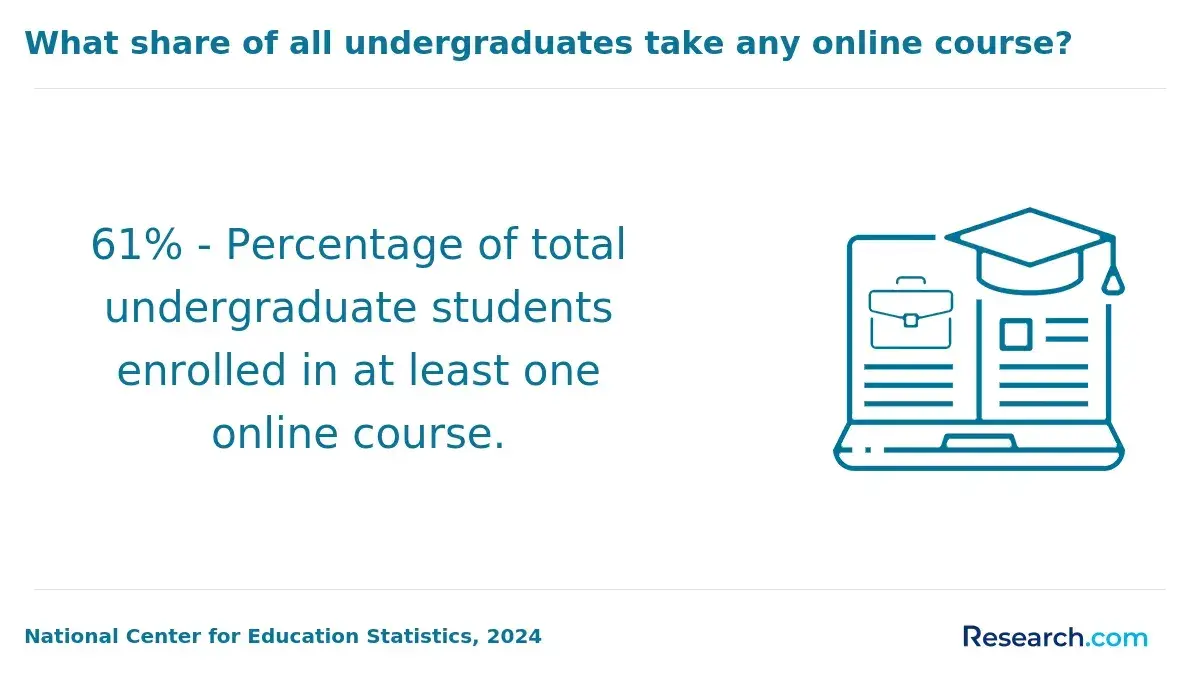
Consider a prospective philosophy student comparing three online programs-each presenting similar curricula but listing tuition from under $10,000 at a public university up to double that at private and nonprofit options. A recent 2024 study by the National Center for Education Statistics reveals that graduation rates for online philosophy programs vary widely, impacting time to degree and cumulative debt.
Higher tuition does not always yield better post-graduation employment or institutional support, especially given philosophy's niche career applications. This article unpacks how differences in tuition, student outcomes, and support structures between public, private, and nonprofit online philosophy programs shape long-term ROI to guide smarter enrollment choices.
Key Things to Know About Philosophy ROI by Institution Type
- Public online philosophy programs typically offer lower tuition and reduced student debt exposure, but often have longer average completion times, affecting total opportunity costs for working adult learners.
- Private institutions show higher graduation rates and more robust learner support, yet their prestige gains may be less recognized in philosophy-related employment sectors prioritizing critical thinking over brand name.
- Nonprofit online programs balance moderate costs with flexible schedules, but graduates face mixed employer perceptions; selecting those with regional accreditation is crucial for job market validity.
- Key Things to Know About Philosophy ROI by Institution Type Key Things to Know About Philosophy ROI by Institution Type
- What Does ROI Mean for a Philosophy Program and How Is It Measured? Understanding Philosophy Program ROI
- How Do Public, Private, and Nonprofit Online Philosophy Programs Differ in Overall Value? Value by Institution Type
- How Do Tuition Costs Affect the ROI of a Philosophy Program Across Institution Types? Tuition Costs and ROI
- How Do Graduation Rates Influence Philosophy Program ROI? Graduation Rates Impact ROI
- What Role Do Career Outcomes Play in the ROI of a Philosophy Degree? Career Outcomes and ROI
- How Does Student Debt Impact the Long-Term ROI of a Philosophy Program? Debt vs. Long-Term ROI
- How Do Flexibility and Adult Learner Support Affect Philosophy Program Value? Flexibility and Program Value
- How Do Accreditation and Institutional Reputation Influence Philosophy ROI? How Do Accreditation and Institutional Reputation Influence Philosophy ROI?
- How Does Time-to-Degree Affect the ROI of Public, Private, and Nonprofit Philosophy Programs? How Does Time-to-Degree Affect the ROI of Public, Private, and Nonprofit Philosophy Programs?
- How Can You Choose the Best Philosophy Program Based on Your ROI Goals? Choosing Programs by ROI
What Does ROI Mean for a Philosophy Program and How Is It Measured?
Return on investment in a philosophy program hinges on a complex balance of educational costs, graduation rates, and the long-term value of skills gained rather than immediate salary returns. For example, a working adult choosing between a public online program with lower tuition but a longer average time-to-degree and a private nonprofit institution with higher fees but better learner support must weigh both direct expenses and the opportunity costs of extended study time.
According to the National Center for Education Statistics, median debt for humanities graduates, including philosophy majors, hovers around $28,500, but this average masks significant variations depending on institutional type and program length, factors critical for cost-conscious students to evaluate as part of philosophy program return on investment factors.
Measuring educational ROI in philosophy degrees requires looking beyond tuition costs to include debt burden, institutional reputation, and real-world readiness. Lower-cost public options may reduce upfront expenses but can increase indirect costs through slower degree completion or less academic support, affecting eventual employment outcomes. Meanwhile, private nonprofit programs often report higher graduation rates and may offer stronger professional development resources, which can enhance the overall value proposition despite greater initial financial outlay. Students must also consider their career goals and personal circumstances, such as balancing work and study, since programs offering part-time or asynchronous formats can reduce opportunity costs and improve ROI in ways that purely financial comparisons overlook.
Given these complexities, students should analyze philosophy program return on investment factors within the full scope of education and career planning rather than relying on simplistic wage-based formulas. For instance, graduates who leverage the critical thinking and ethical reasoning skills developed through philosophy may find diverse career pathways that grow in value over time, emphasizing intellectual and civic benefits alongside employability.
Those interested in highly specialized interdisciplinary fields might explore options such as a masters in AI online to combine philosophy with emerging technical skills, further broadening their future prospects. In all cases, pragmatic assessment of total costs, debt, graduation likelihood, and career alignment remains essential for informed decision-making.
How Do Public, Private, and Nonprofit Online Philosophy Programs Differ in Overall Value?
Choosing between public, private, and nonprofit online philosophy programs involves weighing distinct tradeoffs in cost, educational quality, and career impact. Public programs typically offer significantly lower tuition-often 50-60% less than private counterparts according to the National Center for Education Statistics 2024-reducing initial financial strain but sometimes resulting in larger classes and lower completion rates.
Private institutions often hold stronger reputations and extensive alumni networks, which can aid employability but frequently leave students facing roughly 20% higher debt, according to the Education Data Initiative 2024. Nonprofit programs tend to strike a balance with moderate tuition, accredited curriculums, and robust student support services that promote retention and flexible learning, attributes especially valuable for working adults managing multiple responsibilities.
Graduation rates and career outcomes reflect these differences, as private and nonprofit institutions often deliver better completion outcomes, partly due to more comprehensive advising and employer engagement. Employers frequently favor graduates from accredited nonprofit programs for their critical thinking and ethical reasoning skills, which enhances long-term career prospects despite the moderate tuition premiums involved. Adult learners with limited financial flexibility may prioritize public programs for affordability, but should consider potential tradeoffs in individual attention and graduation likelihood. Conversely, those able to assume some debt may find private or nonprofit options offer a higher cumulative return when factoring in job market signals and comprehensive support. The decision ultimately hinges on balancing immediate economic feasibility with extended career benefits and degree completion risks.
A recent graduate recalled weighing three online philosophy options while working full-time and caring for family. The public program's low tuition was appealing, but concerns about limited advising and lower graduation rates gave pause. A private program's reputation tempted them, yet the prospect of markedly higher debt prompted caution. They leaned toward a nonprofit program that offered manageable tuition, personalized support, and flexible scheduling, feeling reassured that it struck the best balance between affordability and the institutional credibility needed to meet their career objectives without undue financial burden.
How Do Tuition Costs Affect the ROI of a Philosophy Program Across Institution Types?
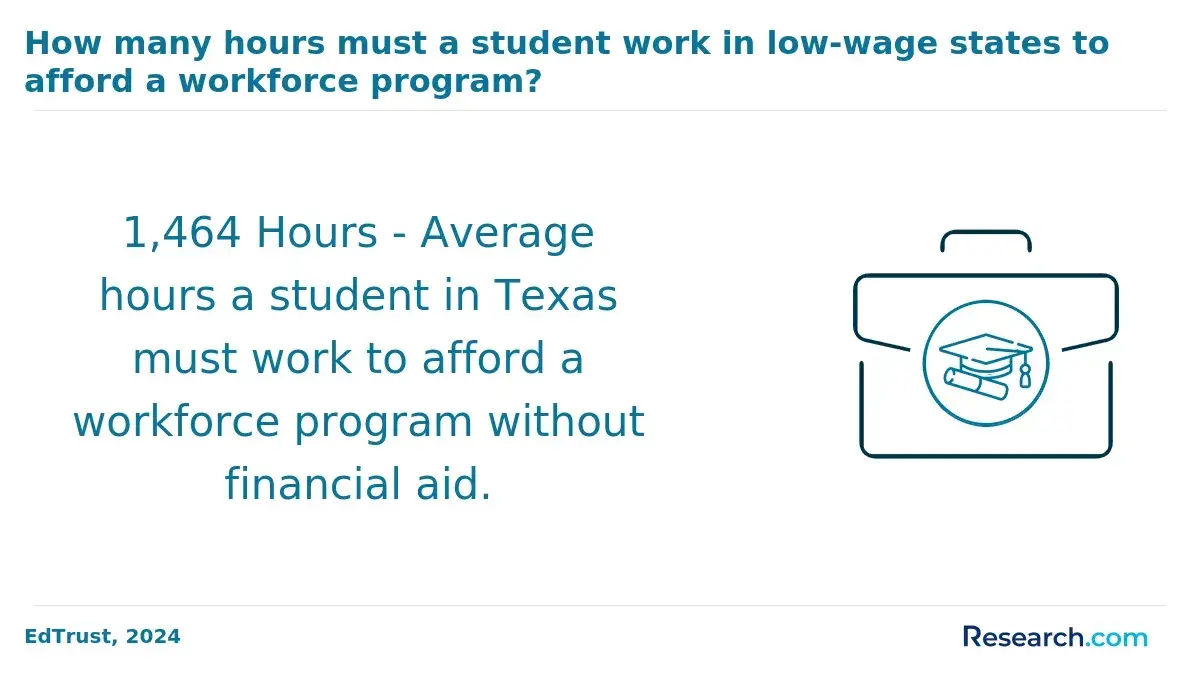
Tuition disparities among public, private, and nonprofit online philosophy programs profoundly shape the financial tradeoffs students face and ultimately the ROI of their degree. While public programs typically feature sticker prices averaging around $6,500 annually, private nonprofit counterparts exceed $25,000, but persistent financial aid availability narrows this gap for many private students. For instance, about 60% of learners in private nonprofit programs receive aid packages sizable enough to lower net costs substantially, though these students often carry greater median debt-approximately $30,000 compared to $18,000 for public graduates-which can offset potential earnings gains unless their degrees drive markedly stronger career outcomes.
Lower tuition at public institutions does not automatically mean superior value, as differences in graduation rates, time to completion, and learner support also influence ROI. Private nonprofit programs frequently report higher on-time graduation, which can accelerate workforce entry and mitigate debt accumulation despite higher prices. Furthermore, students seeking robust faculty mentorship, networking, and career services may find higher-cost options deliver added qualitative benefits that justify greater upfront investment-but only if those advantages align with specific career ambitions. Ultimately, adult learners weighing philosophy programs must balance affordability against these nuanced factors, recognizing that program quality, flexibility, and post-degree outcomes play critical roles beyond initial sticker price in shaping long-term financial and professional returns.
How Do Graduation Rates Influence Philosophy Program ROI?
Graduation rates directly shape the return on investment (ROI) for philosophy programs by influencing the time and cost students must commit before entering the workforce. Public online institutions often demonstrate higher completion rates-averaging around 60% within six years according to the National Center for Education Statistics in 2024-compared to private nonprofit online programs with rates near 50%. This gap affects affordability and debt burden, making public programs potentially more cost-efficient for students focused on minimizing expenses and accelerating degree attainment. However, private and nonprofit schools tend to accommodate part-time and working adult learners, extending time-to-degree but still delivering valuable credentials for career transitions or skill enhancements.
While graduation rates serve as a practical gauge of institutional support and program completion success, they do not fully capture the Return on Investment complexity in philosophy education. Factors like academic assistance, student persistence, and debt levels vary widely and impact overall outcomes beyond raw completion statistics. For example, a student balancing full-time work might prefer a private online program despite lower graduation metrics due to greater scheduling flexibility.
Evaluating these nuances alongside average graduation rates for online philosophy degrees helps prospective students anticipate challenges and align programs with personal goals, career timelines, and financial realities. Finally, those comparing educational pathways should also consider related fields, such as MSW programs online, which may offer different ROI profiles based on market demand and institutional design.
What Role Do Career Outcomes Play in the ROI of a Philosophy Degree?
Career outcomes critically shape the return on investment for philosophy degrees offered by public, private, and nonprofit online institutions, largely by influencing employability and professional mobility. For example, recent data from the National Center for Education Statistics shows graduates from nonprofit online philosophy programs have a 12% higher employment rate within six months compared to public programs, reflecting differences in employer connections and career support.
Yet, lower tuition at public institutions often reduces debt load, balancing longer job search times or fewer internship opportunities, while private programs may charge more but deliver personalized career advising that boosts long-term job sustainability. These tradeoffs underscore the necessity for prospective students to evaluate not just immediate placement rates but how career services, interdisciplinary coursework, and regional labor market conditions interact with costs and graduation outcomes to affect financial and professional returns over time.
Employers tend to value the critical thinking and communication skills developed in philosophy programs over technical specialization, so graduates who gain access to internships or mentorship tailored to adult learners often see stronger ROI in terms of career advancement or lateral moves into fields like business or law. Conversely, programs lacking these connections may limit a graduate's ability to translate their degree into practical workforce gains, despite the intrinsic value of philosophical training. Decision-making about where to invest time and money should therefore consider how well a program integrates cross-disciplinary skills, prepares for graduate education, and aligns with prevailing economic conditions, rather than relying exclusively on sticker price or prestige.
One philosophy graduate recalled enrolling in a nonprofit online program after weighing cost against the expected value of its career resources. Initially skeptical whether the degree would open tangible job opportunities, the graduate found their employer increasingly recognized the credential during performance reviews, mentioning improved analytical skills in project leadership. Although the financial payback wasn't immediate, the ability to assume expanded responsibilities and network across disciplines validated the program's ROI beyond simple salary metrics, providing cautious optimism during a mid-career transition.
How Does Student Debt Impact the Long-Term ROI of a Philosophy Program?
Borrowing levels and repayment obligations critically shape the return on investment of philosophy degrees, especially when comparing public, private, and nonprofit online institutions. Public programs typically require less student debt, with averages around $23,200, versus nearly $36,000 for private nonprofit students, a disparity that directly affects graduates' ability to manage loan payments alongside modest starting salaries common in philosophy-related careers.
A graduate from a private university facing higher debt might delay purchasing a home or building retirement savings due to heavier repayment burdens, reducing the long-term value of their degree despite potential networking advantages. This dynamic underlines that debt-to-earnings ratios and completion timelines must guide decisions, not institutional prestige or nominal program quality alone.
For cost-conscious adult learners and career changers assessing the return on investment of philosophy degrees considering student loan debt, graduation efficiency and ongoing financial stress are decisive factors. Nonprofit online programs with variable tuition and graduation rates can present hidden costs if extended time to degree completion inflates borrowing. Default and delinquency trends among public school graduates highlight how lower debt matched to realistic career earnings safeguards financial wellbeing and credit health over time.
As students compare educational pathways, evaluating financing strategies alongside program quality and career outcomes is essential; this approach ensures weighing tangible benefits versus risks rather than relying on generic assumptions. Those seeking flexible options in graduate education might consider fields like an online MBA AACSB accredited program as alternatives with potentially different ROI profiles.
How Do Flexibility and Adult Learner Support Affect Philosophy Program Value?
Program flexibility and targeted support services are critical levers shaping the return on investment for Philosophy programs across public, private, and nonprofit online institutions. Offering asynchronous courses and part-time options can significantly reduce the opportunity cost for working adults, parents, and military-affiliated students by allowing them to progress at a manageable pace. For instance, public institutions often excel in flexible scheduling and transfer credit policies that shorten time-to-degree and limit debt, but this may come with larger class sizes and less individual faculty engagement, potentially impacting student retention and satisfaction.
Private programs tend to provide intensive academic advising, career counseling, and mentorship, which can translate to stronger networking and improved employment prospects; however, these benefits often accompany higher tuition and overall costs that may not be offset by career gains for all learners. Nonprofit online offerings usually seek a middle ground, blending moderate tuition with specialized supports for adult learners, including veterans and working professionals. According to recent data from the National Center for Education Statistics, adult students are 35% more likely to complete degrees when asynchronous learning is paired with personalized advising, a combination that improves completion rates and enhances program value beyond sticker price.
Decisions about program ROI must weigh these complex tradeoffs: lower-cost, flexible public options may prolong degree completion without sufficient advising, while costlier private programs offer engagement at a premium, and nonprofits' resource availability varies widely. Transfer-friendly policies and faculty responsiveness also influence persistence and long-term outcomes, making it essential for prospective students to assess how these institutional characteristics align with their schedules, financial constraints, and career objectives before committing.
How Do Accreditation and Institutional Reputation Influence Philosophy ROI?
Accreditation and institutional reputation significantly influence the return on investment for philosophy programs by shaping employer perceptions, credit transferability, and graduate school options. Graduates from regionally accredited programs report a 15% higher likelihood of employment within a year, according to the U.S. Department of Education's 2024 data, which highlights how accreditation serves as a critical baseline for program credibility.
For example, a working professional weighing private versus public online options may find that public institutions' regional accreditation and transparent graduation outcomes reduce risks related to debt and time-to-degree, directly enhancing ROI. Conversely, private programs-though often accredited-may vary widely in reputation, potentially complicating job market recognition unless supplemented by strong career services or relevant experience.
Employer demand and transfer policies further complicate these decisions. A 2024 National Association of Colleges and Employers survey shows 68% of employers favor degrees from accredited public institutions but still recognize reputable private or nonprofit programs that provide substantial career support. While nonprofit online schools might offer specialized curricula attractive in niche markets, their ROI depends heavily on institutional reputation and graduate success rates. Ultimately, adult learners and career changers must weigh accreditation alongside tuition costs, student support, and documented outcomes rather than relying solely on institutional prestige, as these factors collectively determine the practical value and affordability of pursuing philosophy online.
How Does Time-to-Degree Affect the ROI of Public, Private, and Nonprofit Philosophy Programs?
The time-to-degree in philosophy programs significantly shapes the balance between immediate costs and long-term career earnings, especially across public, private, and nonprofit online institutions. Public programs often enroll more part-time students juggling work and family, which extends completion timelines but reduces upfront debt and ongoing financial strain. For example, a student working full-time may take 5+ years to graduate, paying tuition incrementally while maintaining income, a tradeoff affecting how quickly one can capitalize on philosophy graduate career earnings without accumulating excessive debt.
In contrast, private online programs frequently offer accelerated pathways under four years that push faster labor market entry, yet this speed can coincide with higher tuition costs that erode net ROI if enhanced employment outcomes are not realized. Nonprofit programs meanwhile leverage transfer credit policies to shorten degree durations, helping transfer students cut time and costs-a crucial factor given that average graduation rates vary from about 62% at public institutions to 70% privately. These completion patterns directly influence the return on investment, underscoring the need for cost-conscious learners to consider how varied time-to-degree impacts total education expenses, debt levels, and timing of career advancement.
Managing these dynamics is particularly important when comparing programs with different tuition models. For those seeking affordable tuition options, evaluating the cheapest tuition online college offerings within philosophy can help mitigate financial exposure but must be balanced against graduation rates and program flexibility. Ultimately, understanding how public private and nonprofit philosophy program completion times impact ROI equips prospective students and working professionals to make informed choices aligned with their economic situation and career goals.
How Can You Choose the Best Philosophy Program Based on Your ROI Goals?
Determining the best philosophy program ROI ultimately hinges on a student's specific priorities rather than solely on whether the institution is public, private, or nonprofit. Public online programs often feature lower tuition and access to in-state aid, resulting in reduced upfront costs, though private nonprofits may offset higher sticker prices with more substantial merit-based scholarships. According to 2024 National Center for Education Statistics data, graduates from public online philosophy programs carry roughly 15-20% less student debt, which significantly impacts long-term financial outcomes and repayment flexibility.
Graduation rates and program flexibility are critical variables that differentially affect ROI calculations depending on personal circumstances, like employment status or family commitments. Public institutions tend to offer better online retention and timely degree completion due to established support infrastructure, while select private nonprofits may provide smaller class sizes and personalized advising, valuable for those needing tailored academic assistance. Career prospects can also pivot on institutional reputation and networking opportunities, which some private nonprofits emphasize, yet flexible scheduling and learner support remain essential for working adults balancing multiple responsibilities, regardless of program type.
Cost-conscious adult learners seeking the best online philosophy programs for return on investment should weigh how tuition costs, financial aid availability, debt burdens, and graduation outcomes align with their timelines and career trajectories. Making an informed choice also involves assessing institutional support services and program format, especially for part-time learners or those aiming for academic or research roles. Those considering interdisciplinary study might explore related options, such as a library science masters, which can complement philosophy studies and broaden employment pathways.
References
- Oh, the humanities: What's the ROI? - MSU Denver RED https://red.msudenver.edu/2019/oh-the-humanities-whats-the-roi/
- How We Calculated the Return on Investment of a Graduate Degree - FREOPP https://freopp.org/whitepapers/how-we-calculated-the-return-on-investment-of-a-graduate-degree/
- Philosophy: A brief guide for undergraduates - The American Philosophical Association https://www.apaonline.org/page/undergraduates
- What Kinds of Universities Lack Philosophy Departments? Some Data (guest post by Eric Schwitzgebel) - Daily Nous https://dailynous.com/2017/03/22/kinds-universities-lack-philosophy-departments-data-guest-post-eric-schwitzgebel/
- How Student Loan Debt Impacts Your College ROI https://www.lendkey.com/blog/student-loans/how-student-loan-debt-impacts-your-college-roi/
- ROI and Accreditation of Online Programs | 16 | Using ROI for Strategi https://www.taylorfrancis.com/chapters/edit/10.4324/9781003448587-16/roi-accreditation-online-programs-leah-matthews
- How to measure ROI for innovationâyour complete guide https://www.strategyzer.com/roi-for-innovation
- Philosophy https://www.domuni.eu/en/learning/philosophy/
- The institutional role of business school accreditation agencies: a systematic literature review https://portal.amelica.org/ameli/journal/154/154737005/html/
- What is Adult Learning Theory: A Comprehensive Guide | NEIT https://www.neit.edu/blog/what-is-adult-learning-theory
Other Things You Should Know About Philosophy
Public institutions often design their online philosophy programs with a focus on broad accessibility and standardized course offerings, which can mean less personalized faculty interaction but lower overall costs. Private programs may provide smaller class sizes and more direct mentorship, enhancing learning depth but at higher tuition prices. Nonprofit programs strike a middle ground but vary widely in focus and student support. For those prioritizing networking and faculty engagement-even if it means higher upfront costs-private programs might offer better long-term value despite their price. Conversely, cost-conscious learners should weigh whether the larger, less personalized public programs still meet their academic and career needs efficiently.
Employers familiar with philosophy degrees typically prioritize critical thinking, communication skills, and analytical reasoning over the institution's brand. However, graduates from private institutions may benefit from perceived prestige and stronger alumni networks, which can open doors in academia or specialized sectors. Public school graduates often rely on demonstrated competencies and relevant experience since their institutions may not carry the same brand weight outside regional contexts. Nonprofit programs' ROI depends heavily on their ties to specific industries or communities; job seekers without access to robust networks should consider how their program's reputation aligns with their intended career path.
Public online philosophy programs frequently offer more flexible pacing but with a heavier workload compressed into fewer support hours, requiring strong self-discipline. Private institutions often balance workload with frequent interactive sessions and more personalized feedback, which can enhance learning but demand more synchronous commitments, potentially conflicting with work schedules. Nonprofit programs vary widely but may offer hybrid models combining self-paced and cohort-based elements. Adults balancing work and study should prioritize programs that fit their time availability; overly demanding private program schedules could diminish ROI if it compromises job performance or forces extended time to graduate.
Private philosophy programs typically offer more niche specializations, including applied ethics or philosophy of technology, which can align more directly with emerging job markets and increase career relevance. Public institutions often emphasize foundational and broad surveys, which may limit direct workplace application but provide solid theoretical grounding useful for varied career paths. Nonprofit programs can be eclectic, sometimes focusing on social justice or interdisciplinary studies, which appeal to specific sectors but might not translate broadly in the job market. Students looking for applied skills and immediate ROI should prioritize programs with clear specialization tracks linked to market demand.