2027 Philosophy Tuition Inflation Report: How Fast Are Program Costs Rising?

Co-Founder and Chief Data Scientist
Tuition growth in philosophy programs reflects unique structural and operational factors distinct from other academic fields. Unlike STEM disciplines, philosophy demands smaller, discussion-intensive classes led by specialized faculty with advanced expertise, increasing labor costs. Recent accreditation shifts emphasize ethical reasoning and interdisciplinary approaches, prompting curricular updates that require additional instructional resources.
According to a 2024 report by the American Philosophical Association, enrollment in philosophy remains steady but skews toward older, nontraditional students seeking advanced critical thinking skills for varied careers, influencing program delivery costs. This trend suggests tuition inflation in philosophy responds to evolving educational standards and workforce needs rather than generic market pressures.
Key Things to Know About Philosophy Tuition Inflation
- Tuition inflation in philosophy programs has outpaced general higher education, rising by 5.4% from 2023 to 2024; this rapid increase pressures students to weigh program cost against long-term career flexibility.
- Employers increasingly prioritize interdisciplinary skills over specialized philosophy credentials alone, suggesting that rising tuition may not yield proportional employability benefits without complementary qualifications.
- Higher and faster-rising costs reduce timely access for lower-income applicants, forcing difficult tradeoffs between program completion speed and educational debt burden in philosophy studies.
- Key Things to Know About Philosophy Tuition Inflation Key Things to Know About Philosophy Tuition Inflation
- How Much Has Philosophy Tuition Increased Over the Past Decade? How Much Has Philosophy Tuition Increased Over the Past Decade?
- How Does Philosophy Tuition Inflation Compare to Overall Inflation? How Does Philosophy Tuition Inflation Compare to Overall Inflation?
- Which Types of Schools Have Experienced the Fastest Philosophy Tuition Growth? Tuition Growth by School Type
- What Factors Are Driving Rising Costs in Philosophy Degree Programs? Tuition Cost Drivers
- How Does Philosophy Tuition Growth Vary by State and Region? Tuition Growth by State
- Are Online Philosophy Programs Becoming More Affordable Than Campus-Based Programs? Online Program Affordability
- How Have Financial Aid and Scholarships Changed as Philosophy Tuition Has Increased? Impact on Financial Aid and Scholarships
- How Does Rising Philosophy Tuition Affect Student Debt After Graduation? Impact on Student Debt
- Do Higher-Cost Philosophy Programs Deliver Better Career Outcomes or Earnings? Impact on Career Outcomes
- What Do Current Tuition Trends Suggest About the Future Cost of a Philosophy Degree? What Do Current Tuition Trends Suggest About the Future Cost of a Philosophy Degree?
How Much Has Philosophy Tuition Increased Over the Past Decade?
Over the last ten years, tuition for philosophy degree programs in the United States has risen considerably, with average annual costs at public four-year colleges climbing by approximately 40% after adjusting for inflation, according to recent data from the National Center for Education Statistics and the Department of Education College Scorecard. Private institutions have experienced even sharper increases, with some reporting tuition growth close to 50%. These numbers reflect a broader decade-long trend in philosophy degree program tuition fees that outstrip general inflation and typical wage increases, creating greater financial pressure on students and families weighing the value of a philosophy education.
The primary drivers behind this sustained tuition growth include reductions in state funding for higher education, expanded institutional spending on administrative roles and student support services, and investments in campus infrastructure and technology. Unlike fields with strong direct revenue streams, philosophy programs rarely generate significant external funding or high tuition premiums, which exacerbates affordability challenges. Enrollment patterns and increasing demand for career-relevant skills also influence universities' budgeting choices, contributing indirectly to rising costs. For those seriously considering a philosophy degree, understanding these dynamics is critical as economic realities increasingly require balancing intellectual ambitions with practical cost constraints and future income potential.
These tuition trends have significant implications for students, particularly regarding borrowing levels and return on investment in a competitive job market that favors applied skillsets. Navigating rising expenses demands careful financial planning and an honest assessment of how a philosophy degree aligns with career goals and employability. Prospective students might explore alternative routes or certifications, such as the cheapest ABA certification online, that could complement or substitute for traditional degree paths while mitigating debt burdens. Ultimately, the decade-long increases in philosophy tuition cost in the United States highlight the growing complexity in financing liberal arts education amid shifting economic and labor market conditions.
How Does Philosophy Tuition Inflation Compare to Overall Inflation?
Philosophy tuition inflation rates in the United States have consistently outpaced general consumer price inflation, with data from the National Center for Education Statistics and the College Board showing average annual increases between 3% and 5% over recent years. This compares to a roughly 2% to 3% average annual increase in the Consumer Price Index reported by the U.S. Bureau of Labor Statistics. The comparison of philosophy program costs and overall inflation trends highlights a persistent divergence that reflects more than just economic factors affecting everyday goods and services. These tuition costs often rise faster than wages and living expenses, placing sustained financial pressure on students pursuing philosophy degrees.
The structural drivers behind this gap include shrinking public subsidies for higher education, which shifts a larger portion of operational costs onto students. Institutions frequently face growing administrative expenses, expanded student services, and investments in technology and infrastructure, all contributing to rising tuition independent of broader economic inflation. Philosophy programs, in particular, often maintain low student-to-faculty ratios and specialized academic resources, which increase per-student costs beyond what typical inflation metrics capture. These institutional funding models and cost behaviors reveal why tuition inflation diverges notably from general inflation trends over time.
For students, this widening gap intensifies affordability challenges, leading many to rely more heavily on borrowing or to consider alternative academic pathways. Such pressures influence enrollment decisions and perceptions of return on investment in philosophy education. Prospective learners weighing program options may also explore innovations like online courses, for instance, pursuing an online PhD organizational leadership route, as part of a broader strategy to manage educational costs in an environment where philosophy tuition inflation consistently exceeds consumer inflation.
Which Types of Schools Have Experienced the Fastest Philosophy Tuition Growth?
Tuition increases for philosophy degree programs vary considerably based on the type of institution, its funding mechanisms, and the delivery approach. Public universities typically benefit from state appropriations that help moderate tuition growth, while private nonprofit institutions rely more heavily on tuition revenue and endowment returns, pressuring them to raise prices faster. Additionally, institutions emphasizing research or offering specialized program components may face higher operational costs, influencing their pricing strategies. Recognizing these patterns is crucial for stakeholders assessing the affordability and financial sustainability of philosophy education across different settings.
- Private Nonprofit Universities: These institutions have experienced the fastest tuition growth, often exceeding 5% annually, due to their reliance on tuition and private funding sources rather than direct government support. Competition to attract high-achieving students and maintain faculty expertise in philosophy programs adds to cost pressures that translate into higher price increases.
- Public Four-Year Universities: Public institutions show more moderate increases around 2-3%, buffered by state funding allocations and political accountability for affordability. However, declining state support in some regions forces selective tuition hikes, especially in programs like philosophy with relatively lower enrollment compared to STEM fields.
- Research-Intensive Universities: Universities with substantial research activities incur higher overhead from faculty research commitments and specialized resources. Though tuition growth may not uniformly outpace others, the cost of maintaining cutting-edge philosophy subfields and interdisciplinary initiatives can drive above-average price trends within this group.
- Regional Colleges and Smaller Institutions: Typically more constrained financially, these schools often limit tuition growth to preserve enrollment but may struggle to sustain investment in philosophy curricula. Consequently, slower tuition growth can correspond with limited program expansion or fewer specialized offerings.
- For-Profit Institutions and Online Universities: These models vary widely; some online platforms may keep tuition increases low due to scalable delivery but often offset this with additional fees or accelerated program pacing. For-profit schools' tuition growth rates for philosophy tend to fluctuate with market demand and regulatory changes impacting pricing flexibility.
According to data from the National Center for Education Statistics (2024), private nonprofit philosophy programs have consistently outpaced other sectors in tuition inflation, reflecting structural financial dependencies. Examining these differences reveals how institutional priorities, cost structures, and funding mixes shape the evolving price landscape for philosophy education, informing more strategic decision-making about program investment relative to anticipated benefits.
What Factors Are Driving Rising Costs in Philosophy Degree Programs?
The rising costs associated with philosophy degree programs are not the consequence of a single factor but rather the outcome of several interrelated institutional and economic dynamics. These include expanded operational expenditures faced by universities, such as faculty salaries, facility upkeep, and growing administrative layers, all contributing to upward pressure on program expenses. The average instructional cost per full-time student has increased steadily by more than 5% annually since 2022, according to the National Center for Education Statistics' 2024 data, underscoring a systemic trend that directly influences tuition. This complex cost environment is further complicated by trimmed public funding, shifting financial responsibility increasingly onto students and their families, thereby exacerbating affordability concerns for humanities programs like philosophy.
Two central forces driving this cost escalation are declining state and federal subsidies combined with rising personnel and infrastructure expenses. Public institutions face shrinking appropriations, which have fallen approximately 12% per student in recent years per the American Council on Education, compelling schools to compensate by raising tuition levels. On the expense side, growing demands for specialized faculty in philosophy-as the field typically has smaller enrollment compared to STEM-raise labor costs per student. Additionally, investments in digital learning tools and online platforms, now integral to modern curricula, require ongoing funding that colleges recover through program fees. Larger administrative staffs and enhanced student services also add layers of expenditure, reflecting wider trends in higher education cost structures rather than isolated phenomena within philosophy departments.
Reflecting on these realities, one recent philosophy graduate recalls applying during the program's rolling admissions cycle and feeling uncertain due to delayed notice of acceptance. The waiting period was compounded by the need to finalize financial arrangements amid rising tuition, leading to difficult timing decisions about enrollment commitments. "The delay meant I had to weigh jumping in early with uncertain costs against waiting and potentially losing my spot," they said, emphasizing how administrative and financial complexities can add friction to what ideally would be a straightforward decision-making process. Their experience highlights how rising costs and institutional processes intertwine, impacting student choices beyond just sticker price numbers.
How Does Philosophy Tuition Growth Vary by State and Region?
Philosophy tuition growth rates by state and region reflect complex interplays between state funding priorities, institutional structures, and local economic environments rather than simple geographic patterns. States with large public university systems often experience varied tuition trajectories depending on how governments allocate or withhold appropriations for higher education. Regions with predominantly private institutions may show divergent patterns due to differing endowment capacities and pricing strategies. Additionally, regional cost-of-living differences influence how universities set tuition levels to align with both operational expenses and market tolerance, resulting in uneven philosophy tuition growth that challenges uniform affordability across states.
Key drivers behind regional differences in philosophy program costs include variations in state appropriations and the funding gaps public universities face, pushing some institutions to raise tuition more aggressively where budget shortfalls are persistent. High-density research universities and private colleges, often concentrated on the West Coast and Northeast, tend to increase tuition faster as they compete for prestige and resources, intensifying price inflation. In contrast, many Midwestern and Southern states benefit from steadier or even increased state support, slowing tuition hikes. Moreover, labor market demand influences institutional pricing: areas where philosophy graduates find clearer pathways into education, policy, or law tend to justify higher program fees, while regions with less robust demand see more restrained growth.
These regional financing disparities have broader implications, including influencing student mobility and affecting long-term affordability. Students in high-tuition states face difficult calculations balancing escalating costs with career returns, often weighing philosophy programs against other options such as those highlighted in best degrees for stay-at-home moms. Meanwhile, lower tuition growth in certain states may increase access but risk limiting program resources critical for preparing graduates competitively, feeding into variable employability outcomes. Since tuition growth does not consistently correlate with graduate earnings, understanding how philosophy tuition growth varies by state is essential for prospective students seeking to optimize their educational investment amid shifting regional economic and policy environments.
Are Online Philosophy Programs Becoming More Affordable Than Campus-Based Programs?
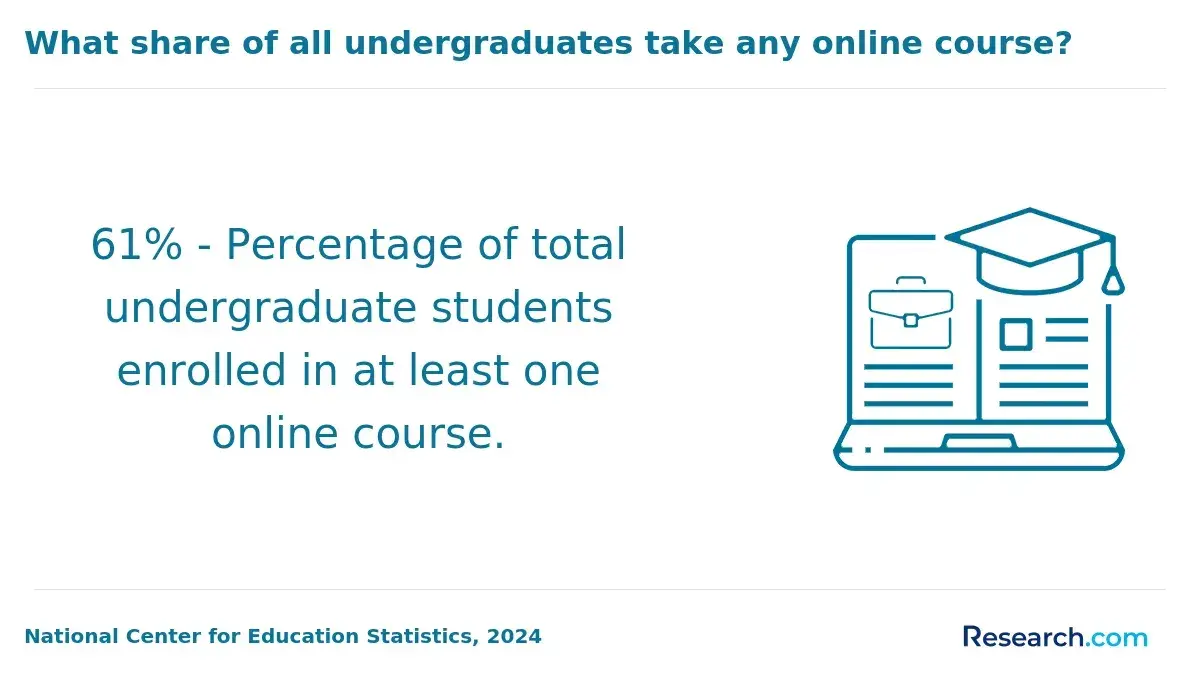
Recent trends indicate that online philosophy degree programs generally offer lower tuition rates compared to traditional campus-based options, with data from the National Center for Education Statistics showing tuition and fees around 20% less for fully online bachelor's programs as of 2024. This pricing gap reflects divergent institutional approaches to revenue generation and resource allocation tied to course delivery methods rather than arbitrary cost cutting. Campus programs rely heavily on overhead linked to physical infrastructure, such as classroom maintenance and campus services, which online programs circumvent by leveraging scalable virtual learning environments. However, these savings are influenced by how institutions factor in investments in technology platforms, digital content development, and the structure of faculty engagement in online formats.
The cost disparities stem from distinct institutional cost structures. Campus-based programs embed ongoing expenses related to maintaining facilities, student housing coordination, and in-person administrative support, which inflate per-student costs. Conversely, online programs require significant upfront and maintenance investments in digital learning platforms, including learning management systems, video production, and instructional design expertise, alongside expanded virtual student support services to compensate for the lack of face-to-face interaction. Faculty workload models also differ, as online instructors often design asynchronous content that can be reused multiple terms, which dilutes per-course teaching costs over time. These factors create a pricing ecosystem where online program affordability is not solely driven by reduced physical infrastructure but also by the strategic deployment of technology and staff resource models designed to balance quality with scalability. Whether online offerings remain more affordable long-term depends on institutional strategy regarding technological innovation and student service priorities.
One graduate of an online philosophy program shared that waiting for admission decisions amid rolling application periods became a calculated risk. They initially hesitated to commit without clarity on financial aid from both online and campus options. The flexible timing of online admissions allowed continual reassessment, but also generated uncertainty, as program costs could shift with budget changes. Ultimately, the student appreciated the cost savings but noted the need for proactive planning to navigate timing and financial variables, illustrating how affordability goes beyond sticker price to encompass admissions dynamics and enrollment strategy.
Employer Confidence in Online vs. In-Person Degree Skills, Global 2024

How Have Financial Aid and Scholarships Changed as Philosophy Tuition Has Increased?
Rising tuition for philosophy programs has outpaced inflation, challenging traditional financial aid and scholarship frameworks. Although some public institutions have modestly broadened need-based aid eligibility to ease financial barriers, stricter verification and heightened demand limit award accessibility. At the same time, merit-based scholarships have shifted away from philosophy, reflecting an institutional pivot toward STEM and other market-driven fields, which constrains funding availability despite escalating program costs. Targeted institutional grants increasingly emphasize diversity and inclusion, offering some relief but insufficient to offset overall tuition growth.
These shifts correlate with broader market and policy factors. Federal aid programs such as Pell Grants maintain nominal stability but fail to match steep tuition rises, compelling students to rely more heavily on loans with long-term repayment consequences. Institutions balance rising sticker prices with selective discounting through targeted scholarships aimed at recruiting competitively ranked applicants, though such strategies often prioritize fields with clearer professional pathways over philosophy. This has intensified competition for limited merit aid within philosophy cohorts and underscored complex tradeoffs between access and institutional financial sustainability.
The net effect increasingly widens the gap between tuition costs and effective financial support, pressing philosophy students toward higher debt loads and careful cost-benefit analyses of program enrollment. While some aid expansion cushions the economic strain on underrepresented groups, it does not substantially improve price stability or affordability at scale. As a result, financial aid trends are reshaping student decision-making by influencing which programs remain accessible and how prospective philosophy students weigh the return on investment amid constrained funding and rising educational expenses.
How Does Rising Philosophy Tuition Affect Student Debt After Graduation?
The rising tuition costs for philosophy programs have led to a significant increase in student borrowing, as many students find themselves unable to cover growing expenses through savings or scholarships alone. This dependence on loans translates into higher average debt levels upon graduation, intensifying repayment burdens for philosophy graduates. Recent data from 2024 highlights that philosophy students borrow more heavily relative to some other disciplines, in part due to limited availability of targeted financial aid and grants. These conditions shape the broader trends in philosophy tuition increase impact on student loan debt, where the escalating price points push students to accept larger loans before even entering the workforce.
Several structural factors contribute to these elevated borrowing requirements. Tuition inflation often outpaces increases in federal and institutional financial aid, widening the costs that students must finance privately. Differences between public and private institutions also matter-private philosophy programs tend to have higher sticker prices, which magnifies debt accumulation. During the course of study, unpaid interest on accumulating loans further compounds obligations, creating a debt load that surpasses the principal borrowed. Coupled with slower income growth and varied career paths within philosophy fields, graduates face challenges in balancing loan repayment with other financial commitments. These challenges illustrate the complex interplay in student debt trends after philosophy degree in the US.
Long-term implications include heightened repayment stress, longer amortization timelines, and increased reliance on income-driven repayment plans or loan forgiveness programs to manage debt sustainably. Rising tuition and debt loads may discourage students from enrolling in or completing philosophy programs, potentially reducing diversity and accessibility in the discipline. These financial pressures also influence perceptions of degree value, prompting prospective students to weigh affordability alongside academic interest. Prospective learners should consider these financial dynamics carefully and explore options such as non profit online universities that may offer more manageable costs while maintaining program quality.
Do Higher-Cost Philosophy Programs Deliver Better Career Outcomes or Earnings?
High tuition costs in philosophy degree programs do not inherently guarantee superior career outcomes or increased earnings. Data from the National Center for Education Statistics (NCES, 2024) confirms that private institutions with higher fees often provide more networking opportunities and access to specialized internships, yet these factors do not consistently lead to higher starting salaries or stronger employment rates. Employment figures within six months post-graduation are largely comparable between costly private colleges and more affordable public universities, illustrating that price alone is a poor predictor of career success in philosophy. This observation highlights that rising tuition expenses must be weighed carefully against actual return on investment for philosophy students.
Outcomes in philosophy degree career paths by tuition cost are influenced by a range of elements beyond price. Institutional reputation can enhance access to employer networks, but practical experience such as internships and mentorship often drives more significant employment advantages. Geographic location also plays a role, as proximity to industries valuing critical thinking and communication skills can expand opportunities. Specialization depth and alumni engagement further shape long-term prospects, yet these factors are not exclusive to higher-cost programs. The median starting salary for philosophy graduates remains around $45,000 to $50,000 nationally regardless of the institution's tuition tier, reinforcing that employers prioritize skill sets over the price tag on degrees.
Students and families aiming for sound return on investment should prioritize programs offering robust experiential learning support and career services rather than defaulting to the most expensive options. Evaluating program affordability alongside outcomes data helps balance educational aspirations with practical financial considerations. For those exploring related interdisciplinary pathways, reviewing the best online MFA programs may reveal alternative routes that optimize cost and career relevance within the broader humanities landscape.
What Do Current Tuition Trends Suggest About the Future Cost of a Philosophy Degree?
Recent tuition trends for philosophy degree programs reveal a consistent pattern of cost increases that outpace general inflation, signifying a likely upward trajectory in the real price students will face. Data from the National Center for Education Statistics in early 2024 shows undergraduate tuition and fees at public institutions rose by 5.2% from 2022 to 2023, while private universities experienced a 6.1% increase. These figures suggest that philosophy program costs are subject to the same pressures driving broad higher education inflation, notably surpassing wage growth in many fields and indicating that sticker prices will continue to rise faster than many students' financial resources.
Key factors influencing this trajectory include declining state appropriations, which shift greater funding responsibility to students, and increasing operational expenses related to updated facilities, faculty costs, and technology investments. The expansion of online and hybrid program offerings may offer some cost efficiency, but institutional investments in digital infrastructure and enhanced student services often keep tuition elevated. Meanwhile, enrollment shifts-with adult learners seeking more flexible, affordable options-may encourage program diversification without substantial tuition reductions, maintaining pressure on traditional cost structures.
These trends create significant affordability challenges, with students frequently incurring higher debt burdens relative to expected wage returns in philosophy-related careers. Prospective enrollees should therefore interpret tuition forecasts cautiously, balancing the likelihood of ongoing price inflation against evolving institutional strategies and their own financial circumstances. Strategic planning around program format and timing can help mitigate some cost impacts, but the broader pattern points to sustained increases requiring careful evaluation of long-term return on investment in philosophy degrees.
References
- How Much Has College Tuition Outpaced Inflation? | SoFi https://www.sofi.com/learn/content/college-tuition-inflation/
- The cost vs. value paradox: what Americans really think about college https://www.luminafoundation.org/news-and-views/the-cost-vs-value-paradox-what-americans-really-think-about-college/
- Why College Is Too Expensive — And How Competition Can Fix It - FREOPP https://freopp.org/whitepapers/why-college-is-too-expensive-and-how-competition-can-fix-it/
- The Plummeting Philosophy Major in the US (guest post) - Daily Nous https://dailynous.com/2025/10/15/the-plummeting-philosophy-major-in-the-us-guest-post/
- Making College Affordable by Improving Aid Policy https://issues.org/long-2/
- Three Things You Should Know About Inflation and the Higher Education Price Index https://www.commonfund.org/blog/four-things-you-should-know-about-inflation-and-the-higher-education-price-index
- Average net tuition down when adjusted for inflation, Brookings data shows https://www.highereddive.com/news/college-net-prices-affordability-brookings-institution-phillip-levine/815261/
- Why is the cost of college rising so fast? https://ssti.org/blog/why-cost-college-rising-so-fast
- A New Approach for Curbing College Tuition Inflation https://manhattan.institute/article/a-new-approach-for-curbing-college-tuition-inflation
- Yes, Aid Fuels Tuition Inflation | Cato at Liberty Blog https://www.cato.org/blog/yes-aid-fuels-tuition-inflation
Other Things You Should Know About Philosophy
Higher tuition often correlates with more demanding course structures, smaller seminar sizes, and increased faculty interaction in philosophy programs. Students must realistically assess whether their academic commitment and learning style align with such intensive environments because elevated costs do not guarantee favorable learning outcomes unless fully engaged. Prioritizing programs that balance cost with manageable workloads can mitigate financial strain while preserving educational quality.
As tuition rises, students may face increased pressure to aim for careers with clearer financial returns, potentially narrowing their choices toward law, academia, or public policy. This shift risks limiting exploration into non-traditional roles where philosophy skills add value but pay less immediately. Understanding tuition-driven constraints helps prospective students consciously weigh the long-term benefits of broader career flexibility against short-term economic realities.
Choosing tuition over pedagogy can undermine educational outcomes, as cost savings might come at the expense of curriculum depth or faculty expertise. Conversely, without careful cost consideration, inflated tuition can cause disproportionate debt burdens. A balanced recommendation is to prioritize programs with transparent, outcome-focused pedagogies while maintaining tuition within a sustainable range for the student's financial context.