2027 Philosophy Salary Trends Report: Are Wages Keeping Up With Tuition and Inflation?

Co-Founder and Chief Data Scientist
A prospective philosophy student weighing college options faces a complex question: will the financial return on a philosophy degree offset rising tuition and inflation? As education costs surge, simply knowing starting salaries offers limited insight. Understanding how graduate salaries track against tuition inflation and cost-of-living changes is key to assessing real value.
Salary growth, education expenses, and inflation rarely align, complicating straightforward comparisons. Evaluating the long-term earning potential of a philosophy degree requires more than surface salary figures. This article examines salary trends, tuition costs, inflation, return on investment, affordability, and the factors shaping the degree's financial worth over time.
Key Things to Know About Philosophy Salary Trends
- Philosophy graduate median salaries in 2024 hover near $55,000, lagging behind inflation-adjusted tuition rises averaging 3.7% annually, indicating diminished immediate ROI for recent students.
- Strong analytical and ethical reasoning skills cultivated by Philosophy degrees correlate with higher mid-career earnings growth, particularly when combined with interdisciplinary technical expertise.
- Long-term salary potential depends heavily on career path choice; Philosophy graduates entering law, business, or technology sectors show markedly better wage trajectories than those in academia or non-profit roles.
- Key Things to Know About Philosophy Salary Trends Key Things to Know About Philosophy Salary Trends
- What Is the Current Salary Outlook for Philosophy Graduates? Salary Outlook
- Are Philosophy Salaries Keeping Up With Inflation? Inflation Impact
- How Do Tuition Costs Compare With Philosophy Salary Growth? Tuition vs Salary
- Does a Philosophy Degree Deliver a Positive Return on Investment? Degree ROI
- Which Industries Offer the Highest Salaries for Philosophy Graduates? Which Industries Offer the Highest Salaries for Philosophy Graduates?
- Which States and Cities Offer the Highest Pay for Philosophy Professionals? Which States and Cities Offer the Highest Pay for Philosophy Professionals?
- How Do Philosophy Salaries Grow Throughout a Career? Career Growth
- How Do Philosophy Salaries Compare With Similar Degrees? Salary Comparison
- How Is Employer Demand Affecting Philosophy Salary Trends? Employer Demand
- How Can Students Maximize Their Lifetime Earnings With a Philosophy Degree? Maximizing Earnings
What Is the Current Salary Outlook for Philosophy Graduates?
The 2024 outlook for philosophy graduate salary trends reveals considerable variation shaped by factors such as sector, geography, and educational attainment. While starting salaries for those holding a bachelor's degree in philosophy generally fall between $55,000 and $65,000 annually, these figures mask significant differences tied to career choices.
For instance, a graduate entering legal or managerial roles may command salaries closer to the upper end of this scale, whereas another focusing on nonprofits or education might earn less initially. This disparity highlights how the current earnings outlook for philosophy majors depends heavily on the path taken immediately after graduation and the strategic value of complementary skills or internships.
Consider two graduates with similar philosophy degrees: one pursues a PhD and secures a position at a research university, while the other transitions into business consulting after adding coursework in economics. The former may experience slower early salary growth but gains access to specialized roles with salaries potentially exceeding $95,000 as mid-career progress and tenure advance.
Meanwhile, the latter leverages transferable skills for higher initial pay, underscoring how the intersection of philosophy with other disciplines can affect outcomes. Long-term salary trajectories for philosophy majors are thus better evaluated by blending immediate earnings data with projected job demand and opportunities for advancement. This perspective also recognizes the impact of inflation and tuition inflation, which have challenged the perceived return on investment for many graduates.
Philosophy's emphasis on critical thinking and analysis equips graduates for diverse fields such as law, government, and technology, which tend to offer stronger salary momentum over time.
Aligning philosophy studies with strategic career moves or exploring easy masters degrees online that complement philosophical skills can further enhance earning potential. While philosophy alone may not deliver the highest starting pay compared to some STEM degrees, assessing its value requires attention to steady progression and versatility in an evolving labor market.
Are Philosophy Salaries Keeping Up With Inflation?
Nominal wage increases for philosophy-related roles often fail to translate into meaningful gains in real purchasing power once inflation is factored in. Data from the U.S. Bureau of Labor Statistics shows that while median salaries for philosophy instructors at four-year institutions have edged upward to roughly $80,000, these figures have not kept pace with an average Consumer Price Index rise of about 3-4% annually.
This disconnect means that even modest nominal salary growth can feel like a pay cut when everyday costs-from housing to groceries-keep climbing. For instance, a recent philosophy graduate landing a teaching position may see a salary increase year-over-year but still struggle to save or cover rising living expenses as inflation erodes the value of their paycheck.
The complex relationship between philosophy graduate salaries versus inflation rates is influenced by stagnant academic pay scales, rising tuition costs, and fewer high-paying alternative career opportunities compared to fields like STEM. Tuition increases averaging over 5% annually amplify the financial pressure on students who carry debt from their education, making it more difficult for wages to offset the cost burden.
Prospective and current Philosophy students should therefore approach the decision thoughtfully, perhaps exploring avenues such as dual degrees or professional certifications to enhance earning potential. Those interested in minimizing educational expenses might consider options like the cheapest online master's degree in psychology as alternative pathways that could offer better inflation-adjusted returns.
How Do Tuition Costs Compare With Philosophy Salary Growth?
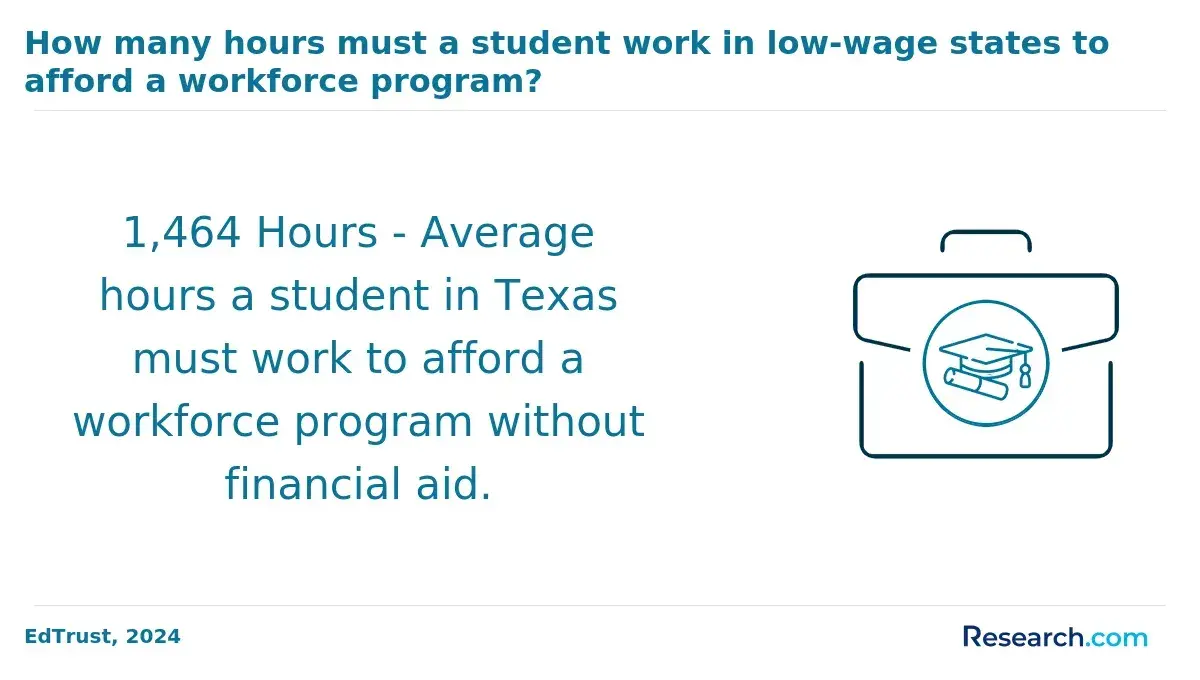
Examining the financial viability of a philosophy degree requires assessing how tuition increases align with salary growth over time, rather than viewing these figures in isolation. According to data from the National Center for Education Statistics and the Department of Labor in 2024, average tuition at public four-year colleges has risen by about 3% annually, outpacing inflation.
At the same time, median starting salaries for philosophy graduates remain near $50,000, with those in mid-career positions earning just over $70,000. This gap suggests that even though nominal salaries rise, the real earnings growth after accounting for rising tuition and inflation can be minimal, particularly impacting those who attend private institutions with steeper tuition spikes. Understanding this dynamic is crucial in evaluating the true economic return of a philosophy degree beyond headline salary figures.
For prospective students, comparing tuition cost trajectories with the realistic salary progression of philosophy graduates offers more actionable insight into financial planning. Consider a student weighing enrollment at a private university where tuition increases about 5% annually; their upfront debt is likely to be higher, and salary growth post-graduation may not compensate for this increase in the short term.
Conversely, a student attending a public university with steadier tuition inflation and supplementing their philosophy education with technical skills may find stronger financial footing sooner. Key factors influencing this balance include the chosen institution's tuition trends, individual career paths leveraging philosophy's transferable skills, and the timing for salary gains that often emerge later rather than immediately.
One graduate recalls hesitating to accept a philosophy program at a private university after discovering the estimated tuition cost had risen faster than their projected salary increases. They decided to enroll at a public institution instead, prioritizing manageable debt while simultaneously acquiring coding skills to enhance employability.
Over time, the graduate recognized that although the initial salary was modest, the combination of philosophy and technical abilities created opportunities in education technology, validating the strategic choice amid rising tuition and modest salary growth.
Does a Philosophy Degree Deliver a Positive Return on Investment?
Return on investment (ROI) for higher education measures the balance between the cost of earning a degree and the financial and professional benefits obtained over time. For a philosophy degree, this calculation requires looking beyond initial salaries, which tend to be lower than those in STEM or business fields, toward long-term earnings trajectories and career flexibility.
For example, a graduate paying $30,000 annually in tuition who enters law, education, or policy sectors may see steady salary growth around or above inflation over 10 to 15 years, mitigating the early cost burden. According to recent data from the U.S. Department of Education's College Scorecard, while starting salaries average lower, mid-career earnings for philosophy majors frequently catch up, reflecting the value of their critical thinking and communication skills.
However, whether a philosophy degree yields a positive ROI largely depends on managing rising tuition costs, now increasing at about 3% per year for humanities majors according to a 2024 College Board report, which outpaces average wage inflation of 2.5%. This cost-pressure gap means students who accumulate substantial debt without leveraging their analytical training in higher-paying roles may struggle to recoup educational expenses.
Furthermore, adaptability plays a key role-philosophy graduates who pursue advanced degrees or diversify into lucrative fields enhance lifetime earnings potential. Institutions and students who emphasize cost-effective education pathways and avoid excessive borrowing improve the likelihood that philosophy degrees translate into tangible financial returns despite inflationary challenges.
Which Industries Offer the Highest Salaries for Philosophy Graduates?
Philosophy graduates often possess a skill set marked by analytical rigor, ethical reasoning, and strong communication abilities. These qualities are increasingly sought after in sectors that face complex decision-making challenges and require nuanced problem-solving beyond technical expertise.
While philosophy does not funnel graduates into a single career track, select industries stand out for offering the highest paying industries for philosophy graduates. These fields typically blend intellectual demand with practical application, rewarding those who can bridge abstract thinking and real-world impact.
Below are some of the leading industries where philosophy degree holders can expect strong earning potential and robust career trajectories:
- Technology Sector: Philosophy graduates thrive in technology roles focused on artificial intelligence, ethics in machine learning, and user experience. Companies in this sector value their ability to navigate the ethical implications of emerging technologies and contribute to design thinking, often leading to competitive salaries that surpass many humanities-related fields.
- Finance and Consulting: Employers in finance appreciate graduates proficient in logical analysis and argumentation, making roles in investment banking, wealth management, and corporate strategy lucrative options. Strategic consulting also rewards philosophy graduates for their problem-solving finesse in complex business environments.
- Law and Government: Philosophy's focus on argumentation prepares graduates for impactful legal careers and policy development roles. Government agencies, especially those handling ethics, regulatory affairs, or legislative analysis, have demonstrated rising demand for philosophical expertise, usually accompanied by stable, high-paying positions.
- Healthcare Management and Bioethics: With growing attention on medical ethics, philosophy graduates contribute to patient rights advisement and clinical ethical frameworks. Their skill set fits well in organizations seeking to balance healthcare delivery with evolving moral considerations, leading to increased remuneration opportunities.
- Academic and Research Institutions: Although academic positions can vary in pay, advanced roles in ethics boards, interdisciplinary research, and thought leadership often command respectable salaries. Research findings from the U.S. Bureau of Labor Statistics and recent industry reports confirm steady growth and specialization premiums in this domain.
- Corporate Strategy and Ethics: Some corporations hire philosophy graduates to head ethics compliance and corporate social responsibility initiatives. These roles leverage critical thinking to manage reputational risk and align business practices with societal expectations, often offering compensation above average for humanities disciplines.
A key takeaway for current and prospective students is that pairing a philosophy degree with complementary skills or advanced qualifications enhances salary potential. For example, combining philosophy with an AACSB online MBA programs curriculum can provide graduates with a strategic edge in business-oriented industries, unlocking access to some of the top industry salaries for philosophy degree holders.
Which States and Cities Offer the Highest Pay for Philosophy Professionals?
Salary prospects for philosophy professionals vary significantly by location, influenced by the concentration of academic institutions, industry demand, and local economic conditions. States and cities that invest heavily in higher education, research, and specialized sectors often pay top dollar for philosophy graduates.
However, these higher wages frequently coincide with elevated living and education costs, creating a complex trade-off for students and career entrants to consider. For example, a philosophy graduate in California may earn substantially more than peers elsewhere, but the state's high tuition and housing expenses can erode net income gains.
Below are some of the leading states and metropolitan areas where philosophy-related roles offer the highest pay, based on 2024 data from the U.S. Bureau of Labor Statistics and the National Association of Colleges and Employers:
- California: With a robust tech industry and numerous prestigious universities, California offers strong salaries for philosophy professionals, particularly in ethical oversight roles related to artificial intelligence and biotechnology. Nonetheless, soaring living expenses and tuition fees require careful evaluation of long-term financial viability for graduates.
- New York: The state's diverse economy spanning finance, law, and publishing creates varied career pathways accompanied by some of the nation's highest wages for philosophy experts. Balancing these salaries against New York City's steep cost of living is essential for realistic financial planning.
- Massachusetts: Home to world-renowned academic institutions and research centers, Massachusetts rewards philosophical acumen with competitive salaries in academia and policy development. However, high education costs and local living expenses temper the net income advantage.
- Boston Metro Area: Concentration of top universities and ethical boards specializing in emerging fields like AI ethics drives premium pay in Boston, although the price of housing and services is substantial.
- San Francisco Bay Area: The technology-centered economy places a premium on philosophers adept at navigating innovation's ethical challenges, leading to some of the highest regional wages despite the elevated cost of living and tuition.
- Washington, D.C.: Demand for philosophy professionals in government advisory roles, nonprofits, and think tanks supports strong salaries, but the competitive market and rising costs require a strategic approach to career decisions.
- Chicago: With a mix of academic institutions and corporate sectors valuing critical thinking, Chicago provides a more moderate cost environment paired with respectable pay levels, appealing to students seeking balance between salary and affordability.
How Do Philosophy Salaries Grow Throughout a Career?
Starting salaries for Philosophy graduates often fall between $45,000 and $60,000 annually, with academic roles such as assistant professor positions offering median earnings near $70,000, according to the 2024 American Association of University Professors data. As careers progress into the mid-stage-typically between five and fifteen years-professionals who achieve tenure or transition into interdisciplinary fields like ethics consulting or policy analysis may see salaries rise to a $80,000 to $110,000 range.
However, this growth often aligns closely with inflation and may not keep pace with rising costs of living and tuition, which have increased by over 30% in recent decades. Those who remain in traditional academic tracks without tenure or supplementary roles frequently experience slower income growth, reflecting salary disparities within philosophy-related careers.
At senior levels, individuals with more than 15 years of experience in full professor roles or advanced policy positions can earn upwards of $120,000 annually, but these opportunities are limited and competitive. The plateauing of salary increases after reaching senior status is common, contrasting with faster growth in STEM careers.
Consider two philosophy graduates entering the workforce simultaneously: one secures tenure-track academic employment, steadily advancing within university ranks, while the other leverages their degree into law or ethics consulting. The latter path often yields earlier and potentially higher financial rewards, underscoring how professional development choices and sector shifts shape long-term earning trajectories more than the degree alone.
One graduate recounts weighing a full-time lecturer position against an emerging role in a nonprofit focused on policy ethics. Despite hesitation about leaving academia, the decision to switch came with an immediate salary increase and new opportunities for professional growth.
The graduate reflects that while passion for philosophy was constant, the financial realities and limited progression in traditional academic roles motivated a strategic career pivot, reinforcing that salary growth in philosophy-related fields can depend as much on adaptability and sector mobility as on years of experience.
How Do Philosophy Salaries Compare With Similar Degrees?
Philosophy graduate salaries, when measured against similar liberal arts disciplines, reveal a nuanced landscape of earning potential shaped by critical thinking and analytical skills. While philosophy majors may not match the starting salaries seen in STEM fields, their compensation compares favorably with peers in related social sciences and humanities over the long term.
This is particularly relevant for students evaluating how tuition inflation impacts return on investment, especially when career trajectories may extend beyond initial job placements. The following points highlight how philosophy degree earnings stack up against related fields and the real-world implications for graduates:
- History: Median starting salaries for history graduates typically range from $53,000 to $55,000, slightly below the approximately $58,000 average for philosophy bachelor's holders. Careers in education, research, or archival work are common, but long-term growth tends to be moderate unless supplemented with advanced degrees or certifications.
- English: Graduates in English generally earn starting salaries near $53,000 to $55,000, comparable to history but underperforming relative to philosophy majors initially. However, the wide variety of careers in writing, publishing, and communication can offer diverse income paths, particularly with developments in digital media.
- Sociology: Sociology salaries start close to $56,000, aligning closely with philosophy graduates. Both disciplines emphasize liberal arts skills, and graduates often pursue roles in public policy, social services, or market research, where mid-career salaries can increase significantly with experience and specialization.
- Public Policy and Law: Philosophy graduates frequently leverage their analytical and ethical reasoning skills into law or public policy careers, where mid-career salaries can exceed $85,000, surpassing many other humanities majors. Though requiring further education, such paths illustrate how philosophy degree earnings can expand well beyond initial projections.
For those interested in alternatives grounded in education or environmental concerns, examining jobs with elementary education and environmental science degree offers useful context on how diverse degree choices influence salary outcomes and career flexibility.
Philosophy graduate salaries compared to liberal arts degrees often demonstrate that long-term earnings closely hinge on how well graduates capitalize on their critical thinking strengths through continued learning or interdisciplinary roles.
How Is Employer Demand Affecting Philosophy Salary Trends?
Employer demand plays a pivotal role in shaping philosophy salary trends by determining how competitive the job market is for graduates. When demand for critical thinking and analytical skills rises, employers compete more intensely for qualified candidates, often leading to higher starting salaries and faster wage growth.
However, philosophy-related occupations remain relatively niche compared to STEM fields, limiting strong upward pressure on wages. For example, a philosophy graduate combining their degree with data analytics or ethics specialization may find better compensation offers in tech or nonprofit sectors, where demand for such interdisciplinary skills is increasing.
According to the U.S. Bureau of Labor Statistics 2024 projections, employer demand for roles requiring philosophy-related expertise is growing moderately, yet this growth only modestly impacts overall salary increases.
Several factors shape employer demand, including economic conditions, organizational budgets, and specialization within the philosophy degree. Areas like policy analysis and ethics consulting see more active hiring, but many graduates confront slower wage progression due to tuition inflation and slower employer demand growth relative to other fields.
The National Center for Education Statistics highlights that despite stable enrollment in philosophy programs, employer demand impact on philosophy graduate salaries has not kept pace with rising costs, meaning graduates often face challenging returns on investment.
Prospective students and career changers interested in enhanced earning potential might consider supplementing their philosophy background with complementary skills or exploring options such as online MBA programs that accept transfer credits to improve their appeal in competitive job markets.
How Can Students Maximize Their Lifetime Earnings With a Philosophy Degree?
Maximizing lifetime earnings with a philosophy degree requires more than mastering abstract thought; it demands strategic integration of practical skills and targeted career pathways. Data from the U.S. Bureau of Labor Statistics and the American Academy of Arts & Sciences 2024 report indicate that philosophy graduates who combine their degree with complementary expertise consistently access higher-paying roles.
For example, a philosophy major who pursues additional certifications in data science or law can transition from entry-level consulting roles to senior management positions with significant salary increases.
These factors highlight key practical strategies that enhance earning potential over time:
- Skill Diversification: Supplementing philosophy studies with technology, law, or business courses equips graduates with marketable talents, broadening career options and increasing access to lucrative roles.
- Advanced Credentials: Earning graduate degrees or certifications, such as an MBA or JD, significantly boosts earning potential by qualifying graduates for high-responsibility positions.
- Interdisciplinary Experience: Participating in projects that blend philosophy with STEM or professional disciplines strengthens problem-solving skills highly valued in finance, healthcare administration, and public policy.
- Networking and Internships: Building professional connections and gaining hands-on experience through internships improve job prospects and accelerate salary growth.
- Communication and Leadership: Developing soft skills prepares graduates for managerial roles where compensation typically rises faster.
- Dual Degrees or Minors: Combining philosophy with complementary fields like computer science enhances technical and ethical reasoning skills sought after in competitive sectors.
- Strategic Career Targeting: Focusing on industries such as law, consulting, or technology management aligns academic strengths with emerging labor market demands for better remuneration.
References
- The price of college is rising faster than wages for people with degrees | USAFacts https://usafacts.org/articles/is-college-worth-it-the-price-of-college-is-rising-faster-than-wages-for-people-with-degrees/
- The Annual Report on the Economic Status of the Profession, 2025-26 | AAUP https://www.aaup.org/reports-publications/aaup-policies-reports/topical-reports/annual-report-economic-status-profession-25-26
- Defining Your Compensation Philosophy Guide https://hrintervals.ca/resources/defining-your-compensation-philosophy/
- College costs have increased by 169% since 1980—but pay for young workers is up by just 19%: Georgetown report https://www.cnbc.com/amp/2021/11/02/the-gap-in-college-costs-and-earnings-for-young-workers-since-1980.html
- Compensation philosophy | Deel https://www.deel.com/glossary/compensation-philosophy/
- Defining Your Pay Philosophy: Complete Guide with Examples https://www.compup.io/blogs/pay-philosophy-guide-examples
- Multiplier @ TransformHR: Decoding Pay Philosophy | Multiplier https://www.usemultiplier.com/news/multiplier-on-pay-philosophy-at-transformhr
- Want to Get Rich? Major in Philosophy! - Wisdom & Folly https://wisdomandfollyblog.com/want-to-get-rich-major-in-philosophy/
- Philosophy Majors Make More Money Than Majors in any other Humanities Field - Daily Nous https://dailynous.com/2019/01/03/philosophy-majors-make-money-majors-humanities-field/
- What can I do with a philosophy degree? - Philosophy, Religion, and Interdisciplinary Studies https://www.gcsu.edu/artsandsciences/philosophy/opportunities
Other Things You Should Know About Philosophy
Philosophy programs that emphasize interdisciplinary skills or incorporate applied ethics and logic tend to better prepare graduates for diverse job markets, which can improve salary prospects. Programs narrowly focused on classical theory may limit direct career applicability, affecting wages negatively. Students should prioritize schools offering opportunities to build transferable skills like critical thinking, data analysis, or writing for practical sectors to enhance long-term earning potential.
Heavy academic workload without opportunities for extracurricular or work experience can hinder skill development beyond theory, potentially lowering starting salaries. Graduates who balance coursework with internships or teaching roles often show stronger resumes, leading to higher pay. Managing workload to include practical experiences is advisable, even if it lengthens time to degree, since it creates clearer pathways to better-paid roles.
While advanced philosophy degrees can lead to higher wages in academia or specialized fields, they often delay entry into the workforce, causing short-term income loss. Those focused on immediate earning might consider gaining work experience earlier rather than investing years in graduate study. Weighing potential long-term salary gains against the immediate financial strain and opportunity costs is essential for informed decisions.
Employers increasingly value practical problem-solving and communication skills over pure philosophical knowledge, which shapes wage offers. Graduates emphasizing how their philosophy background enhances these competencies generally negotiate better salaries. Prospective and current students should actively translate philosophical skills into workplace-relevant abilities rather than assuming subject mastery alone will drive compensation.