
2027 Best Online Master’s Degrees in Management Programs

Co-Founder and Chief Data Scientist
An online master’s degree in management can help experienced professionals move into supervisory, operational, strategic, or executive-track roles without leaving the workforce to attend classes on campus. The decision is not simply whether an online program is convenient. You also need to know whether the degree fits your career goals, how employers view it, what it costs, how long it takes, which specialization makes sense, and how to compare programs before committing tuition dollars and time.
This guide is designed for working adults, career changers, military-connected learners, parents, and professionals who want graduate-level management training in a flexible format. You will learn what online management master’s programs include, how they compare with campus programs, what salaries and job outlooks may look like, which programs stand out, and how to judge quality, cost, accreditation, and return on investment before enrolling.
Quick Answer: Is an Online Master’s in Management Worth Considering?
Yes, an online master’s in management can be a strong option if you want to build leadership, strategy, operations, human resources, project management, healthcare management, supply chain, or organizational leadership skills while continuing to work. The best programs are accredited, transparent about costs, aligned with your target industry, and supported by career services, faculty expertise, and practical projects.
The degree is most useful when it supports a clear career move: promotion into management, transition into a new business function, entry into a specialized management field, or preparation for broader leadership responsibilities. It is less useful if you choose a program only because it is fast, inexpensive, or highly ranked without checking whether the curriculum and outcomes match your goals.
What are the benefits of getting an online master’s degree in management?
- Career mobility. A master’s degree in management can help you qualify for leadership, supervisory, operations, project, human resources, healthcare, supply chain, or organizational leadership roles.
- Higher earning potential. Many management occupations pay well, and some managerial titles can exceed $115,000 annually, although salaries vary by role, location, employer, experience, and industry.
- Flexible study format. Online delivery allows many students to complete graduate coursework while managing full-time work, family responsibilities, military obligations, travel, or relocation.
What can I expect from an online master’s degree in management?
An online master’s in management is a graduate business and leadership program focused on helping students understand how organizations operate, how teams perform, and how leaders make decisions. While the exact curriculum depends on the school and specialization, most programs cover leadership, organizational behavior, strategy, analytics, finance, operations, communication, project management, ethics, and change management.
Students should expect more than recorded lectures. Strong programs typically require case analysis, discussion boards, presentations, team projects, simulations, applied research, and a final capstone or portfolio. The goal is to connect management theory to real organizational problems.
- Leadership development. You can learn how to guide teams, make decisions with incomplete information, resolve conflict, manage change, and communicate direction across departments.
- Business and operational fluency. Coursework can build practical knowledge in finance, marketing, human resources, data analysis, operations, and strategy so you can understand how decisions affect the broader organization.
- Professional network building. Online cohorts often include working professionals from multiple industries, which can give you access to peers, faculty, alumni, and industry contacts beyond your local area.
Where can I work with an online master’s degree in management?
Graduates of online management master’s programs work in many sectors because management skills transfer across industries. Your strongest opportunities will usually depend on your prior experience, specialization, professional network, and ability to show measurable leadership results.
- Corporate and business management. Graduates may pursue roles in operations, marketing, sales, human resources, project management, process improvement, strategy, or department leadership in industries such as finance, technology, retail, manufacturing, and professional services.
- Specialized management fields. Students who choose concentrations may move toward healthcare management, energy management, construction management, sports management, supply chain, human resources, or international business.
- Consulting and entrepreneurship. Management training can support work as an internal consultant, independent consultant, process improvement specialist, or founder, especially when paired with industry experience.
- Government and nonprofit leadership. Management graduates may also lead public programs, community initiatives, administrative units, fundraising operations, or mission-driven teams.
How much can I make with a master’s degree in management?
A master’s degree in management does not guarantee a specific salary, but it can strengthen your qualifications for roles where leadership, planning, budgeting, team supervision, and organizational decision-making are valued. Pay depends on job title, employer, industry, location, previous experience, and the scope of responsibility.
As a salary benchmark, general and operations managers in the United States earn an annual average wage of $122,860. Operations specialties managers earn an annual average salary of $148,190. Administrative services managers can earn an average of $115,640 a year, human resources managers can earn an annual average of $145,750, and medical and health services managers can earn an average of $127,980 a year.
- Best Online Master’s Degrees in Management Programs for 2027
- Can you earn a master’s in management fully online?
- Online vs. on-campus management master’s programs
- Online master’s in management cost
- Admission requirements
- Common courses
- Job outlook and salary data
- Program length
- Specializations
- How to choose the right program
- Financial aid options
- Career advancement and networking
- How to verify program quality
- Soft skills developed in online management programs
- How to calculate ROI
- Common challenges in online programs
- Accelerated online management pathways
- Interdisciplinary management education
- How to improve cost-efficiency
- Capstone projects and applied learning
- Dual degree options
- Future trends in online management education
- Project management skills in a management master’s program
Best Online Master’s Degrees in Management Programs for 2027
How do we rank programs?
A master’s program is a major commitment, so program comparisons should rely on verifiable data rather than marketing claims. Research.com evaluates online master’s in management options using research, data analysis, and criteria described in our methodology.
To build this list, Research.com reviewed data from the IPEDS database, Peterson’s database, including the Distance Learning Licensed Data Set, the College Scorecard database, and the National Center for Education Statistics.
1. Western Governors University: Master of Business Administration in Healthcare Management
Western Governors University offers an online MBA in Healthcare Management built around competencies tied to health management and policy. The program blends core business coursework with healthcare operations content and includes 11 courses plus a capstone project.
- Program Length: 2 years
- Tracks/Concentrations: Health Management and Policy
- Program Cost: $19,820
- Accreditation: Northwest Commission on Colleges and Universities, Accreditation Council for Business Schools and Programs (ACBSP)
2. Johns Hopkins University: Master of Science in Healthcare Management
The Carey Business School at Johns Hopkins University provides a fully online and flexible MS in Healthcare Management for students preparing to address leadership challenges in healthcare. Graduates with Health Care Management concentrations have pursued roles such as hospital pharmaceutical project manager and clinical support services director.
- Program Length: 2 years
- Tracks/Concentrations: Healthcare Administration
- Tuition per Credit: $1,800
- Credits required to graduate: 36
- Accreditation: Association to Advance Collegiate Schools of Business (AACSB)
3. Franklin University: Master of Science in Human Resource Management
The Ross College of Business at Franklin University offers an online MS in Human Resource Management focused on strategic HR leadership. Students study topics such as employee benefits, labor law changes, talent management, and leadership preparation for roles including learning and development manager, organizational development specialist, compensation director, benefits manager, and recruiting director.
- Program Length: 14 months
- Tuition per Credit: $670
- Credits required to graduate: 36
- Accreditation: International Accreditation Council for Business Education (IACBE)
4. Marquette University: Master in Management (Multidisciplinary)
Marquette University offers a 100% online Master in Management through its Graduate School of Management. The multidisciplinary curriculum draws from organizational behavior, leadership, organizational development, change management, analytics, and human resource management.
- Program Length: 21 months
- Tuition per Credit: $1,295
- Credits required to graduate: 30
- Accreditation: Higher Learning Commission
5. Brenau University: Master of Science in Organizational Leadership in Management
Brenau University offers an MS in Organizational Leadership designed for students from varied academic and professional backgrounds. The program uses fully online coursework, experiential learning, and small classes to support students seeking leadership roles in their current organization or a new field.
- Program Length: 2 years
- Tracks/Concentrations: Accounting: Managerial Accounting Concentration, Accounting: Public Accounting Concentration, Communications Management, Digital Marketing, Finance, Health Care Management, Human Resources Management, Management Marketing, Mediation and Conflict Resolution, Nonprofit Leadership, Project Management, Strategic Thinking and Innovation
- Tuition per Credit: $824
- Credits required to graduate: 42
- Accreditation: ACBSP
6. Lewis University: Master of Arts in Organizational Leadership
Lewis University offers an MA in Organizational Leadership for early-career and experienced professionals who want to increase their influence in teams, organizations, and complex work settings. The program is grounded in the social sciences and allows students to stack three micro-credentials in specialized areas.
- Program Length: 12 months
- Tracks/Concentrations: Professional and Executive Coaching, Training and Development, Organizational Consulting, Strategic Human Resource Management, Change Management
- Tuition per Credit: $710
- Credits required to graduate: 30
- Accreditation: Higher Learning Commission
7. Oklahoma City University: Master of Science in Energy Management
Oklahoma City University offers an online asynchronous MS Energy Management for professionals already working in or familiar with the energy sector. The curriculum is applied and is taught by faculty with field experience.
- Program Length: 2 years
- Tuition per Credit: $590
- Credits required to graduate: 30
- Accreditation: AACSB, American Association of Professional Landmen (AAPL)
8. City University of Seattle: Master of Science in Management and Leadership
City University of Seattle offers an online MSML for professionals who want to build skills in team leadership, operational planning, organizational strategy, personal leadership, and data-informed management. Possible roles include executive director, business manager, operations manager, sales director, organizational development consultant, management consultant, and training and development manager.
- Program Length: 2 years
- Tuition per Credit: $715
- Credits required to graduate: 42
- Accreditation: Northwest Commission on Colleges and Universities
9. University of Southern California: Master of Science in Project Management
The University of Southern California offers an online Master of Science in Project Management for professionals who want to advance in project-focused roles. The program covers project management concepts, methodologies, portfolio and program management, and technical project delivery.
- Program Length: 2 years
- Cost per Credit: $2,244
- Required Credits to Graduate: 24 units of coursework
- Accreditation: Approved by Project Management Institute® as an Authorized Training Partner (ATP)
10. Penn State University: Master of Professional Studies in Supply Chain Management
Penn State University offers a Master of Professional Studies in Supply Chain Management through the Smeal College of Business. Coursework includes logistics and transportation management, global manufacturing and service operations, and manufacturing and service operations planning. Students also complete a four-day on-site experience at University Park.
- Program Length: Approximately 2 years
- Tracks/concentrations: Strategic Procurement and Global Manufacturing and Service Operations
- Cost per Credit: $1,121
- Required Credits to Graduate: 30
- Accreditation: AACSB
How to Use This Program List
Do not choose a program based only on ranking position. Use the list as a starting point, then compare each program against your career goal, budget, schedule, desired specialization, accreditation, faculty background, and student support. A healthcare-focused MBA, a human resources master’s, and a supply chain management program may all be “management” degrees, but they prepare students for different career paths.
| Decision Factor | Why It Matters | What to Check Before Applying |
| Accreditation | Accreditation affects credibility, transferability, employer perception, and access to some forms of aid. | Confirm institutional accreditation and, when relevant, business accreditation such as AACSB, ACBSP, or IACBE. |
| Specialization | A concentration can make the degree more relevant to your target role. | Match courses to your intended field, such as healthcare, HR, supply chain, project management, or organizational leadership. |
| Total cost | Tuition per credit is only one part of the cost. | Calculate credits, fees, books, technology costs, travel for residencies, and lost income if you reduce work hours. |
| Format | Online programs vary widely in structure. | Ask whether classes are synchronous, asynchronous, hybrid, self-paced, cohort-based, or competency-based. |
| Career support | Graduate career outcomes depend heavily on networking and experience. | Review career coaching, alumni access, employer partnerships, internship options, capstone support, and job placement services. |
What Graduates Say About Their Online Master’s Degree in Management
Balancing a demanding job and family responsibilities made campus study unrealistic for me. The online management master’s gave me a way to keep working while building leadership skills. Recorded and live course components fit around my schedule, and the discussions helped me think more strategically. I now manage a larger team with more confidence. Shelly
I had reached a plateau in marketing and needed a broader business perspective. My online management program pushed me to connect strategy, data, people, and execution. Faculty with practical experience challenged how I approached campaigns, and classmates became an important support network. That experience helped me step into a stronger leadership role. Howard
As a military spouse, frequent moves made a traditional graduate program difficult. Online study gave me continuity while my family relocated and adjusted to deployments. I strengthened my leadership, communication, and project management skills, and I now use them to consult with small businesses. Emma
Key Findings
- An online master’s degree program in management can cost between $300 to north of $1,800 per credit, and many programs require 30 to 48 credits.
- Management master’s programs are available in many fields, including human resources management, project management, organizational leadership, healthcare management, energy management, and supply chain management.
- A full-time online master’s program in management typically takes 12 to 24 months, depending on required credits, course load, and program structure.
- Management and leadership job outlooks are generally positive, with many occupations projected above the 3% average employment growth rate for other occupations.
- Most online master’s in management programs require a bachelor’s degree from an accredited institution, but the undergraduate major usually does not have to be in business or management.
Can you get a master’s degree in management completely online?
Yes. Many universities in the United States offer online master’s degree programs in management or closely related fields. Examples include Villanova University, Boston University, Michigan State University, and Arizona State University. Some programs are fully online, while others require short residencies, campus intensives, internships, or in-person capstone presentations, so students should verify format details before applying.
Online graduate education often serves students who need flexibility. The main target populations of online education include adult students returning to school after an absence (79%), transfer students (61%), first-generation students (45%), military students (42%), and students with disabilities (29%).
Business is also a popular online graduate field. An estimated 29% of business graduate students are enrolled in a distance learning program (Wiley, n.d.), followed by education and teaching at 20% and STEM disciplines at 13%.
Will employers take my online master’s degree in management seriously?
Employer acceptance of online degrees has improved, but quality still matters. A degree from an accredited institution with a strong academic reputation, rigorous curriculum, qualified faculty, and clear outcomes is more likely to be respected than a program with weak transparency or unclear accreditation. Research.com’s online education statistics offer additional context on the growth and acceptance of online learning.
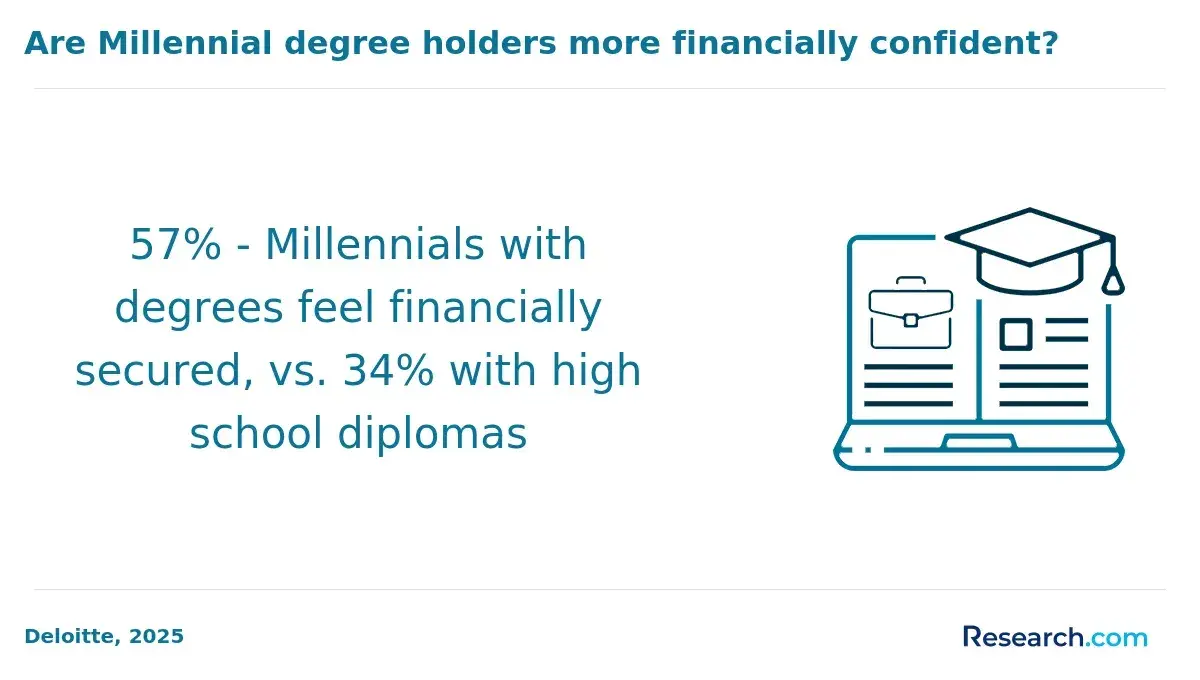
A Gallagher study found that 71% of HR leaders have personally hired candidates with online credentials or degrees. The same study reported that 64% of HR leaders believed continuous learning would increase demand for more credentials and higher levels of education, and 52% believed the most advanced degrees would be completed online.
Are online degrees recognized all over the world?
Online master degrees may be recognized internationally when they come from legitimate, accredited, and reputable institutions. Recognition depends on the employer, country, licensing body, university, and credential evaluation process. If you plan to work or study outside the United States, ask the employer, school, or credential evaluator how it reviews U.S. online degrees.
A practical first step is to check whether the institution appears in the Council for Higher Education Accreditation (CHEA) directory or another recognized accreditation source. You can also contact the school directly and ask for documentation of institutional accreditation and program-specific accreditation, if applicable.
Digital learning is likely to remain part of graduate education. Institutions continue to expand online delivery, digital platforms, virtual learning tools, and flexible degree pathways, including options such as a business management degree online.
How does an online master’s in management compare to an on-campus program?
The biggest difference is delivery format. Online programs are built for students who need flexibility, while campus programs may offer more face-to-face interaction, local networking, and immediate access to campus resources. Academic quality depends less on the format and more on the institution, curriculum, faculty, student support, assessments, and career outcomes.
| Feature | Online Master’s in Management | On-Campus Master’s in Management |
| Schedule | Often more flexible; may include asynchronous coursework or evening live sessions. | Usually requires attendance at set times and physical classroom locations. |
| Best for | Working adults, parents, military-connected students, frequent travelers, and remote learners. | Students who prefer in-person instruction, campus life, and local networking. |
| Networking | Can include virtual cohorts, online events, alumni groups, and digital career fairs. | Often includes in-person events, campus recruiting, student organizations, and local employer visits. |
| Cost considerations | May reduce commuting, relocation, housing, and some campus-related expenses. | May require transportation, relocation, housing, parking, or reduced work hours. |
| Potential limitation | Requires self-discipline, technology readiness, and proactive networking. | Less flexible for students with full-time work or family obligations. |
Online delivery can be synchronous, asynchronous, or hybrid. Synchronous classes require students to attend live sessions at scheduled times. Asynchronous classes allow students to complete lectures and assignments within set deadlines. Hybrid programs may include online courses plus required campus visits, seminars, intensives, or field activities.
If you need a completely online degree, ask the program directly whether any in-person attendance, residency, internship, orientation, testing, or capstone requirement is mandatory.
Is an online degree cheaper?
Online programs can be less expensive overall, but this is not guaranteed. Some online programs charge lower tuition, while others charge the same tuition as campus programs or add online learning fees. Students may still save money by avoiding relocation, commuting, parking, campus housing, and some personal expenses tied to on-campus study.
Online education has also influenced affordability strategies at some institutions. As recent analysis by the World Economic Forum (2025) indicates, progressive universities are using low-cost digital delivery to keep tuition competitive despite global inflation. The University of Illinois offers its entire M.B.A. program for only $22,000 online, while Georgia Tech offers its online Master’s in Computer Science degree program for $7,000. Graduate costs still vary substantially and should be compared separately from the cost of a bachelor’s degree.
Is an online degree as good as a regular degree?
An online degree can be academically comparable to a campus degree when it is offered by an accredited institution, uses qualified faculty, applies rigorous learning outcomes, and maintains strong student support. Some online programs mirror established campus programs, while others are designed specifically for remote learners.
Quality varies, so students should not assume every online program is equal. Reviewing accreditation, faculty credentials, course design, student services, graduation outcomes, and alumni feedback is essential. Research.com’s guide to the best online universities can help you understand what to look for in an online institution.
How much does an online master’s program in management cost?
The cost of an online master’s in management depends on the institution, public or private status, credit requirement, residency classification, fees, technology costs, books, and any in-person requirements. Tuition per credit can be helpful, but the total degree cost is the better comparison point.
The Education Data Initiative reports that the annual average cost of a master’s degree is $65,134. Costs can vary from $59,060 in public institutions to $87,950 in private institutions.
Students should also review in-state and out-of-state tuition policies. At public colleges and universities, out-of-state tuition is often higher and can cost 5x more than in-state tuition.
Is an online management degree worth it?
An online management degree can be worth it when it helps you reach a specific career goal that requires or rewards graduate-level leadership preparation. The strongest cases are students who already have professional experience and want to move into management, specialize in a higher-demand field, strengthen their leadership credibility, or qualify for roles where a master’s degree is preferred.
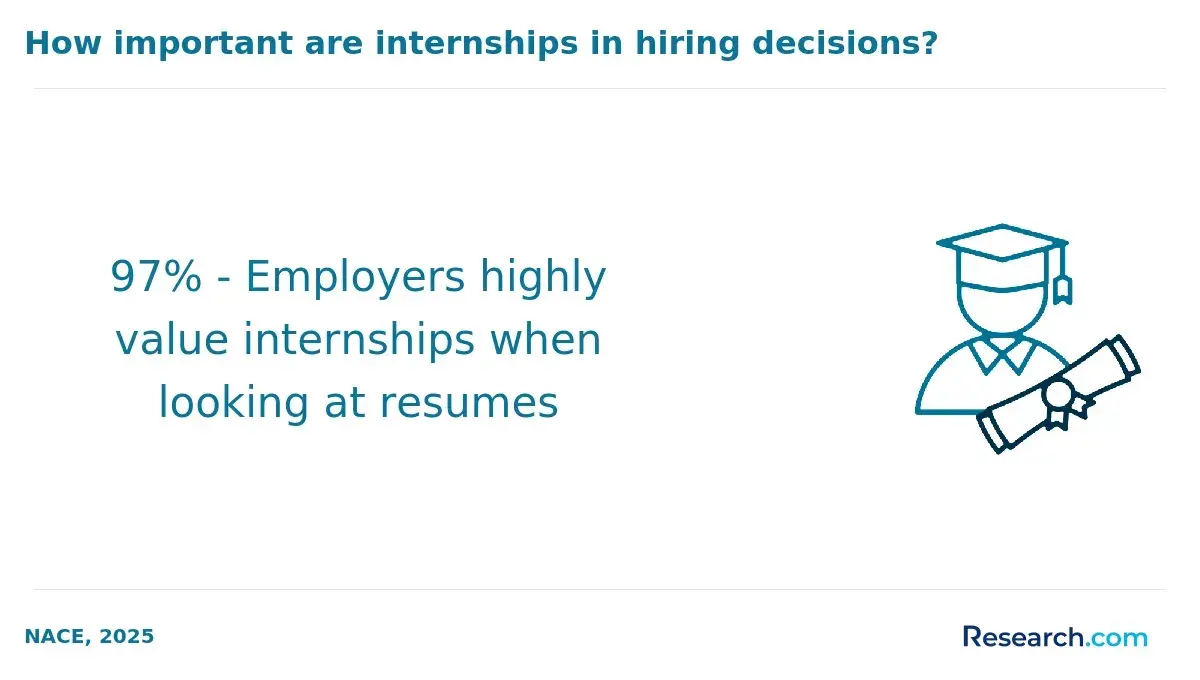
Financially, many management roles pay well, and managers often earn more than $100,000 per year. However, ROI is not automatic. Compare total program cost with likely salary growth, promotion potential, time to completion, employer tuition support, and opportunity cost. Students interested in HR-related leadership can also compare outcomes with pathways for online degrees human resources graduates.
What are the requirements to enroll in an online master’s in management?
Admission requirements for online and campus management master’s programs are usually similar. Most programs require a bachelor’s degree from an accredited institution, but the undergraduate major does not always need to be business, economics, or management. Applicants without business degrees may need foundation coursework, quantitative preparation, or professional experience, depending on the school.
Common admission requirements
- Bachelor’s Degree.
- Minimum GPA (varies)
- Standardized Test(s) (varies)
- Work Experience (varies)
Common application materials
- Recommendation Letters
- Application and Processing Fees
- Statement of Purpose
- CV/Resume
- TOEFL/IELTS for International Students
Technology requirements for online learning
Online students need reliable internet access, a computer that can run the learning management system, and basic productivity software. Students in live classes may also need a webcam, headset, microphone, and a quiet space for meetings and presentations. Some learners prefer using a dedicated laptop or tablet for school so academic files, work files, and personal files remain separate.
What courses are typically included in an online master’s program in management?
Management master’s programs may award a Master of Arts, Master of Science, Master in Management, Master of Professional Studies, or MBA-related credential. The title can signal emphasis, but students should focus more on the curriculum, outcomes, and specialization than on the degree label alone. Some students also compare management programs with one year masters programs when speed is important.
- Foundations of Management. Students examine core management functions, including planning, organizing, decision-making, finance, marketing, and operations. Those interested in finance leadership can also review online masters in finance programs.
- Resource Management. Courses may cover how to align people, money, technology, and time with organizational goals. Tools such as SWOT analysis and cost-benefit analysis are often introduced.
- Leadership. Leadership coursework may address team motivation, conflict resolution, change management, ethical decision-making, executive communication, and organizational culture.
- Management Research. Students learn qualitative and quantitative methods for collecting, interpreting, and using data in organizational decisions.
- Business Ethics. Ethics courses examine responsible decision-making in areas such as corporate social responsibility, bribery, insider trading, compliance, and stakeholder accountability.
What is the job outlook for graduates of a master’s degree program in management?
The employment outlook for many management occupations is favorable compared with the 3% average employment growth rate for other occupations. For example, employment of administrative services and facilities managers is projected to grow 5% by 2032, with about 31,400 openings each year over the 10-year period. Employment of financial managers is projected to grow 16%, with about 69,600 projected annual job openings.
The table below summarizes common roles associated with management master’s pathways, including median annual salary, projected employment growth, and projected annual job openings.
| Occupation | Median Annual Salary | Projected Employment Growth (2032) | Projected Annual Job Openings |
| Human Resources Managers | $130,000 | 5% | 15,500 |
| Compensation and Benefits Managers | $131,280 | 2% | 1,100 |
| Computer and Information Systems Managers | $164,070 | 15% | 46,900 |
| Administrative Services and Facilities Managers | $101,870 | 5% | 31,400 |
| Financial Managers | $139,790 | 16% | 69,600 |
| Industrial Production Managers | $107,560 | 2% | 15,300 |
| Medical and Health Services Managers | $104,830 | 28% | 54,700 |
| Natural Sciences Managers | $144,440 | 5% | 6,500 |
| Sales Managers | $130,600 | 4% | 43,200 |
| Top Executives | $100,090 | 3% | 311,600 |
How long does it take to complete an online master’s degree program in management?
Completion time depends on required credits, academic calendar, transfer credit policies, course load, and whether the program is designed for full-time or part-time students. In general, a full-time online master’s in management with 30 to 36 credits takes 12 to 18 months. Programs requiring 42 to 48 credits can take 18 to 24 months.
Part-time students often complete the degree in two to three years. Accelerated programs may move faster, but students should confirm that the pace is realistic alongside work and personal obligations.
What types of specializations are available in online master’s programs in management?
Management is broad, so specialization matters. The right concentration can help you align coursework with the industry or function where you want to lead.
| Specialization | Best Fit | What You Study |
| Healthcare Management | Students targeting hospitals, clinics, healthcare systems, or health services organizations. | Healthcare operations, regulations, patient care delivery, and administrative leadership. |
| Marketing Management | Professionals who want to lead marketing teams or strategy. | Market research, campaign strategy, brand management, and performance evaluation. |
| Human Resource Management | Students interested in talent, workforce planning, benefits, or employee relations. | Talent acquisition, compensation, labor law, employee development, and HR strategy. |
| Financial Management | Professionals seeking budget, finance, or investment-related management roles. | Financial analysis, budgeting, forecasting, and investment strategy. |
| Operations Management | Students focused on process improvement, logistics, production, or service delivery. | Efficiency, quality management, logistics, and supply chain coordination. |
| Information Technology Management | Professionals bridging business leadership and technology operations. | Systems management, technology infrastructure, data governance, and IT strategy. |
| Project Management | Students planning to lead complex initiatives across industries. | Project planning, risk, scheduling, budgeting, stakeholder management, and execution. |
| Construction Management | Professionals working in construction, infrastructure, or real estate development. | Construction planning, project controls, contracts, safety, and resource management. |
| International Business | Students interested in global operations or multinational organizations. | Cross-border strategy, global markets, trade, culture, and international operations. |
| Sports Management | Students combining sports interests with business leadership. | Team operations, facilities, sports marketing, events, and organizational leadership. |
| Non-Profit Management | Professionals who want to lead mission-driven organizations. | Fundraising, governance, program leadership, community impact, and sustainability. |
| Sustainability Management | Students focused on environmental and social responsibility in business. | Sustainable operations, social impact, environmental strategy, and reporting. |
| Data Analytics Management | Professionals who want to use data in leadership decisions. | Analytics, dashboards, performance measurement, and evidence-based strategy. |
| Innovation Management | Students interested in entrepreneurship, product development, or transformation. | Innovation processes, new ideas, market launch, and organizational change. |
How can you find the best online master’s program in management?
The best program is the one that fits your career target, learning style, finances, schedule, and academic needs. Rankings can help narrow your search, but they should not replace deeper evaluation. Start by defining your goal: promotion, career change, specialization, executive preparation, consulting, entrepreneurship, or industry-specific leadership.
Students comparing management degrees with broader business programs may also review the best online MBA programs. If your goal is general executive leadership, an MBA may be appropriate. If you want focused leadership, organizational, HR, project, healthcare, or supply chain preparation, a management master’s may be the better fit.
Location still matters, even for online programs. Public universities may charge different in-state and out-of-state tuition, and hybrid programs may require travel. Ask whether the program is fully online or includes campus visits, seminars, residencies, intensives, fieldwork, business simulations, or in-person exams.
Faculty expertise is another major factor. Management is not one career path; it can lead to PR management, logistics management, sports management, healthcare leadership, or a business management finance degree pathway. Choose a program where faculty and curriculum match the industry or function you want to enter.
Student support can also affect outcomes. Look for access to online library resources, writing support, tutoring, academic advising, technical support, alumni networks, career coaching, and employer connections. These services matter most for online learners who must be intentional about building relationships.
Before comparing schools, define your long-term objectives. Research.com’s guide to setting up your career goals can help you clarify what you want the degree to accomplish.
What are the financial aid options for students enrolling in a master’s degree program in management?
Graduate students may be able to combine several funding sources. Always ask the school’s financial aid office for program-specific details, deadlines, eligibility rules, and enrollment requirements.
- Federal Aid. Graduate students may use Federal Direct Unsubsidized Loans, which accrue interest during enrollment. Federal Direct Grad PLUS Loans have higher borrowing limits but require a credit check.
- State Grants and Scholarships. State education agencies and grant websites may list financial aid programs tied to location, field, or student background.
- University Scholarships and Grants. Schools may offer merit scholarships, need-based grants, or program-specific awards. Contact admissions and financial aid offices early.
- Graduate Assistantships. Some universities provide tuition remission or stipends in exchange for research, administrative, or teaching support.
- Employer Tuition Reimbursement. Many working professionals should check whether their employer reimburses tuition or provides education benefits.
- Private Scholarships. Professional associations, foundations, and business organizations may offer scholarships for management, business, HR, leadership, or industry-specific study.
- Payment Plans. Some institutions allow installment payments or deferred payment options for part of the tuition bill.
How do online management programs support career advancement and professional networking?
Strong online management programs do more than deliver coursework. They provide career coaching, mentorship, virtual employer events, alumni communities, job search support, and opportunities to work with classmates from different industries. These features are especially important because online students must often create networking momentum without the daily in-person contact of a campus program.
Look for programs that offer structured networking instead of vague promises. Ask whether students participate in live case competitions, alumni panels, employer information sessions, group consulting projects, or capstone presentations with organizational partners. Students exploring shorter credentials before a master’s program may also compare pathway options such as the fastest associates degree online.
How can I ensure an online master’s in management program meets quality standards?
Begin with accreditation. Confirm that the institution is accredited by an agency recognized by the Council for Higher Education Accreditation (CHEA) or an appropriate regional accreditor. For business-related programs, also check whether the program or business school holds accreditation from bodies such as AACSB, ACBSP, or IACBE.
Then evaluate curriculum depth, faculty credentials, student outcomes, career services, tuition transparency, academic support, and employer relevance. A low price is attractive, but affordability should be weighed against quality. Students comparing budget-conscious business options can review resources such as the cheapest online business management degree guide.
What soft skills can I develop through an online master’s in management program?
Technical business knowledge matters, but management work depends heavily on interpersonal and decision-making skills. Online programs can strengthen soft skills because students must collaborate, communicate, present, and solve problems in digital environments that resemble many modern workplaces.
- Communication: Discussion posts, presentations, group projects, and written analyses help students explain complex ideas, persuade stakeholders, and deliver constructive feedback.
- Emotional Intelligence: Leadership and organizational behavior courses can help students understand motivation, conflict, team dynamics, and empathetic decision-making.
- Adaptability and Flexibility: Online learning requires students to navigate digital platforms, changing deadlines, remote collaboration, and self-directed work.
- Team Collaboration and Networking: Virtual team assignments allow students to practice working with diverse professionals across locations and industries.
- Problem-Solving and Critical Thinking: Case studies, simulations, and capstone projects require students to analyze complex organizational problems and recommend evidence-based solutions.
How can I measure the ROI of my online master’s in management degree?
Return on investment should include both financial and career factors. Start with total program cost, not only tuition per credit. Add fees, books, software, travel, lost income, loan interest, and time to completion. Then compare that cost with likely salary growth, promotion potential, employer tuition benefits, professional network value, and the degree’s relevance to your target role.
Students should also review graduation rates, alumni outcomes, employer feedback, career placement information, and whether the curriculum matches industry expectations. If project leadership is your target, compare alternatives such as the cheapest MBA project management options to determine whether a management master’s or specialized MBA offers stronger value.
| ROI Question | Why It Matters |
| What is the full cost of attendance? | Fees, books, travel, and loan interest can change the real price of the degree. |
| Will my employer help pay? | Tuition reimbursement can significantly improve ROI. |
| Does the program align with my target role? | A general degree may not provide enough specialization for some career goals. |
| What outcomes do graduates report? | Alumni salary growth, promotions, and job placement data can indicate career value. |
| How long will it take to recover the cost? | Payback period helps you decide whether the investment is realistic. |
What challenges are commonly encountered in online management programs?
Online graduate study is flexible, but it is not easy. Students often struggle with time management, isolation, technology issues, group project coordination, and the need to network intentionally. The biggest risk is underestimating the weekly workload while working full time.
To reduce these challenges, block study time before classes begin, attend live sessions when possible, join virtual study groups, contact faculty early, use academic support services, and participate in networking events even when they are optional. Students who want fewer admission barriers may also compare cheap online MBA no GMAT programs, but they should still verify academic quality and outcomes.
Can accelerated online programs fast-track your management career?
Accelerated online programs can help students finish sooner, but speed should not be the only reason to enroll. A compressed format can be effective for disciplined students with strong time management, relevant professional experience, and stable weekly availability. It can be difficult for students who work unpredictable hours or have heavy personal responsibilities.
Before choosing an accelerated route, ask how many courses are taken at once, whether the program uses short terms, how group work is scheduled, and whether the capstone is manageable. Compare options such as the quickest MBA degree online with management master’s programs to see which structure better matches your goals.
How can interdisciplinary courses drive innovation in online management education?
Interdisciplinary coursework can make a management degree more practical by connecting leadership training with specialized industry knowledge. For example, a student interested in construction, healthcare, technology, or supply chain may benefit from courses that combine management theory with field-specific regulations, operations, and decision-making problems.
This approach can help students build versatile problem-solving skills and translate management concepts into real business contexts. Learners interested in construction-focused leadership can compare related options such as fast construction management online programs.
How can you maximize cost-efficiency in online master’s programs?
Cost-efficiency means finding a program that delivers credible outcomes at a manageable price. It does not mean choosing the cheapest option automatically. A low-cost program with poor support, weak alignment, or unclear accreditation can become expensive if it delays graduation or fails to support your career goals.
Start by comparing total tuition, required credits, fees, and transfer credit policies. Then ask whether the program offers scholarships, employer partnerships, military benefits, payment plans, or tuition discounts. You can also review broader affordability resources such as cheap online courses when comparing cost structures.
To control costs, apply early for aid, submit employer reimbursement paperwork before enrolling, avoid unnecessary prerequisite courses when possible, and choose a course load you can complete successfully. Stopping out or retaking courses can reduce the value of a lower tuition rate.
Real-World Applications and Capstone Projects in Online Management Programs
Applied learning is one of the clearest signs of a practical online management program. Good programs do not stop at theory. They ask students to analyze business problems, build recommendations, present to stakeholders, and demonstrate decision-making skills through projects, simulations, internships, or capstones.
Capstone projects
Capstones often require students to address a real or realistic organizational challenge. A student might create a business plan, analyze a process problem, design a workforce strategy, evaluate a market opportunity, or recommend operational improvements.
Internship opportunities
Some online programs include virtual or local internships. These experiences can be valuable for career changers who need field exposure or students trying to demonstrate applied experience in a new management area.
Case studies and simulations
Case studies and simulations allow students to practice leadership decisions without the risk of a live business failure. They can sharpen judgment in areas such as budgeting, crisis response, stakeholder communication, team conflict, and resource allocation.
Students comparing flexible and affordable graduate options may also review quickest cheapest masters degree programs online.
What are the advantages of pursuing a dual degree option?
A dual degree can make sense when your career goal requires leadership ability plus specialized expertise. For example, a healthcare professional may benefit from combining management training with clinical or nursing leadership preparation. Dual degrees can also broaden career options, but they usually require more time, planning, and tuition than a single degree.
Before enrolling in a dual degree, compare the added cost and workload with the career benefit. A program such as an MSN MBA dual degree may be useful for students who want to combine healthcare leadership with business strategy, but it may be unnecessary for students seeking general management roles.
What future trends will shape online management education?
Online management education is being shaped by digital learning tools, employer demand for continuous upskilling, skills-based hiring, shorter credential options, and more flexible program formats. Many institutions are experimenting with AI-supported learning, adaptive course materials, virtual simulations, competency-based assessment, and stackable micro-credentials.
Students should watch for programs that use technology to improve learning rather than simply automate instruction. The strongest programs will likely combine flexibility with human feedback, applied projects, career support, and measurable outcomes. Accelerated pathways such as MBA 1 year programs may also appeal to professionals who want faster advancement, provided the workload is realistic.
How can a master's in management enhance your project management skills?
A master’s in management can strengthen project management skills by teaching students how to plan work, lead teams, manage risk, communicate with stakeholders, allocate resources, and evaluate outcomes. This can be useful even for students who do not pursue a dedicated project management degree.
- Project management framework: Students may learn structured approaches to project initiation, planning, execution, monitoring, and completion, including methodologies such as Agile, Lean, and Waterfall.
- Risk management: Coursework can help students identify project risks, assess impact, and develop mitigation plans.
- Team leadership and collaboration: Management programs emphasize delegation, motivation, conflict resolution, and cross-functional teamwork.
- Time and resource management: Students practice prioritizing tasks, scheduling work, and aligning people and budgets with objectives.
- Real-world applications: Capstones, internships, and simulations allow students to apply project skills to practical business problems.
If you want project management training with a less complex academic route, you can compare options such as the easiest project management degree while also considering whether a broader management master’s better supports long-term leadership goals.
Common Mistakes to Avoid When Choosing an Online Master’s in Management
| Mistake | Why It Can Hurt You | Better Approach |
| Choosing only by ranking | A high ranking does not guarantee fit for your career goal, schedule, or budget. | Use rankings as a shortlist, then compare curriculum, outcomes, cost, and support. |
| Ignoring accreditation | Unclear accreditation can affect credibility, aid eligibility, and employer acceptance. | Verify institutional and relevant programmatic accreditation before applying. |
| Comparing only tuition per credit | Fees, required credits, residencies, and books can change the total cost. | Calculate the full cost of attendance for each program. |
| Assuming online means self-paced | Many online programs still have weekly deadlines, live sessions, and group projects. | Ask about scheduling, term length, synchronous requirements, and workload. |
| Choosing a specialization too early | A narrow concentration may not support broader career plans. | Match specialization to a realistic target role and industry. |
| Overlooking career services | Online students may miss networking opportunities if support is weak. | Ask about alumni access, career coaching, employer events, and mentorship. |
Questions to Ask Before Applying
- Is the university institutionally accredited, and does the business school or program hold additional accreditation?
- Is the program fully online, or are any residencies, campus visits, internships, or in-person exams required?
- How many credits are required, and what is the full estimated cost including fees?
- Are courses synchronous, asynchronous, hybrid, cohort-based, self-paced, or competency-based?
- What specializations are available, and which courses directly support my target role?
- What career services are available to online graduate students?
- What percentage of students graduate, and what outcomes do alumni report?
- Can I transfer credits or receive credit for prior graduate coursework?
- Does the program offer scholarships, assistantships, employer partnerships, or payment plans?
- How much time should I expect to spend each week on coursework?
Key Insights
- An online master’s in management is best for professionals who need flexibility and want to move into leadership, operations, HR, healthcare, supply chain, project management, or organizational leadership roles.
- Program fit matters more than format. A credible online degree should be accredited, rigorous, well-supported, and aligned with your career goal.
- Costs vary widely. Look beyond tuition per credit and calculate total degree cost, including fees, required credits, books, travel, and loan interest.
- Specialization is a major decision. Healthcare management, HR, project management, supply chain, and organizational leadership programs can lead to different career outcomes.
- Employer acceptance of online degrees is stronger when the school is reputable and accredited, but students should still be ready to explain the program’s rigor and relevance.
- Career value depends on how you use the degree. Capstones, networking, career services, applied projects, and measurable workplace achievements can improve ROI.
- Avoid choosing based only on speed, price, or rankings. The right program should match your schedule, budget, learning style, industry, and long-term advancement plan.
References:
- Bureau of Labor Statistics. (2025). Computer and information systems managers. BLS.
- Bureau of Labor Statistics. (2025). Occupational Outlook Handbook: Management Occupations. BLS.
- Education Dynamics. (2025). Engaging the Modern Learner: Preferences & Behaviors Shaping Higher Ed. https://insights.educationdynamics.com/modern-learner-report-2025.html
- Gatta, M., Kahn, J., Koncz, A. J., Galbraith, A., Patil, S., & Longenberger, A. (2025, November). 2026 Job Outlook. National Association of Colleges and Employers. https://www.naceweb.org/research/reports/job-outlook/2026
- Ma, J., Pender, M., & Hu, X. (2025). Trends in College Pricing and Student Aid 2025. College Board. https://research.collegeboard.org/media/pdf/Trends-in-College-Pricing-and-Student-Aid-2025-final_1.pdf
Other Things You Should Know About an Online Master’s Degree in Management
No, internships are usually not required for online Master’s in Management degrees. Most programs are built around coursework and a final capstone or applied project, with internships offered only as optional career experience. Some schools may let students earn elective credit for approved fieldwork.
In 2027, capstone projects for online Master's in Management programs often involve real-world consultancy work, strategic management case studies, or developing a comprehensive business plan. These projects provide practical experience and allow students to apply their theoretical knowledge to solve complex business challenges.
In 2027, online Master's in Management programs offer specializations such as Supply Chain Management, Organizational Leadership, Project Management, and Global Business. Each specialization requires specific coursework and can guide career paths in distinct management sectors, enhancing targeted expertise.





