2027 How to Find the Right Field Placement for Your Social Work Goals

Co-Founder and Chief Data Scientist
Choosing a social work field placement is one of the most important decisions in a BSW or MSW program, especially if you are entering social work from another career or discipline. The right placement helps you test a practice area, build supervised experience, meet program requirements, and create a clearer path toward licensure or employment. The wrong fit can leave you with hours completed but limited confidence, weak supervision, or experience that does not match your career goals.
This guide explains what field placements are, why they matter, how many hours students typically complete, what qualifications agencies may require, and how to compare placement sites. It also covers online program placements, licensure considerations, and the career value of strong field experiences so you can make a practical, informed choice before committing to a site.
Key Things You Should Know
- Select field placements aligned with your career goals, as 72% of social work graduates report higher job satisfaction when placements match their interests (CSWE, 2025).
- Consider agency diversity and population served; exposure to varied settings improves practical skills and adaptability per National Association of Social Workers data (2024).
- Seek placements offering mentorship opportunities, since 65% of students with dedicated mentors achieve licensure faster and report stronger professional networks (ASWB, 2025).
What is a field placement in social work education?
A field placement in social work education is a supervised practicum or internship where students apply classroom learning in a real service setting. Students may work in hospitals, schools, mental health clinics, child welfare agencies, nonprofit organizations, public agencies, or community programs. The goal is not simply to “observe” social work; it is to develop professional judgment, ethical decision-making, assessment skills, documentation habits, and client engagement under supervision.
Field education is often described as the signature learning experience of social work because it connects theory to practice. In class, students study human behavior, policy, research, ethics, and intervention models. In field, they learn how those concepts look when a client is in crisis, a family needs services, a team disagrees about a care plan, or an agency has limited resources.
Most students complete more than one placement or a placement that extends over several months. The experience may involve different populations, such as families involved with child protective services, people experiencing homelessness, older adults, veterans, students, or clients receiving behavioral health support. The Council on Social Work Education reported 83,610 master's social work students enrolled in the 2022-2023 academic year, with 34.2% attending part-time, which makes scheduling, transportation, and site flexibility major factors for many learners.
When comparing placements, focus on three questions: who will supervise you, what work you will actually do, and how the experience supports your intended career path. A placement with strong supervision and meaningful responsibilities is usually more valuable than one with a prestigious name but limited learning opportunities.
Students planning long-term advancement may also consider how future education fits into their career plan. For example, doctorate of social work online programs may appeal to experienced practitioners who want advanced clinical, leadership, or academic preparation after building substantial field and professional experience.
Why are field placements essential for social work students?
Field placements are essential because social work cannot be learned fully from textbooks, lectures, or simulations. Students need supervised practice with real clients, real documentation standards, real ethical tensions, and real agency constraints. A good placement teaches students how to assess needs, communicate professionally, manage boundaries, advocate for resources, and reflect on their own values and biases.
Placements also help students decide what kind of social work they want to do. A student who thinks they want clinical work may discover a strong interest in school social work, medical social work, child welfare, substance use treatment, policy, or community organizing. Conversely, field experience can help students rule out settings that do not fit their temperament, strengths, or long-term goals before they commit to a job after graduation.
Strong field education can also improve employability. Social work employment is projected to grow 6% over the coming decade, with roughly 74,000 job openings annually. Employers often look for candidates who have already worked with relevant populations, used case management systems, participated in interdisciplinary teams, or handled supervised client contact. A placement can also lead to references, mentorship, and sometimes job opportunities.
Students should not choose a placement only because it is convenient. Convenience matters, especially for working students, but the placement should also offer appropriate supervision, clear learning tasks, exposure to ethical practice, and regular feedback. If cost is a major concern, comparing program affordability matters as well; students exploring graduate options can review the most affordable online MSW programs alongside field placement support policies.
How many field placement hours are required for social work degrees?
Social work degree programs in the United States typically require between 400 and 1,000 field placement hours, depending on the degree level, program design, and accreditation expectations. Bachelor of social work (BSW) programs generally require around 400 hours of supervised practice. Master of social work (MSW) programs typically require at least 900 to 1,000 hours. These requirements are tied to Council on Social Work Education (CSWE) standards designed to ensure students receive substantial hands-on preparation.
The number of hours is only part of the requirement. Programs also care about the quality and type of experience. Students may need to demonstrate competencies in ethics, diversity, assessment, engagement, intervention, evaluation, policy practice, and professional behavior. For students pursuing clinical careers, direct client contact and supervision quality become especially important.
Nearly 80% of new MSW graduates aim to become licensed clinical social workers within five years, which makes placement planning important. Students interested in clinical licensure should ask whether the placement provides assessment, treatment planning, crisis response, documentation, and supervision by appropriately qualified professionals. Students interested in policy, administration, or community practice may prioritize advocacy, program evaluation, grant work, coalition-building, or organizational leadership tasks.
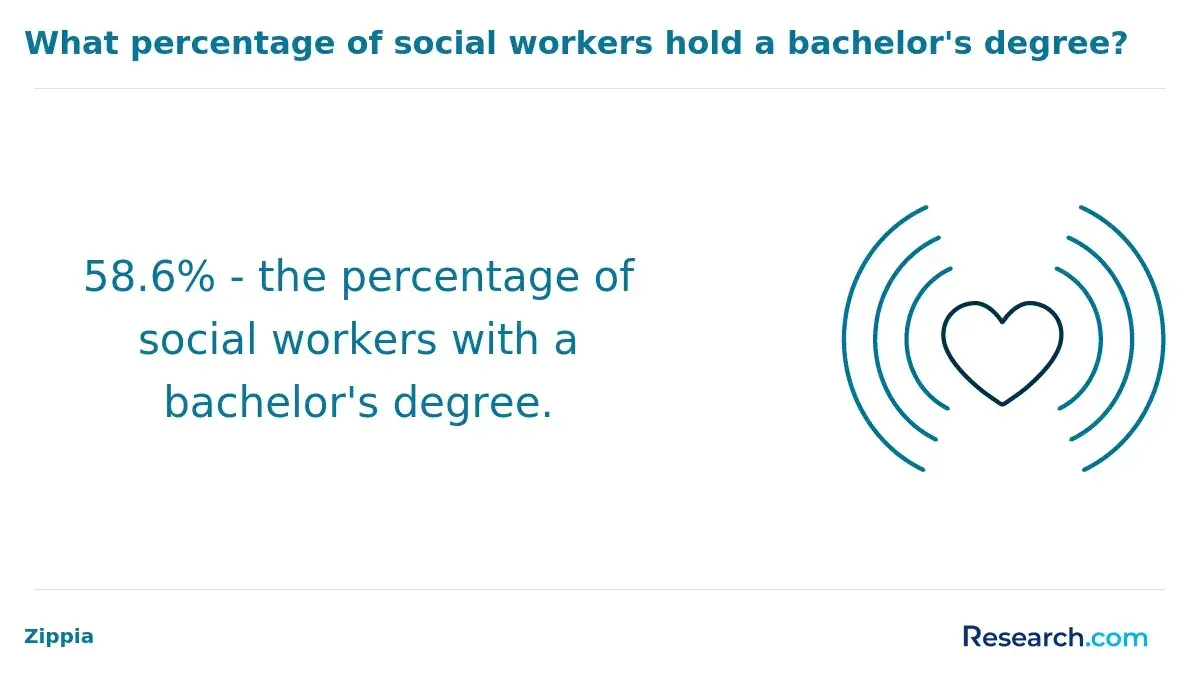
State licensure rules may also require additional post-graduate supervised experience after the degree. Field placement hours completed during school are not always the same as post-degree licensure hours, so students should confirm requirements with their program and state licensing board. This is especially important for students who attend an online program in one state but plan to practice in another.
Students evaluating the long-term return on clinical preparation can also review career and salary context, including how much does a licensed clinical social worker make.
The safest starting point is your school’s field education office. Accredited social work programs usually maintain approved agency lists, affiliation agreements, and placement procedures to ensure sites meet educational standards. Your field liaison or coordinator can explain which agencies are available, which require interviews, which accept part-time students, and which placements align with your concentration or specialization.
If your program allows students to suggest their own placement site, do not assume any social service agency will qualify. Ask the field office whether the agency can provide appropriate supervision, learning activities, evaluation, and documentation. The site must support required competencies, not just offer volunteer hours or general helping experience.
You can broaden your search through professional associations, statewide social work organizations, alumni networks, faculty contacts, and agencies that already partner with accredited programs. Students should look for evidence that the site has hosted interns before, understands social work education, and can provide consistent supervision by qualified professionals.
Scheduling is a major practical issue. Many part-time MSW students balance jobs and studies-81% compared to 43% of full-time students (Council on Social Work Education, 2021; National Center for Education Statistics, 2022). If you work while enrolled, ask early about evening, weekend, hybrid, employment-based, paid, or stipend-supported options. Availability varies widely by agency and location.
Before ranking or accepting a placement, ask direct questions:
- Who will supervise me, and how often will supervision occur?
- What tasks do interns usually perform after orientation?
- Will I have direct client contact, case documentation, group work, policy work, or community outreach?
- How are student performance and learning goals evaluated?
- Does the schedule fit my work, transportation, and family responsibilities?
- Has the site previously supported students pursuing licensure or employment in this practice area?
What career outcomes follow strong social work field experiences?
Strong field experiences can lead to better job readiness, clearer career direction, stronger references, and a more competitive early-career profile. Completing around 1,000 hours of field placements, which exceeds the Council on Social Work Education (CSWE) minimum of 900 hours, gives students substantial exposure to clients, agencies, documentation, supervision, and professional decision-making.
The career value depends on what students do during those hours. A placement that includes direct client interaction, case planning, interdisciplinary collaboration, crisis response, resource navigation, and reflective supervision is usually more useful than one with limited responsibilities. Employers often want evidence that graduates can communicate professionally, handle documentation, understand ethical boundaries, and function within agency systems.
Different placements prepare students for different outcomes. A child welfare placement may build knowledge of trauma-informed care, safety planning, family systems, and court-related processes. A healthcare or hospice placement may strengthen care coordination, discharge planning, grief support, and work with interdisciplinary teams. A geriatric social work placement may provide insight into elder care policies and service navigation. A macro placement may support future work in advocacy, program management, public policy, or nonprofit leadership.
Students can improve career outcomes by treating the placement as a professional launch point. Ask for feedback regularly, track the skills you develop, save non-confidential examples of projects or learning outcomes, and document training completed. Keep a list of populations served, interventions observed or practiced, systems used, and supervision topics discussed. This information can strengthen resumes, interviews, licensure preparation, and professional portfolios.
The strongest results come from placements that align with both immediate graduation requirements and long-term career goals. Before accepting a site, ask whether it will help you become not just eligible to graduate, but ready to practice responsibly in the area of social work you want to enter.
Other Things You Should Know About Social Work
Field placements allow students to develop essential skills such as client assessment, case management, and ethical decision-making. Additionally, students gain experience in communication, advocacy, and cultural competence, which are critical in effectively serving diverse populations. These practical skills complement academic learning and prepare students for professional social work roles.
Yes, many social work field placements are available in non-traditional settings such as schools, community organizations, legal aid offices, and corporate social responsibility departments. These environments offer unique opportunities to apply social work principles outside of typical clinical or healthcare contexts. Exploring diverse settings can help students align their placements with specific career interests.
Supervisors in field placements provide guidance, feedback, and professional mentoring to help students develop competency. They oversee students' work, ensure adherence to ethical standards, and facilitate reflective learning through regular meetings. Effective supervision is crucial for helping students translate theory into practice and build confidence in their professional skills.
Most programs require students to carry professional liability insurance before starting placement, and some agencies also require proof of coverage on file. MSW students should confirm the policy minimum with their field office and agency, then keep documentation ready for placement approval and onboarding.
- Children's Social Work Matters https://www.childrenssocialworkmatters.org/social-work-roles-career-progression
- 8 Tips for New Social Work Interns https://www.socialworker.com/feature-articles/field-placement/8-tips-for-new-social-work-interns/
- My Passion for Social Work: Why I Chose This Career Path https://www.lemon8-app.com/@jacklynlopez739/7540789486687371790
- California Master of Social Work Practicum Education - CaliforniaSocialWorkEDU https://www.californiasocialworkedu.org/california-master-of-social-work-field-education/
- Career Progression After a Social Work Apprenticeship https://www.prosperohealthandsocial.com/blog/2025/10/career-progression-social-work-apprenticeship
- Field Education Guide for Aspiring Social Workers - Social Work Education Center https://www.socialworkdegree.net/field-education/
- Social Work Careers https://socialworklicensemap.com/social-work-careers/
- How Do Social Work Internships Work? https://www.onlinemswprograms.com/faqs/internships/
- The Time is Right to Advance Your Career as a Social Worker https://onlinedegrees.keuka.edu/blog/advance-your-career-social-worker
- Find Social Work Internships Internships 2023 https://mastersinsocialworkonline.org/resources/internship-guide/