2027 MSW Careers in Behavioral Health and Crisis Stabilization

Co-Founder and Chief Data Scientist
An MSW can open the door to behavioral health and crisis stabilization work, but the path is not simply “earn the degree and start counseling.” Students need to understand accreditation, field placement quality, licensure rules, crisis-focused training, and the realities of working with people in acute distress. The right program and supervised experience can prepare you for roles in mental health clinics, hospitals, mobile crisis teams, substance use treatment, emergency services, and community-based stabilization programs.
This guide explains what MSW careers in behavioral health and crisis stabilization involve, what education and licensure usually require, how online and campus programs compare, what jobs graduates can pursue, and what to consider when evaluating salary and job outlook. It is designed for prospective MSW students, career changers, and current human services professionals who want a practical route into clinical or crisis-focused social work.
Key Things You Should Know
- Behavioral health and crisis stabilization MSW careers are growing, with a 12% employment increase projected through 2031, driven by rising mental health and substance use disorder cases.
- Master's-level social workers in these fields often require clinical licensure, enabling them to provide therapy and coordinate acute intervention services in diverse settings.
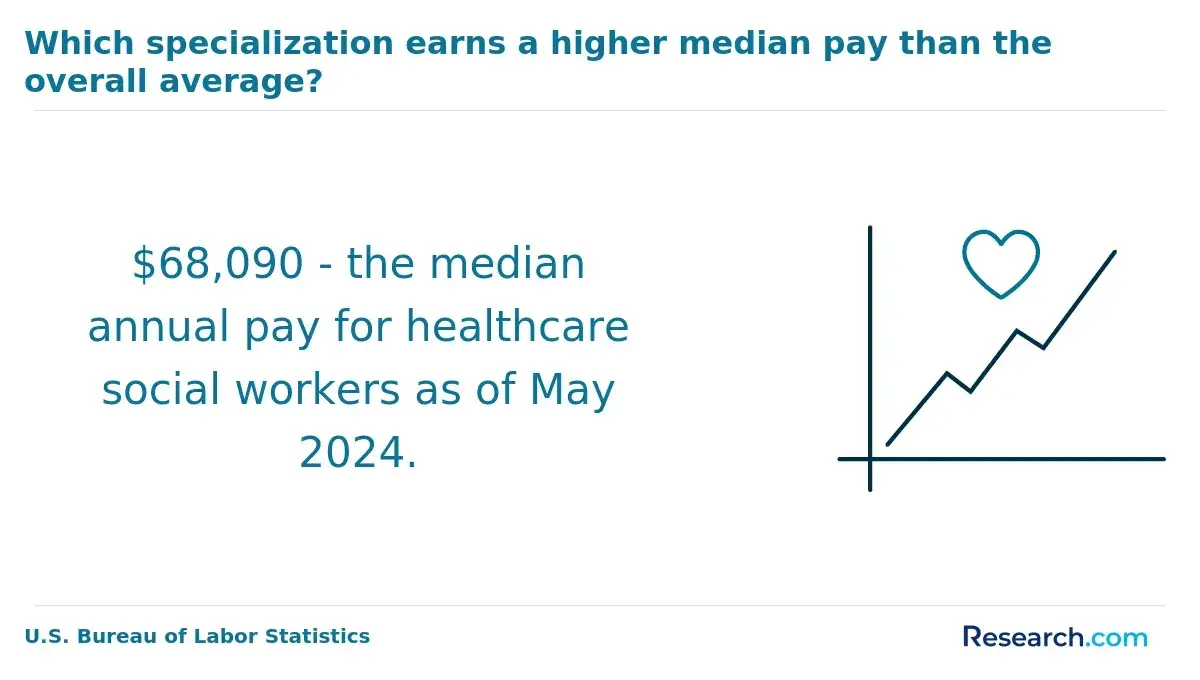
- Competitive salaries average $68,000 annually, with higher earnings in urban centers and specialized crisis roles emphasizing trauma-informed care expertise.
What are MSW careers in behavioral health and crisis stabilization?
MSW careers in behavioral health focus on helping people manage mental health conditions, substance use disorders, trauma, emotional distress, and social problems that affect safety and daily functioning. Crisis stabilization is a more acute part of this work. It centers on immediate assessment, de-escalation, safety planning, short-term intervention, and connection to ongoing care.
These careers are suited to social workers who can think clearly under pressure, communicate calmly with distressed clients and families, document carefully, and coordinate with clinical, medical, legal, and community systems. The work can be deeply meaningful, but it is also emotionally demanding and often involves high-risk decisions.
Common behavioral health and crisis settings
- Emergency psychiatric units and hospital emergency departments
- Mobile crisis teams that respond in homes, schools, shelters, or community locations
- Outpatient mental health clinics and community behavioral health centers
- Substance abuse treatment programs and recovery services
- Crisis respite, stabilization, and short-term residential programs
- Correctional diversion, court-connected, or law enforcement collaboration programs
Typical MSW roles in this field
- Crisis intervention specialist: Assesses immediate risk, supports de-escalation, creates safety plans, and coordinates next steps during psychiatric or substance-related emergencies.
- Behavioral health therapist: Provides counseling and treatment planning for individuals managing chronic or acute mental health concerns.
- Case manager or care coordinator: Connects clients to housing, healthcare, benefits, treatment, transportation, and other supports after a crisis.
- Clinical social worker in integrated care: Works with medical providers, psychiatrists, nurses, and peer support specialists to address behavioral and physical health needs together.
- Diversion or advocacy specialist: Collaborates with law enforcement, courts, hospitals, and community agencies to redirect people from incarceration toward treatment when appropriate.
The need for qualified behavioral health social workers is substantial. The HRSA State of the Behavioral Health Workforce reports that roughly 40% of the U.S. population lives in Mental Health Professional Shortage Areas, creating urgent opportunities for qualified professionals.
Students interested in these careers should look for MSW programs with behavioral health coursework, crisis intervention training, trauma-informed practice, substance use content, and field placements in crisis or mental health settings. Professionals who later want to move into leadership, advanced clinical education, or systems-level practice may also compare affordable DSW programs.
What education is required for MSW in behavioral health?
The standard education requirement for behavioral health social work is a Master of Social Work from a program accredited by the Council on Social Work Education (CSWE). Accreditation matters because state licensing boards generally require a CSWE-accredited MSW for clinical licensure pathways.
A traditional MSW usually requires two years of full-time study. Students commonly take courses in human behavior, mental health assessment, clinical practice, social welfare policy, ethics, research, trauma, substance use disorders, and interventions with individuals, families, groups, and communities. Many programs also offer behavioral health, clinical practice, trauma, or substance use concentrations.
What to look for in a behavioral health MSW program
- CSWE accreditation: This should be non-negotiable if your goal is licensure.
- Relevant field placements: Prioritize programs with placements in hospitals, crisis services, community mental health centers, substance use treatment, or integrated behavioral health settings.
- Clinical supervision quality: Ask who supervises students, how often supervision occurs, and whether supervisors have crisis or behavioral health experience.
- Crisis-focused coursework: Look for training in suicide risk assessment, safety planning, mandated reporting, de-escalation, trauma-informed care, and emergency coordination.
- State licensure alignment: Confirm that the curriculum supports the educational requirements in the state where you plan to practice.
Field education is especially important. Classroom learning can introduce assessment and intervention frameworks, but crisis work requires practice with real documentation, safety decisions, multidisciplinary coordination, and ethical judgment. Accredited MSW programs mandate field placements or internships, and students should use those placements strategically to build behavioral health experience.
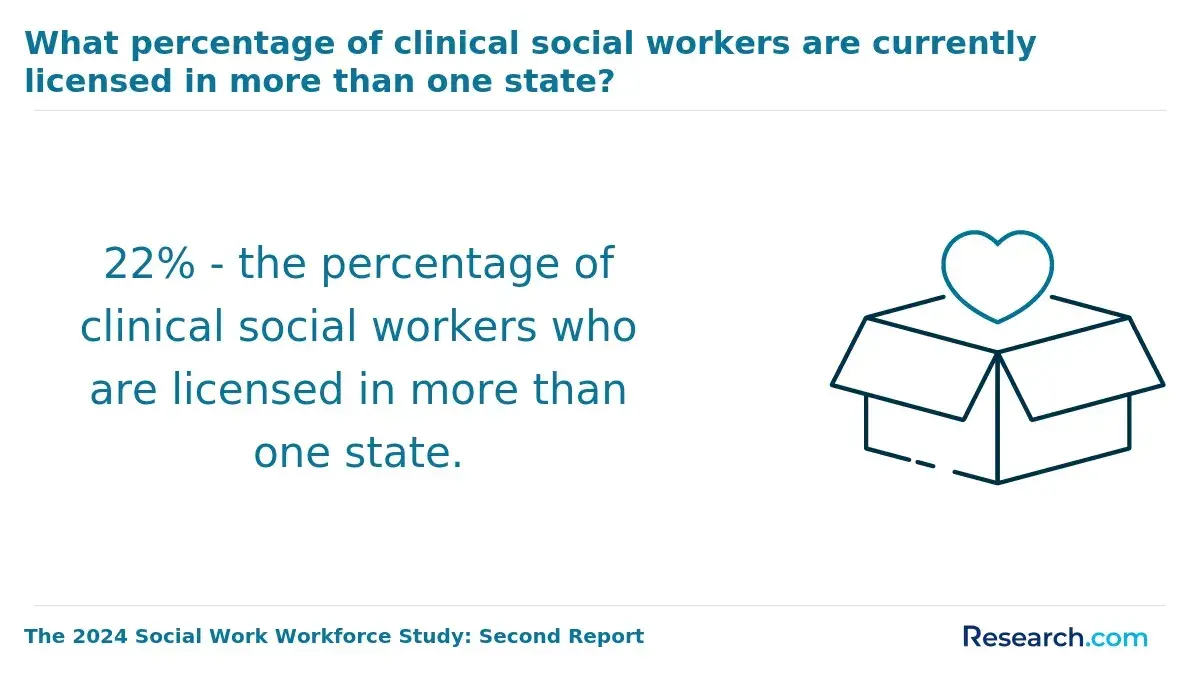
Licensing and degree prerequisites vary by state but typically involve graduation from an accredited MSW program followed by 2,000 to 4,000 hours of supervised clinical experience. This pathway commonly leads toward licensure as a Licensed Clinical Social Worker (LCSW), which can permit independent clinical practice depending on state rules.
Mobile crisis teams (MCTs) operate in 96% of responding U.S. states, with 41 states funding responses to mental health and substance use crises. That makes crisis-related training increasingly relevant for MSW students who want to enter behavioral health roles. Students comparing cost-conscious options may find cheapest MSW online program resources useful as a starting point, while still verifying accreditation, field placement support, and licensure fit.
How do I get licensed as an MSW in behavioral health?
Licensure for MSW behavioral health roles is controlled by state social work boards, so the exact title, process, fees, exams, and supervised hour requirements depend on where you plan to practice. In general, the path begins with a CSWE-accredited MSW and continues through supervised clinical experience, an exam, and ongoing continuing education.
Typical licensure pathway
- Earn a CSWE-accredited MSW. Choose coursework and field placements that match behavioral health, crisis stabilization, mental health, or substance use practice.
- Apply for the appropriate post-graduate license or supervised practice status. Some states require provisional, associate, or pre-clinical registration before you can count supervised hours.
- Complete supervised clinical experience. Requirements typically range from 2,000 to 4,000 hours over two to three years. For behavioral health careers, seek supervision involving assessment, diagnosis, treatment planning, crisis intervention, and substance use or mental health services when possible.
- Pass the required ASWB exam. Many clinical licensure pathways require the Association of Social Work Boards (ASWB) clinical-level exam, which covers assessment, diagnosis, treatment planning, intervention, ethics, and professional practice.
- Meet state-specific requirements. Some states require background checks, jurisprudence exams, documentation forms, supervisor approvals, and continuing education in topics such as ethics, suicide prevention, or mandated reporting.
Because state rules change and license titles differ, candidates should verify requirements directly with the state board rather than relying only on program marketing pages. This is especially important if you attend an online MSW in one state but plan to become licensed in another.
The licensing pathway also matters for employability. Many behavioral health employers hire MSW graduates for supervised roles, but independent therapy, diagnosis, clinical leadership, and some insurance-billable positions often require clinical licensure such as Licensed Clinical Social Worker (LCSW) or Licensed Independent Clinical Social Worker (LICSW), depending on the state.
The need for licensed behavioral health social workers is tied to a broader workforce gap. The Health Resources and Services Administration (HRSA) projects a deficit of 62,060 behavioral health MSW professionals by 2038, underscoring demand in mental health and substance use services. Prospective students can also review career and compensation resources such as this social worker salary with a bachelor degree guide to understand how education, licensure, and state of practice may affect long-term options.
An MSW curriculum with crisis stabilization content teaches students how to respond when a person’s safety, mental health, substance use, or environment creates immediate risk. The goal is not only to calm the moment but to assess danger accurately, protect client rights, reduce unnecessary escalation, and connect the person to appropriate care.
Core crisis stabilization topics
- Risk assessment: Students learn to evaluate suicidal ideation, homicidal ideation, psychosis, severe anxiety, substance overdose risk, withdrawal concerns, self-neglect, abuse, and other immediate safety issues.
- Safety planning: Training covers collaborative plans that identify warning signs, coping strategies, emergency contacts, professional supports, and steps to reduce access to means of harm when relevant.
- De-escalation: Students practice communication strategies that reduce fear, anger, confusion, and agitation while maintaining dignity and safety.
- Crisis intervention models: Coursework often emphasizes short-term, goal-oriented intervention, stabilization, problem solving, and linkage to continuing services.
- Emergency coordination: Students learn how to work with hospitals, mobile crisis teams, shelters, family members, outpatient providers, law enforcement, and emergency medical services.
- Ethics and law: Programs address confidentiality, duty to warn or protect, mandated reporting, client autonomy, informed consent, documentation, and criteria for involuntary hospitalization.
- Cultural responsiveness: Training should examine how race, ethnicity, language, disability, immigration status, poverty, trauma history, and community trust affect crisis experiences and service engagement.
Strong programs do not treat crisis stabilization as a purely technical skill. They teach students to consider the person’s environment, supports, trauma history, culture, housing status, medical needs, and legal context. This is where social work training is especially valuable: the intervention must address both clinical risk and the social conditions that can make a crisis worse.
Practical learning may occur through role-play, simulation, case analysis, crisis hotline practice, hospital placements, mobile crisis exposure, or internships in community mental health centers. These experiences help students make decisions under pressure while receiving feedback before they practice more independently.
Compensation can vary by role and employer, but crisis and behavioral health training can support access to higher-responsibility positions. Mental health and substance abuse social workers employed in Offices of Other Health Practitioners earn an annual mean wage of $83,550, the highest in this field. Students asking whether is social work a good career should weigh both the impact of the work and the demands of crisis practice.
MSW admission requirements vary by school, but most programs look for academic readiness, communication skills, ethical judgment, relevant experience, and a clear understanding of the social work profession. Applicants do not always need a bachelor’s degree in social work, but they do need to show that they can handle graduate-level study and field-based professional training.
Common MSW admission requirements
- Bachelor’s degree: Programs typically require a bachelor’s degree from an accredited institution. Degrees in social work, psychology, sociology, human services, public health, or related fields may be helpful but are not always required.
- Transcripts and GPA: Many programs expect a minimum GPA around 3.0, though some may consider applicants with slightly lower GPAs if they show strong professional, volunteer, or academic growth.
- Letters of recommendation: Applicants usually submit two or three letters from professors, supervisors, or professionals who can speak to their readiness for graduate social work education.
- Personal statement: Essays often ask applicants to explain their motivation for social work, career goals, understanding of social justice, and readiness for field education.
- Relevant experience: Volunteer work, internships, case management, behavioral health exposure, peer support, advocacy, or human services employment can strengthen an application.
- Resume or CV: Schools may request a record of work history, service experience, leadership, and training.
- GRE scores: Some programs may request GRE scores, although many programs have waived this recently.
- International applicant requirements: Students educated outside the U.S. may need transcript evaluation, language proficiency tests, and prerequisite coursework.
Applicants with a BSW may qualify for advanced standing, which can reduce the time and credits needed to complete the degree. Advanced standing is usually limited to students who earned a BSW from an accredited program and meet the school’s GPA and recency requirements.
For behavioral health and crisis stabilization, admissions committees may value experience that shows maturity, resilience, ethical awareness, and comfort working with vulnerable populations. That experience matters because the need for crisis-capable professionals is significant: 80% of state mental health authorities report shortages in behavioral health crisis services like crisis respite and stabilization facilities, according to NRI 2022 Profiles.
A strong application should not overstate clinical experience. Instead, it should show realistic motivation, reflective judgment, respect for clients, and a clear plan to use the MSW for supervised professional practice.
Most MSW programs take two years of full-time study for students entering without a BSW. Students who already hold a bachelor of social work may qualify for accelerated or advanced standing options that can shorten completion to one year. Part-time tracks often take three or four years and may be a better fit for working adults, caregivers, or students who need a slower pace.
Program length by pathway
| MSW pathway | Typical time to complete | Best fit |
| Traditional full-time MSW | Two years | Students without a BSW who can attend full time |
| Advanced standing MSW | One year | Students with a qualifying BSW |
| Part-time MSW | Three or four years | Working professionals or students needing schedule flexibility |
Costs vary widely by school type, residency status, format, and fees. Public universities typically charge $10,000 to $25,000 annually for in-state students, while private schools may range from $30,000 to $60,000 per year. Total tuition for a standard two-year MSW can range from $20,000 to over $120,000, not including fees, books, and field placement-related costs.
Students should evaluate the full cost of attendance, not just tuition. Field placements may limit paid work hours, require transportation, or involve daytime availability. Online students should also ask whether the school helps secure local field placements or expects students to find their own sites.
Ways to reduce MSW costs
- Compare in-state public options with private and online programs.
- Ask about scholarships for behavioral health, rural practice, crisis services, or public sector employment.
- Review employer tuition benefits if you already work in healthcare, human services, or government.
- Look into loan forgiveness or repayment programs tied to public service or shortage areas.
- Consider part-time study if it helps you maintain income and benefits.
Some states are investing directly in behavioral health workforce development. Michigan's recent $364 million investment in behavioral health services includes $5 million for scholarships in behavioral health careers, according to NASHP Trends in State Strategies to Improve the Behavioral Health Workforce. Prospective students should explore scholarships and loan forgiveness programs targeting behavioral health to reduce costs.
The best financial choice is not always the cheapest program. A lower-cost MSW that lacks CSWE accreditation, licensure alignment, or reliable behavioral health placements can create problems later. Balance price with accreditation, field placement quality, graduation support, and fit with your career goals.
The best MSW format depends on how you learn, where you live, your work schedule, and the type of field placement support you need. Online and campus programs can both prepare students for behavioral health careers if they are CSWE-accredited and provide strong supervised practice opportunities.
Online MSW programs
Online MSW programs can work well for students who need flexibility because of employment, family responsibilities, transportation limits, or distance from a campus. Some programs use live online classes, while others rely more on asynchronous coursework. Notable programs at the University of Southern California and University of Michigan combine rigorous coursework with virtual field placement coordination and faculty interaction.
Online learning can be a good fit for self-directed students, but it requires discipline. Students should ask how field placements are arranged, whether crisis or behavioral health sites are available near them, and how the program supports students when placement issues arise.
Campus MSW programs
Campus-based MSW programs may be a better fit for students who want face-to-face mentorship, structured schedules, local agency networks, and regular in-person peer interaction. Institutions like Washington University in St. Louis and University of Chicago prioritize clinical practice and crisis intervention, which may appeal to students seeking strong local connections with hospitals, clinics, and community agencies.
Campus programs can offer easier access to faculty, student organizations, and nearby placement partners, but they may be less flexible for students who work or live far from the school.
How to compare formats
| Factor | Online MSW | Campus MSW |
| Flexibility | Often stronger for working students and caregivers | More structured and location-dependent |
| Field placement | Depends heavily on local placement support | Often tied to established regional agency networks |
| Peer and faculty interaction | Varies by live or asynchronous format | Usually more consistent in person |
| Best for | Self-directed students needing schedule or location flexibility | Students who want in-person training and local professional networks |
Program format should not be the only deciding factor. Accreditation by the Council on Social Work Education (CSWE), behavioral health coursework, crisis stabilization training, and field placement quality are more important than whether classes are online or on campus.
Behavioral health expertise remains central to social work practice. Over 74% of clinical social workers deliver mental and behavioral health services to adults in health care settings, as reported in the ASWB Social Work Workforce Study Series Report 2, 2025. Choose the program that best prepares you for supervised clinical work in the setting where you want to practice.
An MSW in behavioral health can lead to clinical, crisis, case management, program, and care coordination roles. Some positions are available to MSW graduates working under supervision, while others require clinical licensure such as LCSW or a state-specific equivalent. Job titles also vary by employer and state.
Common jobs for MSW behavioral health graduates
- Behavioral health clinician: Provides assessment, counseling, treatment planning, and care coordination in outpatient clinics, hospitals, community agencies, or integrated care settings.
- Licensed clinical social worker: Offers clinical assessment, diagnosis, therapy, and independent practice where permitted by state law after completing licensure requirements.
- Crisis intervention specialist: Responds to acute psychiatric, substance use, or safety concerns in emergency departments, mobile crisis programs, hotlines, schools, shelters, or community settings.
- Case manager: Helps clients access housing, healthcare, benefits, transportation, treatment, recovery supports, and long-term stability resources.
- Substance use counselor or co-occurring disorders clinician: Supports clients managing addiction and mental health needs, often in outpatient, residential, or recovery-focused programs.
- Hospital or psychiatric social worker: Coordinates discharge planning, family meetings, safety assessments, resource referrals, and interdisciplinary treatment planning.
- Telebehavioral health provider: Delivers therapy, assessment, or care coordination through virtual platforms when allowed by employer and state regulations.
- Program coordinator or program director: Manages behavioral health initiatives, crisis response programs, outreach services, quality improvement, or community partnerships.
Specializations can shape your options. Experience with veterans, children and adolescents, older adults, homelessness, domestic violence, trauma, or substance use disorders can make a graduate more competitive for targeted roles. Bilingual skills and experience in underserved communities may also be valuable in many service settings.
Most behavioral health roles require collaboration. Social workers often work with psychiatrists, psychologists, nurses, peer support specialists, physicians, teachers, law enforcement, housing providers, and family members. Strong documentation, ethical decision-making, and communication skills are essential.
The work also carries risks, including secondary trauma, burnout, high caseloads, and exposure to systemic inequities that individual practitioners cannot solve alone. Students should evaluate employers for supervision quality, caseload expectations, safety procedures, crisis backup, and organizational support before accepting a role.
The salary outlook for MSW behavioral health roles is generally tied to licensure, location, employer type, clinical responsibility, and experience. Demand is strong, but pay can vary substantially between nonprofit agencies, hospitals, government systems, private practices, and crisis service providers.
The outlook for MSW behavioral health roles shows strong growth, with employment expected to increase by 14% to 126,160 full-time positions by 2025. This growth surpasses the available workforce by nearly 17,000 jobs, which can strengthen hiring prospects for qualified candidates.
Typical salary patterns
- Entry-level behavioral health social workers usually earn between $50,000 and $60,000 annually.
- With added experience, salaries commonly rise to the $65,000-$80,000 range.
- Specialized positions in crisis stabilization, hospital behavioral health, or substance abuse treatment often exceed $85,000, particularly in urban areas.
- Advanced clinical or supervisory roles, such as licensed clinical social workers (LCSWs), may earn more than $90,000.
What affects earning potential?
- Licensure: Clinical licensure often expands eligibility for therapy, supervisory, and independent practice roles.
- Employer type: Government and hospital roles may provide stable pay and comprehensive benefits, while nonprofit roles may offer lower salaries but stronger mission alignment, benefits, or loan repayment options.
- Geography: Urban centers may offer higher wages because of cost of living and demand, but they may also bring higher living expenses.
- Specialization: Crisis stabilization, substance use treatment, integrated care, and hospital-based practice may increase competitiveness for higher-responsibility roles.
- Shift and crisis coverage: Some crisis roles involve evenings, weekends, holidays, or on-call responsibilities, which should be weighed alongside salary.
Salary should be evaluated with benefits, supervision, workload, safety, advancement opportunities, and loan repayment possibilities. A higher salary may not be the best option if the role lacks clinical support or creates unsustainable burnout risk.
What is the job outlook for MSW crisis stabilization careers?
The job outlook for MSW crisis stabilization careers is strong because communities need professionals who can respond to acute mental health and substance use crises outside of traditional long-term therapy models. Crisis services are expanding across emergency departments, mobile response teams, community mental health centers, crisis stabilization units, schools, shelters, and diversion programs.
Workforce development efforts, like Missouri's expansion of its Associate of Applied Science in Behavioral Health Support program to seven locations, highlight strategies to quickly prepare skilled practitioners for crisis intervention roles. This growth aligns with a national emphasis on evidence-based treatments and broader access to mental health services in various settings.
According to the Bureau of Labor Statistics, social work employment is expected to increase by approximately 13% from 2024 to 2034, outpacing many other fields, with crisis and behavioral health among the fastest growing areas.
Why crisis stabilization roles are growing
- More communities are investing in mental health and substance use crisis response.
- Hospitals and emergency departments need professionals who can assess risk and coordinate safe discharge or admission plans.
- Mobile crisis teams require clinicians who can respond in the community and collaborate with multiple systems.
- Public agencies and nonprofits are developing alternatives to incarceration and unnecessary hospitalization.
- Employers need staff trained in trauma-informed care, de-escalation, safety planning, and interdisciplinary teamwork.
MSW graduates who specialize in crisis stabilization may begin in frontline crisis roles and later move into supervision, clinical leadership, program management, training, quality improvement, or policy-related positions. Maintaining licensure and obtaining additional certifications in crisis intervention or trauma care can support advancement.
Before choosing this path, students should understand the trade-offs. Crisis work can provide fast skill development, high impact, and strong employment prospects, but it may also involve high stress, unpredictable schedules, safety concerns, and emotionally difficult cases. The best preparation combines a strong MSW foundation, crisis-specific field experience, quality supervision, and a realistic plan for professional sustainability.
Other Things You Should Know About Social Work
Effective communication, empathy, and strong interpersonal skills are essential for social workers in behavioral health. They must also have critical thinking abilities to assess client needs and develop appropriate intervention plans. Additionally, cultural competence and ethical decision-making are vital when working with diverse populations.
Yes, many social workers choose to specialize after earning their MSW by pursuing additional certifications or focused training. Common specializations include clinical social work, substance abuse counseling, school social work, and healthcare social work. Specialization often enhances career opportunities and allows practitioners to target specific client needs.
Social workers in crisis stabilization frequently encounter high-stress situations that require rapid assessment and decision-making. They may face emotional burnout due to the intensity of client trauma and urgent needs. Securing resources and coordinating with multiple agencies under time constraints also pose ongoing challenges.
Most clinical crisis stabilization roles require a state clinical social work license, usually the LCSW. In 2027, licensure typically requires an MSW from a CSWE-accredited program, supervised post-master’s experience, and passing the ASWB Clinical exam. Some employers also require crisis intervention training and background clearance.
- MSW Programs by State: Campus vs Hybrid vs Online MSW Programs https://www.masterofsocialwork.com/states/
- LMSW vs. LCSW: What’s the difference? https://socialworklicensemap.com/become-a-social-worker/lmsw-vs-lcsw/
- MSW Course Descriptions https://www.moravian.edu/behavioral-community-health/social-work/courses
- Social Work Masters Prerequisites: Discover 7 Critical Pieces - Prereqcourses https://www.prereqcourses.com/social-work-masters-prerequisites/
- Support for social workers https://support-for-social-workers.education.gov.uk/become-a-social-worker/ways-to-qualify-as-a-social-worker
- What degree do you need to become a social worker? | edX https://www.edx.org/resources/do-you-need-a-masters-to-become-a-social-worker
- Nashp https://www.nashp.org
- High-demand social work roles in 2026: trends and opportunities https://socialwork.pacific.edu/blog/high-demand-social-work-roles-2026-trends-and-opportunities
- 6 MSW Jobs You Can Pursue | University of Nevada, Reno https://onlinedegrees.unr.edu/online-master-of-social-work/jobs-in-social-work
- How to Become a Licensed Social Worker https://onlinecounselingprograms.com/mental-health-careers/how-to-become-licensed-social-worker/