2027 Best Online MSW Programs With Strong Field Placement Support

Co-Founder and Chief Data Scientist
Choosing an online Master of Social Work is not just a question of tuition, rankings, or course delivery. For most students, the deciding factor is whether the program can help them complete high-quality field placement hours in a setting that supports licensure, career goals, and real practice skills.
This matters especially for working adults, career changers, rural students, military families, and anyone who cannot relocate for graduate school. A flexible online MSW can open the door to clinical, school, healthcare, nonprofit, policy, and community practice roles, but only if the program has the accreditation, supervision standards, and placement support required to turn coursework into supervised professional experience.
This guide explains what to look for in accredited online MSW programs with strong field placement support. It covers program quality, accreditation, admissions, curriculum, completion timelines, costs, career paths, and salary outlook so prospective students can compare options with fewer surprises and a clearer path toward licensure and employment.
Key Things You Should Know
- Top online MSW programs in 2026 emphasize strong field placement partnerships, ensuring students gain diverse, supervised practical experience essential for licensure and career success.
- About 75% of accredited online MSW programs now offer specialized field placements addressing mental health, child welfare, and healthcare social work, reflecting workforce demands.
- Recent data show graduates from programs with robust placement support have a 20% higher employment rate within six months compared to peers in less integrated programs.
What Are the Best Online MSW Programs?
The best online MSW programs combine CSWE-aligned academic training with reliable field placement support. A strong program does more than deliver online courses; it helps students secure supervised practice experiences in approved agencies, hospitals, schools, mental health settings, child welfare organizations, and community programs that match their professional goals.
Universities such as the University of Southern California, University of Denver, and Boston University are often noted for comprehensive practicum systems and structured support for distance learners. For online students, this support can be the difference between staying on track and delaying graduation because a placement could not be approved in time.
Prospective students should compare programs using practical criteria rather than relying only on name recognition. Important features include:
- Accreditation status: The program should meet the standards needed for social work education and future licensure planning.
- Field placement coordination: Dedicated staff should help identify, approve, and monitor practicum sites instead of leaving students to navigate the process alone.
- Local placement reach: Online learners should ask whether the school has experience arranging placements in their state or region.
- Track alignment: Clinical, macro, school, healthcare, child welfare, and community practice goals should connect directly to available field settings.
- Supervisor quality: Programs should train field instructors and maintain communication between the site, student, and faculty liaison.
- Licensure awareness: The school should be clear about how its curriculum and field requirements relate to state licensing rules.
Key features of online MSW programs with strong field placement support include personalized placement planning aligned with student interests and career goals, access to networks of licensed social work supervisors across multiple states, blended remote and on-site practicum options where appropriate, and ongoing oversight for field instructors to support supervision quality.
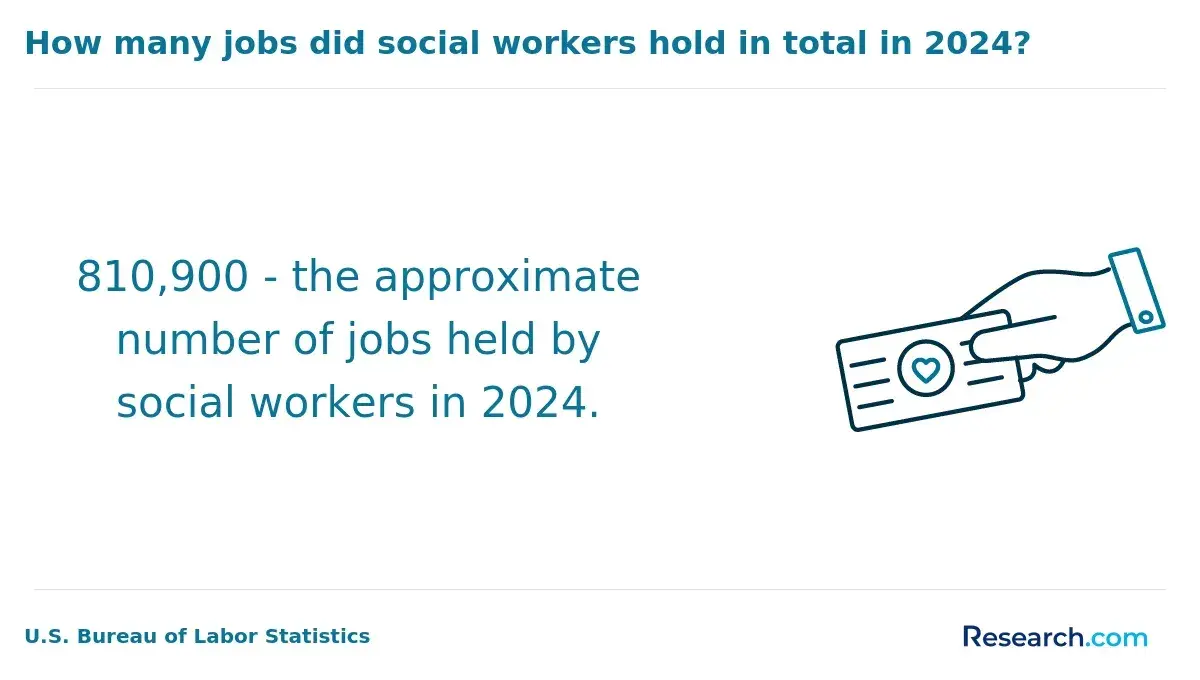
Demand for advanced social work practitioners is projected to grow by 13% between 2022 and 2032, creating around 95,400 annual openings according to the U.S. Bureau of Labor Statistics. That outlook makes it especially important to choose a program with transparent practicum expectations, approved placement processes, and career services that help students move from fieldwork into employment.
Students planning to continue beyond the MSW can also review affordable options through online doctoral programs in social work, which may build on the clinical, administrative, research, or policy foundation developed during a strong MSW program.
Why Is Field Placement Support Crucial for MSW Students?
Field placement support is crucial because supervised practice is where MSW students learn to apply theory, ethics, assessment methods, documentation standards, intervention skills, and professional judgment with real clients and communities. Online coursework can teach concepts, but field education tests whether students can use those concepts responsibly in professional settings.
For many students, field placement is also the most complex part of the degree. It requires approved sites, qualified supervision, schedule coordination, agency onboarding, background checks, and alignment with program competencies. Without strong support, students may struggle to find a placement that satisfies academic, accreditation, and licensure-related expectations.
Strong field placement support helps students in several practical ways:
- It reduces placement delays. A program with established processes can help students avoid last-minute searches or unapproved sites.
- It improves fit. Placement coordinators can connect students with settings related to clinical practice, schools, healthcare, child welfare, policy, nonprofit leadership, or community work.
- It supports licensure planning. Students who want clinical licensure need to pay close attention to supervised experience requirements and state expectations.
- It provides accountability. Faculty liaisons and field instructors help resolve concerns before they become serious academic or professional problems.
- It builds networks. Field sites often lead to references, job leads, mentorship, and clearer career direction.
Robust field support also gives students access to diverse work settings. Schools that actively collaborate with reputable agencies aligned to students' micro or macro practice tracks tend to create stronger learning experiences. For instance, Fordham University's online MSW program graduates earned a median starting salary notably above the national average, benefiting from tailored field placements.
Prospective students should ask direct questions before enrolling: Who finds the placement? What happens if a site falls through? Are placements available near the student's home? Can working students complete hours outside standard business times? How are field instructors trained? These details affect graduation timing, licensure readiness, and student stress.
Comprehensive field placement support helps students meet accreditation standards, build professional networks, and gain confidence in practice. Students comparing cost-conscious options can review the cheapest MSW online programs while still checking whether those programs provide the field support needed for successful completion.
How Do Online MSW Programs Ensure Strong Field Placements?
Strong online MSW programs do not treat field placement as a last step. They build field education into the program from the beginning through advising, agency partnerships, student readiness checks, placement approval processes, and regular communication among the student, field instructor, and faculty liaison.
Most effective programs use several layers of support:
- Dedicated field coordinators: These staff members help identify potential agencies, confirm supervisor qualifications, and guide students through site approval.
- Local agency partnerships: Programs work with hospitals, schools, behavioral health agencies, child welfare organizations, community nonprofits, and public agencies near where students live.
- Specialization matching: Students pursuing clinical social work, school practice, healthcare, policy, or community organizing should be placed in settings that support those goals.
- Pre-field preparation: Coursework, simulations, orientation sessions, and ethics training help students enter placement with realistic expectations.
- Ongoing monitoring: Regular check-ins help address conflicts, workload concerns, supervision problems, or competency gaps before they derail the experience.
- Flexible scheduling when possible: Some programs help working adults identify evening, weekend, hybrid, or otherwise adaptable placements, although availability depends on the agency and location.
Curriculum integration is especially important. Students should not feel as if fieldwork is disconnected from class assignments. A well-designed online MSW uses practicum experiences to reinforce assessment, intervention planning, cultural responsiveness, documentation, ethical decision-making, and evaluation skills.
Programs may also provide orientation for both students and supervisors so expectations are clear. This includes learning contracts, hour requirements, evaluation forms, communication protocols, and processes for resolving concerns. Some programs use virtual or hybrid placement elements where appropriate, but students should verify whether those options meet program and state requirements.
Outcomes data demonstrate the value of structured field placement systems. For example, Columbia University's online MSSW pathways reported a 92% employment rate within six months post-graduation-significantly above the national MSW average of 85% (Columbia School of Social Work, 2025 Outcomes Report). This illustrates how field placement support can contribute to stronger workforce entry when it is coordinated with career preparation.
Prospective students can compare MSW programs online that emphasize practical field structures while still balancing academic rigor, flexibility, and licensure planning.
Top online MSW programs should hold accreditation from the Council on Social Work Education (CSWE). CSWE accreditation matters because it signals that the program meets national standards for social work curriculum, faculty qualifications, field education, assessment, and professional competencies.
Accreditation is not a minor detail for MSW students. In many states, graduating from a CSWE-accredited program is tied to licensure eligibility. Employers may also prefer or require graduates from accredited programs, particularly for clinical, school, healthcare, government, and agency-based roles. A program that lacks CSWE approval may limit a graduate's ability to pursue licensure or meet employer expectations.
Students should also confirm the broader institutional accreditation of the university. Regional accreditation for online MSW degrees supports institutional credibility, transferability considerations, federal financial aid eligibility, and general academic quality. Both program-level and institutional accreditation should be verified before enrollment.
Arizona State University's online MSW program demonstrates how accredited online MSW programs with field placement can benefit students. Its 960-hour regional internship offers hands-on experience, resulting in a 93% alumni recommendation rate and a $60,407 median salary. This field placement model also produces a 15% higher job placement rate in high-demand regions, underscoring the value of robust practicum requirements.
Before applying, prospective students should take these steps:
- Verify CSWE accreditation directly through the program and accreditor resources.
- Ask whether the online format has the same accreditation coverage as the campus program.
- Review the number of required field hours and how placements are approved.
- Check state licensing board requirements for the state where the student plans to practice.
- Ask whether the program provides written guidance for licensure planning.
Students weighing the value of an MSW may also want to review whether do social workers make good money to compare educational investment, licensure requirements, and potential career outcomes.
Admission requirements for online MSW degrees vary by school, but most programs expect applicants to hold a bachelor's degree from an accredited institution. The degree does not always have to be in social work, although applicants with a Bachelor of Social Work may qualify for advanced-standing pathways at some institutions.
Common admission requirements include:
- Accredited bachelor's degree: Applicants usually need official transcripts from all prior colleges attended.
- Minimum GPA: Many schools expect a minimum GPA of 3.0 on a 4.0 scale, though some review applicants holistically.
- Statement of purpose: This essay should explain the applicant's motivation for social work, career goals, relevant experience, and readiness for graduate study.
- Letters of recommendation: Programs often prefer academic, professional, or volunteer supervisors who can speak to the applicant's judgment, communication skills, ethics, and service orientation.
- Relevant experience: Work or volunteer experience in social services, education, healthcare, advocacy, community programs, or related settings can strengthen an application.
- Writing sample or interview: Some programs use these to assess graduate-level communication and professional fit.
- Background checks: These may be required before field placement, especially for agencies serving children, older adults, healthcare patients, or vulnerable populations.
International candidates often must demonstrate English proficiency through TOEFL or IELTS scores. While some programs still require GRE scores, many have recently waived this. Applicants should verify current testing policies directly with each school because requirements can change by admission cycle.
Advanced-standing applicants usually need a BSW from an accredited program and may need to meet additional GPA, coursework, or field experience expectations. Traditional-track applicants from other majors should look closely at how the program supports foundational coursework and field readiness.
Field placement support should be part of the admissions conversation. For example, University of Central Florida's online MSW traditional track students completed 1,000 field hours within 45 miles of their homes, contributing to a 94% reviewer recommendation rate and enabling licensing 20% faster than programs without local placement assistance.
Before accepting an offer, students should ask whether the program has supported placements in their location, what documents are needed before fieldwork begins, and whether employment-based placements are allowed. These details can affect both admission planning and time to graduation.
An online MSW curriculum typically covers the knowledge and skills required for advanced social work practice. Students study human behavior, social welfare policy, research methods, ethics, diversity and oppression, assessment, intervention, advocacy, and evaluation. The goal is to prepare graduates to work responsibly with individuals, families, groups, organizations, and communities.
Most programs include both generalist and specialized coursework. Generalist courses build a foundation in social work values, systems thinking, policy awareness, and practice methods. Advanced courses allow students to focus on areas such as clinical social work, mental health, child welfare, healthcare, school social work, substance use, community organizing, leadership, or policy practice.
Common areas of study include:
- Human behavior and the social environment: How individuals, families, communities, institutions, and social systems shape well-being.
- Social welfare policy: How laws, benefits, agencies, and public systems affect clients and communities.
- Practice methods: Assessment, case planning, counseling techniques, crisis response, group work, and community intervention.
- Research and evaluation: How to interpret evidence, measure outcomes, and improve programs or interventions.
- Ethics and professional identity: Confidentiality, boundaries, mandated reporting, documentation, cultural humility, and responsible use of authority.
- Trauma-informed and evidence-based practice: Approaches that help students respond to complex needs with care and accountability.
- Field education: Supervised practice in approved settings that connects classroom learning to professional work.
Field placement is a vital element of online MSW programs. Students complete supervised internships in community agencies, hospitals, schools, behavioral health programs, public systems, or social service organizations. These placements help students develop professional judgment, case documentation habits, intervention skills, and confidence working with clients and systems.
For instance, University of Denver's MSW@Denver referrals-based track placed 88% of full-time working students in local internships, resulting in tuition recovery within 2.5 years due to increased salary potential.
Students should look for a curriculum that balances flexibility with structure. Online courses may be asynchronous, synchronous, or a mix of both, but fieldwork usually follows agency schedules and supervision requirements. A strong program clearly explains when field hours begin, how they fit with coursework, and how students are evaluated.
Online MSW programs generally take between 18 months and three years to complete. The timeline depends on the student's enrollment status, prior education, transfer credits, field placement schedule, and whether the program offers traditional, advanced-standing, accelerated, or part-time options.
Full-time students typically finish in about two years. Part-time students may take three years or longer, especially if they are balancing employment, caregiving, and field placement hours. Accelerated tracks can shorten completion to 12-18 months, but they may require a heavier course load and a more demanding field schedule.
Program length is shaped by several factors:
- Track type: Advanced-standing pathways may be shorter for eligible BSW graduates, while traditional tracks are longer for students from other majors.
- Enrollment pace: Full-time study moves faster but can be difficult for students working full time.
- Field placement availability: Delays in securing a site can postpone practicum start dates and graduation.
- Scheduling flexibility: Evening, weekend, or employment-based options may help some students stay enrolled, but these are not guaranteed at every site.
- Transfer credits: Some programs accept previous graduate coursework, while others limit transfer options.
- Student capacity: Completing field hours alongside work and family obligations requires realistic planning.
Programs offering strong field placement support often integrate practicum hours across multiple semesters. For instance, Rutgers University's 100% online MSW program supports nationwide practicum placements, allowing students to complete local field experience while managing flexible schedules. Graduates reported 25% higher satisfaction in administrative roles, reflecting the value of combining generalist and advanced field training.
Students should review the field calendar before enrolling, not after classes begin. Ask when placement planning starts, how many hours are required each term, whether the program has supported students in your area, and what happens if a site cannot accommodate your schedule. These questions help prevent avoidable delays.
Online MSW program costs vary widely, generally between $15,000 and over $50,000 for full completion. Public universities tend to be more affordable for in-state students, while private schools often charge higher tuition regardless of residency. The advertised tuition is only one part of the total cost, so students should calculate the full price before enrolling.
Common expenses include:
- Tuition: Usually charged per credit, per term, or by program.
- University fees: Technology, distance learning, student services, graduation, and application fees may apply.
- Books and materials: Course materials can add to each term's cost.
- Field placement expenses: Students may need to pay for background checks, drug screening, immunizations, liability insurance, transportation, parking, or required training.
- Lost or reduced wages: Some students reduce work hours to complete practicum requirements.
- Licensure-related costs: Exam preparation, application fees, and post-graduate supervision costs may arise after graduation.
Field placement costs deserve special attention. A program with strong placement support can reduce hidden costs by helping students avoid delayed graduation, repeated site searches, or long commutes. Boston University's online MSW program provides a notable example, with practicum coordinators successfully securing first-match placements for 95% of out-of-state students. This support reduces placement-related stress and contributes to a 12% higher retention rate compared to students who must find internships independently.
Financial aid options such as federal loans, grants, and scholarships may help reduce upfront costs, depending on student eligibility and program participation. Part-time enrollment can lower the cost per term but usually extends the total time in school. Accelerated programs may shorten the calendar but can create heavier short-term financial and scheduling pressure.
Before committing, students should ask for a full cost breakdown. Confirm whether practicum supervision, background checks, liability insurance, travel expenses, technology fees, and placement support are included. A lower tuition rate may not be the best value if the program provides little help securing required field hours.
An online MSW can lead to careers in clinical practice, healthcare, schools, child and family services, behavioral health, nonprofit leadership, community organizing, public agencies, policy, and program administration. The exact path depends on the student's specialization, field placement experience, state licensure rules, and post-graduate supervision requirements.
Common roles for MSW graduates include:
- Clinical social worker: Provides assessment, therapy, treatment planning, and support in mental health, substance use, healthcare, or private practice settings, depending on licensure.
- School social worker: Supports students and families through attendance, behavioral, crisis, special education, and community resource needs.
- Healthcare social worker: Helps patients and families navigate illness, discharge planning, care coordination, grief, and access to services.
- Child and family social worker: Works in child welfare, foster care, family services, prevention programs, or protective services.
- Community organizer or advocate: Works with communities to address housing, poverty, public health, equity, and policy issues.
- Program manager or administrator: Oversees services, staff, grants, compliance, evaluation, or nonprofit operations.
- Policy or research professional: Analyzes programs, supports advocacy, evaluates interventions, or contributes to systems change.
Licensure eligibility significantly broadens access to clinical practice, including private therapy and substance abuse counseling. However, licensure requirements vary by state, and an MSW alone may not be enough for independent clinical practice. Students should check state requirements for exams, supervised post-graduate hours, and approved practice settings.
Specializations earned during the MSW program often shape career direction. Students focused on child welfare may enter protective services or foster care agencies. Those concentrating on healthcare social work may work in hospitals or hospice care. Administrative specializations can lead to program development, grant management, or agency leadership roles.
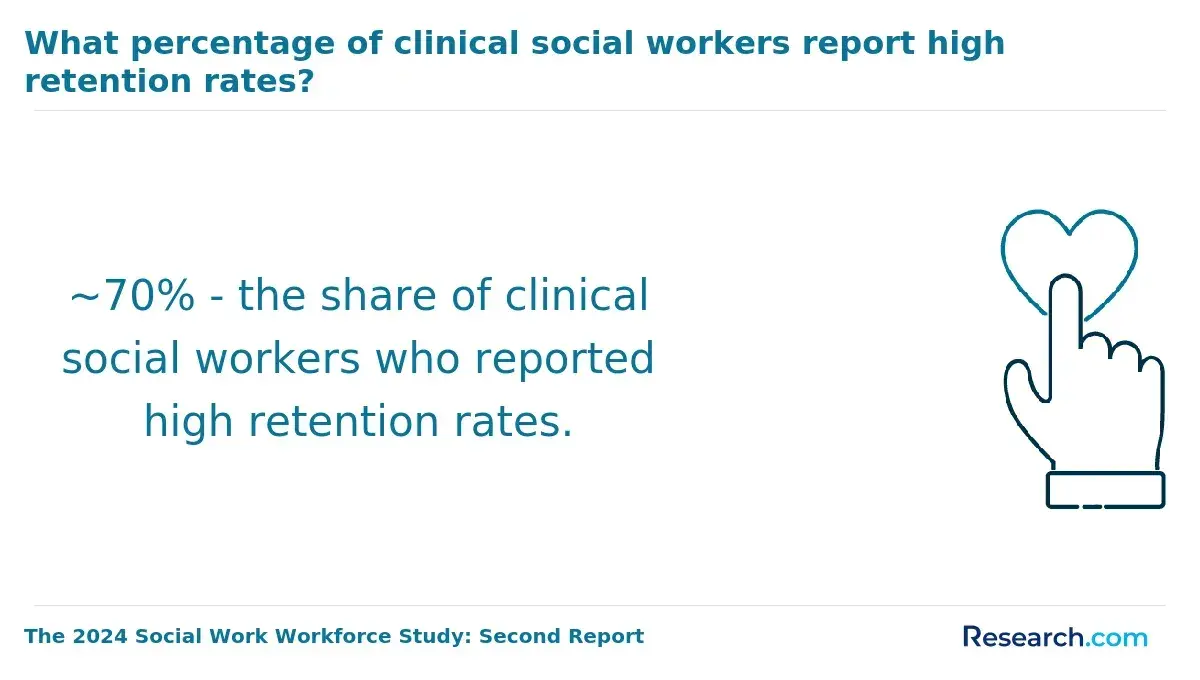
Field placement support is central to career preparation. Research indicates that Indiana Wesleyan University online MSW students who arranged their own field placements in 2025 faced a 30% higher dropout rate during field phases compared to those with coordinator assistance. This suggests that placement coordination can affect persistence as well as career readiness.
For working professionals, an online MSW can support advancement into supervisory, clinical, policy, or administrative roles without relocation. The best programs help students connect field experience to the populations, agencies, and credentials they plan to pursue after graduation.
What Is the Job Outlook and Salary for MSW Graduates?
The job outlook for MSW graduates is positive, with the U.S. Bureau of Labor Statistics projecting a 12% growth in employment for social workers from 2024 to 2034, outpacing the average for all occupations. Demand is tied to mental health services, healthcare needs, aging populations, child and family support, substance abuse treatment, schools, and community-based services.
Salaries vary by specialization, employer, geographic location, licensure level, and experience. Many MSW-related salaries typically range from $50,000 to $70,000 annually. Clinical social workers often earn more, especially those in hospitals or private practice, although earnings depend heavily on state licensure, payer systems, caseload, setting, and years of experience.
Students should evaluate salary potential by role rather than assuming every MSW job pays the same. Healthcare, clinical, administrative, and specialized behavioral health roles may offer different compensation than entry-level community or case management positions. Urban professionals generally earn more, while rural workers may access loan repayment programs for public service.
Field placement support also affects job readiness. Data from the Council on Social Work Education show that CSWE-accredited online MSW programs with dedicated placement staff achieve 22% higher licensure pass rates for distance learners. These programs leverage vetted agency networks, including rural practicum sites, providing hands-on experience that supports state licensure and employment preparation.
To improve career outcomes, MSW students should:
- Choose a CSWE-accredited program with documented field placement support.
- Align practicum sites with target roles such as healthcare, school social work, child welfare, behavioral health, or community practice.
- Understand licensure requirements in the state where they intend to work.
- Use field placements to build references, supervision relationships, and job leads.
- Compare total program cost against realistic salary expectations and licensure timelines.
The strongest employment strategy is to treat the MSW as both an academic credential and a supervised professional training pathway. Students who plan fieldwork carefully, select relevant specializations, and understand regional labor markets are better positioned for long-term career growth in social work.
Other Things You Should Know About Social Work
The best online MSW programs in 2027 feature accredited curricula, comprehensive field placement networks, and partnerships with diverse social service agencies. They ensure students gain valuable real-world experience, providing robust support through dedicated field education coordinators and technology platforms to facilitate distance learning and field integration.
In 2027, field placements in MSW programs typically last between 900 and 1,200 hours over two to three semesters. This timeframe ensures that students gain comprehensive practical experience needed for effective social work practice.
Top organizations providing field placements for 2027 online MSW programs often include leading hospitals, non-profit social services, and government agencies. Partnerships with local agencies such as child welfare departments or mental health clinics are common to offer hands-on experience necessary for professional development.
Yes. CSWE-accredited online MSW programs usually require supervised in-person practicum hours at approved agencies, even if coursework is online. Many programs require about 900 to 1,200 field hours total, and placements must meet state licensing and university supervision rules.
- Next Generation Social Workers and the Importance of Field Placement https://concerthealth.com/blog/fieldplacement
- Social Work Careers https://socialworklicensemap.com/social-work-careers/
- Online Master of Social Work Programs in New York https://onlinedegrees.keuka.edu/online-master-social-work-programs-new-york
- What is the Career Outlook and Salary for Social Work? - Social Work Degree Center https://www.socialworkdegreecenter.com/what-is-the-career-outlook-and-salary-range-for-social-workers/
- MSW Career Outlook https://www.kysu.edu/academics/college-as/school-of-social-work/careers/msw-career-outlook.php
- Online MSW vs Campus MSW: 2025 Outcomes & Career Guide https://www.socialworkdegrees.org/online-msw-vs-campus-msw
- Social Work (MSW) https://www.wlu.ca/programs/social-work/graduate/social-work-msw/index.html
- Best Online MSW Programs - CSWE-Accredited https://www.onlinemastersdegrees.org/best-programs/social-work-msw/cswe-accredited/
- Navigating Your Field Placement Search as an Online Student https://www.socialworker.com/feature-articles/field-placement/navigating-your-field-placement-search-as-an-online-student/