2027 Best Online MBA for Real Estate Careers

Co-Founder and Chief Data Scientist
Changing careers or advancing in real estate often requires more than experience; specialized business knowledge is crucial. However, many face time constraints and the challenge of finding flexible learning options that align with their schedules. Without an appropriate degree, professionals risk missing leadership and investment opportunities in a competitive market. This article examines the best online MBA programs tailored for real estate careers, highlighting accredited, flexible options designed to equip students with essential skills and credentials to successfully navigate the evolving real estate industry.
Key Things You Should Know
- Online MBAs for real estate in 2026 increasingly emphasize specialized courses in property finance, investment analysis, and market trends to align with evolving industry demands.
- Employment data shows a 12% projected growth in real estate careers through 2030, with MBAs boosting hiring potential and salary averages by 20% compared to bachelor's degrees alone.
- Top programs offer flexible schedules and networking opportunities, crucial for working professionals aiming to pivot or advance in real estate sectors such as development and asset management.
What is an online MBA in real estate and how does it differ from traditional programs?
An online MBA in real estate focuses on blending core business skills such as finance, marketing, and management with specialized knowledge in property valuation, investment analysis, and urban development. These programs are designed for remote learning, allowing working professionals to advance their credentials without the need for campus attendance.
Key differences between online and traditional MBA real estate degrees include:
- Flexibility: Online real estate MBA programs offer asynchronous classes that accommodate busy schedules, enabling students to study while maintaining their careers.
- Curriculum focus: Many online MBA programs for real estate professionals include up-to-date market trends and use digital tools like real estate analytics, which traditional programs may integrate more slowly.
- Networking opportunities: While traditional programs emphasize face-to-face connections, online MBAs provide virtual networking platforms and regional events to foster industry relationships.
- Delivery methods: Online programs rely on video lectures, interactive case studies, and virtual discussions, contrasting with the in-person format of traditional MBAs.
With U.S. real estate employment expected to grow at 4.2%, nearly double the national average, demand for skilled professionals is rising. Students pursuing online MBAs in real estate gain strategic and financial expertise to seize emerging opportunities. When selecting a program, consider factors like accreditation, faculty experience, and industry connections to ensure career relevance. For those comparing options, exploring the cheapest MBA online programs can help find affordable pathways to advance real estate careers.
Which accreditation bodies recognize online real estate MBA programs in the United States?
Online real estate MBA programs in the United States gain recognition primarily through regional and specialized accreditation organizations for online real estate MBA programs in the United States. Key regional accreditors include the Middle States Commission on Higher Education (MSCHE), the Higher Learning Commission (HLC), and the Southern Association of Colleges and Schools Commission on Colleges (SACSCOC), which assess entire institutions to ensure quality standards.
Many business schools offering real estate MBA degrees pursue accreditation from the Association to Advance Collegiate Schools of Business (AACSB), the most prestigious accrediting body for business education. AACSB accreditation signals a program's adherence to global best practices and a rigorous curriculum tailored for real estate professionals aiming for leadership.
Other recognized accrediting agencies for U.S. online real estate MBA degrees include the Accreditation Council for Business Schools and Programs (ACBSP) and the International Accreditation Council for Business Education (IACBE), which focus on applied business skills and ethics.
Accreditation affects eligibility for financial aid and professional licensure, underscoring its importance when choosing a program. Real estate managers with MBAs earn a median salary of $131,890 annually, 45% higher than those without advanced degrees, according to the National Association of Realtors' 2025 Member Profile. Before enrolling, verify accreditation status through the U.S. Department of Education's database.
For those evaluating program costs, the AACSB online MBA cheapest list offers useful guidance on affordable accredited options.
What are the typical admission requirements for accredited online real estate MBA programs?
Admission requirements for accredited online real estate MBA programs in the US typically combine academic credentials, professional experience, and personal evaluations. Most applicants hold a bachelor's degree from an accredited institution with a competitive GPA, often 3.0 or higher. Some programs may accept candidates with lower GPAs if they show substantial professional achievements or additional coursework related to business or real estate.
Standardized tests such as the GMAT or GRE remain common but are increasingly waived for applicants with 3 to 5 years of relevant work experience in real estate, finance, or property management. This ensures candidates understand industry fundamentals before progressing to specialized real estate careers with an online MBA program.
Typical eligibility criteria for online MBA programs in real estate careers include submitting a professional resume outlining relevant career progression, strong letters of recommendation focusing on leadership and analytical skills, and personal statements explaining career goals. Many top programs also conduct interviews to evaluate communication and cultural fit, while international students must provide TOEFL or IELTS scores to demonstrate English proficiency.
For instance, the UNC Kenan-Flagler online MBA boasts a 98% job placement rate within three months post-graduation, illustrating how rigorous admissions prepare students for success. Prospective students interested in cost-effective options can explore affordable EMBA programs that blend quality and value.
An online real estate MBA program usually spans between 18 and 36 months, depending on the student's pace and program structure. Full-time students often complete it in around two years, while part-time options provide flexibility for working professionals, extending the duration to fit work and personal commitments. Accelerated tracks exist but require a more intensive study schedule.
The average cost of an online real estate MBA in the US ranges from $30,000 to $80,000 in tuition. Pricing varies based on factors like program length, institutional prestige, and resources offered. For instance, top-tier schools commonly charge higher tuition but provide robust alumni networks and career services.
Additional expenses may include textbooks, technology fees, and optional in-person residencies. Many programs offer financial aid, scholarships, or employer tuition reimbursement to help offset these costs. Prospective students can also explore online MBA programs no GMAT low-cost for more affordable options.
Choosing a program should consider program accreditation, curriculum relevance, and networking opportunities alongside cost and duration. Alumni from the University of Washington Foster School's real estate MBA program reported an average base salary of $142,000, a 12% increase from the previous year, illustrating the potential long-term financial benefits of investing in a reputable program.
Students seeking an online real estate MBA will find that program length and tuition are key factors influencing their educational and career outcomes in the competitive real estate sector.
Online real estate MBA curricula blend core business courses with specialized real estate knowledge, equipping students with skills essential for leadership in the industry. Core studies often include finance, accounting, marketing, organizational behavior, strategy, and economics. These foundational courses build analytical and management abilities suited for complex real estate roles.
Specializations cover real estate finance and investment, property development, asset and portfolio management, real estate law, urban economics, and market analysis. For instance, real estate finance courses address valuation, capital markets, and risk management, while property development classes focus on project planning, zoning, and construction. Many programs also integrate sustainable real estate and technology modules to keep pace with industry shifts.
Program formats vary, offering elective tracks such as commercial versus residential real estate, international markets, or public sector property management. Part-time and executive MBA options often emphasize strategic decision-making tailored to seasoned professionals.
According to Poets&Quants, Rice University Jones Online MBA real estate concentrators see a 185% salary increase after graduation, the highest ROI among top programs. This highlights the value of combining core business disciplines with targeted real estate expertise to boost career and earning potential.
Online real estate MBA graduates pursue diverse roles across the sector, including asset management, investment analysis, and property development. Common job titles include real estate asset manager, commercial real estate analyst, and real estate investment manager. These positions require expertise in finance, market analysis, and project management, which are key components of an MBA curriculum focused on real estate.
Career paths for graduates often involve portfolio management to maximize returns while minimizing risk, or roles as project managers and acquisition directors in development firms. Brokerage and leasing management also attract professionals combining MBA knowledge with sales and negotiation skills.
The global real estate market supports this demand. According to CBRE's 2025 Global Real Estate Market Outlook, international real estate investment volume rose to $1.4 trillion, an 8% increase from the previous year. This growth drives demand for specialists skilled in cross-border investment strategies, such as global real estate strategists and international investment consultants.
Graduates may also work in corporate real estate, managing office or industrial spaces, or enter public sector roles in urban planning and economic development, focusing on policy and community impact. Tailoring MBA coursework to finance, law, and sustainability further enhances employability in residential, commercial, and international markets.
The salary range for real estate professionals with an MBA degree generally spans from $85,000 to $140,000 annually, depending on position, location, and experience. Entry-level roles, such as real estate analysts or asset managers, typically earn $85,000 to $100,000. Mid-level roles, including development managers and commercial real estate brokers, usually make between $110,000 and $130,000. Senior positions like real estate investment directors or portfolio managers often exceed $140,000, especially in major metropolitan areas.
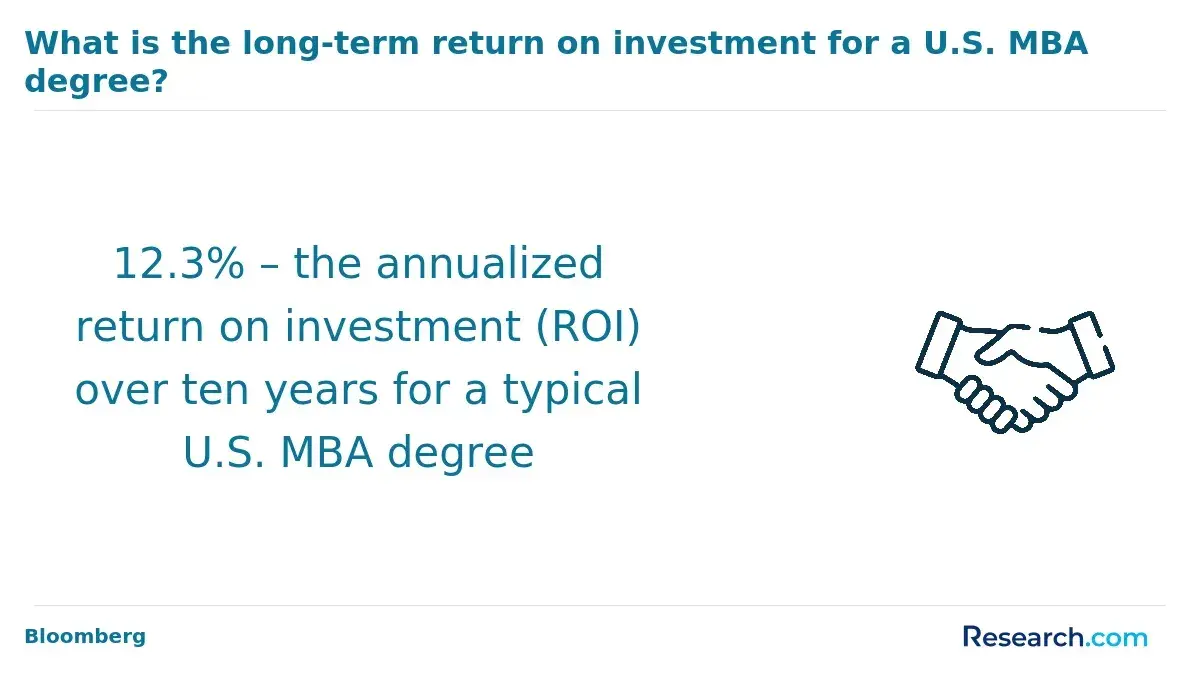
Return on investment for completing an online MBA in real estate is efficient. Data from GMAC's Corporate Recruiters Survey shows a 3.2-year payback period on tuition for online MBA real estate graduates, which is shorter than the 4.1 years reported for general MBA graduates. This reflects stronger career growth and faster salary increases in the real estate sector.
Key factors affecting salaries include geographic region, company size, and specialization in residential versus commercial real estate. Professionals in commercial real estate finance often command higher salaries. Additionally, networking and leadership skills gained during an MBA increase advancement and earning potential.
Prospective students should consider how salaries align with program costs and curriculum focus. Carefully selecting an MBA program tailored to a specific real estate sector and region can maximize financial benefits.
Real estate MBA graduates looking to progress often need specific licenses and certifications that align with their career goals and region. A state real estate license is critical for roles in property brokerage or development that involve direct transaction authority. Obtaining this license requires completing pre-licensing education, passing state exams, and fulfilling continuing education requirements.
For those targeting commercial real estate investment or management, becoming a Certified Commercial Investment Member (CCIM) from the CCIM Institute is highly beneficial. This certification highlights expertise in commercial property and market analysis, enhancing credibility with clients and employers.
Additional certifications to consider include Certified Property Manager (CPM) and Real Property Administrator (RPA), focusing on property management and operations. Staying current with trends like ESG (Environmental, Social, and Governance) integration is also vital. The MSCI 2025 Real Estate Index showed that portfolios incorporating ESG factors achieved 15% higher returns, making sustainability credentials increasingly valuable.
Other valuable credentials include Leadership in Energy and Environmental Design (LEED) accreditation and advanced training in financial modeling or analytics, available through professional organizations. Graduates should carefully select certifications and licenses that best match their career path-whether brokerage, asset management, development, or sustainability-to remain competitive and meet evolving industry demands.
Holding an MBA significantly boosts career prospects in real estate, particularly in competitive fields like development, investment analysis, and property management. Employers increasingly seek candidates with advanced business education, valuing skills in finance, negotiation, strategic planning, and market analysis-all essential for leadership roles.
According to data from U.S. News & World Report's 2025 MBA Guide, applicants with over three years of real estate experience enjoy a 72% higher acceptance rate at top MBA programs. This reflects the premium placed on combining hands-on experience with formal education, making professionals more attractive to both schools and employers.
Career paths benefiting from an MBA include real estate finance, commercial brokerage, and asset management. Graduates frequently secure positions as real estate investment analysts or portfolio managers, often with higher salaries and faster career advancement. Employers prefer MBA holders for their ability to merge quantitative analysis and strategic decision-making, vital in navigating complex markets.
To maximize employability, pursuing an MBA after gaining industry experience offers clear advantages. Candidates should consider programs focused on real estate specialization or dual degrees blending real estate with finance or analytics for greater impact. This approach signals expertise and readiness to recruiters, setting professionals apart in a competitive market.
How should prospective students evaluate and compare online real estate MBA programs?
Accreditation from recognized bodies such as AACSB or ACBSP is essential when selecting an online real estate MBA program, ensuring both education quality and industry acceptance. A strong curriculum should include courses on real estate finance, development, market analysis, and sustainability, with topics like urban land economics reflecting current industry demands. Faculty expertise and real-world connections are valuable for enriching learning and expanding professional networks.
Flexibility matters. Prioritize programs offering asynchronous classes, part-time study, and user-friendly online platforms. Programs featuring internships or capstone projects linked to real estate development firms often yield better career outcomes.
Consider the total cost and available financial aid, weighing tuition against potential return on investment. The Bureau of Labor Statistics projects a 7% growth in real estate development jobs by 2033, creating approximately 28,000 new positions nationwide, indicating strong demand for specialized MBA graduates.
Additional factors to review include alumni success stories, job placement rates, program duration, and enrollment deadlines. Detailed employment data published by some schools can guide your decision.
Other Things You Should Know About MBA
Online MBA programs in real estate often offer dedicated career services such as personalized coaching, real estate industry networking events, and access to job boards. These resources help students secure internships and job placements in the real estate field after graduation.
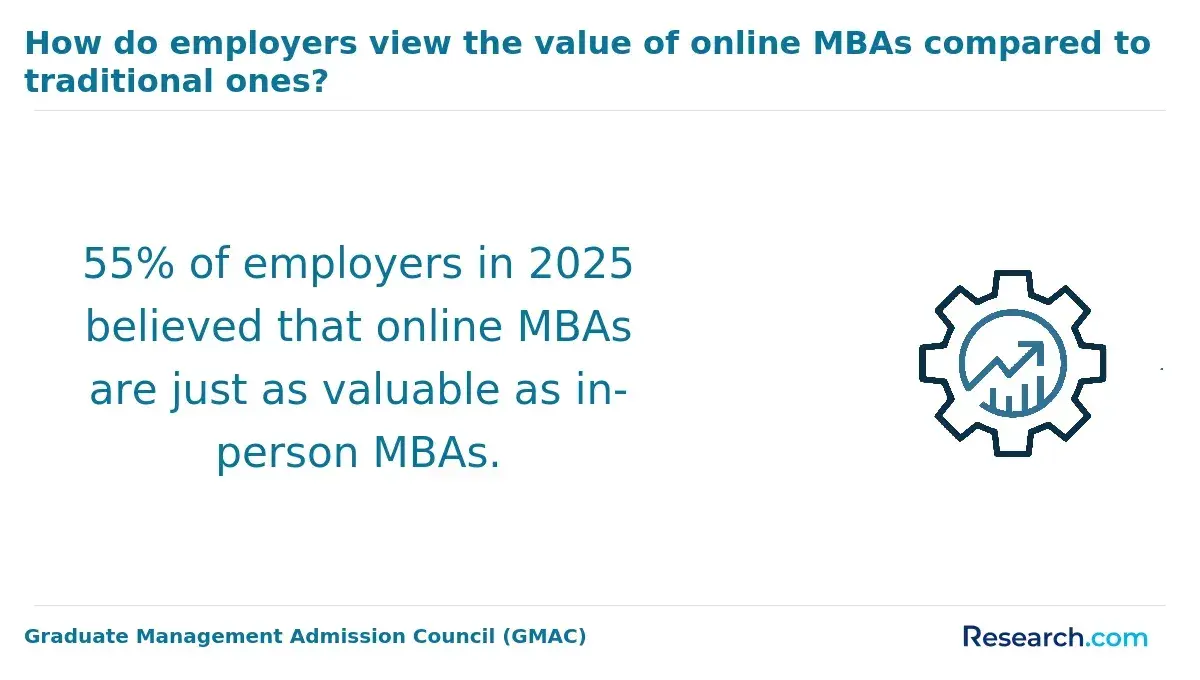
Employers increasingly recognize the value of accredited online MBA degrees in real estate, especially when earned from reputable institutions. Graduates often demonstrate the same competence as traditional degree holders, particularly if the program includes practical experiences and networking opportunities.
Yes. Many online MBA programs add a real estate concentration through 9 to 12 graduate credit hours, with courses such as real estate finance, development, investment analysis, and property management. Some schools also require a capstone or practicum focused on transactions or portfolio strategy.
Typical admissions requirements for an online MBA in real estate in 2027 include a bachelor's degree, GMAT or GRE scores, relevant work experience, transcripts, letters of recommendation, and a personal statement. Some programs may offer waivers for standardized tests based on professional experience.
- 5 MBA Jobs in the Real Estate Market https://online.longwood.edu/business/mba/real-estate/mba-jobs-real-estate-market/
- High & Low Real Estate MBA Salaries At The Top 25 B-Schools https://poetsandquants.com/2022/04/30/high-low-real-estate-mba-salaries-at-the-top-25-b-schools/
- How MBA in Real Estate Can Bag Ample Job Opportunities https://hub.ricssbe.org/how-mba-in-real-estate-can-bag-ample-job-opportunities
- MBA Course Duration | How Long to Complete an MBA? https://collegetiger.com/mba-course-duration-how-long-does-it-take-to-earn-an-mba/
- Discover the Best MBA Programs for Real Estate https://www.stacyblackman.com/blog/mba-programs-for-real-estate/
- Real Estate Agent Certifications: Best Credentials to Advance Your Career | Teal https://www.tealhq.com/career-paths/real-estate-agent-certifications
- Top Online MBAs for Accreditations | FIND MBA Online https://findmbaonline.com/lists/top-10-online-mbas-with-the-best-accreditations
- Online MBA in Real Estate Management https://rudraacksolutions.com/course-details/online-mba-in-real-estate-management
- Certificates and Designations | MBA https://www.mba.org/conferences-and-education/certificates-and-designations
- Build Your Future: Considerations for an MBA Real Estate Program https://www.adventuresincre.com/mba-real-estate-program/