2027 Best Value Online Occupational Therapy Master's Degrees: Affordable Accredited Programs with the Highest ROI

Co-Founder and Chief Data Scientist
Choosing an online occupational therapy master's program involves balancing cost, credibility, and career impact-especially for students juggling work or family. In 2024, over 40% of graduate enrollments are adult learners seeking flexible formats, reflecting a shift toward programs that accommodate busy schedules without sacrificing rigor. For potential students, this means identifying affordable, accredited programs that deliver strong employment outcomes is critical. Effective decisions must weigh not just tuition but program reputation, accreditation status, and alignment with workforce demands. This approach helps ensure the investment supports long-term career mobility and opens doors in a competitive healthcare environment.
Key Things to Know About the Best Value Online Occupational Therapy Master's Degrees
- Programs accredited by NBCOT ensure clinical competence, yet online offerings often have limited fieldwork options, requiring students to weigh flexible learning against in-person practicum demands.
- Employers increasingly prioritize candidates from regionally accredited programs with verified clinical hours, tightening workforce entry barriers and influencing graduate hiring prospects.
- NCES 2024 data on adult learners show growing enrollment in online master's degrees, reflecting a shift toward accessible timing and cost management crucial for working professionals balancing study and employment.
What Are the Best Value Online Occupational Therapy Master's Programs in the U.S.?
Best value in online occupational therapy master's programs reflects a careful intersection of affordable tuition, reliable ACOTE accreditation, solid graduation rates, and demonstrable salary uplift post-graduation. Selecting a program based solely on cost risks overlooking crucial differentiators like synchronous clinical training components or alumni employment outcomes that heavily influence employer perception and job market success. For example, a working professional balancing family obligations may prefer a program with mostly asynchronous delivery and early clinical simulation technology, which facilitates skill acquisition before costly onsite fieldwork, rather than one with rigid synchronous schedules that may disrupt job commitments. Conversely, students targeting employers known for strong professional networks might accept a higher tuition burden for cohort-based synchronous learning environments that foster mentorship and placement advantages. This operational tradeoff underscores the importance of evaluating these programs beyond sticker price alone, aligning educational format and support features with personal circumstances and career objectives.
- Institution: University of Texas Medical Branch
- Estimated Tuition: $30,000 total
- Delivery Format: Mostly asynchronous with limited synchronous labs
- Differentiator: Emphasizes early clinical simulation technology to build skills remotely before onsite fieldwork
- Institution: University of Florida
- Estimated Tuition: $38,500 total
- Delivery Format: Hybrid asynchronous lectures with scheduled synchronous discussions
- Differentiator: Offers extensive alumni salary data that confirms above-average post-graduate earnings
- Institution: Stony Brook University
- Estimated Tuition: $44,000 total
- Delivery Format: Primarily asynchronous with scheduled synchronous lab sessions
- Differentiator: Well-regarded for strong faculty with active clinical research integration
- Institution: University of Southern California
- Estimated Tuition: $52,000 total
- Delivery Format: Predominantly synchronous with small cohort-based learning
- Differentiator: Known for strong employer networks facilitating job placement and mentorship
- Institution: Northeastern University
- Estimated Tuition: $56,000 total
- Delivery Format: Balanced synchronous and asynchronous with integrated practicum scheduling assistance
- Differentiator: Unique focus on adult learners and career-changers with tailored academic advising
- Tuition Data Sources: Derived from current academic year figures reported by institutions and verified with IPEDS datasets.
- Accreditation: All programs hold ACOTE accreditation, ensuring compliance with occupational therapy professional standards.
- Graduation Rates: Programs maintain graduation rates above national averages for occupational therapy master's students.
- Post-Graduate Outcomes: Salary lift estimates based on institution-reported employment surveys and state labor statistics.
Integrating affordability with strong academic and career outcomes remains central for first-generation graduate students, working professionals, and career-changers exploring affordable accredited online occupational therapy graduate degrees in the United States. Navigating these choices with clear, data-driven perspectives enables decisions that balance financial investment against real-world employability. For those still comparing program admission difficulty with other health fields, resources like nursing schools that are easy to get into can provide contextual insights into parallel healthcare education pathways.
What Accreditations Should an Online Occupational Therapy Master's Program Have?
Choosing an online occupational therapy master's program without verifying its accreditation can jeopardize both your professional licensing prospects and your financial investment. Many graduates later discover that programs lacking recognized accreditation may limit access to licensure exams, reduce employer acceptance, or disqualify students from federal financial aid, affecting career and financial outcomes.
Accreditation for occupational therapy programs operates on two crucial levels. First, regional institutional accreditation from one of the seven recognized bodies-such as the Higher Learning Commission (HLC), Southern Association of Colleges and Schools Commission on Colleges (SACSCOC), or Middle States Commission on Higher Education (MSCHE)-is essential. This form of accreditation ensures eligibility for federal financial aid, facilitates credit transfer between institutions, and carries weight with many employers who often view it as a minimum standard of academic quality.
Second, programmatic accreditation specific to occupational therapy is vital. The Accreditation Council for Occupational Therapy Education (ACOTE) is the authoritative body certifying that a program's curriculum meets the professional and clinical standards necessary for graduates to qualify for licensure and succeed in a competitive healthcare environment. Without ACOTE accreditation, students may face significant barriers to certification and clinical roles, regardless of regional accreditation status.
Be cautious of online programs touting only national or lesser-known accreditation agencies; these may offer limited recognition and impair professional mobility. For example, a student who completes a non-ACOTE accredited online program might not qualify to take the national licensure exam, effectively sidelining their occupational therapy ambitions despite having a graduate degree.
Prospective students should confirm the following with program representatives before committing:
- Regional Accreditation: Is the institution accredited by a recognized regional accreditor?
- Programmatic Accreditation: Does the occupational therapy master's program hold ACOTE accreditation?
- Financial Aid Eligibility: Does the program's accreditation status enable federal financial aid participation?
- Licensure Support: Will completing this program fulfill state licensure requirements?
How Much Does an Online Occupational Therapy Master's Degree Cost on Average?
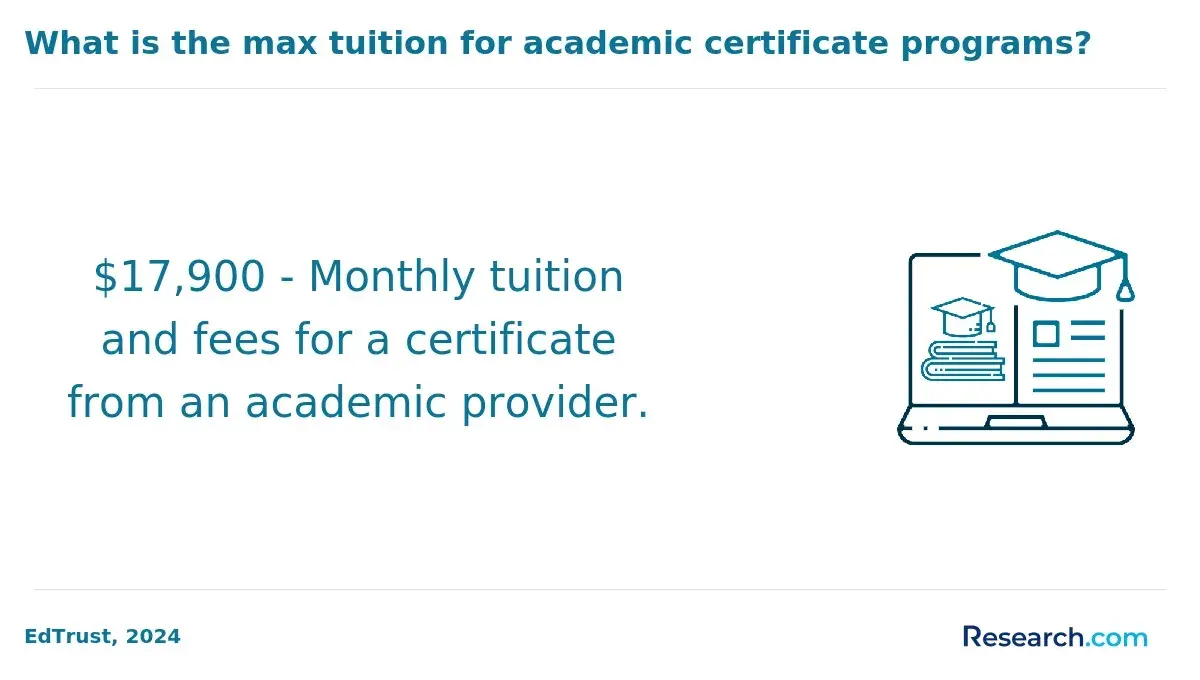
The total cost for an online occupational therapy master's degree typically ranges from $40,000 to $70,000, with tuition per credit hour varying between $500 and $1,200 according to aggregated IPEDS data for accredited U.S. programs. This variation often hinges on whether the institution is a public university or a private/nonprofit entity, as well as on residency status and additional fees. For working professionals weighing return on investment, these price differences can significantly affect financial planning and long-term debt management.
- Public University Average vs. Private/Nonprofit Average: Public institutions generally feature lower costs, averaging $500-$700 per credit hour for in-state students, while private and nonprofit universities typically charge $900-$1,200 per credit hour.
- In-State vs. Out-of-State Tuition: Many public institutions vary tuition based on residency, sometimes doubling out-of-state rates, but a growing number now offer flat-rate pricing irrespective of state, simplifying cost predictability for online learners.
- Mandatory Fees: Registration, student services, and health fees can add between $500 and $1,500 annually, which prospective students often underestimate when budgeting.
- Technology Fees: Online formats necessitate fees averaging $100 to $600 per semester aimed at maintaining virtual learning platforms and supporting software.
- Thesis or Capstone Fees: Some programs impose additional charges ranging from several hundred dollars for culminating projects or comprehensive exams, impacting total out-of-pocket costs.
- Proctoring Costs: Remote exams sometimes require proctoring services costing $50 to $150 each, an extra expense for many learners.
- Residency Requirements: Rare but possible, short on-campus residencies or intensives can increase expenses with travel and lodging that must be factored into overall investment decisions.
Those researching financial commitments linked to an online occupational therapy master's degree cost in the United States should also explore how these expense layers correlate with program quality and workforce outcomes. Careful analysis of these components supports informed choices in a field where cost management directly affects accessibility and career trajectory. Candidates may find useful comparative insights through programs such as the best medical coding programs, which similarly balance affordability and employability considerations within healthcare education.
What Is the Return on Investment (ROI) of an Online Occupational Therapy Master's Degree?
The ROI of an online occupational therapy master's degree hinges on whether the salary increase after graduation justifies the program cost. A practical way to calculate this is by subtracting total educational expenses from the salary uplift, then dividing by the expenses to find a percentage or the number of years needed to recover the investment. For instance, occupational therapy assistants earn median annual wages around $61,000, while licensed therapists with master's degrees report earnings near $86,000 based on Bureau of Labor Statistics and PayScale data. This salary difference sets a baseline for evaluating the financial sense of pursuing the degree.
Several factors significantly affect this ROI:
- Work Experience: Prior healthcare roles often lead to faster salary gains and smoother transitions, boosting ROI.
- Institutional Prestige: Alumni of highly regarded programs tend to receive stronger job offers, increasing early-career returns.
- Regional Demand: Areas with healthcare shortages typically offer higher wages and job availability, influencing ROI positively.
- Specialization: Focusing on pediatric, geriatric, or other niches can enhance earning potential and job stability beyond generalist roles.
Beyond straightforward salary considerations, the degree's value includes opportunities to move into leadership, research, or education, as well as improved job security in a competitive market. These qualitative gains can be crucial but are harder to quantify compared to direct financial outcomes.
One graduate recalled applying through rolling admissions feeling uncertain about timing since waiting longer risked missing a funding cycle. With a full-time job and family responsibilities, they hesitated to submit incomplete materials early but learned that earlier applications often improved scheduling flexibility. Balancing these pressures, the graduate eventually submitted just before the deadline, receiving acceptance shortly after and noting relief that the timing didn't delay their career plans significantly. Their experience highlights how strategic timing during admissions can factor into the overall ROI calculation.
What Are the Admission Requirements for an Online Occupational Therapy Master's Program?
Admission to online occupational therapy master's programs demands more than minimum academic standards; it reflects a balance between foundational knowledge and professional readiness. For instance, an applicant with a 2.8 GPA but strong professional experience and targeted recommendations might still gain entry through programs valuing holistic review over rigid cutoffs.
Most accredited programs generally expect an undergraduate GPA close to 3.0 on a 4.0 scale, though this benchmark is not uniform and varies by institution. Alongside GPA, applicants must typically provide two or three letters of recommendation that emphasize both academic capability and interpersonal or clinical potential. A carefully constructed statement of purpose is essential, serving to clarify career objectives and the candidate's genuine motivation within this specialized healthcare field.
Applicants should also submit a current resume or CV detailing relevant employment or volunteer experience, which often weighs heavily in admissions decisions reflecting practical engagement. Most programs require prerequisite coursework in anatomy, physiology, psychology, and human development to ensure students possess the foundational scientific understanding needed for success. Given occupational therapy's classification as a STEM-related discipline, evidence of quantitative skills-such as competency in statistics-is increasingly requested.
The traditional reliance on GRE or GMAT scores has notably diminished; many programs now adopt test-optional or test-free policies, acknowledging that standardized tests offer limited predictive value for clinical effectiveness or workforce integration. This shift allows candidates with diverse backgrounds to access graduate study while emphasizing more comprehensive applicant evaluation.
Undergraduate GPA: Typically near 3.0 but flexible depending on program. Letters of Recommendation: Generally two to three, addressing academic and professional strengths. Statement of Purpose: A focused narrative on career goals and commitment. Resume or CV: Showing relevant clinical or allied experience. Prerequisites: Foundational courses in biology-related and behavioral sciences; quantitative skills often required. Standardized Tests: GRE/GMAT increasingly optional or waived. Application Strategy: Applying to a spectrum of programs is prudent given variable criteria across accredited institutions.
What Is the Minimum GPA Requirement for a Occupational Therapy Master's Program?
Selecting an online occupational therapy master's program requires understanding that minimum GPA standards reflect a threshold for entry but do not guarantee admission or career success. Most accredited online occupational therapy master's program admission GPA criteria set the minimum undergraduate GPA between 2.75 and 3.0. However, many programs publish a competitive GPA of around 3.2 or higher, representing the academic profile of students typically admitted. This gap highlights the practical difference between meeting eligibility and positioning oneself as a strong candidate.
Applicants with a GPA below the published minimum often face significant hurdles but may navigate conditional or provisional admission pathways if they demonstrate proficiency through additional coursework or evaluations. Several programs also offer GPA waivers by evaluating professional experience, portfolio work, or standardized test scores, allowing nontraditional students to compensate for academic shortcomings. While GPA remains an important quantitative metric, programs apply holistic review processes that weigh clinical experience, letters of recommendation, and personal statements to assess overall candidate quality.
- Minimum Eligibility: The baseline GPA threshold, generally between 2.75 and 3.0, required to apply and considered for admission.
- Competitive GPA: The average GPA of admitted students, commonly 3.2 or higher, indicating a realistic target for strong candidacy.
- GPA Waivers: Flexibility allowing some candidates to substitute experience, portfolios, or test scores for strict GPA standards.
- Conditional Admission: Provisional acceptance options for applicants slightly below GPA requirements, contingent on demonstrated capability.
- Holistic Review: Comprehensive evaluation including academic and professional factors beyond GPA, shaping final admissions decisions.
Given the financial and time investments involved, prospective students balancing these GPA requirements should also explore program outcomes and affordability to maximize long-term returns. For example, those weighing occupational therapy master's programs against other health disciplines might consider offerings such as the shortest online PMHNP certificate programs to compare alternatives with varying admission criteria and career trajectories.
What Financial Aid Options Are Available for Online Occupational Therapy Master's Students?
Graduate students pursuing an online occupational therapy master's program must navigate a complex financial aid landscape that often diverges from undergraduate expectations. Unlike undergraduates, federal grants such as Pell Grants are typically unavailable, prompting students to rely on loans, scholarships, and institutional support while weighing long-term debt implications carefully.
- Federal Loans: Direct Unsubsidized Loans and Graduate PLUS Loans form the backbone of federal aid for occupational therapy master's students. These loans accumulate interest immediately, mandating early FAFSA submission and thorough understanding of the Student Aid Index, which assesses financial need based on income, assets, and family size.
- Institutional Scholarships and Fellowships: Many programs offer merit- or need-based scholarships, sometimes linked to clinical or research roles, but availability is highly variable. Prospective students should scrutinize each school's specific offerings to identify meaningful relief.
- Employer Tuition Reimbursement: Working professionals may find significant financial support through employer-sponsored tuition assistance, albeit often conditional upon maintaining employment for a specified period.
- Graduate Assistantships: Although uncommon for online learners, certain programs provide assistantships tied to teaching or research responsibilities, offering tuition reduction or stipends.
- External Scholarships: Targeted professional association awards can support underrepresented groups and those focusing on occupational therapy-specific research or development, filling gaps not addressed by institutional aid.
Maximizing aid requires early FAFSA filing to optimize limited funds, focused searches for discipline-specific scholarships, proactive negotiation of aid packages based on competing offers, and investigation of relevant state grant programs for healthcare graduate students.
One graduate recalled applying amid rolling admissions with a narrow window for submitting FAFSA paperwork and scholarship applications. The delay in receiving her expected aid forced last-minute reconsideration of enrollment timelines and prompted direct communication with program advisors to explore assistantship options. This experience underscores the importance of timing, preparation, and flexibility in securing financial aid for online occupational therapy studies, especially for those balancing work and family commitments.
How Long Does It Take to Complete an Online Occupational Therapy Master's Degree?
Completion timelines for an online Occupational Therapy master's degree vary substantially, reflecting how students balance academic, professional, and personal demands. While full-time enrollment often leads to graduation within 18 months to 2 years, most online learners enroll part-time, extending completion to 2.5 to 4 years. This distinction is critical for those weighing immediate workforce entry against the flexibility needed to juggle work and family obligations. For instance, a working parent pursuing part-time study may sustain income but delay licensure, whereas a recent bachelor's graduate enrolled full-time might expedite entry into a competitive job market. Recognizing how credit hour requirements-commonly between 30 and 45 hours-intersect with course load choices is essential for realistic planning.
An analysis of enrollment trends reveals that part-time learners constitute the majority across accredited online occupational therapy graduate programs, underscoring the importance of flexible pacing options for career-changers and working professionals. Employers increasingly prioritize accredited degrees and practical clinical experience over accelerated completion speeds, meaning that programs offering accelerated tracks of 12 months or less should be evaluated carefully for academic rigor and external validation.
- Full-Time Enrollment: Typically completed in 18 months to 2 years, aligning with traditional academic cycles and continuous course availability.
- Part-Time Enrollment: The prevailing mode for online learners, extending the timeline to 2.5-4 years to accommodate work-life balance.
- Credit Hour Requirements: Most programs require between 30 and 45 credit hours, influencing duration based on semester course loads.
- Transfer Credits: Acceptance of prior graduate coursework can shorten study length by bypassing core courses.
- Program Structure: Cohort-based formats impose a fixed pace, whereas self-paced tracks offer flexibility but demand discipline.
- Accelerated Options: Select programs allow completion in about 12 months, though employer perceptions and accreditation status are paramount.
- Capstone or Thesis Requirements: These may add one or two semesters depending on faculty availability and student progression.
Given the demand for occupational therapy professionals and the associated educational expenses, prospective students should consult transparent, data-driven resources to identify programs that balance affordability and academic credibility. Notably, those interested in healthcare pathways can compare degree acceleration and affordability through resources like BSN to MSN online guides, which share relevant insights for occupational therapy students navigating similar challenges. Understanding the average duration of accredited online occupational therapy graduate programs enables informed decisions that align with individual career trajectories and financial realities in the US workforce.
What Specializations or Concentrations Are Available in Online Occupational Therapy Master's Programs?
Specializations within online occupational therapy master's programs critically shape employability and salary prospects by aligning skills with sector demands. For example, a graduate focusing on neurological rehabilitation may access a broader range of hospital-based roles treating stroke or brain injury patients compared to a generalist without that focused expertise. Programs vary: some require students to commit to a concentration at admission, while others offer a more flexible generalist track with electives. Choosing the right specialization demands analyzing local and regional job postings to identify which areas employers actively seek.
- Pediatrics: Supports children's developmental and physical needs in educational or clinical environments.
- Geriatrics: Enhances quality of life for older adults through specialized therapy plans.
- Neurological Rehabilitation: Focuses on recovery from neurological impairments such as strokes and brain injuries.
- Physical Rehabilitation: Addresses restoring movement and function after trauma or surgery.
- Hand Therapy: Concentrates on treating upper limb injuries and dysfunction.
- Mental Health: Provides interventions for clients with psychiatric or cognitive challenges.
- Assistive Technology: Emphasizes adapting equipment to improve patient independence.
- Workplace or Ergonomics: Deals with occupational injury prevention and rehabilitation.
- Community-Based Practice: Extends occupational therapy services beyond hospitals into diverse community settings.
Not all concentrations carry equal weight in labor markets; for instance, demand for hand therapy specialists may be more localized, while neurological rehabilitation skills are broadly sought. Making these distinctions requires consulting alumni and program advisors who can share employment data and market realities. Students should also be aware of how specialization influences licensure and geographic mobility, factors often linked to career trajectory and salary.
Key details for navigating these programs include:
- Accrediting Bodies: The Accreditation Council for Occupational Therapy Education (ACOTE) ensures program credibility and eligibility for licensure.
- Program Formats: Online structures typically combine synchronous and asynchronous components to support working adults.
- Career Impact: Employers frequently require or prefer certifications aligned with specializations, affecting job availability and earning potential.
For those comparing pathways or interdisciplinary options, resources related to the top psychiatric mental health nurse practitioner programs online illustrate how clinical placement outcomes can be a proxy for program quality. Integrating such insights into the evaluation of the best online occupational therapy master's program specializations united states can guide informed decision-making grounded in practical workforce alignment and academic credibility.
How Do Online Occupational Therapy Master's Programs Compare to On-Campus Programs in Quality and Recognition?
Hiring managers predominantly assess occupational therapy master's degrees based on regional accreditation rather than delivery mode. Data from employer surveys, including those by SHRM, consistently reveal that degrees from the same regionally accredited institution carry equal weight whether earned online or on campus, provided the diploma does not explicitly state "online"-a detail that varies by school policy. For example, a candidate graduating online from an accredited program is unlikely to face employer bias against the modality in credential verification or job screening.
However, on-campus programs typically offer advantages in hands-on training, direct access to simulation labs, and embedded practicum placements. These tangible experiences are critical in a field where proficiency depends heavily on tactile skill development and direct observation. Networking opportunities on campus also tend to be stronger, with more immediate access to faculty, peers, and campus recruitment events.
In response, some online programs innovate through virtual networking platforms, employer partnerships facilitating remote or hybrid practicum placements, and residential weekends designed to replicate in-person immersion. While these efforts narrow the gap, the intensity and immediacy of experiential learning remain areas for prospective students to weigh carefully.
Assessing a program's reputation, accreditation, and graduate employment outcomes provides a more reliable metric than modality alone. Scrutinizing alumni career trajectories using LinkedIn can reveal actual employer acceptance and salary ranges, which often vary due to specialization and geographic factors. Candidates targeting occupational therapy roles should prioritize programs that demonstrate both rigorous academic standards and strong professional placement records.
- Accreditation: Regional accreditation is the decisive factor ensuring a degree's legitimacy regardless of online or in-person study.
- Employer Perception: Most hiring managers do not differentiate between modalities when the institution is the same, according to SHRM surveys.
- Practical Experience: On-campus programs usually provide more consistent access to essential labs and practicum opportunities.
- Networking Opportunities: Campus-based networking remains more direct, though virtual platforms and hybrid residencies increasingly support online students.
- Graduate Outcomes: Reviewing alumni employment details on LinkedIn can help gauge a program's real-world value beyond modality.
What Graduates Say About the Best Value Online Occupational Therapy Master's Degrees
- Kaysen: "Balancing a full-time job while pursuing my master's in occupational therapy was challenging, but I chose this affordable online program because of its flexibility and accreditation. The real test came when I sought internships; I found that employers valued hands-on experience more than just licensure initially, which motivated me to secure a valuable placement. Ultimately, the program allowed me to transition careers without pausing income, though I'm aware that salary growth will require additional certifications down the line."
- Jalen: "After a costly career change, I opted for this online occupational therapy master's because it offered the highest ROI without compromising on accreditation. Time was tight, so the accelerated course structure was crucial. Even though licensure took longer due to the remote format, I landed a pediatric therapy role largely on the strength of my clinical portfolio and internship performance, underscoring how practical experience can sometimes outweigh formal credentials in hiring decisions."
- Beau: "I approached this degree cautiously, aware that many employers prefer in-person training for occupational therapy. The program's affordability stood out, allowing me to manage coursework alongside family responsibilities. Post-graduation, I discovered that while I could enter the workforce sooner, advancing beyond entry-level positions would require on-site experience and licensure, which shaped my decision to pursue additional local certifications after completing the online degree."
Other Things You Should Know About Occupational Therapy Degrees
Flexible learning schedules in 2027 allow students to balance personal and professional commitments, often resulting in varied completion times. Some students may accelerate their studies, finishing in as little as two years, while others may require longer, up to five years, depending on their personal pace and commitments.
Faculty with advanced degrees and clinical experience in occupational therapy significantly enhance program quality. In 2027, programs with instructors holding doctoral degrees and active professional licenses are highly valued, ensuring up-to-date practice standards and educational excellence in online occupational therapy master's degrees.
Many programs require reliable high-speed internet and access to a computer with specific software capabilities, like video conferencing and specialized clinical simulation tools. Some also mandate attendance at on-site intensives or local clinical placements, which can affect students balancing work or family commitments. Before enrolling, confirm how much in-person participation is expected and whether technical support is readily available to avoid unexpected interruptions or challenges in completing coursework.
Financial aid for online occupational therapy master's programs in 2027 may include federal student loans, scholarships, and grants. Additionally, some programs offer work-study options and institution-specific scholarships. Eligibility criteria and application deadlines vary by program and funding source.
References
- 30+ OT Certifications and Specialties • OT Potential https://otpotential.com/blog/where-to-go-ot-degree
- How Much Is Occupational Therapy School? | USAHS https://www.usa.edu/blog/how-much-is-occupational-therapy-school/
- How Long is Occupational Therapy School? Duration & Training Programs | West Coast University https://westcoastuniversity.edu/blog/how-long-is-occupational-therapy-school
- Is Grad School Worth It? A Comprehensive Return on Investment Analysis - FREOPP https://freopp.org/whitepapers/is-grad-school-worth-it-a-comprehensive-return-on-investment-analysis/
- Occupational Therapy - MSOT https://www.sacredheart.edu/majors--programs/occupational-therapy---msot/
- Available Scholarships - The American Occupational Therapy Foundation https://www.aotf.org/available-scholarships/
- Occupational Therapy - Future graduate students https://grad.usask.ca/programs/occupational-therapy.php
- Faculty of Graduate and Postdoctoral Studies | University of Manitoba - Occupational Therapy (MOT) https://umanitoba.ca/graduate-studies/admissions/programs-of-study/occupational-therapy-mot
- Scholarships & Resources for Occupational Therapy Students https://www.edumed.org/financial-aid/scholarships/occupational-therapy-programs/
- 2025's Best Online Master's Programs in Occupational Therapy https://www.onlinemastersdegrees.org/best-programs/occupational-therapy/