2027 Online Forensic Science Degrees That Help Build Forensic Chemistry Skills

Co-Founder and Chief Data Scientist
When an evidence analyst faces an urgent case requiring rapid chemical profiling of unknown substances, the ability to apply specialized forensic chemistry skills can determine the course of an investigation. Yet, many working professionals find traditional, location-bound degree programs incompatible with their schedules, limiting timely skill acquisition.
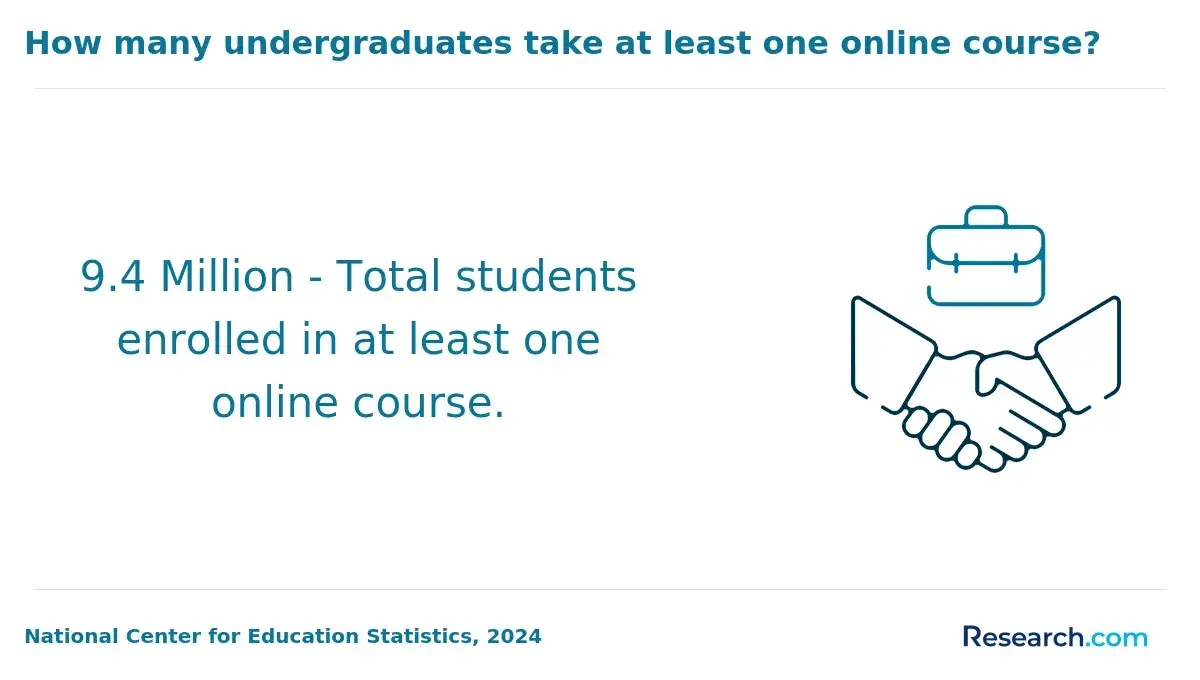
Recent data from the National Center for Education Statistics shows a 35% increase in adult enrollment in online STEM programs since 2022, reflecting shifting demands for flexible, career-advancing education. This shift challenges students to identify programs that balance rigorous scientific training with adaptable delivery. This article evaluates online forensic science degrees focused on building forensic chemistry expertise to guide effective educational investment decisions.
Key Things You Should Know
- Online forensic science degrees focused on chemistry require extensive virtual lab simulations, which reduce hands-on experience by 25% compared to on-campus programs, potentially limiting immediate job readiness at forensic labs.
- Employers show a 17% preference for graduates from programs with direct industry partnerships documented in the Forensic Technology Center of Excellence 2024 survey, impacting hiring prospects based on program selection.
- Median completion costs for accredited online forensic chemistry tracks average 12% lower than traditional routes per National Center for Education Statistics 2024, but extended timelines for part-time learners increase opportunity costs.
What is an online forensic science degree?
Online forensic science degree programs offer technically equivalent instruction to traditional formats but require deliberate navigation of practical training challenges, particularly for students developing specialized forensic chemistry skills. In 2025, there were 255 campus-based forensic science degrees globally, yet online programs often must supplement asynchronous theory with local or hybrid lab experiences to meet employer expectations for hands-on chemical analysis.
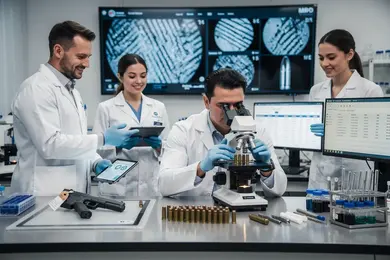
Most programs integrate essential competencies such as analytical chemistry methods, toxicology, chromatography, and instrumentation. However, purely online coursework without supervised practicums risks leaving gaps in forensic chemistry skills development critical to roles in crime labs and legal contexts.
For instance, a chemist shifting to forensic applications should verify if their online degree includes partnerships that provide lab access or external internships because real-world evidence handling and chain-of-custody protocols cannot be fully replicated digitally.
Employers prioritize candidates who demonstrate practical chemical analysis and clear understanding of forensic workflows, including expert witness communication. Well-structured online forensic science degrees recognize these demands and embed training beyond theory - such as forensic report writing and legal standards - to strengthen graduate marketability.
Students seeking to pivot or progress in forensic science must therefore weigh accessibility against the logistical complexity of obtaining physical lab experience and specific certifications. Those evaluating flexible paths should also consider financial feasibility and program affordability, for which resources like online master's forensic psychology listings may offer relevant comparative insight.
Which online forensic science degrees build forensic chemistry skills?
Choosing online forensic science degrees with forensic chemistry specialization demands scrutiny beyond coursework titles. The distinction lies in the integration of rigorous chemistry training with forensic applications, which directly affects employability and on-the-job effectiveness. Employers place a premium on candidates who can operate advanced instruments, interpret toxicological data precisely, and handle chemical evidence with minimal retraining.
Programs focusing purely on forensic principles without a solid chemistry foundation risk leaving graduates underprepared for core forensic lab tasks. This gap becomes critical during forensic casework, where chemical assay accuracy influences legal outcomes. The best online forensic science programs for forensic chemistry skills incorporate hands-on lab work through hybrid models, virtual simulations, and partnerships with physical lab sites to meet these demands.
The U.S. Bureau of Labor Statistics predicts a 13% job growth rate for forensic technicians and chemists through 2032, ahead of the national average. This growth means programs must evolve their curricula to include practical chemical analysis skills alongside case-based forensic problem-solving.
For professionals making a pivot, programs with flexible pacing but uncompromised lab rigor offer pathways that maintain workforce integration while building expertise. Meanwhile, candidates exploring advanced specialization might also assess complementary options like a data science PhD online to expand analytical capabilities applicable to complex forensic data interpretation.
Are online forensic science programs accredited?
Accreditation is the defining filter shaping whether an online forensic science degree carries weight in hiring or licensure decisions. Regional accreditation by bodies such as the Higher Learning Commission is standard, but few fully online forensic science programs hold specialized accreditation from the Forensic Science Education Programs Accreditation Commission (FEPAC) due to its emphasis on hands-on labs not easily replicated online.
This distinction matters because jobs like crime scene technicians and forensic chemists-earning national averages of $43,485 and $74,913 respectively. Students pursuing accredited online forensic science programs in the US must scrutinize both institutional and programmatic accreditation to avoid degrees that limit career mobility, especially in public-sector forensic labs or federal positions where degree legitimacy is tightly regulated.
Online formats offer schedule flexibility but may lack access to in-person internships or practical experience, potentially requiring supplemental arrangements to remain competitive. Practical career impact hinges on verifying accreditation status through the U.S. Department of Education's database and aligning curriculum standards with employer expectations.
For those evaluating this pathway, complementing theoretical instruction with hands-on skills is critical. Individuals seeking interdisciplinary options might also consider related fields such as nutritional science, which can be explored by visiting programs like nutrition school online.
What forensic chemistry courses are in online programs?
Aligning course content with actual forensic laboratory demands is key when evaluating forensic chemistry courses in online degree programs. Candidates who overlook the depth of instrumental analysis-chromatography and spectroscopy-and quantitative chemical analysis risk limited job preparedness, particularly for toxicology or arson investigations where precise substance measurement is essential.
Programs with strong forensic toxicology and biochemistry modules better equip students to interpret biological evidence and contaminants, which often determine case outcomes in court. Practical exercises like virtual labs and case studies simulate real-life forensic scenarios, training students in both analytical skills and legal reporting. This prepares learners to meet stringent evidentiary standards, a frequent stumbling block for hires lacking applied experience.
Online forensic chemistry curriculum and course offerings that integrate these practical components contribute directly to employability. From a workforce perspective, forensic scientists nationally average $62,325 annually compared to $74,913 for chemists-a gap influenced by specialization and instrumentation competence. For those pivoting careers or upskilling, selecting programs that emphasize both chemical instrumentation and toxicology improves job prospects and income potential.
Candidates should also assess how well programs balance analytical chemistry theory with practical forensic applications, as insufficient training may hinder eligibility for advanced industry certifications. For those evaluating post-secondary options, understanding what is library science can offer complementary insight into managing forensic evidence documentation, an often underemphasized yet critical aspect of forensic workflows.
Do online forensic science degrees include lab requirements?
Forensic science degrees delivered online in 2026 almost invariably require hands-on laboratory components, limiting fully virtual pathways for forensic chemistry roles. Programs predominantly follow hybrid models, mandating in-person lab hours either at a student's workplace or partner institutions to build competency with essential instrumentation like gas chromatographs and mass spectrometers.
This requirement is non-negotiable for those targeting forensic analyst roles in crime labs or federal agencies, as practical skills are prerequisites for certification and employment. Programs lacking direct lab engagement typically produce graduates less competitive for technical positions.
Students balancing remote study with work face logistical challenges including securing local lab access, coordinating schedules, and managing travel expenses. These practical hurdles combine with the considerable financial burden of forensic chemistry education; for instance, Temple University's Professional Science Master's charges $1,395 per credit for in-state and $1,824 for nonresidents in 2025-2026, additional to incidental costs related to lab work.
- Carefully assess program accreditation and lab requirement clarity
- Evaluate local opportunities for supervised lab experience
- Prepare for increased overall investment beyond tuition
Prospective students should weigh these factors against employer expectations where demonstrated applied proficiency remains essential for long-term employability in forensic chemistry careers.
What are the admission requirements for forensic science programs?
Admission to forensic science programs demands more than a baseline bachelor's degree in chemistry, biology, or a related STEM discipline. A critical reality is that applicants without foundational coursework-such as organic chemistry and molecular biology-face significant hurdles, delaying progress and increasing time and cost before mastering forensic chemistry skills.
For instance, candidates moving from criminal justice backgrounds without prior science credits often require bridge courses that can extend their studies substantially. Graduate admissions commonly require a minimum 3.0 GPA, science faculty recommendations, and a targeted personal statement. While GRE requirements vary, relevant lab or field experience remains a major differentiator.
Employers expect practical competence in analytical methods and crime scene procedures, so prior forensic lab work or research involvement can materially improve both admission prospects and workforce readiness. Pragmatically, applicants should weigh the approximately 12,000 annual job openings and 8.5% projected growth reported by UCF against the intense technical demands and competitive selection.
Admission committees also evaluate candidates' critical scientific reasoning and ethical decision-making capabilities, frequently performing background checks to ensure standards compliance. Understanding these prerequisites and tradeoffs is essential for setting realistic expectations about program duration, cost, and labor market entry in forensic science fields.
How long do online forensic science degrees take and cost?
Completing a forensic science degree online demands a strategic balance between time investment, cost, and career objectives, with clear distinctions in qualifications tied to responsibility levels in the workforce. Bachelor's degrees, typically requiring four years full-time, often limit graduates to technician roles, which offer constrained advancement without further education. Accelerated or part-time options can extend timelines but may be necessary for working students.
Master's degrees take about two years beyond the bachelor's and are often prerequisites for management or supervisory positions in forensic labs. These programs provide essential chemistry expertise that employers emphasize for leadership roles. For those currently employed, online master's programs offer scheduling flexibility but can prolong completion due to workload conflicts.
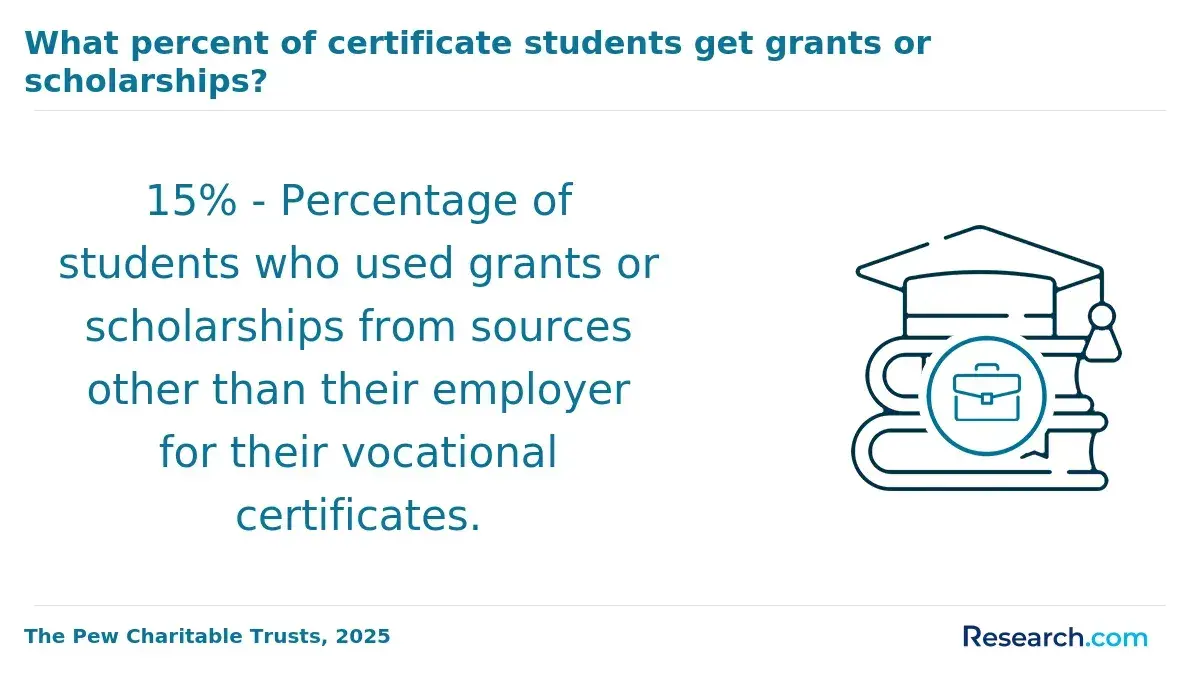
Access to financial aid or employer tuition reimbursement is frequently critical, given tuition ranges from $20,000 to $50,000. Doctoral studies, spanning three to five years past the master's level, target advanced research or directorial roles but often require substantial funding or self-supporting costs upwards of $30,000.
Not pursuing advanced degrees typically confines practitioners to lower-tier lab roles, with limited upward mobility. In practical terms, selecting a program with rigorous chemistry integration is non-negotiable when targeting forensic lab leadership, where demonstrated academic rigor directly impacts employability and job performance.
What jobs can you get with a forensic science degree?
Graduates with a forensic science degree face a competitive landscape requiring advanced lab skills and adaptability to evolving job demands. Positions such as forensic chemist, toxicologist, and crime lab analyst necessitate expertise in chemical analyses-including chromatography and mass spectrometry-conducted under strict chain-of-custody standards.
Employers across law enforcement, pharmaceuticals, and environmental sectors emphasize verified practical experience and legal procedural knowledge. Applicants must contend with operational challenges like managing sample backlogs while delivering timely, defensible results. The integration of digital data analytics into forensic chemistry compels continuous skill development beyond foundational degree requirements.
Workforce data from the Department of Labor indicate an 8% growth in forensic roles over four years, yet this demand intensifies competition, often favoring candidates with postgraduate credentials or specialized certifications. Regional disparities notably affect employment and costs. Successful entry also depends on targeted internships emphasizing instrument calibration and evidence documentation, plus networking with forensic professionals to overcome market saturation.
- Rigorous lab proficiency combined with legal and procedural compliance is non-negotiable for job readiness.
- Ongoing skill upgrades, including digital analytics, are crucial to remain competitive.
- Geographic and financial tradeoffs heavily influence return on educational investment.
- Strategic internships and local professional connections can yield measurable employment advantages.
What is the salary and job outlook for forensic chemists?
Forensic chemists in the U.S. face varied salary prospects strongly influenced by employer type, geography, and credentials. Median annual pay ranges between $60,000 and $75,000, with starting positions near $50,000 and experienced specialists surpassing $90,000. Federal agencies typically offer higher wages compared to local or state laboratories, where budget limitations restrict pay and hiring frequency.
Private-sector roles in forensic toxicology or consulting demand advanced degrees or certifications but tend to compensate above average. Job market stability is expected, with a projected 7% growth over the next decade driven by expanding needs in law enforcement, legal investigation, pharmaceuticals, and environmental testing.
Entry-level applicants lacking practical lab skills, accreditation, or a clear evidence chain understanding often face longer job searches and reduced salaries. Hence, programs emphasizing applied laboratory experience and professional networking are more aligned with employer expectations than purely theoretical curricula. Students weighing program costs must consider regional demand and potential returns.
For example, out-of-state or private university tuition in the U.S. can be more than double the cost of in-state public tuition. Annual tuition at many public universities averages around $11,000 for in-state students, while private nonprofit universities often charge $40,000 to $45,000 or more per year.
Candidates benefit from assessing how strong hands-on training and internships impact employability within their local job markets, acknowledging that forensic chemistry prioritizes practical proficiency with analytical instrumentation over abstract knowledge.
How do you choose a reputable online forensic science school?
Accreditation is a decisive factor for forensic science programs because recognized accreditation-such as from the Forensic Science Education Programs Accreditation Commission (FEPAC) or regional bodies-directly influences eligibility for federal aid, employer acceptance, and access to professional certification. Graduates from unaccredited programs often face limited licensure opportunities and weaker return on investment.
Curricula must reflect current forensic chemistry demands, including laboratory proficiency, modern analytical instrumentation, and rigorous case documentation skills. Employers specifically seek candidates versed in up-to-date forensic technologies, making hands-on experience essential rather than purely theoretical knowledge.
Flexible credential pathways like graduate certificates or stackable credentials mitigate the financial and time burdens imposed by traditional master's programs. For example, the University of Florida's 12-credit online Graduate Certificate in Fundamentals of Forensic Science offers a compact alternative to 30+ credit master's degrees, allowing working professionals targeted competency gains without extensive time commitments.
Faculty engaged in active forensic chemistry research or consultancy provide real-world insights that sharpen curriculum relevance. Career services partnerships with forensic laboratories and well-structured internships significantly improve job placement prospects.
Program format and technology stability play a critical role in timely completion-technical issues can delay credentialing for online students, impacting workforce entry. Beyond completion, evaluating graduate employment data or third-party reports reveals the program's actual capacity to prepare students for forensic chemistry roles within forensic science agencies and allied sectors.
Other Things You Should Know About Forensic Science
Hands-on experience remains a critical factor despite the online format of many forensic science programs. Employers value graduates who have completed internships, practicums, or partnerships with crime labs because these provide practical skills that cannot be fully replicated in virtual learning environments. When choosing a program, prioritize those that integrate or facilitate real-world lab opportunities or fieldwork to enhance employability.
Yes, online forensic science degrees in 2027 can effectively prepare students for certification exams. Many programs offer comprehensive curricula aligned with industry standards, and provide virtual labs and simulations to enhance practical understanding. However, students might need supplemental hands-on practice to fully meet certification requirements.
Shorter online forensic science degrees often prioritize broad foundational knowledge at the cost of depth in specialized areas like forensic chemistry. Conversely, longer programs with focused forensic chemistry curricula equip students with advanced skills but demand greater time and financial investment. Candidates should weigh their career goals: those aiming for forensic chemistry roles should favor deeper, more comprehensive programs despite the longer commitment.
Most programs require general chemistry I and II, organic chemistry, analytical chemistry, and often biochemistry or instrumental analysis. Some schools also add lab components, usually 6 to 12 semester credits, plus a capstone or internship tied to forensic chemistry applications.
References
- Forensic Science & CSI Schools By State - Degrees & Certification https://www.forensicscolleges.com/usa
- Forensic Chemistry Degree Programs | Forensic Science Online https://www.forensicscienceonline.org/specialty/forensic-chemistry/
- Online Forensic Chemistry & Toxicology Foundation Certificate Course https://www.sifs.in/course-details/forensic-chemistry-toxicology-course
- Forensic Science https://icieducation.com/courses/law-justice/forensics/
- LibGuides: Forensic Chemistry: Resources for Online Learning for Students https://libguides.washburn.edu/c.php
- Forensic chemists: Salary, career path, job outlook, education and more - RaiseMe https://www.raise.me/careers/life-physical-and-social-science/chemists-and-materials-scientists/forensic-chemists/
- Online Forensic Science Degree https://www.aiuniv.edu/degrees/criminal-justice/bachelors-forensic-science
- 2025 Most Popular Online Forensic Science Degrees https://www.onlineu.com/degrees/forensic-science
- Forensic Chemistry https://www.alasu.edu/academics/programs-majors/programs/BS-ForensicScience.php