
2027 How to Become a History Teacher in Nevada: Requirements & Certification

Co-Founder and Chief Data Scientist
Nevada needs qualified social studies and history teachers because many schools are still working through staffing shortages, large classes, and uneven access to experienced educators. In the 2022–23 school year, the state recorded 2,922 teacher vacancies, and social studies classrooms averaged 22 students, exceeding the state’s recommended standards (Nevada Advisory Committee to the U.S. Commission on Civil Rights, 2024). For people who enjoy history, public issues, and working with adolescents, this creates a real opportunity—but only if they understand Nevada’s licensing rules before choosing a degree or certification route.
This guide explains how to become a history teacher in Nevada, including the education requirements, exams, endorsements, reciprocity rules, salary expectations, financial aid options, professional development resources, and career paths beyond the classroom. It is designed for first-time college students, career changers, out-of-state teachers, and current educators considering an additional social studies or history credential.
Quick Answer: How Do You Become a History Teacher in Nevada?
To teach history in Nevada public schools, you generally need a bachelor’s degree, completion of an approved educator preparation program, student teaching or supervised field experience, passing scores on required Praxis assessments, a background check, and a Nevada teaching license with the appropriate social studies or history endorsement. Candidates who already hold an out-of-state teaching license may be eligible for credential review through Nevada’s reciprocity process, but they should expect the state to verify coursework, testing, preparation program completion, and fingerprinting requirements.
Key Things You Should Know About Becoming a History Teacher in Nevada
- Nevada’s teacher workforce needs remain significant, which can create openings for prepared candidates who meet state licensing and endorsement requirements.
- History teachers do more than cover dates and events; they help students evaluate evidence, understand civic institutions, compare perspectives, and connect past decisions to current issues.
- The employment outlook for history teachers in Nevada is described as positive, with projected growth of 15% to 17% through 2030, supported by student enrollment growth.
- Average pay for Nevada history teachers is commonly reported in the $50,000 to $65,000 annual range, though actual earnings depend on district, experience, education level, and location.
- The usual route includes earning a bachelor’s degree in history, social studies education, or education; completing a teacher preparation program; passing Nevada-required exams; and applying for licensure.
- Nevada history teacher requirements
- Scholarships, grants, and loan support for future teachers
- Required certifications and exams for history teachers
- Nevada license reciprocity for out-of-state history teachers
- History teacher salary in Nevada
- Career options for Nevada history teachers
- Inclusive history teaching in Nevada classrooms
- Professional development for history and social studies educators
- Moving from history teaching into related roles
- Nevada job outlook for history educators
- Building interdisciplinary teaching skills
- Using dual certification to improve career flexibility
- Moving from history teaching into school library work
- How Nevada policy changes affect history education
- Teaching history in Nevada private schools
- Mentorship and networking for career growth
- Certification pathways available in Nevada
- Cross-disciplinary certifications for history teachers
- Useful Nevada resources for history teachers
- Whether Nevada is a good place to teach
- Common challenges in Nevada history classrooms
- First steps for becoming a Nevada history teacher
What are the requirements to become a history teacher in Nevada?
Nevada history teachers in public schools must meet both general teacher licensure requirements and subject-area requirements. The exact route depends on whether you are a traditional undergraduate student, a career changer, or a licensed educator coming from another state, but most candidates move through the same major checkpoints.
| Requirement | What it means for aspiring history teachers | Decision point |
| Relevant bachelor’s degree | Complete a bachelor’s program in education, history, social studies education, or a related field. UNLV and UNR offer traditional preparation options that combine content knowledge with pedagogy. | Choose a program that aligns with Nevada licensure and includes teacher preparation, not just history coursework. |
| Educator preparation program | Finish a state-approved teacher preparation pathway that includes instructional methods, classroom management, assessment, and supervised teaching practice. | Ask whether the program leads directly to the Nevada license and endorsement you need. |
| Field experience or student teaching | Complete supervised classroom experience through placements such as internships or student teaching. Districts such as Clark County School District and Washoe County School District may provide structured placement opportunities. | Look for programs with strong district partnerships and mentor support. |
| Required exams | Pass Nevada-required assessments covering general teaching knowledge and history or social studies subject knowledge. | Confirm current test requirements with the Nevada Department of Education before registering. |
| Licensure application | Create an OPAL account and submit transcripts, exam scores, background information, and other documentation for the secondary teaching license. | Start gathering documents early to avoid delays after graduation. |
These steps prepare candidates to join a national workforce of more than 270,455 history teachers while meeting Nevada’s classroom readiness standards. The strongest candidates graduate with both content depth and practical teaching experience, because Nevada schools need educators who can manage diverse classrooms, teach evidence-based historical thinking, and support students with different academic needs.
A Nevada teacher who completed her preparation at UNLV described the transition this way: “I was excited to teach history in Las Vegas, but the route from coursework to classroom practice took real discipline. Student teaching helped me understand lesson planning, pacing, and classroom routines in a way that lectures alone could not. My mentor’s feedback made the first year feel possible, and now I enjoy helping students connect historical events to the issues they see around them.”

Are there grants or scholarships available for aspiring history teachers in Nevada?
Yes. Nevada offers several funding options for future and current educators, and history teacher candidates should review them before choosing a program. Financial aid can affect whether a traditional bachelor’s route, post-baccalaureate preparation program, or graduate-level pathway makes the most sense.
| Funding option | Who it may help | Amount or coverage stated | What to verify |
| Teach Nevada Scholarship (TNS) | Students enrolled in an approved educator preparation program | Can cover up to 75% of tuition, registration, and mandatory fees | Program eligibility, service expectations, deadlines, and whether your preparation route qualifies |
| Nevada Teacher Advancement Scholarship (NTAS) | In-service educators working in a public school for at least two years and pursuing an EPP that leads to a master’s degree in education or a related field | Can provide up to 75% of financial assistance | Employment requirements, eligible graduate programs, and application windows |
| Kenny Guinn Memorial Scholarship | Future teachers preparing for elementary or secondary education in Nevada | $5,000 for four future teachers | Annual availability, selection criteria, and required documentation |
| Nevada Teacher Loan Forgiveness Program | Teachers who serve in designated high-need settings for the required period | Loan forgiveness may reduce education debt | Which schools qualify, required years of service, eligible loans, and renewal rules |
| Local education foundations | Teacher candidates connected to specific Nevada counties or communities | Amounts and requirements vary | County-specific eligibility, essay requirements, recommendation letters, and deadlines |
Do not compare programs by tuition alone. A more expensive program with scholarship eligibility, strong student-teaching placements, and clear licensure alignment may cost less in practice than a cheaper option that requires additional coursework later. Before enrolling, ask the school’s financial aid office and teacher preparation office whether your intended history or social studies pathway qualifies for each award.
Do history teachers need special certifications in Nevada?
Nevada history teachers typically need a Standard License with the correct subject endorsement. For secondary classrooms, that means your preparation must show that you are qualified to teach history or social studies content at the appropriate grade level. A bachelor’s degree is important, but it is not usually enough by itself for public school licensure.
Candidates should expect to complete required assessments, which may include the following:
- Praxis Core Academic Skills for Educators: This assessment checks foundational reading, writing, and mathematics skills expected of teacher candidates.
- Principles of Learning and Teaching: This exam evaluates knowledge of instructional practice, student learning, development, assessment, and classroom management.
- Praxis Subject Area Assessment: This subject test measures whether a candidate has the history or social studies knowledge needed for the endorsement area.
The endorsement matters because districts need assurance that a teacher can handle the content area assigned. History teachers may be asked to teach U.S. history, world history, civics, geography, government, economics, or Nevada-related content depending on district staffing and course schedules.
| Candidate type | Likely certification concern | Best next step |
| Undergraduate student | Whether the degree includes an approved teacher preparation program | Meet with an education advisor before declaring or changing majors |
| History major without education coursework | Needing pedagogy, field experience, and licensure testing | Compare post-baccalaureate or alternative licensure routes |
| Licensed teacher in another subject | Adding a history or social studies endorsement | Ask the Nevada Department of Education what coursework or testing is required |
| Out-of-state history teacher | Transferring credentials into Nevada | Prepare transcripts, test scores, current license documents, and fingerprinting materials |
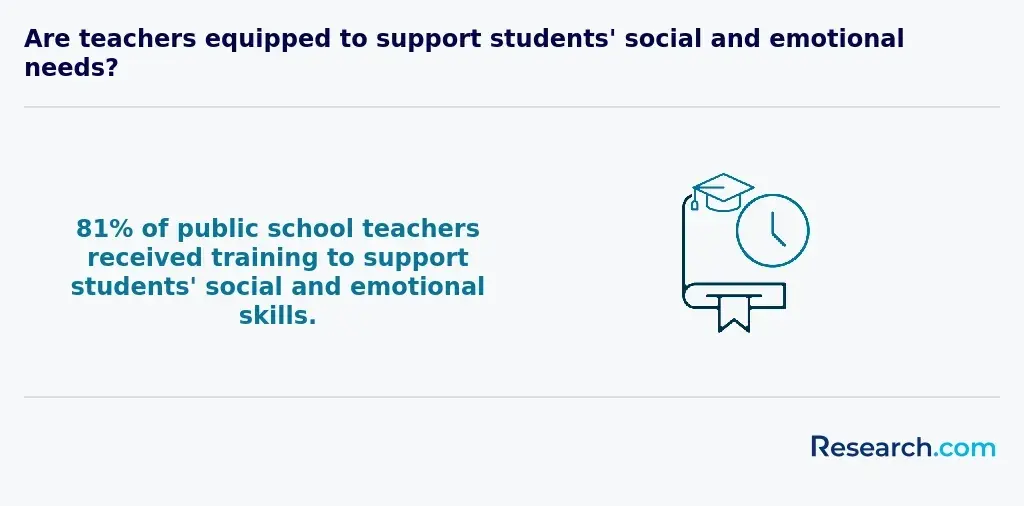
Certification is not only about meeting minimum rules. Nevada classrooms also require teachers who can support social and emotional development, especially in schools facing high student needs. Notably, 81% of public school teachers have received training to support students’ social and emotional skills, a reminder that effective history instruction now includes academic, civic, and classroom climate responsibilities.
One UNLV graduate described the testing and endorsement process as stressful but clarifying: “Preparing for the Praxis exams took time, but it forced me to review both teaching methods and subject knowledge. Receiving the endorsement gave me confidence that I was not just someone who loved history—I was ready to teach it responsibly.”
Is there certification reciprocity for history teachers in Nevada?
Nevada does offer a route for teachers licensed in other states, but reciprocity should not be interpreted as an automatic license transfer. The state reviews each applicant’s preparation, license status, testing record, degree, and background documentation to determine whether Nevada requirements have been met or whether additional steps are needed.
Out-of-state history teachers should be ready to provide evidence of the following:
- A bachelor’s degree from an accredited institution.
- Completion of a state-approved educator preparation program with supervised student teaching.
- Applicable exam scores, including Praxis assessments when required.
- A valid teaching license from another state.
- Completion of background check and fingerprinting requirements.
If you are comparing state licensing systems, reviewing resources such as Florida teaching license reciprocity can help you understand how credential review differs across states. However, Nevada applicants should rely on Nevada-specific instructions before making career or relocation decisions.
A Nevada history teacher who moved through the credential review process summarized the experience this way: “The state did not simply accept everything without review, but the process was manageable once I organized my transcripts, license documents, and testing records. Teaching history in Las Vegas has been worth the effort because students bring such varied experiences into every discussion.”
How much do history teachers make in Nevada?
Nevada teacher pay varies by district, education level, years of experience, credentials, and school type. The starting salary of teachers in the state is around $43,695, while many educators earn up to $61,719. History professors can earn as much as $85,730, and most educators in higher education have an annual income of $95,353 (U.S. Bureau of Labor Statistics, 2024; National Education Association, 2024).
| Role or category | Salary figure stated | Important context |
| Starting teachers in Nevada | Around $43,695 | Actual starting pay depends on district salary schedules and credentials. |
| Many Nevada educators | Up to $61,719 | Experience, education level, and district placement can affect earnings. |
| History professors | As much as $85,730 | College-level roles usually require advanced degrees and are not the same as K–12 teaching jobs. |
| Most educators in higher education | Annual income of $95,353 | Higher education pay varies by institution, rank, discipline, and appointment type. |
When evaluating pay, look beyond the headline salary. Public school compensation often includes benefits, retirement contributions, paid leave, and salary lane increases for graduate coursework or additional credentials. Private schools and higher education institutions may use different compensation models.
- Education level: Advanced degrees and approved additional credentials may place teachers on higher salary lanes.
- Experience: District schedules usually reward additional years of service.
- Employer type: Public districts, private schools, charter schools, and colleges may calculate pay and benefits differently.
- Location: Urban and high-need areas may offer different opportunities, workloads, and cost-of-living realities.
If you are comparing teaching across states, resources such as Louisiana student teaching requirements can help you understand how preparation rules and early-career expectations differ, but Nevada salary decisions should be based on local district schedules and current job postings.
What career paths are available for history teachers in Nevada?
A Nevada history teaching license can support more than one career direction. Many educators remain in middle or high school classrooms, while others move into curriculum, administration, museums, consulting, or higher education after gaining experience or earning advanced credentials.
| Career path | What the role involves | When it may be a good fit |
| High school history teacher | Teaches courses such as U.S. history, world history, Nevada history, civics, or related social studies subjects in districts such as Clark County School District or Washoe County School District. | Best for educators who enjoy daily classroom instruction and long-term student relationships. |
| Curriculum coordinator | Develops, reviews, and supports implementation of history and social studies curricula for schools, districts, or education agencies such as the Nevada Department of Education. | Best for teachers who like instructional design, standards alignment, and teacher support. |
| Educational consultant | Advises schools or organizations on history instruction, assessment, civic learning, and professional development. | Best for experienced teachers with strong communication skills and a record of classroom success. |
| University lecturer or professor | Teaches college-level history courses at institutions such as the University of Nevada, Las Vegas, or Nevada State College. | Best for educators who plan to pursue graduate study and academic specialization. |
| School administrator | Moves into roles such as assistant principal or principal, where the work shifts toward supervision, school operations, and instructional leadership. | Best for teachers interested in broader school decision-making and leadership credentials. |
| Museum educator or historian | Creates public programs, school partnerships, exhibits, or learning materials for museums and historical organizations such as the Nevada Historical Society. | Best for teachers who want to connect public history with community education. |
Some history teachers also explore careers outside education. Comparing adjacent fields, including non-teaching paths such as jobs in interior design, can help career changers think more clearly about work environment, income expectations, and transferable skills. For most licensed history teachers, however, the most direct opportunities remain in education, curriculum, civic learning, and public history.
This chart compares the wages of history teachers with pay in a related field.
How can history teachers in Nevada promote inclusive learning?
Inclusive history instruction is especially important in Nevada because students bring different cultural backgrounds, languages, family histories, and community experiences into the classroom. Good history teaching helps students see themselves in the curriculum while also requiring them to examine perspectives beyond their own.
Use Nevada history as an entry point
Local history can make national and global events more concrete. Lessons may draw on Indigenous histories, the development of Las Vegas, mining, migration, the Hoover Dam, labor history, and civil rights movements. When students understand that major historical forces affected their own communities, participation often becomes more meaningful.
Teach with multiple perspectives and primary sources
History teachers should avoid presenting a single dominant narrative as the whole story. Primary documents, oral histories, maps, images, court records, speeches, and local archives can help students compare how different groups experienced the same event. Including African American, Latinx, Asian American, Indigenous, immigrant, and working-class perspectives strengthens historical accuracy and student engagement.
Support multilingual learners
History can be vocabulary-heavy, which creates barriers for multilingual learners. Teachers can use visuals, timelines, sentence frames, bilingual resources, glossaries, and structured discussion routines to help students access complex content without lowering expectations. Connecting global events to students’ family or community experiences can also improve comprehension.
Use technology to improve access
Digital archives, interactive maps, captioned videos, translation tools, screen-reader compatible materials, and virtual museum resources can make history content more accessible. Technology should support inquiry and evidence analysis, not simply replace reading or discussion.
Facilitate careful discussions about justice and power
History classes naturally involve debates about rights, inequality, economic change, land use, environmental impact, and civic responsibility. Teachers should establish norms for respectful discussion, require evidence-based claims, and help students distinguish between historical interpretation and unsupported opinion.
One Nevada educator explained the impact of a more inclusive curriculum this way: “When I added more local history and more voices from different communities, students who had been quiet started participating. They were not just memorizing events; they were asking who was included, who was left out, and why those choices still matter.”
If cost is a major concern while you prepare for licensure, Research.com’s guide to the cheapest way to get teaching credential in Nevada can help you compare lower-cost routes while still keeping licensure alignment in focus.
What professional development opportunities are available for history teachers in Nevada?
Professional development helps history teachers keep lessons current, improve classroom practice, and respond to changing student needs. In Nevada, useful opportunities often combine content knowledge, civic learning, inquiry-based instruction, and practical classroom strategies.
- National History Day workshops: These sessions help teachers design inquiry-based lessons using historical evidence, artifacts, research questions, and student projects.
- Nevada Center for Civic Engagement virtual resources: Programs such as Ask the Expert can connect teachers and students with history and civics specialists through virtual learning experiences.
- Civic participation programs: Activities such as KidsVention and the Student Mock Election help teachers connect government, elections, public issues, and student voice.
- Student Skills Bootcamp: Programs that prepare students for events such as the Nevada District Invitational can support presentation, argumentation, research, and question-response skills.
| Professional development need | Helpful activity | Classroom benefit |
| Making history more inquiry-based | National History Day workshops | Students learn to ask stronger questions and use evidence more carefully. |
| Strengthening civics instruction | Student Mock Election and KidsVention | Students connect history and government to current public life. |
| Expanding content knowledge | Ask the Expert sessions | Teachers bring specialist insight and virtual field experiences into lessons. |
| Improving student communication | Student Skills Bootcamp | Students practice presenting, defending claims, and answering complex questions. |
A Nevada teacher recalled that early professional development changed her teaching style: “A National History Day workshop helped me stop treating history as a sequence of facts and start building lessons around evidence and questions. Later, virtual expert sessions gave my students access to voices and materials I could not have brought into the classroom on my own.”
Can history teachers successfully transition to related fields in Nevada?
Yes. History teachers develop skills that transfer well to curriculum design, instructional coaching, museum education, educational consulting, academic advising, policy work, and research-heavy roles. Their strengths often include explaining complex information, evaluating sources, leading discussions, writing clearly, and designing learning experiences.
Teachers who want to remain in student-centered work but move into a specialized support area may also explore other education and service professions. For example, Research.com’s guide on how to become a speech pathologist in Nevada explains a different pathway focused on communication and student support. Such a move usually requires additional education and credentialing, so it should be planned carefully rather than treated as a quick lateral transfer.
What is the current teacher job outlook for history educators in Nevada?
Nevada’s demand for teachers is shaped by enrollment patterns, district vacancies, teacher turnover, and efforts to recruit and retain educators. For history teachers, the outlook is considered favorable, especially for candidates who are licensed, flexible by grade level, willing to work in high-need schools, or able to add related endorsements.
The broader teacher job outlook can help candidates compare education careers, understand hiring trends, and think about long-term advancement. Still, aspiring history teachers should review current district postings because openings can vary by location, school level, and endorsement area.
How can history teachers expand their interdisciplinary teaching skills in Nevada?
History teachers become more valuable when they can connect social studies to reading, writing, economics, geography, statistics, media literacy, and civic reasoning. Interdisciplinary teaching helps students analyze evidence, interpret maps and charts, build arguments, and evaluate how economic or scientific developments affected historical change.
Teachers interested in widening their endorsement options may compare history with other subject routes. For example, learning how to become a middle school math teacher in Nevada can help educators understand the preparation required for a very different content area and decide whether an additional certification is realistic.
Can dual certifications enhance career flexibility for history teachers in Nevada?
Dual certification can improve flexibility, especially in districts where staffing needs change from year to year. A history teacher with an additional endorsement may qualify for a wider range of openings, support interdisciplinary programs, or take on mixed teaching assignments. However, extra certification takes time, money, coursework, and testing, so it should match a clear career goal.
Some educators explore endorsements outside the humanities to expand their options. Reviewing the requirements to become a PE teacher can help candidates see how another teaching specialization compares in terms of preparation, job duties, and long-term fit.
Can history teachers transition to school library roles in Nevada?
History teachers may be well suited to school library work because they already teach research, source evaluation, information literacy, and student inquiry. A school library role can allow an educator to support multiple teachers and grade levels while helping students become better readers, researchers, and users of information.
The transition is not automatic, because library positions may require different credentials or preparation. Teachers considering this move should review how to become a school librarian in Nevada and confirm the requirements for Nevada schools before changing programs or leaving the classroom.
How do evolving state policies impact history education in Nevada?
State policy affects history teachers through curriculum standards, accountability expectations, certification rules, instructional materials, assessment priorities, and district-level implementation. When standards or licensing rules change, teachers may need to adjust units, update materials, complete professional development, or provide new evidence of qualifications.
Staying informed matters. History teachers should monitor Nevada Department of Education updates, district communications, professional associations, and licensure notices. Educators who want to understand how certification works across grade levels can also compare requirements in related guides, such as how to become an elementary school teacher in Nevada.
Can history teachers transition to private schools in Nevada?
Yes, but the process can differ from public school employment. Private schools may set their own hiring standards, and some may not require the same state license that public schools require. Even so, many private schools prefer candidates with strong subject knowledge, classroom experience, references, and formal teacher preparation.
Before assuming a private school route is easier, review the private school teacher requirements in Nevada. Candidates should ask each school about expected credentials, course load, class size, curriculum autonomy, benefits, and contract terms.
What mentorship and networking opportunities can enhance career growth for history teachers in Nevada?
Mentorship can make a major difference for new history teachers, especially during the first years of lesson planning, classroom management, grading, and parent communication. Useful networks may include district mentor programs, social studies departments, teacher unions, local history organizations, online educator communities, and professional associations.
Networking should be practical, not performative. New teachers should seek colleagues who can share lesson materials, observe classes, explain district expectations, and provide honest feedback. Educators who want to compare humanities teaching careers may also find value in Research.com’s guide on how to become an English teacher in Nevada.
What certification options are available for history teachers in Nevada?
Nevada offers multiple certification routes depending on a candidate’s background. Traditional teacher preparation is common for undergraduate students, while alternative routes may help career changers or degree holders enter teaching while completing required training. Current teachers may pursue added endorsements to broaden the subjects they can teach.
| Certification route | Who it is usually for | Main advantage | Possible drawback |
| Traditional educator preparation program | Students earning a bachelor’s degree and teacher credential together | Clear structure with coursework, fieldwork, and advising | May take longer for people who already have a degree |
| Post-baccalaureate or alternative pathway | Career changers and graduates with a relevant degree | Can provide a route into teaching without starting a second bachelor’s degree | May require careful planning around coursework, employment, and testing |
| Added endorsement | Licensed teachers who want to teach history or social studies | Can expand teaching assignments and job options | May require additional exams or coursework |
| Reciprocity review | Teachers licensed in another state | Recognizes prior preparation when it meets Nevada standards | Not automatic; additional documentation or requirements may apply |
For a broader explanation of the state’s credential routes, review Nevada teacher certification types and requirements before selecting a program.
Can history teachers enhance their careers through cross-disciplinary certifications?
Cross-disciplinary certification can help history teachers design richer lessons and qualify for more varied roles. For example, combining history with art can support units on visual culture, propaganda, architecture, historical memory, museums, and primary-source analysis through images and objects.
Teachers interested in creative interdisciplinary work may review the requirements to be an art teacher in Nevada. The key question is whether the added credential supports a real instructional or career goal, rather than simply adding another line to a résumé.
What are the best resources for history teachers in Nevada?
Strong history teachers build a toolkit that includes state standards, primary sources, local institutions, civic education programs, and peer networks. Nevada educators should prioritize resources that improve lesson quality and help students practice historical thinking.
- Nevada Department of Education: The state agency provides standards, licensing guidance, accountability information, and professional resources that help teachers align instruction with Nevada expectations.
- OER Project: This platform offers free history curriculum materials for middle and high school classrooms, including resources connected to the World History Project and Big History Project.
- Cultural institutions: Museums and historical sites such as the Nevada State Museum and the Las Vegas Natural History Museum can support field trips, classroom materials, local history lessons, and public history connections.
- Libraries: Local systems, including the Las Vegas-Clark County Library District, can provide archives, historical texts, databases, community programming, and research support.
- Teacher blogs and social media groups: Online educator communities can be useful for lesson ideas, classroom routines, discussion strategies, and peer troubleshooting when used critically.
Teachers can also gain perspective by reading about certification and preparation approaches in other states. For example, Virginia alternative teacher certification may help career changers compare how different states structure nontraditional entry routes, even though Nevada rules should guide Nevada licensing decisions.
Is Nevada a good state to teach in?
Nevada can be a good state for history teachers who want job opportunities, diverse classrooms, and the chance to contribute during a period of education workforce need. It may be less attractive for candidates who are highly sensitive to salary concerns, cost-of-living pressure, or large-classroom challenges. The right answer depends on your financial situation, preferred district, support network, and tolerance for early-career demands.
| Potential advantage | Why it matters |
| Growing job market | From 2020 to 2030, projections include 370 annual job openings for middle school teachers, 540 for high school teachers, and 10 for postsecondary history educators. |
| Support initiatives | Programs focused on retention and professional development can help new educators build skill and stay in the profession. |
| Active teacher advocacy | Organizations such as the Nevada State Education Association can influence working conditions, benefits, and teacher support. |
| Potential challenge | Why it matters |
| Salary pressure | Some educators may compare Nevada pay with opportunities in nearby states such as California or Utah. |
| Cost-of-living differences | The minimum living wage in the state is $70,934, and living costs vary by location. Las Vegas, Henderson, and Reno tend to be more expensive than places such as Boulder, Indian Springs, or Nixon. |
| Teacher diversity gap | Most teachers in the state and nationally are White. In Nevada, 9.5% of teachers are Latino, 6.7% are Black, 3% are Asian, 2% are Multiracial, and 0.9% are Native (EdTrust, 2023). |
A Nevada teacher described the trade-off plainly: “The work can be demanding, especially in the first year, but strong colleagues and professional development helped me find my footing. The financial side is real, but the daily reward comes from watching students realize that history explains parts of their own lives.”
This chart shows the national racial demographic distribution of history teachers.
What are the challenges of teaching history to students in Nevada?
History teaching in Nevada can be meaningful, but candidates should enter the profession with realistic expectations. Staffing shortages, uneven school resources, and diverse student needs can affect daily classroom life.
- Experience gaps in high-need schools: Title I schools often have less experienced teachers than non-Title I schools. Shortages can also lead schools to rely on substitutes who may not have subject-specific preparation, which can affect instructional continuity (Neugeboren, 2024; Nevada Advisory Committee to the U.S. Commission on Civil Rights, 2024).
- Large classes: Higher student-to-teacher ratios can make it harder to give feedback on writing, run discussions, and support students who need additional help.
- Teacher turnover: Frequent staffing changes can disrupt curriculum pacing, department collaboration, and student relationships.
- Diverse academic and personal needs: Nevada teachers may serve students with different language backgrounds, economic circumstances, prior academic preparation, and family responsibilities.
Common mistakes aspiring history teachers should avoid
| Mistake | Why it creates problems | Better approach |
| Choosing a history degree without checking licensure alignment | A history major alone may not include teacher preparation, student teaching, or endorsement requirements. | Ask whether the program leads to Nevada teacher licensure before enrolling. |
| Focusing only on tuition | Low tuition can become expensive if the program does not meet certification requirements or lacks strong placements. | Compare total cost, financial aid, licensure outcomes, testing support, and field experience. |
| Assuming online programs always meet Nevada rules | Some online programs may be designed for another state’s license. | Confirm Nevada approval or transferability in writing. |
| Waiting too long to prepare for Praxis exams | Delayed testing can postpone licensure applications and hiring. | Build exam preparation into your final year or preparation-program timeline. |
| Ignoring classroom management preparation | Strong content knowledge does not automatically translate into effective teaching. | Seek mentor feedback, observe experienced teachers, and practice routines during fieldwork. |
Teachers can learn from other states’ certification systems as well. For example, reviewing the Oklahoma teacher certification test may offer a useful comparison, but Nevada candidates should always follow Nevada’s current requirements.
What are the first steps to becoming a history teacher in Nevada?
If you are just starting, do not begin by picking the cheapest or fastest program. Begin by identifying the license and endorsement you want, then work backward to find programs that meet those requirements.
- Decide what level you want to teach. Most history teacher candidates prepare for middle or high school social studies, but requirements can vary by grade band and endorsement.
- Check Nevada licensure rules. Review Nevada Department of Education guidance and confirm testing, coursework, background check, and application requirements.
- Compare approved preparation programs. Ask whether the program includes student teaching, Praxis preparation, and advising for OPAL application submission.
- Estimate total cost and funding. Include tuition, fees, testing, books, transportation to field placements, and lost work time if student teaching is unpaid.
- Plan for classroom experience early. Tutoring, substitute teaching where permitted, youth programs, museum education, and volunteer work can help confirm whether teaching is the right fit.
- Prepare application documents before graduation. Keep transcripts, test scores, fieldwork records, and identification materials organized.
For a more specific route focused on secondary classrooms, see Research.com’s guide on how to become a high school history teacher in Nevada.
What History Teachers in Nevada Say About Their Careers
- “Teaching history in Nevada gives me the chance to help students see that the past is not distant or abstract. My classes include students with many different backgrounds, and their questions often make discussions richer than anything I could plan from a textbook alone.” - Dylan
- “Nevada’s own history gives me a strong foundation for interactive lessons. When students connect topics such as migration, mining, civil rights, or the growth of Las Vegas to their families and communities, the subject becomes much more alive.” - Angie
- “The best part of becoming a history teacher here has been the collaboration. Other educators have shared strategies, resources, and encouragement, and I value the moments when students tell me they now understand an event or issue in a completely new way.” - Denise
Related Articles for Nearby States
- 2027 How to Become a History Teacher in California: Requirements & Certification
- 2027 How to Become a History Teacher in Oregon: Requirements & Certification
- 2027 How to Become a History Teacher in Idaho: Requirements & Certification
- 2027 How to Become a History Teacher in Arizona: Requirements & Certification
- 2027 How to Become a History Teacher in Utah: Requirements & Certification
- 2027 How to Become a History Teacher in Washington: Requirements & Certification
- 2027 How to Become a History Teacher in Montana: Requirements & Certification
- 2027 How to Become a History Teacher in Wyoming: Requirements & Certification
- 2027 How to Become a History Teacher in Colorado: Requirements & Certification
- 2027 How to Become a History Teacher in New Mexico: Requirements & Certification
Key Insights
- Nevada history teachers generally need a bachelor’s degree, an approved educator preparation program, supervised teaching experience, required Praxis exams, a background check, and the correct license endorsement.
- Do not assume that any history degree will qualify you to teach. The program must align with Nevada’s teacher preparation and endorsement requirements.
- Funding options such as the Teach Nevada Scholarship, Nevada Teacher Advancement Scholarship, Kenny Guinn Memorial Scholarship, loan forgiveness programs, and local foundations can reduce preparation costs for eligible candidates.
- Salary varies by district, experience, education level, and employer type. Candidates should compare salary schedules, benefits, cost of living, and advancement rules before accepting a position.
- Nevada offers opportunity because of teacher demand, but new educators should be prepared for large classes, diverse student needs, turnover pressures, and the realities of high-need schools.
- Additional endorsements, professional development, mentoring, and interdisciplinary skills can improve long-term flexibility for history teachers who want to move into curriculum, leadership, library work, museums, consulting, or higher education.
References:
- EdTrust. (2023, February 23). Teacher Diversity & Equity Policy Scan. https://edtrust.org/rti/educator-diversity/#NV
- National Education Association. (2024). Educator Pay Data 2024. Retrieved September 2024, from https://www.nea.org/resource-library/educator-pay-and-student-spending-how-does-your-state-rank
- Neugeboren, E. (2024, February 4). Analysis: Lower-performing, higher-need schools in Nevada have less experienced teachers. The Nevada Independent. https://thenevadaindependent.com/article/analysis-lower-performing-higher-need-schools-in-nevada-have-less-experienced-teachers
- Nevada Department of Education. (2024). 2023-2024 Nevada at a glance. Nevada Accountability Portal. Retrieved September 2024, from https://nevadareportcard.nv.gov/DI/nv
- Nevada Advisory Committee to the U.S. Commission on Civil Rights. (2024, January). Teacher and Professional Staff Shortages and Equity in Education. https://www.usccr.gov/files/2024-01/teacher-and-professional-staff-shortages-and-equity-in-education-report.pdf
- ONET OnLine. (2024, August 9). History Teachers, Postsecondary. Nevada Employment Trends. Retrieved September 2024, from https://www.onetonline.org/link/localtrends/25-1125.00?st=NV
- U.S. Bureau of Labor Statistics. (2024, April 3). May 2023 state occupational employment and wage estimates - Nevada. Occupational Employment and Wage Statistics. https://www.bls.gov/oes/current/oes_nv.htm
Other Things You Should Know About Becoming a History Teacher in Nevada
To become a certified history teacher in Nevada, candidates must pass the Praxis Subject Assessments for Social Studies: Content Knowledge. This exam evaluates a candidate's understanding of U.S. history, world history, government, and geography. Passing this is a crucial step towards certification.
The Nevada Department of Education issues the teaching license through the Teacher Licensure office and approves educator preparation programs. Applicants must complete a state-approved program, pass required exams, and submit licensure materials to the Nevada DOE for review and issuance.
A Nevada teaching credential is typically valid for five years. To renew it in 2027, teachers must complete continuing education or professional development, which can include college courses or approved in-service training. Renewal applications can be submitted online through the Nevada Department of Education's website.


