
2027 How to Become a Preschool Teacher Assistant in Maryland: Requirements & Certification

Co-Founder and Chief Data Scientist
Becoming a preschool teacher assistant in Maryland is often the first practical step into early childhood education. The role lets you work directly with young children, support licensed teachers, and build classroom experience before deciding whether to pursue a CDA credential, an associate degree, a bachelor’s degree, or teacher licensure. The challenge is that Maryland’s early childhood workforce requirements, employer preferences, background checks, training expectations, and career pathways can be confusing for first-time applicants.
This guide explains what preschool teacher assistants do in Maryland, what education and credentials are commonly expected, how long the process can take, what costs to plan for, and how the role can lead to higher-responsibility jobs in early childhood education. It also covers salary information, job-market signals, professional development, digital classroom skills, and common mistakes to avoid before investing time or money in training.
Quick Answer: How do you become a preschool teacher assistant in Maryland?
To work as a preschool teacher assistant in Maryland, you generally need at least a high school diploma or equivalent, the ability to pass a background check, and employer-required child care training. Many employers prefer candidates who have early childhood coursework, CPR and First Aid certification, and the Child Development Associate (CDA) credential. A CDA can take approximately 6 months to 1 year, and the total cost may range from $1,000 to $2,500 when training, application fees, and assessment costs are included.
| Requirement or Step | What It Usually Means for Applicants | Decision Tip |
| Minimum education | Maryland preschool teacher assistant jobs commonly require a high school diploma or equivalent. | If you are new to the field, start by checking job postings from licensed child care centers and public pre-K programs. |
| Early childhood training | Some employers prefer college coursework in early childhood education or child development. | Choose courses that can later apply toward a certificate, associate degree, or bachelor’s degree. |
| CDA credential | The CDA is nationally recognized and is useful for many preschool assistant roles. | Consider the CDA if you want a job-ready credential without committing immediately to a degree. |
| Safety requirements | Background checks, CPR, and First Aid training are commonly required or preferred. | Ask employers which trainings must be completed before hire and which can be finished after hiring. |
| Career advancement | Assistants can move into lead teacher, pre-K teacher, special education, administration, or training roles with more education and credentials. | Plan your pathway early so credits and credentials build toward your long-term goal. |
Key Things You Should Know About Becoming a Preschool Teacher Assistant
- A CDA credential can often be completed in approximately 6 months to 1 year, depending on the program format, your schedule, and how quickly you finish required experience and assessment steps.
- The expected cost for a CDA credential can range from $1,000 to $2,500, including training, application fees, and exam-related costs.
- Maryland preschool teacher assistant jobs typically require at least a high school diploma or equivalent, while many employers prefer applicants with some early childhood education coursework.
- After completing the CDA process, you receive a nationally recognized credential that can strengthen applications for preschool assistant and child care roles.
- Applicants should also budget for employer screening and safety training. Background checks can cost around $50 to $100, and First Aid and CPR training may add another $50 to $150.
- Maryland reported 63,220 educators and about 1,935.4 teacher vacancies at the start of the 2023-2024 school year, showing why early childhood and school-based support roles remain important in the state’s education workforce.
- Preschool teacher assistant duties in Maryland
- Education options for becoming a preschool teacher assistant
- Certifications and training commonly expected
- Maintaining credentials and staying compliant
- Timeline to enter the field
- Costs to budget for
- Career paths after preschool teacher assistant experience
- Maryland job market and hiring outlook
- Salary expectations in Maryland
- Using digital learning tools with preschool children
- How graduate education may affect advancement
- Future education careers to consider
- Professional growth options in Maryland
- Additional certifications that can expand your options
- Preparing for credential assessments
- Keeping up with Maryland education policy
- Moving into specialized education or child development roles
- Balancing work and continuing education
- Working effectively with parents and guardians
- Using arts and music in preschool learning
- Building digital teaching competencies
What does a preschool teacher assistant do in Maryland?
A preschool teacher assistant helps the lead teacher create a safe, organized, and developmentally appropriate classroom for young children. In Maryland, assistants may work in child care centers, Head Start programs, private preschools, faith-based centers, public pre-K classrooms, and other early learning settings. The exact duties vary by employer, but the role is usually hands-on and child-facing.
| Responsibility | What It Looks Like in a Preschool Classroom | Why It Matters |
| Classroom preparation | Setting up materials, organizing learning centers, preparing supplies, and helping the teacher transition between activities. | Young children learn best when routines are predictable and materials are ready before the lesson begins. |
| Child supervision | Monitoring children during play, meals, toileting routines, outdoor time, arrival, dismissal, and classroom transitions. | Safety and supervision are central responsibilities in early childhood settings. |
| Instructional support | Helping children with songs, stories, early literacy, counting, art, sensory play, fine motor tasks, and social-emotional activities. | Assistants reinforce learning goals and give children more individual attention. |
| Individual support | Working with children who need extra help with communication, self-regulation, peer interaction, or classroom routines. | Early support can help children participate more fully in the classroom. |
| Family communication | Sharing brief updates at drop-off or pick-up when permitted by the lead teacher and center policy. | Consistent communication helps families and teachers respond to a child’s needs together. |
| Documentation and observation | Helping record behavior, participation, developmental milestones, or classroom incidents under teacher direction. | Observation supports planning, family communication, and early intervention when needed. |
The work can be rewarding, but it is not effortless. Preschool assistants must manage noise, movement, emotional needs, short attention spans, safety risks, and frequent transitions. Strong assistants are patient, observant, calm under pressure, and willing to follow the lead teacher’s classroom plan.
Preschool teaching remains a field with a large share of women, as shown in the chart below.
What educational qualifications are needed to become a preschool teacher assistant in Maryland?
The minimum education for many preschool teacher assistant jobs in Maryland is a high school diploma or GED. However, employers may prefer applicants who have formal early childhood training because preschool classrooms require knowledge of child development, safety practices, behavior guidance, family communication, and age-appropriate learning activities.
| Education Option | Best For | Typical Advantage | Trade-Off |
| High school diploma or GED | Applicants seeking entry-level assistant jobs quickly. | Meets the basic education expectation for many roles. | May limit advancement unless paired with training or experience. |
| Early childhood education coursework | Applicants who want stronger job applications without committing to a full degree. | Can build knowledge in child development, classroom routines, and curriculum support. | Individual courses may not always transfer unless chosen carefully. |
| Child Development Associate credential | Job seekers who want a recognized early childhood credential. | Signals practical preparation for preschool and child care settings. | Requires time, documentation, training, and assessment costs. |
| Associate degree in early childhood education | Assistants who want broader preparation and possible advancement. | May improve competitiveness for higher-responsibility roles. | Usually takes more time and costs more than a short credential. |
| Bachelor’s degree in education or teaching | Assistants planning to become licensed teachers. | Can support a move into lead teaching or public school roles. | Requires a longer academic commitment and licensure steps. |
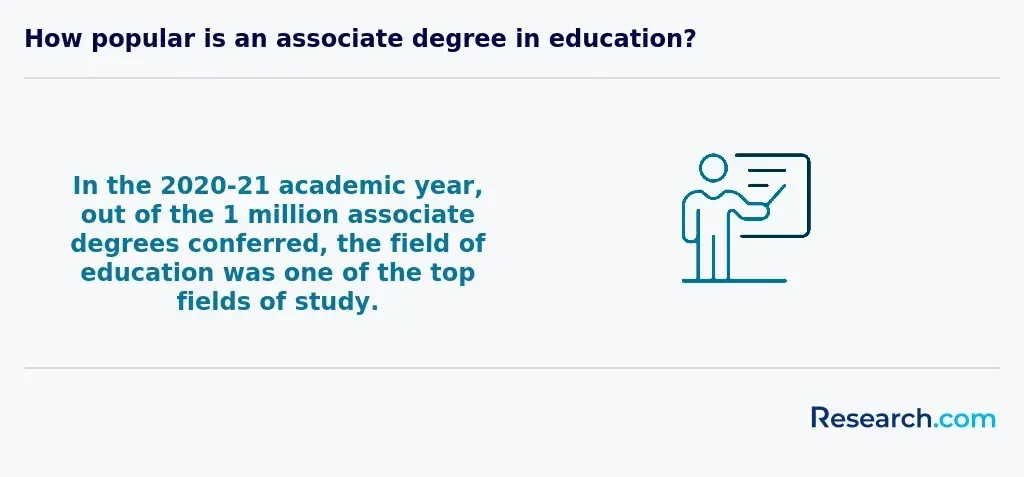
If your long-term goal is to become a licensed teacher, choose education credits carefully. Preschool assistants who want to move into teaching may complete a bachelor’s degree in education, teaching, or a related field. Some also explore an accredited online master’s in teaching after earning a bachelor’s degree, then complete required Praxis exams and apply for teacher licensure.
What certifications are required to be a preschool teacher assistant in Maryland?
Maryland does not require one single statewide “preschool teacher assistant certification” for every assistant role. Instead, requirements depend on the employer, setting, funding source, age group, and job duties. Still, several credentials and screenings are common across preschool and child care workplaces.
- High school diploma or GED: This is the baseline qualification for many assistant-level jobs.
- Child Development Associate credential: The CDA is not always mandatory, but it is widely recognized and can make an applicant more competitive for early childhood roles.
- CPR and First Aid certification: Many employers require or strongly prefer current safety training because assistants help supervise young children throughout the day.
- Background check: Anyone working with children should expect screening requirements before employment or early in the hiring process.
- Employer-specific training: Centers may require orientation, health and safety training, child abuse and neglect reporting training, medication administration training, or other job-specific preparation.
- Professional development: Ongoing training helps assistants keep up with changes in early childhood practice, classroom technology, inclusion, and child guidance.
CDA vs. Degree: Which path makes more sense?
| Path | Choose This If... | Consider Another Path If... |
| CDA credential | You want a recognized credential that can support child care and preschool employment without immediately pursuing a degree. | You know you want a licensed public school teaching role that requires a bachelor’s degree and licensure. |
| Associate degree | You want deeper early childhood preparation and may later transfer credits toward a bachelor’s degree. | You need the fastest possible entry into work and cannot commit to college coursework yet. |
| Bachelor’s degree | You plan to become a lead teacher, public school teacher, or pursue licensure. | You are still testing whether early childhood education is the right field for you. |
How do you maintain your preschool teacher assistant certification in Maryland?
Because preschool assistant requirements can vary by setting, the best way to stay compliant is to track your employer’s training requirements and any credential renewal rules that apply to you. If you hold a CDA or another credential, follow that credentialing body’s renewal process. If your employer or Maryland program standards require ongoing training, keep records before deadlines arrive.
- Complete required professional development: Maryland requires preschool teacher assistants to complete a minimum of 12 hours of professional development every two years. Training may include workshops, conferences, online modules, college coursework, or employer-approved sessions.
- Submit renewal documents on time: If a credential renewal is required, gather proof of training hours, employment verification, fees, and any required forms before the expiration date.
- Keep background checks current: Maryland educators and child care workers may need periodic screening. Ask your employer how often renewal is required and who pays the fee.
- Save all records: Keep copies of certificates, transcripts, CPR cards, First Aid cards, training logs, and background check documentation.
- Monitor state and employer updates: Early childhood regulations and training expectations can change, so review guidance from your employer and the Maryland State Department of Education.
How long does it take to become a preschool teacher assistant in Maryland?
The timeline can range from a few months to one or two years depending on the job you want, the credential you choose, and whether you already have experience with young children. Entry-level assistant jobs may be available sooner, while CDA completion, college coursework, and supervised experience can lengthen the process.
| Stage | Estimated Time | What to Do |
| Meet basic education requirement | Varies by applicant | Complete a high school diploma or equivalent if you have not already done so. |
| Complete early childhood coursework | Approximately four to six months for at least six semester hours, depending on course load | Look for approved early childhood courses through community colleges, online providers, or employer-recommended training options. |
| Earn a CDA credential | Approximately 6 months to 1 year | Complete training, document experience, prepare your portfolio, and finish the assessment process. |
| Gain supervised experience | Often up to one additional year | Use internships, volunteering, part-time child care work, or assistant positions to build experience with preschool-aged children. |
| Complete hiring requirements | Several weeks | Prepare for background checks, health and safety training, CPR, First Aid, and employer onboarding. |
If you are comparing state requirements because you may relocate, do not assume Maryland and other states use the same process. For example, applicants considering the West should separately review the requirements for teaching in Nevada before making education or licensure plans.
What is the average cost of becoming a preschool teacher assistant in Maryland?
The cost depends on whether you pursue short-term training, a CDA credential, college coursework, or a degree. Applicants should budget beyond tuition because background checks, safety training, books, transportation, and unpaid fieldwork can affect the total cost.
| Expense | Estimated Cost Stated in This Guide | How to Control the Cost |
| CDA credential pathway | $1,000 to $2,500 | Ask whether your employer, local workforce program, or scholarship provider helps pay for training or assessment fees. |
| Community college or university tuition | $3,000 to $10,000 per year | Compare in-state tuition, transfer policies, online course fees, and whether credits apply toward a future degree. |
| Room and board | $10,000 to $15,000 annually | Consider local or online options if relocating for school would increase costs. |
| Textbooks and materials | $500 to $1,000 per year | Use library reserves, rentals, used books, or digital materials when allowed. |
| CPR and First Aid training | $50 to $200 for credentialing courses, depending on provider | Ask employers whether they provide training during onboarding. |
| Background checks | Around $50 to $100 | Confirm whether the employer reimburses or covers the screening fee. |
Questions to ask before paying for training
- Is the program accepted by Maryland employers or relevant credentialing organizations?
- Will the course credits transfer into an associate or bachelor’s degree later?
- Are background check, CPR, First Aid, books, and assessment fees included in the advertised cost?
- Does the program include supervised experience with preschool-aged children?
- Can you complete training while working part time or full time?
- Does the school or employer offer payment plans, scholarships, tuition assistance, or reimbursement?
What career paths are available for preschool teacher assistants in Maryland?
Preschool teacher assistant experience can lead to several education and child development roles. The best next step depends on whether you want to stay in classroom support, become a lead teacher, work with children with disabilities, move into administration, or teach older students.
| Career Path | What the Role Involves | Likely Next Requirement |
| Child care teacher | Plans and leads age-appropriate learning activities in a child care or preschool setting. | Additional early childhood training, CDA, or employer-required credentials. |
| Child care center administrator or director | Supervises staff, manages compliance, communicates with families, and oversees daily operations. | Experience, leadership training, and administrative qualifications. |
| Early childhood special educator | Supports young children with disabilities or developmental delays in inclusive or specialized settings. | Special education coursework, certification, or licensure depending on role. |
| Public school pre-K teacher | Leads instruction in a public prekindergarten classroom. | Additional education, Praxis exams, and teacher licensure. |
| Professional development trainer | Trains early childhood educators in classroom practice, compliance, curriculum, or child development. | Experience, specialized knowledge, and often advanced education. |
| Childcare referral consultant | Helps families understand child care options, quality indicators, and local resources. | Knowledge of early childhood systems, regulations, and family support services. |
| Community college instructor | Teaches adults preparing for child care or early childhood education careers. | Advanced education and teaching experience. |
If you want to move from preschool assistance into teaching older children, compare degree options early. For example, affordable online elementary education degrees may help assistants prepare for elementary teaching pathways when paired with the correct licensure requirements.
What is the job market for preschool teacher assistants in Maryland?
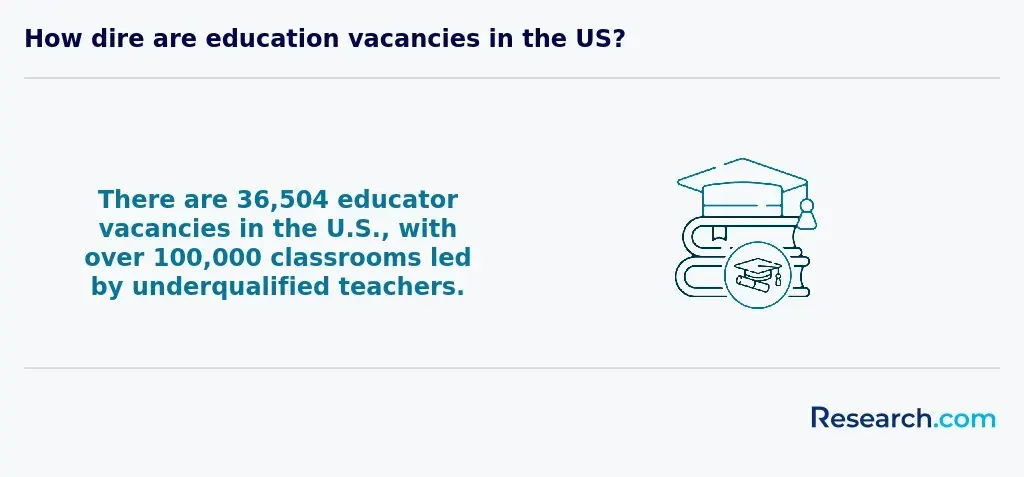
National and state data suggest that classroom support roles remain part of the education workforce conversation. The United States Bureau of Labor Statistics reports 161,900 annual job openings for teaching assistants from 2023 to 2033. Maryland also reported 1,935.4 teacher vacancies at the beginning of the 2023-2024 academic year, according to the Maryland State Department of Education.
Maryland’s education workforce also draws candidates from outside the state. In the 2021-2022 school year, 63% of individuals who qualified for teaching licensure came from outside Maryland, and that share has been progressively increasing in recent years. For applicants, this means Maryland pathways may be relevant even if you are not currently living in the state, but you should confirm current eligibility and documentation requirements before applying.
Preschool assistants who decide to become licensed preschool teachers may explore four-year online bachelor’s degrees in early childhood education. The BLS reports 61,400 annual openings nationally for preschool teachers from 2023 to 2033.
The visual below shows that many preschool teachers work in child daycare organizations.
How much do preschool teacher assistants make in Maryland?
Salary varies by employer, location, education, credentials, experience, schedule, and whether the position is in a child care center, school system, nonprofit program, or specialized setting. According to Talent.com, the median annual salary for preschool teacher assistants in Maryland is $33,150. Salary.com estimates the average annual salary at $39,884, with a range from $35,622 to $45,036.
For broader context, the BLS estimates the average annual salary for teaching assistants nationally at $36,430. The BLS also identifies higher-paying industries for teaching assistants, including technical and trade schools at $54,470, scientific and development services at $44,560, and psychiatric and substance abuse hospitals at $44,360.
| Source or Category | Salary Figure | How to Interpret It |
| Talent.com Maryland preschool teacher assistant median | $33,150 | A useful Maryland-specific benchmark, but individual offers can differ. |
| Salary.com Maryland average estimate | $39,884 | Shows a higher average estimate with a stated range from $35,622 to $45,036. |
| BLS national average for teaching assistants | $36,430 | A national comparison point, not a Maryland preschool-only figure. |
| Technical and trade schools | $54,470 | One of the highest-paying industries listed by BLS for teaching assistants. |
| Scientific and development services | $44,560 | May involve settings outside traditional preschool classrooms. |
| Psychiatric and substance abuse hospitals | $44,360 | Specialized settings may require different experience or training. |
If cost is a major concern and you plan to continue your education, compare budget-friendly online education degrees before enrolling. The lowest tuition is not always the best value, but affordable programs with strong transfer policies can reduce long-term debt.
Is becoming a preschool teacher assistant in Maryland worth it?
For many people, yes—especially if they want classroom experience before committing to a teaching degree. The role can help you learn whether early childhood education fits your strengths, schedule, and long-term goals. It is also a practical entry point for applicants who enjoy working with young children but are not ready to pursue full teacher licensure.
| Potential Benefit | What It Means in Practice | Important Caution |
| Direct experience with children | You learn classroom routines, child guidance, and developmental support by doing the work. | Experience alone may not qualify you for lead teacher or licensed teacher roles. |
| Lower barrier to entry | Many assistant jobs require less education than licensed teaching positions. | Entry-level pay may be limited compared with licensed teaching roles. |
| Flexible pathway | You can start with employment, then add CDA training, college courses, or a degree. | Not all training credits transfer, so ask before enrolling. |
| Career testing | You can confirm whether early childhood education is the right field before investing in a degree. | The work can be physically and emotionally demanding. |
| Advancement potential | Experience can support movement into lead teacher, special education, administration, or teacher licensure pathways. | Advancement usually requires more credentials, exams, or formal education. |
Who should choose this path—and who should consider another option?
| This Path May Fit You If... | You May Want a Different Route If... |
| You enjoy active, hands-on work with young children. | You prefer independent desk-based work with limited noise or movement. |
| You want to enter early childhood education before committing to a degree. | You already know you want a licensed public school teaching role and can start a bachelor’s pathway now. |
| You are patient, observant, and comfortable following a lead teacher’s direction. | You want immediate authority over curriculum, grading, and classroom leadership. |
| You are willing to complete background checks and safety training. | You are not able to meet child care screening or training requirements. |
| You want experience that can support future advancement. | You need a high-salary career immediately and cannot invest in further credentials. |
How can preschool teacher assistants integrate digital learning tools in Maryland?
Digital tools can support preschool learning when they are used carefully, briefly, and with clear developmental purpose. Preschool assistants may help set up interactive displays, use educational apps selected by the teacher, document observations, support communication platforms, or help children practice early literacy and numeracy skills through supervised activities. Technology should not replace play, movement, conversation, art, books, outdoor time, or hands-on exploration.
Assistants who want to strengthen digital curriculum and instructional skills can also look at broader teaching pathways. For example, educators interested in math instruction and technology-supported lessons may review guidance on how to become a middle school math teacher in Maryland.
What impact does earning a Master's degree have on career advancement for preschool teacher assistants in Maryland?
A master’s degree is not required for most preschool teacher assistant jobs, but it can matter for long-term advancement. Graduate study may support movement into curriculum design, early childhood leadership, program administration, teacher preparation, policy, coaching, or specialized instructional roles. It can also deepen knowledge of child development, assessment, family engagement, inclusion, and instructional planning.
Before enrolling, compare the cost of graduate school with the role you want next. If your goal is early childhood leadership or advanced classroom practice, review what graduate study can lead to in what you can do with a master’s in early childhood education.
What future career paths are available to preschool teacher assistants in Maryland?
Preschool teacher assistant experience can lead to several school-based careers. A common next move is elementary teaching, especially for assistants who enjoy classroom instruction and want to work with children beyond preschool. That pathway usually requires additional education, certification steps, and state licensure. If this is your goal, review the elementary school teacher requirements in Maryland before choosing a degree program.
What professional growth opportunities exist for preschool teacher assistants in Maryland?
Professional growth can happen through employer training, college coursework, CDA completion, specialized certifications, mentoring, professional associations, and eventually teacher licensure. Some school districts or child care employers may offer tuition reimbursement or financial support for employees who continue their education, but availability varies by employer.
A practical advancement goal is becoming a certified preschool teacher. If you want to move from assistant duties into a lead teaching role, use this guide on how to become a preschool teacher in Maryland to compare requirements and plan your next step.
How can additional certifications boost career advancement for preschool teacher assistants in Maryland?
Additional credentials can help assistants qualify for specialized responsibilities, especially in areas such as inclusion, behavior support, early intervention, bilingual family communication, infant-toddler care, or special education. Credentials are most valuable when they match the job you want, are recognized by employers, and build toward a larger credential or degree.
If you are interested in supporting children with disabilities, explore the requirements for special education teacher certification in Maryland. This path requires more than assistant experience, but preschool work can provide useful exposure to inclusive classroom practices.
How can preschool teacher assistants prepare for certification exams and credential assessments in Maryland?
Preparation should begin with the official requirements for the credential or license you are pursuing. For a CDA, that means understanding the required training, portfolio, observation, and assessment process. For teacher licensure, it may include degree requirements and Praxis exams. Do not rely only on informal advice from coworkers; requirements can vary by role and change over time.
- Create a study calendar that works around your classroom schedule.
- Use official exam or credential guides before buying third-party materials.
- Join a study group with other early childhood workers if available.
- Save lesson examples, observations, and documentation that may support your credential portfolio.
- Ask your employer whether paid planning time, mentoring, or fee assistance is available.
If cost is the main barrier, compare strategies in this guide to the cheapest way to become a teacher in Maryland before choosing a licensure route.
How can preschool teacher assistants stay updated on evolving state education policies and regulations in Maryland?
Preschool assistants should stay informed because child care rules, training expectations, licensure requirements, and classroom standards can shift. Reliable sources include the Maryland State Department of Education, employer compliance updates, local early childhood networks, professional development workshops, and official credentialing organizations.
Assistants considering roles outside public school settings should also understand how requirements may differ. For example, review how to become a private school teacher in Maryland if you are comparing public, private, and child care-based teaching environments.
How can a preschool teacher assistant transition into specialized roles in Maryland?
Preschool classroom experience can be a useful foundation for specialized child development careers, but most specialized roles require additional education, supervised practice, exams, or licensure. Speech-language pathology is one example. Assistants who become interested in communication development can explore the academic and clinical requirements for an SLP license in Maryland.
How can preschool teacher assistants balance work with continuing education in Maryland?
Many assistants study while working, but success depends on choosing a realistic course load. Asynchronous online courses, evening classes, employer-supported training, and part-time enrollment can make continuing education more manageable. The key is to choose programs that serve your career goal rather than taking random credits that do not transfer.
If you want to strengthen communication, writing, and literacy skills for education or child-focused roles, an affordable online English degree may be worth comparing with early childhood or education degrees. Choose the option that aligns best with your target job.
How can preschool teacher assistants effectively engage with parents and guardians in Maryland?
Family communication is part of effective preschool support, but assistants should follow the lead teacher’s guidance and the center’s policies. Good communication is brief, respectful, specific, and focused on the child’s classroom experience. Assistants can help by sharing routine updates, reinforcing classroom goals, listening to family concerns, and alerting the lead teacher when a deeper conversation is needed.
- Use clear, nonjudgmental language when discussing a child’s day.
- Protect confidentiality and avoid discussing other children.
- Document concerns according to employer policy.
- Share positive observations as well as challenges.
- Support consistency between home routines and classroom expectations when directed by the teacher.
Assistants who want a broader instructional role with young learners may also review the requirements to become a kindergarten teacher in Maryland.
How can integrating arts and music enhance classroom learning for preschool teacher assistants in Maryland?
Arts and music can help preschool children build language, rhythm, memory, motor coordination, emotional expression, and social interaction. Assistants can support the lead teacher by preparing art materials, guiding songs and movement, encouraging safe exploration, and helping children talk about what they create. The goal is not polished performance; it is developmentally appropriate expression and participation.
If you are interested in deeper music instruction beyond preschool classroom support, review how to become a music teacher in Maryland to understand the education and certification pathway.
How can preschool teacher assistants develop digital teaching competencies in Maryland?
Digital teaching skills are increasingly useful even in early childhood settings, especially for documentation, family communication, classroom organization, accessibility tools, and teacher-supported learning activities. Assistants can build these skills through employer training, online professional development, community college coursework, and practice with approved classroom platforms.
If you want to expand into virtual or hybrid instruction later, compare the preparation involved in how to be an online teacher in Maryland.
Common mistakes to avoid
| Mistake | Why It Can Hurt You | Better Approach |
| Assuming Maryland has one universal assistant certification | Requirements can differ by employer and setting. | Check the job posting, employer policy, and state guidance before paying for training. |
| Choosing a program only because it is cheap | Low-cost training may not transfer or meet employer expectations. | Compare recognition, transferability, field experience, and total cost. |
| Ignoring background check and safety training costs | These expenses can affect your budget and hiring timeline. | Ask employers what screenings and trainings are required before your start date. |
| Taking random college courses | Credits may not count toward a CDA, associate degree, bachelor’s degree, or licensure pathway. | Meet with an advisor and map courses to your long-term goal. |
| Assuming online programs meet every requirement | Some roles require in-person experience, supervised practice, or state-specific steps. | Confirm field placement, practicum, and Maryland eligibility before enrolling. |
| Expecting salary outcomes to be guaranteed | Pay depends on employer, location, credentials, schedule, and experience. | Compare current job postings and ask about benefits, hours, raises, and advancement. |
Practical next steps for Maryland applicants
- Search current Maryland preschool assistant job postings and list the most common requirements.
- Confirm that you meet the minimum education requirement or plan how to complete it.
- Decide whether you need short-term child care training, a CDA credential, college coursework, or a degree.
- Ask potential employers whether CPR, First Aid, background checks, and orientation are completed before or after hiring.
- Compare total costs, including tuition, books, training fees, background checks, transportation, and unpaid fieldwork time.
- Choose education credits that can build toward your next goal, especially if you may become a lead teacher or licensed teacher.
- Keep digital copies of all training certificates, transcripts, employment verification, and credential documents.
- Revisit your career plan after 6 to 12 months of classroom experience to decide whether to pursue advancement.
Key Insights
- Maryland preschool teacher assistant roles usually start with a high school diploma or equivalent, but early childhood coursework, CPR, First Aid, background checks, and a CDA credential can improve job readiness.
- The CDA is a strong option for applicants who want a nationally recognized credential without immediately committing to a degree; it can take approximately 6 months to 1 year and may cost $1,000 to $2,500.
- Applicants should plan for more than tuition. Background checks, safety training, books, credential fees, transportation, and field experience can all affect the total cost.
- Preschool assistant work is a useful entry point into early childhood education, but advancement into lead teaching, public school teaching, special education, or administration usually requires additional education or licensure.
- Salary figures vary by source and setting. Talent.com lists a Maryland median of $33,150, while Salary.com estimates an average of $39,884 with a range from $35,622 to $45,036.
- The smartest path is goal-based: choose the CDA if you want near-term employability, an associate degree if you want deeper preparation and transfer potential, and a bachelor’s or graduate pathway if you plan to become a licensed teacher or education leader.
Related Articles for Nearby States
- 2027 How to Become a Preschool Teacher Assistant in Virginia: Requirements & Certification
- 2027 How to Become a Preschool Teacher Assistant in West Virginia: Requirements & Certification
- 2027 How to Become a Preschool Teacher Assistant in Pennsylvania: Requirements & Certification
- 2027 How to Become a Preschool Teacher Assistant in Delaware: Requirements & Certification
- 2027 How to Become a Preschool Teacher Assistant in New Jersey: Requirements & Certification
- 2027 How to Become a Preschool Teacher Assistant in New York: Requirements & Certification
- 2027 How to Become a Preschool Teacher Assistant in Ohio: Requirements & Certification
- 2027 How to Become a Preschool Teacher Assistant in North Carolina: Requirements & Certification
- 2027 How to Become a Preschool Teacher Assistant in Kentucky: Requirements & Certification
- 2027 How to Become a Preschool Teacher Assistant in Connecticut: Requirements & Certification
References:
- BLS (2024, April 3). 25-2011 Preschool Teachers, Except Special Education. BLS occupational employment data for preschool teachers
- BLS (2024, April 3). 25-9045 Teaching Assistants, Except Postsecondary. BLS occupational employment data for teaching assistants
- BLS (2024, August 29). Preschool Teachers. BLS Occupational Outlook Handbook for preschool teachers
- BLS (2024, August 29). Teacher Assistants. BLS Occupational Outlook Handbook for teacher assistants
- Maryland State Department of Education. Careers in Early Childhood. Maryland State Department of Education early childhood careers information
- Talent.com (2024). Preschool Teacher Assistant: Average Salary in Maryland in 2024. Talent.com Maryland preschool teacher assistant salary data
- BLS (2024, April 3). Preschool teacher wage reference. BLS preschool teacher wage data
Other Things You Should Know About Becoming a Preschool Teacher Assistant in Maryland
In 2027, a high school diploma or equivalent is generally sufficient to become a preschool teacher assistant in Maryland. Additional requirements may include background checks and up to 90 hours of early childhood education training, depending on the employer.
Career changers should start by researching Maryland's educational and certification requirements for preschool teacher assistants. Begin with completing any necessary coursework, obtain relevant certification, and gain exposure through volunteering or internships in preschools. Exploring professional development in digital competency will also be valuable.


