
2027 Cheapest Way to Get a Teaching Credential in Wyoming: Requirements & Certification

Co-Founder and Chief Data Scientist
The cheapest way to get a teaching credential in Wyoming depends on your starting point: whether you already have a bachelor’s degree, need to begin college from scratch, hold an out-of-state license, or earned your education outside the United States. The right route can save thousands of dollars, while the wrong one can lead to duplicate coursework, transfer-credit problems, or a license that does not match the subject or grade level you want to teach.
This guide explains the most affordable Wyoming teacher certification pathways, including community college transfer routes, accredited online programs, alternative certification, reciprocity for out-of-state teachers, renewal rules, subject endorsements, and career options. It also highlights the costs candidates often overlook, such as testing, fingerprinting, background checks, student teaching expenses, and professional development credits.
Quick Answer: What Is the Cheapest Way to Get a Teaching Credential in Wyoming?
For many candidates, the lowest-cost path is either an alternative certification route if they already hold a bachelor’s degree, or a community college-to-four-year transfer pathway if they still need to complete a degree. Online coursework can also reduce commuting and housing costs, but only if the program is properly accredited and meets Wyoming Professional Teaching Standards Board requirements.
| Candidate situation | Usually lower-cost option | Best fit | Main risk to check |
| No college degree yet | Start at a Wyoming community college, then transfer to an approved bachelor’s program | Students seeking the lowest tuition for general education and early education coursework | Credits may not transfer cleanly unless planned with both schools |
| Bachelor’s degree in a non-education field | Alternative certification or post-baccalaureate pathway | Career changers who want to teach while completing requirements | The route may be limited by subject area, district need, or eligibility rules |
| Needs flexibility | Accredited online education program with local field placement | Working adults, parents, rural residents, and candidates far from campus | Not every online program satisfies Wyoming licensure requirements |
| Licensed in another state | Apply through Wyoming’s out-of-state credential review process | Teachers relocating to Wyoming | Testing, constitution, transcript, or background-check requirements may still apply |
| Foreign-educated applicant | Credential evaluation plus Wyoming licensure application | Internationally trained educators | Education equivalency, English proficiency, and documentation can add time and cost |
Key Things You Should Know About the Cheapest Way to Get a Teaching Credential in Wyoming
- Alternative certification can be one of the most economical routes for candidates who already have a bachelor’s degree and meet Wyoming’s eligibility requirements.
- Online courses may lower indirect costs such as commuting, relocation, and campus housing, but candidates must verify that the program is accepted for Wyoming licensure.
- Wyoming community colleges can reduce the cost of the first part of a degree, especially for students who plan transfer credits carefully before enrolling.
- Scholarships, grants, district support, and education-focused financial aid can reduce out-of-pocket costs for qualified students.
- Wyoming certification requirements differ by grade level, endorsement area, and applicant background, so candidates should not assume one pathway works for every teaching role.
- Applicants should budget for fingerprinting and background checks, which can cost $50 to $100 depending on the provider.
- How much does it cost to become a teacher in Wyoming?
- Can a foreign applicant get a Wyoming teaching license?
- Can I complete a Wyoming teaching credential online?
- Can I teach in Wyoming with an out-of-state credential?
- How many years do Wyoming teachers need to work before retirement?
- What should I do if my Wyoming teaching credential expires?
- How many units are typically required for a Wyoming teaching credential?
- How much do teachers earn in Wyoming?
- What other education careers are available in Wyoming?
- How can I move into preschool teaching in Wyoming?
- What is the teacher job outlook in Wyoming?
- What does a Wyoming teacher career path look like?
- What should middle school math teachers know in Wyoming?
- How do public and private school teaching jobs differ in Wyoming?
- How do I choose an online education program for Wyoming certification?
- How can subject endorsements strengthen high school teaching options?
- What job placement support is available for Wyoming teachers?
- Which specialized certifications can improve my teaching career?
- How can early childhood specialization support my teaching career?
- What are the requirements for music teachers in Wyoming?
- How can leadership training help Wyoming teachers advance?
- How do I keep up with Wyoming certification changes?
How much does it cost to become a teacher in Wyoming?
The total cost of becoming a teacher in Wyoming varies widely because candidates enter the process with different academic backgrounds. According to the Wyoming Department of Education, the average cost of obtaining a teaching license, including tuition, fees, and examination expenses, can range from $10,000 to $30,000 depending on the route chosen.
The largest cost is usually tuition. Wyoming community colleges average approximately $3,500 in annual tuition, while public universities can cost over $10,000. Candidates who complete lower-division coursework at a community college before transferring to a four-year teacher preparation program may reduce the total degree cost, provided the credits apply toward the final credential.
| Cost category | What it covers | How to reduce it |
| Tuition | Education coursework, general education courses, major requirements, and endorsement preparation | Use community college credits, in-state public options, transfer planning, and financial aid |
| Application fees | Licensure application processing and related administrative steps | Apply only when documents are complete to avoid delays or repeat submissions |
| Fingerprinting and background checks | Required screening before licensure or school placement | Budget early; fingerprinting and background checks may cost $50 to $100 depending on provider |
| Fingerprint processing fee | Mandatory processing for applicants without a current fingerprint record on file | Plan for the required $50 fee if you do not already have an active record |
| Testing | Praxis or other required assessments, depending on pathway and endorsement | Confirm which tests are required before registering and use low-cost preparation materials |
| Student teaching expenses | Transportation, reduced work hours, placement-related costs, and classroom materials | Choose local placements when possible and plan for income changes during unpaid fieldwork |
Several strategies can make Wyoming teacher certification more affordable:
- Start with a transfer plan, not just a cheap school. A low tuition rate helps only if the courses count toward your approved teacher preparation program.
- Compare alternative certification if you already have a degree. Career changers may avoid completing a second full bachelor’s degree if they qualify for an alternative route.
- Use online coursework carefully. Online classes can save money on transportation and housing, but the program must meet Wyoming licensure requirements.
- Apply for education-specific aid. Scholarships and grants for education majors can lower the amount you need to borrow.
- Include living costs in your budget. Wyoming’s cost of living may be lower than in many other states, but housing, fuel, childcare, and unpaid fieldwork can still affect affordability.
If you are comparing certification rules across states, Research.com also explains teacher education requirements in Nevada.
Can a foreigner get a Wyoming teaching license?
Yes. A foreign-educated applicant may pursue a Wyoming teaching license, but the process usually requires additional documentation before the state can determine whether the candidate’s education meets Wyoming standards. The most important step is to confirm equivalency and avoid paying for coursework or tests that may not be required.
Foreign applicants should expect to address the following requirements:
- Credential evaluation: International transcripts and degrees generally need to be reviewed by an approved evaluation service so Wyoming can compare them with U.S. teacher preparation standards.
- English proficiency: Candidates may need to demonstrate English-language ability through a recognized exam such as the TOEFL, depending on their background and documentation.
- Wyoming licensure application: After evaluation and eligibility review, the candidate applies through the Wyoming Professional Teaching Standards Board and submits required materials.
- Testing and endorsement review: Subject-area or pedagogy testing may be required depending on the grade level and teaching field.
- Background screening: Fingerprinting and background-check requirements still apply.
To control costs, foreign-trained educators should gather official records before ordering evaluations, confirm whether translations are required, and ask the licensing office which documents are acceptable. Paying for the wrong evaluation type, incomplete translations, or unnecessary test registrations can make the process more expensive than it needs to be.
Can I get my teaching credential online in Wyoming?
Yes, some candidates can complete much of their teacher preparation online, but an online program must be more than convenient. It must be accredited, aligned with Wyoming licensing standards, and able to arrange field experience or student teaching that satisfies state requirements.
Online teacher preparation can be a strong option for working adults, rural students, parents, and career changers who cannot relocate. However, teaching is a regulated profession, so candidates should verify approval before enrolling.
| Question to ask before enrolling online | Why it matters |
| Is the institution accredited? | Accreditation affects licensure eligibility, transfer credit, employer recognition, and financial aid access. |
| Does the program lead to Wyoming teacher certification? | Some online education degrees are not designed for initial licensure in every state. |
| How are student teaching and field placements arranged? | Wyoming candidates need supervised practical experience, often in a local school setting. |
| Which Praxis or endorsement exams are required? | Testing costs and preparation time vary by subject and grade level. |
| What is the full cost, not just tuition? | Fees, books, technology, travel to placements, and testing can change the real price. |
| Will transfer credits be accepted? | Transfer policy can determine whether a cheaper route actually saves money. |
Candidates who want flexibility should compare online program cost, licensure alignment, student support, and placement assistance. Those exploring broader academic career possibilities can also review Research.com’s guide to careers in higher education.
Can I teach in Wyoming with an out of state credential?
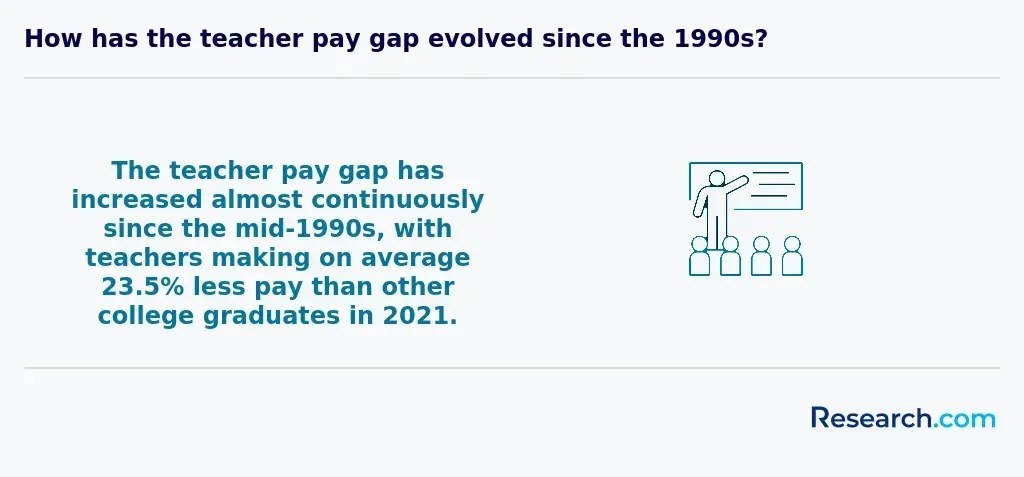
Yes, teachers licensed or prepared in another state may apply for Wyoming licensure, but they must meet Wyoming Professional Teaching Standards Board requirements. Reciprocity does not always mean automatic approval. It means Wyoming reviews your preparation, transcripts, eligibility, and background to determine whether you qualify.
Applicants with out-of-state preparation should be ready to provide:
- Evidence of an accredited teacher preparation program: The program should include appropriate educator preparation and a student teaching component.
- Institutional recommendation for licensure: Candidates may need documentation showing the preparation program recommended them for licensure.
- Eligibility in the preparation state: Even if a license is not required from the state where the program was completed, applicants must generally show they were eligible for licensure there.
- Official transcripts: Wyoming needs official academic records to verify completion of required coursework and degrees.
- Background documentation: Applicants must complete required screening, including submission of two blue FBI fingerprint cards.
- Constitution knowledge: Candidates must demonstrate knowledge of the U.S. Constitution and the Wyoming Constitution.
- Testing review: Some applicants may need Praxis exams or other assessments, although graduates from certain states, such as Arizona, may be exempt from Praxis exams usually required for initial Wyoming licensure.
This route may be cheaper than completing a new Wyoming-based degree, especially for experienced teachers. Still, applicants should confirm requirements before relocating or accepting a job offer. For candidates comparing low-cost graduate preparation options, Research.com’s guide to affordable online master’s degrees in teaching can help with program research.
How many years do you have to teach in Wyoming to retire?
Teacher retirement planning matters when deciding whether the upfront cost of certification is worthwhile. In Wyoming, teachers typically need to serve for at least 25 years to qualify for a pension that replaces about 54% of pre-retirement income. The average annual pension is around $17,125, so many educators may need additional retirement savings to supplement pension income.
Prospective teachers should look beyond the cost of earning the credential and ask how long they plan to remain in the profession. A lower-cost credential route can improve long-term return on investment, especially if the teacher stays in Wyoming long enough to benefit from retirement provisions.
| Career stage | Financial issue to consider | Practical planning step |
| Before certification | Tuition, testing, application, and background-check costs | Choose the least expensive approved pathway for your background |
| Early teaching years | Starting salary, classroom supplies, relocation, and loan repayment | Compare district pay schedules and benefits before accepting a position |
| Mid-career | Professional development, endorsements, and advancement opportunities | Use employer-supported training when available |
| Late career | Pension eligibility and personal savings needs | Review retirement projections before making career or location changes |
Students looking for low-tuition academic options may want to compare affordable online education degrees while also reviewing whether those programs meet licensure expectations.
What happens if my Wyoming teaching credential expires?
If a Wyoming teaching credential expires, the educator may lose the ability to legally teach until renewal or reinstatement requirements are satisfied. An expired credential can also create employment problems, especially if the school district requires active licensure as a condition of classroom assignment.
Renewal usually requires Professional Development or Renewal Credits. For many teaching and administrative credentials, five credits are typically required, but educators should verify the exact rule for their specific license or permit type.
To avoid unnecessary delays or higher costs, teachers should follow a renewal routine:
- Check the license expiration date early. Do not wait until the end of the school year or a contract renewal period.
- Review the renewal instructions tied to your credential. Requirements may differ by license type.
- Plan professional development credits in advance. Workshops, online courses, and approved training can count if they meet state rules.
- Keep documentation organized. Save transcripts, certificates, and proof of completion in one place.
- Submit the renewal application before the deadline. Late action can interrupt employment eligibility and may increase administrative burden.
The main mistake is treating renewal as a last-minute paperwork task. A teacher who waits too long may have to rush into higher-cost professional development or face employment uncertainty while the renewal is processed.
How many units is a Wyoming teaching credential?
Wyoming does not treat a teaching credential as a single fixed number of units for every candidate. The unit total depends on the degree, endorsement area, prior credits, and teacher preparation route. The traditional pathway is usually a bachelor’s degree in education or a related teaching field with an approved preparation program.
- Bachelor’s degree route: Candidates commonly complete approximately 120 to 130 semester units. The program includes general education, teaching methods, educational theory, subject-area content, endorsement preparation, and student teaching.
- Associate degree starting point: An associate degree often requires around 60 to 70 units. By itself, it usually does not qualify someone for full teacher certification, but it can lower costs if credits transfer into a bachelor’s program.
Tuition also varies by residency and institution. In-state tuition at public universities in Wyoming typically ranges from $4,000 to $8,000 annually, while out-of-state students may pay $12,000 to $20,000 per year. Students should also budget for textbooks, materials, field placements, testing, and licensure fees.
The lowest-cost academic plan is not simply the shortest list of courses. It is the plan that moves the student from current credits to an approved teaching credential with the fewest lost credits, repeated courses, and unnecessary fees.
How much do teachers in Wyoming make?
Salary is one of the most important factors in deciding whether a Wyoming teaching credential is worth the cost. The average salary for public school teachers in Wyoming is approximately $68,564, but actual pay can vary by district, experience, education level, endorsement area, and local salary schedule.
- Entry-level pay: New teachers may earn around $38,469.
- Experienced teacher pay: Salaries can exceed $70,000, especially in larger districts or specialized positions.
- Top earners: The highest 10% of Wyoming teachers can earn up to $79,820.
When comparing credential costs against salary, candidates should avoid assuming that the average salary will be their first-year income. A better approach is to review district salary schedules, ask how education credits affect pay, and compare the cost of additional credentials with the actual pay increase they may produce.
| Salary factor | How it may affect pay | Question to ask |
| Years of experience | Teachers often move up salary schedules as they gain experience | How does the district define creditable experience? |
| Education level | Graduate credits or advanced degrees may affect placement on a pay scale | Will additional coursework increase salary enough to justify the cost? |
| Endorsement area | High-need or specialized subjects may improve hiring prospects | Which endorsements are hardest for local districts to fill? |
| District location | Pay and cost of living differ by community | What will take-home pay look like after housing, transportation, and benefits? |
What other education careers are available in Wyoming?
A teaching credential is not the only way to work in education. Wyoming schools and education-related organizations also need counselors, librarians, administrators, instructional support staff, specialists, and student service professionals. Some roles require separate graduate training or licensure, while others may build on classroom experience.
For example, candidates interested in communication development, language disorders, and student support services may explore the path to an SLP license in Wyoming. These careers can appeal to people who want to support learners but do not necessarily want a full-time classroom teaching role.
How can I transition to a preschool teaching career in Wyoming?
Preschool teaching requires a different skill set from upper-grade instruction. Educators working with young children need training in early development, play-based learning, family communication, classroom routines, and age-appropriate assessment.
Candidates moving into preschool education should look for programs that emphasize early childhood development and supervised practice with young learners. Career changers and current educators may also review whether an alternative route or early childhood endorsement fits their background. Research.com provides a dedicated guide on how to become a preschool teacher in Wyoming.
What is the job outlook of teachers in Wyoming?
The job outlook for Wyoming teachers is best described as stable, with demand influenced by retirements, local district needs, population shifts, and subject shortages. Candidates should pay special attention to endorsement areas because employment prospects can differ sharply between subjects and grade levels.
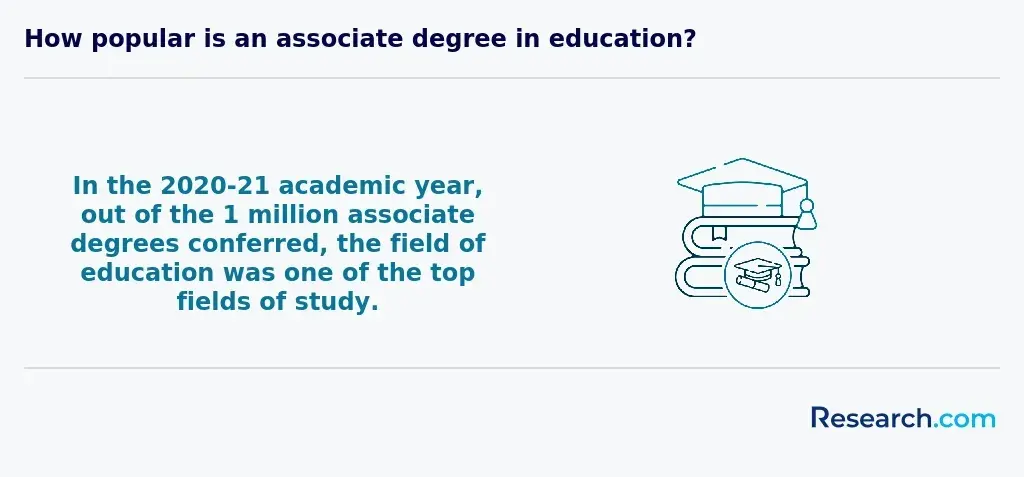
- Salary pressure remains a concern: Teacher salaries in Wyoming have shown limited growth since the 2012-2013 academic year. The ratio of teacher salaries to salaries in comparable professions declined from 96% to 87%.
- Wyoming remains competitive in context: Wyoming teacher salaries are still higher than the national average and above neighboring states, where comparable ratios are around 75%.
- STEM remains an important hiring area: Schools continue to need qualified educators in science, technology, engineering, and mathematics fields.
- Broader wage trends may matter: Wyoming experienced an 11% rise in wages in 2022, and wages for college-educated professionals nationally rose by 7%, which could influence teacher compensation discussions over time.
For job seekers, the practical takeaway is clear: choose an endorsement area with both personal fit and market demand. A low-cost credential is valuable, but it is even more valuable when it leads to a subject area districts actively need.
What is the career path of a teacher in Wyoming?
A Wyoming teacher career can begin in several ways: a traditional bachelor’s degree, an alternative certification route, an out-of-state license review, or an online preparation program. After certification, teachers can remain in the classroom, specialize in a subject or age group, move into leadership, or transition into education-related roles.
| Career stage | Typical focus | Possible next step |
| Pre-service candidate | Completing coursework, exams, field experience, and student teaching | Apply for initial licensure and teaching positions |
| New teacher | Classroom management, lesson planning, assessment, and mentoring | Build effective practice and complete required professional learning |
| Experienced classroom teacher | Instructional improvement, curriculum design, and student outcomes | Add endorsements or mentor new teachers |
| Teacher leader | Coaching, department leadership, professional development, or curriculum support | Move into instructional coaching or school leadership |
| Administrator or specialist | School operations, district programs, policy, or specialized student services | Pursue leadership credentials or graduate training if required |
Affordable routes into the profession include community college transfer coursework, online education programs, scholarships, grants, and alternative certification for eligible bachelor’s degree holders. The best route is the one that fits your existing education, target endorsement, timeline, and budget.
What Are the Key Considerations for Middle School Math Teachers in Wyoming?
Middle school math teachers need more than general teaching ability. They must understand adolescent learners, explain abstract concepts clearly, use classroom technology effectively, and align instruction with Wyoming expectations for mathematics learning.
Candidates considering this field should review endorsement rules, Praxis expectations if applicable, student teaching placements, and local hiring demand. Strong preparation in algebraic reasoning, geometry foundations, data interpretation, and instructional differentiation can make a candidate more competitive. For a more focused breakdown, review Research.com’s guide to middle school math teacher requirements in Wyoming.
What are the differences between public and private school teaching in Wyoming?
Public and private school teaching jobs in Wyoming can differ in licensure expectations, salary structure, curriculum flexibility, class size, benefits, and hiring process. Public school teachers generally must meet state licensure requirements, including approved preparation, testing where required, and background checks. Private schools may have more flexibility, although many still prefer or require credentialed teachers.
| Factor | Public schools | Private schools |
| Certification | State licensure is generally required | Requirements may vary by school |
| Salary | Average public school teacher salary is approximately $68,564 | Often lower because funding models differ |
| Curriculum | Typically tied to state standards and district policies | May allow more institutional or mission-based flexibility |
| Work environment | May offer larger systems, union or district structures, and formal pay schedules | May offer smaller communities, specialized missions, or religious affiliation |
| Best fit | Teachers who want state-recognized employment structures and public benefits | Teachers who value mission fit, smaller settings, or curricular flexibility |
Before choosing a route, candidates should review the hiring standards of the schools they want to work for. Those specifically interested in nonpublic settings can read more about private school teacher requirements in Wyoming.
How Do I Choose the Best Online Education Program for a Wyoming Teaching Credential?
The best online education program is not necessarily the cheapest one. It is the lowest-cost program that is accredited, licensure-aligned, transparent about total expenses, and able to support student teaching or fieldwork in a way Wyoming will accept.
Use this checklist before enrolling:
- Verify accreditation. Confirm institutional and program quality before paying tuition.
- Ask whether the program leads to initial teacher licensure in Wyoming. Do not rely only on national marketing language.
- Confirm field placement support. Online coursework still requires real classroom practice.
- Compare total cost. Include fees, technology, books, testing, travel, and licensure expenses.
- Review transfer credit policy. A generous transfer policy can reduce both time and cost.
- Ask about advising for Wyoming requirements. Strong licensure advising can prevent costly mistakes.
- Look at career support. Placement assistance, resume support, and district partnerships can help after graduation.
For broader program comparisons, Research.com’s guide to online bachelor’s in education programs can help candidates evaluate quality, flexibility, and value.
How Can Subject-Specific Endorsements Elevate High School Teaching in Wyoming?
Subject-specific endorsements can strengthen a teacher’s employment options by showing deeper preparation in a content area. For high school teachers, endorsements matter because students take more specialized courses, and districts need teachers who can handle discipline-specific instruction.
Endorsements may be especially useful for candidates interested in history, math, science, music, special education, or other defined teaching areas. They can also help experienced teachers expand into new assignments without starting from scratch. Candidates interested in social studies or history instruction can review how to become a high school history teacher in Wyoming.
What Job Placement Resources Are Available for Wyoming Teachers?
Teacher candidates should begin job-search planning before completing certification. Wyoming schools, districts, higher education institutions, and public employment resources may offer job boards, recruitment events, career advising, and placement support for new educators.
Useful placement resources may include:
- University or college career centers connected to teacher preparation programs
- District recruitment pages and human resources offices
- Student teaching supervisors and mentor teachers
- State employment resources and education job postings
- Professional networks built during field placements
Candidates who want a step-by-step certification and employment overview can consult Research.com’s guide on how to become a teacher in Wyoming.
What specialized certification options can enhance my teaching career in Wyoming?
Specialized certifications and endorsements can help Wyoming teachers qualify for additional roles, fill high-need positions, or move into more focused instructional areas. The best option depends on current credentials, district needs, and long-term goals.
| Specialization area | Why it may help | Good fit for |
| Subject endorsement | Expands the grade or content areas a teacher may be qualified to teach | Teachers who want more hiring flexibility |
| Early childhood | Builds expertise in developmentally appropriate instruction for young children | Teachers interested in preschool, kindergarten, or early elementary settings |
| STEM-related fields | May align with areas where schools need qualified educators | Candidates with math, science, or technology strengths |
| Leadership preparation | Supports movement into coaching, department leadership, or administration | Experienced educators seeking advancement |
Teachers interested in history or social studies specialization can explore how to become a history teacher in Wyoming for additional subject-specific guidance.
How Can Early Childhood Specialization Strengthen My Teaching Career in Wyoming?
Early childhood specialization can make teachers more effective with young learners and more competitive for roles in preschool, kindergarten, and early elementary classrooms. This area focuses on language development, social-emotional growth, play-based learning, family engagement, and early literacy and numeracy foundations.
Because early childhood roles may have distinct expectations, candidates should verify whether a program’s coursework, practicum, and endorsement pathway match Wyoming requirements. For a focused career guide, see Research.com’s resource on how to become a kindergarten teacher in Wyoming.
What Are the Unique Requirements for Music Teachers in Wyoming?
Music teachers usually need both general educator preparation and subject-specific music competence. That may include training in music theory, performance, vocal or instrumental methods, ensemble instruction, and age-appropriate music pedagogy.
Candidates should check whether their program prepares them for the appropriate music endorsement and any required assessments. Those planning this route can use Research.com’s guide to music teacher education requirements in Wyoming.
How Can Leadership Training Propel My Teaching Career in Wyoming?
Leadership training can help experienced teachers move beyond classroom instruction into mentoring, instructional coaching, curriculum coordination, department leadership, or administrative pathways. These roles often require stronger skills in communication, conflict resolution, data use, team facilitation, and school improvement planning.
Before paying for leadership coursework, teachers should compare the cost with likely career benefits. Ask whether the training is recognized by employers, whether it can count toward renewal or graduate credit, and whether it supports a specific promotion goal. Research.com’s guide to the best online leadership and management courses can help educators compare flexible training options.
How Do I Stay Updated on Changing Certification Standards in Wyoming?
Wyoming teacher certification rules can change, and educators are responsible for keeping their credentials current. Candidates and licensed teachers should monitor official state guidance, save licensure documents, and confirm requirements before enrolling in coursework, testing, renewal activities, or endorsement programs.
Good habits include checking licensing updates before each renewal cycle, reviewing district communications, attending professional development, and keeping copies of transcripts and certificates. For a focused overview, use Research.com’s guide to Wyoming teacher certification requirements.
Common Mistakes That Make Wyoming Teacher Certification More Expensive
- Choosing a program before checking licensure alignment: A cheap degree can become expensive if it does not lead to Wyoming certification.
- Ignoring transfer rules: Community college savings disappear when credits do not apply to the bachelor’s program.
- Looking only at tuition: Fees, testing, books, technology, background checks, transportation, and unpaid student teaching can change the real cost.
- Assuming online always costs less: Some online programs charge significant fees or require travel for fieldwork.
- Waiting too long to renew a credential: Last-minute renewal can create employment risk and rushed professional development costs.
- Choosing an endorsement without checking demand: A credential should match both personal strengths and district hiring needs.
- Relying only on rankings or advertisements: Candidates should verify accreditation, state approval, completion requirements, and student teaching support.
Practical Steps to Find the Lowest-Cost Wyoming Teaching Credential Route
- Identify your starting point. Decide whether you are a first-time college student, transfer student, bachelor’s degree holder, out-of-state teacher, or foreign-trained educator.
- Select your target role. Choose the grade level and subject area before comparing programs.
- Confirm Wyoming licensure requirements. Review official guidance before paying application fees or tuition.
- Compare approved pathways. Look at community college transfer, traditional bachelor’s programs, online programs, alternative certification, and reciprocity if applicable.
- Calculate full cost. Include tuition, fees, testing, background checks, books, travel, student teaching, and lost income.
- Ask about financial aid. Search for grants, scholarships, district support, and education-specific aid.
- Protect transfer credits. Get written confirmation that credits will apply to your intended teacher preparation program.
- Plan testing early. Register only for required exams and use affordable preparation resources.
- Evaluate job prospects. Research districts, endorsement demand, salary schedules, and benefits.
- Keep documents organized. Save transcripts, test scores, fingerprint records, recommendation forms, and renewal records.
Key Insights
- The cheapest Wyoming teaching credential route depends on your background. Career changers with a bachelor’s degree should investigate alternative certification, while first-time students may save by starting at a community college and transferring carefully.
- Wyoming teacher licensure can cost $10,000 to $30,000 when tuition, fees, and exams are included, so candidates should budget beyond tuition alone.
- Community college tuition averages approximately $3,500 annually, compared with over $10,000 at public universities, but transfer planning is essential.
- Online programs can reduce commuting and housing costs, but only accredited, Wyoming-aligned programs should be considered for licensure.
- Applicants should plan for background-check and fingerprinting expenses, including the required $50 fingerprint processing fee when no current record is on file.
- Teacher salaries in Wyoming average approximately $68,564 for public school teachers, with entry-level pay around $38,469 and top earners reaching up to $79,820.
- Out-of-state and foreign-trained teachers may qualify for Wyoming licensure, but documentation, testing, credential evaluation, and constitution requirements can affect cost and timeline.
- The strongest financial decision is not always the cheapest program upfront. It is the pathway that meets Wyoming requirements, minimizes repeated coursework, supports placement, and leads to the teaching role you actually want.
Related Articles for Nearby States
- 2027 Cheapest Way to Get a Teaching Credential in Montana: Requirements & Certification
- 2027 Cheapest Way to Get a Teaching Credential in South Dakota: Requirements & Certification
- 2027 Cheapest Way to Get a Teaching Credential in Nebraska: Requirements & Certification
- 2027 Cheapest Way to Get a Teaching Credential in Colorado: Requirements & Certification
- 2027 Cheapest Way to Get a Teaching Credential in Idaho: Requirements & Certification
- 2027 Cheapest Way to Get a Teaching Credential in Utah: Requirements & Certification
- 2027 Cheapest Way to Get a Teaching Credential in North Dakota: Requirements & Certification
- 2027 Cheapest Way to Get a Teaching Credential in Kansas: Requirements & Certification
- 2027 Cheapest Way to Get a Teaching Credential in Iowa: Requirements & Certification
- 2027 Cheapest Way to Get a Teaching Credential in Nevada: Requirements & Certification
References:
- 240tutoring.com. Praxis test preparation and Wyoming certification information. 240tutoring.com Praxis resources https://www.240tutoring.com/wyoming-teacher-certification/
- Accredited Schools Online. How to become a teacher in Georgia. Accredited Schools Online certification guide https://www.accreditedschoolsonline.org/education/certification/georgia/
- NCES. Report on the Condition of Education 2023. https://nces.ed.gov/pubs2023/2023144.pdf
- NCES. Teacher qualifications. https://nces.ed.gov/fastfacts/display.asp?id=58
- NIRS. Wyoming retirement report. NIRS Wyoming report https://www.nirsonline.org/wp-content/uploads/2017/11/wyoming.pdf
- Salary.com. Public School Teacher Salary in Wyoming. Salary.com Wyoming teacher salary data https://www.salary.com/research/salary/benchmark/public-school-teacher-salary/wy
- TEACH.org. Find your teacher career path. TEACH.org career paths https://www.teach.org/explore/career-paths
- Wyoming Legislature. Labor Market Indicators 2022. Wyoming labor market indicators https://wyoleg.gov/InterimCommittee/2022/02-2022101002-03_LaborMarketIndicators_2022.pdf
- Wyoming Professional Teaching Standards Board. Renewal requirements for Wyoming educator licenses and permits. Wyoming PTSB renewal requirements https://wyomingptsb.com/licensure/renewing-a-license-or-permit/
Other Things You Should Know About Getting a Teaching Credential in Wyoming
Wyoming requires a state and federal fingerprint-based criminal background check through the Professional Teaching Standards Board. Applicants must submit fingerprints and any required clearance materials before a certificate is issued. The check is used to confirm eligibility for teaching certification and can delay processing if incomplete.
To qualify for a Provisional Teaching Permit in Wyoming for 2027, candidates must have at least a bachelor's degree, submit fingerprint cards for a background check, and provide documentation of enrollment in an approved teacher preparation program.


