
2027 How to Become a Preschool Teacher Assistant in Connecticut: Requirements & Certification

Co-Founder and Chief Data Scientist
Becoming a preschool teacher assistant in Connecticut is a realistic entry point into early childhood education, but the requirements can be confusing because they depend on the employer, program type, funding source, and the age group served. Some jobs may accept a high school diploma or GED, while others prefer college coursework, a Child Development Associate credential, or experience in a licensed child care or preschool setting.
This guide explains what preschool teacher assistants do in Connecticut, what qualifications are commonly expected, how long training can take, what costs to plan for, and how to use the role as a stepping stone toward lead teaching, special education, private school teaching, kindergarten teaching, or other education careers. It is written for aspiring early childhood educators, current child care workers, career changers, and students comparing affordable ways to enter the classroom.
Quick answer: How do you become a preschool teacher assistant in Connecticut?
To become a preschool teacher assistant in Connecticut, you generally need at least a high school diploma or equivalent, a completed background check, and the training required by the preschool, child care center, Head Start program, or school district hiring you. Many employers prefer candidates with early childhood education coursework, and aspiring assistants commonly complete a minimum of 12 college credits in early childhood education or a related field. The Child Development Associate credential can also strengthen your qualifications, especially if you want to advance in early childhood education.
| Decision point | What to know in Connecticut |
| Minimum education | A high school diploma or GED is the usual baseline, though many employers prefer college coursework in early childhood education or child development. |
| Common preparation | Candidates often complete at least 12 college credits in early childhood education or a related field. |
| Helpful credential | The Child Development Associate credential is widely recognized and can improve employability. |
| Typical timeline | Completing the needed coursework often takes about 1 to 2 years, depending on full-time or part-time enrollment. |
| Estimated course cost | Students should plan for about $1,500 to $5,000 for required courses, depending on the school and format. |
| CDA assessment cost | The CDA assessment fee may range from $425 to $500. |
Key things to know before you start
- Requirements are not identical across all Connecticut employers. A private preschool, Head Start program, school district, and child care center may set different hiring standards.
- Coursework in early childhood education, child development, classroom management, and inclusive education can make you more competitive than relying on a high school diploma alone.
- Background checks are a core part of working with children in Connecticut, so applicants should be ready for fingerprinting and criminal history review when required.
- If you plan to become a lead preschool teacher later, choose credits that may transfer into an associate or bachelor’s degree instead of taking disconnected training courses.
- Do not assume an online course automatically meets employer, credential, or licensure expectations. Confirm acceptance before paying tuition.
- What preschool teacher assistants do in Connecticut
- Education requirements and recommended training
- Certification and credential options
- How to keep your qualification current
- How long the process usually takes
- Professional development opportunities
- Expected costs and budgeting factors
- Additional certifications that can strengthen your role
- Special education specialization and career growth
- Subject-area certifications and long-term options
- Creative arts training for preschool classrooms
- Financial aid and scholarship options
- Interdisciplinary training for stronger classroom support
- Special education teacher certification in Connecticut
- Affordable routes to teaching credentials
- Moving from preschool assistant to private school teacher
- Using online education for professional growth
- Career paths after preschool teacher assistant roles
- Next steps for advancement
- Connecticut job market outlook
- Salary expectations for preschool teacher assistants
What does a preschool teacher assistant do in Connecticut?
A preschool teacher assistant supports the lead teacher by helping young children learn routines, participate in activities, build social skills, and stay safe throughout the day. In Connecticut, assistants may work in private preschools, child care centers, Head Start programs, public pre-K classrooms, faith-based schools, or early learning programs connected to community organizations.
The work is hands-on. You may prepare materials in the morning, guide small groups during literacy or art activities, help children with transitions, observe behavior, clean and reset learning areas, and communicate basic updates to families under the lead teacher’s direction.
| Responsibility | What it looks like in practice | Why it matters |
| Classroom preparation | Setting up centers, organizing supplies, preparing learning materials, and helping maintain a safe room layout. | Young children learn best when routines and materials are predictable, accessible, and developmentally appropriate. |
| Activity support | Helping children participate in story time, sensory play, music, art, outdoor play, and early math or language activities. | Assistants help the lead teacher keep children engaged while giving smaller groups more attention. |
| Individual support | Assisting children who need extra help with communication, sharing, following directions, toileting routines, or calming strategies. | Early support can help children build confidence and participate more fully in the classroom. |
| Behavior observation | Noticing patterns in peer interaction, frustration, transitions, and attention, then sharing observations with the teacher. | Consistent observation helps the classroom team respond earlier to social, emotional, or developmental needs. |
| Family communication | Relaying simple daily updates when assigned, such as meals, naps, classroom activities, or concerns that need teacher follow-up. | Families benefit from accurate, respectful communication about their child’s day. |
Benefits and challenges of the role
The role can be rewarding because you see children grow quickly and develop foundational language, social, and motor skills. It can also be demanding. Preschool assistants may manage emotional situations, support children with different developmental needs, and work in classrooms where staffing, supplies, or planning time are limited.
- Rewarding aspect: You contribute directly to children’s first school experiences and help create a secure classroom environment.
- Common challenge: High turnover can disrupt classroom consistency, which is especially difficult for young learners who rely on routine.
- Resource issue: Some programs operate with tight budgets, which can affect materials, training access, and staffing coverage.
- Emotional demand: Assistants must stay calm, patient, and responsive even when children are upset, overstimulated, or struggling with transitions.
What educational qualifications are needed to become a preschool teacher assistant in Connecticut?
The minimum educational requirement is usually a high school diploma or equivalent. However, the strongest candidates often go further by completing coursework in early childhood education, child development, child psychology, safety, curriculum planning, behavior guidance, and inclusive classroom practice.
Many Connecticut employers look for applicants who have completed a minimum of 12 college credits in early childhood education or a related field. This can often be completed through a community college, college certificate program, or approved online coursework. Before enrolling, ask whether the credits are accepted by the employers or credentials you are targeting.
| Education option | Best for | Main advantage | Important caution |
| High school diploma or GED | Applicants seeking entry-level aide or assistant openings | Fastest way to qualify for some assistant jobs | May limit access to higher-paying or state-funded program roles |
| Early childhood education certificate | Career starters who want focused preparation without a full degree | Can build practical classroom skills and may include field experience | Confirm that credits transfer if you later pursue a degree |
| Associate degree in early childhood education or child development | Assistants who want stronger advancement options | Provides broader preparation in child development, curriculum, and classroom practice | Takes more time and money than a short certificate |
| Continuing education courses | Current assistants filling skill gaps | Useful for topics such as special needs support, behavior management, CPR, and family engagement | Short trainings may not count as college credit |
Connecticut’s early childhood workforce continues to be shaped by public program enrollment and staffing needs. According to the CT Data Collaborative, Early Head Start and Head Start program enrollment increased by one percent in 2023, rising to 5,662 participants from 5,619 in 2022. That small increase still matters because programs serving young children need qualified staff who understand developmentally appropriate practice.
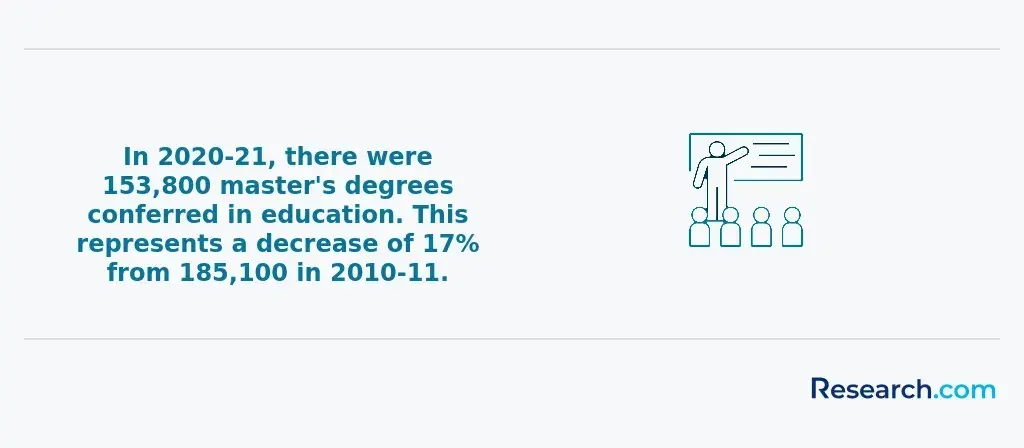
If you are considering a longer education pathway, plan backward from your goal. A certificate may be enough for an assistant role, while lead teacher, special education, kindergarten, or elementary teaching roles usually require more formal education and, in many cases, state certification. If graduate study is part of your long-term plan, you would be joining a large group of education-minded students; 153,800 people received a master's degree in the 2020-21 academic year.
What certifications are required to be a preschool teacher assistant in Connecticut?
Connecticut does not use one single universal certification for every preschool teacher assistant job. Instead, requirements depend on the setting. A licensed child care center, Head Start program, public pre-K classroom, and private preschool may each ask for different combinations of education, training, experience, background checks, and credentials.
The safest approach is to check the exact job posting and ask the employer which credentials they accept. Still, several qualifications are commonly relevant:
- High school diploma or GED: This is the basic education threshold for many assistant roles.
- Early childhood education coursework: College-level classes in child development, curriculum, health and safety, and classroom management can make you more competitive.
- Child Development Associate credential: The CDA is a widely recognized early childhood credential that combines coursework, experience, and assessment.
- Background check: Connecticut requires background screening for people working with children, including fingerprinting and criminal history review when applicable.
- First Aid and CPR certification: This may not be required for every posting, but it is highly useful in preschool and child care environments.
Certification decision table
| Credential or requirement | Is it always required? | When it helps most |
| High school diploma or GED | Usually expected as a minimum | Entry-level assistant and aide positions |
| 12 college credits in early childhood education or a related field | Commonly preferred or expected by some employers | State-funded, structured preschool, and advancement-focused roles |
| Child Development Associate credential | Not always mandatory | Applicants who want a recognized credential without immediately completing a degree |
| Background check | Required for work with children when mandated by the employer or state rules | All child-facing roles where safety screening applies |
| First Aid and CPR | Varies by employer | Child care centers, preschool classrooms, field trips, and emergency readiness |
How do you maintain your preschool teacher assistant certification in Connecticut?
Maintaining your eligibility to work as a preschool teacher assistant is not only about keeping paperwork active. It also means staying current on safety practices, child development research, classroom expectations, and employer policies.
If your position or credential requires renewal, track deadlines early. Connecticut preschool teacher assistants may need to complete at least 18 hours of professional development every three years, depending on the credential or employer requirement. Keep copies of certificates, transcripts, workshop records, and training descriptions so you are not trying to reconstruct your history at renewal time.
- Complete continuing education: Prioritize training in early childhood development, classroom safety, trauma-informed care, special education inclusion, and behavior guidance.
- Save documentation: Keep digital and paper records of training hours, completion dates, and provider names.
- Submit renewal materials on time: If your credential has a renewal process, review the required application and supporting documents before the deadline.
- Keep your background check current: Stay aware of employer and state screening requirements for child-serving roles.
- Stay connected professionally: Organizations such as the Connecticut Association for the Education of Young Children can help you find training, networking, and policy updates.
How long does it take to become a preschool teacher assistant in Connecticut?
The timeline depends on how much education you already have and what type of job you want. Some entry-level assistant jobs may be available soon after you complete the employer’s hiring process and background check. If you need college credits, a certificate, or a CDA, the process usually takes longer.
| Path | Approximate timeline | Who should consider it |
| Apply with a high school diploma or GED | Can be the fastest option after hiring requirements and background checks | Applicants seeking an entry-level classroom support role |
| Complete 12 college credits | Often part of a 1 to 2 years preparation plan, depending on enrollment pace | Applicants targeting stronger preschool assistant opportunities |
| Earn a certificate in early childhood education | Varies by program and schedule | Students who want structured training but are not ready for a full degree |
| Pursue an associate degree | Longer than a short certificate | Assistants who want to move toward lead teacher roles or further education |
As you plan your timeline, think about the age group you prefer. Early childhood educators often focus on preschool-age children; one study found that 46.1% of respondents chose to work with that age group. If preschool is your preferred setting, choose training that emphasizes three- and four-year-old development, play-based learning, early literacy, family engagement, and positive behavior support.
Requirements differ by state, so avoid using another state’s teacher pathway as your only guide. If you are comparing state systems, this overview of Tennessee teaching career requirements can help you see how teacher preparation varies outside Connecticut.
What are the professional development opportunities for preschool teacher assistants in Connecticut?
Professional development can help preschool teacher assistants move from basic supervision tasks to stronger instructional support. In Connecticut, useful training areas include child development, health and safety, classroom management, family communication, social-emotional development, special education inclusion, and culturally responsive teaching.
Look for training through your employer, community colleges, early childhood organizations, Connecticut’s Office of Early Childhood, and credential providers. If your long-term goal is to become a lead teacher, compare your training choices with the pathway described in this guide on how to become a preschool teacher in Connecticut.
How to choose professional development that actually helps
- Start with your job description: Choose training that improves the tasks you perform every day.
- Ask if it counts: Confirm whether the hours apply to renewal, employer requirements, the CDA, or college credit.
- Prioritize transferable learning: College-credit courses may help more if you later pursue a degree.
- Balance compliance and growth: Safety trainings are essential, but so are topics that improve instruction and child engagement.
- Keep a career file: Save certificates, evaluations, lesson plans, and supervisor feedback to support future applications.
What is the average cost of becoming a preschool teacher assistant in Connecticut?
The cost depends on whether you take a short course sequence, a certificate, an associate degree, or additional credentials. Students should also budget for books, transportation, technology, background checks, credentialing fees, and possible unpaid fieldwork time.
| Cost category | Estimated amount stated | How to evaluate it |
| Required early childhood courses | $1,500 to $5,000 | Compare community college, online, and employer-approved options before enrolling. |
| Community college or university tuition | $3,000 to $10,000 per year | Costs vary by public or private institution and by program length. |
| Room and board | $10,000 to $15,000 annually | This may not apply if you study locally or online while living at home. |
| Textbooks and materials | $300 to $600 per semester | Ask whether used books, rentals, library copies, or open educational resources are available. |
| Credentialing fees | $100 to $300 | Confirm which fees apply to your specific credential or employer requirement. |
| CDA assessment fee | $425 to $500 | Budget for the application and assessment if the CDA is part of your plan. |
If you are considering a deeper academic pathway in child development, compare programs carefully and verify accreditation, transfer policies, fieldwork requirements, and total cost. This overview of accredited child development programs may be useful if you are planning beyond entry-level assistant work.
What additional certifications can enhance your role as a preschool teacher assistant?
Additional credentials are most valuable when they match the children you serve and the career path you want. For preschool assistants, the strongest add-ons usually relate to child safety, early intervention, special education inclusion, behavior support, language development, and family engagement.
Some assistants become interested in speech and language support after working with preschoolers who need help communicating. That does not make an assistant a speech-language pathologist, but understanding the pathway to an SLP license in Connecticut can help you decide whether speech-language pathology is a future career goal.
How can advanced specialization in special education enhance my career prospects?
Special education knowledge can make a preschool teacher assistant more effective in inclusive classrooms. Training in developmental delays, communication support, sensory needs, behavior plans, and individualized learning strategies can help assistants collaborate more productively with lead teachers, families, therapists, and special education professionals.
If you eventually want to move beyond assistant roles, graduate-level preparation may support a transition into specialized teaching or leadership. A masters in special education distance learning option may be worth exploring if your long-term goal involves special education expertise.
How can additional subject certifications enhance my career prospects?
Subject-specific credentials are not usually necessary for preschool assistant jobs, but they can matter if you plan to move into elementary, middle school, or specialized teaching later. Strong content knowledge can also improve how you support early numeracy, science exploration, music, movement, and literacy activities in preschool settings.
If you are thinking beyond early childhood classrooms, review how subject-focused teaching pathways work. For example, this guide on how to become a middle school math teacher in Connecticut shows how requirements change when educators move into later grade levels.
How can creative arts certification boost classroom engagement?
Creative arts training can be especially useful in preschool because young children learn through movement, sound, images, storytelling, pretend play, and hands-on exploration. Assistants who understand music, art, dance, and dramatic play can help create lessons that reach children with different communication styles and attention spans.
An advanced arts credential is not required for a preschool assistant role, but it may support educators who want to design richer classroom experiences or eventually teach art-related subjects. If creative practice is central to your long-term plan, compare options such as an MFA online program with education-focused credentials before committing.
What financial aid and scholarship options can support my certification journey?
Financial aid can make early childhood training more manageable, especially for students completing college credits while working. Start by asking community colleges, employers, workforce programs, and credential providers whether scholarships, tuition reimbursement, payment plans, or grants are available for early childhood education students.
Before borrowing money, compare the credential’s cost with the job it qualifies you for. Also check whether a course can transfer into an associate or bachelor’s degree. If you are considering broader teaching roles, this guide to the requirements to become a kindergarten teacher in Connecticut can help you understand how the investment changes when moving toward certified teaching.
How can interdisciplinary training enhance the effectiveness of preschool teacher assistants in Connecticut?
Interdisciplinary training helps preschool assistants support the whole child. Early learning is not separated into strict subjects; children build language through songs, math through blocks, science through outdoor exploration, and social skills through play. Training in music, movement, technology, storytelling, and basic science activities can help assistants contribute more creatively to lesson implementation.
For example, learning how music educators prepare for classroom work may give you ideas for rhythm, listening, and group participation activities. This related guide, How to become a music teacher in Connecticut?, is useful if you are comparing arts-based education pathways.
How can obtaining a special education teacher certification in Connecticut impact my career advancement?
A special education teacher certification in Connecticut can shift your career from classroom support into a certified teaching role focused on students with disabilities. For a preschool teacher assistant, this path may be attractive if you enjoy individualized support, intervention planning, family collaboration, and teamwork with therapists and specialists.
This is a larger commitment than earning a short assistant credential. Before choosing it, confirm degree requirements, certification rules, fieldwork expectations, testing requirements, and whether your current credits apply.
What is the most affordable route to obtaining your teaching credential in Connecticut?
The most affordable route depends on your starting point. If you are new to the field, a community college certificate or transferable associate degree may reduce costs while building early childhood experience. If you already have college credits, a carefully selected certification pathway may be more efficient.
Do not choose the lowest tuition automatically. A cheap program can become expensive if credits do not transfer, fieldwork is difficult to complete, or the credential does not match your target job. For a cost-focused comparison, review the cheapest way to become a teacher in Connecticut.
How can preschool teacher assistants transition into private school teaching roles in Connecticut?
Private schools may set their own hiring expectations, so preschool assistants interested in private school teaching should research individual schools carefully. Some may value classroom experience and subject strengths, while others may expect a bachelor’s degree, teaching experience, specialized training, or a portfolio of lesson plans and child development work.
To prepare, document your classroom responsibilities, collect supervisor feedback, build a sample lesson portfolio, and seek mentorship from teachers already working in private education. This guide on how to become a private school teacher in Connecticut can help you compare expectations.
Can online education boost my professional development as a preschool teacher assistant?
Online education can be useful for working assistants who need flexible training, but it should be chosen carefully. The best online options are accepted by employers, clearly list outcomes, include instructor support, and explain whether credits transfer or count toward a credential.
Online learning is especially helpful for topics such as child development theory, family engagement, lesson planning, documentation, and educational technology. If you are interested in remote instruction or digital teaching skills more broadly, see this guide on how to be an online teacher in Connecticut.
What career paths are available for preschool teacher assistants in Connecticut?
A preschool teacher assistant role can be a first step into several education and child development careers. The right path depends on whether you want to stay in early childhood, move into K-12 teaching, specialize in disability services, support families, or work in program administration.
| Career path | How a preschool assistant role helps | Likely next preparation |
| Lead preschool teacher | Builds direct classroom experience with young children | Additional early childhood education coursework, credential, associate degree, or bachelor’s degree depending on employer |
| Special education teacher | Develops experience supporting children with developmental and learning needs | Special education preparation and state certification requirements |
| Child care program director | Provides firsthand understanding of classroom operations and staffing needs | Leadership training, early childhood education coursework, and administrative experience |
| Curriculum developer | Builds knowledge of what activities work for preschool learners | Stronger education background, curriculum design experience, and often a degree |
| Family support specialist | Develops communication skills with families and knowledge of early development | Training in family services, child development, and community resources |
If you plan to move into broader teaching roles, compare secondary education degrees and other education degree options before choosing credits. If you are interested in communication and child development, online speech pathology master's programs affordable schools offer may also connect with long-term work supporting children’s language development.
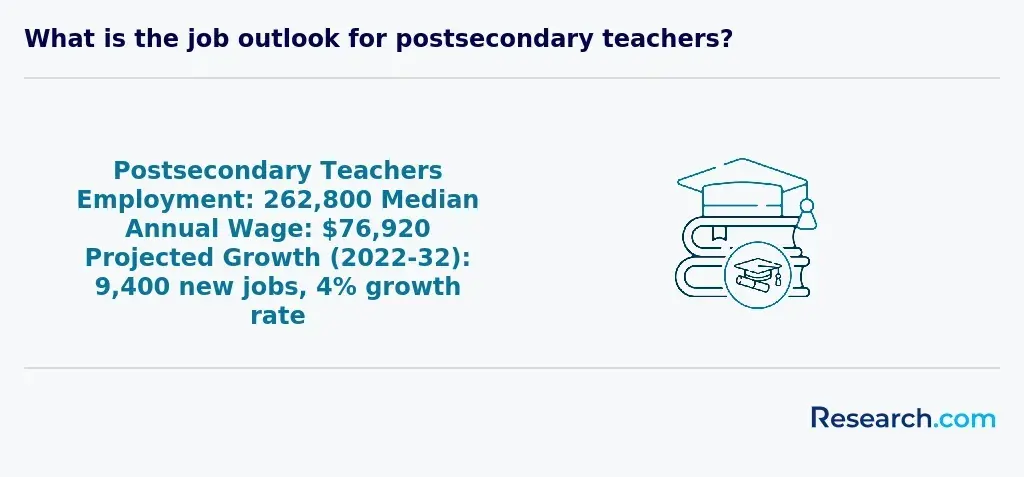
Some education careers extend beyond preschool. For example, postsecondary teaching is forecast to grow by 4% in the next 10 years, but that path typically requires much more advanced education than an assistant role.
What are the next steps for preschool teacher assistants looking to advance their careers?
If you are already working as a preschool teacher assistant, the best next step is to decide whether you want more responsibility in early childhood education or a transition into another teaching area. Advancement usually requires a combination of experience, documented training, stronger credentials, and a clear plan for meeting employer or state requirements.
- Ask your supervisor what roles are available internally. Some centers promote assistants into lead roles after additional coursework or credentials.
- Review your transcript. Identify which credits count toward an associate or bachelor’s degree.
- Choose a target role. Lead preschool teacher, kindergarten teacher, elementary teacher, special education teacher, and administrator roles have different requirements.
- Fill the biggest gap first. That may be college credits, CDA preparation, CPR, special education training, or supervised classroom experience.
- Build evidence of your work. Save lesson contributions, observation notes, training certificates, and examples of family communication when allowed by privacy rules.
If you want to move into the elementary grades, review the elementary school teacher requirements in Connecticut before investing in a degree or certification pathway.
What is the job market for preschool teacher assistants in Connecticut?
The Connecticut job market for preschool teacher assistants is tied to child care availability, public preschool funding, Head Start participation, private preschool enrollment, and staffing turnover. Programs need reliable assistants because young children require close supervision, small-group support, and consistent routines.
Demand can vary by region and employer type. Urban areas may have more openings, while some smaller communities may have fewer programs but less competition. Candidates with early childhood coursework, background check readiness, CPR training, and experience with children are usually better positioned than applicants with no child-facing experience.
Related education skills can also broaden your options. For example, learning how educational resources are organized may be useful in school and community settings; this guide to affordable library science degrees is not required for preschool assistant work, but it may interest readers exploring education-adjacent careers.
Current trends affecting preschool teacher assistants
- Greater attention to early learning: Families, employers, and policymakers continue to focus on the importance of early childhood education.
- More emphasis on inclusion: Assistants who understand developmental differences and inclusive practices can provide stronger classroom support.
- Credential-based hiring: Even when a credential is not legally required, employers may prefer applicants with documented training.
- Online training growth: Flexible coursework can help working adults qualify, but students must verify acceptance before enrolling.
- Staffing stability concerns: Turnover remains a challenge in early childhood settings, making reliability and professionalism valuable hiring factors.
How much do preschool teacher assistants make in Connecticut?
Preschool teacher assistant pay in Connecticut varies by experience, employer, location, education, and schedule. Full-time roles may offer more stability, while part-time roles may be easier to combine with school or family responsibilities.
- Average salary range: The typical annual salary for a preschool teacher assistant in Connecticut is around $30,000 to $35,000.
- Higher earning potential: Assistants with experience and additional education, such as a degree in early childhood education, may earn upwards of $40,000 annually.
- Higher-paying locations: Hartford, Bridgeport, and New Haven are noted as cities where preschool educators may find more competitive compensation.
Compensation is not the only factor to compare. Benefits, schedule, classroom ratios, paid planning time, professional development support, tuition reimbursement, and promotion pathways can make one job stronger than another even when the hourly wage is similar.
For geographic comparison, the District of Columbia pays the highest at $61,980 per year on average for this broader early childhood education role comparison. Use that figure as context, not as a guarantee of earnings in Connecticut.
Common mistakes to avoid when becoming a preschool teacher assistant in Connecticut
| Mistake | Why it can hurt you | Better approach |
| Assuming every preschool has the same requirements | You may complete training that does not match the employer’s expectations. | Check job postings and ask programs which credentials they require or prefer. |
| Choosing only by tuition price | A low-cost course may not transfer or count toward a future credential. | Compare total cost, transferability, accreditation, fieldwork, and employer acceptance. |
| Ignoring background check requirements | Screening delays can slow hiring for child-facing roles. | Ask early about fingerprinting, forms, fees, and processing timelines. |
| Taking online courses without verification | Not all online training satisfies employer, CDA, or degree requirements. | Get written confirmation before enrolling. |
| Failing to document training | Missing records can complicate renewal or promotion applications. | Keep a folder with certificates, transcripts, completion dates, and training descriptions. |
| Assuming salary growth is automatic | Experience alone may not lead to higher pay without credentials or a new role. | Use each year of experience to build credits, credentials, and documented classroom strengths. |
Questions to ask before choosing a preschool assistant training program
- Does this program meet the expectations of Connecticut employers I want to apply to?
- Will the credits transfer into an associate or bachelor’s degree?
- Does the program prepare students for the Child Development Associate credential if I choose that route?
- Are fieldwork, observation hours, or supervised classroom experiences included?
- What is the full cost after tuition, books, fees, transportation, technology, and credential assessments?
- Are scholarships, payment plans, employer reimbursement, or workforce grants available?
- Will the schedule work if I am employed or caring for family members?
- What student support is available if I take courses online?
- How does the program help graduates find preschool assistant jobs?
Key Insights
- A high school diploma or GED may qualify you for some preschool assistant roles in Connecticut, but early childhood education coursework improves your competitiveness.
- Many aspiring assistants complete at least 12 college credits in early childhood education or a related field, especially if they want stronger job options or future advancement.
- The CDA is a valuable credential, but requirements still vary by employer, so confirm what your target programs accept before paying for training.
- Plan for both direct and hidden costs, including courses, textbooks, credentialing fees, background checks, and the CDA assessment fee if applicable.
- The role can lead to lead preschool teaching, special education, child care administration, private school teaching, kindergarten teaching, or elementary education, but each path has different education and certification requirements.
- The smartest route is not always the fastest or cheapest. Choose training that is accepted by employers, transferable to future degrees, and aligned with the age group and role you want.
Related Articles for Nearby States
- 2027 How to Become a Preschool Teacher Assistant in New York: Requirements & Certification
- 2027 How to Become a Preschool Teacher Assistant in Rhode Island: Requirements & Certification
- 2027 How to Become a Preschool Teacher Assistant in Massachusetts: Requirements & Certification
- 2027 How to Become a Preschool Teacher Assistant in New Jersey: Requirements & Certification
- 2027 How to Become a Preschool Teacher Assistant in Pennsylvania: Requirements & Certification
- 2027 How to Become a Preschool Teacher Assistant in Vermont: Requirements & Certification
- 2027 How to Become a Preschool Teacher Assistant in New Hampshire: Requirements & Certification
- 2027 How to Become a Preschool Teacher Assistant in Delaware: Requirements & Certification
- 2027 How to Become a Preschool Teacher Assistant in Maryland: Requirements & Certification
- 2027 How to Become a Preschool Teacher Assistant in Maine: Requirements & Certification
References:
- CT Bureau of Certification. (2024). What are the fees for teacher certificates and coaching permits? portal.ct.gov
- CT Data Collaborative. (2024). Connecticut head start programs analysis. ctdata.org
- ctoec.org (19 Jul 2023). Start your early childhood career. ctoec.org
- salary.com (29 Jul 2024). Assistant preschool teacher salary in Connecticut. salary.com
Other Things You Should Know About Becoming a Preschool Teacher Assistant in Connecticut
In 2027, aspiring preschool teacher assistants in Connecticut often need a high school diploma or equivalent. Some positions may require additional training or certification, such as the Child Development Associate (CDA) credential, to better understand early childhood education principles.
In 2027, to renew a preschool teacher assistant certification in Connecticut, you must complete continuing education hours and demonstrate adherence to updated state standards. Ensure all documentation meets Connecticut Office of Early Childhood Education guidelines before submission.


