
2027 How to Become an Elementary School Teacher in Connecticut: Requirements & Certification

Co-Founder and Chief Data Scientist
Becoming an elementary school teacher in Connecticut is a structured process: you need the right degree, a state-approved preparation program, required exams, student teaching, and a Connecticut educator certificate. The decision matters because your pathway affects how long it takes, how much you spend, whether you qualify for licensure, and which school settings you can enter after graduation.
This guide explains the Connecticut elementary teaching route from start to finish. You will learn the education and certification requirements, how traditional and alternative pathways compare, whether online programs can qualify, what costs to expect, how the job market looks, and what questions to ask before choosing a program.
Quick answer: How do you become an elementary school teacher in Connecticut?
To become an elementary school teacher in Connecticut, you generally need a bachelor’s degree, completion of a state-approved teacher preparation program, supervised student teaching, passing scores on required assessments such as the Connecticut Foundations of Reading Test and Praxis II, and approval for an Initial Educator License through the Connecticut certification system. The process commonly takes about five to six years for first-time college students and can be shorter for candidates who already hold a bachelor’s degree and qualify for an alternative route.
Key things to know before you start
- The initial license application process commonly takes 6 to 12 months, depending on your academic record, testing timeline, and how quickly you collect required documentation.
- During the 2022-2023 academic year, Connecticut issued approximately 2,500 initial teaching licenses for elementary education.
- The initial licensure application includes a non-refundable $100 fee. Background checks and required assessments can add several hundred dollars more.
- Connecticut teachers must complete 90 hours of professional development every five years to maintain licensure.
- The state uses a tiered licensure structure. Teachers typically begin with the Initial Educator License, valid for three years, and may later advance to the Provisional Educator License, valid for an additional eight years.
- Education requirements for Connecticut elementary teachers
- Licensure application and renewal process
- Traditional vs. alternative certification programs
- How long the process usually takes
- Whether online education programs qualify for licensure
- Online vs. on-campus elementary education programs
- Average program costs in Connecticut
- Support resources for Connecticut teachers
- Elementary education specializations
- Career paths for elementary teachers
- Other teaching opportunities in Connecticut
- Teacher mental well-being
- Connecticut elementary teacher job market
- Creative writing and classroom engagement
- Speech and language support options
- Preschool vs. elementary qualifications
- Private school vs. public school teaching
- Cost-effective credential pathways
- State-specific classroom challenges
- Innovative pathways into elementary teaching
- Long-term career development
- Transitioning into a specialized subject role
- Dual certification opportunities
- Ways to shorten your certification timeline
- Current teaching certificate requirements
What are the educational requirements for elementary school teachers in Connecticut?
Connecticut requires elementary teaching candidates to prove both academic preparation and classroom readiness. A degree alone is usually not enough; the program must also prepare you for state certification standards, supervised teaching, and required assessments.
- Bachelor’s degree: Candidates typically need a bachelor’s degree from an accredited institution. Many future teachers major in elementary education, education, or a closely related field that includes child development, instructional planning, classroom management, and subject-area teaching methods.
- State-approved teacher preparation program: Connecticut expects candidates to complete an approved educator preparation program. These programs combine coursework with field experience and student teaching. A common requirement is at least 12 weeks of supervised student teaching in an elementary classroom.
- Required assessments: Prospective elementary teachers must pass the Connecticut Foundations of Reading Test and the Praxis II exam in elementary education. These tests help verify readiness to teach literacy and core elementary content.
- Master’s degree: A master’s degree is not required for initial licensure, but it may support advancement, specialization, or movement into leadership roles. Some districts may value advanced study when setting salary schedules or considering candidates for specialized positions.
- Continuing professional development: After earning licensure, teachers must complete 90 hours of professional development every five years to keep their credentials current.
If you are still comparing degree paths, review the difference between elementary, early childhood, special education, and secondary education degrees. Choosing the wrong degree type can delay certification if the program is not aligned with Connecticut’s elementary licensure requirements.
| Requirement | What it means for candidates | Why it matters |
| Bachelor’s degree | You complete an accredited undergraduate program, usually in education or a related field. | It is the academic foundation for certification and teacher preparation. |
| Approved preparation program | You complete coursework, fieldwork, and supervised student teaching. | Connecticut uses approved preparation to confirm classroom readiness. |
| Student teaching | You teach under supervision in an elementary classroom. | It gives you direct practice with lesson planning, classroom management, and assessment. |
| Licensure exams | You pass required reading and elementary education assessments. | Passing scores are part of the certification review process. |
| Professional development | You complete 90 hours every five years after licensure. | It supports renewal and keeps teachers aligned with current instructional expectations. |
Connecticut’s labor market is favorable for qualified elementary teachers. The state projects 6.5% job growth from 2022 to 2032, and there are currently 16,950 elementary school teachers employed in Connecticut. Elementary teachers in the state earn an average annual salary of $88,520. The average annual salary for K12 teachers in the state ranges from $45,000 to around $88,000, with elementary teachers among the top earners. See the chart below for more detail.
What is the licensure application and renewal process for elementary school teachers in Connecticut?
Connecticut’s licensure process verifies that you completed the right preparation, passed required assessments, and meet state standards for working with children. The application is submitted through the Connecticut Educator Certification System, commonly known as CECS.
The typical sequence is straightforward: complete your degree and approved educator preparation program, finish student teaching, pass required assessments, collect transcripts and documentation, complete background check requirements, pay the application fee, and submit your application for the Initial Educator Certificate.
| Licensure step | What to prepare | Common delay to avoid |
| Confirm program approval | Verify that your program is accepted by the Connecticut State Department of Education. | Enrolling in a program that is accredited but not aligned with Connecticut certification requirements. |
| Complete student teaching | Keep documentation of your supervised classroom placement. | Waiting too late to secure a placement, especially in online programs. |
| Pass required exams | Plan for the Foundations of Reading Test and Praxis II. | Taking exams after graduation without enough preparation time. |
| Submit CECS application | Upload transcripts, test results, identity documents, and other required materials. | Missing documents or inconsistent personal information across records. |
| Maintain certification | Complete 90 hours of professional development every five years. | Waiting until the renewal deadline to track professional learning hours. |
The initial application fee is $100 and is non-refundable. Candidates should also budget for background checks and assessment fees, which can add several hundred dollars. Once approved, new teachers begin with the Initial Educator License, valid for three years. After meeting experience and performance requirements, educators may move into the Provisional Educator License, which is valid for an additional eight years.
Because certification rules can change, candidates should use official state guidance before making final decisions about coursework, exams, or alternative routes. This is especially important for out-of-state applicants, online students, and career changers.
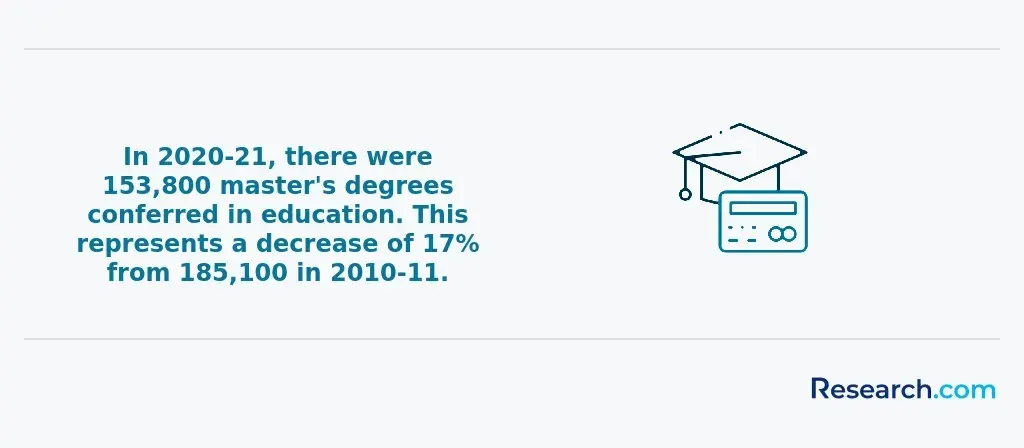
What is the difference between traditional and alternative teacher certification programs in Connecticut?
Connecticut offers more than one route into elementary teaching. The best option depends on your current education level, work experience, budget, and how quickly you want to enter the classroom.
Traditional teacher preparation programs
Traditional programs are usually designed for students earning their first teaching degree. They are often offered through colleges and universities and combine general education, elementary education coursework, field experiences, and student teaching.
- Best for: First-time college students or transfer students who know they want to become licensed elementary teachers.
- Typical structure: A bachelor’s degree with education coursework, supervised fieldwork, and student teaching built into the program.
- Timeline: Traditional programs typically take four years.
- Examples: Institutions such as the University of Connecticut and Central Connecticut State University offer traditional teacher preparation programs leading to certification.
Alternative teacher certification programs
Alternative routes are usually intended for candidates who already have a bachelor’s degree in another field and want to move into teaching without completing a second full undergraduate degree.
- Best for: Career changers, paraprofessionals, and degree holders who can meet state requirements through an accelerated route.
- Typical structure: Intensive teacher preparation, field experience, and certification-focused coursework.
- Timeline: Alternative programs can often be completed in one to two years.
- Examples: Connecticut recognizes options such as the Connecticut Teacher Residency Program and the Alternate Route to Certification (ARC).
| Factor | Traditional route | Alternative route |
| Best fit | Students starting college or changing majors early | Adults who already hold a bachelor’s degree |
| Typical length | Four years | One to two years |
| Program style | College-based, structured, degree-integrated | Accelerated, certification-focused, often built for working adults |
| Main advantage | Deep preparation with built-in student teaching | Faster transition for qualified career changers |
| Main risk | Higher total time commitment | Intensive pace and limited flexibility if you are unprepared for classroom demands |
Choose the traditional route if you are still earning your first degree and want a structured pathway. Consider an alternative route if you already have a bachelor’s degree and can meet state requirements without starting over academically.
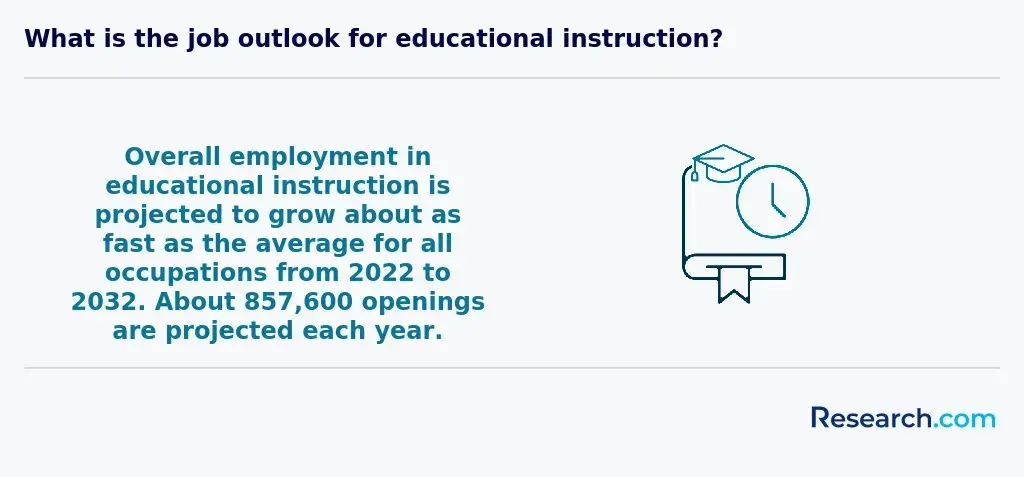
How long does it take to become an elementary school teacher in Connecticut?
For a first-time college student, the full process commonly takes about five to six years. That includes the bachelor’s degree, teacher preparation requirements, student teaching, exams, and licensure processing. Candidates who already have a bachelor’s degree may be able to qualify more quickly through an alternative certification route.
| Stage | Typical time | What happens during this stage |
| Bachelor’s degree | About four years | You complete general education, elementary education coursework, and field experiences. |
| Teacher preparation | Often built into the degree or about one year after a degree | You complete pedagogy coursework, student teaching, and program assessments. |
| Exam preparation and testing | Several months | You prepare for and pass the Praxis II Elementary Education test and the Foundations of Reading test. |
| Licensure application | Several weeks to several months | You submit documentation through the Connecticut certification system and wait for review. |
To avoid unnecessary delays, confirm testing requirements early, schedule student teaching in advance, and keep digital copies of transcripts, test scores, and program-completion forms. If you are considering adjacent work with children, you may also want to explore child development job opportunities while preparing for full teacher certification.
Are online education programs accepted for teacher licensure in Connecticut?
Connecticut may accept online education programs if they are properly accredited and meet the state’s educator preparation standards. The key issue is not whether coursework is online; it is whether the program satisfies Connecticut’s certification requirements, including student teaching and required assessments.
What to verify before enrolling online
- Regional accreditation: Confirm that the institution is accredited by a recognized accrediting body. In Connecticut, the New England Commission of Higher Education is the primary regional accreditor.
- State approval: Ask whether the educator preparation program is approved or accepted for Connecticut elementary certification.
- Student teaching placement: Make sure the program can help arrange a supervised placement that meets Connecticut expectations.
- Exam alignment: Confirm that coursework prepares you for the Praxis Core Academic Skills for Educators tests, the Praxis II Elementary Education Content Knowledge exam, and other required assessments.
- Licensure support: Ask whether the program provides certification advising, documentation support, and placement coordination.
An online program can be a practical choice for working adults, parents, and students who cannot relocate. However, online students must be especially careful about licensure alignment. An affordable or convenient program is not a good investment if it does not lead to Connecticut certification.
How does an online elementary education program in Connecticut compare to an on-campus program?
Online and on-campus elementary education programs can both prepare candidates for licensure, but they differ in flexibility, supervision, peer interaction, and access to campus resources. The better option depends on how you learn, where you live, and how much support you need.
| Comparison point | Online program | On-campus program |
| Flexibility | Often better for students balancing work, family, or commuting limits. | Usually follows a fixed class schedule and campus attendance expectations. |
| Classroom experience | Student teaching must still be completed in an approved classroom setting. | Field placements may be easier to coordinate through local school partnerships. |
| Peer and faculty connection | Networking may happen through virtual meetings, discussion boards, and remote advising. | In-person collaboration can make mentoring and peer relationships easier. |
| Cost considerations | May reduce commuting or housing costs but can include technology fees. | May provide easier access to libraries, tutoring, events, and campus support. |
| Best for | Self-directed students who need scheduling flexibility. | Students who prefer structure, face-to-face support, and campus-based relationships. |
Before choosing either format, ask the same core question: Does this program meet Connecticut elementary teacher licensure requirements? Format matters, but licensure alignment matters more.
What is the average cost of elementary education programs in Connecticut?
The cost of becoming an elementary teacher in Connecticut depends on the institution, degree level, residency status, format, and whether you need housing. Tuition is only one part of the total price; exam fees, application fees, background checks, books, transportation, and lost work hours can also affect affordability.
- Tuition: Albertus Magnus College charges approximately $42,570 for its undergraduate initial teacher preparation program. Central Connecticut State University offers a master’s degree in teaching for around $22,500. The Master of Science in Education at Albertus Magnus can cost about $28,152.
- Room and board: Students in campus-based programs should account for housing and meals if they do not live nearby. These expenses vary by location and living arrangement.
- Books and materials: Students should budget around $1,000 to $1,500 per year for textbooks and education materials, depending on course load and program requirements.
- Credentialing expenses: Certification exams, application fees, and related processes can range from $300 to $500, depending on Connecticut State Department of Education requirements.
| Cost category | What to ask before enrolling |
| Tuition | Is the published price per credit, per semester, or for the full program? |
| Fees | Are technology, placement, testing, graduation, or certification fees separate? |
| Student teaching | Will I need to reduce work hours during supervised teaching? |
| Transfer credits | How many credits will the program accept, and will they reduce total cost? |
| Financial aid | Does the program qualify for federal, state, institutional, or teacher-specific aid? |
Students planning for leadership or advanced credentials may later consider graduate study, including an online master's in educational leadership. If cost is the main barrier, compare tuition, transfer policies, and licensure outcomes among affordable online elementary education programs before enrolling.
What support resources are available for elementary school teachers in Connecticut?
New and experienced elementary teachers in Connecticut can use state, district, and professional resources to strengthen instruction, manage classroom challenges, and meet licensure renewal expectations.
- Professional development: The Connecticut State Department of Education, districts, and organizations such as the Connecticut Association of Schools offer training on instructional practice, standards, assessment, and school improvement.
- Mentoring: Many districts pair early-career teachers with experienced educators to support classroom management, lesson planning, parent communication, and district procedures.
- Teacher networks: Local and statewide educator groups help teachers exchange lesson ideas, classroom resources, and professional advice.
- Grants and classroom funding: Teachers may seek project support through local education foundations, DonorsChoose, and other funding sources.
- Online instructional resources: State and education-focused platforms provide lesson tools, curriculum guidance, and professional learning materials.
- Wellness supports: Schools may offer mental health, stress management, and work-life balance resources to help reduce burnout.
What types of specializations are available within elementary education in Connecticut?
Elementary teachers can strengthen their career options by adding specialized expertise. Specializations can help teachers support specific learners, move into coaching roles, or qualify for positions in high-need areas.
- Special education: Prepares teachers to support students with disabilities and diverse learning needs. Approximately 14% of public school students receive special education services nationally.
- Bilingual education: Helps teachers work with multilingual learners and families, especially in districts with significant language diversity.
- Early childhood education: Focuses on children from birth to age eight, play-based learning, early literacy, and developmental foundations.
- STEM education: Supports science, technology, engineering, and mathematics instruction in elementary classrooms.
- Literacy and reading specialist: Focuses on reading development, writing instruction, intervention strategies, and literacy assessment.
Choose a specialization based on both your interests and district needs. A specialization is most valuable when it connects to a real classroom demand and a credential that employers recognize.
What career paths are available for elementary school teachers in Connecticut?
Elementary teaching can lead to several long-term career directions. Some educators remain in the classroom and take on leadership responsibilities, while others move into school administration, curriculum design, policy, or education services.
| Career direction | Common roles | When it makes sense |
| Classroom leadership | Mentor teacher, grade-level lead, curriculum project lead | You want to stay close to students while influencing instruction. |
| Instructional support | Literacy coach, interventionist, instructional coach | You enjoy helping other teachers improve practice and student outcomes. |
| School leadership | Department head, assistant principal, principal | You want to shape school culture, staffing, and instructional systems. |
| District leadership | Curriculum coordinator, district administrator, program specialist | You want broader impact across multiple schools. |
| Education products and services | Curriculum writer, edtech specialist, consultant | You want to use classroom experience outside a traditional school role. |
Teachers who want to broaden their options may compare graduate programs, certifications, and online elementary education programs that support advancement without requiring a career pause.

Are there other teaching opportunities in Connecticut beyond elementary school?
Yes. Connecticut educators may also consider middle school, high school, preschool, special education, private school, or subject-specific teaching roles. Each option has different certification expectations, student age groups, and classroom demands. For example, candidates interested in subject-focused instruction can review how to become a middle school math teacher in Connecticut.
How can elementary school teachers in Connecticut maintain mental well-being?
Teaching young children can be deeply meaningful, but it can also involve emotional labor, classroom management pressure, family communication, and workload stress. Connecticut teachers can protect long-term well-being by building routines around planning time, peer support, boundaries, and professional mental health resources.
Practical strategies include using team planning, documenting recurring classroom stressors, asking for mentoring early, practicing short recovery routines during the school day, and using district wellness supports when available. Educators interested in mental health careers or therapeutic support frameworks can also read about how to become a therapist.
What is the job market for elementary school teachers in Connecticut?
The job market for elementary school teachers in Connecticut is supported by steady employment, projected openings, and competitive pay compared with many other teaching roles. Connecticut projects 6.5% growth for elementary teachers from 2022 to 2032, with an average of 1,230 annual job openings during the period.
- Employment base: Connecticut currently employs 16,950 elementary school teachers.
- Average salary: The average annual salary for elementary school teachers in Connecticut is $88,520.
- Demand patterns: Urban districts such as Hartford and Bridgeport may have more openings because of staffing needs, student diversity, and district size.
- Salary growth: New teachers usually start lower on district salary schedules, while experience, advanced degrees, and additional credentials can support higher earnings over time.
Salary should not be the only decision factor. Compare district support, mentoring, class size, commute, school leadership, and student needs. Candidates exploring flexible early-entry routes may also compare budget-friendly online early childhood education degrees if they are considering younger learners.
How can creative writing enhance classroom engagement in Connecticut?
Creative writing can strengthen elementary literacy instruction by helping students practice vocabulary, sentence structure, sequencing, voice, and self-expression. It also gives teachers a way to connect reading, social studies, science, and social-emotional learning through narrative and reflection.
Connecticut elementary teachers can use short writing prompts, student journals, collaborative storytelling, poetry, and cross-curricular writing projects to increase participation. Teachers who want deeper expertise in writing instruction may explore the best online masters in creative writing degree programs, especially if they are interested in literacy leadership or curriculum development.
Can I combine elementary teaching with speech and language support in Connecticut?
Elementary teachers often work with students who need communication support, but teaching certification is not the same as speech-language pathology preparation. Teachers can still benefit from coursework or professional development in language development, phonological awareness, and classroom communication strategies.
If you want to provide formal speech-language services, you will need to review the specific education and credentialing path. Start with this guide on how to be a speech therapist in Connecticut to understand the difference between classroom support and clinical or specialist roles.
What are the key differences between preschool and elementary teaching qualifications in Connecticut?
Preschool teaching focuses heavily on early development, play-based learning, social skills, and readiness foundations. Elementary teaching focuses more on structured academic instruction across core subjects such as reading, math, science, and social studies.
The two pathways can overlap, especially in the early grades, but they are not interchangeable for certification purposes. If you are deciding between age groups, compare coursework, field placement age ranges, and certification rules. For a separate pathway, review how to become a preschool teacher in Connecticut.
What distinguishes private school teaching opportunities from public school roles in Connecticut?
Public school teaching in Connecticut typically requires state certification and alignment with district policies, evaluation systems, and state standards. Private schools may have more flexibility in curriculum design, hiring criteria, and classroom structure, although expectations vary widely by institution.
Private schools may offer smaller communities or specialized educational philosophies, but they may also differ in pay scales, benefits, job protections, and licensure expectations. Candidates comparing both options should read more about how to become a private school teacher in Connecticut.
What is the most cost-effective approach to obtaining a teaching credential in Connecticut?
The most cost-effective route depends on what you already have. If you are starting college, an in-state public program with strong transfer credit policies may reduce total cost. If you already hold a bachelor’s degree, an alternative certification route may be less expensive than earning a second undergraduate degree.
To control costs, compare total program price, transfer credits, student teaching requirements, exam fees, financial aid, and time away from paid work. For a detailed cost-focused comparison, review the cheapest way to get a teaching credential in Connecticut.
What are state-specific challenges for elementary school teachers in Connecticut?
Connecticut elementary teachers work in a state with varied communities, district resources, and student needs. A classroom in a large urban district may require different strategies than one in a small suburban or rural school. Teachers should be prepared for both academic expectations and social realities that affect learning.
- Achievement gaps: Teachers may need to support students whose learning opportunities vary by income, language background, disability status, or access to enrichment.
- Resource differences: Districts may differ in staffing, classroom materials, family support systems, and technology access.
- Testing and accountability: State standards and assessments can create pressure to document progress while still teaching creatively and responsively.
- Technology integration: Teachers must use digital tools effectively while recognizing that student access to devices and internet connectivity can vary.
- Workload and burnout: Lesson planning, intervention, family communication, and documentation can become difficult without strong systems and support.
If you are choosing an online pathway, make sure the program is not only affordable but also aligned with Connecticut classroom realities and licensure rules. A cheapest online elementary education degree is only useful if it supports your certification goal.
Innovative pathways to elementary teaching in Connecticut
Connecticut offers several entry points into elementary teaching, making it possible for traditional students, transfer students, paraprofessionals, and career changers to pursue certification. The right path should match your current degree status and timeline.
Traditional bachelor’s pathway
This route is designed for students beginning or completing an undergraduate degree in education. It provides the most structured preparation because coursework, fieldwork, and student teaching are usually planned together. Students who need flexibility can compare bachelor of education online options while confirming Connecticut certification alignment.
Alternative certification pathway
Candidates who already have a bachelor’s degree in another field may consider Connecticut’s Alternate Route to Certification. This option can help qualified career changers move toward teaching without completing a second full bachelor’s degree.
Accelerated degree pathway
Some colleges offer accelerated coursework, summer sessions, or condensed program formats. These options may shorten the calendar timeline, but students should carefully evaluate workload, student teaching logistics, and exam preparation time.
What are the long-term opportunities and career development options for elementary school teachers in Connecticut?
Elementary teachers in Connecticut can build long-term careers through experience, advanced credentials, specialization, and leadership. The strongest career plans usually combine classroom excellence with targeted professional development.
- Advanced certification: Teachers may pursue credentials such as a Master Educator Certificate after meeting state requirements.
- Specialized roles: Literacy coach, special education teacher, ESL teacher, STEM specialist, and curriculum specialist roles can expand impact.
- Leadership positions: Experienced teachers may move toward department leadership, instructional coaching, assistant principal, principal, or district-level roles.
- Professional associations: Groups such as the Connecticut Education Association can support networking, advocacy, and professional growth.
- Graduate education: Advanced degrees may help teachers qualify for higher salary schedules or leadership opportunities, depending on district policies.
If you are still at the beginning of the process, this broader guide to how to become a teacher in Connecticut can help you compare teaching routes beyond elementary education.
Can I transition from elementary teaching to a specialized subject role in Connecticut?
Yes, but you may need additional coursework, assessments, or certification depending on the subject and grade level. Elementary teachers often bring strong classroom management and child-development skills to specialized roles, but subject-specific teaching requires deeper content preparation.
For example, moving into art education involves a different credential path and instructional focus. Teachers considering that transition can review how to become an art teacher in Connecticut before committing to additional training.
How can dual certification opportunities amplify my impact as an educator in Connecticut?
Dual certification can make a teacher more versatile by expanding the grades, subjects, or student populations they are qualified to serve. It may also help schools address staffing needs in specialized areas.
However, dual certification should be strategic. Do not add credentials simply to collect options. Choose a second certification that supports your teaching goals, district demand, and long-term advancement plan. For a subject-specific example, review high school math teacher qualifications in Connecticut.
How can I streamline my certification timeline to start teaching sooner?
You can shorten delays by planning backward from your desired teaching start date. Identify application deadlines, required exams, student teaching windows, and document submission dates before enrolling.
- Choose a program that clearly states its Connecticut certification alignment.
- Schedule required exams early enough to allow for retesting if needed.
- Keep transcripts, background check materials, and test results organized.
- Meet regularly with certification advisors rather than waiting until graduation.
- Consider alternative or accelerated pathways if you already hold a bachelor’s degree.
For a broader timeline comparison, see how long it takes to become a teacher in Connecticut.
What are the current teaching certificate requirements in Connecticut?
Connecticut’s teacher certification requirements include approved preparation, required assessments, background checks, documentation, and ongoing professional development. Because certification policies and verification procedures can change, candidates should confirm current requirements before selecting a program or submitting an application.
For a more detailed credential breakdown, consult this guide to teaching certificate requirements in Connecticut.
Common mistakes to avoid when becoming an elementary teacher in Connecticut
| Mistake | Why it causes problems | Better approach |
| Choosing a program based only on tuition | A low-cost program may not meet Connecticut licensure requirements. | Confirm accreditation, state approval, student teaching support, and certification outcomes. |
| Assuming all online programs qualify | Online coursework does not automatically satisfy Connecticut educator preparation rules. | Ask the program directly whether it prepares candidates for Connecticut elementary certification. |
| Waiting too long to take exams | Failed or delayed tests can postpone certification and job applications. | Build test preparation into your program timeline. |
| Ignoring student teaching logistics | Placements can be difficult to arrange at the last minute. | Ask how placements are approved, supervised, and documented. |
| Relying only on salary averages | Actual pay varies by district, experience, education level, and contract terms. | Review district salary schedules and benefits before comparing job offers. |
| Forgetting renewal requirements | Licensure maintenance requires ongoing professional development. | Track professional learning hours throughout each renewal cycle. |
Other things you should know about becoming an elementary school teacher in Connecticut
How can I finance my teacher education in Connecticut?
Start with the Free Application for Federal Student Aid, or FAFSA, because it determines eligibility for federal aid and can be required for some state and institutional aid. Prospective teachers should compare grants, loans, scholarships, employer support, and program-specific aid before borrowing.
- Pell Grants: These need-based grants do not require repayment. For the 2023-2024 academic year, the maximum award is $7,395.
- Federal Direct Loans: Subsidized and unsubsidized loans are available, with interest rates currently at 4.99% for undergraduate students. Subsidized loans do not accrue interest while you are in school.
- CT State Grant Program: This need-based program supports eligible students attending college in Connecticut.
- TEACH Grant: Candidates who commit to teaching in a high-need field or low-income area may qualify for up to $4,000 per year. The grant can convert to a loan if the service obligation is not fulfilled.
- Education scholarships: Options may include awards such as the Connecticut Association of Schools Scholarship and Future Educators Scholarship opportunities.
- Private loans: These can fill funding gaps but often carry different interest rates and repayment terms, so compare carefully before borrowing.
What is the fastest way to become a teacher in Connecticut?
The fastest route depends on your starting point. If you do not have a bachelor’s degree, an accelerated bachelor’s program in elementary education may shorten your timeline. If you already have a bachelor’s degree in another field, an alternative certification program may be the quicker option and can often be completed in as little as one year.
To move efficiently, choose a state-aligned program, prepare for required exams early, secure student teaching placement on time, and submit licensure documents as soon as you are eligible. Volunteering or working as a paraprofessional can also help you gain school experience while completing requirements.
What is the job satisfaction rate among elementary school teachers in Connecticut?
Recent surveys report that approximately 75% of elementary school teachers in Connecticut are satisfied with their jobs, close to the national figure of 74%. Teachers often point to meaningful student relationships and the reward of helping children learn as major sources of satisfaction.
At the same time, satisfaction is not guaranteed. High-stakes testing, administrative demands, classroom management, and workload can contribute to burnout. The turnover rate for teachers in Connecticut is about 10%, slightly below the national average of 16%. Anyone considering this career should weigh both the purpose-driven nature of the work and the day-to-day pressures of classroom teaching.
Related Articles for Nearby States
- 2027 How to Become an Elementary School Teacher in New York: Requirements & Certification
- 2027 How to Become an Elementary School Teacher in Rhode Island
- 2027 How to Become an Elementary School Teacher in Massachusetts: Requirements & Certification
- 2027 How to Become an Elementary School Teacher in New Jersey: Requirements & Certification
- 2027 How to Become an Elementary School Teacher in Pennsylvania: Requirements & Certification
- 2027 How to Become an Elementary School Teacher in Vermont
- 2027 How to Become an Elementary School Teacher in New Hampshire: Requirements & Certification
- 2027 How to Become an Elementary School Teacher in Delaware: Requirements & Certification
- 2027 How to Become an Elementary School Teacher in Maryland: Requirements & Certification
- 2027 How to Become an Elementary School Teacher in Maine: Requirements & Certification
References:
- portal.ct.gov (n.d.). Bureau of Certification. portal.ct.gov
- University of Bridgeport (26 Jan 2022). What degree do you need to be an elementary teacher in Connecticut? bridgeport.edu
- qu.edu (17 Sep 2020). MAT Graduate MAT Degree in Elementary Education. qu.edu
- connecticut.teach.org (n.d.). Find your teacher career path. connecticut.teach.org
- bestcollegereviews.org (18 May 2023). Elementary education salary and career outlook. bestcollegereviews.org
Key Insights
- Connecticut elementary teachers generally need a bachelor’s degree, an approved teacher preparation program, student teaching, required exams, and state certification.
- The traditional route is best for first-time college students, while alternative certification may be faster for candidates who already hold a bachelor’s degree.
- Online programs can qualify, but only if they meet accreditation, student teaching, and Connecticut licensure requirements.
- The full pathway commonly takes about five to six years for new college students; alternative routes can shorten the timeline for qualified career changers.
- Connecticut projects 6.5% employment growth for elementary teachers from 2022 to 2032, with 1,230 average annual openings during the period.
- The average annual salary for Connecticut elementary school teachers is $88,520, but actual earnings depend on district salary schedules, experience, education level, and contract terms.
- The smartest program choice is not always the cheapest or fastest. Prioritize state approval, placement support, exam preparation, total cost, and long-term career fit.
Other Things You Should Know About Becoming an Elementary School Teacher in Connecticut
Connecticut candidates must complete a supervised student teaching practicum, usually one full semester, through a state-approved educator preparation program. The experience must cover elementary classroom instruction and be verified by the college or university before the Connecticut State Department of Education can recommend the candidate for initial certification.
Yes, aspiring elementary teachers in Connecticut must complete undergraduate courses in education, child development, and specific subject areas like math and literacy. These courses are typically part of a bachelor's degree in education, essential for certification eligibility by the Connecticut State Department of Education.
To become an elementary school teacher in Connecticut in 2027, you need a bachelor’s degree, complete a state-approved teacher preparation program, pass the Praxis exams, and apply for certification. Acquire classroom teaching experience and ongoing professional development to maintain and advance your certification.
- How can I finance my teacher education in Connecticut?
- What is the fastest way to become a teacher in Connecticut?


