
2027 How to Become a Teacher in California – What Degree Do You Need to Be a Teacher?

Co-Founder and Chief Data Scientist
Becoming a teacher in California is a structured process: you choose the grade level or subject you want to teach, complete an approved preparation pathway, meet testing or coursework requirements, apply for a preliminary credential, and then finish induction to earn a clear credential. The decision matters because California’s schools continue to need qualified educators, especially in hard-to-staff subjects and regions, while candidates must also weigh program cost, credential rules, student teaching requirements, and long-term career fit.
This guide explains how to become a teacher in California in 2026, including education requirements, credential options, financial aid, licensure steps, reciprocity for out-of-state teachers, program selection factors, common challenges, and specialized teaching paths. It is designed for first-time college students, career changers, out-of-state educators, substitute teachers, and working adults comparing online, hybrid, and campus-based teacher preparation programs.
Nationally, the Bureau of Labor Statistics (BLS) projects four percent growth for preschool teachers by 2033. In California, the need for educators is shaped by subject shortages, regional hiring gaps, retirements, cost-of-living pressures, and demand for teachers prepared to serve multilingual and diverse classrooms.
Quick Answer: How Do You Become a Teacher in California?
To become a public school teacher in California, you generally need a bachelor’s degree from an accredited institution, completion of a California Commission on Teacher Credentialing-approved preparation program, proof of basic skills and subject matter competence, a background check, student teaching or supervised clinical practice, and a preliminary teaching credential. After entering the classroom, new teachers complete induction to earn a clear credential.
| Step | What You Need to Do | Why It Matters |
| 1. Choose what you want to teach | Select a grade level, subject, or specialty such as elementary, secondary, special education, ESL, or early childhood education. | Your choice determines which credential, exams, and preparation program you need. |
| 2. Earn a bachelor’s degree | Complete an accredited undergraduate degree before applying for most teaching credentials. | California does not currently offer a standard public school teaching credential path without a degree. |
| 3. Complete teacher preparation | Enroll in a CTC-approved program with pedagogy coursework and classroom experience. | Approved preparation is required for most preliminary credentials. |
| 4. Meet skills and subject requirements | Demonstrate basic skills and subject matter competence through approved exams or qualifying coursework. | California requires evidence that teachers can teach the content and communicate effectively. |
| 5. Apply for a preliminary credential | Submit the application, documents, fee, and background clearance through the appropriate process. | The preliminary credential allows you to begin teaching in California public schools. |
| 6. Complete induction | Participate in a teacher induction program after employment. | Induction is the typical route from a preliminary credential to a clear credential. |
How to Become a Teacher in California Table of Contents
- California teaching career outlook
- Education and credential requirements
- Financial aid for future California teachers
- Licensure, reciprocity, and renewal process
- Teacher preparation trends in California
- How to choose a California teaching program
- Challenges California teachers should expect
- Licensed teaching programs in California for 2027
- How to become an art teacher in California
- How interdisciplinary study can support a teaching career
- How library science can strengthen classroom teaching
- Kindergarten teacher requirements in California
- Career benefits of an online ESL master’s degree
- Specialized credentials for California teachers
- Special education teacher certification
- Private school teacher requirements
- Online teaching certification in California
- Alternative pathways to teacher certification
- Substitute teacher requirements
- How to specialize in teaching English
Overview of the Teaching Industry in California
The teaching industry in California is large, diverse, and highly regulated because public school teachers must meet credential standards set by the California Commission on Teacher Credentialing. The state employs teachers across urban, suburban, rural, coastal, and inland districts, and hiring needs can differ sharply by location, grade level, and subject area.
Several indicators show why teacher preparation remains important. Employment of high school teachers in California is projected to 1% by 2032, while the job outlook for postsecondary teachers is projected at 8% through 2032. California has also continued to manage teacher shortage concerns in specific subject areas and geographic regions. In the school year 2025, 88.3% of K–12 teachers were experienced, up slightly from the prior year amid ongoing challenges (UCLA, 2026).
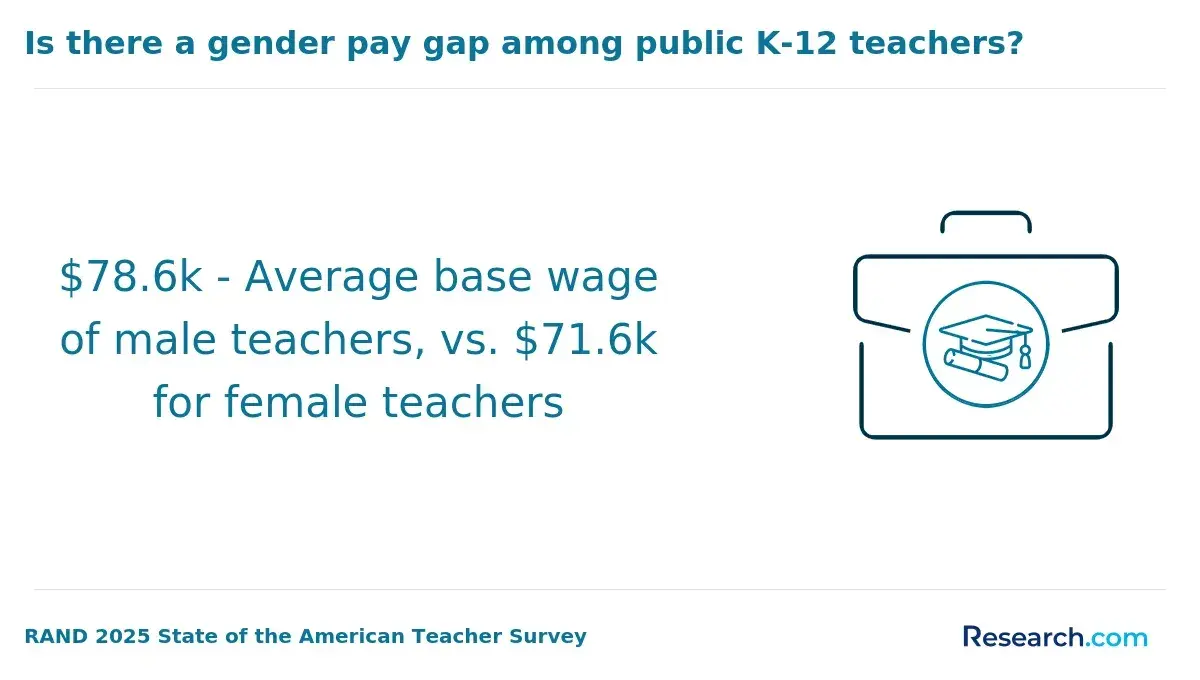
Compensation is another major consideration. According to NEA data cited for 2025, California teachers had a $58,409 starting annual salary and a $101,084 average, higher than the national average. These figures can make teaching financially attractive compared with some states, but candidates should compare salary schedules with local housing costs before choosing where to work.
California also places strong emphasis on professional learning after teachers enter the field. Educators can access learning opportunities for educators through workshops, conferences, online courses, district initiatives, university partnerships, and professional organizations. Ongoing learning is not optional for serious career growth; it helps teachers adapt to curriculum changes, student needs, technology, assessment expectations, and credential renewal requirements.
| Teaching Area | Why Candidates Choose It | Important Consideration |
| Elementary education | Best fit for candidates who want to teach multiple subjects and work with younger learners. | Requires broad instructional skill across literacy, math, science, social studies, and classroom management. |
| Secondary education | Good choice for candidates with deep interest in one subject such as English, math, science, history, art, or world language. | Subject matter competence is especially important. |
| Special education | Designed for educators who want to support students with disabilities and individualized learning plans. | Requires specialized training in assessment, accommodations, collaboration, and legal responsibilities. |
| Early childhood or kindergarten | Appropriate for candidates focused on foundational learning and child development. | Strong preparation in developmental psychology and early literacy is essential. |
| ESL or English language development | Useful in schools serving multilingual students and English Language Learners. | Requires culturally responsive instruction and knowledge of language acquisition. |
Educational Requirements for Teachers in California
California teacher requirements depend on the credential, school type, and subject area, but most public school candidates follow the same basic sequence: earn a degree, complete approved teacher preparation, meet state competency requirements, and apply for a preliminary credential. Some students begin with an education major, while others study a subject area first and complete credential coursework later. Graduate study, such as a graduate degree in child development, can support certain teaching goals, but a master’s degree is not the standard entry requirement for every credential.
- Bachelor’s degree: Candidates typically need a bachelor’s degree from an accredited college or university. If you are researching how to become a teacher in California without a degree, the practical answer for public school teaching is that a standard route is not currently available without completing a degree.
- Teacher preparation program: A CTC-approved preparation program provides coursework in teaching methods, assessment, classroom management, curriculum planning, equity, and supervised classroom practice. Programs may be undergraduate, post-baccalaureate, graduate, online, hybrid, or campus-based.
- Basic skills requirement: California requires prospective teachers to demonstrate basic academic skills. Candidates may satisfy this requirement through approved exams such as the California Basic Educational Skills Test (CBEST) or through eligible coursework, depending on current state rules and individual records.
- Subject matter competency: Teachers must show that they understand the content they plan to teach. This can involve approved examinations, coursework, or a major aligned with the subject. For candidates focused on early learning, an undergraduate degree in child development may be relevant depending on the desired credential and program requirements.
- Preliminary and clear credential: Most new teachers first earn a preliminary credential. After employment, they complete induction and related requirements to move toward a clear credential.
- Continuing education and professional growth: Teachers continue learning throughout their careers through district training, credential renewal activities, graduate certificates, and advanced degrees. Some educators pursue an online masters in higher education or a related program if they want to move into college administration, instructional leadership, or student support roles.
| Roadmap to Teaching |
| Decide what you want to teach |
| Identify one of the four program pathways that best suits you |
| Enroll in the program of your choice |
| Complete the program to earn a preliminary credential |
| Complete induction to earn a clear credential |
Source: Commission on Teacher Credentialing, N.D.
Which Teaching Credential Path Makes Sense?
| Candidate Type | Likely Path | Best Fit When |
| First-time college student | Undergraduate education pathway or integrated teacher education program | You want to plan your degree and credential work from the start. |
| College graduate changing careers | Post-baccalaureate credential program or master’s plus credential program | You already hold a bachelor’s degree and need pedagogy, fieldwork, and credential preparation. |
| Working adult | Online, hybrid, evening, or cohort-based credential program | You need flexibility but still must complete clinical practice in an approved setting. |
| Out-of-state teacher | California reciprocity route | You already completed educator preparation and hold a valid teaching credential elsewhere. |
| District employee or paraprofessional | Internship or alternative pathway, if eligible | You want to earn a credential while gaining classroom experience. |
What Financial Aid Options Are Available for Aspiring Teachers in California?
Teacher preparation can be expensive, especially when candidates must cover tuition, testing fees, credential fees, books, transportation, and unpaid or reduced-paid student teaching. Financial aid can reduce the cost, but candidates should confirm eligibility rules, service obligations, deadlines, and whether aid applies to credential-only, undergraduate, or graduate enrollment.
- State-specific scholarships and grants: The Golden State Teacher Grant Program provides eligible students with up to $20,000 in exchange for a commitment to teach in a high-need field or underserved school in California.
- Federal financial aid: Eligible students can submit the Free Application for Federal Student Aid (FAFSA) to be considered for federal grants such as the Pell Grant, low-interest student loans, and work-study options.
- Loan forgiveness programs: Teacher Loan Forgiveness and Public Service Loan Forgiveness (PSLF) may reduce or forgive qualifying federal student loan balances for teachers who meet service, employment, payment, and school eligibility rules.
- University scholarships: Many colleges and universities offer scholarships for education majors, credential candidates, and students preparing to work in public schools or underserved communities.
| Funding Option | What to Check Before Relying on It |
| Golden State Teacher Grant Program | Confirm whether your field, school, program, and service commitment meet current eligibility requirements. |
| FAFSA-based aid | Ask whether your enrollment status and program type qualify for grants, loans, or work-study. |
| Teacher Loan Forgiveness | Review the subject, school, service length, and loan type requirements before borrowing. |
| Public Service Loan Forgiveness | Verify qualifying employment, repayment plan, loan type, and payment documentation rules. |
| Institutional scholarships | Compare deadlines, renewal rules, GPA requirements, and whether aid covers credential-only coursework. |
The smartest approach is to build a full cost plan before enrolling. Compare tuition, required credits, living expenses, student teaching logistics, testing costs, and the salary schedule in the districts where you hope to work.
California Licensure Application and Renewal Process
California’s credential process is handled through the California Commission on Teacher Credentialing. Each credential type has its own application requirements, and candidates may need to apply through an employing school district, county office, or institution of higher education depending on the credential or permit.
- Submit an online application: New credential applicants typically use the CTC online system and provide required documentation, fees, and personal information.
- Complete an approved credential program: After earning an undergraduate degree, candidates complete a CTC-approved teacher preparation program that includes pedagogy coursework and student teaching or supervised practice.
- Show subject matter competence: California requires candidates to demonstrate readiness to teach their subject. This can be done through the appropriate California Subject Examinations for Teachers (CSET) or qualifying coursework, depending on the credential area and current state options.
- Pass a background check: Candidates must complete fingerprinting and background clearance before receiving a teaching credential.
- Renew the credential when required: Credential renewal may be completed online or by mail. The processing time for renewing a teaching credential online is generally within 10 working days (California Commission on Teacher Credentialing, N.D).
License Reciprocity in California
California offers routes for out-of-state educators who completed teacher preparation and hold a teaching credential in another state. Reciprocity does not mean an automatic California credential in every case; it means the state may recognize some or all prior preparation when determining remaining requirements. California participates in reciprocity through the National Association of State Directors of Teacher Education Certification (NASDTEC).
- Prepared in Another State Route 1: This route is for candidates who finished a traditional teacher preparation program in another state and hold a valid teaching credential from that state. Applicants must meet California’s basic skills and subject matter requirements where applicable.
- Prepared in Another State Route 2: This route applies when an out-of-state preparation program is not considered equivalent to a California program. Candidates may need to complete a California teacher preparation program or another approved route.
- Prepared in Another State Route 3 (National Board Certification): This option is for educators with a professional-level teaching license in another state who also hold National Board for Professional Teaching Standards (NBPTS) certification. California may still require basic skills and subject matter documentation.
- Prepared in Another Country: Internationally prepared educators may need to meet basic skills requirements and complete a California preparation program or approved alternative pathway.
Documents to Gather Before Applying
| Document or Requirement | Why You Need It |
| Official transcripts | Verifies degree completion and relevant coursework. |
| Program recommendation | Confirms completion of a CTC-approved teacher preparation program. |
| Basic skills evidence | Shows that you meet California’s foundational academic skills requirement. |
| Subject matter evidence | Demonstrates that you are prepared to teach the grade level or subject area requested. |
| Fingerprint and background clearance | Required for classroom access and credential approval. |
| Out-of-state credential, if applicable | Needed for reciprocity review. |
Emerging Teacher Preparation Trends in California
Teacher preparation in California is changing because classrooms are changing. Programs now need to prepare candidates for in-person instruction, digital learning tools, multilingual classrooms, inclusive education, student mental health concerns, and data-informed instruction. These expectations affect what candidates should look for in a credential program.
- More training in digital instruction: Programs increasingly include digital literacy, learning management systems, online assessment, and strategies for hybrid or remote instruction.
- Greater emphasis on inclusion and cultural competency: California’s classrooms include students from many linguistic, cultural, economic, and disability backgrounds. Strong programs teach candidates how to design lessons that are accessible and culturally responsive.
- Preparation for English Language Learners: Teachers across grade levels need practical strategies for language development, academic vocabulary, family engagement, and assessment for multilingual students.
- Interest in lower-cost and work-connected pathways: Candidates comparing the types of teaching certificates in California often look for internship credentials, district partnerships, emergency permits, and accelerated options that may allow them to earn income while completing requirements.
- Mentorship and induction support: Structured mentoring is increasingly important because new teachers need coaching, classroom feedback, and professional support to remain in the profession.
What Factors Should You Consider When Choosing a Teaching Program in California?
The best California teaching program is not simply the one with the most recognizable name. It is the program that fits your credential goal, budget, schedule, location, clinical placement needs, and employment plans. Before enrolling, confirm that the program prepares you for the exact credential you need.
- Accreditation and CTC approval: Confirm that the program is approved by the California Commission on Teacher Credentialing or recognized by the appropriate accrediting bodies. A program that is not aligned with credential requirements can delay or prevent licensure.
- Program format: Decide whether online, hybrid, evening, cohort-based, or campus instruction fits your life. A bachelor of education online program may offer flexibility, but student teaching and fieldwork still require real school placements.
- Clinical practice quality: Ask where student teaching occurs, how placements are assigned, how many hours are required, and whether the program partners with districts where you want to work.
- Credential match: Do not assume one education program prepares you for all teaching roles. Elementary, secondary, special education, bilingual, early childhood, and administrative pathways can have different requirements.
- Total cost: Compare tuition, fees, required credits, books, testing, transportation, lost wages during student teaching, and credential application costs.
- Graduate outcomes: Ask about completion rates, credential pass rates, placement support, induction partnerships, and alumni employment in California schools.
- Support for working adults: If you work while studying, look for advising, predictable scheduling, online access, tutoring, financial aid guidance, and clear fieldwork coordination.
| Program Type | Best For | Trade-Offs |
| Traditional undergraduate pathway | Students beginning college who know they want to teach. | Less flexible for career changers, but efficient if planned early. |
| Post-baccalaureate credential program | College graduates who need teaching preparation but not another full degree. | May require intensive coursework and unpaid student teaching. |
| Master’s plus credential | Candidates who want graduate-level study and credential preparation together. | Often costs more and takes longer than credential-only options. |
| Online or hybrid program | Working adults, parents, and students far from campus. | Requires careful verification of CTC approval and local placement support. |
| Internship or alternative pathway | Eligible candidates who want to teach while completing requirements. | Can be demanding because candidates learn while managing a classroom. |
Questions to Ask Before Enrolling
- Is this program approved for the specific California credential I want?
- Will the school arrange my student teaching placement, or must I find one?
- Can I complete fieldwork near where I live?
- What exams, coursework, or assessments must I complete before student teaching?
- What is the total cost after fees, books, testing, and transportation?
- Does the program support financial aid, grants, or scholarships for credential candidates?
- How does the program support candidates who fail a required exam or need extra time?
- Does the program have district partnerships that lead to interviews or hiring pipelines?
What Are the Challenges Facing Teachers in California?
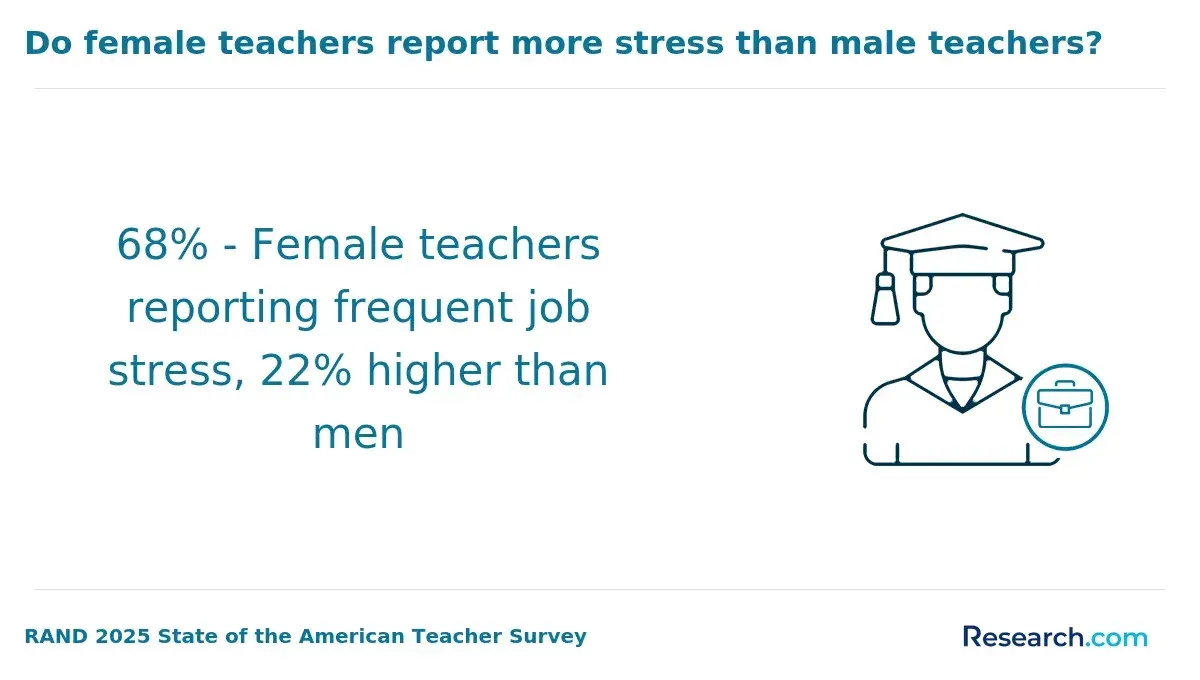
Teaching in California can be meaningful and stable, but candidates should understand the pressures before committing. The challenges are not reasons to avoid the profession automatically; they are factors to plan around when choosing a district, credential area, and financial path.
- High cost of living: Housing costs can be especially difficult in areas such as Los Angeles and San Francisco. Some districts respond with housing assistance, stipends, or local incentives, but benefits vary.
- Large class sizes: Teachers may have limited time for individualized instruction when class sizes are high. Candidates should ask districts about classroom support, aides, planning time, and intervention resources.
- Standardized testing pressure: Accountability requirements can shape lesson pacing and instructional choices. Strong teachers learn to balance test readiness with deeper learning, creativity, and student engagement.
- Shortages in specific fields: STEM, special education, and bilingual education teachers remain especially important in many districts. Grants, salary incentives, and hiring initiatives may be available in some areas.
- Technology expectations: Teachers are expected to use digital platforms, online gradebooks, classroom devices, adaptive software, and communication tools. Educators who want additional preparation may compare options such as the cheapest online elementary education degree or district-provided technology training.
- Early-career workload: Lesson planning, classroom management, grading, family communication, and induction requirements can be intense in the first years. Mentorship and a supportive school culture matter.
Common Mistakes to Avoid
| Mistake | Better Approach |
| Choosing a program without confirming CTC approval | Verify approval before applying or paying deposits. |
| Looking only at tuition | Calculate total program cost, including fees, exams, transportation, and unpaid clinical hours. |
| Assuming every online program leads to California licensure | Ask directly whether the program meets California credential requirements and supports California placements. |
| Ignoring subject matter requirements | Confirm whether your major, coursework, or exams satisfy the credential area you want. |
| Relying only on school rankings | Compare accreditation, placement quality, completion support, and fit for your credential goal. |
| Assuming salary outcomes are guaranteed | Review district salary schedules, local cost of living, and benefits before making financial plans. |
List of Top Licensed Teaching Programs in California for 2027
California has many institutions offering teacher preparation, graduate education, and related education programs. The schools below represent several types of options, including undergraduate preparation, master’s plus credential study, integrated pathways, and higher education-focused graduate work. Candidates who want additional advanced options can also compare an online master’s degree in education with campus-based credential programs.
Stanford University
Stanford University offers an undergraduate minor in Education that introduces students to educational theory, policy, psychology, leadership, and practice. The minor may be useful for students considering future teaching, research, policy, nonprofit, or education leadership roles, although candidates should confirm any additional credential requirements needed for California classroom teaching.
- Program Length: 1 year
- Tracks/concentrations: Teaching
- Cost per Credit: $1,456
- Required Credits to Graduate: 30
- Accreditation: Western Association of Schools and Colleges Senior College and University Commission
University of California Los Angeles
The Teacher Education Program at University of California Los Angeles offers a two-year intensive Master of Education (M.Ed.) pathway focused on social justice teaching in urban communities. The program is designed for candidates who want to teach in low-income, low-performing California schools, particularly in Los Angeles. Qualified students may pursue both a California teaching credential and an M.Ed. through a full-time program with significant academic and clinical expectations.
- Program Length: 2 years
- Tracks/concentrations: Teaching
- Cost per Credit: $1,564
- Required Credits to Graduate: 36
- Accreditation: Western Association of Schools and Colleges Senior College and University Commission
San Diego State University
San Diego State University offers an Integrated Teacher Education Program (ITEP) that combines a bachelor’s program in Child Development with preparation for an Early Childhood Special Education Credential. The pathway is designed to let students complete general education, major coursework, credential coursework, and student teaching within four years while developing an inquiry-oriented approach to teaching and learning.
- Program Length: 4 years
- Tracks/concentrations: Early Childhood Education
- Cost per Credit: $1,665
- Required Credits to Graduate: 120
- Accreditation: Western Association of Schools and Colleges Senior College and University Commission
Claremont Graduate University
Claremont Graduate University offers a Master of Arts in Education with a California Preliminary Teaching Credential in General Education. The program is built with flexibility for working professionals and includes mentorship from experienced K–12 educators, some of whom are engaged in doctoral study or research through the School of Educational Studies.
- Program Length: 2 years
- Tracks/concentrations: Preliminary Teaching
- Cost per Credit: $975
- Required Credits to Graduate: 36
- Accreditation: Western Association of Schools and Colleges Senior College and University Commission
California State University Fullerton
The Master of Science in Higher Education program at California State University, Fullerton prepares students for professional roles in colleges and universities, including orientation, housing, residential life, and student development offices. Although this program is not the same as a K–12 classroom credential pathway, it can support education professionals who want to work in higher education student services or related campus roles.
- Program Length: 2 years
- Tracks/concentrations: Higher Education
- Cost per Credit: $396
- Required Credits to Graduate: 30
- Accreditation: Western Association of Schools and Colleges Senior College and University Commission
How Do I Become an Art Teacher in California?
Art teacher candidates in California typically need a bachelor’s degree related to fine arts, visual arts, or art education, followed by an approved teacher preparation program that supports visual arts instruction. A strong portfolio can help demonstrate technical ability, creative range, and familiarity with multiple media. Candidates must also meet California credential requirements, including subject matter and pedagogy expectations. For a focused walkthrough, see this guide on how to become an art teacher in California.
Can Interdisciplinary Studies, Including Library Science, Advance My Teaching Career in California?
Interdisciplinary study can strengthen a teaching career when it adds practical classroom value. Library science, for example, can help teachers improve research instruction, digital literacy, information evaluation, media selection, and resource organization. These skills are useful for teachers who collaborate with librarians, design inquiry-based lessons, support student research, or move into instructional support roles. Candidates exploring complementary credentials can compare options such as the easiest library science degree programs.
How Can Integrating Library Science Enrich Your Teaching Career in California?
Library science can broaden a teacher’s professional toolkit by adding expertise in information curation, digital citizenship, research skills, and educational resource management. It may also support roles connected to curriculum development, literacy initiatives, school libraries, and academic support. Educators interested in that direction can review the process for how to be a school librarian in California.
What Are the Essential Steps to Meet Kindergarten Teacher Requirements in California?
Kindergarten teachers need preparation in early childhood development, classroom routines, literacy foundations, family communication, play-based learning, assessment, and classroom management for young learners. Candidates should choose programs with strong field experiences in early grades because theory alone is not enough for kindergarten teaching. For a role-specific breakdown, review kindergarten teacher requirements in California.
What Are the Career Benefits of an Online ESL Master's Degree in California?
An online ESL master’s degree can help educators strengthen their knowledge of second language acquisition, culturally responsive teaching, curriculum design, assessment, and English language development. In California, these skills can be valuable because many schools serve multilingual learners. Online delivery may also help working teachers continue teaching while advancing their education. To compare program options, see ESL master's programs online.
What Specialized Credentials Should Aspiring Teachers in California Pursue?
The right specialization depends on the students you want to serve and the type of school role you want. Elementary education can be a strong fit for candidates who want to teach multiple subjects and build foundational skills across the curriculum. If that is your goal, review the steps for how to become an elementary school teacher in California. Other candidates may pursue special education, bilingual education, English language development, visual arts, or secondary subject credentials based on local demand and personal strengths.
What Are the Alternative Pathways to Teacher Certification in California?
California offers alternative routes for eligible candidates who do not follow a traditional undergraduate teacher preparation sequence. These may include internship credentials, emergency permits, district-connected pathways, and accelerated programs. Alternative routes can be helpful for career changers and school employees, but they are not shortcuts around quality standards. Candidates must still meet California’s teacher certification requirements in California.
What Are the Requirements for Becoming a Substitute Teacher in California?
Substitute teaching can be a practical way to gain classroom experience, build district contacts, and test whether teaching is the right career. Requirements typically include minimum education qualifications, background and fingerprint clearance, and the appropriate permit or authorization. Districts may also require orientation or training. For a detailed eligibility guide, see the California substitute teacher requirements.
How Do I Specialize in Teaching English in California?
Future English teachers should build strong preparation in literature, writing instruction, linguistics, composition, adolescent literacy, English language development, and assessment. They should also prepare to teach students with varied reading levels and language backgrounds. Credential programs for English instruction usually combine subject matter preparation with methods courses and classroom practice. For a complete pathway, review how to become an english teacher in California.
How Do I Obtain Special Education Teacher Certification in California?
Special education teachers need targeted preparation in individualized education plans, inclusive instruction, assessment, behavior supports, collaboration with families and specialists, and legal responsibilities. California candidates should choose an approved program aligned with the special education credential they want. For step-by-step requirements, see special education teacher certification in California.
What Are the Private School Teacher Requirements in California?
Private schools may set their own hiring standards, so requirements can differ from public school credential rules. Some private schools prefer or require a state credential, while others prioritize subject expertise, teaching experience, faith-based alignment, specialized training, or advanced degrees. Candidates should review each school’s expectations before assuming a California public school credential is either required or unnecessary. Learn more about private school teacher requirements in California.
What Is the Process for Completing a Teaching Certification Online in California?
Online teacher preparation can be a good option for candidates who need flexibility, but online does not mean fully remote. California candidates still need approved coursework, supervised clinical practice, background clearance, and credential documentation. Before enrolling, confirm that the online program is approved for California licensure and can support field placements in California schools. For more guidance, see how to become a teacher online in California.
Is Becoming a Teacher in California Worth It?
Teaching in California can be worth it for candidates who want mission-driven work, a structured credential pathway, strong district benefits, and opportunities to specialize. It is especially compelling for people prepared to serve high-need communities, multilingual learners, students with disabilities, or shortage subject areas.
However, candidates should not make the decision based only on job demand or average salary. Local cost of living, student teaching time, credential costs, district culture, class size, commute, and workload can affect long-term satisfaction. Before committing, compare program costs with realistic first-year salary schedules and ask current teachers in your target districts what the job is like.
For a broader planning resource, this California State University San Marcos overview of a teacher in California pathway can help candidates understand the sequence of preparation, credentialing, and classroom entry. Educators who want technology-focused leadership skills may also compare a masters in educational technology online after entering the field.
Key Insights
- The standard California public school path starts with a bachelor’s degree. Candidates then complete approved teacher preparation, meet basic skills and subject matter requirements, pass background clearance, and apply for a preliminary credential.
- Credential choice should come before program choice. Decide whether you want elementary, secondary, special education, ESL, art, kindergarten, substitute, or private school teaching before comparing schools.
- California has continuing need for qualified teachers, but demand is not equal everywhere. Shortages are more pronounced in certain subjects and regions, including areas such as STEM, special education, and bilingual education.
- Salary must be evaluated locally. California teacher pay can be competitive, with a $58,409 starting annual salary and $101,084 average cited by NEA for 2025, but housing and commuting costs can change the real value of compensation.
- Online programs can work, but only if they meet California credential rules. Always verify CTC approval, field placement support, and licensure alignment before enrolling.
- Financial aid can reduce barriers. The Golden State Teacher Grant Program, FAFSA-based aid, institutional scholarships, Teacher Loan Forgiveness, and PSLF may help, but each has eligibility rules and possible service obligations.
- Do not rely on rankings alone. The best program is the one that is approved, affordable, logistically realistic, aligned with your credential, and connected to the schools where you want to teach.
Related Articles for Nearby States
- 2027 How to Become a Teacher in Nevada – What Degree Do You Need to Be a Teacher?
- 2027 How to Become a Teacher in Oregon – What Degree Do You Need to Be a Teacher?
- 2027 How to Become a Teacher in Arizona – What Degree Do You Need to Be a Teacher?
- 2027 How to Become a Teacher in Idaho – What Degree Do You Need to Be a Teacher?
- 2027 How to Become a Teacher in Utah – What Degree Do You Need to Be a Teacher
- 2027 How to Become a Teacher in Washington – What Degree Do You Need to Be a Teacher in Washington?
- 2027 How to Become a Teacher in New Mexico – What Degree Do You Need to Be a Teacher?
- 2027 How to Become a Teacher in Colorado – What Degree Do You Need to Be a Teacher?
- 2027 How to Become a Teacher in Montana – What Degree Do You Need to Be a Teacher?
- 2027 How to Become a Teacher in Wyoming – What Degree Do You Need to Be a Teacher
References:
- California Commission on Teacher Credentialing. (2026). Becoming a teacher in California. https://www.ctc.ca.gov/credentials/roadmap-to-teaching/becoming-a-teacher-in-california
- California Commission on Teacher Credentialing. (2026). Credential requirements and application materials. https://www.ctc.ca.gov/credentials/leaflets
- CareerOneStop. (2026). Secondary school teachers career profile. https://www.careeronestop.org/Toolkit/Careers/Occupations/occupation-profile.aspx?keyword=Secondary%20School%20Teachers
- National Science Foundation. (2025). STEM teacher workforce statistics. https://ncses.nsf.gov/indicators
- National Education Association. (2025). *Rankings of the states estimates of school statistics 2025*. https://www.latimes.com/california/story/2026-03-10/survey-almost-50-of-california-teachers-may-quit-teaching
- U.S. Bureau of Labor Statistics. (2025). Kindergarten and elementary school teachers. https://www.bls.gov/ooh/education-training-and-library/kindergarten-and-elementary-school-teachers.htm
- U.S. Bureau of Labor Statistics. (2025). High school teachers: Occupational outlook handbook. https://www.bls.gov/ooh/education-training-and-library/high-school-teachers.htm
- U.S. Department of Education. (2025). Teacher quality partnership program. https://www.ed.gov/grants-and-programs/teacher-quality-partnership
- U.S. Department of Education. (2025). Teacher loan forgiveness program. https://studentaid.gov/manage-loans/forgiveness-cancellation/teacher
- U.S. Office of Personnel Management. (2025). Education career paths and job requirements. https://www.opm.gov/policy-data-oversight/classification-qualifications/general-schedule-qualification-standards
Other Things You Should Know About Becoming a Teacher in California
To become a teacher in California in 2027, you typically need at least a bachelor's degree in education or a related field. Additionally, you must complete a teacher preparation program, either as part of your degree or separately, and pass the required exams to obtain a teaching credential.
While a degree in education is beneficial, it is not mandatory. Many teachers pursue degrees in their chosen subject area and then complete a teacher preparation program.
To become a teacher in California in 2027, prospective educators typically need to pass the California Basic Educational Skills Test (CBEST) and the California Subject Examinations for Teachers (CSET). These exams assess proficiency in basic skills and subject-specific knowledge.
In 2027, applicants should complete a bachelor’s degree and a teacher preparation program, pass required exams like the CBEST and CSET, and submit a credential application through the California Commission on Teacher Credentialing, including all transcripts and test scores.
A Preliminary Credential is the initial teaching credential, valid for five years. A Clear Credential is obtained after completing additional requirements, such as an induction program, and is necessary for continued teaching beyond the preliminary period.
Yes, California offers reciprocity agreements for out-of-state teachers. You can apply for a credential if you have completed a teacher preparation program and hold a valid teaching credential from another state.
Yes, many institutions offer online or hybrid teacher preparation programs that can be completed remotely, providing flexibility for working professionals or those with other commitments.





