2027 Cheapest and Shortest Online History Degree Programs That Pay Well: Cost, Duration, and Salary Outlook

Co-Founder and Chief Data Scientist
Choosing an online history degree is usually a three-part decision: how much you can spend, how quickly you need to finish, and whether the credential will be respected by employers, graduate schools, or licensing agencies. The cheapest and shortest programs can be valuable, but only when they are accredited, transparent about costs, and realistic about workload.
This guide is for students who want a history degree without taking on unnecessary debt or spending longer in school than needed. It explains typical costs, financial aid options, accelerated formats, legitimacy checks, career outcomes, and practical ways to compare programs before enrolling. History graduates earn a median annual salary of around $60, 000, but the return on investment depends heavily on tuition, transfer credit, career planning, and whether the program connects students with internships, research experience, or career services.
Key Benefits of the Cheapest and Shortest Online History Degree Programs That Pay Well
- Online history degrees often cost 40% less than traditional programs, enabling students to minimize debt while accessing quality education.
- Many accelerated programs can be completed within two years, allowing quicker entry into the workforce amid a growing demand for history-related skills.
- Graduates with history degrees earn a median salary around $60,000 annually, reflecting strong return on investment given the degree's affordability and duration.
How Much Does an Affordable Online History Degree Typically Cost?
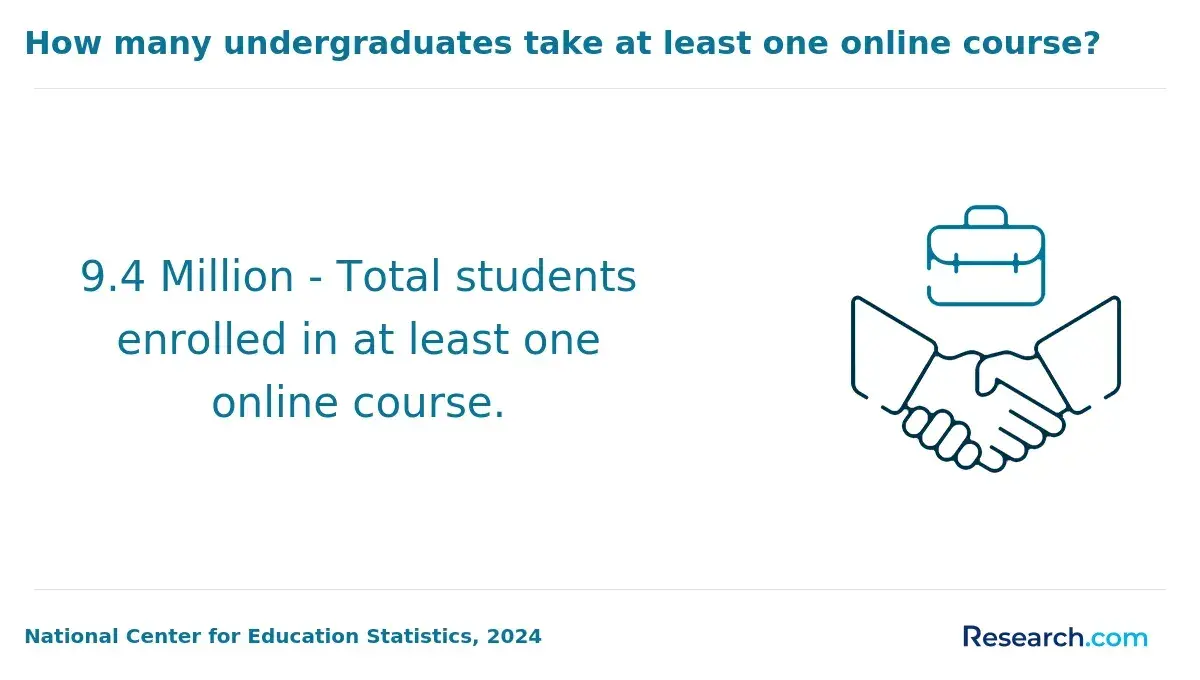
An affordable online history degree can vary widely in price, so students should compare the full cost of attendance rather than tuition alone. Recent data from the National Center for Education Statistics shows that tuition rates for in-state online undergraduate students in public institutions average about $6,500 annually, often lower than traditional campus programs.
For most students, the biggest cost drivers are the school type, residency rules, transfer-credit policy, required number of credits, and whether the program charges separate online fees. A low per-credit rate can still become expensive if the school accepts few transfer credits or adds mandatory technology and course fees.
| Cost factor | Typical amount or range | What students should check |
| Annual tuition benchmark | About $6,500 annually for in-state online undergraduate students in public institutions | Whether the online program offers the same rate to in-state and out-of-state learners |
| Total degree price | Between $15,000 and $40,000 | How many credits you must complete at the institution after transfer credits are reviewed |
| Cost per credit hour | Between $300 and $600 per credit hour | Whether fees, books, and digital materials are included or billed separately |
| Standard completion time | Three to four years of full-time study | Whether accelerated terms, summer courses, or prior learning credit can shorten the timeline |
Students comparing affordable online history degree cost should request a written estimate that includes tuition, mandatory fees, books, technology charges, graduation fees, and any residency or proctoring costs. The best value is not always the lowest sticker price; it is the accredited program that lets you complete the degree with the fewest unnecessary credits and the strongest career support.
Students comparing flexible degree formats may also want to review how fast-track graduate programs are structured, such as certain EDD programs, to better understand how accelerated schedules affect workload and cost.
Can You Get Financial Aid in the Cheapest Online History Programs?
Yes. Students in the cheapest online history programs can often use financial aid, provided the institution and program meet eligibility requirements. Recent data shows that approximately 85% of undergraduate students enrolled in online programs receive some form of assistance, making aid an important part of affordability rather than an optional extra.
The first step is to confirm that the school is accredited and participates in federal student aid programs. Then complete the FAFSA and compare the aid package against the full cost of attendance. A program that looks inexpensive may be less affordable than a slightly higher-priced option if it offers fewer grants, scholarships, or transfer-credit savings.
- Federal Pell Grants: These need-based grants do not require repayment and are designed to assist low-income students. They are often the most valuable aid source because they reduce the amount students need to borrow.
- Scholarships: Some awards are available for history majors, online learners, adult students, military-affiliated students, transfer students, or students with strong academic records. Students should search both institutional scholarships and outside awards.
- Student Loans: Federal and private loans can close funding gaps, but they should be used carefully. Compare interest rates, repayment terms, and expected post-graduation earnings before borrowing.
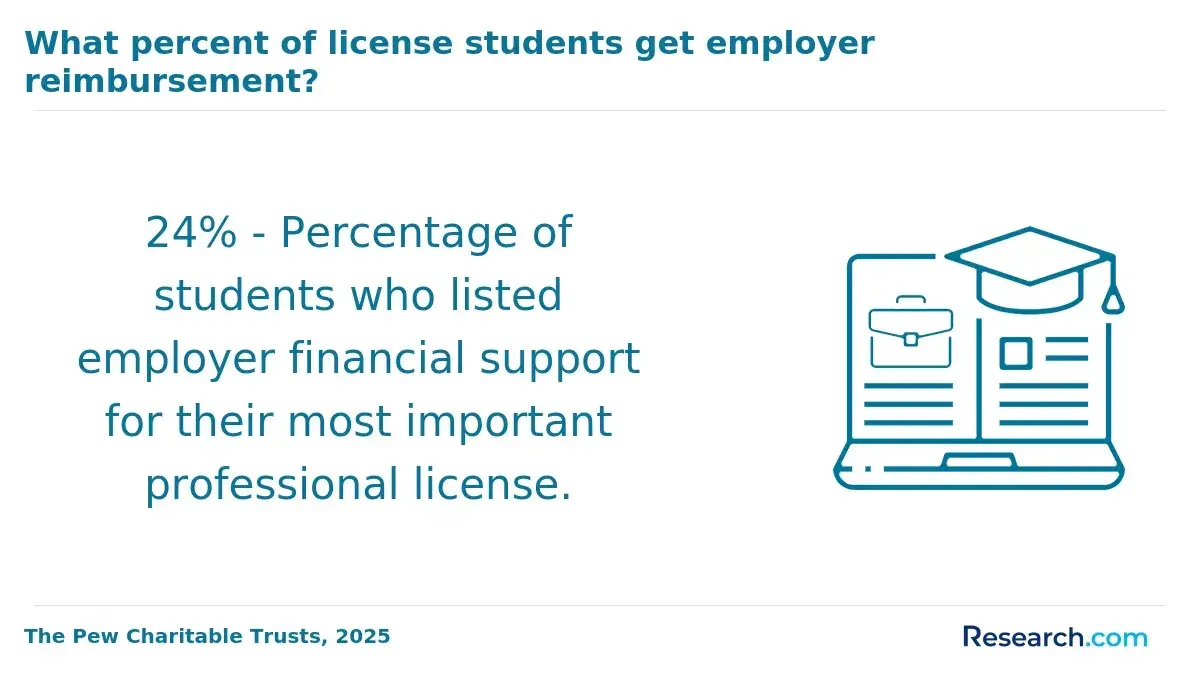
- Employer Tuition Reimbursement: Working adults should ask whether their employer reimburses tuition, books, or fees. Some employers require students to earn a minimum grade or stay employed for a set period after receiving reimbursement.
Eligibility commonly depends on income, enrollment status, academic progress, citizenship or eligible noncitizen status, and whether the school participates in aid programs. Tuition for online history programs typically ranges from $200 to $400 per credit hour, and financial aid can make a meaningful difference in the final out-of-pocket cost.
Students evaluating fast and affordable options in other fields can compare structures with accelerated psychology programs online to see how pacing, aid, and completion timelines may differ by discipline.
What Are the Shortest Online History Degree Programs?
The shortest online history degree programs are typically accelerated associate or bachelor's pathways that use transfer credits, compressed terms, year-round enrollment, or flexible course sequencing. About 30% of undergraduate online students prefer programs that allow them to finish quicker, which explains why many schools now market accelerated affordable history degrees online.
- Associate degree acceleration: Associate programs usually require around 60 credit hours and can be completed in 12 to 18 months through year-round terms. These programs are useful for students who want a lower-cost starting point or plan to transfer into a bachelor's program later.
- Bachelor's degree options: Accelerated bachelor's programs usually require 120 credits but may use compressed semesters or shorter 6-8 week terms. Some students finish within 18 to 24 months, especially if they bring substantial transfer credit.
- Flexible modular formats: Modular courses let students focus on fewer subjects at a time. This can help working adults stay organized, though the pace can be demanding because assignments arrive quickly.
- Cost and value considerations: Tuition rates for these programs typically range from $250 to $450 per credit hour, with total costs between $15,000 and $50,000. Finishing faster can reduce opportunity cost, but only if the pace does not force course withdrawals or poor grades.
Before choosing the shortest option, ask how many credits must be completed at the school, whether transfer credits are guaranteed before enrollment, how often required history courses are offered, and whether capstone or research requirements can delay graduation. A program advertised as fast may still take longer if core courses are offered only once per year.
Students who plan to continue into research, archives, libraries, or information management may also compare the long-term pathway with an MLIS degree, which can support related career options in history and research fields.6
What Is the Typical Format of the Shortest Online History Degree Programs?
The shortest online history degree programs usually rely on accelerated calendars, asynchronous coursework, and clearly structured weekly deadlines. Nearly 70% of online undergraduate programs now include modular or accelerated course formats to meet the demand for quicker degree completion.
- Term lengths: Courses commonly run in 5 to 8-week sessions instead of traditional 15-week semesters. This allows students to complete more courses across the year, but it also compresses reading, writing, and discussion work into a shorter window.
- Course delivery: Many programs are asynchronous, meaning students can watch lectures, read materials, and submit assignments on their own schedule. Some courses include synchronous options such as live discussions, presentations, or review sessions.
- Weekly commitment: Students often dedicate 15 to 20 hours per week to coursework. In history courses, that time is usually spent reading primary and secondary sources, writing essays, participating in discussions, and completing research projects.
- Interaction and collaboration: Students typically communicate through discussion boards, group projects, video calls, instructor feedback, and virtual office hours. Strong programs make these interactions substantive rather than treating them as box-checking requirements.
The format works best for students who can maintain a steady weekly routine. Accelerated history courses are reading- and writing-heavy, so falling behind by even a few days can be difficult to fix. Students should review sample syllabi before enrolling to understand paper length, exam format, discussion expectations, and late-work policies.
A graduate from an accelerated online history program shared that the fast pace was initially daunting but motivating. She appreciated how the compressed terms required intense focus, which kept her deeply engaged despite balancing a full-time job. The ability to interact through video chats and group activities made the experience feel more connected than expected, and finishing in under two years felt like a major accomplishment.
How Do Online Classes Work for Accelerated History Degrees?
Accelerated online history classes are built around frequent deadlines, substantial reading, and regular written analysis. According to a 2023 Online Learning Consortium report, 85% of students in accelerated programs express satisfaction with their course pacing and management, but satisfaction depends heavily on whether students understand the workload before classes begin.
- Flexible learning modes: Most programs combine asynchronous materials, such as recorded lectures and readings, with occasional synchronous sessions for live discussion or presentations. This format helps students study around work and family responsibilities.
- Condensed terms: Courses typically last 5 to 8 weeks instead of traditional 15-week semesters. Students cover the same major learning outcomes in less time, so weekly assignments can be intensive.
- Structured assignments: A typical week may include readings, discussion posts, short responses, essays, quizzes, exams, or research milestones. Consistent deadlines are designed to prevent students from delaying work until the end of the term.
- Instructor engagement: Faculty usually communicate through email, learning management systems, virtual office hours, comments on drafts, and discussion boards. Students should check expected response times and whether instructors provide meaningful feedback on writing.
- Peer interaction: Online forums, peer review, and group projects help students test interpretations and build communication skills. In strong courses, discussion is tied to primary sources, historiography, or research questions rather than simple opinion posts.
- Efficiency and completion: Focused scheduling and regular interaction can support momentum, contributing to higher completion rates-often exceeding 60%-than some traditional history programs.
Students who succeed in accelerated online history courses usually block study time before the term begins, start readings early, keep a research calendar, and ask for help before deadlines become urgent. The flexibility is real, but it is not the same as a lighter workload.
What Skills Do Students Gain from a Shortest-Track Online History Degree?
A shortest-track online history degree can build marketable skills when the program emphasizes research, writing, source evaluation, and clear communication. About 60% of graduates secure employment within six months, and many use the degree outside traditional historian roles because employers value the ability to analyze evidence and explain complex information.
- Critical thinking and analytical reasoning: Students learn to compare sources, identify bias, evaluate causation, and explain change over time. These habits are useful in policy, education, research, communications, and public-sector roles.
- Written and verbal communication: History programs require frequent writing, revision, and argument-building. Graduates often become stronger at presenting evidence clearly, summarizing complex issues, and supporting claims with documentation.
- Technical research and data analysis: Students may work with digital archives, databases, and geographic information systems. These tools can support work in archives, cultural resource management, historical consulting, and digital humanities projects.
- Time management and self-directed learning: Accelerated online formats require students to plan reading, drafting, discussion participation, and exams without daily in-person reminders. That discipline can transfer well to remote and flexible work environments.
- Problem-solving and adaptability: Students learn to work with incomplete evidence, conflicting interpretations, and evolving research questions. This helps build professional judgment and resilience.
When I asked a graduate of the fastest online history degree program about his experience, he described balancing work and study as the toughest part. "Keeping up with the rapid pace was intense," he said, noting how deadlines forced him to refine his organizational skills quickly.
He also valued the technical side of the program. Mastering digital archives helped him research complex topics independently, and the accelerated workload helped him develop perseverance and adaptability beyond academics.
Are Cheap and Fast Online History Degree Programs Considered Legitimate?
Cheap and fast online history degree programs can be legitimate, but students must verify quality carefully. Low tuition and accelerated pacing do not automatically mean weak academics; however, a program should be judged by accreditation, curriculum, faculty, student support, and outcomes rather than speed claims alone.
- Accreditation: Recognition by regional or national accrediting bodies helps show that the institution meets established academic standards. Accreditation is also important for federal financial aid, credit transfer, employer acceptance, and graduate school consideration.
- Faculty credentials: Strong programs use instructors with advanced degrees in history or closely related fields. Review faculty biographies to see whether instructors have teaching, research, archival, public history, or professional experience.
- Curriculum quality: Legitimate degrees cover historical methods, research writing, primary-source analysis, historiography, and broad regional or thematic areas. Accelerated programs should not remove core academic expectations simply to shorten completion time.
- Licensing eligibility: Students who want to teach should confirm state licensure rules before enrolling. A history degree alone may not satisfy teacher certification requirements, and online programs may not be approved for every state.
- Industry recognition: Graduate employment rates and reported salaries, often around $60,000 annually with higher earning potential in some roles, can help indicate whether the credential has workforce value.
Warning signs include unclear accreditation language, pressure to enroll immediately, no published tuition details, unrealistic promises about job placement, and refusal to evaluate transfer credits before admission. A legitimate program should be able to explain its costs, requirements, accreditation status, and student support services clearly.
What Are the Highest-Paying Roles for Online History Degree Graduates?
Online history degree graduates can pursue roles in government, education, museums, archives, consulting, policy, publishing, and research. Pay varies by location, experience, employer type, specialization, and whether the role requires graduate education or additional credentials.
Some of the highest-paying jobs for online History degree graduates include the following:
| Role | Typical work | Salary information stated |
| Historian | Researches past events, interprets records, and supports academic, government, policy, or cultural preservation work | Median salaries around $63,000; seasoned professionals in government or research institutions can earn up to $97,000 |
| Museum Curator | Manages collections, develops exhibitions, interprets artifacts, and creates educational programming | Median pay is about $60,000, with higher wages possible in major cities or prestigious museums |
| Archivist | Preserves, organizes, and provides access to documents, records, photographs, and digital materials | Median salaries average around $54,000, with increases for government archives or corporate settings |
| Policy Analyst | Uses research and historical context to analyze public issues, prepare reports, and support decision-making | Earnings typically range from $60,000 to over $90,000 |
Factors that can improve earning potential include advanced degrees, digital archiving skills, quantitative or geospatial research abilities, grant-writing experience, public history experience, and employment in regions with higher costs of living. Accelerated online options, often priced between $200 and $400 per credit, may help students enter the workforce sooner, but career planning should begin before graduation.
Students comparing return on investment across majors can review broader information on high paying degrees while evaluating top careers with accelerated History degrees.
What Is the Job Placement Rate for Online History Graduates?
Employment outcomes for online history graduates are shaped by more than the degree title. Data from the National Association of Colleges and Employers (NACE) shows that about 78% of recent history graduates secure jobs within six months of finishing their programs. These online history degree job placement rates reflect the value of research, writing, and analytical skills, but individual outcomes vary by experience and career preparation.
- Program reputation and accreditation: Graduates from regionally accredited, well-established institutions may face fewer questions from employers and graduate schools. Accreditation also supports credit transfer and financial aid eligibility.
- Internships and practicums: Hands-on experience can be decisive. Internships, virtual research projects, museum placements, archival work, and public history projects help students show employers what they can do with the degree.
- Alumni networks and career services: Online students should look for career coaching, resume reviews, interview preparation, employer events, internship support, and alumni mentoring. These services are especially important for students studying remotely.
- Industry demand and job diversity: History graduates work in government agencies, museums, education, research organizations, nonprofits, publishing, communications, and private-sector research. A flexible job search can improve placement odds.
- Salary and affordability balance: Median annual salaries range between $50,000 and $60,000, with top earners making over $80,000. Lower-cost and accelerated programs can strengthen return on investment when they are accredited and career-focused.
- Continuing education and certification: Adding targeted online certificates can improve employability in areas such as digital archives, data analysis, teaching support, project management, or nonprofit administration.
Students should ask each program for recent outcome data, not just general career claims. Useful questions include how many online students complete internships, which employers hire graduates, what support is available after graduation, and whether outcomes are reported specifically for history majors.
How Do You Choose the Best Cheap Online History Degree Program?
The best cheap online history degree is not simply the lowest-priced option. It is the program that offers an accredited credential, manageable total cost, strong transfer policies, credible instruction, and career support that matches your goals.
- Accreditation: Confirm that the program is accredited by a recognized agency like the Council for Higher Education Accreditation (CHEA). Accreditation affects employer recognition, financial aid, credit transfer, and graduate school options.
- Curriculum quality: Look for courses in historical methods, research writing, primary-source analysis, regional history, thematic history, and a capstone or major research project. A strong curriculum should build skills, not just require memorization.
- Program length: Accelerated tracks enabling degree completion in two to three years can benefit working adults who want to finish quickly. Verify transfer-credit rules, course rotation, residency requirements, and whether competency-based assessments are available.
- Student support: Online learners need accessible academic advising, library access, writing support, career counseling, disability services, and technical help. Ask whether support is available outside standard business hours.
- Career outcomes: Consider median salaries and job placement statistics for history graduates, typically around $60,000 annually with opportunities above $90,000 in specialized fields. Programs with internships, alumni networks, and employer connections may offer stronger value.
Before enrolling, compare at least three programs using the same criteria: total estimated cost, accepted transfer credits, time to completion, accreditation status, course format, graduation requirements, internship options, and career support. Also ask for a degree plan in writing so you can see exactly which courses you need and when they are offered.
What Graduates Say About Their Cheapest and Shortest Online History Degree
- : "Finding a fast and affordable online history degree was a game-changer for me. The program only cost about $8,000 in total, which made it accessible without burdening me with debt. Since graduating, I've been able to advance into a museum curator role, where I apply everything I learned. Melinda"
- : "I chose an online history degree because I needed something flexible and cost-effective; my program came in under $10,000 and finished within two years. Reflecting on my journey, the efficiency and price allowed me to gain valuable credentials quickly, enabling my promotion in the education sector. Danielle"
- : "The practical design of the affordable online history degree, costing roughly $7,500 and completed in less than two years, suited my busy professional life perfectly. The rigorous coursework boosted my analytical skills, helping me secure a position as a historical consultant for a major publishing firm. Terry"
Other Things You Should Know About History Degrees
Graduates from affordable and expedited online history programs in 2027 can expect varying entry-level salaries depending on the program's prestige and specialization. Typical starting salaries range from $35,000 to $50,000, influenced by factors like geographical location, industry demand, and individual skillsets.
In 2027, online history degree programs typically offer student-to-faculty ratios ranging from 15:1 to 25:1. This allows for personalized learning experiences while maintaining efficient use of resources. Ratios vary by institution, so it's important to research specific programs.
References
- History – Career 360: Virtual Career Center SNHU https://career360.snhu.edu/channels/history/
- The 25 Cheapest Online History Bachelor's Degree Programs https://www.geteducated.com/online-college-ratings-and-rankings/online-bachelors-degree-in-history/
- Jobs for History Majors: Where Will Your Degree Take You? https://online.maryville.edu/online-bachelors-degrees/history/careers/
- Online History Degree | Different History Degrees Online https://www.elearners.com/online-degrees/liberal-arts/history/
- 2025's Fastest Online Master’s Degrees & Accelerated Programs https://www.onlinemastersdegrees.org/features/fastest-online-masters-degrees/
- History https://www.careerpilot.org.uk/job-sectors/subject/history
- History Majors: Beyond the Myths and Into the Workforce https://www.graydi.us/blog/gray-insights/history-majors-beyond-the-myths-and-into-the-workforce
- Very qualified for the future: history graduates’ employability and earnings https://www.history-uk.ac.uk/2022/07/15/very-qualified-for-the-future-history-graduates-employability-and-earnings/
- Find 10000+ and compare online Bachelor and Master degree programmes as well as PhDs and short courses from top universities worldwide | DistanceLearningportal https://www.distancelearningportal.com/