2027 Are There Any One-Year Online History Degree Programs Worth Considering?

Co-Founder and Chief Data Scientist
A one-year online history degree sounds attractive if you want to finish school quickly, qualify for a promotion, prepare for graduate study, or move into research, education, museum, archival, government, nonprofit, or communications work. The key question is whether the “one-year” timeline is realistic for the credential you need.
For most first-time college students, an accredited online bachelor’s degree in history cannot be completed in one year because the credit requirement is too large. A faster timeline is usually possible only when a student already has substantial transfer credit, an associate degree, advanced placement credit, or is entering a graduate program that is intentionally designed for accelerated completion.
This guide explains what one-year online history programs can and cannot offer, how to judge accelerated degree claims, what admissions requirements to expect, how costs and financial aid work, and what to look for before enrolling. The goal is to help you choose a legitimate, accredited pathway without overcommitting to a timeline that may not match the actual workload.
Key Points About One-Year Online History Degree Programs
- One-year online History degrees focus on condensed curricula, often emphasizing research methods and critical analysis more intensively than traditional four-year programs.
- Programs are rare; fewer than 5% of History offerings in the US allow completion in one year, highlighting limited options for accelerated study.
- Students should expect rigorous time management demands and fewer elective choices, with a strong emphasis on primary source interpretation and historiographical debates.
Is It Feasible to Finish a History Degree in One Year?
Finishing an online history degree in one year is feasible only in specific situations. The degree level matters most: associate, bachelor’s, and master’s programs have very different credit requirements, academic expectations, and completion timelines.
An associate degree usually requires around 60 credits. A motivated student may shorten the timeline through accelerated terms, summer enrollment, transfer credit, or credit earned before admission. Even then, completing the full degree in one year would require a heavy schedule and careful course sequencing.
A bachelor’s degree is much harder to finish in one year because most programs require 120-128 credits. A first-time student would not normally be able to complete that volume of accredited coursework in a single year. The one-year path becomes more plausible only for degree-completion students who enter with many accepted credits and have few remaining requirements.
Master’s programs are more likely to offer a one-year online option. Many are designed to take one to two years, and some fast-track formats may allow completion within a year. However, graduate history study typically requires intensive reading, original research, seminar writing, and sometimes a thesis, capstone, or practicum, all of which can affect the actual time to graduation.
What determines whether a one-year timeline is realistic?
- Transfer credit: The more credits a school accepts, the fewer courses you must complete after enrollment.
- Degree level: A master’s or degree-completion program is more likely to fit a one-year plan than a full bachelor’s program.
- Course availability: Accelerated terms help only if required history courses are offered when you need them.
- Capstone or thesis requirements: Research-heavy final projects can extend the timeline, especially if faculty approval or archival work is involved.
- Weekly workload: Condensed courses often require more reading, writing, and discussion in less time.
Before choosing an accelerated history program, ask the admissions office for a written degree plan showing exactly which credits will transfer, which courses remain, and how those courses can be completed within the advertised timeframe.
Are There Available One-Year Online History Degree Programs?
For U.S. students, there are currently no accredited one-year online bachelor’s degree programs in History designed for first-time college students. Most online history bachelor’s degrees require around 120 credits and are structured as four-year programs for students starting without prior college credit.
Some students can graduate faster if they bring in transfer credits, advanced placement credit, or prior college coursework. Even then, completing a full bachelor’s degree in a single year is uncommon and should not be assumed unless the school confirms it after reviewing transcripts.
Online master’s degrees in history may sometimes be completed in one year, but they require a prior undergraduate degree. They are not entry-level degrees and are usually best suited for students who already have academic preparation in history, social science, humanities, education, or a related field.
The following online history options may support faster completion, but they should not be confused with standard one-year bachelor’s degrees:
- Mount St. Mary's University Online Accelerated Undergraduate Degree in History: This program uses 5- and 8-week sessions year-round, which can help motivated students move faster than a traditional semester schedule. Completing all requirements within one year would be rare and would likely require a heavy course load plus substantial transfer credit.
- University of Maryland Global Campus: UMGC offers a 120-credit online BA in History with year-round course availability. Students may accelerate with transfer credits, but the program is not designed as a one-year bachelor’s degree. The curriculum includes U.S. and world history, research methods, and a capstone project.
- Northwestern State University of Louisiana: This institution allows transfer students to finish bachelor's degrees in 18-36 months. The curriculum includes American, European, and non-Western history, along with research and writing. It is faster than a traditional pathway for many transfer students, but it is not a one-year program.
In practice, “one-year online history degree” often means one of three things: a graduate degree, a bachelor’s completion pathway for transfer students, or an accelerated schedule that still takes more than one year for most learners.
If speed is your priority, compare history options with other accelerated college programs and verify that any program you consider is accredited, transfer-friendly, and transparent about its real completion timeline.
Why Consider Taking Up One-Year Online History Programs?
A one-year online history program can be useful for the right student, but it is not the best choice for everyone. The strongest candidates are usually transfer students, graduate students, working adults, and learners who already know how to handle heavy reading and writing loads.
Because traditional history degrees typically take four years at the bachelor’s level, students should view one-year options as accelerated or completion pathways rather than standard undergraduate programs. The main advantage is speed, but the value depends on whether the program fits your academic background, schedule, and career goals.
Potential benefits
- Accelerated Learning: A condensed format allows students with prior credits or a strong foundation in history to focus intensively on upper-level coursework, research methods, and historical interpretation.
- Flexibility: Online delivery can help working professionals, parents, military-affiliated students, and adult learners complete coursework without relocating or commuting.
- Cost-Effectiveness: A shorter program may reduce the total time spent paying tuition and related educational expenses, especially when transfer credits cover a large portion of degree requirements.
- Career Enhancement: History programs strengthen research, source evaluation, writing, argumentation, and critical thinking skills that can be valuable in education, public history, law-adjacent roles, communications, policy, nonprofit work, and graduate study preparation.
Who may benefit most?
- Students who already have significant college credit and need a completion pathway.
- Educators or professionals who want additional subject expertise in history.
- Applicants preparing for graduate school in history, public history, archival studies, law, library science, or related fields.
- Working adults who need an online schedule and can commit to intensive weekly study.
If you need flexible admissions or are comparing accessible online options, reviewing open enrollment colleges can help you identify institutions that may better support nontraditional students.
The main drawback of a one-year online history program is compression. History is reading- and writing-intensive, and accelerated formats leave less time for reflection, revision, faculty feedback, language development, archival exploration, and broad elective study.
Students should be especially cautious of programs that make a one-year bachelor’s degree sound easy. A legitimate accelerated program still requires rigorous work, verified credit requirements, and meaningful assessment of historical thinking and research skills.
Common challenges
- Heavy Workload: Students may need to complete large amounts of reading, analyze primary and secondary sources, participate in discussions, and write research papers under tight deadlines.
- Less Time for Deep Engagement: Condensed courses can make it harder to explore historical debates, revise long papers, or develop a strong capstone or thesis project.
- Isolation: Online learning may reduce informal interaction with classmates and instructors, which can be a disadvantage in a discussion-based field like history.
- Limited Networking: Accelerated online formats may provide fewer chances to meet faculty, archivists, museum professionals, researchers, and alumni who can support internships or career exploration.
- Course Sequencing Risks: If a required course is offered only during certain terms, a one-year plan can fall apart quickly.
- Transfer Credit Uncertainty: A program may advertise speed, but your personal timeline depends on how many credits the institution actually accepts.
How to reduce the risk
- Request a transcript evaluation before enrolling.
- Ask whether all required courses are available online during your intended timeline.
- Schedule regular virtual meetings with faculty or advisors.
- Join online history associations, student groups, or discussion communities.
- Use writing support, library services, research consultations, and career counseling early rather than waiting until the final term.
A fast program can be worthwhile, but only if you have the time, academic preparation, and support system to keep up with the pace.
Eligibility requirements depend on the degree level and whether the program is an accelerated, transfer, completion, or graduate pathway. Most one-year or near-one-year history options are designed for students who already have college credit, not for first-time freshmen.
At the bachelor’s level, accelerated history programs often expect applicants to have completed substantial previous coursework, generally at least 60 semester hours, such as an associate degree or equivalent transfer credits. These programs are commonly aimed at working adults, transfer students, and career changers who need to finish remaining degree requirements efficiently.
At the graduate level, one-year history programs usually require a completed bachelor’s degree in history or a related discipline. Some programs may admit students from other fields if they can show strong writing, research ability, and preparation for advanced humanities coursework.
Typical admissions requirements
- Prior College Credits: Applicants may need to show completed general education requirements and, in some cases, prerequisite coursework in history, English, social sciences, or humanities. Official transcripts from all previous institutions are usually required.
- Minimum GPA: A minimum undergraduate GPA, commonly around 2.5, is often required, though standards vary by institution and degree level.
- Professional Experience: Some adult-focused programs may consider relevant work or life experience, though this is less common for bachelor’s degree admission than for advising or placement decisions.
- Statement of Purpose: Applicants may need to explain their interest in history, academic goals, and readiness for an accelerated online format.
- Technology Readiness: Students need reliable internet access, basic computer skills, and the ability to use online learning platforms, digital libraries, and research databases.
- Graduate-Level Requirements: Master’s programs often require letters of recommendation, a writing sample, and sometimes GRE scores, although many waive standardized tests.
Public universities may follow standardized state transfer policies, while private colleges may offer more flexibility for nontraditional applicants. In either case, do not rely only on general admissions language. Ask for a program-specific review of your credits and a written explanation of what remains before you enroll.
If you are comparing undergraduate and graduate options, it can also help to review which masters degree pays the most so you can weigh academic interest against long-term career and earnings considerations.
When evaluating a one-year online history degree, focus less on the advertised speed and more on proof of quality, accreditation, transfer fit, faculty support, and career relevance. A fast program is not a good value if credits do not transfer, employers question the credential, or the curriculum is too thin to support your goals.
Accreditation should be the first checkpoint. Accredited online history degree requirements matter because accreditation affects transferability, employer recognition, graduate school eligibility, and access to many forms of financial aid. Look for institutional accreditation from recognized accrediting bodies. Some online institutions may also reference the Distance Education Accrediting Commission (DEAC) or regional accrediting bodies.
Key factors to compare
- Accreditation: Confirm the institution’s accreditation through official sources, not only marketing pages. Be cautious of schools that make unclear claims about recognition.
- Faculty Expertise: Look for faculty with academic training, research activity, teaching experience, or professional work in historical fields that interest you.
- Curriculum Quality: A strong history curriculum should include historical methods, primary-source analysis, research writing, regional or thematic breadth, and a culminating capstone or thesis when appropriate.
- Course Delivery Format: Determine whether courses are asynchronous, synchronous, or hybrid. A flexible format is useful, but scheduled seminars may provide stronger discussion and faculty interaction.
- Credit Transfer Policies: Ask how many credits can transfer, which requirements they satisfy, and whether there are limits on age, source, or level of prior coursework.
- Tuition Cost and Financial Aid: Compare total program cost, fees, textbooks, technology charges, and eligibility for federal, state, institutional, or employer aid.
- Student Support Services: Online students should have access to academic advising, library research help, tutoring, writing support, disability services, and career counseling.
- Program Alignment: Choose a program that fits your next step, whether that is teaching-related work, public history, graduate study, law school preparation, archival work, or a general liberal arts credential.
- Course Availability: Verify that required courses are offered often enough for accelerated completion. A missing capstone or methods course can delay graduation.
Questions to ask before applying
- How many of my credits will transfer into the history major and general education requirements?
- Can the school provide a term-by-term graduation plan?
- Are all required courses available online?
- Is the program designed for one-year completion, or only faster-than-traditional completion?
- What percentage of students actually finish within the advertised timeline?
- Will this degree meet requirements for the graduate program or career path I am considering?
Students who are comparing fast educational routes outside history may also want to review options related to the fastest degree to make money, especially if immediate employment return is a major priority.
Costs vary widely because one-year online history degree programs are uncommon and often differ by degree level, transfer status, residency, and institution type. A one-year master’s program, a bachelor’s completion pathway, and a standard online bachelor’s degree with transfer credit may have very different pricing structures.
Tuition depends on whether the school is public or private, whether you qualify for in-state rates, how many credits you still need, and whether the program charges separate online, technology, library, or graduation fees. The shortest program is not always the cheapest if per-credit tuition is high or if few prior credits are accepted.
For context, annual tuition for affordable online master's degrees in history ranges from roughly $1,950 at some public universities to over $9,000 at larger schools. Traditional four-year bachelor's degrees in history can total between $46,400 and nearly $100,000. These figures show why transfer credit and program length can have a major effect on total cost.
How to estimate your real cost
- Start with remaining credits: Multiply the number of credits you still need by the school’s per-credit tuition rate.
- Add mandatory fees: Include online learning fees, technology fees, graduation fees, course materials, and proctoring costs if applicable.
- Subtract aid that does not need repayment: Account for grants, scholarships, tuition discounts, and employer assistance.
- Separate loans from discounts: Federal and private loans can help with access, but they still must be repaid with applicable terms.
- Confirm transfer acceptance first: A program may become much more expensive if fewer credits transfer than expected.
Before enrolling, ask the school for a full cost breakdown tied to your degree plan. For accelerated programs, also ask what happens financially if you cannot complete the program within the expected timeframe.
Students in a one-year or accelerated online history program should expect an intensive academic experience built around reading, writing, discussion, research, and source analysis. The pace is usually the biggest adjustment: courses may move quickly, deadlines may overlap, and major writing assignments may arrive earlier than in a traditional semester.
The online history degree curriculum requirement typically includes historical methods, historiography, regional or thematic history courses, research writing, and a capstone or major project. At the bachelor’s level, students may also need to complete remaining general education or elective requirements. At the graduate level, coursework may center on seminars, historiographical debates, advanced research, and a thesis or capstone.
Common coursework and learning activities
- Reading primary sources, scholarly articles, and historical monographs.
- Writing analytical essays, literature reviews, and research papers.
- Participating in online discussions or seminar-style conversations.
- Using digital archives, library databases, citation tools, and historical collections.
- Completing a capstone project, thesis, or applied research assignment.
- Connecting historical interpretation to public, cultural, political, social, or global issues.
Accelerated history bachelor program coursework can be demanding because students may take more classes per term and have less time between assignments. Strong time management, research planning, and writing discipline are essential.
Online learning also requires comfort with digital tools. Students may need to search academic databases, evaluate digitized archival materials, submit multimedia presentations, collaborate in discussion boards, and meet virtually with faculty or classmates.
If your main goal is faster career training rather than a liberal arts history degree, you may also want to compare alternatives such as vocational colleges online, which may offer more direct workforce preparation in certain fields.
Financial aid may be available for one-year online history programs, but eligibility depends heavily on accreditation, enrollment status, degree level, and whether the program participates in aid programs. Always confirm financial aid eligibility with the school before applying or paying a deposit.
Students should also distinguish between aid that lowers the cost and aid that postpones payment. Grants and scholarships generally do not need repayment if requirements are met. Loans must be repaid according to their terms.
- Federal Financial Aid: Pell Grants and federal loans may be available to eligible students who complete the Free Application for Federal Student Aid (FAFSA) and enroll in an accredited program that participates in federal aid programs. Eligibility depends on financial need, enrollment status, and program rules.
- State Financial Aid: Some states offer grants or scholarships for residents, often with separate deadlines and eligibility requirements. Public institutions may provide clearer state-aid pathways, but students should confirm details through the state education agency and the school’s financial aid office.
- Scholarships: Universities, foundations, historical societies, and other organizations may offer merit- or need-based scholarships for history majors, humanities students, transfer students, adult learners, or online students. Applications may require essays, transcripts, recommendations, or evidence of interest in historical research.
- Institutional Aid: Colleges may offer tuition discounts, transfer scholarships, military-affiliated benefits, or adult learner grants. Availability can vary by term and program.
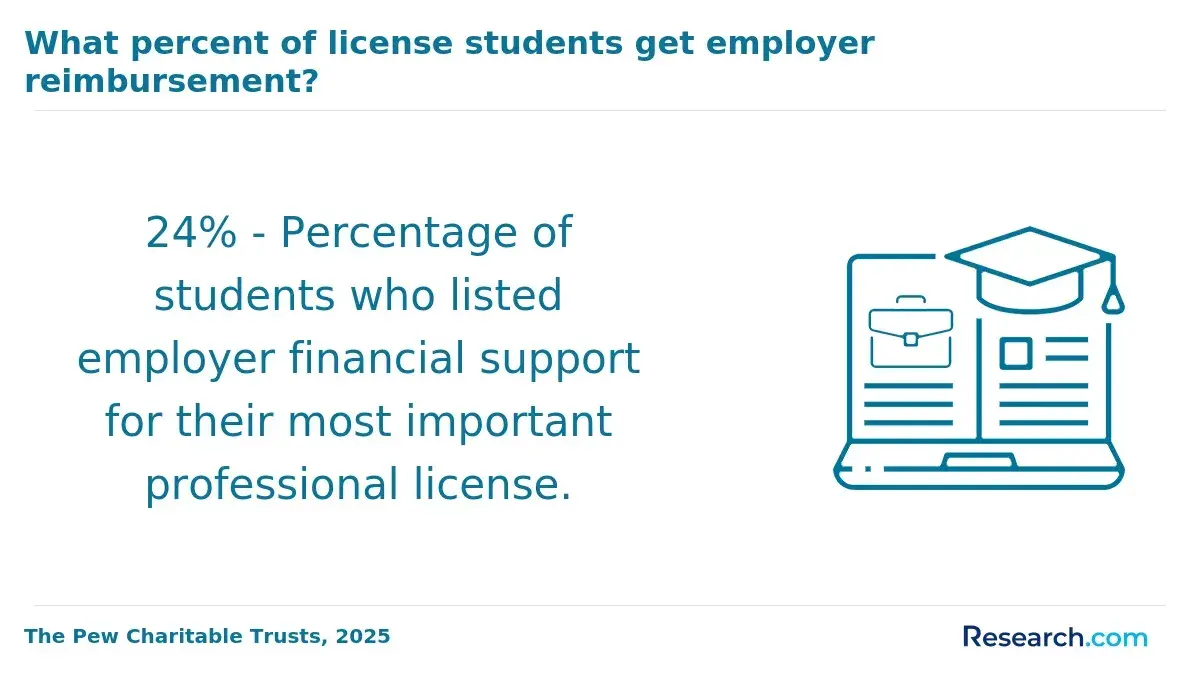
- Employer Tuition Assistance: Working students should ask whether their employer reimburses tuition or supports degree completion, especially if the program strengthens research, writing, communication, or policy-related skills.
Before borrowing, request a financial aid package and compare it with the total cost of attendance. If a program is accelerated, ask whether aid is distributed by term, credit load, or academic year so you understand cash-flow requirements.
What History Graduates Say About Their Online Degree
- Alfonso: "The accelerated online History degree allowed me to pivot my career quickly and effectively, providing me with a deep understanding of historical contexts that impress employers. Completing the program in just one year saved me both time and money compared to traditional degrees. I highly recommend this path for anyone looking to enhance their skills rapidly."
- Eduardo: "Studying History online with a competency-based approach gave me the flexibility to learn at my own pace without compromising the quality of education. The personal reflection and critical thinking skills I developed have been invaluable in my current research job. The average cost was reasonable, making this a great investment in my future."
- Thiago: "The one-year online History degree challenged me intellectually while fitting perfectly into my busy schedule. I appreciated how the curriculum was both rigorous and engaging, plus the convenience of fully online classes meant I could balance work and study seamlessly. Finishing quickly helped me start applying what I learned in my career almost immediately."
Other Things You Should Know About Pursuing One-Year History Degrees
In 2027, one-year online History degrees can be effective for preparing students for graduate study if they are accredited and well-structured. They should offer a comprehensive curriculum, with research opportunities and reputable faculty, to ensure a strong foundational knowledge necessary for advanced studies.
Many one-year online history degrees require 30 to 60 semester credits total, and schools often cap transfer credit at 30 to 90 credits. To finish in one year, students usually need prior coursework, an approved transcript review, and a clear degree plan before enrollment.
Recognition depends on the accreditation of the institution offering the program and the employer's policies. Regionally accredited schools with established reputations tend to lend more credibility to online degrees, including accelerated formats.
Graduates should be prepared to explain the rigor and content covered in their one-year History studies during job interviews.
In 2027, there are a few accredited universities offering one-year online History degree programs. These programs typically require a rigorous and intensive schedule, condensing three to four years of coursework into a single year, and focus through a combination of recorded lectures, virtual seminars, and independent research modules.
- 2025 Most Affordable Online History Degrees https://www.onlineu.com/most-affordable-colleges/history-degrees
- 10 Grants & Scholarships for Online Students - The Scholarship System https://thescholarshipsystem.com/blog-for-students-families/10-grants-scholarships-for-online-students/
- Why choose an online degree? - FutureLearn https://www.futurelearn.com/info/blog/why-choose-an-online-degree
- Bachelor of Arts (BA) in History Online - NKU https://onlinedegrees.nku.edu/programs/undergraduate/arts-and-sciences/bachelor-of-arts-history/
- Online Bachelor's Degree: History https://www.umgc.edu/online-degrees/bachelors/history
- Online MA History | History Courses Online | Northumbria https://www.northumbria.ac.uk/study-at-northumbria/courses/history-ma-ft-dl-dtdhtr6/
- The effect of online learning in modern history education - ScienceDirect https://www.sciencedirect.com/science/article/pii/S2405844022012531
- Online Degree vs. Traditional | University of Arkansas Grantham https://www.uagrantham.edu/blog/pros-cons-online-degree-vs-traditional-university/