2027 Licensing Exams Required After Completing a History Degree Program

Co-Founder and Chief Data Scientist
Graduates with a history degree often assume entering their preferred careers requires no further qualifications, only to encounter licensing exams that shape job eligibility and advancement. This oversight can delay employment or limit opportunities in fields like teaching, archiving, or museum curation. According to the U. S. Bureau of Labor Statistics, 24% of history graduates pursue positions requiring state licensure, notably in education.
Understanding which exams apply, their content, and timing is essential to avoid career setbacks. This article explores the licensing exams relevant to history degree holders, detailing requirements and strategies to navigate them effectively for career success.
Key Things to Know About the Hardest and Easiest Courses in a History Degree Program
- Most licensing exams for history-related careers require candidates to hold a bachelor's degree and complete relevant teacher preparation or specialized training programs.
- Exams typically cover U.S. history, world history, historical methods, and pedagogical skills, lasting between two to four hours with multiple-choice and essay questions.
- Preparation periods often span several months, and passing licensure significantly enhances employment opportunities in education, museums, and archival institutions.
What Licensing Exams Are Required After Completing a History Degree?
Licensing exams play a critical role in verifying the skills and qualifications of history degree graduates pursuing professional careers. With over 60% of school districts requiring certification exams for teacher employment, these tests have become essential for career entry and progression in fields related to history. Knowing which exams are typically needed can help graduates plan their next steps effectively.
Here are some commonly required or recognized licensing exams for history graduates:
- Praxis Subject Assessments: Often required for initial teacher certification in many states, these exams assess content knowledge in history and social studies along with teaching methods. Passing the Praxis exams is crucial for those aiming to become history teachers in public schools, aligning with employer and regulatory standards.
- Certified Archivist Exam: This exam is necessary for aspiring professional archivists and tests knowledge in archival theory, historical context, and records management. It validates competence for working in archives and is recognized by the American Archivist association.
- Public Historian Certification: Offered by some states and organizations, this certification evaluates skills in communicating history to the public and managing historic sites. It supports career advancement for those pursuing roles as public historians or in heritage management.
These licensing exams for History degree graduates emphasize professional readiness and enhance job eligibility. Graduates can also explore complementary credential options in related fields, such as through specialized BCBA online programs, to broaden their career prospects.
What Topics Are Covered on the History Licensing Exam?
Knowing the key subjects covered in history licensure tests is critical for focused study and success, with pass rates around 65% nationally indicating the level of challenge candidates typically face. Candidates who grasp the core content areas tend to experience a smoother exam process and better results. Below are the main topics you can expect to encounter on the history licensing exam.
- Historical Periods and Themes: This section addresses major eras including ancient, medieval, and modern history, testing chronological knowledge and the ability to understand overarching themes. Mastery here ensures a solid foundation in the timeline and narrative structure of history.
- Historiography and Methodology: Candidates must demonstrate familiarity with research techniques, critical analysis, and interpretation of historical evidence. These skills are essential for producing accurate scholarship and evaluating diverse perspectives.
- Geography and Cultural Context: Understanding how geography shapes historical events and societal development is tested, highlighting the importance of spatial awareness in comprehensive historical analysis.
- Historical Documents and Evidence Analysis: This area evaluates the ability to assess primary and secondary sources critically, a fundamental professional skill for supporting historical conclusions and arguments.
- Social, Political, and Economic Developments: Questions focus on major changes in society, politics, and economies over time, reinforcing the candidate's grasp of cause and effect within historical contexts.
Exam formats typically include multiple-choice questions and short essays, both designed to simulate the real-world application of historical knowledge in academic, archival, or research careers. For those exploring accelerated pathways to related fields, there are options such as a social work degree fast track that complement history licensure.
What Requirements Must Be Met to Take the History Licensing Exam?
Meeting eligibility criteria for the history licensing exam is a key step in planning a career in education, archives, or museum professions after graduation. These requirements guide students and recent graduates in qualifying for licensure, ensuring they meet professional standards. Below are common prerequisites for qualifying to take the history licensing exam.
- Completion of an accredited history degree program: Candidates must hold a bachelor's or higher degree in history or a closely related field. This accreditation confirms the academic quality and relevance of the candidate's foundational knowledge required for licensure.
- Practical experience or student teaching: Many states require supervised practical experience, such as student teaching in K-12 schools for history educators, to provide hands-on application and classroom management skills.
- Background checks: Criminal background checks are often mandated to ensure safety and trust in educational or cultural institutions, varying by state and license type.
- Additional coursework or assessments: Licensing boards may require further classes in pedagogy, ethics, or specialty history subjects, along with supplementary exams assessing content mastery and teaching methodologies.
These history licensing exam eligibility criteria vary widely by jurisdiction and specific license type. Awareness of the distinct state requirements and specialization focus helps align career goals effectively. For students considering graduate study, programs such as an online psychology masters can also complement understanding of educational and developmental theories relevant to teaching.
Knowing the specific requirements to qualify for history licensure test early on aids in a smooth transition from degree completion to professional practice.
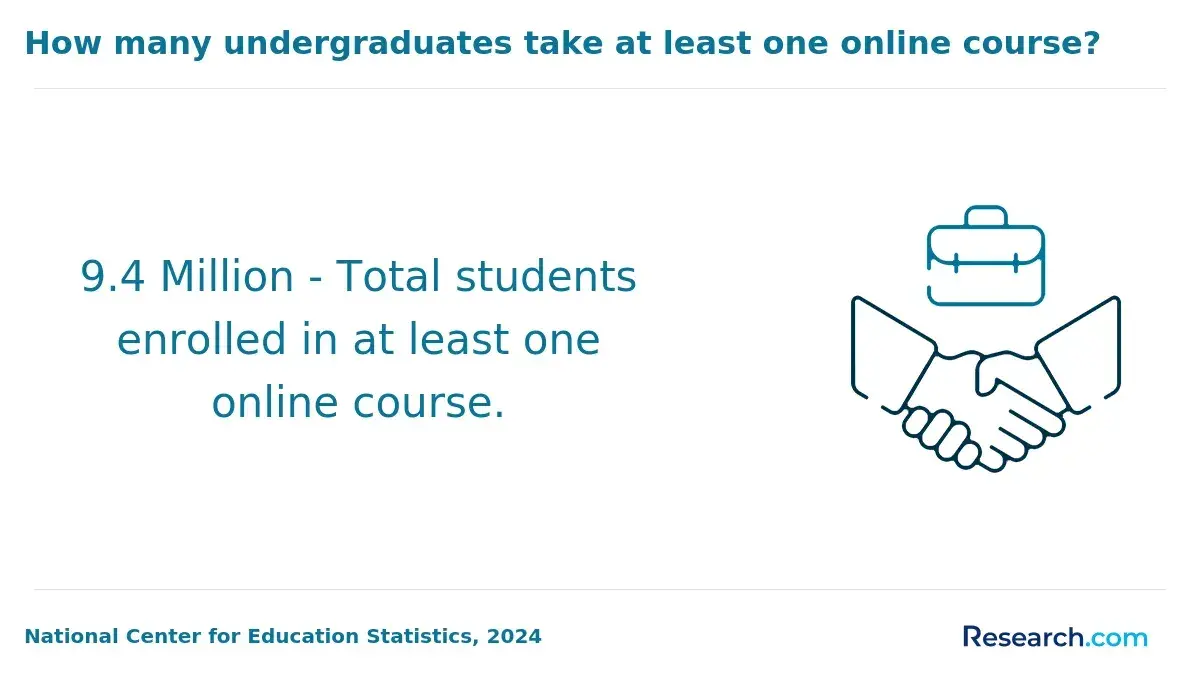
Eligibility for professional licensure with an online history degree largely depends on the accrediting status of the institution and the specific requirements of the licensing board. Many licensing authorities now recognize online degrees from accredited programs, though some may require supplementary in-person practicum hours, supervised training, or competency exams beyond academic work.
About 70% of online history graduates pursuing licensure reportedly meet eligibility standards, indicating growing acceptance of quality online education. However, requirements vary significantly by state and career field, with some jurisdictions imposing stricter rules such as mandatory face-to-face coursework or unique exam formats. Prospective licensees should thoroughly research their relevant licensing boards and ensure their online program complies with all criteria early in their academic journey.
When I spoke with a graduate of an online history degree, he described the process as "challenging but manageable." He explained that after completing his coursework, he faced additional requirements not covered online, such as local workshops and in-person assessments.
"The uncertainty about what exactly the board expected was stressful," he shared, emphasizing the importance of early communication with licensing authorities. Despite some hurdles, he felt well-prepared academically and motivated when he finally gained licensure, noting, "It was a relief to prove myself beyond the virtual classroom."
Strong program preparation is essential for success on licensing exams, with studies showing that 68% of history graduates who access tailored exam resources pass certification tests on their first try. Effective exam readiness depends on how well educational content matches the requirements set by licensing authorities. The following approaches demonstrate how history programs support this alignment and student success:
- Curriculum alignment: Courses are designed to mirror licensing standards, ensuring students grasp the key topics and competencies tested on exams.
- Exam-focused coursework: Specialized seminars and classes target critical skills such as historiography and archival methods that often appear on licensing assessments.
- Practice exams: Sample tests and question banks familiarize students with exam formats and question types, boosting confidence and test-taking skills.
- Internships and fieldwork: Hands-on experiences enable students to apply historical analysis and research methods in real-world settings, strengthening practical understanding.
- Faculty guidance: Mentoring and advising provide strategic support on exam preparation techniques and help address individual academic needs.
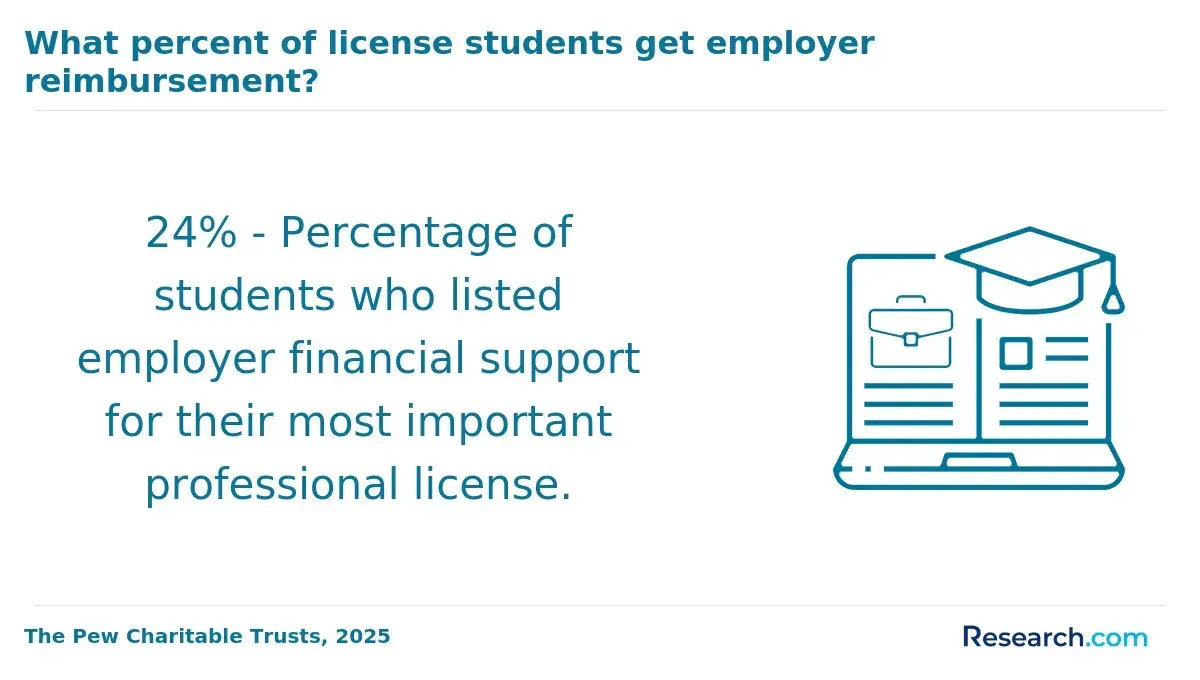
Accurately forecasting the cost of licensing exams after earning a history degree is essential for sound financial planning. These expenses can vary widely by state and certification requirements. Below are several crucial cost factors that typically affect the overall price of history degree licensing tests.
- Exam fee: This is usually the largest single expense, covering the cost of test administration and scoring. Most exam fees for history licensing range between $50 and $200, affecting how soon candidates can enter education or archival careers.
- Application fees: Licensing boards often charge an additional fee to process applications and verify eligibility. These fees commonly fall between $20 and $100, adding to the upfront investment needed.
- Retake fees: If candidates need to retake the exam, they typically must pay the exam fee again. This can effectively double the initial licensing exam cost, emphasizing the importance of thorough preparation.
- Study materials: Costs for prep books, practice tests, and online courses vary widely, usually between $30 and over $100. Since strong preparation improves success rates, these materials are an important part of the total expense.
- Additional training: Some states or certifications require extra workshops or training sessions to meet standards. These supplemental costs should be factored in to avoid unexpected delays in licensure.
For recent graduates evaluating the licensing exam fees after history degree completion, including these factors ensures a realistic budget for career entry. Factoring in the cost of history degree licensing tests is vital, particularly when pursuing roles in education, research, or archival work. Those interested in broader career prospects may want to explore the highest paying degrees to gauge how a history degree compares financially and professionally.
Knowing the scheduling of the history licensing exam is vital to avoid delays in obtaining certification, as many candidates face wait times of several months between testing windows. Typically, exams are offered about three to four times a year, aligning with academic cycles and providing candidates opportunities to plan accordingly. Below are important factors influencing how frequently the exam is available.
- Testing windows: Most states schedule exams quarterly, though some boards provide monthly or biannual sessions, giving varied options based on regional policies.
- Delivery format: Candidates can often choose between in-person testing centers and secure online proctoring, expanding accessibility but sometimes affecting scheduling flexibility.
- Retake policy: After an unsuccessful attempt, individuals usually must wait 30 to 90 days before retaking the exam, which can impact the overall timeline for licensure.
- Regional differences: Scheduling availability varies widely among states, with some offering more frequent exam dates due to higher candidate volume or differing administrative approaches.
- Pass rate variability: Performance can fluctuate slightly by exam cycle, underscoring the benefit of choosing an optimal testing window when preparation aligns with available dates.
When I spoke with a recent history degree graduate about her exam experience, she shared that navigating these scheduling nuances was a critical part of her journey. "I found it challenging to coordinate my study plan around the limited testing windows in my state, especially with the mandatory waiting period after my first attempt," she recalled. Nonetheless, the option for online testing helped her secure a slot sooner than anticipated.
She emphasized that flexibility and patience were essential, noting, "Balancing work and preparation meant I had to be strategic about when to register. It wasn't just about knowing the content, but also understanding the system." Her story highlights how exam scheduling can shape the path to professional licensure beyond academic readiness.
Most positions requiring a history degree do not mandate professional licensure, with surveys indicating fewer than 5% of roles demand formal licensing. This trend reflects the field's emphasis on academic credentials and skills over certification. Several important factors influence whether licensure is needed for specific history-related jobs.
- Job role: Certain careers, such as archivists, museum curators, or historic preservation specialists, might require specific certifications or licenses based on the duties performed or institutional standards.
- Specialization: Graduates pursuing roles in education often must obtain teaching credentials or state licensing to qualify for public school positions.
- Employer preferences: While not usually compulsory, some employers prefer candidates with professional certifications or memberships in recognized historical organizations, which may enhance employment opportunities.
- Regulatory requirements: Jobs involving management of public records or working within government agencies can have licensing or compliance demands governed by state or federal regulations.
- State-specific rules: Licensing requisites vary by state, particularly for educators or those working in regulated sectors, making local laws an important consideration.
Being aware of these elements helps history degree holders assess when pursuing additional certifications or exams could benefit their career path.
Licensure can significantly influence earning potential for history professionals by validating expertise and commitment, which employers may compensate with higher salaries. In the history field, salary differences for licensed history professionals generally span from $40,000 to over $80,000 annually, depending on job type and experience. Licensed individuals often qualify for roles with greater pay and responsibility.
Several factors affect the earnings gap between licensed and unlicensed history graduates:
- Regulatory requirements: Certain advanced history roles legally require licensure, reducing competition and enabling higher wages for qualified professionals.
- Access to higher-paying roles: Licensing opens doors to specialized positions such as museum curators or archivists with certifications, which typically offer better compensation.
- Employer preference: Employers tend to favor licensed history graduates because licensure confirms verified skills and reliability.
- Career advancement: Holding a license often serves as a prerequisite for promotions or advanced responsibilities within history-related careers.
- Geographic variations: Salary standards and licensing requirements differ by region, impacting overall pay scales for licensed professionals.
Licensing exams and certifications serve as formal recognition of a candidate's knowledge and professionalism. This official validation supports licensed individuals in negotiating better salaries and securing prestigious roles. For history graduates exploring career options, understanding these dynamics is essential, especially when exploring job opportunities for licensed history graduates. Prospective students can also consider attending online colleges with financial aid to prepare for licensure and maximize their career potential.
Licensing for history-related professions is generally regulated at the state level, meaning a license granted in one state may not be recognized automatically in another. This fragmented system leads to varying rules influenced by the jurisdiction and the specific regulatory authority.
License portability is vital for career flexibility; a 2023 National Workforce Mobility report showed that about 40% of licensed workers encounter difficulties transferring credentials due to inconsistent reciprocity standards. Such challenges particularly affect history professionals working in areas like archives, museums, or public history, where state certification is often mandatory.
Using a history license outside the issuing state usually involves several pathways, each with its own limitations. Common options include reciprocity agreements permitting direct license transfer with minimal extra steps, endorsement processes requiring validation of comparable education and experience, additional examinations to satisfy new state criteria, or supervised practice periods before full licensure.
The exact requirements depend heavily on the destination state, the candidate's area of specialization, and the governing licensing board, making early consultation with that board essential for navigating interstate practice rules.
What Graduates Say About The Licensing Exams After Completing a History Degree
- Alfonso: "Taking the licensing exam as an online history degree graduate was a challenging yet rewarding experience. The cost of history licensure, which typically runs around a few hundred dollars, felt like a small investment for the doors it opened in my career. Having this license has significantly boosted my credibility and opportunities in the education field."
- Eduardo: "The process of preparing for the licensing exam after completing my history degree online gave me a chance to reflect on all the knowledge I had gained. Although the licensing fees were an additional expense on top of the average cost of attendance for history programs, it was worthwhile. Holding a history license has brought a new level of professionalism and respect in my career as a museum curator."
- Thiago: "From a professional standpoint, passing the licensing exam as an online history graduate confirmed my expertise in the field. The overall cost of obtaining a history license was quite reasonable compared to other certifications I considered. This qualification has opened several doors for me in academia and consulting, affirming the value of the investment."
Other Things You Should Know About History Degrees
Most state education departments require a scaled score of 150 on the Praxis Social Studies exam for secondary history licensure in 2027. Some states add a content test, such as the FTCE or CSET, before the teacher certification board issues the license.
In 2027, licensing exams for history graduates are typically administered by bodies like the National Council for History Education (NCHE) or regional educational boards, depending on the jurisdiction. These organizations set specific requirements and standards necessary for certification in the field.
In 2027, history graduates' performance on licensing exams can enhance their employment prospects, especially in teaching, museum curation, or archival management. High scores may offer a competitive edge, whereas failing might limit opportunities until retesting is allowed.
Failing a licensing exam usually means the candidate cannot pursue licensure until they successfully retake and pass the exam. There may be mandatory waiting periods before retesting, and additional fees might apply for each attempt. Many candidates use their initial failure to identify areas needing further study and attend preparatory courses before retaking the exam.
- GCSE History Topics by Exam Board: Full List https://www.savemyexams.com/learning-hub/subject-guides/gcse-history-topics/
- Free ILTS Social Science: History (246) Practice Test (updated 2026) https://www.mometrix.com/academy/ilts/social-science-history/
- 2025 Medical Licensing Costs: Complete Guide to Exam, Application, and Renewal Fees in the USA https://www.withassured.com/blog/medical-licensing-costs
- Credentials Evaluations | NCEES https://ncees.org/ncees-services/credentials-evaluations/
- What Can You Do With A History Degree? https://thebestschools.org/degrees/history-degrees/
- The Costs of Occupational Licensing - Institute for Justice https://ij.org/report/at-what-cost/costs-of-occupational-licensing/
- ISEB - CE History https://www.iseb.co.uk/assessments/common-entrance/history/
- A History of Amateur Radio License Changes https://ema.arrl.org/a-history-of-amateur-radio-license-changes/
- State-to-State (S2S) Verification Service - American Association of Motor Vehicle Administrators https://www.aamva.org/technology/systems/driver-licensing-systems/state-to-state-verification-service-(s2s)
- Certification vs. License: 5 Essential Differences in Professional Credentials (2025) https://www.verifyed.io/blog/difference-between-certification-and-license