2027 Easiest Online History Degree Programs That Pay Well: High-Salary Degrees with Simple Admissions

Co-Founder and Chief Data Scientist
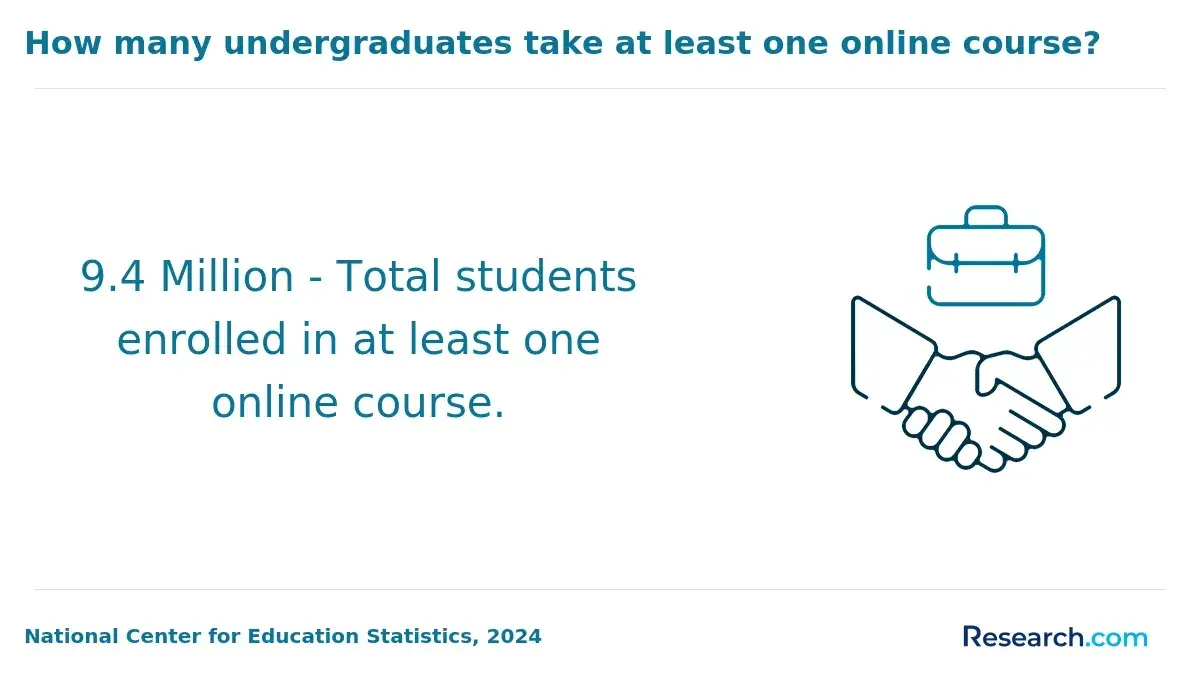
Many prospective students hesitate to pursue an online History degree due to concerns about difficult admissions and uncertain job prospects. However, data from the National Center for Education Statistics shows that online enrollments in History programs grew by 15% from 2018 to 2023, reflecting increasing accessibility.
Additionally, History graduates can earn a median annual salary above $60, 000 in roles such as education, research, and public policy. This article explores the easiest online History degree programs with competitive salaries and straightforward admissions, helping readers identify pathways that balance simplicity and financial reward in their academic journey.
Key Benefits of the Easiest Online History Degree Programs That Pay Well
- Many online history degree programs feature simplified admissions, often requiring only a high school diploma or GED, reflecting a 15% increase in accessible entry options over five years.
- Flexible online formats allow students to balance work and study, with enrollment in distance education rising 20% annually within humanities programs, including history.
- Graduates with history degrees report strong earning potential, with median salaries around $70,000 in fields like education and public policy, driven by growing demand for analytical skills.
How to Tell If Online History Programs Have Easy Admission Requirements?
Simplified admission procedures are crucial for students seeking flexible and quicker entry into history degree programs, particularly working adults and career changers. These streamlined processes reduce delays and obstacles, making higher education more attainable for those balancing other life commitments.
Programs with simple requirements for online history degrees often share several key features, including:
- Minimal Prerequisite Coursework: Many programs require little to no prior academic preparation, allowing students to begin their studies without extensive background courses. This lowers barriers and speeds up the enrollment timeline.
- No Entrance Exams: Entrance tests like the SAT or ACT are commonly waived, which is especially beneficial for adult learners returning to school after a long gap. This aligns with trends observed by the National Center for Education Statistics showing that most online programs for history and other subjects have dropped standardized testing requirements.
- Holistic Admissions Review: Admissions decisions often consider professional experience and life accomplishments equally alongside academic records. This approach values the diverse skills nontraditional students bring to their studies.
- Provisional Acceptance Options: Some programs allow students to start coursework while completing final admission steps, offering flexibility and reducing wait times before starting degrees.
Students interested in complementary degree paths may explore options such as an MBA degree online, which also often features straightforward admission policies.
What High-Paying Jobs Can You Get With an Easy Online History Degree?
Choosing an easy online history degree with accessible admission criteria can help students align their education with high-paying career paths. Employment in roles linked to history and social sciences is expected to grow 5% from 2022 to 2032, reflecting steady demand.
Below are some lucrative career options graduates often consider:
- Archivist: Responsible for managing and preserving historical records and documents, archivists typically earn between $50,000 and $85,000 annually. Their role involves organizing and maintaining valuable data for future research.
- Historian: Historians research and interpret past events, providing insights that shape educational content and public policy. Salaries usually range from $60,000 to $100,000.
- Political Scientist: These professionals analyze political systems and public trends, with average earnings near $125,000. Their work supports government agencies and private organizations in strategic decision-making.
- Policy Analyst: Policy analysts evaluate legislation and social programs, making recommendations to improve effectiveness. Typical salaries range from $70,000 to $110,000, combining research and communication expertise.
- Museum Curator: Curators manage collections and develop exhibitions that promote cultural heritage. Their incomes often fall between $55,000 and $90,000, blending scholarship with public engagement.
Meanwhile, prospective candidates for counseling should explore CACREP accredited online masters counseling programs for flexible education paths and quality education.
Can You Get Into an Online History Program With a Low GPA?
GPA often serves as a key measure for online history programs when assessing applicants, reflecting academic readiness and past performance. However, many programs now prioritize a broader evaluation, especially since nearly 40% of them consider a holistic approach to admissions.
Below are practical strategies for students with lower GPAs aiming to improve their acceptance prospects:
- Strong recommendation letters: Gaining endorsements from employers or instructors who can attest to your dedication and relevant skills helps offset weaker academic records by highlighting your professional or personal strengths.
- Relevant experience: Showcasing work, volunteer efforts, or community involvement connected to history or research demonstrates your genuine interest and practical engagement with the field.
- Prerequisite coursework: Completing foundational or bridge courses signals your commitment and ability to handle college-level work, reassuring admissions committees of your preparedness.
- Personal statement: Crafting a thoughtful essay explaining past academic challenges alongside your growth and future aspirations provides insight into your motivation and resilience.
These approaches help many students present a more comprehensive profile beyond their GPA, enabling access to flexible online history programs tailored for nontraditional learners. A graduate I spoke with, who entered an easy online history degree program despite a low GPA, described her admission journey as initially intimidating.
She shared, "I worried my grades would close doors, but the program valued my work experience and personal story just as much." By focusing on her strengths outside the classroom and preparing a detailed personal statement, she secured her spot.
Reflecting on the process, she noted how important it was to find a school that recognized varied paths to academic success and appreciated her unique background.
For students seeking quick entry into the workforce, program duration is a critical factor, especially for those balancing work, family, or other commitments. Accelerated options can dramatically shorten the time needed to earn a degree. Several key factors contribute to faster completion rates in these programs.
- Accelerated courses: These condense traditional semester content into shorter timeframes, allowing students to cover material rapidly without sacrificing depth.
- Full-time enrollment: Maintaining continuous full-time study without breaks helps students accumulate credits quickly and stay focused on graduation goals.
- Transfer credits: Prior college coursework or exam credits can significantly reduce the total courses needed, speeding up degree completion for those with previous academic experience.
- Flexible scheduling: Allows students to tailor study times around personal and professional responsibilities, which is essential for nontraditional learners aiming to manage their workload effectively.
For those interested in simpler, more affordable routes to a quick career transition, exploring accelerated online history degree programs alongside options like the cheapest online psychology degree can help identify viable paths tailored to individual needs.
Students frequently weigh the difficulty of online history programs against their traditional campus counterparts, often focusing on flexibility and workload. Recent statistics show that about 65% of online learners complete their history courses successfully, compared to 70% of those attending in person, suggesting a comparable challenge level despite different learning environments.
Several factors might make online history programs seem more manageable:
- Self-paced learning: Students can adjust their study schedules around jobs and family, allowing for personalized progress through materials without rigid deadlines.
- Reduced commuting: Eliminating travel time frees up hours each week, lowering stress and enabling greater concentration on assignments and readings.
- Digital resources: Easy access to online archives, recorded lectures, and academic databases helps streamline research and study efforts, making information retrieval more efficient.
Still, online learners must overcome limited in-person interaction, which can affect engagement and comprehension. Strong time management is essential to stay motivated without the structure of classroom meetings.
A graduate I spoke with who completed an online history degree shared candid thoughts on whether it felt easier than on-campus study. He described juggling full-time work and parenting while progressing through the program at his own pace.
"The biggest relief was not having to commute or rearrange my whole life around fixed class times," he said. Although the coursework was demanding, the flexibility made staying on track possible. He appreciated the ability to rewatch lectures and the prompt online feedback, which helped him grasp complex topics that might have been harder to ask about in person.
Overall, he found the online route more accessible without sacrificing academic standards.
Accreditation is a key factor when choosing flexible or low-barrier online history programs, as it ensures the program meets academic standards and employers recognize the degree. Over 75% of online bachelor's programs in social sciences, including history, had regional accreditation as of recent data, reflecting growing acceptance of online education.
Below are essential points about accreditation and recognition in this field:
- Regional accreditation: This is often considered the highest level, granted by bodies like the Higher Learning Commission or Middle States Commission on Higher Education. Programs with regional accreditation typically offer better credit transfer options and stronger employer recognition.
- National accreditation: Agencies such as the Distance Education Accrediting Commission provide national accreditation. While valid, these accreditations may not carry the same weight with all employers or graduate schools as regional accreditation does.
- Program-specific accreditation: Few history degrees have dedicated accreditations because they usually fall under broader arts and sciences categories. However, some programs engage with professional organizations like the American Historical Association to uphold educational quality.
- Importance for students: Verified accreditation unlocks federal financial aid eligibility and ensures the program meets recognized standards, which is vital for career advancement and credit transfer, particularly for adult learners and career changers seeking accessible education.
Tuition costs are a key consideration for prospective students pursuing affordable online history programs with simple admissions. Knowing the typical price ranges helps students with nontraditional backgrounds or working adults budget effectively and select programs that align with their financial capacities.
On average, online history degree programs tend to cost about 10-20% less than traditional on-campus options, offering a financially attractive path. Below are some important factors influencing tuition costs for these accessible programs:
- General Tuition Range: Most easy online history programs charge between $10,000 and $30,000 for a full bachelor's degree. This wide spectrum reflects differences in institutional public or private status as well as the program format, allowing students to find options that fit diverse budgets.
- Fully Online vs Hybrid: Fully online degrees typically have lower tuition because they eliminate fees related to campus facilities and commuting. Conversely, hybrid programs that combine online learning with face-to-face components may cost more due to added campus resource fees and technology requirements.
- Program Length and Credit Hours: Some programs offer accelerated or competency-based pathways that reduce the overall credit hours needed and shorten time to graduation. These options can significantly affect total tuition costs and appeal to students seeking faster, more affordable completion.
- Additional Fees: Beyond tuition, students should consider technology fees, course materials, and administrative charges. These can vary widely and impact the total cost of attendance, especially for those balancing work and study.
For students exploring advanced options, consider reviewing the cheapest online doctorate in educational leadership as a potential reference point for low-cost, accessible online degrees.
Transfer credits greatly benefit prospective students pursuing an online history degree by reducing the number of courses they must complete, which can shorten program duration and decrease overall costs.
Nearly 38% of online bachelor's degree students transfer credits from prior coursework, a trend also prevalent in history programs, where transferable humanities and social science courses are common. These credits not only simplify the path to graduation but also provide flexibility for nontraditional learners.
Key ways transfer credits simplify history degree completion include:
- Reduced credit requirements: Transfer credits decrease the total number of credit hours needed to graduate. This often shortens the time students spend enrolled, allowing earlier entry into careers related to history.
- Lower tuition costs: By lowering the courses required, transfer credits help students cut tuition expenses. This financial relief is especially important for working adults and career changers managing education alongside other responsibilities.
- Focused learning: Students can concentrate more on advanced history topics and electives aligning with their career goals. This targeted study enhances depth of knowledge and increases job market competitiveness.
- Easier admissions for diverse backgrounds: Acceptance of transfer credits acknowledges prior learning and experience, simplifying admissions for nontraditional students. It supports a more inclusive, flexible approach to degree completion.
For those looking to expand their qualifications and access higher-paying history-related roles, exploring options like online certificate programs alongside degree completion can further enhance career prospects.
Successful completion of an online history degree often depends on strong academic support, especially as students juggle school with other life commitments. Access to dedicated resources can improve persistence and boost learning outcomes in a remote environment.
Here are the key types of assistance typically available to online history students:
- Tutoring and Writing Assistance: Expert tutors help develop analytical skills necessary for interpreting historical sources and constructing well-founded essays. They provide guidance on research methods and help refine writing to meet academic standards.
- Academic Advising: Advisors assist with selecting courses, understanding degree requirements, and managing transfer credits. Their support ensures students maintain progress toward graduation tailored to their career ambitions.
- Career Services: Career professionals offer personalized advice on resume creation and job searches focused on history-related fields such as education, museum work, or heritage management. They also facilitate networking opportunities to connect students with industry professionals.
- Technical Support: Reliable tech assistance is crucial for navigating online platforms, submitting assignments, and participating in virtual discussions without interruption. Prompt problem-solving helps maintain an uninterrupted learning experience.
Picking an online history degree that is both accessible and financially rewarding requires careful consideration of several critical aspects. The right program can streamline enrollment while enhancing career prospects in competitive, well-paying roles. Below are key factors to keep in mind when evaluating options:
- Accreditation and career resources: Accredited programs validate your degree in the eyes of employers and often provide valuable job placement assistance, which is essential for fields like education or government work.
- Cost and program length: Affordability combined with accelerated completion options can reduce the total investment and enable faster entry into the workforce, increasing your earning timeline.
- Admissions flexibility: Programs with minimal prerequisites and no GRE requirements cater well to nontraditional students, lowering entry barriers and accommodating diverse backgrounds.
- Alignment with in-demand fields: Choosing concentrations linked to growing sectors such as archival management or museum work can improve your chances of securing higher-paying positions post-graduation.
What Graduates Say About Their Easy Online History Degrees That Pay Well
- Jordyn: "I was initially hesitant about pursuing an online history degree, but finding a program that was straightforward and affordable-averaging around $15,000 total-made it feel completely achievable. The flexibility allowed me to balance work and study comfortably, and now I'm thriving in my role as a cultural consultant. It's incredible how an easy online history degree that pays well can open doors I never imagined. "
- Avery: "Reflecting on my journey, enrolling in an easy online history degree program was a practical choice, especially considering the moderate cost of attendance compared to traditional universities. At about $13,000, the investment felt reasonable. This degree not only expanded my knowledge but also boosted my career in archival management, where the demand for history graduates with digital skills is growing. "
- Maeve: "Choosing an easy online history degree was a strategic decision for me; the cost-effectiveness-usually under $20,000-was a big factor. Since graduating, I've entered the museum sector with confidence, attributing much of my success to the comprehensive, user-friendly curriculum. This degree truly pays well in terms of career opportunities and professional growth. "
Other Things You Should Know About History Degrees
Yes, easy online history programs often offer various specialization options, allowing students to tailor their degrees to specific interests such as digital history, public history, or archival studies. Specializations can enhance job prospects and align students with high-salary career paths.
Internships and practical experiences significantly enhance job prospects by providing hands-on skills and industry connections. In 2027, easy online history degree programs often integrate these experiences to improve employability, with graduates typically commanding higher starting salaries due to their practical knowledge and professional network.
Many online history programs accept up to 60 semester credits from regionally accredited colleges, and some cap transfer credit at 75 percent of the degree. Schools usually require official transcripts, a minimum 2.0 GPA, and course-by-course evaluation before admission credit is posted.
- Can You Transfer Online College Credits? | National University https://www.nu.edu/blog/can-you-transfer-online-college-credits/
- Getting Into Online Master's Programs With a Low GPA https://www.onlinemastersdegrees.org/student-resources/grad-school-low-gpa/
- Online History Degree | Different History Degrees Online https://www.elearners.com/online-degrees/liberal-arts/history/
- OER Project Home https://www.oerproject.com/
- History Online Research Programme https://www.immerse.education/history-online-courses/online-research-programme/
- Free Online World History Tutors 24/7 https://upchieve.org/tutors/world-history
- Jobs for History Majors: Where Will Your Degree Take You? https://online.maryville.edu/online-bachelors-degrees/history/careers/
- Students of History Teaching Resources https://www.studentsofhistory.com/
- 8 Online Degrees That Pay Well & You Can Start Today | Penn Foster https://www.pennfoster.edu/blog/8-online-degrees-that-pay-well-and-you-can-start-today