2027 Best Accounting Schools in South Carolina – How to Become a CPA in SC

Co-Founder and Chief Data Scientist
Choosing an accounting school in South Carolina is not just about finding a business degree with accounting courses. The right program should fit your CPA plans, budget, schedule, transfer-credit situation, and preferred career path—whether that means public accounting, corporate finance, tax, auditing, government accounting, forensic accounting, or financial analysis.
This guide is designed for students comparing accounting programs in South Carolina, working adults considering an online or accelerated option, and CPA candidates who need to understand how education choices affect licensure preparation. You will find a ranked school list, program costs and timelines, CPA-focused considerations, online-versus-campus comparisons, career options, salary context, financial aid routes, common mistakes to avoid, and practical questions to ask before enrolling.
Quick Answer: Is an Accounting Degree in South Carolina Worth Considering?
An accounting degree in South Carolina can be a strong option for students who want a career tied to financial reporting, taxation, auditing, compliance, business analysis, or CPA licensure. The state has major employment sectors—including manufacturing, tourism, healthcare, government, finance, and technology—that need professionals who can interpret financial data, maintain accurate records, support audits, and help organizations make sound financial decisions.
For CPA-focused students, the main decision is not simply where to earn a bachelor’s degree. You should confirm whether the program helps you progress toward CPA education requirements, offers enough upper-level accounting coursework, provides internship access, and has recognized accreditation. Students who want a faster or more flexible path may also compare accelerated accounting degrees, online accounting degrees, associate programs, and master’s options.
What are the benefits of getting an accounting degree in South Carolina?
- CPAs in South Carolina can expect to earn between $66,723 and $437,963.
- South Carolina’s economy includes several accounting-relevant industries, including manufacturing, tourism, healthcare, government, financial services, and technology.
- The demand for accountants and auditors all over the U.S. is expected to increase by four percent.
What can I expect from an accounting program in South Carolina?
Accounting programs in South Carolina typically combine business fundamentals with technical accounting coursework. Students commonly study financial accounting, managerial accounting, auditing, taxation, accounting information systems, business law, finance, economics, and data-driven decision-making. Bachelor’s programs usually prepare students for entry-level accounting roles and can also serve as a foundation for CPA preparation, graduate study, or specialized credentials.
The best programs do more than teach journal entries and financial statements. They help students learn how to evaluate business transactions, explain financial results, use accounting software, understand internal controls, apply tax rules, identify risk, and communicate findings to managers, clients, regulators, or investors. Internships, case studies, capstone projects, co-op placements, accounting labs, and career-service support can make a major difference in how prepared graduates feel when they enter the job market.
| Program Feature | Why It Matters | What to Check Before Enrolling |
| Accounting curriculum | Determines whether you build the technical base needed for tax, audit, reporting, and CPA preparation. | Look for auditing, taxation, intermediate accounting, accounting systems, cost accounting, and advanced accounting options. |
| Accreditation | Signals academic quality and may affect transfer credits, employer perception, and graduate-school options. | Confirm institutional accreditation and, when relevant, business or accounting accreditation such as AACSB, ACBSP, or IACBE. |
| CPA alignment | CPA candidates often need more education than a standard bachelor’s degree provides. | Ask whether the program helps students plan for CPA education requirements and the Uniform CPA Examination. |
| Internships and recruiting | Accounting hiring often depends on practical experience and employer connections. | Ask which firms, companies, government agencies, or financial institutions recruit students. |
| Delivery format | Online, hybrid, evening, and accelerated formats can affect completion time and work-life balance. | Compare deadlines, synchronous requirements, exam proctoring, advising access, and software requirements. |
Where can I work with an accounting degree in South Carolina?
An accounting degree can lead to roles in public accounting, private industry, government, nonprofit organizations, financial institutions, consulting, and specialized fields such as forensic accounting or internal audit. Many graduates begin in public accounting firms, where they may support audit, tax, advisory, or consulting work for individuals and organizations. Large firms such as Deloitte, PricewaterhouseCoopers (PwC), Ernst & Young (EY), and KPMG operate in the broader accounting market, while regional and local firms can provide strong entry-level opportunities throughout South Carolina.
Corporate accounting roles are also common. Employers in manufacturing, retail, healthcare, hospitality, technology, insurance, banking, and real estate need professionals to manage financial reporting, budgeting, payroll, cost accounting, internal controls, and financial analysis. Government agencies may hire accounting graduates to support public finance, compliance reviews, financial reporting, auditing, and tax administration. Examples include agencies such as the South Carolina Department of Revenue and the South Carolina State Auditor's Office.
| Work Setting | Common Accounting Work | Best Fit For |
| Public accounting firms | Audit, tax preparation, advisory services, client accounting, and consulting. | Students pursuing CPA licensure, client-facing work, and broad early-career exposure. |
| Private companies | Financial reporting, budgeting, cost accounting, payroll, internal controls, and analysis. | Students who want to work inside one organization and support business decisions. |
| Government agencies | Public finance, compliance, reporting, taxation, and audit support. | Students interested in public service, accountability, regulation, and stable administrative roles. |
| Financial institutions | Risk management, financial analysis, compliance, internal auditing, and reporting. | Students who like banking, insurance, investments, and risk-focused work. |
| Specialized accounting | Forensic accounting, fraud investigation, systems auditing, tax planning, and analytics. | Students who want to combine accounting with investigation, technology, or consulting. |
How much can I make with an accounting degree in South Carolina?
Accounting pay in South Carolina varies by role, credential, employer, location, industry, experience level, and specialization. Based on our research, CPAs in Charleston, SC, can earn between $66,723 and $437,963, while a CPA in Greenville, SC, can earn between $65,248 and $428,282. These ranges should be interpreted as broad earning potential rather than a guaranteed outcome for every graduate.
Several factors can move compensation higher or lower. CPA licensure, public accounting experience, audit or tax specialization, data analytics ability, supervisory responsibility, advanced degrees, and industry expertise may improve earning potential. Entry-level bookkeeping or staff accounting roles usually pay less than manager, controller, tax director, audit manager, or advisory roles.
- Best Accounting Schools in South Carolina for 2027
- How long does it take to finish an accounting program in South Carolina?
- How do online and campus-based accounting programs compare?
- What does an accounting program in South Carolina cost?
- What financial aid options are available for accounting students?
- What are the typical admission requirements?
- What courses do South Carolina accounting students usually take?
- What accounting concentrations and specializations are available?
- How should I choose the right accounting program?
- What jobs can I pursue after an accounting degree?
- What is the accounting job market like?
- How can accounting students strengthen soft skills?
- How are technology and data analytics changing accounting programs?
- How can forensic science support an accounting career?
- Why does accreditation matter for accounting programs?
- How can accelerated accounting programs support CPA preparation?
- What are the advantages of an online accelerated accounting degree?
- How can accounting knowledge support teaching and academic leadership?
- How can urban planning connect with financial and community development?
- How can accounting professionals keep up with rules and industry changes?
- How does legal knowledge improve accounting decisions?
- What other number-focused careers are available besides accounting?
- How can interdisciplinary skills improve accounting career growth?
- How can accounting skills help in healthcare billing?
- How do certifications affect accounting advancement?
- What resources can help accounting students in South Carolina?
Best Accounting Schools in South Carolina for 2027
How do we rank schools?
Research.com evaluates accounting schools with a focus on program quality, data availability, affordability signals, accreditation, academic structure, and student-relevant outcomes. To support consistency and transparency, we apply our methodology and review information from recognized education data sources, including:
Rankings should be used as a starting point, not the only basis for enrollment. Before applying, verify current tuition, admission requirements, course delivery format, CPA alignment, transfer policies, and accreditation directly with each school.
| School | Degree Option Highlight | Best For | Accreditation Listed |
| University of South Carolina | BS degree in accounting with an accelerated accounting BSBA/master of accounting degree program option. | Students who want a large business school and a CPA-oriented pathway. | AACSB |
| Clemson University | Bachelor of science in accountancy with a pre-business core before upper-level accounting coursework. | Students seeking a traditional undergraduate accounting path with strong business preparation. | AACSB |
| College of Charleston | Master of science in accounting with financial reporting and taxation tracks. | Students who already hold a bachelor’s degree and want graduate accounting preparation. | AACSB |
| Furman University | BA with majors in accounting and business administration, plus finance-related study options. | Students who want a liberal arts setting with business and accounting preparation. | AACSB |
| Franklin University | Online BS in accounting and BS in forensic accounting. | Transfer students and working adults seeking online flexibility. | IACBE |
| Trident Technical College | Associate degree in accounting plus bookkeeping, professional accountancy, and tax preparer certificates. | Students seeking a lower-division or entry-level accounting pathway. | ACBSP |
| Strayer University | Online BS in accounting with 40 courses with 4.5 credits per course. | Students who want an online bachelor’s structure with business and leadership coursework. | ACBSP |
| Coastal Carolina University | BSBA major in accounting with certified managerial accounting and certified public accounting concentration options. | Students comparing CPA and managerial accounting pathways. | AACSB |
| Anderson University | BS in accounting in a traditional format with business and accounting coursework. | Students looking for a campus-based accounting degree with broad business exposure. | SACSCOC |
| Greenville Technical College | Associate in applied science in accounting. | Students seeking entry-level preparation and a practical accounting foundation. | ACBSP |
1. University of South Carolina
The Darla Moore School of Business at the University of South Carolina offers several business-focused academic paths, including a BS degree in accounting. Students in the accounting major learn to evaluate financial information, solve accounting problems, and prepare for work in business and public accounting environments. The school also offers an accelerated option that allows students to work toward a bachelor’s degree and a Master of Accountancy degree within four years. In the accelerated accounting BSBA/master of accounting degree program, students complete the bachelor’s degree while beginning graduate-level coursework as undergraduates.
- Program Length: Four Years
- Tracks/concentrations: N/A
- Cost per Credit/Tuition: $512 (in-state), $1,439 (out-of-state).
- Required Credits to Graduate: 120
- Accreditation: Association to Advance Collegiate Schools of Business (AACSB)
2. Clemson University
Clemson University’s School of Accountancy offers a bachelor of science in accountancy degree program for students who plan to build careers in accounting and may later pursue CPA certification and licensure. Students first complete the pre-business core curriculum before entering advanced accountancy coursework. Clemson’s accounting curriculum emphasizes accounting methodology, taxation, financial management theory, and auditing.
- Program Length: Four Years
- Tracks/concentrations: N/A
- Cost per Credit/Tuition: $584 (full-time), $654 (part-time).
- Required Credits to Graduate: 120
- Accreditation: AACSB
3. College of Charleston
The College of Charleston offers a master of science in accounting program for students who already hold a bachelor’s degree and want graduate-level preparation for accounting careers. The MSA is designed for careers in public accounting, industry, and government. It includes financial reporting and taxation options and may be relevant for students comparing graduate study with other accredited online masters in accounting programs.
- Program Length: One Year
- Tracks/concentrations: financial reporting and taxation
- Cost per Credit/Tuition: $574 (in-state), $1,506 (out-of-state).
- Required Credits to Graduate: 30
- Accreditation: AACSB
4. Furman University
Furman University provides a BA with majors in accounting and business administration. Students can combine accounting with business fields such as finance and marketing. Furman University secured the 5th position for its accounting program among mid-sized universities nationwide. It also achieved the 15th rank overall for its CPA exam pass rates. Students interested in finance-related careers can use the business finance track to build additional preparation.
- Program Length: Four Years
- Tracks/concentrations: finance
- Cost per Credit/Tuition: $59,360
- Required Credits to Graduate: 128
- Accreditation: AACSB
5. Franklin University
Franklin University offers online accounting options, including a BS in accounting and a BS in forensic accounting. The undergraduate program is transfer-friendly and allows students with a 76% maximum transfer credit. Coursework covers accounting foundations, tax fundamentals, management accounting, and related business topics. Franklin University also offers online accounting master’s degrees in financial operations and taxation.
- Program Length: 17 months
- Tracks/concentrations: accounting and forensic accounting
- Cost per Credit/Tuition: $398
- Required Credits to Graduate: 124
- Accreditation: International Accreditation Council for Business Education (IACBE)
6. Trident Technical College
Trident Technical College offers an associate degree in accounting for students seeking preparation for entry-level accounting roles and additional study. Applicants need proof of high school graduation and qualifying placement levels. TTC also provides certificates in bookkeeping, professional accountancy, and tax preparer preparation.
- Program Length: Two Years
- Tracks/concentrations: N/A
- Cost per Credit/Tuition: $189 (in-state), $358 (out-of-state).
- Required Credits to Graduate: 60
- Accreditation: Accreditation Council for Business Schools and Programs
7. Strayer University
Strayer University offers a flexible online BS in accounting degree program. Students study core areas of financial accounting, from payables and receivables to tax-related topics. The program also includes management and leadership development, which can be useful for students who later compare graduate business options such as an affordable executive MBA. The BS in accounting program at SU consists of 40 courses with 4.5 credits per course.
- Program Length: Four Years
- Tracks/concentrations: N/A
- Cost per Credit: $339 (about $1,525 per course)
- Required Credits to Graduate: 180 (including electives)
- Accreditation: Accreditation Council for Business Schools and Programs
8. Coastal Carolina University
Coastal Carolina University offers a BSBA major in accounting degree with concentration options in certified managerial accounting and certified public accounting. Students must complete all components of the Building Your Business Portfolio program as part of the Wall College of Business requirements. CCU accepts transfer credits from AACSB-accredited programs only. Students who want graduate accounting education can also consider CCU’s master of accountancy program.
- Program Length: Four Years
- Tracks/concentrations: N/A
- Cost per Credit/Tuition: $5,820 (12-18 credits per semester), $14,814 (12-18 credits per semester).
- Required Credits to Graduate: 120
- Accreditation: AACSB
9. Anderson University
Anderson University offers a campus-based BS in accounting degree with a business-centered curriculum. Students take courses in foundational business knowledge and accounting applications, with options to focus on specific accounting subjects. Topics include managerial accounting, financial management, principles of marketing, the legal environment of business, and related areas.
- Program Length: Four Years
- Tracks/concentrations: cost accounting, intermediate accounting, audition, accounting information systems, and more.
- Cost per Credit/Tuition: $11,735.00 per semester
- Required Credits to Graduate: 128
- Accreditation: Southern Association of Colleges and Schools Commission on Colleges (SACSCOC)
10. Greenville Technical College
Greenville Technical College offers an associate in applied science in accounting program for students who want practical preparation for entry-level accounting work. An associate degree can help students begin gaining experience before deciding whether to transfer, pursue a bachelor’s degree, or work toward CPA preparation later. The AAS curriculum includes accounting principles, marketing, personal finance, and related business courses.
- Program Length: Two to three years
- Tracks/concentrations: N/A
- Cost per Credit/Tuition: $324
- Required Credits to Graduate: 69
- Accreditation: ACBSP
Here’s what graduates have to say about their accounting degree in South Carolina:
-
: "
"Choosing accounting in South Carolina gave me a career path with steady opportunities and meaningful work. I have been able to support local organizations, help clients understand difficult financial issues, and contribute to better business decisions.” -Elle
"
-
: "
"Working as an accountant in South Carolina has exposed me to many industries and client types, from small businesses to large companies. The field has strengthened my analytical thinking, improved my problem-solving ability, and helped me build professional relationships across the business community.” -Nathan
"
-
: "
"Moving into accounting changed the direction of my career. The demand for skilled accounting professionals in the region created room for growth, and the work has allowed me to use my expertise in ways that benefit businesses and individuals.” -Rose
"
Key Findings
- CPAs in South Carolina can earn between $66,723 and $437,963, depending on many factors.
- It usually takes four years, consisting of 128 credit hours, to complete an accounting program in South Carolina.
- Accountants need to pass the Uniform CPA Examination before they can apply to become certified public accountants.
- Accounting graduates can work in South Carolina industries such as manufacturing, healthcare, government, technology, finance, and hospitality.
- The demand for accountants and auditors all over the U.S. is expected to increase by four percent over the next decade.
How long does it take to complete an accounting program in South Carolina?
Completion time depends on the degree level, transfer credits, enrollment pace, course availability, and whether the program uses a traditional or accelerated format. A full-time bachelor’s degree in accounting usually takes around four years and may include around 128 credit hours, although some programs require 120 credits. An associate degree commonly takes two years, while a master’s degree in accounting often takes one to two years depending on the format and prerequisites.
Students planning to become CPAs should look beyond the bachelor’s timeline. CPA preparation may require additional coursework, graduate study, or an integrated bachelor’s-to-master’s route. Accelerated programs can reduce time in school, but they also require careful planning because compressed courses can be demanding.
| Accounting Path | Typical Length Listed in This Guide | Best For | Important Planning Note |
| Associate degree | Two Years or Two to three years | Entry-level accounting roles, bookkeeping, transfer preparation, and cost-conscious students. | May not be enough on its own for CPA preparation. |
| Bachelor’s degree | Four Years | Students seeking staff accounting, audit, tax, corporate accounting, or graduate-school preparation. | Check whether the curriculum helps you move toward CPA education requirements. |
| Master’s degree | One Year or one to two years | Students who already hold a bachelor’s degree and want advanced accounting preparation. | Useful for students who need additional accounting credits or want specialized study. |
| Accelerated bachelor’s/master’s path | Within four years in the listed University of South Carolina option | CPA-focused students who want to combine undergraduate and graduate coursework. | Ask about admission standards, course sequencing, and workload expectations. |
How does an accounting program in South Carolina compare to an on-campus program?
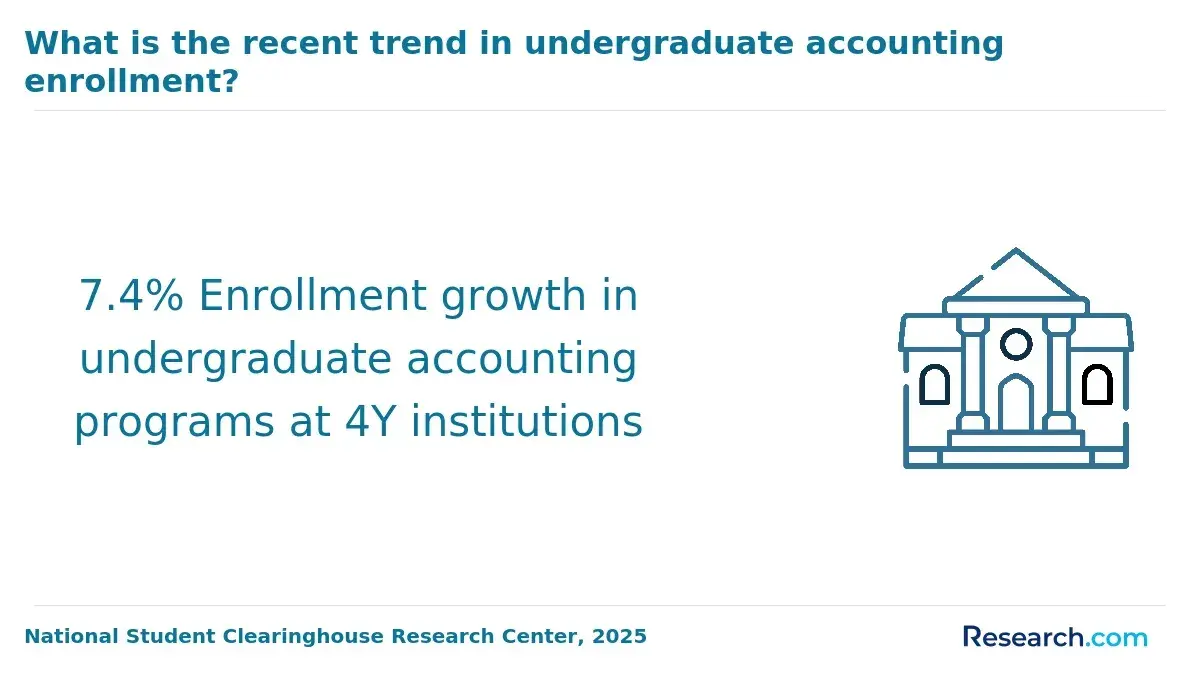
Online and campus-based accounting programs often cover the same core subjects, but the learning experience can feel very different. Online programs can be useful for working adults, military-affiliated students, parents, transfer students, and learners who cannot commute regularly. Campus programs may be better for students who value in-person faculty access, on-campus recruiting, student organizations, peer study groups, and structured schedules.
Do not assume an online program is automatically easier or less rigorous. Strong online accounting programs still require exams, group work, accounting software use, deadlines, and significant independent study. Similarly, a campus program is not automatically the better choice if it does not fit your schedule or career goals. Students comparing online learning in other fields, such as an online elementary education degree, should apply the same principle: format should match learning style, availability, and professional objectives.
| Factor | Online Accounting Program | On-Campus Accounting Program |
| Schedule flexibility | Often better for students balancing work, family, or travel. | Usually more structured, with set class meeting times. |
| Networking | May rely on virtual events, discussion boards, and remote career services. | Can provide easier access to employer visits, clubs, and in-person events. |
| Learning style | Requires self-discipline, written communication, and comfort with online tools. | Works well for students who prefer live discussion and face-to-face support. |
| Cost considerations | May reduce commuting or housing costs, though tuition varies by school. | May include campus fees, commuting, housing, or meal costs. |
| CPA planning | Must be checked carefully for credit type, course level, and state requirements. | Also requires verification; campus delivery alone does not guarantee CPA eligibility. |
What is the average cost of an accounting program in South Carolina?
Accounting program costs vary widely by institution, residency status, degree level, course load, delivery format, and whether students transfer credits. Based on our research, a BS in accounting degree in SC can cost around $61,440 for in-state students and around $172,000 for out-of-state students. A BA in accounting and business administration program can cost around $59,360, while an online BS in accounting program can cost around $49,352. A master of science in accounting program can cost around $10,447 for in-state students and $21,470 for out-of-state students.
Students should not compare programs by tuition alone. Fees, books, software, exam preparation, commute costs, housing, transfer-credit acceptance, lost work hours, and the need for graduate coursework can all affect the true cost.
| Cost Item | Why It Can Change Your Total Price | Question to Ask |
| Tuition and fees | Published tuition may not include required university, technology, or program fees. | What is the full estimated cost for the entire degree? |
| Residency status | In-state and out-of-state prices can differ significantly. | Am I eligible for in-state tuition or any residency-related discount? |
| Transfer credits | Accepted credits can reduce the number of courses you need to complete. | How many credits will transfer into the accounting major, not just general electives? |
| CPA preparation | CPA candidates may need extra coursework, exam fees, or review materials. | Does the school help students plan and budget for CPA-related requirements? |
| Online expenses | Online students may save on commuting but still pay technology fees or software costs. | What accounting software, proctoring, or technology expenses are required? |
What are the financial aid options for students enrolling in an accounting program in South Carolina?
Students considering accounting degrees, graduate business routes, or even online DBA programs should start with a full financial aid review rather than relying only on advertised tuition. Accounting students in South Carolina may be able to combine institutional aid, federal aid, state programs, employer benefits, scholarships, and work opportunities.
- Scholarships: Colleges and universities may offer accounting-specific awards based on academic performance, financial need, leadership, department nomination, or professional goals.
- Grants: Eligible students may qualify for federal, state, or institutional grants. The Pell Grant is a common federal grant based on financial need. South Carolina also offers the SC Tuition Grants Program and the SC Need-Based Grant Program.
- Work-study programs: Federal and state work-study may help qualifying students earn money through part-time employment while enrolled.
- Employer tuition assistance: Some companies help employees pay for business, accounting, or graduate coursework if it supports professional development.
- Professional association support: Accounting organizations may provide scholarships, student memberships, networking events, and CPA exam resources.
How to reduce the cost of an accounting degree
- Request a written estimate of total program cost, including fees and required materials.
- Ask for an official transfer-credit evaluation before committing to a school.
- Compare associate-to-bachelor transfer pathways if you want a lower-cost start.
- Apply for accounting department scholarships and business-school awards, not just general institutional aid.
- Ask your employer whether tuition reimbursement applies to accounting coursework.
- Plan CPA-related costs early if licensure is your goal.
What are the prerequisites for enrolling in an accounting program in South Carolina?
Admission requirements vary by school and degree level, but undergraduate accounting applicants commonly need academic preparation in math, English, and general college-readiness subjects. Some programs admit students directly to the major, while others require students to complete pre-business courses before moving into upper-level accounting classes.
- High school diploma or equivalent.
- Satisfactory scores on standardized tests (SAT or ACT).
- Completion of required high school courses, including mathematics, English, and social sciences.
- Specific GPA requirements may apply.
- Completion of prerequisite courses in accounting or business-related subjects may be necessary.
Graduate accounting applicants may face additional requirements, such as a completed bachelor’s degree, prerequisite accounting or business courses, transcripts, recommendations, essays, or other school-specific materials. Always verify the current admission checklist with the institution.
What courses are typically in an accounting program in South Carolina?
Accounting students in South Carolina usually complete a mix of accounting, business, technology, law, economics, and communication courses. The exact course sequence varies, but the following subjects are common across many programs:
- Financial Accounting: Students learn how organizations record transactions, classify accounts, and prepare major financial statements such as balance sheets, income statements, and cash flow statements.
- Managerial Accounting: This course focuses on using accounting information for internal decisions, including cost behavior, budgeting, performance measurement, and planning.
- Auditing: Auditing coursework introduces students to financial statement examination, internal controls, audit procedures, professional standards, and ethical responsibilities.
- Taxation: Tax courses cover federal and state tax rules, individual and business tax issues, planning concepts, and tax-return preparation.
- Accounting Information Systems: Students examine how technology supports accounting processes, including databases, internal controls, software systems, and digital workflows.
- Business Law: Business law courses explain legal concepts that affect contracts, transactions, liability, property, organizations, and commercial activity.
Courses that can strengthen employability
- Data analytics: Helpful for audit analytics, fraud detection, reporting dashboards, and financial analysis.
- Excel and accounting software: Employers often expect strong spreadsheet skills and familiarity with accounting platforms.
- Business communication: Accountants must explain financial information clearly to non-accountants.
- Ethics: Accounting roles involve confidential information, compliance responsibilities, and professional judgment.
- Internship or practicum: Practical experience can improve confidence and make a resume more competitive.
What types of specializations are available in an accounting program in South Carolina?
Accounting specializations allow students to align coursework with specific career goals. Availability depends on the school, degree level, and faculty expertise. Common options include audit, tax, financial reporting, forensic accounting, accounting information systems, and data analytics.
- Audit and Assurance: This specialization focuses on evaluating financial information, examining internal controls, applying audit standards, and assessing reporting reliability. There were 1,544,200 accountants and auditors employed in the U.S. according to the most recent employment data, which reflects the broad size of the occupation.
- Financial Reporting and Analysis: Students study accounting standards, financial statement preparation, disclosure requirements, and interpretation of financial results for decision-making.
- Forensic Accounting: This area emphasizes fraud detection, financial investigation, evidence analysis, and legal context. Students interested in behavior, investigation, and fraud-related work may also compare related study in affordable graduate programs in forensic psychology.
- Information Systems and Technology: Students explore accounting software, data management, internal controls, databases, automation, and systems used in modern finance departments. Those who want deeper computing skills may also research the cheapest online MS in computer science.
| Specialization | Career Direction | Good Fit If You Like |
| Audit and assurance | Public accounting, internal audit, compliance, risk assessment. | Testing controls, reviewing evidence, and evaluating accuracy. |
| Taxation | Tax preparation, tax planning, corporate tax, public accounting. | Researching rules, solving technical problems, and advising clients. |
| Financial reporting | Corporate accounting, SEC reporting support, controller-track roles. | Preparing statements, analyzing results, and applying standards. |
| Forensic accounting | Fraud examination, litigation support, investigative accounting. | Investigations, details, risk, and evidence-based analysis. |
| Accounting technology | Systems audit, analytics, ERP support, reporting automation. | Software, data, process improvement, and controls. |
How do I choose the best accounting program in South Carolina?
The best accounting program is the one that fits your career target, CPA plans, budget, schedule, and learning preferences. A highly ranked school may not be the right choice if it does not accept your transfer credits, offer the courses you need, or support your desired format. Use the checklist below to compare programs in a structured way.
- Verify accreditation: Confirm that the school and program hold recognized accreditation. Business accreditors may include the Association to Advance Collegiate Schools of Business (AACSB) or the Accreditation Council for Business Schools and Programs (ACBSP).
- Review CPA alignment: Ask whether the curriculum helps students meet CPA education expectations in South Carolina and prepare for the Uniform CPA Examination.
- Compare the curriculum: Look for intermediate accounting, auditing, taxation, accounting information systems, business law, ethics, and data analytics.
- Evaluate faculty expertise: Faculty with CPA credentials, industry experience, tax or audit backgrounds, and professional networks can add value.
- Check internship access: Ask which accounting firms, companies, agencies, and financial institutions recruit from the program.
- Study transfer-credit rules: Some programs accept limited transfer credits into upper-level accounting coursework.
- Consider graduate pathways: If you want advanced study, compare bachelor’s-to-master’s options and an affordable online master's in accounting.
- Assess student support: Look for tutoring, career coaching, software access, CPA exam guidance, alumni mentoring, and academic advising.
Questions to ask before enrolling
| Decision Area | Question to Ask | Why It Matters |
| CPA preparation | Will this program help me plan coursework for CPA eligibility in South Carolina? | Not every accounting degree automatically satisfies all CPA-related education expectations. |
| Transfer credits | Which credits apply to the accounting major, and which only count as electives? | Transfer credits can save money only if they apply toward degree requirements. |
| Internships | What percentage of accounting students complete internships, and where do they work? | Practical experience can be important for entry-level hiring. |
| Technology | Which accounting, tax, audit, or analytics tools are used in coursework? | Employers increasingly expect comfort with digital accounting systems. |
| Career outcomes | What roles do recent graduates enter, and what support does career services provide? | Program value depends partly on how well it connects students to employment. |
What career paths are available for graduates of accounting programs in South Carolina?
Accounting graduates can pursue several career tracks depending on degree level, experience, licensure, and specialization. Some roles are available with an associate or bachelor’s degree, while others may require CPA licensure, graduate education, or significant experience.
- Certified Public Accountant (CPA): CPAs may provide audit, tax, accounting, and consulting services to individuals, companies, nonprofits, and government agencies.
- Financial Analyst: Financial analysts review data, prepare reports, evaluate investments, and help organizations or clients make financial decisions.
- Tax Accountant: Tax accountants prepare returns, research tax rules, support planning strategies, and help clients or employers comply with tax laws.
- Internal Auditor: Internal auditors evaluate controls, risk management, governance processes, and compliance systems inside organizations.
- Government Accountant: Government accountants help manage public funds, prepare reports, support audits, and monitor compliance with public-sector regulations.
- Financial Manager: Financial managers oversee budgeting, reporting, planning, and financial strategy. Students aiming for senior leadership roles may later compare programs such as affordable doctoral programs in leadership.
Accounting-related roles may also include bookkeeping, auditing clerk, budget analyst, cost estimator, and personal financial advisor. For those who want to become bookkeepers and auditing clerks, you can expect an average salary of $47,440. Additionally, budget analysts earn around $84,490, cost estimators earn an average of $74,740, and personal financial advisors earn around $99,580.
| Role | Typical Responsibilities | Credential or Preparation to Consider |
| Staff accountant | Prepare journal entries, reconcile accounts, assist with month-end close, and support reporting. | Bachelor’s degree in accounting; internship experience can help. |
| Tax associate | Prepare tax returns, organize client documents, research tax questions, and support planning. | Tax coursework, public accounting experience, CPA pathway. |
| Audit associate | Test controls, review financial records, document evidence, and support audit teams. | Auditing coursework, CPA pathway, strong communication skills. |
| Bookkeeper or accounting clerk | Record transactions, manage invoices, reconcile accounts, and support payroll or billing. | Associate degree, certificate, or practical accounting training. |
| Financial analyst | Analyze financial data, build reports, forecast performance, and support business decisions. | Accounting, finance, Excel, and data analytics skills. |
| Controller or accounting manager | Lead accounting operations, supervise staff, manage close processes, and oversee reporting. | Experience, CPA or advanced education may be beneficial. |
What is the job market for graduates with an accounting degree in South Carolina?
The job market for accounting graduates in South Carolina is supported by the state’s varied economy and the ongoing need for accurate financial records, tax compliance, reporting, budgeting, and risk management. Employers in manufacturing, finance, technology, healthcare, hospitality, government, and professional services all rely on accounting talent.
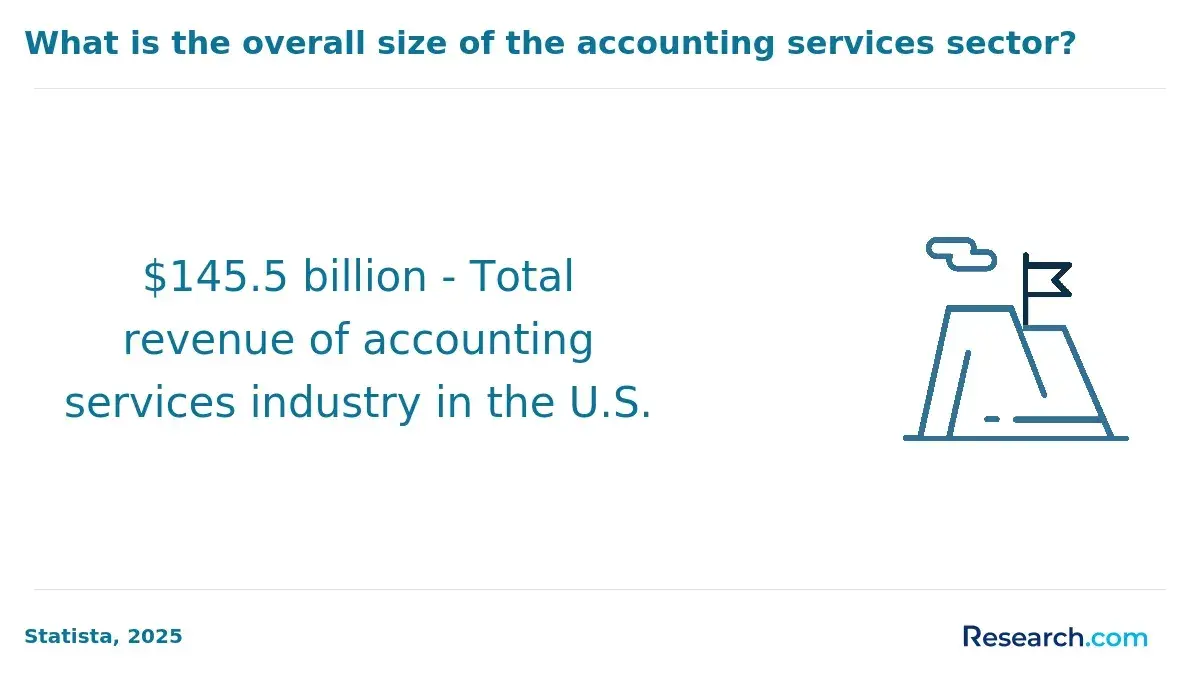
Nationally, the demand for accountants and auditors across the U.S. is projected to grow by 6% through 2033, a rate faster than the average for all occupations. This growth, combined with the need to replace workers who leave the labor force, is expected to result in approximately 130,800 job openings each year on average over the decade. Students should still remember that job outcomes depend on credentials, location, internships, interview performance, software skills, and the strength of their professional network.
How can accounting students build relevant soft skills during their studies?
Technical accounting knowledge is essential, but employers also look for candidates who can communicate clearly, work with teams, manage deadlines, handle confidential information, and explain complex numbers to non-specialists. Students can build these skills intentionally during coursework, internships, student organizations, and part-time work.
- Communication: Practice writing concise memos, presenting financial results, and explaining accounting concepts without jargon.
- Analytical thinking: Use case studies, internships, and spreadsheet projects to interpret data and support recommendations.
- Attention to detail: Build habits such as reconciling work, reviewing assumptions, checking formulas, and following documentation standards.
- Time management: Use project calendars, deadline trackers, and task lists, especially during tax season simulations or group assignments.
- Adaptability: Stay open to new accounting software, regulatory updates, data tools, and process changes.
- Ethics and integrity: Study professional codes, confidentiality rules, and real-world ethical dilemmas involving financial reporting or client service.
How do accounting programs in South Carolina integrate emerging technologies and data analytics?
Accounting work is increasingly shaped by cloud platforms, automation, digital reporting systems, analytics dashboards, and software-assisted audit and tax processes. South Carolina accounting programs that respond well to this shift often include accounting information systems, data analytics, spreadsheet modeling, internal control evaluation, and exposure to modern software tools.
Students should ask whether a program teaches only traditional accounting theory or also shows how financial professionals use data to detect errors, evaluate risk, automate reports, and support decision-making. Those who need a flexible format can compare an online accounting degree that includes technology-focused accounting coursework.
Technology skills accounting students should prioritize
- Spreadsheet modeling and advanced formulas.
- Accounting and tax software familiarity.
- Data visualization and reporting basics.
- Internal controls for digital systems.
- Audit analytics and anomaly detection concepts.
- Professional judgment when using automated tools.
How can a forensic science degree complement an accounting career in South Carolina?
Forensic science can strengthen accounting careers that involve fraud detection, financial investigations, litigation support, insurance claims, compliance, or risk management. The connection is especially useful for students interested in forensic accounting, where professionals analyze financial records, identify unusual transactions, preserve evidence, and communicate findings clearly.
Students who want to expand their investigative background can explore a forensic science degree in South Carolina. This kind of interdisciplinary preparation may be useful when accounting work intersects with evidence handling, fraud examination, regulatory review, or dispute support.
Are South Carolina accounting programs accredited by recognized institutions?
Accreditation is one of the first items students should verify before choosing an accounting program. Institutional accreditation affects eligibility for many forms of financial aid, transfer-credit recognition, and graduate-school options. Business or accounting-specific accreditation can also indicate that the program has been reviewed against discipline-related quality standards.
Several schools in this guide list accreditation from organizations such as AACSB, ACBSP, IACBE, or SACSCOC. Students planning advanced business study may also use an accredited accounting foundation before considering an MBA accounting pathway.
Accreditation checks to complete
- Confirm the institution’s accreditation on the school’s official website.
- Check whether the business school or accounting program has separate programmatic accreditation.
- Ask how accreditation affects transfer credits and graduate admission.
- Confirm that online and campus formats share the same accreditation status.
- For CPA goals, ask whether the coursework has been reviewed for CPA education planning in South Carolina.
How do accelerated accounting programs help fast-track CPA certification in South Carolina?
Accelerated accounting programs can help motivated students complete accounting coursework more quickly and move toward CPA preparation sooner. A fast track accounting degree may be especially useful for students who already know they want a CPA-oriented path and can manage a heavier academic pace.
These programs may combine undergraduate and graduate coursework, shorten academic terms, or create structured bachelor’s-to-master’s routes. Because CPA planning is detailed, students should confirm how the accelerated program helps them meet the 150-credit-hour CPA requirement and prepare for the Uniform CPA Examination.
Benefits of Accelerated Programs
- Time Efficiency: Traditional bachelor’s programs typically take four years to complete, with additional time needed for a master’s degree or CPA preparation. Accelerated programs integrate advanced coursework, enabling completion in as little as three years.
- Cost Savings: Shorter program durations reduce tuition costs and other associated expenses like housing, making education more affordable.
- Career Advancement: Graduates who enter the workforce sooner can begin gaining practical accounting experience while preparing for the CPA exam.
Key Features of Accelerated Programs
- Integrated Coursework: Many accelerated programs connect undergraduate and graduate accounting classes in a planned sequence.
- Flexible Scheduling: Some programs include evening, weekend, hybrid, or online options for students with work obligations.
- CPA Preparation: Strong programs cover topics tested in CPA preparation, including auditing, taxation, financial accounting, and managerial accounting.
Accelerated Options in South Carolina
Some accounting schools in South Carolina offer accelerated structures for CPA-focused students. The University of South Carolina’s Darla Moore School of Business, for example, offers a pathway combining a bachelor’s degree in accounting with a Master of Accountancy. Coastal Carolina University also provides accounting study options for students considering CPA-focused coursework.
What are the advantages of an online accelerated accounting degree in South Carolina?
An accelerated accounting degree online can be useful for students who need flexibility but still want to move through coursework efficiently. This format may work well for working adults, transfer students, parents, and students who cannot regularly travel to campus.
- Flexibility for Working Professionals: Online coursework can make it easier to continue working while completing accounting classes.
- Faster Completion Time: Accelerated formats are designed to shorten the path compared with traditional pacing.
- Cost Savings: Some students may reduce commuting, relocation, or housing expenses, although tuition varies by school.
- Convenient Learning Environment: Students can study from home or another suitable location with reliable internet access.
- Networking Opportunities: Online programs may include virtual employer events, discussion forums, group projects, and remote career services.
Who should be cautious about an accelerated online format?
- Students who need frequent in-person support from instructors.
- Students who struggle with self-paced work or compressed deadlines.
- Students who have not confirmed whether online coursework supports their CPA plan.
- Students who need extensive campus recruiting or local internship access.
How can accounting expertise open doors to teaching and academic leadership roles?
Accounting knowledge can be valuable in education, especially in business, finance, career-and-technical education, and adult learning settings. Professionals with accounting backgrounds can bring real-world examples into classrooms, help students understand financial literacy, and support curriculum that connects theory to business practice.
Those considering a move into education should understand state-specific teaching requirements before changing careers. A helpful starting point is this guide on what degree do you need to be a teacher in South Carolina.
How can urban planning insights drive financial and community development?
Accounting and urban planning can overlap in budgeting, infrastructure finance, public-sector reporting, grant management, project evaluation, and community investment analysis. Accountants who understand development planning may be better prepared to assess long-term costs, funding structures, risk, and financial impact.
Students interested in combining financial analysis with community development can review guidance on how to become an urban planner in South Carolina.
What strategies help accounting professionals stay updated with regulatory and industry trends in South Carolina?
Accounting rules, tax guidance, reporting standards, software tools, and compliance expectations continue to change. Professionals can stay current by following state board updates, completing continuing education, joining professional associations, attending seminars, reading regulatory alerts, and learning new software tools.
For accounting professionals who enjoy numerical teaching and want a classroom pathway, this related guide explains how to become a high school math teacher in South Carolina.
How does an understanding of legal frameworks strengthen accounting decision-making?
Legal knowledge helps accountants interpret contracts, understand regulatory obligations, evaluate litigation risk, support compliance, and strengthen internal controls. This is especially relevant in tax, audit, forensic accounting, government accounting, and corporate reporting.
Students who want to add legal context to their accounting background can explore how to become a paralegal in South Carolina as one way to understand foundational legal training and career expectations.
Are there alternative career paths for individuals who want to work with numbers but do not want to become accountants?
Yes. Students who enjoy numbers but do not want traditional accounting work can consider financial analysis, data analysis, statistics, budgeting, cost estimation, banking, insurance, operations analysis, teaching, or healthcare billing. The best alternative depends on whether you prefer working with people, systems, policy, education, data, or business strategy.
Students interested in education can also compare the elementary school teacher requirements in South Carolina. While this path differs from accounting, it may appeal to people who enjoy explaining concepts, using numbers in practical settings, and supporting student learning.
How can interdisciplinary expertise drive career growth in the accounting field?
Accounting careers can become more competitive when professionals combine financial expertise with another domain, such as healthcare, technology, law, operations, education, fraud investigation, or public policy. Interdisciplinary skills can help accountants understand industry-specific risks, communicate with specialists, and solve problems that go beyond standard reporting.
Healthcare is one example. Understanding clinical operations and healthcare finance can support work in medical practices, hospitals, insurance, and revenue-cycle environments. Students exploring healthcare as a separate professional track can review how to become a nurse practitioner in South Carolina.
How can accounting expertise boost success in healthcare billing roles?
Healthcare billing and coding require accuracy, documentation, compliance awareness, and attention to financial processes. Accounting students who understand revenue, receivables, reconciliation, and controls may find that their skills transfer well into healthcare administration and revenue cycle management.
Those interested in this direction can review how to be a medical coder in South Carolina to learn more about training and credential considerations in that field.
How do professional certifications shape career advancement in South Carolina?
Certifications can help accounting professionals demonstrate expertise, meet employer expectations, and qualify for more advanced responsibilities. The CPA remains a major credential for many public accounting, audit, tax, and leadership pathways, but other certifications may also be relevant depending on the role.
Students pursuing public accounting should review the CPA requirements in South Carolina early so they can plan coursework, exam timing, experience requirements, and application steps.
Common certifications accounting students may hear about
| Credential | Common Use | Best Fit For |
| CPA | Public accounting, audit, tax, advisory, and senior accounting roles. | Students who want licensure and broad accounting career mobility. |
| CMA | Management accounting, corporate finance, budgeting, and strategic planning. | Students aiming for internal finance and managerial decision-support roles. |
| CIA | Internal auditing, controls, governance, and risk management. | Students interested in audit functions inside organizations. |
| CFE | Fraud examination, forensic accounting, investigations, and compliance. | Students interested in fraud detection and investigative accounting. |
Common Mistakes to Avoid When Choosing an Accounting Program
- Choosing a school without checking accreditation: Always verify institutional and business-program accreditation before enrolling.
- Assuming every accounting degree meets CPA requirements: A bachelor’s degree may not be enough by itself; confirm coursework and credit expectations for South Carolina.
- Looking only at tuition: Fees, transfer-credit loss, software, commuting, housing, and extra coursework can change the real cost.
- Ignoring internship access: Practical experience can be a major advantage when applying for entry-level accounting roles.
- Selecting an online program without checking support: Ask about advising, tutoring, faculty access, career services, proctoring, and software access.
- Relying only on rankings: Rankings can help you build a shortlist, but your final choice should fit your goals, schedule, budget, and CPA plan.
- Assuming salary outcomes are guaranteed: Pay depends on role, experience, location, credentials, employer, and performance.
What resources are available to support accounting students in South Carolina?
Accounting students in South Carolina can benefit from academic advising, career services, tutoring, accounting labs, student organizations, professional associations, alumni mentors, internships, career fairs, and CPA exam planning resources. Many schools also help students access accounting software, resume support, interview preparation, and employer recruiting events.
Professional organizations can also be valuable. Groups such as the South Carolina Association of Certified Public Accountants (SCACPA) may offer networking opportunities, student resources, events, and professional development connections. Students can also look for accounting clubs, Beta Alpha Psi chapters, faculty-led mentorship, and internship postings through their business school.
Online resources matter as well. Students should learn spreadsheet tools, accounting platforms, financial modeling basics, tax research tools, and data analytics concepts. If you are still comparing business-focused schools, Research.com’s guide to the best business schools in South Carolina can help you evaluate broader business education options alongside accounting programs.
Related Articles for Nearby States
- 2027 Accounting Schools in Georgia – How to Become a CPA in GA
- 2027 Accounting Schools in Florida – How to Become a CPA in FL
- 2027 Best Accounting Schools in Tennessee – How to Become a CPA in TN
- 2027 Best Accounting Schools in Alabama – How to Become a CPA in AL
- 2027 Best Accounting Schools in Virginia – How to Become a CPA in VA
- 2027 Best Accounting Schools in Kentucky – How to Become a CPA in KY
- 2027 Best Accounting Schools in Mississippi – How to Become a CPA in MS
- 2027 Best Accounting Schools in West Virginia – How to Become a CPA in WV
- 2027 Best Accounting Schools in Louisiana – How to Become a CPA in LA
- 2027 Best Accounting Schools in Arkansas – How to Become a CPA in AR
Resources:
- Accounting.com – South Carolina accounting salary and employment information: https://www.accounting.com/states/south-carolina/
- American Institute of CPAs – CPA profession overview: https://www.aicpa.org/becomeacpa/
- South Carolina Association of CPAs – Future CPA guidance: https://future.sc.cpa/become-a-cpa/
- National Association of State Boards of Accountancy – CPAES jurisdictions: https://nasba.org/exams/nasbacpaesjurisdictions/
- National Association of State Boards of Accountancy – CPA exam information: https://nasba.org/exams/cpaexam/
- National Association of State Boards of Accountancy – South Carolina CPA exam requirements: https://nasba.org/exams/cpaexam/southcarolina/
- South Carolina Department of Labor, Licensing and Regulation – Board of Accountancy: https://llr.sc.gov/acct/
- South Carolina Legislature – Advance sheet no. 34: https://www.scstatehouse.gov/AdvanceSheets/2025/AdvanceSheetNumber1.pdf
- South Carolina Legislature – Senate Bill 176, Certified Public Accountants: https://www.scstatehouse.gov/sess126_2025-2026/bills/176.htm
- U.S. Bureau of Labor Statistics – Accountants and auditors, Occupational Outlook Handbook: https://www.bls.gov/ooh/business-and-financial/accountants-and-auditors.htm
Key Insights
- South Carolina accounting programs range from associate degrees to master’s programs, so the right choice depends on whether you want entry-level work, transfer preparation, CPA licensure, or advanced specialization.
- CPA-focused students should ask specific questions about credit hours, upper-level accounting coursework, exam preparation, and how the program aligns with South Carolina requirements.
- Costs vary by school, residency, degree level, and format. Compare total program cost—not only tuition—and factor in transfer credits, fees, software, CPA preparation, and lost work time.
- Online and accelerated accounting degrees can be practical for working adults, but they require strong time management and careful verification of accreditation and CPA alignment.
- Accounting careers are broader than tax and audit. Graduates may work in corporate finance, government, healthcare, manufacturing, financial services, forensic accounting, internal audit, and data-focused roles.
- The strongest accounting students build both technical and soft skills: accounting systems, analytics, spreadsheets, communication, ethics, attention to detail, and professional judgment.
- Use rankings as a shortlist tool, then make the final decision based on accreditation, curriculum, internships, career support, affordability, and fit with your long-term career plan.
Other Things You Should Know About Accounting Programs in South Carolina
To become a CPA in South Carolina, earn 150 semester hours with a bachelor's degree in accounting, gain at least one year of relevant work experience, pass the Uniform CPA Exam, and complete the South Carolina ethics exam. Register with the South Carolina Board of Accountancy for a CPA license.
South Carolina requires CPA candidates to pass the AICPA Professional Ethics Exam for CPAs. The exam is completed after passing the Uniform CPA Examination and meeting education and experience requirements. The South Carolina Board of Accountancy oversees licensure and acceptance of the ethics requirement.
To become a licensed CPA in South Carolina, candidates need 150 semester hours of post-secondary education, which includes a bachelor's degree with 36 hours in accounting-related courses. These must cover financial accounting, auditing, taxation, and management accounting as per South Carolina Board requirements.
Accounting schools in South Carolina offer several unique features and programs to enhance student learning. Many institutions provide opportunities for experiential learning through internships with prominent local firms, allowing students to gain practical experience. Schools often have partnerships with professional organizations like the South Carolina Association of Certified Public Accountants (SCACPA), offering networking events and mentorship programs. Additionally, some schools offer specialized tracks or concentrations, such as forensic accounting or taxation, to cater to specific career interests. State-of-the-art facilities, access to accounting software, and participation in case competitions further enrich the educational experience, preparing students for successful careers in accounting.