
2027 How to Become a Nurse Practitioner in South Carolina

Co-Founder and Chief Data Scientist
Becoming a nurse practitioner in South Carolina is a major career decision, not just a licensing checklist. You need to understand which nursing degree route fits your background, how South Carolina regulates advanced practice nurses, what certification is required, how much programs can cost, and whether the career payoff makes sense for your goals. This guide is designed for registered nurses, nursing students, LPNs considering long-term advancement, and healthcare career changers comparing advanced clinical roles.
Below, you will find a practical roadmap to becoming a nurse practitioner in South Carolina, including education options, licensure steps, continuing education, scope of practice, specialty choices, salary expectations, job outlook, cost considerations, and common mistakes to avoid before enrolling in a program.
Quick answer: becoming a nurse practitioner in South Carolina
- To become a nurse practitioner in South Carolina, you generally need an active RN license, a graduate nursing degree such as an MSN or DNP, national certification in your NP population focus, and APRN licensure through the South Carolina Board of Nursing.
- The required graduate credential is typically a Master of Science in Nursing (MSN) or a Doctor of Nursing Practice (DNP). National certification is commonly obtained through organizations such as the American Association of Nurse Practitioners (AANP) or the American Nurses Credentialing Center (ANCC).
- The average salary for nurse practitioners in South Carolina is approximately $104,000 per year as of 2023, though pay can differ by specialty, experience, employer, and region.
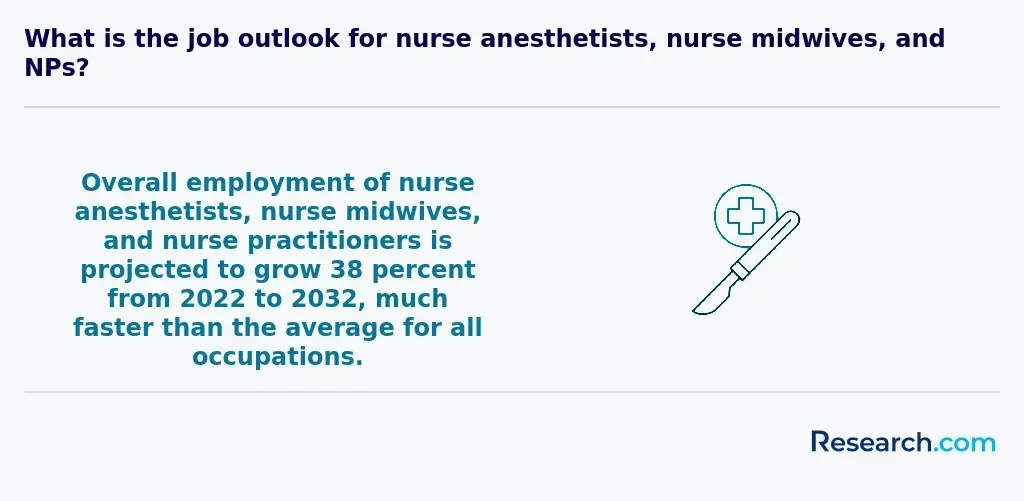
- The employment outlook is strong. Nurse practitioner roles in South Carolina are projected to grow by 31% from 2020 to 2030, while demand for nurse practitioners nationally is projected to grow by 45% from 2020 to 2030.
- South Carolina does not give NPs completely unrestricted practice authority. NPs practice under state rules that include a collaborative or supervisory agreement with a physician, so you should understand the legal practice environment before choosing this path.
- Step-by-step path to becoming a nurse practitioner in South Carolina
- Degree requirements for South Carolina nurse practitioners
- South Carolina NP licensure requirements
- Continuing education rules for NP license renewal
- Typical NP program length in South Carolina
- Nurse practitioner program costs in South Carolina
- South Carolina nurse practitioner scope of practice
- NP specialties available in South Carolina
- Job outlook by nurse practitioner specialty
- Using a dual degree to move into leadership
- Adding nutrition expertise to NP practice
- Whether a DNP is worth it in South Carolina
- Nurse practitioner salary expectations in South Carolina
- Evaluating the ROI of NP programs
- Telehealth skills for South Carolina NPs
- Policy reform and interprofessional collaboration
- Legal risk and compliance for NPs
- Healthcare alternatives to becoming an NP
- Best education routes for aspiring NPs
- Professional development for South Carolina NPs
Step-by-step path to becoming a nurse practitioner in South Carolina
The route to nurse practitioner practice in South Carolina starts with RN preparation and ends with state APRN licensure. The exact timeline depends on whether you already have a BSN, whether you study full time or part time, and which specialty you choose.
| Step | What to do | Why it matters |
| 1. Become an RN | Complete nursing education and obtain a registered nurse license. | South Carolina NP licensure requires RN licensure before advanced practice authorization. |
| 2. Earn or complete a BSN pathway | Many students complete a Bachelor of Science in Nursing, while others begin with an ADN and later use a bridge program. | Graduate NP programs usually require BSN-level preparation or an approved bridge option. |
| 3. Choose an accredited MSN or DNP program | Select a graduate nursing program with the NP specialty you want to practice. | Your degree must prepare you for national certification and South Carolina APRN licensure. |
| 4. Complete clinical training | Finish required supervised clinical hours in your specialty area. | Clinical practice builds the patient-care experience needed for certification and safe independent decision-making within state rules. |
| 5. Pass national certification | Take the certification exam aligned with your specialty, such as family, pediatric, adult-gerontology, or psychiatric-mental health. | National certification is required for licensure as an NP in South Carolina. |
| 6. Apply to the South Carolina Board of Nursing | Submit the APRN application, credentials, fees, background check materials, and other required documentation. | The Board reviews your eligibility before you can practice as an NP in the state. |
| 7. Maintain renewal requirements | Complete continuing education, keep certification current, and follow state practice rules. | Licensure is not a one-time event; compliance continues throughout your career. |
A BSN is the most direct academic starting point, but it is not the only possible route. Nurses who began with an Associate Degree in Nursing may use an RN-to-BSN or bridge pathway before entering graduate study. Nurses who want advanced clinical, leadership, or academic preparation may compare MSN, DNP, and even research-focused doctoral options, including affordable doctoral nursing programs, before deciding how far they want to go.
The biggest decision early on is not simply “Which school should I attend?” It is “Which patient population do I want to serve, and which credential will let me practice legally and confidently in that role?”
Degree requirements for South Carolina nurse practitioners
South Carolina nurse practitioners need graduate-level nursing preparation. In most cases, that means completing either an MSN or a DNP program with an NP concentration. Your program should match the population focus you plan to certify in, such as family practice, pediatrics, psychiatric-mental health, adult-gerontology, or women’s health.
| Degree pathway | Best fit | Key consideration |
| ADN to BSN to MSN | Registered nurses who began with an associate degree and want a structured progression. | This path may take longer but can allow working nurses to advance in stages. |
| BSN to MSN | BSN-prepared RNs who want the most common route into NP practice. | Often the practical choice for nurses focused mainly on clinical practice. |
| BSN to DNP | Nurses who want advanced preparation in clinical leadership, quality improvement, and systems-level practice. | Usually requires a larger time and cost commitment than an MSN route. |
| MSN to DNP | Current MSN-prepared nurses or NPs who want doctoral-level advancement. | May support leadership, policy, academic, or complex clinical roles. |
Before enrolling, verify that the program is properly accredited, prepares graduates for national certification, includes sufficient clinical placement support, and aligns with South Carolina APRN requirements. Online programs can be convenient, but clinical rotations must still be completed in approved settings.
South Carolina NP licensure requirements
To practice as a nurse practitioner in South Carolina, candidates must first hold an RN license and then complete a graduate nursing degree, usually an MSN or DNP. The degree must prepare the student for an advanced practice role and a defined specialty population.
National certification is a central requirement. Candidates must pass a certification exam that matches their NP track, such as family, pediatric, adult-gerontology, or psychiatric-mental health practice. This step confirms that the applicant has met a recognized standard of specialty knowledge before applying for state authority to practice.
The South Carolina Board of Nursing reviews APRN applications. Applicants should be prepared to submit education documentation, certification information, clinical background details, fees, fingerprinting, and background check materials. These requirements protect patients and help ensure that advanced practice providers meet state standards.
Applicants should also plan for several separate costs, including application fees, fingerprinting, and national certification exam fees. Together, these expenses can total several hundred dollars before employment begins.
South Carolina also emphasizes supervised clinical preparation. NPs must complete a minimum of 1,000 hours of supervised clinical practice, reinforcing the importance of hands-on experience before advanced practice authorization.
Professional organizations, including the South Carolina Nurse Practitioner Association, can help students and practicing NPs stay current on licensure rules, continuing education, legislative updates, and networking opportunities.
Continuing education rules for NP license renewal
South Carolina nurse practitioners must complete continuing education to keep their licenses active and their clinical knowledge current. The state requires 30 hours of continuing education every two years for renewal.
At least 15 hours must be in pharmacology. This requirement is especially important because nurse practitioners often prescribe and manage medications, and safe prescribing depends on current knowledge of indications, interactions, contraindications, and monitoring standards.
NPs must also maintain current Basic Life Support certification. Depending on specialty and certification body requirements, some practitioners may need additional clinical education, specialty coursework, or certification maintenance activities.
The South Carolina Board of Nursing oversees renewal compliance. Although South Carolina does not require a separate state licensing exam for renewal, NPs must maintain national certification from an approved certifying organization such as the ANCC or AANP.
For working nurses, the practical challenge is scheduling. The safest strategy is to track renewal dates, choose approved CE providers early, and complete pharmacology hours throughout the two-year cycle rather than waiting until the deadline approaches.
Typical NP program length in South Carolina
A nurse practitioner program in South Carolina usually takes two to four years, depending on the student’s starting degree, enrollment pace, specialty track, and clinical schedule. A Family Nurse Practitioner program often takes about two to three years of full-time study, while some pediatric or psychiatric tracks may take three to four years because of additional clinical preparation.
- Family Nurse Practitioner programs commonly include 500 to 700 clinical hours.
- Pediatric Nurse Practitioner programs may require up to 800 clinical hours.
- Psychiatric Nurse Practitioner programs can sometimes exceed 1,000 clinical hours.
| Program factor | How it can affect your timeline |
| Full-time versus part-time enrollment | Full-time study can shorten completion time, while part-time study may be more realistic for working nurses. |
| Clinical placement availability | Limited preceptor sites can delay progression, especially in competitive specialties. |
| Specialty requirements | Tracks with more clinical hours may require additional semesters. |
| Bridge coursework | Students entering from ADN or nontraditional pathways may need extra prerequisites or transition courses. |
The time investment should be weighed against career goals. South Carolina projects a 31% growth rate for nurse practitioners from 2020 to 2030, which makes the pathway attractive for nurses who want advanced clinical responsibility and broader employment options.
Nurse practitioner program costs in South Carolina
NP education can be expensive, so applicants should calculate the full cost before committing. Tuition for a nurse practitioner program in South Carolina averages around $700 per credit hour. In-state students may pay approximately $66,341 for their first year, while out-of-state students could face costs exceeding $86,453, excluding books, clinical supplies, housing, transportation, food, health insurance, and other living expenses.
Some programs require up to 78 credits for graduation, and clinical-hour requirements can reduce the number of hours a student is able to work while enrolled. That makes opportunity cost part of the real price of the degree.
| Cost category | What to check before enrolling |
| Tuition and fees | Ask for the total program estimate, not just the per-credit rate. |
| Clinical expenses | Confirm costs for background checks, immunizations, uniforms, travel, parking, and required equipment. |
| Certification and licensure | Budget for national exam fees, state application fees, and fingerprinting. |
| Lost income | Estimate whether clinical rotations will require reduced work hours. |
| Financial aid | Compare scholarships, employer tuition assistance, grants, and loan repayment options. |
Students who plan to become Family Nurse Practitioners should also understand how certification choices may affect their career plans. A practical starting point is comparing FNP-C and FNP-BC certification options.
South Carolina nurse practitioner scope of practice
Nurse practitioners in South Carolina are advanced practice registered nurses who may assess patients, diagnose health conditions, order and interpret tests, develop treatment plans, prescribe within state rules, and manage ongoing care. However, South Carolina’s practice environment includes required physician collaboration or supervision, so NPs do not practice under a completely unrestricted model.
South Carolina is commonly described as a reduced-practice state for NPs. This means nurse practitioners can provide many advanced clinical services, but their authority is shaped by written agreements and state regulations. The agreement may define the scope of medical acts, prescribing parameters, consultation expectations, and other practice conditions.
NPs may prescribe noncontrolled medications and issue certain orders, including home health-related orders, but consultation with the supervising or collaborating physician may be required for particular medical conditions or treatments. South Carolina NPs may also sign selected documents, including death certificates and do-not-resuscitate orders, under applicable law.
For students, scope of practice matters because it affects daily workflow, job negotiations, practice ownership possibilities, and long-term autonomy. Advocacy groups such as the Coalition for Access to Health Care have supported reforms that would allow NPs to use more of their education and training, particularly in rural areas where access to physicians may be limited.
If you are comparing nursing careers across regions, it may also help to review broader workforce compensation patterns, including the average travel nurse salary by state.
NP specialties available in South Carolina
Nurse practitioners in South Carolina can specialize by patient population and care setting. Your specialty determines your graduate curriculum, national certification exam, clinical placements, likely employers, and long-term career options.
| Specialty | Primary patient focus | Common practice settings |
| Family Nurse Practitioner | Patients across the lifespan, including acute and chronic conditions. | Primary care clinics, family practices, community health centers, urgent care settings. |
| Adult-Gerontology Nurse Practitioner | Adults and older adults, often with chronic or complex conditions. | Primary care, specialty clinics, long-term care, hospital-affiliated practices. |
| Pediatric Nurse Practitioner | Infants, children, adolescents, and young adults. | Pediatric offices, children’s clinics, school-based health, specialty practices. |
| Psychiatric-Mental Health Nurse Practitioner | Patients with mental health and behavioral health needs. | Mental health clinics, hospitals, telehealth, community agencies, integrated care settings. |
| Women’s Health Nurse Practitioner | Reproductive, gynecologic, prenatal, and menopause-related care. | Women’s health clinics, OB-GYN practices, community health organizations. |
Choose your specialty based on the patients you want to serve, not only on salary expectations. Family practice offers broad flexibility, psychiatric-mental health may appeal to nurses interested in behavioral health access, pediatrics is suited to nurses committed to child and family care, and adult-gerontology can be a strong match for those interested in aging populations and chronic disease management.
Nurses considering other advanced practice routes can also compare NP study with anesthesia-focused graduate education by reviewing how to get into CRNA school.
Job outlook by nurse practitioner specialty in South Carolina
The employment picture for nurse practitioners in South Carolina is favorable. The state is expected to add around 600 NP positions by 2028, increasing from 2,340 NPs employed in 2018. That represents growth of approximately 25.64%. Longer-term projections point to a 30% increase in NP roles over the next decade.
Demand is tied to several healthcare pressures: an aging population, chronic disease management needs, primary care access gaps, mental health demand, and the need for providers in rural and underserved communities.
- Hospitals and health systems hire NPs for specialty services, inpatient support, outpatient clinics, and care coordination.
- Community health clinics use NPs to expand primary care access, especially for underserved populations.
- Private practices employ NPs in family medicine, pediatrics, geriatrics, women’s health, and behavioral health.
- Telehealth and hybrid care models create additional opportunities for NPs with remote assessment, digital documentation, and patient-monitoring skills.
Students who are still early in their nursing pathway may want to compare lower-cost entry points into healthcare, including affordable online LPN programs, before planning a long-term route to advanced practice.
How a dual degree can support NP leadership in South Carolina
A dual graduate degree can make sense for nurse practitioners who want to move beyond direct patient care into administration, operations, consulting, strategy, or healthcare leadership. Combining nursing and business education can help NPs understand budgeting, staffing, quality metrics, reimbursement, and organizational decision-making.
For nurses interested in leadership roles, online MSN-MBA dual degree programs may provide a structured way to pair advanced clinical expertise with business training. This path is most useful for NPs who want to manage teams, influence policy, improve care delivery systems, or lead service lines.
Can nutrition training broaden nurse practitioner care?
Nutritional counseling can strengthen NP practice, especially in primary care, pediatrics, women’s health, diabetes management, cardiovascular risk reduction, and chronic disease prevention. NPs do not need to become dietitians to discuss evidence-based nutrition basics, but additional training can improve the quality of patient education and referrals.
Nurse practitioners who want formal expertise in this area can explore how to become a nutritionist in South Carolina. The best approach is usually collaborative: NPs screen, counsel, monitor, and refer to registered dietitians or nutrition specialists when patients need more intensive support.
Is a DNP worth considering for South Carolina nurse practitioners?
A DNP can be a worthwhile investment for some South Carolina nurses, but it is not automatically the best choice for everyone. The degree is most valuable for NPs who want advanced leadership, quality improvement, policy, population health, academic, or high-level clinical roles.
Compared with an MSN, a DNP usually requires more time and money. The decision should be based on your target role, expected debt, employer preferences, and whether the doctoral curriculum will provide skills you will actually use. Reviewing DNP salary patterns by state can help you think through the financial side, but salary outcomes are never guaranteed.
Nurse practitioner salary expectations in South Carolina
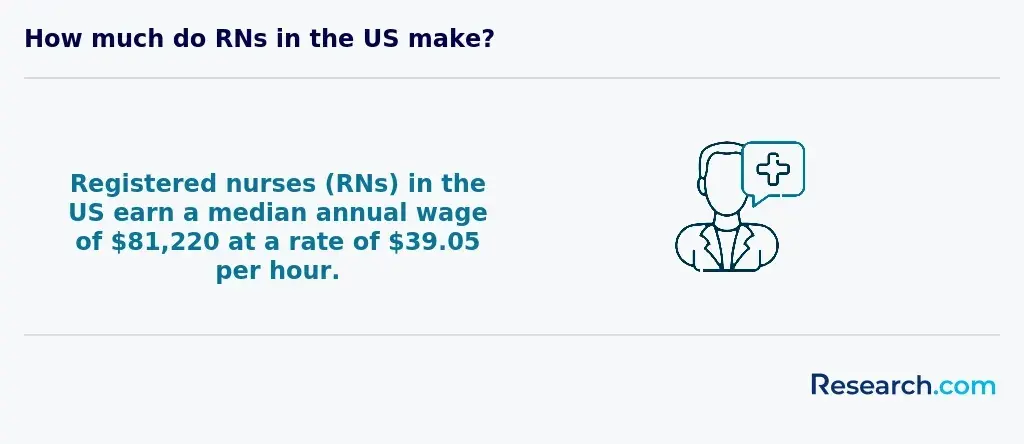
Nurse practitioners in South Carolina can expect an average annual salary of around $102,850, compared with a national average of $118,040. Some NPs earn as much as $130,200, while the bottom 10% earn approximately $76,490.
Location can make a noticeable difference. Charleston and Myrtle Beach report some of the higher average NP salaries in the state, at $108,960 and $107,360, respectively. Overall, NP salaries in South Carolina are about 12% below the national average.
| Salary point | Amount | What it means for planning |
| South Carolina average | $102,850 | Useful baseline for estimating repayment capacity and long-term earnings. |
| National average | $118,040 | Shows that South Carolina compensation is lower than the national benchmark. |
| High-end salary cited | $130,200 | May be possible in stronger markets, advanced specialties, or experienced roles. |
| Bottom 10% | $76,490 | Important for conservative ROI calculations, especially for new graduates. |
| Charleston average | $108,960 | One of the stronger salary markets identified in the state. |
| Myrtle Beach average | $107,360 | Another market with above-state-average compensation. |
Pay is influenced by specialty, work setting, patient population, geographic area, years of experience, call expectations, productivity models, and whether the NP works in primary care, urgent care, behavioral health, specialty medicine, or hospital-based services.
Is the ROI of a South Carolina NP program reasonable?
The return on investment depends on your total education cost, expected debt, current RN income, likely NP salary, and how quickly you can finish the program. A program with higher tuition may still be reasonable if it offers strong clinical placement support, good certification preparation, and a schedule that lets you keep working. A lower-cost program may be less valuable if it delays graduation or leaves students struggling to find clinical sites.
Before enrolling, compare program outcomes, accreditation, clinical support, cost, and reputation. Reviewing the best nursing schools in South Carolina can help you build a shortlist, but you should not rely on rankings alone.
| ROI question | Why it matters |
| How much will I borrow? | Loan payments can reduce the benefit of a higher NP salary. |
| Will I work during school? | Lost wages can be a major hidden cost. |
| Does the school help secure clinical placements? | Weak placement support can delay graduation and certification. |
| What specialty am I pursuing? | Specialty choice affects job availability, work setting, and compensation. |
| Where do I plan to work after graduation? | South Carolina salaries vary by location and employer type. |
How telehealth skills can strengthen NP practice in South Carolina
Telehealth has become a practical part of healthcare delivery, especially for patients who live far from specialty care, have transportation barriers, or need ongoing monitoring for chronic conditions. South Carolina NPs who are comfortable with virtual visits, remote assessment, patient education, digital documentation, and follow-up protocols may be more competitive in modern clinical settings.
Telehealth does not replace strong physical assessment skills, but it expands how NPs can deliver timely care. Students comparing flexible degree options can review the best online nursing programs in South Carolina while confirming that any online program still provides appropriate clinical training.
How policy reform and collaboration may affect advanced practice opportunities
South Carolina’s practice rules continue to shape the daily work of nurse practitioners. Policy discussions around APRN authority, access to care, rural health, and team-based practice can directly affect future NP autonomy and employment options.
Interprofessional collaboration also matters. NPs often work with physicians, pharmacists, social workers, dietitians, behavioral health professionals, midwives, and other clinicians. Nurses interested in adjacent advanced practice fields can compare NP roles with how to become a nurse midwife in South Carolina to understand how scope, patients, and training differ.
How South Carolina NPs can reduce legal and compliance risks
Compliance is part of safe NP practice. South Carolina nurse practitioners should understand their collaborative or supervisory agreement, prescribing authority, documentation standards, renewal deadlines, and national certification maintenance rules.
- Keep written agreements current and accessible.
- Document consultations, referrals, and prescribing decisions clearly.
- Maintain malpractice coverage appropriate to your specialty and setting.
- Track continuing education hours before renewal deadlines.
- Review state updates through the South Carolina Board of Nursing and professional associations.
- Understand broader South Carolina nursing license requirements before making career or practice changes.
Healthcare alternatives if you are not sure about becoming an NP
Not every healthcare professional who wants more responsibility needs to become a nurse practitioner. If you enjoy medication therapy, patient counseling, and pharmacology, pharmacy may be a better fit. If you prefer procedural care, anesthesia, administration, public health, informatics, or education, other pathways may align better with your strengths.
For example, students interested in medication-focused careers can compare NP practice with how to become a pharmacist in South Carolina. The right choice depends on the type of patient interaction you want, the education length you can manage, and the licensure rules you are willing to meet.
Best education routes for aspiring South Carolina nurse practitioners
The best education pathway depends on where you are starting. A high school graduate, LPN, ADN-prepared RN, BSN-prepared RN, and current MSN nurse will not follow the same timeline.
| Your current status | Likely next step | Long-term NP route |
| LPN | Advance to RN education. | RN to BSN or bridge pathway, then MSN or DNP. |
| ADN-prepared RN | Complete BSN or approved bridge coursework. | Enter an MSN or DNP nurse practitioner program. |
| BSN-prepared RN | Apply directly to an MSN or BSN-to-DNP NP program. | Complete specialty coursework, clinical hours, certification, and APRN licensure. |
| MSN-prepared nurse | Consider post-master’s NP certification or a DNP pathway. | Meet certification and South Carolina APRN requirements for the intended specialty. |
When comparing schools, look for accreditation, certification exam preparation, clinical placement quality, faculty experience, specialty availability, online flexibility, student support, and total cost. A useful starting point is reviewing the best nurse practitioner programs in South Carolina, then verifying each program’s fit with your goals.
Professional development for South Carolina nurse practitioners
Professional development should continue after graduation. Strong NPs build clinical depth, leadership ability, legal awareness, and specialty expertise over time.
- Join state and national NP organizations for policy updates and continuing education.
- Seek mentors in your specialty, especially during the first year of practice.
- Attend workshops on pharmacology, documentation, diagnostic reasoning, and specialty care.
- Build telehealth, informatics, and quality improvement skills.
- Track changes in state scope-of-practice rules and renewal requirements.
- Use broader career planning resources, such as this guide on how to become a nurse in South Carolina, to understand each stage of nursing advancement.
Can an LPN realistically become a nurse practitioner in South Carolina?
Yes, an LPN can eventually become a nurse practitioner, but it is a multi-step pathway. The usual progression is LPN to RN, RN to BSN or bridge preparation, then MSN or DNP nurse practitioner education, followed by national certification and South Carolina APRN licensure.
LPN experience can be valuable because it builds patient-care confidence, communication skills, and familiarity with clinical environments. However, the NP role requires advanced assessment, diagnosis, prescribing knowledge, and graduate-level clinical judgment. Nurses beginning at the LPN level can start by reviewing how to become an LPN in South Carolina and then mapping each education step beyond that credential.
Common mistakes to avoid before choosing an NP program
- Choosing a program without checking accreditation. Accreditation affects certification eligibility, licensure, employer acceptance, and transfer options.
- Looking only at tuition. Fees, clinical travel, lost income, books, supplies, and certification costs can change the real price.
- Assuming online means fully remote. NP programs require clinical training, and students may need approved local placements.
- Ignoring South Carolina scope-of-practice rules. Collaborative or supervisory requirements can affect job duties and practice autonomy.
- Selecting a specialty only for salary. Specialty fit matters because burnout risk rises when the patient population or setting does not match your strengths.
- Waiting too long to plan clinical placements. Preceptors can be difficult to secure, especially in competitive regions or specialties.
- Assuming salary outcomes are guaranteed. Pay depends on experience, location, specialty, employer, and market conditions.
Questions to ask before enrolling in a South Carolina NP program
- Is the program accredited and recognized for national certification eligibility?
- Which NP specialties are offered, and do they match my career goals?
- Does the school arrange clinical placements, or am I responsible for finding preceptors?
- How many clinical hours are required in my specialty track?
- What is the full estimated cost, including fees and clinical expenses?
- Can I attend part time while working as an RN?
- What certification exams do graduates take?
- How does the curriculum prepare students for South Carolina APRN licensure?
- What support is available for online students?
- What are recent graduate employment outcomes in South Carolina?
What graduates often value about becoming an NP in South Carolina
Many graduates point to the ability to provide broader patient care while still working within a collaborative healthcare team. For nurses who enjoy assessment, education, treatment planning, and long-term patient relationships, the NP role can offer a meaningful expansion of clinical responsibility. — Neil
Others appreciate the range of practice settings. South Carolina NPs may work in urban clinics, rural practices, hospitals, community health centers, specialty offices, or telehealth-supported environments. That flexibility can help nurses align career goals with family, location, and lifestyle needs. — Liam
For many NPs, the most rewarding part is not the title itself but the patient connection. Advanced practice allows nurses to diagnose, guide treatment, educate families, and advocate for patients across complex healthcare decisions. — Elizabeth
Related Articles for Nearby States
- 2027 How to Become a Nurse Practitioner in Georgia
- 2027 How to Become a Nurse Practitioner in North Carolina
- 2027 How to Become a Nurse Practitioner in Florida
- 2027 How to Become a Nurse Practitioner in Tennessee
- 2027 How to Become a Nurse Practitioner in Alabama
- 2027 How to Become a Nurse Practitioner in Virginia
- 2027 How to Become a Nurse Practitioner in Kentucky
- 2027 How to Become a Nurse Practitioner in Mississippi
- 2027 How to Become a Nurse Practitioner in West Virginia
- 2027 How to Become a Nurse Practitioner in Louisiana
Key Insights
- South Carolina nurse practitioners need RN licensure, graduate nursing education, national certification, and APRN licensure through the South Carolina Board of Nursing.
- An MSN is a common route into NP practice, while a DNP may be better for nurses seeking leadership, policy, quality improvement, or advanced systems roles.
- South Carolina’s NP practice environment includes collaborative or supervisory requirements, so students should understand scope-of-practice rules before choosing this career.
- Program cost is significant. Tuition averages around $700 per credit hour, and first-year costs may be approximately $66,341 for in-state students or exceed $86,453 for out-of-state students before additional expenses.
- Job prospects are strong, with South Carolina NP roles projected to grow by 31% from 2020 to 2030 and long-term projections indicating a 30% increase in NP roles over the next decade.
- Salary varies by location and specialty. The South Carolina average cited is around $102,850, below the national average of $118,040, with Charleston and Myrtle Beach reporting higher averages of $108,960 and $107,360.
- The best NP program is not always the highest-ranked or cheapest. Prioritize accreditation, certification preparation, clinical placement support, specialty fit, total cost, and alignment with South Carolina licensure rules.
References
- bls.gov (29 Aug 2024). Nurse Anesthetists, Nurse Midwives, and Nurse Practitioners. https://nursejournal.org/careers/career-options-for-nurses/
- education.musc.edu (01 Mar 2024). Estimated Cost of Attendance for College of Nursing. https://www.nursingprocess.org/nurse-practitioner-school-cost.html
- education.musc.edu (30 Jul 2024). Estimated Cost of Attendance for College of Health Professions. https://www.registerednursing.org/nurse-practitioner/programs/south-carolina/
- llr.sc.gov (n.d.). South Carolina Board of Nursing. https://llr.sc.gov/nurse/Online/APRNUPDATELEAD.aspx
- Moira K. McGhee (01 Aug 2022). 2023 State by State Scope of Practice: Nurse Practitioner. https://www.scstatehouse.gov/code/t40c033.php
- sc.edu (n.d.). Program Cost Estimates1,2,3,4,5,6,7. https://www.sc.edu/study/colleges_schools/nursing/internal/current_students/graduate_program_cost_estimates_2022-2023_accessible.pdf
- sc.edu (n.d.). S.C. legislature expands the scope for advanced practice nurses. https://sc.edu/study/colleges_schools/nursing/news/2018/np_practice_bill.php
- sc.edu (03 Feb 2024). Program Cost Estimates1,2,3,4,5,6,7 Based on 2022-2023 Tuition and Fee. https://education.musc.edu/students/enrollment/financial-aid/financial-aid-application-process/cost-of-attendance/health-professions
- scopeofpracticepolicy.org (n.d.). South Carolina. https://www.aanp.org/advocacy/south-carolina
- scstatehouse.gov (06 Jun 2012). South Carolina Code of Laws Unannotated. https://hire.vivian.com/blog/2022-state-by-state-scope-of-practice-nurse-practitioner
Other Things You Should Know About Becoming a Nurse Practitioner in South Carolina
It generally takes 6 to 8 years to become a nurse practitioner in South Carolina. This includes earning a Bachelor of Science in Nursing (4 years), obtaining RN licensure, gaining some clinical experience (1-2 years), and completing a Master of Science in Nursing or Doctor of Nursing Practice program (2-4 years).
In South Carolina, nurse practitioners are required to complete 30 hours of continuing education every two years, which must include 4 contact hours on controlled substances. This ensures they stay updated on healthcare practices and state regulations while holding an active license.
What clinical experience is required to become a nurse practitioner in South Carolina? The state mandates that aspiring nurse practitioners complete a minimum of 1,000 hours of supervised clinical practice as part of their graduate education. This experience is crucial, as it not only hones clinical skills but also fosters critical thinking and decision-making in real-world settings.
But is 1,000 hours truly sufficient to prepare for the complexities of patient care? Many argue that additional experience can enhance competency and confidence. How can one strategically accumulate these hours? Consider seeking diverse clinical placements—ranging from primary care to specialty settings—to broaden your expertise. Networking with seasoned practitioners can also open doors to mentorship opportunities, enriching your learning experience.
Ultimately, the journey to becoming a nurse practitioner in South Carolina is not just about meeting requirements; it’s about cultivating a profound understanding of patient care that transcends the classroom.
The South Carolina Board of Nursing licenses nurse practitioners. Applicants must hold an active registered nurse license, complete an approved graduate nurse practitioner program, and meet the board’s national certification and prescriptive authority requirements before practicing in the state.


