2027 How to Become a Nurse in Delaware

Co-Founder and Chief Data Scientist
Choosing a nursing career in Delaware means weighing opportunity against a demanding licensing and education process. The state has reported a significant nursing shortage, with projections indicating a need for over 1,000 additional registered nurses by 2025. For aspiring nurses, that demand can translate into career openings, but it also raises practical questions about workload, burnout, compensation, program quality, and long-term career mobility.
This guide explains how to become a nurse in Delaware in 2026, including education pathways, license types, NCLEX requirements, Nurse Licensure Compact rules, job outlook, salary considerations, program selection, advancement options, and common mistakes to avoid. It is written for first-time nursing students, LPNs considering RN pathways, out-of-state nurses moving to Delaware, and working nurses planning advanced practice roles.
Quick Answer: How do you become a nurse in Delaware?
To become a nurse in Delaware, you must complete an approved nursing education program, pass the correct NCLEX exam, apply to the Delaware Board of Nursing, complete required background checks, and maintain your license through renewal and continuing practice requirements. LPNs typically complete a one-year practical nursing program and take the NCLEX-PN. RNs usually complete either a two-year ADN or a four-year BSN and take the NCLEX-RN. APRNs need graduate-level nursing education, national certification, and Delaware APRN licensure.
Key Things You Should Know About Becoming a Nurse in Delaware
- Nursing demand is strong, but shortages affect working conditions. Delaware is projected to need over 1,000 additional registered nurses by 2025, which may create employment opportunities while also increasing pressure on current nursing teams.
- Registered nurses earn competitive pay, but location matters. The average salary for registered nurses in Delaware is approximately $78,000 per year. Nurses should compare this with housing, transportation, and living costs in the specific region where they plan to work.
- The job outlook remains favorable. The Bureau of Labor Statistics projected 7% growth for registered nursing positions from 2019 to 2029, supported by an aging population and increased attention to preventive care.
- Education choices affect career flexibility. An ADN can help students enter the RN workforce faster, while a BSN may improve access to leadership roles, specialty units, public health positions, and employers that prefer bachelor’s-prepared nurses.
- Specialization can raise earning potential but may narrow your options. Pediatrics, geriatrics, critical care, psychiatric care, nurse midwifery, and advanced practice roles can be rewarding, but students should check local demand before committing to a narrow specialty.
- Steps to become a nurse in Delaware
- Education requirements for Delaware nurses
- Nursing roles legally recognized in Delaware
- Delaware nursing licensing requirements
- Types of Delaware nursing licenses
- Nurse Licensure Compact rules in Delaware
- Practicing without a Delaware nursing license
- Nursing program options in Delaware
- Current state of nursing in Delaware
- Nurse practitioner education requirements
- Short post-master’s FNP certificate options
- Medical billing and coding in Delaware healthcare
- Starting as an LVN in Delaware
- How to choose a Delaware nursing program
- Nursing job outlook in Delaware
- Best nursing schools in Delaware
- Nurse midwifery career paths
- Advancing a nursing career in Delaware
- Earning potential for specialized nursing roles
- Related healthcare careers in Delaware
- Challenges with Delaware nursing licensing updates
What are the steps to becoming a nurse in Delaware?
The path to nursing licensure in Delaware depends on whether you want to become an LPN, RN, or APRN. The process is structured, and skipping any step can delay licensure, employment, or eligibility for multistate practice.
- Choose the nursing role you want first. If your goal is to enter patient care quickly, an LPN diploma may be the fastest option and generally takes one year. If you want broader clinical responsibilities and more advancement options, pursue RN licensure through a two-year Associate Degree in Nursing or a four-year Bachelor of Science in Nursing.
- Complete admission prerequisites. LPN programs usually require a high school diploma or GED. ADN and BSN programs often require prerequisite coursework such as biology, math, and English. Competitive programs may also evaluate grades, entrance exam results, healthcare experience, and background checks.
- Graduate from an approved nursing program. Program approval and accreditation matter because they affect NCLEX eligibility, license approval, transfer credit, graduate study, and employer recognition.
- Pass the correct NCLEX exam. LPN graduates take the NCLEX-PN. RN graduates take the NCLEX-RN. Passing the exam is required before you can receive the corresponding nursing license.
- Apply through the Delaware Board of Nursing. Applicants submit required forms, education documentation, exam information, fees, and background check materials.
- Meet advanced practice requirements if applicable. APRNs, including nurse practitioners and clinical nurse specialists, must hold the required graduate education and national certification for their specialty. Candidates seeking prescriptive authority must also follow Delaware’s requirements, including any required collaborative agreement with a physician.
- Renew your license on schedule. Delaware nurses renew licenses biannually. RNs must also meet practice-hour requirements, including at least 1,500 practice hours over five years and at least 400 hours in direct patient care.
| Goal | Typical education route | Licensing exam | Best fit |
| Licensed Practical Nurse | One-year diploma or practical nursing program | NCLEX-PN | Students who want a faster entry into nursing support roles |
| Registered Nurse | Two-year ADN or four-year BSN | NCLEX-RN | Students seeking broader clinical responsibility and more job options |
| Advanced Practice Registered Nurse | Master’s or doctoral nursing degree with specialty preparation | National certification requirements apply | RNs who want advanced clinical authority, specialization, or leadership roles |
If you are interested in a specialty early, research compensation and hiring patterns before choosing clinical placements or graduate programs. For example, students drawn to neonatal care may want to compare Delaware opportunities with broader neonatal nurse salary information by state.
What are the educational requirements for becoming a nurse in Delaware?
Delaware’s nursing education requirements vary by license level. The main decision is whether you want the fastest route into bedside care, the strongest foundation for RN employment, or a graduate pathway into advanced practice.
- Licensed Practical Nurse education: LPN candidates complete a practical nursing diploma or certificate program, commonly designed to be completed in about one year. These programs focus on basic nursing care, medication support, vital signs, patient comfort, and supervised clinical practice. Students comparing flexible formats can review what it takes to become an LPN through online or hybrid pathways, while confirming that clinical requirements can be completed appropriately.
- Registered Nurse education: RN candidates usually choose between an ADN and a BSN. An ADN is commonly offered through community colleges and can prepare students for entry-level RN practice in less time. A BSN adds more coursework in leadership, research, population health, evidence-based practice, and care coordination. Both routes prepare graduates for the NCLEX-RN, but some employers increasingly prefer or require BSN-prepared nurses.
- Advanced Practice Registered Nurse education: APRNs need graduate nursing education, typically a Master of Science in Nursing, with advanced clinical training in a defined specialty. Nurse practitioners, clinical nurse specialists, nurse anesthetists, and nurse midwives also need appropriate national certification.
Accreditation should be one of the first things you verify. Programs recognized by accrediting bodies such as the Accreditation Commission for Education in Nursing and the Commission on Collegiate Nursing Education are more likely to support licensure, transfer, graduate admission, and employer acceptance. Even when comparing nursing schools with easier admission pathways, do not treat accessibility as a substitute for accreditation and NCLEX preparation.
Students who already hold healthcare experience or another degree may also consider accelerated, bridge, or online-supported nursing programs. These can reduce time in school, but only if clinical placements, state approval, and licensure eligibility are clearly documented. RNs planning psychiatric mental health practice can also compare advanced routes such as the shortest PMHNP program options after confirming that the credential aligns with Delaware practice requirements.
The chart below shows that most RNs in the United States have a BSN degree.
What types of nurses can legally practice in Delaware?
Delaware recognizes several nursing and nursing-adjacent roles. Each has a different scope of practice, education requirement, supervision structure, and licensing or certification process.
- Registered Nurses: RNs assess patients, administer medications, coordinate care, educate patients and families, communicate with physicians and other clinicians, and help manage care plans. Delaware RN candidates must graduate from an acceptable nursing program and pass the NCLEX-RN. The Delaware Board of Nursing is the key source for official licensure rules.
- Licensed Practical Nurses: LPNs provide essential hands-on care under the supervision of RNs, physicians, or other authorized providers. Their work may include monitoring vital signs, assisting with daily activities, supporting medication administration, and reporting patient changes.
- Advanced Practice Registered Nurses: APRNs include nurse practitioners, clinical nurse specialists, certified registered nurse anesthetists, and certified nurse midwives. These professionals need graduate education and national certification tied to their specialty. Their broader scope of practice can include diagnosis, treatment planning, and prescribing when Delaware requirements are met.
- Certified Nursing Assistants: CNAs are not licensed nurses, but they are critical members of care teams. They provide daily patient support and must complete state-approved training and pass a competency exam.
| Role | Typical preparation | Main responsibility | Level of independence |
| CNA | State-approved training and competency exam | Basic patient assistance and daily care support | Works under nursing supervision |
| LPN | Practical nursing program | Basic nursing care and monitoring | Works under RN or provider supervision |
| RN | ADN or BSN | Assessment, medication administration, care coordination, patient education | Independent nursing judgment within RN scope |
| APRN | Graduate nursing degree and national certification | Advanced assessment, diagnosis, treatment, and specialty care | Expanded practice authority subject to Delaware rules |
What are the licensing requirements for nurses in Delaware?
Delaware nursing licensure is designed to confirm that a candidate has completed appropriate education, passed the required national exam, and meets public safety standards. The exact process differs by license type, but most applicants should prepare for the following requirements.
- Approved education: RN applicants generally need an Associate Degree in Nursing or Bachelor of Science in Nursing. LPN applicants complete a practical nursing diploma or certificate program.
- NCLEX exam: RN candidates take the NCLEX-RN, while LPN candidates take the NCLEX-PN. This exam evaluates entry-level nursing knowledge and clinical judgment.
- Board application: Candidates submit an application to the Delaware Board of Nursing with education verification, exam documentation, and a non-refundable application fee, typically around $100.
- Criminal background check: Delaware requires nursing candidates to complete a background review that includes fingerprinting.
- Additional costs: Applicants should plan for transcript fees, fingerprinting charges, testing costs, and other documentation expenses in addition to tuition.
The process can feel slow, especially after graduation, so students should ask their nursing program when transcripts are sent, when they should register for NCLEX, and how to avoid application errors that delay authorization to test or licensure.
What types of nursing licenses are available in Delaware?
Delaware offers different nursing licenses based on training level and scope of practice. Choosing the right license is not only an academic decision; it affects how quickly you can start working, how much responsibility you can take on, and what advancement options you will have later.
- Registered Nurse license: The RN license is the most flexible entry point for broad nursing practice. Candidates complete an accredited associate or bachelor’s nursing program and pass the NCLEX-RN. Even students looking for the fastest RN degree programs should confirm accreditation, clinical quality, and Delaware licensure eligibility before enrolling.
- Licensed Practical Nurse license: The LPN license is a shorter route into nursing, usually built around about one year of training. LPNs focus on practical bedside care, vital sign monitoring, basic procedures, patient support, and communication with supervising nurses or physicians.
- Advanced Practice Registered Nurse license: APRNs hold advanced clinical preparation and national certification. Nurse practitioners, clinical nurse specialists, nurse anesthetists, and nurse midwives may diagnose, manage treatment, and prescribe within Delaware’s rules. Psychiatric care, anesthesia, family practice, and women’s health are examples of specialty directions that may offer stronger earning potential than entry-level nursing roles.
A practical way to choose is to ask: How soon do I need to work? How much debt can I take on? Do I want bedside care, advanced diagnosis, leadership, or specialty practice? Your answer should guide whether LPN, ADN, BSN, MSN, or certificate-based advancement makes the most sense.

Can a Compact nurse practice in Delaware?
Yes. Delaware participates in the Nurse Licensure Compact, which allows eligible RNs and LPNs with a multistate license to practice across other compact states without applying for a separate license in each one. This can be valuable for travel nurses, telehealth nurses, military spouses, and nurses living near state borders.
To hold a Delaware multistate license, a nurse must have primary residence in Delaware and hold an active Delaware RN or LPN license. Nurses whose license is marked “Valid Only In Delaware” may apply for multistate status if they meet all eleven Nurse Licensure Compact uniform licensure requirements. Nurses who do not meet those requirements may be limited to a single-state Delaware license.
If a nurse moves to Delaware from another compact state, the nurse must apply for a Delaware multistate license within 60 days of establishing residency. Once Delaware becomes the nurse’s primary state of residence, the previous compact-state multistate license no longer applies as the primary license.
One major limitation is important: Delaware does not currently offer multistate licenses for Advanced Practice Registered Nurses. APRNs must obtain Delaware-specific APRN authorization even if they hold advanced practice credentials elsewhere.
For students who want a healthcare pathway but are not yet ready for RN or LPN training, comparing accessible healthcare degree programs may help clarify alternatives before committing to nursing school.
Can you practice as a nurse without a license in Delaware?
No. You cannot legally practice as an RN or LPN in Delaware without the appropriate active nursing license. Licensure is not optional because nursing involves medication administration, patient assessment, clinical judgment, documentation, and direct responsibility for patient safety.
There are related roles, such as certified nursing assistant, medical assistant, medical biller, or healthcare support worker, but those positions do not allow a person to represent themselves as a licensed nurse or perform nursing duties outside their authorized role.
- Patient protection: Licensing confirms that nurses meet education, examination, and background standards before caring for patients independently.
- Professional accountability: A license gives the state board authority to regulate conduct, investigate complaints, and protect the public.
- Career credibility: Employers, insurers, and patients rely on licensure as proof of minimum competency.
The aging workforce adds urgency to the discussion. With the median age of RNs at 52 and LPNs/LVNs at 53, Delaware needs strong pathways for new entrants. Even so, workforce pressure does not remove the legal requirement to be licensed before practicing as a nurse.
What types of nursing programs are available in Delaware?
Delaware students can choose from practical nursing programs, ADN programs, BSN programs, bridge pathways, graduate nursing programs, and certificate options for already licensed nurses. The right format depends on your starting point, schedule, finances, and career goal.
| Program type | Who it is for | Potential advantage | Key risk to check |
| LPN program | Students seeking a faster entry into nursing care | Shorter training timeline | More limited scope and advancement than RN licensure |
| ADN program | Students who want RN licensure with a shorter degree route | Can lead to NCLEX-RN eligibility | Some employers may prefer BSN-prepared nurses |
| BSN program | Students seeking broader RN preparation and future leadership options | Stronger foundation for graduate study and specialty roles | Longer time commitment and potentially higher cost |
| LPN-to-RN or RN-to-BSN bridge | Licensed nurses advancing their credentials | Builds on prior education and work experience | Transfer credit and clinical requirements vary by school |
| MSN, DNP, or post-master’s certificate | RNs pursuing advanced practice or specialization | Can support APRN roles and specialty practice | Must align with Delaware APRN and certification rules |
Students interested in practical nursing should compare admission requirements, clinical placement support, NCLEX-PN preparation, and cost among LPN programs in Delaware.
What is the state of nursing in Delaware?
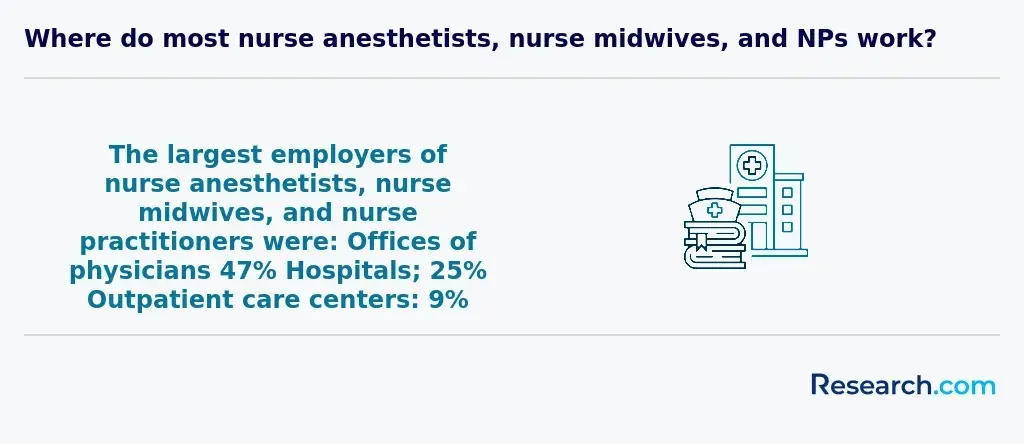
Nursing in Delaware is shaped by three forces: strong demand for care, workforce strain, and financial trade-offs for individual nurses. The state employs licensed RNs, LPNs, APRNs, and nursing support workers across hospitals, long-term care facilities, outpatient centers, home health, community clinics, and specialty practices.
The shortage is one of the most important realities for new nurses. An aging population and the retirement of experienced nurses can create opportunities for graduates, but shortages can also contribute to overtime, heavier patient assignments, and burnout. Students should evaluate employers not only by salary but also by staffing support, orientation length, mentorship, scheduling policies, and continuing education benefits.
Cost of living also matters. Delaware’s nurse salaries can be competitive, yet living expenses vary across the state. A position with a higher wage in an expensive area may not produce the same financial comfort as a slightly lower-paying role with better benefits, shorter commute, or tuition support.
Major nurse-employing sectors include healthcare and social assistance, hospitals, nursing homes, outpatient care, and related healthcare organizations. Nurses who want to improve mobility may consider bridge programs, specialty certification, or affordable LPN-to-RN and RN-to-BSN options when they are ready to advance.
What are the nurse practitioner education requirements in Delaware?
Nurse practitioners in Delaware need graduate nursing preparation, advanced clinical training, and national certification in a population focus or specialty. The pathway generally begins with RN licensure, followed by an accredited graduate program that combines advanced assessment, pharmacology, pathophysiology, diagnosis, treatment planning, and supervised clinical practice.
Because nurse practitioner authority depends on both state rules and national certification standards, students should confirm that a program’s clinical placements, specialty track, and certification preparation match Delaware requirements before enrolling. For a focused step-by-step overview, review the guide to nurse practitioner education requirements in Delaware.
Could a Short Post Master’s FNP Certificate Boost Your Nursing Credentials in Delaware?
A short post-master’s FNP certificate can make sense for nurses who already hold graduate nursing education but need an additional family nurse practitioner credential. This route may be more efficient than completing another full degree, especially for nurses who want to expand into primary care, family practice, or broader patient populations.
The value depends on fit. Before enrolling, confirm certification eligibility, clinical hour requirements, Delaware APRN rules, tuition costs, and whether the certificate adds a credential employers actually want. To compare streamlined options, see the shortest post-master’s FNP program options.
What role does medical billing and coding play in Delaware's healthcare environment?
Medical billing and coding support Delaware’s healthcare system by translating clinical services into standardized records for reimbursement, compliance, reporting, and revenue cycle management. While these roles are not nursing roles, they are closely connected to patient documentation, insurance claims, billing accuracy, and healthcare operations.
For nurses or healthcare workers who want a less physically demanding role, an administrative healthcare path, or a second skill set, billing and coding may be worth exploring. Learn more about how to become a medical biller and coder in Delaware.
How can I start my career as an LVN in Delaware?
Delaware more commonly uses the term LPN, while LVN is used in some other states. If you are looking for an LVN-style pathway in Delaware, you are generally looking at practical nursing education that prepares you for LPN licensure.
The usual route is to complete a state-approved practical nursing program, finish required clinical training, pass the NCLEX-PN, and apply for licensure through the Delaware Board of Nursing. For a dedicated overview, see how to become an LVN in Delaware.
How can I choose the right nursing education program in Delaware?
The best nursing program is not always the cheapest, fastest, or highest ranked. It is the program that can realistically get you licensed, prepared for practice, and financially positioned to complete the credential without unnecessary delay.
Questions to ask before enrolling
- Is the program approved for Delaware nursing licensure?
- Is the program accredited by a recognized nursing accreditor such as ACEN or CCNE?
- What are the NCLEX pass outcomes, and how recent are they?
- Where are clinical placements located, and who arranges them?
- Can online students complete clinical requirements near their home?
- How many credits will transfer if I already completed college coursework?
- What is the total cost, including fees, uniforms, exams, background checks, supplies, commuting, and lost work hours?
- Does the school offer tutoring, simulation labs, remediation, and NCLEX preparation?
- How long does it actually take most students to graduate?
- Will the credential support my next step, such as RN-to-BSN, MSN, or APRN study?
| Program feature | Why it matters | Warning sign |
| Accreditation and state approval | Impacts licensure, transfer, graduate study, and employer acceptance | The school avoids direct answers about approval or accreditation |
| Clinical placement support | Nursing cannot be completed through coursework alone | Students must find their own placements without strong school support |
| NCLEX preparation | Passing NCLEX is required for licensure | Low transparency about pass rates or remediation |
| Total cost | Fees and living costs can change the true price of a program | The school advertises tuition only and leaves out major expenses |
| Schedule flexibility | Working adults may need evening, hybrid, or part-time options | The format sounds flexible but clinical hours are rigid or distant |
Students comparing flexible pathways can start with online nursing programs in Delaware, but every online or hybrid option should be checked for clinical placement rules and Delaware licensure alignment.
What is the job outlook for nursing in Delaware?
The employment outlook for nurses in Delaware is positive, but job quality varies by setting, specialty, schedule, and employer. According to the U.S. Bureau of Labor Statistics, employment of RNs in Delaware is projected to grow by approximately 10% from 2020 to 2030, which is on par with the national average.
Registered nurses in Delaware earn around $78,000 on average annually. The Wilmington metropolitan area tends to pay more, with RNs earning upwards of $82,000 annually. LPNs typically earn less, averaging around $54,000 annually. These figures can help with planning, but they should not be treated as guaranteed outcomes for every graduate.
Higher-paying nursing opportunities may be found in outpatient care centers and in pharmaceutical and biotechnology companies. These settings can appeal to nurses interested in preventive care, specialty services, care coordination, clinical research support, or industry-adjacent work.
The chart below shows the average annual salary of different types of nurses in the United States. Leading the list are CRNAs, followed by certified nurse midwives.
Which are the best nursing schools in Delaware?
The best nursing school in Delaware for you depends on your license goal, budget, academic background, location, and preferred learning format. A strong program should combine accreditation, state approval, accessible faculty, clinical placement quality, NCLEX preparation, student support, and transparent outcomes.
Rankings can be useful as a starting point, but they should not replace your own due diligence. Compare how each school supports students through prerequisites, clinical rotations, exam preparation, graduation, licensure, and job placement. For a focused list, review the best nursing schools in Delaware.
How can pursuing nurse midwifery elevate professional practice in Delaware?
Nurse midwifery can be a strong path for nurses interested in pregnancy, childbirth, reproductive health, preventive care, and patient education. Certified nurse midwives provide specialized care that can support families in hospitals, clinics, birth settings, and community-based environments.
This path requires advanced nursing education and certification, so it is best suited for RNs who are ready for graduate-level preparation and a focused clinical role. Nurses interested in maternal and reproductive health can review the steps for how to become a nurse midwife in Delaware.
How can you advance your nursing career in Delaware?
Career advancement in Delaware nursing usually comes through one or more of four strategies: earning a higher degree, gaining specialty certification, moving into advanced practice, or developing leadership and education skills.
- Move from LPN to RN: This can expand clinical scope, responsibility, and job options.
- Complete a BSN after an ADN: An RN-to-BSN pathway can support leadership, public health, specialty, or graduate school goals.
- Pursue graduate nursing education: MSN or doctoral study can prepare nurses for nurse practitioner, nurse educator, nurse administrator, nurse anesthetist, or clinical specialist roles.
- Choose a high-demand specialty carefully: Geriatrics, critical care, psychiatric care, primary care, and women’s health may align with Delaware’s healthcare needs, but local hiring should be verified.
- Join professional networks: Organizations such as the Delaware Nurses Association can support mentorship, policy awareness, continuing education, and professional visibility.
RNs interested in advanced clinical practice can compare the best NP programs in Delaware to identify programs that fit their specialty goals and licensure needs.
What is the earning potential for specialized nursing roles in Delaware?
Specialized nursing roles often pay more than general entry-level roles because they require additional education, certification, experience, or clinical responsibility. Nurse practitioners, CRNAs, psychiatric nurse practitioners, nurse midwives, and other advanced practice nurses may have stronger earning potential, though actual pay depends on employer, location, setting, experience, and demand.
Psychiatric care is one area many nurses evaluate because of growing attention to mental health services. Nurses considering this track can compare broader data on DNP psychiatric nurse practitioner salary by state before committing to a graduate program.
What other healthcare careers can enhance your opportunities in Delaware?
Nursing is not the only healthcare career that can lead to stable work in Delaware. Some students discover that their strengths fit better in pharmacy, healthcare administration, billing and coding, public health, respiratory care, medical assisting, or laboratory-related roles.
Pharmacy is one option for students interested in medication management, patient counseling, pharmacology, and clinical collaboration. If you are comparing nursing with medication-focused healthcare careers, review how to become a pharmacist in Delaware.
What challenges do nurses face with Delaware’s evolving licensing guidelines?
Delaware nurses must keep track of licensure rules, renewal deadlines, continuing education expectations, compact status, APRN requirements, and documentation standards. Missing a requirement can affect employment eligibility, multistate practice, or the ability to prescribe in an advanced role.
Common mistakes to avoid
- Choosing a program before checking accreditation and state approval. A low-cost or fast program is risky if it does not support Delaware licensure.
- Looking only at tuition. Nursing students also pay for fees, exams, uniforms, supplies, transportation, background checks, and lost work time.
- Assuming online means fully online. Nursing programs require clinical experiences, and students must know where and how those hours are completed.
- Ignoring compact-license rules. Multistate practice depends on residency and eligibility requirements, not just holding an RN or LPN license.
- Assuming APRN rules are the same as RN compact rules. Delaware does not currently offer multistate licenses for APRNs.
- Waiting until graduation to understand licensure paperwork. Students should learn the application process before their final term.
- Treating salary averages as promises. Pay varies by city, setting, shift, specialty, employer, and experience.
For current state-specific guidance, review the requirements for nursing licensure in Delaware.
Here's What Nurses Have to Say About Becoming a Nurse in Delaware
- Working as a nurse in Delaware has been deeply meaningful for me because the healthcare community feels connected and collaborative. I value the ability to know patients more personally, but I also think the state needs continued attention on nurse mental health and burnout prevention. Jenna
- I came to Delaware for the range of practice settings and the chance to care for a diverse patient population. The education options are a strength, but retention is still a concern when nearby states may offer higher pay or stronger benefits. Cole
- The nursing network in Delaware has been welcoming, and mentorship helped me build confidence early in my career. I also believe nurses have to keep advocating for better access to care across different parts of the state. Nieves
Related Articles for Nearby States
- 2027 How to Become a Nurse in Maryland
- 2027 How to Become a Nurse in New Jersey
- 2027 How to Become a Nurse in Pennsylvania
- 2027 How to Become a Nurse in Virginia
- 2027 How to Become a Nurse in West Virginia
- 2027 How to Become a Nurse in New York
- 2027 How to Become a Nurse in Connecticut
- 2027 How to Become a Nurse in Rhode Island
- 2027 How to Become a Nurse in North Carolina
- 2027 How to Become a Nurse in Ohio
Key Insights
- Delaware needs nurses, but demand alone should not drive your decision. Shortages may improve job availability, but they can also increase workloads and stress.
- Your first education choice shapes your options. LPN programs are faster, ADN programs can lead to RN licensure sooner, and BSN programs may offer stronger long-term flexibility.
- Licensure is mandatory. You cannot practice as an RN or LPN in Delaware without an active license, and APRNs must meet additional state and certification requirements.
- The Nurse Licensure Compact helps RNs and LPNs, not APRNs. Delaware compact rules can support multistate practice, but APRNs need Delaware-specific authorization.
- Accreditation, clinical placements, and NCLEX support matter more than convenience. A program that looks fast or affordable can become costly if it delays licensure or lacks adequate clinical preparation.
- Salary should be evaluated with cost of living and work environment. Delaware RNs average approximately $78,000 per year, while the Wilmington metropolitan area tends to offer upwards of $82,000 annually, but benefits, commute, staffing, and schedule all affect real value.
- Advancement usually requires planning beyond the first license. Bridge programs, BSN completion, graduate education, and specialty certification can expand career options in Delaware’s healthcare system.
References:
- Nurse Journal. (16 Oct 2023). Becoming A Nurse In Delaware + Requirements & Licensing. Nurse Journal
- Delaware Division of Professional Regulation. (20 Mar 2017). Multistate Licensure. Delaware Division of Professional Regulation
- Smiley, R., Ruttinger, C., Oliveira, C., Hudson, L., Allgeyer, R., Reneau, K., Silvestre, J., & Alexander, M. (2021). The 2020 National Nursing Workforce Survey. Journal of Nursing Regulation.
Other Things You Should Know About Becoming a Nurse in Delaware
To apply for a nursing license in Delaware in 2027, you need to graduate from an accredited nursing program, pass the NCLEX-RN exam, and submit an application to the Delaware Board of Nursing with the necessary fees and background checks.
When considering a career in nursing in Delaware, many prospective students may wonder if an accelerated nursing program is a viable option. Accelerated nursing programs, typically designed for individuals who already hold a bachelor's degree in another field, offer a fast-tracked path to becoming a registered nurse.
Viability: Accelerated programs in Delaware can be completed in as little as 12 to 18 months, allowing graduates to enter the workforce quickly. Given the growing demand for nurses—projected to increase by 9% from 2020 to 2030 according to the U.S. Bureau of Labor Statistics—this expedited route can be particularly appealing. Delaware's healthcare system is also expanding, with a notable need for skilled nursing professionals in hospitals, clinics, and long-term care facilities.
Competency: While accelerated programs are rigorous, they are designed to ensure that graduates meet the same competencies as traditional nursing students. The curriculum is intensive, covering essential nursing skills, clinical practice, and theoretical knowledge. Graduates from these programs often perform well on the NCLEX-RN exam, which is required for licensure. In Delaware, the pass rate for first-time test takers from accelerated programs is comparable to that of traditional programs, indicating that these graduates are well-prepared for nursing practice.
Return on Investment (ROI): The financial implications of pursuing an accelerated nursing program should also be considered. While tuition can be higher than traditional programs—averaging between $30,000 to $60,000—nurses in Delaware earn a median annual salary of approximately $75,000. This means that graduates can expect a solid return on their investment, often recouping their educational costs within a few years of employment.
In summary, an accelerated nursing program can be a wise choice for those looking to enter the nursing field in Delaware quickly and effectively, balancing the need for speed with the assurance of competency and a favorable ROI.