
2027 How to Become a Nurse Practitioner in Delaware

Co-Founder and Chief Data Scientist
Choosing the nurse practitioner path in Delaware means making several connected decisions: which graduate degree to earn, which specialty to choose, how to meet Delaware licensing rules, and whether the cost and time investment fit your career goals. Nurse practitioners are advanced practice registered nurses who can diagnose conditions, manage treatment plans, prescribe medications within state rules, and provide primary or specialty care. For registered nurses, LPNs planning a long-term advancement path, and career changers comparing healthcare options, the NP route can offer more clinical authority, broader career options, and higher earning potential than many bedside nursing roles.
This guide explains how to become a nurse practitioner in Delaware in practical terms. You will learn the education path, licensing steps, continuing education rules, program costs, common specialties, salary expectations, job outlook, and questions to ask before enrolling in a program. It also covers current issues such as telehealth, scope-of-practice rules, online NP programs, burnout, and career alternatives so you can decide whether this path makes sense for your goals.
Quick Answer: How to Become a Nurse Practitioner in Delaware
To become a nurse practitioner in Delaware, you generally need an active RN license, a graduate nursing degree such as an MSN or DNP, completion of an accredited nurse practitioner program with supervised clinical training, national certification in your specialty, and APRN licensure through the Delaware Board of Nursing. After licensure, Delaware NPs must maintain renewal requirements, including continuing education and clinical practice documentation.
Key Things You Should Know About Becoming a Nurse Practitioner in Delaware
- Delaware requires nurse practitioners to hold graduate-level nursing preparation, typically a Master of Science in Nursing (MSN) or Doctor of Nursing Practice (DNP), along with a valid RN license and completion of an accredited NP program.
- National specialty certification is a major step after graduation. Depending on your population focus, you may pursue certification in areas such as family practice, pediatrics, adult-gerontology, acute care, or psychiatric-mental health.
- Salary data varies by source and role definition. One figure cited for Delaware nurse practitioners is approximately $113,000 per year as of 2023, while other salary sections below report different averages by year, city, experience, and specialty.
- Employment projections for Delaware nurse practitioners are strong in the cited sources, including a projected growth rate of 31% from 2020 to 2030 according to the U.S. Bureau of Labor Statistics.
- Delaware practice authority has been an important policy issue. Delaware recognized full practice authority for APRNs, but NPs should still monitor state board rules, prescribing requirements, renewal standards, and any legislative changes that may affect day-to-day practice.
- How do you become a nurse practitioner in Delaware?
- What degree do you need to become a nurse practitioner in Delaware?
- What are the licensing requirements for nurse practitioners in Delaware?
- What are the continuing education requirements for nurse practitioners in Delaware?
- How long does it take to complete a nurse practitioner program in Delaware?
- What are the costs associated with a nurse practitioner program in Delaware?
- What educational options are available for prospective nurse practitioners in Delaware?
- What is the scope of practice for nurse practitioners in Delaware?
- What are the different specializations for nurse practitioners in Delaware?
- How is telehealth reshaping nurse practitioner practice in Delaware?
- How can nurse practitioners integrate nutritional counseling into patient care in Delaware?
- Are nurse practitioner online programs a viable option for career advancement in Delaware?
- How can nurse practitioners manage work-life balance and prevent burnout in Delaware?
- How can LPNs transition to become nurse practitioners in Delaware?
- How do I choose an accredited nurse practitioner program in Delaware?
- How can nurse practitioners enhance their professional development in Delaware?
- Can nurse practitioners diversify into midwifery practice in Delaware?
- How do recent legislative updates affect nurse practitioner practice in Delaware?
- What are the job prospects for nurse practitioners in different specialties in Delaware?
- What alternative career paths are available to nurse practitioners in Delaware?
- What are the salary expectations for nurse practitioners in Delaware?
- What common challenges do nurse practitioners face in Delaware?
How do you become a nurse practitioner in Delaware?
The Delaware NP pathway starts with registered nursing preparation and ends with advanced practice licensure. The typical sequence is: become an RN, complete graduate-level nurse practitioner education, pass a national specialty certification exam, apply for Delaware APRN/NP licensure, and maintain renewal requirements throughout your career.
Most candidates begin by earning a Bachelor of Science in Nursing (BSN), although some nurses use bridge pathways before entering graduate study. After RN preparation, the next required step is an accredited MSN or DNP nurse practitioner program. This is where students complete advanced coursework in assessment, pharmacology, diagnosis, evidence-based practice, population health, and specialty-specific clinical care.
After graduation, aspiring NPs take the national certification exam that matches their chosen specialty. Examples include family, pediatric, psychiatric-mental health, adult-gerontology, or acute care certification pathways. Delaware applicants then submit required documentation to the Delaware Division of Professional Regulation, including education records, certification evidence, the appropriate application, and fees.
Licensure is not the final step. Delaware NPs must renew their licenses every two years and document required continuing education and practice activity. This ongoing requirement helps ensure that clinicians stay current with medication standards, patient safety expectations, and evolving clinical guidelines.
| Step | What You Need to Do | Decision Point |
| 1. Become an RN | Earn nursing education, pass RN licensing requirements, and hold an active RN license. | Decide whether to pursue a BSN directly or use a bridge route first. |
| 2. Choose an NP specialty | Select a population focus such as FNP, PMHNP, PNP, AGNP, ACNP, or CNM. | Match the specialty to the patients and work setting you want. |
| 3. Complete graduate education | Finish an accredited MSN or DNP nurse practitioner program with required clinical training. | Compare cost, clinical placement support, format, and certification pass outcomes. |
| 4. Pass certification | Take the national exam for your specialty through the applicable certifying body. | Confirm that the certification is accepted for Delaware licensure. |
| 5. Apply for Delaware licensure | Submit credentials, application materials, background check requirements, and fees. | Verify current Delaware Board of Nursing instructions before applying. |
| 6. Maintain your license | Complete renewal, continuing education, and clinical practice requirements. | Track renewal deadlines early to avoid license interruptions. |
What degree do you need to become a nurse practitioner in Delaware?
Delaware nurse practitioners need graduate-level nursing education. In practical terms, that means completing either a Master of Science in Nursing (MSN) or a Doctor of Nursing Practice (DNP) program designed for nurse practitioner preparation. A bachelor’s degree alone is not enough for NP licensure in Delaware.
The MSN is the common entry-level graduate degree for many NP roles. The DNP is a practice doctorate that may be preferred by nurses interested in leadership, systems improvement, advanced clinical practice, or academic and policy-oriented work. Both paths can lead to NP practice if the program is properly accredited and aligned with the certification specialty you plan to pursue.
Several Delaware institutions are commonly discussed by prospective NP students. The University of Delaware offers MSN options with tracks such as Family Nurse Practitioner and Adult-Gerontology Nurse Practitioner. Wilmington University offers DNP preparation for nurses seeking advanced roles, and Delaware State University has an MSN program focused on advanced practice preparation.
Professional groups such as the Delaware Nurses Association and the American Association of Nurse Practitioners can also be useful throughout this process. They offer policy updates, continuing education resources, networking opportunities, and advocacy information that can help NPs stay informed after graduation.
Delaware had approximately 1,200 NPs practicing in the state as of 2023, reflecting the continued need for advanced practice clinicians. The more difficult question for students is not whether the credential has value, but whether the cost, time, specialty choice, and clinical placement requirements fit their situation.
| Degree Option | Best For | Key Considerations |
| MSN Nurse Practitioner | RNs who want the most direct graduate route into NP practice. | Usually faster than a doctorate, but still requires clinical hours, certification preparation, and licensure. |
| DNP Nurse Practitioner | Nurses seeking advanced clinical leadership, systems-level practice, or doctoral preparation. | May take longer and cost more, but can strengthen preparation for leadership and complex practice roles. |
| Bridge pathways | Nurses or healthcare workers who need to move through earlier credentials first. | May require several steps before NP eligibility, such as RN and BSN completion. |
What are the licensing requirements for nurse practitioners in Delaware?
The Delaware Board of Nursing regulates NP licensure. Applicants should use the board’s current instructions because requirements, forms, and fees can change. The core licensing expectations include an active RN license, completion of an accredited graduate NP program, supervised clinical preparation, national certification, and state application materials.
Applicants must hold a valid RN license in Delaware or another state. They must also complete a graduate-level NP program accredited by a recognized body. Delaware requires a minimum of 500 hours of supervised clinical practice as part of the educational program, so students should confirm that any program they choose clearly documents this requirement.
Delaware also requires fingerprinting and a criminal background check. This process is intended to protect patients and maintain professional standards. Applicants with prior legal issues should review board guidance early rather than waiting until graduation, because background review can affect timing and eligibility.
The application process includes fees. The non-refundable application fee is currently set at $100, and applicants may also pay separate costs for fingerprinting and background check services. Candidates should budget for these costs in addition to tuition, books, certification exams, and renewal expenses.
National certification is also required. Delaware NPs generally take the exam associated with their chosen specialty, such as certification through ANCC or AANP, depending on the track. Family Nurse Practitioner (FNP) and Adult-Gerontology Primary Care Nurse Practitioner (AGPCNP) are among the most common NP preparation areas, while Pediatric Nurse Practitioner (PNP) and Acute Care Nurse Practitioner (ACNP) pathways also contribute to the workforce.
| Requirement | What to Verify Before Applying |
| RN license | Confirm your Delaware or multistate RN license status is active and in good standing. |
| Graduate NP degree | Make sure the program is accredited and prepares you for the specialty certification you need. |
| Clinical hours | Confirm the program documents at least 500 hours of supervised clinical practice. |
| National certification | Choose the exam that matches your population focus and Delaware licensure category. |
| Background check | Plan for fingerprinting and possible processing time before employment start dates. |
| Fees | Budget for the $100 non-refundable application fee and separate background-related costs. |
What are the continuing education requirements for nurse practitioners in Delaware?
Delaware nurse practitioners must meet renewal requirements every two years. The cited requirement is 30 hours of continuing education every two years, including at least 24 hours in pharmacology. Delaware NPs must also provide evidence of 1,000 hours of clinical practice during the same two-year period.
For working NPs, the practical challenge is not only completing the education but documenting it properly. Keep certificates, course descriptions, pharmacology-hour verification, employer records, and clinical practice logs in an organized file. Waiting until the renewal deadline can create unnecessary stress, especially if a course does not count toward the pharmacology requirement.
The Delaware Division of Professional Regulation oversees renewal processing. Organizations such as the Delaware Nurses Association and the American Association of Nurse Practitioners can help NPs find continuing education opportunities, policy updates, and specialty-specific learning resources.
Delaware does not impose a national certification exam requirement for license renewal in the cited text. However, certifying organizations may have their own renewal rules, and employers may require active certification. NPs should track state licensure renewal and national certification renewal separately.
-
: "
A practical renewal rule: track continuing education throughout the two-year cycle, not at the end. Pharmacology hours, clinical practice evidence, and certification maintenance may be reviewed by different organizations.
"
How long does it take to complete a nurse practitioner program in Delaware?
Most Delaware nurse practitioner students should plan for roughly two to four years of graduate study, depending on degree level, specialty, enrollment status, and prior education. Master’s-level NP programs often take about two years, while doctoral programs can extend the timeline to three or four years.
Specialty choice can also affect timing. Family Nurse Practitioner programs usually take about 2-3 years. Psychiatric Mental Health Nurse Practitioner programs can also take approximately 2-3 years. Acute Care Nurse Practitioner programs often require a similar 2-3 year timeframe, depending on the school and clinical structure.
Students who are not yet RNs or who need additional nursing credentials before graduate study may require more time. Bridge routes, such as a paramedic to RN program or RN to BSN programs, can help candidates progress toward NP eligibility, but they add steps before the MSN or DNP.
Program pace matters. Full-time study may shorten the calendar, but it can be difficult for nurses working long shifts. Part-time study may be more manageable but can extend graduation and delay NP earnings. Before enrolling, ask whether clinical placements are arranged by the school or primarily by the student, because placement delays can lengthen the timeline.
Delaware demand has been described as strong, with the U.S. Bureau of Labor Statistics projecting a 45% growth in employment for nurse practitioners from 2020 to 2030. Even with favorable demand, students should be realistic about the workload: graduate nursing programs combine advanced coursework, clinical rotations, exams, and certification preparation.
What are the costs associated with a nurse practitioner program in Delaware?
The cost of becoming a nurse practitioner in Delaware can be significant. The cited tuition range for master’s-level NP coursework is $1,572 to $1,625 per credit hour. If a program requires around 48 credits, tuition alone may fall between $76,000 and $78,000, before books, fees, clinical expenses, equipment, travel, certification exams, and licensure costs.
Students should also account for indirect costs. Clinical placements may require commuting, schedule changes, reduced work hours, background checks, immunization records, drug screening, health insurance documentation, and professional liability coverage. These costs vary by program and clinical site.
Financial aid can reduce the burden, but students need to be proactive. Ask each school about scholarships, employer tuition support, graduate assistantships, payment plans, loan options, and loan repayment opportunities for service in shortage areas. Do not evaluate affordability by tuition alone. A lower-cost program that delays clinical placement or lacks strong student support may cost more in lost time.
Students comparing education costs should also consider future earnings. For broader salary context, review nurse practitioner salary by state and compare Delaware figures with neighboring markets, specialty demand, and your likely debt load.
| Cost Category | Why It Matters | Question to Ask |
| Tuition | Credit-hour rates drive the largest direct expense. | How many credits are required, and is the rate locked or subject to change? |
| Clinical expenses | Travel, compliance documents, and placement-related costs can add up. | Does the school secure clinical placements or require students to find preceptors? |
| Certification and licensure | Exam, application, fingerprinting, and renewal fees are separate from tuition. | Which certification exam does the program prepare students to take? |
| Reduced work hours | Some nurses cut shifts during clinical-heavy terms. | Can the program be completed part time without delaying clinical sequencing? |
| Books and materials | Advanced practice courses may require updated texts, software, and clinical tools. | What are the estimated non-tuition costs per term? |
What educational options are available for prospective nurse practitioners in Delaware?
Prospective nurse practitioners in Delaware can consider MSN, DNP, hybrid, online, and bridge-style pathways, depending on their current credential and career goal. Delaware-based options include institutions such as the University of Delaware, Delaware State University, and Wilmington University. Students may also consider accredited online programs based outside the state if those programs meet Delaware licensure and clinical placement requirements.
The main educational decision is not simply “MSN or DNP.” It is whether the program prepares you for the exact specialty certification and patient population you want. A family practice track may not qualify you for acute care roles, and a psychiatric-mental health track has different coursework and clinical expectations than an adult-gerontology primary care track.
Students comparing the best nurse practitioner programs in Delaware should look beyond rankings. Review accreditation, clinical placement support, faculty experience, certification pass outcomes, total cost, online requirements, campus visits, and whether the program is approved for students residing in Delaware.
Hands-on clinical preparation remains central even in online or hybrid programs. Strong programs maintain relationships with clinical partners, use simulation appropriately, and clearly explain how preceptors are assigned or approved. Before enrolling, ask for written details about clinical placement responsibilities.
What is the scope of practice for nurse practitioners in Delaware?
Scope of practice determines what nurse practitioners may do independently and what activities are governed by state rules, employer policies, payer requirements, or prescribing regulations. Delaware has been recognized for moving toward full practice authority for APRNs, allowing advanced practice nurses to use their training more fully in evaluating, diagnosing, and managing patient care.
The policy landscape can be confusing because summaries may use different terms or reflect different points in time. The cited material notes that Delaware became the 24th state to recognize full practice authority for APRNs, while also discussing reduced-practice features and collaborative agreements for some aspects of care. Because practice authority directly affects prescribing, documentation, supervision, and employment contracts, NPs should verify current rules with the Delaware Board of Nursing and relevant statutes before making practice or business decisions.
Delaware NPs may prescribe medications, including controlled substances, when they meet applicable requirements. They may also have authority related to certain documents, such as death certificates, subject to state rules. Employer credentialing, payer enrollment, and facility policies may create additional requirements even when state law allows broader practice.
Advocacy groups such as the Delaware Nurses Association and AARP Delaware have supported expanded NP practice authority, especially to improve access in underserved communities. For patients, broader NP authority can improve appointment availability and continuity of care. For NPs, it can increase responsibility, legal accountability, and the need for strong documentation and risk management.
On average, nurse practitioners have been practicing for approximately 9 years, and most full-time NPs see three or more patients per hour. Some may be tenured earlier, which can take at least two years. These figures underscore that NP practice is not only about licensure; it also involves building clinical judgment, efficiency, and trust over time.
Nurses who are earlier in the pathway may benefit from exploring advancement options such as short LPN to RN online pathways before planning graduate NP study.
What are the different specializations for nurse practitioners in Delaware?
Nurse practitioner specialization determines your patient population, certification exam, clinical rotations, common employers, and long-term career options. In Delaware, common NP tracks include Family Nurse Practitioner, Adult/Gerontology Nurse Practitioner, Pediatric Nurse Practitioner, Psychiatric/Mental Health Nurse Practitioner, Acute Care Nurse Practitioner, and Certified Nurse Midwife.
| Specialization | Typical Patient Focus | When It May Be a Good Fit |
| Family Nurse Practitioner (FNP) | Patients across the lifespan, often in primary care. | You want broad primary care preparation and flexibility across age groups. |
| Adult/Gerontology Nurse Practitioner (AGNP) | Adult and older adult patients. | You prefer adult medicine, chronic disease management, or aging-related care. |
| Pediatric Nurse Practitioner (PNP) | Infants, children, and adolescents. | You want to focus on child development, prevention, and pediatric conditions. |
| Psychiatric/Mental Health Nurse Practitioner (PMHNP) | Patients with mental health and behavioral health needs. | You are interested in assessment, therapy-informed care, and medication management for mental health conditions. |
| Acute Care Nurse Practitioner (ACNP) | Patients with complex or serious acute conditions. | You prefer hospital-based or high-acuity clinical environments. |
| Certified Nurse Midwife (CNM) | Maternal, reproductive, and newborn-related care. | You want specialized preparation in pregnancy, birth, and women’s health services. |
The Family Nurse Practitioner track is often popular because it prepares NPs to care for patients of many ages and can support roles in primary care, retail clinics, urgent care, and community health. However, broad preparation is not the same as universal eligibility. If your goal is inpatient acute care or psychiatric prescribing, choose a specialty track aligned with that role.
Adult/Gerontology Nurse Practitioners are important as older adults manage multiple chronic conditions and complex medication regimens. Pediatric Nurse Practitioners focus on children’s growth, preventive care, and family-centered education. PMHNPs are increasingly relevant as mental health needs strain many healthcare systems, especially where specialist access is limited.
Certification titles can also confuse students. If you are considering family practice, reviewing comparing FNP-BC and FNP-C certifications. can help clarify how certifying bodies differ and which credential best matches your goals.
How is telehealth reshaping nurse practitioner practice in Delaware?
Telehealth has become a routine part of many NP roles, especially in primary care follow-ups, behavioral health, chronic disease monitoring, medication checks, and rural access. For Delaware NPs, telehealth can improve patient convenience and continuity, but it also adds responsibilities around privacy, documentation, prescribing rules, patient identity verification, and technology access.
NPs should understand when telehealth is clinically appropriate and when an in-person visit is safer. They also need to follow employer policies, state requirements, and payer rules. Nurses preparing for advanced practice can strengthen their foundation by understanding graduate nursing preparation, including what is an MSN and how MSN coursework supports advanced assessment, leadership, and technology-enabled care.
How can nurse practitioners integrate nutritional counseling into patient care in Delaware?
Nutritional counseling can strengthen NP care in primary care, pediatrics, geriatrics, women’s health, and chronic disease management. NPs often discuss diet, weight, blood pressure, diabetes risk, cardiovascular health, pregnancy nutrition, and medication-food interactions. The key is to use evidence-based counseling, avoid unsupported diet claims, and refer to registered dietitians or other nutrition professionals when patients need specialized support.
NPs interested in deeper interdisciplinary training may review guidance on how to become a nutritionist in Delaware. This can help clinicians understand where nutritional counseling fits into a broader care team and when additional credentials may be appropriate.
Are nurse practitioner online programs a viable option for career advancement in Delaware?
Online NP programs can be a viable option for Delaware nurses if the program is accredited, prepares students for the right certification exam, accepts Delaware residents, and provides a workable clinical placement plan. The online format can make graduate study more accessible for working nurses, but it does not remove clinical requirements.
Before enrolling, ask whether campus visits are required, how exams are proctored, who finds preceptors, whether Delaware clinical sites are available, and whether graduates are eligible for Delaware NP licensure. To compare flexible options, review reputable nurse practitioner online programs and evaluate them against Delaware licensing needs rather than convenience alone.
How can nurse practitioners manage work-life balance and prevent burnout in Delaware?
Nurse practitioner work can be rewarding, but it can also be demanding. Patient volume, documentation, after-hours messages, staffing shortages, difficult diagnoses, and administrative tasks can create burnout risk. Delaware NPs should evaluate workload expectations before accepting a role, especially productivity targets, call schedules, charting time, and support staff availability.
Useful strategies include setting boundaries around electronic messages, using team-based workflows, asking for protected administrative time, joining peer networks, using employee assistance resources, and seeking mentorship during transitions into new specialties. Some clinicians also explore supplemental or alternative healthcare roles for flexibility. For salary comparison in a related administrative healthcare path, see information on the average salary for medical biller in Delaware.
How can LPNs transition to become nurse practitioners in Delaware?
LPNs can become nurse practitioners, but the path is longer because NP practice requires RN licensure and graduate education. A typical progression is LPN to RN, RN to BSN if needed, BSN to MSN or DNP, national certification, and Delaware NP licensure. Each step has separate admissions, clinical, licensing, and financial requirements.
LPNs should map the full timeline before starting. Important questions include whether prior credits transfer, whether the program supports working adults, how clinical hours are scheduled, and whether the long-term cost is manageable. If you are still at the first stage, review how to become an LPN in Delaware to understand the foundation before planning the NP route.
How do I choose an accredited nurse practitioner program in Delaware?
Accreditation should be non-negotiable. An NP program should be accredited by a recognized nursing accreditor and should prepare students for the national certification exam required for their intended specialty. Without the right accreditation and specialty alignment, graduates may face licensure problems, certification barriers, or employer concerns.
Use rankings carefully. A highly ranked program is not automatically the best fit if it lacks clinical placement support in your area, costs more than you can reasonably repay, or does not offer the specialty you need. Compare outcomes, faculty credentials, preceptor policies, student support, technology requirements, and total cost. For a broader school comparison, review the best nursing schools in Delaware.
| Question to Ask | Why It Matters |
| Is the program accredited for graduate nursing education? | Accreditation affects certification, licensure, financial aid, and employer acceptance. |
| Does the track match my intended NP certification? | Specialty mismatch can limit eligibility for the role you want. |
| Who arranges clinical placements? | Student-led preceptor searches can delay graduation if sites are scarce. |
| What is the total cost, not just tuition? | Fees, travel, books, exams, and reduced work hours affect affordability. |
| Are online students eligible for Delaware licensure? | State authorization and clinical rules can vary by program and location. |
| What support exists for certification exam preparation? | Strong preparation can improve readiness for the required national exam. |
How can nurse practitioners enhance their professional development in Delaware?
Professional development for Delaware NPs should be intentional. Choose learning that supports your specialty, strengthens weak areas, and helps you adapt to changing regulations and patient needs. Examples include specialty certification maintenance, pharmacology updates, procedure training, leadership development, quality improvement, and interprofessional collaboration.
Mentorship is especially valuable for new NPs transitioning from RN practice into diagnosis, prescribing, and independent clinical decision-making. Professional organizations, regional conferences, employer-based education, and online coursework can all help. Nurses comparing flexible advancement options may find the best online nursing programs in Delaware useful for identifying programs that fit work schedules.
Can nurse practitioners diversify into midwifery practice in Delaware?
Nurse practitioners who want to expand into maternal and reproductive healthcare may consider a midwifery pathway, but this is not simply an informal add-on. Midwifery requires specific education, clinical training, certification, and state-recognized authority. NPs should confirm whether they need a separate nurse-midwifery credential and whether the intended role is available in their desired practice setting.
This path may appeal to clinicians interested in prenatal care, birth support, postpartum care, reproductive health, and community-based maternal services. To understand the requirements in more detail, review how to become a nurse midwife in Delaware.
How do recent legislative updates affect nurse practitioner practice in Delaware?
Legislative and regulatory updates can affect NP authority, prescribing, renewal, supervision language, continuing education, and documentation expectations. Delaware’s recognition of expanded APRN authority is important, but NPs should not rely on outdated summaries or informal advice when making licensure, prescribing, or business decisions.
Check state board materials regularly, especially before changing specialties, opening a practice, adding controlled substance prescribing, or moving from another state. For a broader overview of state nursing rules, see the Delaware nursing license requirements.
What are the job prospects for nurse practitioners in different specialties in Delaware?
Job prospects for Delaware nurse practitioners are strong in the cited projections, especially in primary care, mental health, and settings that manage chronic disease and aging-related needs. One projection states that NP employment in Delaware is expected to grow by approximately 40% from 2023 to 2033, which is far above the average for many occupations.
Specialties described as high-demand include psychiatric-mental health, family practice, and acute care. Pediatric, geriatric, and mental health roles may also offer long-term opportunities as healthcare systems respond to complex population needs. However, job availability can differ by city, employer type, specialty, and experience level.
Common Delaware NP employers include:
- Hospitals and integrated healthcare systems
- Private practices and outpatient clinics
- Long-term care and post-acute care facilities
- Urgent care centers
- Community health organizations
The cited average NP salary for this job outlook discussion is around $126,400 in 2024. Urban areas may offer more openings and higher pay, but they can also be more competitive. Rural or underserved areas may have stronger access needs but fewer employers or different compensation structures.
If you are still comparing educational paths, understanding FNP vs DNP explained can help you separate a specialty role from a degree level. FNP describes a population focus, while DNP describes a doctoral degree.
What alternative career paths are available to nurse practitioners in Delaware?
Not every nurse who considers NP practice ultimately wants long-term direct patient care. Some may prefer medication expertise, leadership, research, compliance, informatics, education, or business operations. Alternative paths may include healthcare administration, nursing education, clinical research, public health, quality improvement, case management, or healthcare consulting.
Another patient-care-adjacent option is pharmacy. If medication science is your strongest interest, review how to become a pharmacist in Delaware to compare the education and licensure pathway. Nurses with clinical experience can also be strong candidates for administrative and educational roles because they understand workflow, patient safety, documentation, and care coordination.
What are the salary expectations for nurse practitioners in Delaware?
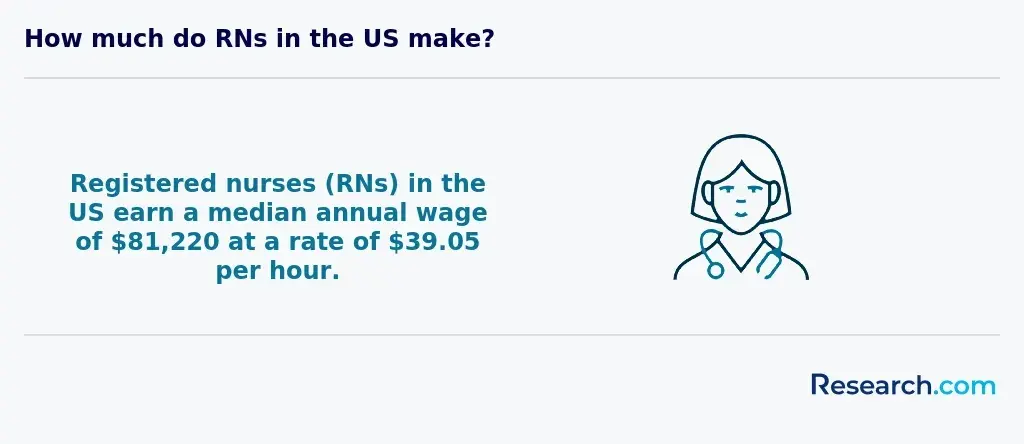
Nurse practitioner salaries in Delaware vary by experience, specialty, work setting, location, schedule, and source of salary data. One cited figure places the average annual salary at approximately $124,056. Entry-level positions are listed around $108,251, while experienced professionals may earn up to $171,808 annually.
Additional cited salary distribution figures show the 10th percentile at about $106,420 and the median salary at $121,470. City-level figures also vary: Wilmington is listed with an average salary of $121,370, and Dover is listed with an average salary of $117,830. These numbers should be used as planning estimates, not guarantees.
Specialization can affect earning potential. Acute care, psychiatric-mental health, urgent care, specialty clinics, leadership roles, and high-demand settings may offer different pay structures than primary care roles. Compensation can also include benefits, bonuses, productivity pay, continuing education reimbursement, retirement contributions, malpractice coverage, and paid time off.
When evaluating salary, compare it with student debt, reduced work hours during school, relocation costs, and long-term career satisfaction. A higher-paying role may not be the best fit if it brings unsustainable patient volume or weak support. Conversely, a lower base salary may be worthwhile if it offers strong mentoring, better work-life balance, or a specialty you want to grow in.
| Salary Figure Cited | Amount | How to Use It |
| Approximate average annual salary | $124,056 | Use as a broad estimate when comparing NP roles in Delaware. |
| Entry-level salary estimate | $108,251 | Useful for new graduates planning loan repayment and first-job expectations. |
| Experienced salary estimate | Up to $171,808 | May reflect advanced experience, specialty, setting, or market factors. |
| 10th percentile | About $106,420 | Helps show the lower end of the cited distribution. |
| Median salary | $121,470 | A midpoint figure for comparing offers. |
| Wilmington average | $121,370 | Useful for city-specific planning. |
| Dover average | $117,830 | Shows that pay can vary by location within Delaware. |
What common challenges do nurse practitioners face in Delaware?
Delaware nurse practitioners face challenges that go beyond completing a degree. Common issues include managing regulatory requirements, documenting continuing education, handling heavy patient loads, adapting to telehealth, understanding scope-of-practice rules, securing clinical placements during school, and preventing burnout after graduation.
New NPs may also struggle with the transition from RN practice to provider-level responsibility. Diagnosis, prescribing, ordering tests, managing uncertainty, and making independent clinical decisions require a different level of accountability. Mentorship, careful employer selection, and realistic workload expectations can make the transition safer and more sustainable.
Prospective students should also avoid common planning mistakes. Choosing a program without confirming accreditation, focusing only on tuition, assuming every online program meets Delaware licensure requirements, underestimating clinical placement difficulty, and relying only on rankings can all create problems. If you are still mapping your nursing path from the beginning, review how to become a nurse in Delaware.
| Common Mistake | Better Approach |
| Choosing a program based only on convenience | Confirm accreditation, specialty fit, licensure eligibility, and clinical placement support. |
| Ignoring total cost | Include fees, books, exams, travel, reduced work hours, and renewal expenses. |
| Assuming online means fully remote | Verify clinical rotations, campus intensives, simulation requirements, and proctored exams. |
| Waiting to plan for certification | Choose the certification pathway before enrolling and align clinical experiences early. |
| Accepting the first job offer without reviewing workload | Ask about patient volume, charting time, support staff, call, and mentorship. |
| Not tracking renewal requirements | Maintain a two-year file for continuing education, pharmacology hours, and clinical practice evidence. |
Here’s What Graduates Have to Say About Becoming a Nurse Practitioner in Delaware
-
: "
“Working as a nurse practitioner in Delaware gave me a level of clinical responsibility I did not have in my earlier nursing roles. I now participate more directly in assessment, treatment planning, and long-term patient management. That autonomy is challenging, but it also makes the work meaningful because I can see how advanced nursing practice improves access and continuity in the community.” — Olive
"
-
: "
“The education path was demanding, but it expanded my options. As an NP, I can work in primary care, specialty clinics, and other settings that require advanced clinical judgment. The process is not quick, but the investment can be worthwhile when the specialty, employer, and long-term career goals line up.” — Felipe
"
-
: "
“What I value most is the relationship-building. Patients often need someone who understands their history, explains choices clearly, and follows through over time. My NP training prepared me to manage many common and complex health concerns while still bringing a nursing perspective to care.” — Erica
"
Related Articles for Nearby States
- 2027 How to Become a Nurse Practitioner in Maryland
- 2027 How to Become a Nurse Practitioner in New Jersey
- 2027 How to Become a Nurse Practitioner in Pennsylvania
- 2027 How to Become a Nurse Practitioner in Virginia
- 2027 How to Become a Nurse Practitioner in West Virginia
- 2027 How to Become a Nurse Practitioner in New York
- 2027 How to Become a Nurse Practitioner in Connecticut
- 2027 How to Become a Nurse Practitioner in Rhode Island
- 2027 How to Become a Nurse Practitioner in North Carolina
- 2027 How to Become a Nurse Practitioner in Ohio
Key Insights
- Delaware nurse practitioners need graduate-level preparation, usually an MSN or DNP, plus RN licensure, specialty certification, and Delaware APRN/NP licensure.
- Program choice should be based on accreditation, specialty alignment, clinical placement support, total cost, and Delaware licensure eligibility—not rankings or convenience alone.
- Delaware renewal requirements are detailed: the cited standard is 30 continuing education hours every two years, including at least 24 pharmacology hours, plus evidence of 1,000 clinical practice hours.
- NP program costs can be substantial, with cited tuition of $1,572 to $1,625 per credit hour and total tuition of $76,000 to $78,000 for around 48 credits before extra expenses.
- Salary estimates differ by source, year, and location, with cited Delaware figures including approximately $113,000, $124,056, and around $126,400 in different contexts.
- Specialty choice matters. FNP, PMHNP, AGNP, PNP, ACNP, and CNM pathways lead to different certification exams, patient populations, employers, and salary potential.
- Delaware’s scope-of-practice environment has evolved, but NPs should verify current state board rules before making decisions about prescribing, independent practice, or business ownership.
- The best next step is to map your path backward: choose your target NP role first, then select the degree, specialty track, certification, and clinical plan that qualify you for that role.
References:
- Campaignforaction.org (05 Aug 2021). Delaware Becomes 24th State to Recognize Full Practice Authority for APRNs. https://campaignforaction.org/delaware-recognizes-aprn-full-practice-authority/
- Imed Bouchrika (02 Jul 2024). Best Nurse Practitioner Programs in Delaware 2024 – Accredited Schools Online & Campus. https://research.com/degrees/best-nurse-practitioner-programs-in-delaware
- Law.justia.com (03 Sep 2024). 2023 Delaware Code Title 24 - Professions and Occupations Chapter 19. NURSING § 1935. Advanced Practice Registered Nurse (APRN) — Authority and duties. https://www.aanp.org/advocacy/delaware
- Moira K. McGhee (01 Aug 2022). 2023 State by State Scope of Practice: Nurse Practitioner. https://law.justia.com/codes/delaware/title-24/chapter-19/section-1935
- Nursejournal.org (05 Jun 2023). The Top Nursing Schools in Delaware. https://www.wilmu.edu/health/nursing-practitioner-master.aspx
- Scopeofpracticepolicy.org (N.D.). Delaware. scopeofpracticepolicy.org
- Udel.edu (N.D.). SCHOOL OF NURSING. https://dpr.delaware.gov/boards/nursing/fees/
- Wilmu.edu (N.D.). Master of Science in Nursing - Family Nurse Practitioner (MSN-FNP). https://research.com/degrees/best-nurse-practitioner-programs-in-delaware
Other Things You Should Know About Becoming a Nurse Practitioner in Delaware
To become a nurse practitioner in Delaware in 2027, candidates must complete a minimum of 500 faculty-supervised clinical hours within their graduate program. These hours provide practical experience in diagnosing and managing patient care under the guidance of experienced professionals.
Delaware requires nurse practitioner applicants to hold current national certification in their specialty from a recognized certifying body, such as ANCC or AANP. The certification must match the NP population focus, and Delaware’s Board of Nursing uses that certification as part of licensure review.




