
2027 How to Become a Licensed Therapist (LPC) in Philadelphia, PA: Counselor License Requirements

Co-Founder and Chief Data Scientist
Becoming a licensed professional counselor in Philadelphia means meeting Pennsylvania’s LPC requirements, choosing graduate training that supports licensure, completing supervised post-master’s practice, and passing the required counseling exam. Philadelphia can be a strong place to train and work because the city has hospitals, universities, schools, nonprofit agencies, community behavioral health providers, and private practices serving a wide range of clients.
This guide is for students comparing counseling master’s programs, graduates preparing for licensure, out-of-state counselors considering Pennsylvania practice, and working professionals deciding whether LPC licensure is worth the time and cost. You will learn what education is required, how supervision works, where students can gain clinical experience, what salary figures to review carefully, how to specialize, and what questions to ask before committing to a program or employer.
Quick answer: How do you become an LPC in Philadelphia?
Philadelphia does not issue a separate LPC license. Counselors in the city are licensed through the Pennsylvania State Board of Social Workers, Marriage and Family Therapists, and Professional Counselors. In general, candidates need a qualifying graduate degree in counseling or a closely related field, supervised clinical experience after the degree, a passing score on the National Counselor Examination (NCE) or another approved exam, a criminal background check, and a complete application submitted to the state board.
Key things to know about becoming a Licensed Professional Counselor in Philadelphia
- Philadelphia offers clinical training and employment options in community mental health, hospitals, universities, schools, substance use treatment, nonprofit services, and private practice.
- Salary estimates vary by source and role definition. The article includes figures ranging from approximately $55,000 to $65,000, between $55,000 and $75,000, and higher reported figures for experienced or specialized roles.
- Common employer types include the Philadelphia Department of Behavioral Health, Jefferson Health, the University of Pennsylvania Health System, community agencies, schools, and outpatient behavioral health providers.
- The most important decision is not simply where to study. You need a program that fits Pennsylvania licensure requirements, offers supervised fieldwork, has transparent costs, and supports your intended counseling specialty.
- What education do you need to become an LPC in Philadelphia?
- How do you apply for LPC licensure in Pennsylvania?
- Which Philadelphia-area schools should aspiring LPCs compare?
- Where can counseling students complete practicum or internship hours in Philadelphia?
- How much can LPCs earn in Philadelphia?
- What supervised experience is required for LPC licensure?
- Is Philadelphia a good city for LPC careers?
- How competitive is the Philadelphia LPC job market?
- How can LPCs specialize in substance abuse counseling in Philadelphia?
- Can LPCs transition into marriage and family therapy in Philadelphia?
- Can combining counseling and teaching expand career options?
- How should candidates prepare for the LPC exam?
- Which complementary certifications can strengthen an LPC career?
- Which professional associations support counselors in Philadelphia?
- Where do LPCs commonly work in Philadelphia?
- What are the key insights for future LPCs?
What education do you need to become an LPC in Philadelphia?
To become an LPC in Philadelphia, start with a graduate degree that matches Pennsylvania’s counseling licensure expectations. The strongest programs combine counseling theory, ethics, assessment, human development, diagnosis, multicultural practice, and supervised clinical training. Because licensure is regulated at the state level, students should verify requirements with the Pennsylvania board before enrolling, especially if they are considering an online or out-of-state program.
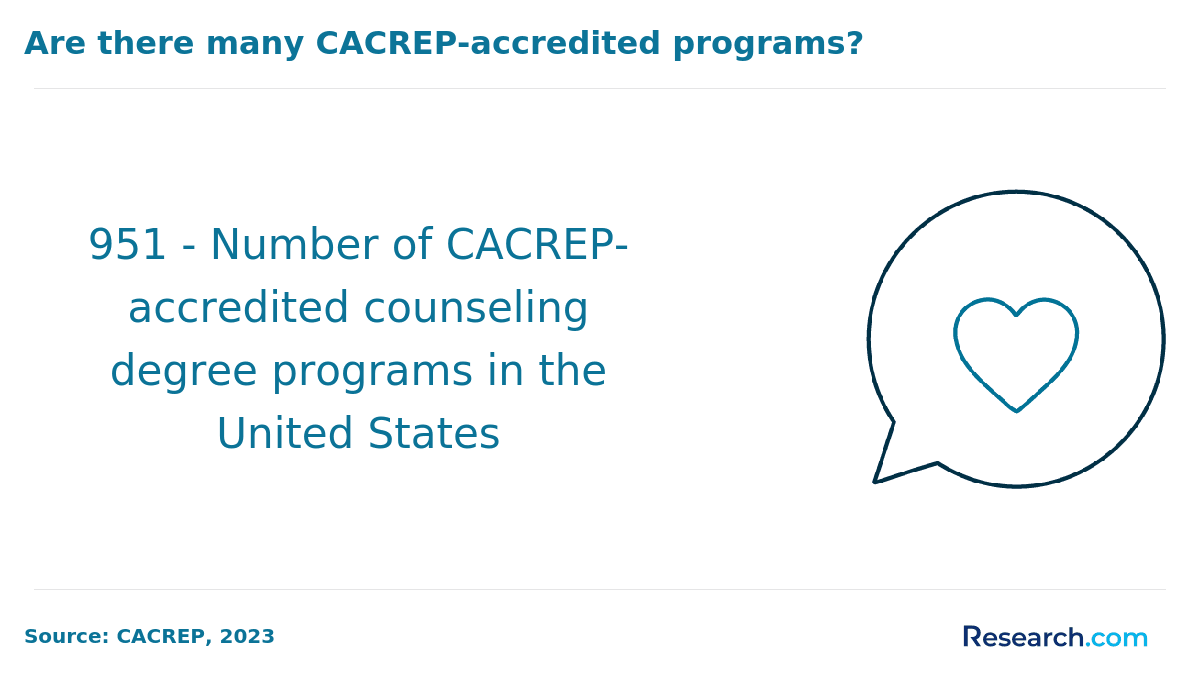
A master’s degree in counseling, psychology, or a related field from an accredited institution is typically expected. Many students look for programs accredited by the Council for Accreditation of Counseling and Related Educational Programs (CACREP) or a comparable accrediting body because CACREP alignment can make it easier to confirm that coursework and field experience meet professional standards. However, students should still check the exact Pennsylvania requirements rather than assuming accreditation alone guarantees eligibility.
| Education factor | What to look for | Why it matters for LPC candidates |
| Graduate degree | A master’s degree in counseling, psychology, or a related field from an accredited institution | The degree is the academic foundation for Pennsylvania LPC eligibility. |
| Core coursework | Counseling theories, ethics, human development, assessment, clinical mental health counseling, and multicultural counseling | These areas prepare students for clinical practice and exam content. |
| Practicum and internship | Supervised clinical placements built into the graduate program, typically amounting to approximately 600 clock hours of direct clinical work | Fieldwork helps students apply classroom learning before post-master’s supervised practice. |
| Licensure alignment | Clear documentation showing how the curriculum maps to Pennsylvania requirements | This reduces the risk of graduating with missing coursework or unclear clinical-hour records. |
| Program location and format | Philadelphia-area, nearby, hybrid, or online programs with approved field placement support | Students need realistic access to clinical sites, supervisors, and required documentation. |
Students often compare programs at institutions in or near Philadelphia, including the University of Pennsylvania, La Salle University, Temple, and Villanova. The right choice depends on licensure fit, field placement support, cost, schedule, faculty expertise, and whether the program prepares students for clinical mental health counseling, school counseling, substance use counseling, or another specialty.
Who should choose the LPC path?
- Students who want to provide counseling services in clinical, community, school-adjacent, hospital, or private-practice settings.
- Professionals who are comfortable completing graduate study, supervised post-master’s hours, and an exam-based licensure process.
- People interested in mental health counseling, trauma-informed care, substance use services, career counseling, or integrated behavioral health.
Who may want a different path?
- Students mainly interested in prescribing medication should research psychiatry or psychiatric nursing rather than LPC licensure.
- People focused on family systems and relational therapy may want to compare the LPC route with marriage and family therapy licensure.
- Students who want to work only in schools should check whether school counseling credentials are more appropriate for their goals.
How do you apply for LPC licensure in Pennsylvania?
The LPC application for Philadelphia-based counselors goes through the Pennsylvania State Board of Social Workers, Marriage and Family Therapists, and Professional Counselors. Applicants must show that they completed the right education, gained the required supervised experience, passed the required exam, and meet legal and ethical requirements for practice.
The process is document-heavy, so candidates should save syllabi, transcripts, fieldwork records, supervision logs, supervisor credentials, exam confirmation, and employment verification throughout training. Waiting until the end of the process to reconstruct records can delay licensure.
- Complete a qualifying graduate degree in counseling, psychology, or a closely related field.
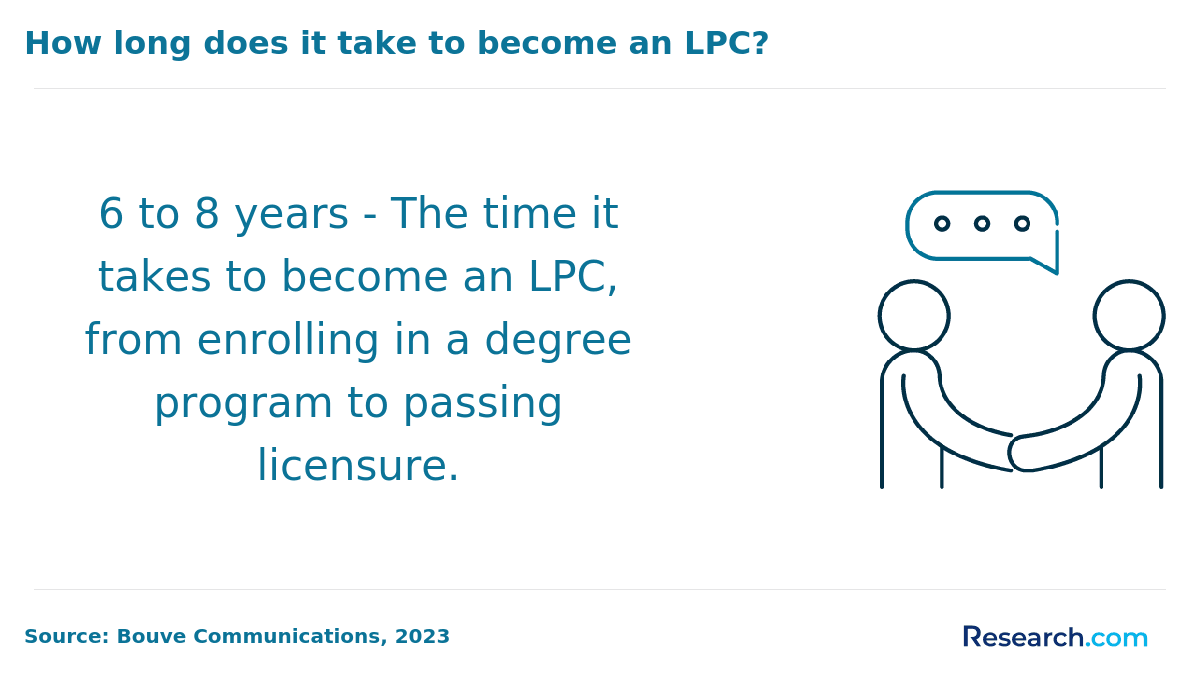
- Finish supervised clinical experience after the master’s degree, generally at least two years or 3,000 hours of post-master’s supervised counseling work.
- Work under a board-approved supervisor and maintain accurate records of clinical duties and supervision.
- Pass the National Counselor Examination (NCE) or an equivalent state-approved exam.
- Submit the state application to the Pennsylvania State Board of Social Workers, Marriage and Family Therapists, and Professional Counselors.
- Provide official transcripts, supervised-experience verification, exam documentation, and any additional materials required by the board.
- Complete the criminal background check required under Pennsylvania law.
- Pay the applicable licensure fees listed by the state board.
| Application item | What applicants should verify | Common mistake to avoid |
| Graduate transcripts | The degree, institution, and coursework meet Pennsylvania standards. | Assuming any counseling-related master’s degree automatically qualifies. |
| Supervised experience | Hours, dates, supervisor credentials, and clinical duties are documented. | Counting hours that were not properly supervised or recorded. |
| Exam requirement | The NCE or approved equivalent is accepted for the current application cycle. | Studying for the wrong exam or waiting too long to schedule testing. |
| Background check | All required disclosures and checks are completed honestly and on time. | Leaving gaps in disclosure that can slow board review. |
| Fees and forms | The correct forms and payments are submitted to the board. | Using outdated forms or missing signatures. |
Candidates interested in highly specialized counseling fields can also review Research.com’s guide to the best colleges for genetic counseling, though genetic counseling follows a different professional preparation and credentialing model than LPC practice.
Which Philadelphia-area schools should aspiring LPCs compare?
Students planning to become LPCs should compare Philadelphia-area counseling programs based on licensure alignment, supervised placement support, accreditation, cost, schedule flexibility, faculty expertise, and outcomes. A recognizable university name is helpful, but it should not replace a careful review of whether the curriculum supports Pennsylvania LPC requirements.
Programs associated with institutions such as University of Pennsylvania, La Salle University, Temple University, Villanova, Chestnut Hill College, PCOM, Penn GSE, and Drexel University may be relevant starting points for research. Students should confirm each program’s current accreditation status, degree title, practicum and internship structure, and whether graduates are prepared for the specific counseling credential they want.
| Question to ask a program | Why it matters |
| Does the curriculum meet Pennsylvania LPC educational requirements? | Licensure depends on state rules, not simply on earning a counseling-related degree. |
| Is the program CACREP-accredited or aligned with CACREP-style standards? | CACREP recognition can help students evaluate curriculum quality, although applicants still need to verify state eligibility. |
| How are practicum and internship placements arranged? | Strong placement support can make it easier to gain supervised experience in Philadelphia settings. |
| Can online or hybrid students complete fieldwork near Philadelphia? | Students need approved local placements and supervisors, not only online coursework. |
| What is the total cost after fees, books, commuting, and unpaid fieldwork time? | Tuition alone does not show the real financial commitment. |
| How does the program support exam preparation and licensure paperwork? | Advising, documentation, and exam support can prevent delays after graduation. |
Out-of-state licensed counselors should not assume that a current LPC license transfers automatically to Pennsylvania. The state may require verification of good standing, education, supervised experience, exam history, disciplinary history, a criminal background check, and fees. Pennsylvania participates in national counselor licensure portability efforts, but each application still requires board review.
- Hold a current, active LPC license in good standing from another state.
- Send credential verification to the Pennsylvania State Board of Social Workers, Marriage and Family Therapists, and Professional Counselors.
- Document a master’s degree in counseling or a related field from an accredited institution.
- Verify completed supervised clinical hours.
- Show passage of the National Counselor Examination (NCE) or a comparable exam accepted by Pennsylvania.
- Disclose any disciplinary actions or pending investigations.
- Complete a Pennsylvania criminal background check and pay the required fees.
Students who need more flexible options can compare online mental health counseling programs (CACREP-accredited). Before enrolling, confirm that the online program can support Pennsylvania licensure and Philadelphia-area clinical placements.
The chart below summarizes CACREP-accredited counseling programs by specialization. Use it as a starting point for understanding the counseling education landscape, not as a substitute for checking current accreditation and licensure details with each school and the Pennsylvania board.
Where can counseling students complete practicum or internship hours in Philadelphia?
Philadelphia offers many practicum and internship possibilities because the city has a large behavioral health and social services network. Students may train in university counseling centers, community mental health agencies, hospitals, schools, crisis programs, substance use treatment settings, and nonprofit organizations. Availability depends on the student’s degree program, specialty, supervision needs, and placement agreements.
University-supported placements
Students enrolled in programs at schools such as University of Pennsylvania, Temple University, or La Salle University usually work with their department’s field placement office. These offices may maintain relationships with local agencies and help students meet degree requirements while building licensure-relevant experience.
Community mental health agencies
Philadelphia students often look for placements where they can learn intake, assessment, treatment planning, individual counseling, group counseling, crisis response, case collaboration, and documentation. Examples of organizations to research include:
- Community Behavioral Health (CBH)
- Joseph J. Peters Institute
- COMHAR, Inc.
- Philadelphia Mental Health Center
- WES Health System
Hospitals and healthcare systems
Large healthcare systems may offer behavioral health or psychiatric training environments. Students can research opportunities through Penn Medicine, Einstein Healthcare Network, and Jefferson Health, especially if they are interested in integrated care, medical settings, crisis services, or outpatient mental health.
Schools and youth-serving settings
Students preparing for school counseling or youth-focused clinical work may seek placements in Philadelphia public, charter, and private schools. These placements typically require coordination between the school and the student’s university.
Nonprofit and community organizations
Nonprofits can be valuable for students who want experience with trauma, intimate partner violence, LGBTQ+ communities, immigrant communities, addiction, homelessness, or culturally responsive services. Organizations to research include:
- Women Organized Against Rape (WOAR)
- Lutheran Settlement House
- Mazzoni Center
- Congreso de Latinos Unidos
How to evaluate a placement before accepting
- Ask who provides supervision and whether that supervision meets program and licensure expectations.
- Confirm the types of clients, services, and documentation you will handle.
- Clarify expected weekly hours, schedule flexibility, safety protocols, and training requirements.
- Find out whether the site offers experience in your intended specialty, such as trauma, substance use, children and adolescents, or couples work.
- Make sure the placement agreement is approved by your academic program before you begin counting hours.
How much can LPCs earn in Philadelphia?
LPC pay in Philadelphia depends on experience, employer type, specialization, caseload, setting, benefits, and whether the counselor is salaried, contract-based, or self-employed. Community agencies and nonprofits may pay less than hospitals, universities, private practice groups, or specialized clinical programs, but they may offer strong supervision, training, loan-related benefits, or experience with high-need populations.
Salary figures in this article vary because counseling job titles, data sources, and role definitions are not always consistent. Some figures describe Licensed Professional Counselors specifically, while others may reflect broader mental health counselor or specialized clinical roles. Treat any salary number as a comparison point, not a guarantee.
| Salary figure stated | How to interpret it | What to verify before relying on it |
| Approximately $55,000 to $65,000 | A general estimate for LPC compensation in Philadelphia. | Whether the figure reflects licensed roles, associate-level roles, or all counselor postings. |
| Between $55,000 and $75,000 annually | A range that may cover entry-level to more experienced counselors across settings. | Whether benefits, productivity expectations, and caseload requirements are included. |
| $106,330 in 2024 | A higher reported figure that should be checked against the source and job category. | Whether the role reflects LPCs, specialized clinicians, supervisors, or another occupational category. |
| Between $75,000 to $120,000 annually | A range more likely tied to experience, specialization, leadership, or private practice. | Whether income is gross revenue, salary, or earnings after overhead. |
Benefits can change the value of a job offer. Larger healthcare networks, universities, and government-related employers may offer health insurance, paid time off, retirement benefits, supervision, continuing education support, or continuing education stipends. Private practice can offer more autonomy and potentially higher income, but counselors must account for office costs, billing, marketing, insurance panels, no-shows, taxes, and administrative time.
Students trying to control educational costs can compare the cheapest CACREP-accredited programs online, while still confirming that any program supports Pennsylvania licensure.
What supervised experience is required for LPC licensure?
After completing a qualifying graduate degree, Pennsylvania LPC applicants must complete supervised clinical experience before independent licensure. For Philadelphia candidates, the key requirement is the same as elsewhere in the state: supervised experience must meet Pennsylvania board standards and be properly documented.
- Total supervised experience: Applicants must complete 3,000 hours of supervised clinical experience over a minimum of two years after finishing a qualifying master’s or doctoral degree in counseling or a closely related field.
- Supervisor qualifications: Supervision must be provided by an appropriately qualified mental health professional, such as a licensed LPC, psychologist, clinical social worker, or psychiatrist with relevant clinical supervision experience.
- Supervision format: Supervision may involve case review, clinical skill development, ethical decision-making, professional growth, and treatment planning. Face-to-face supervision may be in person or virtual if permitted.
- Individual and group supervision: Pennsylvania requires supervision but does not specify a minimum number for each individual and group category in the wording provided here.
- Documentation: Applicants must submit a completed Verification of Supervised Experience form signed by the supervisor when applying for licensure.
How to protect your supervised hours
- Confirm your supervisor’s license type and eligibility before beginning.
- Keep a running log of dates, hours, client contact, supervision format, and duties.
- Meet regularly with your supervisor to review whether your work is being documented correctly.
- Save copies of employment records, supervision agreements, and signed evaluations.
- Check Pennsylvania board guidance if your job duties change, your supervisor leaves, or you move to a different site.
Is Philadelphia a good city for LPC careers?
Philadelphia can be a good place to work as an LPC for counselors who want variety, public-health relevance, and access to major healthcare and education systems. The city’s client populations are clinically and culturally diverse, which can help counselors build experience with trauma, substance use, youth services, crisis intervention, family stress, community violence, grief, anxiety, depression, and social determinants of health.
The city also has professional infrastructure that can support career growth: hospitals, universities, community agencies, school partnerships, private practices, advocacy organizations, continuing education events, and peer networks. Compared with cities such as New York or Washington, D.C., Philadelphia may offer a different balance of salary, living costs, and job access, but each counselor should compare actual offers rather than relying on general impressions.
| Potential advantage | Possible trade-off |
| Broad range of clinical settings | Some entry-level roles may involve heavy caseloads or extensive documentation. |
| Diverse client communities | Counselors need strong cultural humility and ongoing training. |
| Major healthcare and university employers | Competitive roles may require specialized experience or credentials. |
| Opportunities in community behavioral health | Agency work can be emotionally demanding and resource-constrained. |
| Private practice potential | Self-employment requires business, billing, and marketing skills. |
How competitive is the Philadelphia LPC job market?
The Philadelphia LPC job market is best described as active but not effortless. Mental health services are needed across the region, but stronger roles can be competitive, especially in hospital systems, universities, specialty clinics, and well-established group practices. Candidates with supervised experience, licensure progress, trauma training, substance use experience, bilingual skills, child and adolescent experience, or crisis intervention background may be better positioned.
Employers often look for counselors who can manage clinical documentation, work with interdisciplinary teams, provide culturally responsive care, use evidence-informed interventions, and meet productivity expectations without compromising ethics. Technology is also changing daily work: telehealth remains common in many settings, electronic health records shape documentation, and AI-supported administrative tools may reduce some clerical work while increasing the need for privacy awareness and careful clinical judgment.
Credentials that may help candidates stand out
- Certified Clinical Trauma Professional (CCTP): This credential signals focused training in trauma-informed care, which can be useful in Philadelphia settings serving clients affected by violence, grief, crisis, or complex stress.
- National Certified Counselor (NCC): The NCC credential reflects broad counseling competence and commitment to professional standards. It may support credibility, especially for counselors building a professional profile.
- Substance use and addiction training: Addiction-related expertise can be valuable in community agencies, outpatient programs, residential treatment, hospital-linked services, and integrated care teams.
Counselors interested in addiction-focused practice can learn more through Research.com’s substance abuse and addiction counseling career guide. The chart below shows the distribution of CACREP-accredited counseling programs across specialization areas as of 2023, which can help students see where accredited training options are more or less common.
How can LPCs specialize in substance abuse counseling in Philadelphia?
Substance abuse counseling is one of the most practical specializations for Philadelphia counselors because addiction services intersect with community mental health, crisis care, family services, hospitals, courts, schools, housing support, and recovery programs. LPCs who want this focus should seek coursework, supervised experience, continuing education, and certifications related to substance use disorders, co-occurring disorders, motivational interviewing, relapse prevention, harm reduction, trauma, and group counseling.
Specialization should be planned early. During graduate school, choose field placements that expose you to addiction assessment and treatment. After graduation, look for supervised roles where substance use disorder treatment is a major part of the caseload. For a focused pathway, review Research.com’s guide on how to become a drug counselor in Philadelphia.
Can LPCs transition into marriage and family therapy in Philadelphia?
An LPC can build stronger skills in couples and family counseling, but becoming a marriage and family therapist usually requires meeting a separate set of Pennsylvania requirements. The LPC and MFT paths overlap in counseling fundamentals, yet MFT preparation emphasizes family systems, relational assessment, couple dynamics, and systemic intervention.
Before changing direction, compare the additional coursework, supervised experience, examination, and application requirements. If your long-term work will center on couples, families, and relational systems, review how to become a marriage and family therapist in Philadelphia before investing in extra training.
Can combining counseling and teaching expand career options?
Some counseling professionals benefit from combining clinical training with education-related credentials. This can be useful for roles involving school-based mental health, student support, prevention programming, academic coaching, counselor education, or community workshops. However, a teaching credential does not replace LPC licensure, and LPC licensure does not automatically qualify someone for classroom teaching.
Professionals considering this dual path should identify the exact role they want first. If the goal is school counseling, check school counseling requirements. If the goal is classroom teaching, compare teacher credential requirements and costs. Research.com’s guide to the cheapest way to become a teacher in Philadelphia can help readers evaluate the education side of this decision.
How should candidates prepare for the LPC exam?
Exam preparation should begin before the application deadline approaches. Candidates preparing for the National Counselor Examination (NCE) should build a study plan around the exam content areas, practice with timed questions, review weak areas, and connect theory to clinical decision-making. Study groups can help, but they should supplement—not replace—structured review.
- Confirm which exam Pennsylvania currently accepts for your licensure route.
- Create a study calendar that covers counseling theories, assessment, ethics, human development, helping relationships, career development, group work, and professional practice.
- Use practice exams to identify weak areas rather than only rereading notes.
- Review ethics and documentation scenarios carefully because they reflect real practice decisions.
- Schedule the exam with enough time to retest if needed without delaying your licensure plan.
For a broader career roadmap, see Research.com’s guide on how to become a mental health counselor in Philadelphia.
Which complementary certifications can strengthen an LPC career?
Additional certifications can help LPCs focus their services, qualify for specialized roles, or work more effectively with specific populations. The best certification depends on your practice setting. Trauma credentials may help in crisis and community work. Addiction credentials can support substance use treatment. Behavioral training may be useful for clinicians working with structured intervention plans or neurodevelopmental concerns.
One option to research is behavior analysis training. LPCs who want to understand behavioral intervention more deeply can review BCBA certification requirements in Philadelphia. Before pursuing any add-on credential, compare cost, supervision requirements, renewal rules, employer demand, and whether the credential truly expands your scope or simply adds letters after your name.
Which professional associations support counselors in Philadelphia?
Professional associations can help students and LPCs find continuing education, mentorship, advocacy updates, ethics resources, networking, and specialty communities. Membership is not a substitute for licensure, but it can help counselors stay connected and informed throughout their careers.
- Pennsylvania Counseling Association (PCA): A statewide organization active in professional development, advocacy, conferences, and interest groups relevant to counselors in the Philadelphia area.
- Philadelphia Mental Health Clinicians Network (PMHCN): A local network for counselors, social workers, psychologists, and other clinicians seeking peer connection and practice resources.
- Delaware Valley Association of Black Psychologists (DVABPsi): A regional organization supporting professionals of African descent through mentorship, cultural competency work, and community mental health initiatives.
- Greater Philadelphia Social Work and Counseling Network (GPSCN): An informal professional networking space often found through platforms such as Meetup and LinkedIn.
- American Counseling Association (ACA): A national counseling organization offering ethics resources, publications, conferences, and continuing education that many Philadelphia-area counselors use.
Counselors considering graduate study or a return to school can also compare clinical counseling masters options to understand how degree titles, curriculum focus, and career outcomes may differ.
Where do LPCs commonly work in Philadelphia?
LPCs in Philadelphia work across the city’s behavioral health, healthcare, education, nonprofit, and private-practice sectors. The right employer depends on whether you want intensive clinical experience, stable benefits, flexible scheduling, specialization, supervision, or a path toward independent practice.
| Work setting | Common LPC responsibilities | Best fit for counselors who want |
| Community mental health centers | Assessment, therapy, crisis support, treatment planning, case coordination, and documentation | Broad experience with high-need populations and team-based services |
| Hospitals and healthcare systems | Behavioral health assessment, short-term counseling, discharge planning, consultation, and integrated care | Medical collaboration and structured clinical environments |
| Schools and youth programs | Student support, family communication, crisis response, group services, and referrals | Work with children, adolescents, families, and educational teams |
| Substance use treatment programs | Addiction assessment, group counseling, relapse prevention, recovery planning, and co-occurring disorder support | Specialized addiction and recovery-focused practice |
| Nonprofit organizations | Trauma-informed counseling, advocacy, community outreach, and support for vulnerable populations | Mission-driven work and community impact |
| Private practice or group practice | Individual, couples, family, or specialty counseling; billing; scheduling; and client retention | More autonomy, niche specialization, or business ownership |
Well-known employers and systems to research include the Philadelphia Department of Behavioral Health, Jefferson Health, the University of Pennsylvania Health System, community mental health centers, outpatient programs, schools, private practices, and nonprofits serving refugees, veterans, people experiencing homelessness, and families affected by addiction or trauma.
Common mistakes future LPCs should avoid
- Choosing a program without confirming that it supports Pennsylvania LPC requirements.
- Looking only at tuition and ignoring fees, commuting, books, unpaid internship time, and lost work hours.
- Assuming every online counseling program can arrange Philadelphia-area practicum or internship placements.
- Failing to document supervised hours in real time.
- Relying on rankings or reputation instead of curriculum fit, supervision quality, accreditation, and licensure outcomes.
- Assuming salary ranges are guaranteed regardless of setting, caseload, benefits, specialization, or experience.
- Waiting until graduation to think about exam preparation, specialization, or employer expectations.
Cost and funding considerations
Future counselors should build a complete budget before enrolling in graduate school. Include tuition, fees, books, technology, transportation, background checks, exam costs, application fees, professional liability insurance, and the income impact of practicum or internship hours. Financial aid and scholarships may help. The Pennsylvania Higher Education Assistance Agency (PHEAA) scholarship grants up to $4,000 for eligible students in the state, helping to offset tuition and training costs.
Key Insights
- Philadelphia LPCs are licensed by Pennsylvania, not by the city. Always confirm current requirements with the Pennsylvania State Board of Social Workers, Marriage and Family Therapists, and Professional Counselors.
- The core pathway is graduate education, supervised post-master’s clinical experience, exam completion, background check, application, and ongoing professional development.
- Applicants generally need at least two years or 3,000 hours of post-master’s supervised counseling experience, and documentation quality matters as much as completing the hours.
- Program choice should be based on licensure alignment, practicum support, accreditation, total cost, schedule, and specialization—not just school name.
- Philadelphia offers strong variety in employment settings, including community agencies, hospitals, schools, universities, nonprofits, substance use programs, and private practice.
- Salary figures vary widely, including approximately $55,000 to $65,000, between $55,000 and $75,000, $106,330 in 2024, and between $75,000 to $120,000 annually. Verify the job title, source, benefits, and practice setting before using any figure for ROI planning.
- Specializations such as trauma, substance use, youth counseling, integrated behavioral health, and couples or family work can improve focus, but they may require additional training or credentials.
- The best next step is practical: shortlist programs or employers, ask detailed licensure and supervision questions, compare total costs, and keep documentation from the beginning.
Related Articles for Nearby Cities
- 2027 How to Become a Licensed Therapist (LPC) in Newark, NJ
- 2027 How to Become a Licensed Therapist (LPC) in Jersey City, NJ
- 2027 How to Become an LPC in New York City: Counselor License Requirements
- 2027 How to Become a Licensed Therapist (LPC) in Baltimore, MD: Counselor License Requirements
- 2027 How to Become a Licensed Therapist (LPC) in Washington, DC: Counselor License Requirements
- 2027 How to Become a Licensed Therapist (LPC) in Richmond, VA
- 2027 How to Become a Licensed Therapist (LPC) in Virginia Beach, VA
- 2027 How to Become a Licensed Therapist (LPC) in Norfolk, VA
- 2027 How to Become a Licensed Therapist (LPC) in Chesapeake, VA
- 2027 How to Become a Licensed Therapist (LPC) in Pittsburgh, PA
References and resources:
- Chestnut Hill College. (n.d.). Clinical and Counseling Psychology. Retrieved May 12, 2025.
- NAMI Philadelphia: Mental Health Support, Education & Resources. (n.d.). NAMI Philadelphia. Retrieved May 12, 2025.
- Niche. (n.d.). Best Masters in Counseling Psychology Programs in Philadelphia Metro Area. Retrieved May 12, 2025.
- PAMHCA - American Mental Health Counselors Association. (n.d.). PAMHCA. Retrieved May 12, 2025.
- Pennsylvania Counseling Association. (n.d.). Pennsylvania Counseling Association. Retrieved May 12, 2025.
- Penn GSE. (n.d.). School and Mental Health Counseling M.S.Ed. Retrieved May 12, 2025.
- Philadelphia Association. (n.d.). The Philadelphia Association | psychotherapy, philosophy, community. Retrieved May 12, 2025.
- Philadelphia Behavior Therapy Association. (n.d.). Philadelphia Behavior Therapy Association - Home. Retrieved May 12, 2025.
- PCOM. (n.d.). Master of Science in Mental Health Counseling | MHC Degree at PCOM. Retrieved May 12, 2025.
- PSCA. (n.d.). Home | PSCA. Retrieved May 12, 2025.
Other Things to Know About Becoming a Licensed Therapist (LPC) in Philadelphia
Pennsylvania LPCs must complete 30 continuing education credits every two years to renew their license. The hours must meet State Board of Social Workers, Marriage and Family Therapists and Professional Counselors rules, including approved ethics training when required. Licensees renew through the Pennsylvania licensing system before expiration.
To become an LPC in Philadelphia in 2027, candidates must pass the National Counselor Examination for Licensure and Certification (NCE) and, if applicable, the National Clinical Mental Health Counseling Examination (NCMHCE). These exams assess the knowledge and skills necessary for effective counseling practice.
The Pennsylvania State Board of Social Workers, Marriage and Family Therapists, and Professional Counselors oversees LPC licensure in Philadelphia. They establish specific criteria for educational qualifications, supervised experience, and exams that applicants must meet for licensure in 2027.


