
2027 How to Become a Mental Health Counselor in Maine

Co-Founder and Chief Data Scientist
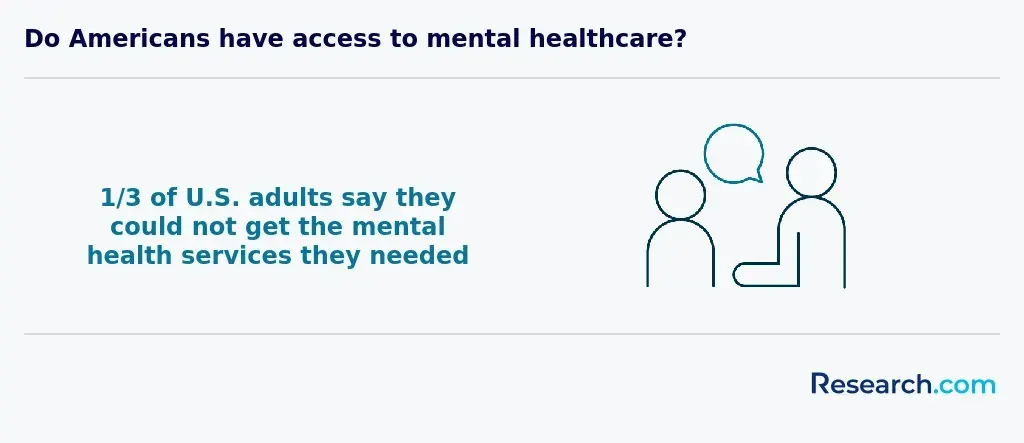
Becoming a mental health counselor in Maine is a serious career decision: you are committing to graduate study, supervised clinical training, state licensure, and ongoing work with people facing anxiety, depression, trauma, substance use, family stress, and other behavioral health concerns. The need is visible across the state. According to the National Alliance on Mental Illness, 223,000 adults in Maine had a mental illness in 2021, and many communities continue to face access barriers, especially outside larger population centers. This guide explains what mental health counselors do in Maine, how the licensing path works, what training to prioritize, where counselors work, what salaries and demand look like, and how to decide whether this profession fits your goals.
Quick Answer: How Do You Become a Mental Health Counselor in Maine?
To become a mental health counselor in Maine, you generally need a relevant bachelor’s degree, a graduate degree in counseling or a related mental health field, required practicum or internship experience, supervised post-degree clinical work, and a passing score on the National Counselor Examination (NCE). Maine statutes require at least 2,000 hours of supervised experience for licensed professional counselors (LPCs), and non-clinical professional counselor candidates must complete at least 600 hours of graduate internship. You should verify current requirements through the Maine Board of Counseling Professionals Licensure before enrolling in a program or applying for licensure.
Key Things You Should Know About Becoming a Mental Health Counselor in Maine
- Maine has a clear need for behavioral health providers, with a projected job growth rate of 5% through 2030 for substance abuse, behavioral disorder, and mental health counselors.
- Statewide mental health initiatives and local community needs make counselors important providers in schools, clinics, hospitals, private practices, and community agencies.
- Mental health counselors in Maine earn an average salary of around $57,000 annually, although pay varies by role, setting, credentials, experience, and specialization.
- The work can be highly meaningful, but it also requires emotional resilience, strong boundaries, cultural awareness, and comfort serving clients with complex needs.
- The best preparation path is not simply choosing the fastest program; it is choosing a properly aligned graduate program that supports Maine licensure, supervised experience, and your preferred counseling specialty.
- What does a mental health counselor do in Maine?
- What steps are required to become a mental health counselor in Maine?
- How should Maine students prepare for counseling careers?
- Why does practicum and internship experience matter?
- What counseling specializations are available in Maine?
- Is Maine a strong state for mental health counselors?
- What benefits come with pursuing counseling work in Maine?
- How strong is demand for counselors in Maine?
- What advanced training can help counselors specialize?
- How do you choose a counseling degree program in Maine?
- What licensing and certification trends should Maine counselors watch?
- Can spirituality be ethically integrated into counseling?
- How can school psychology knowledge strengthen counseling practice?
- How does telehealth improve counseling access in Maine?
- How can mentorship and networking support career growth?
- How can school counseling strategies improve services?
- What continuing education is required for license maintenance?
- What related mental health careers are available in Maine?
- What jobs can mental health counseling graduates pursue?
- How can counselors and social workers collaborate?
- What challenges should Maine counselors expect?
What does a mental health counselor do in Maine?
Mental health counselors help clients understand emotional, behavioral, relational, and psychological problems and build healthier ways to cope. In Maine, this work often includes individual counseling, group therapy, crisis support, family or relationship work, assessment, treatment planning, referral coordination, and collaboration with other healthcare or social service professionals.
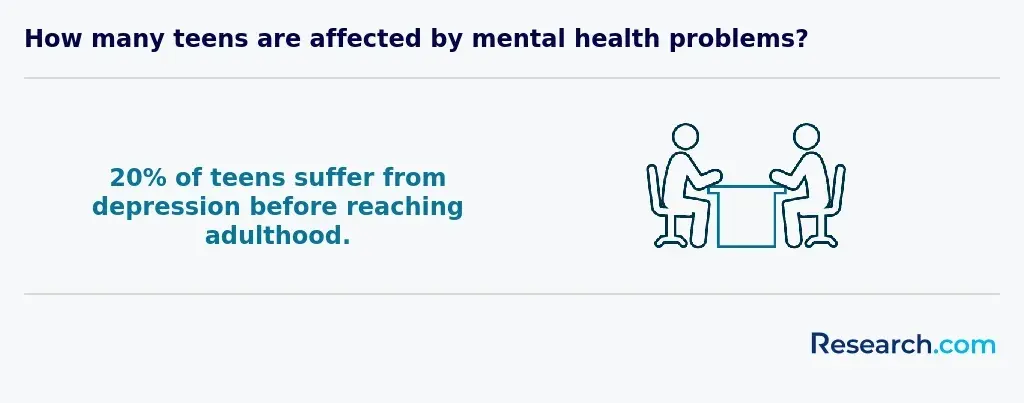
The need for these services is substantial. NAMI reports that 37.5% of adults in Maine reported symptoms of anxiety or depression in 2021, and 14,000 Mainers aged 12-17 had depression in the same year. These figures do not mean every person needs the same level of care, but they show why trained counselors are important across schools, clinics, hospitals, community agencies, and private practices.
Maine’s geography also shapes counseling work. Rural communities may have fewer providers, longer travel distances, fewer specialty services, and stronger privacy concerns because “everyone knows everyone.” Counselors may need to be flexible, resourceful, and skilled at coordinating care across limited local systems.
- Isolation and access barriers: Clients in remote areas may struggle with loneliness, transportation, provider shortages, or limited broadband access.
- Trauma and grief: Counselors may support clients affected by abuse, loss, family disruption, accidents, community trauma, or military-related experiences.
- Seasonal challenges: Long winters and reduced daylight may affect mood and functioning for some clients, including those dealing with Seasonal Affective Disorder.
- Substance use and co-occurring conditions: Many counselors work with clients whose mental health concerns overlap with alcohol or drug use, family stress, housing instability, or medical conditions.
In day-to-day practice, mental health counselors do more than “talk with people.” They assess symptoms, identify goals, use evidence-informed interventions, monitor risk, document care, follow ethical rules, and help clients connect with other supports when counseling alone is not enough.
What steps are required to become a mental health counselor in Maine?
The path to becoming a licensed mental health counselor in Maine is structured, but each step requires careful planning. Before you commit to a program, compare its curriculum with Maine’s licensing rules and confirm that it includes the supervised fieldwork you will need.
- Earn a bachelor’s degree. Many students major in psychology, counseling-related studies, social science, human services, or a related field. Your undergraduate degree usually does not make you license-eligible by itself, but it prepares you for graduate-level counseling coursework.
- Complete a qualifying graduate program. The most common route is a counseling master’s degree. If you are comparing options, review master's in counseling programs and check whether the curriculum aligns with Maine licensure expectations. Some candidates pursue doctoral study in counseling or a closely related mental health field.
- Finish required practicum or internship training. Maine requires structured clinical preparation. Non-clinical professional counselor candidates must complete at least 600 hours of graduate internship.
- Complete supervised professional experience. Maine statutes require at least 2,000 hours of supervised experience for licensed professional counselors (LPCs). Your supervisor, setting, documentation, and scope of work matter, so clarify requirements before you start counting hours.
- Pass the required examination. Candidates seeking the LPC license must pass the National Counselor Examination (NCE), which evaluates core counseling knowledge and readiness for professional practice.
- Apply through the Maine Board of Counseling Professionals Licensure. Submit the required application materials, education documentation, supervised experience verification, examination results, and any other state-required information.
- Maintain compliance after licensure. Once licensed, you must stay current with renewal rules, continuing education, ethics expectations, and any changes issued by the licensing board.
| Stage | What to Focus On | Common Risk to Avoid |
| Bachelor’s degree | Build a foundation in psychology, human development, research, diversity, and helping skills. | Assuming an undergraduate degree alone qualifies you for independent counseling practice. |
| Graduate program | Choose a counseling or related mental health program that supports Maine licensure requirements. | Enrolling before checking curriculum, internship structure, and licensing alignment. |
| Internship or practicum | Gain direct client-service experience under qualified supervision. | Choosing placements that do not provide the experience, documentation, or supervision you need. |
| Post-degree supervision | Complete at least 2,000 hours of supervised experience for LPC eligibility. | Starting supervised work without confirming board expectations for supervisor qualifications and records. |
| Exam and application | Prepare for the NCE and submit complete licensure documentation. | Delaying paperwork or relying on unofficial advice instead of board guidance. |
Maine’s counselor requirements are not identical to other states. If you are comparing mobility options, note that Alaska LPC qualifications and requirements in other jurisdictions may differ from Maine’s rules. Always use the licensing board for final confirmation.
How should Maine students prepare for counseling careers?
Students preparing for counseling careers in Maine should think beyond admission requirements. The best preparation combines academic planning, field exposure, licensure research, and early professional networking.
- Choose schools with licensing alignment. Consider whether institutions such as the University of Southern Maine or Husson University offer the coursework, faculty support, and field placement structure you need. If a program claims to prepare students for counseling practice, verify how it maps to Maine’s licensing rules.
- Review accreditation carefully. CACREP accreditation can be an important marker of counseling program quality and may simplify licensure planning in some cases. However, do not rely on a school’s reputation alone; review the exact program, not just the institution.
- Prioritize applied training. Strong programs include theory, ethics, assessment, diagnosis, multicultural counseling, research and evaluation, and supervised practicum or internship work. Coursework in cognitive behavioral therapy and other evidence-informed approaches can be especially useful.
- Use state and professional resources. Organizations such as the Maine Mental Health Counselors Association can help students find workshops, networking opportunities, policy updates, and professional development events.
- Explore early experience. Volunteer work, peer support roles, crisis-line exposure, behavioral health technician work, case management support, or human services employment can help you confirm whether counseling is the right fit before graduate school.
If you want a broader overview of the profession before choosing a program, Research.com’s guide to mental health counselor training programs explains common education pathways, skills, and career expectations.
Why does practicum and internship experience matter?
Practicum and internship experiences are where counseling students begin translating classroom knowledge into supervised client work. In Maine, this training is especially important because counselors may later serve clients in rural clinics, schools, hospitals, private practices, community mental health agencies, or substance use treatment settings.
In addition to the 2,000 hours of licensed supervised work experience required for LPC candidates under Maine statutes, non-clinical professional counselor candidates must complete at least 600 hours of graduate internship. These hours are not a formality. They help students practice intake skills, treatment planning, documentation, ethical decision-making, crisis response, consultation, and appropriate referral.
- Community mental health centers: Good for exposure to complex cases, care coordination, crisis needs, and clients with limited resources.
- Hospitals: Useful for learning interdisciplinary care, risk assessment, discharge planning, and behavioral health coordination.
- Private practices: Helpful for understanding outpatient therapy, business operations, documentation, and client retention.
- Schools: Strong preparation for working with children, adolescents, families, educators, and prevention-focused services.
When comparing field placements, ask who supervises you, what client populations you will serve, how hours are tracked, whether the placement meets program and licensing expectations, and what support is available if the placement is not a good fit.
What counseling specializations are available in Maine?
Mental health counseling is broad. Specialization can help you serve a defined population, build deeper expertise, and qualify for roles that require targeted clinical knowledge. In Maine, common areas of focus include addiction treatment, behavioral disorders, clinical mental health, school-based support, rehabilitation, family systems, and work with older adults.
- Substance abuse counseling: Counselors support clients working through alcohol or drug use concerns, relapse prevention, recovery planning, and family impact.
- Behavior disorder counseling: This work may involve clients with ADHD, conduct-related concerns, emotional regulation challenges, or disruptive behavior patterns.
- Clinical mental health counseling: These counselors provide therapy for individuals, groups, or families and may work in outpatient clinics, community agencies, hospitals, or private practice.
- School and youth-focused counseling: Counselors may support students dealing with depression, anxiety, bullying, grief, identity development, academic stress, or family changes.
- Rehabilitation counseling: This specialization supports people with disabilities, injuries, chronic conditions, or functional limitations as they pursue personal, educational, and employment goals.
If you are comparing Maine with another state, licensing and specialization rules can vary. For example, the Kansas LPC guide explains a different state pathway and can help you understand why state-specific research matters.
Salary also varies by counseling specialty. Based on 2023 data from the U.S. Bureau of Labor Statistics (BLS), these are reported annual average salaries for selected counseling roles in Maine:
| Counseling Role in Maine | Annual Average Salary | What the Role Often Involves |
| Rehabilitation Counselors | $67,190 | Helping clients with disabilities or functional limitations pursue independence, employment, and community participation. |
| Substance Abuse, Behavioral Disorder, and Mental Health Counselors | $57,610 | Supporting clients with mental health symptoms, substance use concerns, behavioral challenges, or co-occurring needs. |
| Educational, Guidance, and Career Counselors and Advisors | $58,190 | Working with students or clients on educational planning, career development, personal concerns, and school-related support. |
The chart below illustrates the number of employed mental health workers in the United States.
Is Maine a strong state for mental health counselors?
Maine can be a good place to practice mental health counseling if you value community-centered work, are comfortable navigating rural access challenges, and want to serve populations with clear behavioral health needs. It is not the easiest environment for every practitioner, because geography, workforce shortages, winter weather, and limited resources in some areas can complicate service delivery.
- Counseling Compact participation: Maine is a member of the Counseling Compact, which is intended to make interstate practice easier once implemented. Since Maine’s requirements differ from Oregon LPC qualifications and other state rules, the compact may become important for counselors who relocate or practice across state lines.
- Public mental health priorities: State efforts such as the Maine Behavioral Health Plan reflect continued attention to service access, system improvement, and stigma reduction.
- Community relationships: Counselors who work well in close-knit settings may find Maine professionally rewarding because long-term client and community relationships can be central to care.
- Quality of life considerations: Maine’s coastline, forests, small cities, and rural regions appeal to many professionals, but location preferences should be weighed against job availability, compensation, supervision access, and personal support systems.
The best answer depends on your goals. Maine may be a strong fit if you want meaningful community impact and can adapt to varied settings. It may be less ideal if you need a large urban job market, many specialty clinics nearby, or extensive professional networks in one location.
What benefits come with pursuing counseling work in Maine?
A counseling career in Maine offers several advantages for people who want mission-driven work in communities where behavioral health services are visibly needed. Counselors may work with clients across life stages, from adolescents and families to older adults and people managing addiction, grief, depression, anxiety, or major life transitions.
- Direct community impact: In smaller communities, counselors can often see how improved access to care affects families, schools, workplaces, and local support systems.
- Varied work settings: Licensed counselors may work in nonprofit agencies, healthcare organizations, educational settings, substance use programs, private practices, and integrated care teams.
- Opportunities to specialize: Counselors can focus on addiction, trauma, youth counseling, family systems, rehabilitation, geriatric care, or other areas that match community needs.
- Meaningful professional identity: Counseling can provide a strong sense of purpose, particularly for professionals who value long-term client growth and resilience.
- Balanced lifestyle potential: Maine’s natural environment may support personal well-being, although work-life balance depends heavily on caseload, setting, pay, commute, and employer expectations.
If your goal is to practice therapy specifically in the state, review the pathway for how to become a therapist in Maine so you understand the steps, terminology, and licensure requirements before selecting a graduate program.
How strong is demand for counselors in Maine?
Demand for mental health counselors in Maine is supported by both documented need and projected employment growth. O*NET OnLine projects around 90 annual openings for mental health counselors in Maine each year in 2020-2030. These openings may reflect growth, replacement needs, turnover, retirements, or movement into different roles.
O*NET employment trend projections for selected counseling roles in Maine for 2020-2030 include:
| Occupation Category | Projected Growth in Maine | What This Means for Students |
| Substance Abuse, Behavioral Disorder, and Mental Health Counselors | 5% | Students interested in clinical, addiction, and behavioral health work should prepare for supervised practice and licensure requirements. |
| Educational, Guidance, and Career Counselors and Advisors | 6% | Students interested in school, college, or career counseling should review education-setting requirements carefully. |
| All other counselors | 11% | Broader counseling roles may provide options outside traditional clinical mental health settings. |
Counselors are needed in community health centers, schools, hospitals, outpatient programs, residential programs, correctional settings, employee assistance programs, and private practices. However, demand does not guarantee a specific salary, job location, schedule, or caseload. Graduates should evaluate local openings, employer requirements, supervision availability, and whether positions support their licensure stage.
What advanced training can help counselors specialize?
Advanced training helps licensed and pre-licensed counselors build competence in specific populations, treatment methods, and clinical problems. In Maine, valuable options may include workshops, specialty certificates, supervised consultation groups, trauma-informed care training, ethics seminars, telehealth training, substance use coursework, and continuing education through professional organizations.
Counselors interested in addiction work should review state-specific expectations and credential options. Research.com’s guide on how to become a substance abuse counselor in Maine explains the pathway for professionals who want to focus on substance use treatment.
| Advanced Training Area | Best For Counselors Who Want To | Questions to Ask Before Enrolling |
| Substance use counseling | Work with addiction, recovery, relapse prevention, and co-occurring mental health needs. | Does the training align with Maine credential or employer expectations? |
| Trauma-informed care | Support clients affected by abuse, violence, loss, accidents, or chronic stress. | Is the training evidence-informed and appropriate for your license level? |
| Telehealth practice | Serve clients remotely, especially in rural or underserved regions. | Does it cover privacy, risk management, documentation, and cross-state practice limits? |
| School-based mental health | Work with children, adolescents, families, teachers, and school systems. | Does the training address collaboration, mandated reporting, and youth development? |
| Ethics and supervision | Strengthen decision-making or prepare for future leadership roles. | Does it meet continuing education rules and professional standards? |
How do you choose a counseling degree program in Maine?
Choosing a counseling program is one of the most important decisions in the licensing process. A low-cost or convenient program can become expensive if it does not prepare you for licensure, delays fieldwork, or lacks adequate advising.
- Licensure alignment: Ask the program to show how its courses, practicum, and internship match Maine counseling licensure requirements.
- Accreditation status: Confirm institutional accreditation and review whether the counseling program has specialized accreditation such as CACREP.
- Field placement support: Ask whether the school helps secure placements or expects students to find their own sites.
- Faculty expertise: Look for instructors with experience in clinical mental health counseling, supervision, ethics, diagnosis, trauma, addiction, or your intended specialty.
- Format and schedule: Compare online, hybrid, and campus formats based on your work schedule, location, learning style, and internship requirements.
- Total cost: Look beyond tuition. Include fees, books, technology, travel to placements, lost work hours, supervision costs, and exam fees.
- Student outcomes: Ask about completion rates, licensure exam preparation, internship placement support, and graduate employment settings.
If you are exploring accessible or less complicated program options, Research.com’s discussion of what is the easiest counseling degree to get? can help you compare pathways while still keeping licensure requirements in view.
What licensing and certification trends should Maine counselors watch?
Maine counselors should monitor licensing updates because requirements can change, and small changes may affect supervised hours, documentation, continuing education, telehealth practice, specialty credentials, or interstate mobility. The Counseling Compact is also important to watch because it may affect how licensed counselors practice across participating states once implementation processes are active.
Professionals considering related practice areas should also compare license types before committing to additional training. For example, marriage and family therapy has its own standards, and Research.com’s guide to marriage counselor education requirements in Maine can help clarify how that pathway differs from professional counseling.
- Check the board directly: Do not rely only on school websites, forums, or informal advice.
- Track renewal rules: Continuing education requirements can affect your long-term professional obligations.
- Understand scope of practice: Your license determines what services you may provide independently.
- Keep records: Maintain documentation of supervision, coursework, exams, and continuing education.
Can spirituality be ethically integrated into counseling?
Spirituality can be relevant in counseling when it matters to the client and is handled ethically. For some clients, faith, meaning, ritual, community, forgiveness, grief, or existential questions are central to healing. For others, spirituality may be irrelevant or even connected to harm. The counselor’s role is not to impose beliefs but to understand the client’s worldview and use culturally responsive, clinically appropriate methods.
Counselors who want to incorporate spiritual themes should pursue training in ethical integration, informed consent, boundaries, cultural humility, referral practices, and evidence-informed care. Research.com’s guide to the requirements to become a spiritual counselor can help professionals understand how spiritual counseling differs from licensed mental health counseling and when additional preparation may be appropriate.
How can school psychology knowledge strengthen counseling practice?
School psychology expertise can help mental health counselors better understand child development, learning challenges, behavioral assessment, family-school collaboration, prevention, and early intervention. This can be especially useful for counselors who work with children, adolescents, parents, or school-based programs in Maine.
School psychology and mental health counseling are not the same profession, and each may have different education and credentialing requirements. If you are considering this direction, review How long does it take to become a school psychologist in Maine? to compare the training timeline with counseling licensure.
What skills and personal qualities help mental health counselors succeed in Maine?
Successful counselors need clinical knowledge, but they also need interpersonal discipline and emotional stamina. In Maine, where counselors may work in small communities, rural areas, schools, integrated care settings, or resource-limited agencies, adaptability matters.
- Empathy with boundaries: Counselors must care deeply without absorbing every client crisis as their own.
- Active listening: Strong listening helps clients feel heard and helps counselors detect risk, patterns, strengths, and treatment priorities.
- Cultural humility: Counselors should understand how culture, class, rural identity, family systems, religion, disability, age, and community norms affect mental health care.
- Clear communication: Counselors must explain treatment plans, document care, consult with other professionals, and communicate difficult topics respectfully.
- Ethical judgment: Confidentiality, mandated reporting, dual relationships, telehealth, documentation, and scope of practice require careful decisions.
- Clinical curiosity: Good counselors keep learning, seek supervision, question assumptions, and adjust approaches based on client response.
- Resilience: The work can involve trauma, crisis, relapse, grief, and slow progress, so self-care and consultation are professional necessities.
How does telehealth improve counseling access in Maine?
Telehealth can make counseling more reachable for Maine residents who face distance, transportation, mobility, weather, work-schedule, or provider-availability barriers. It can be especially useful in rural and remote regions where in-person specialty care may be limited.
However, telehealth is not simply video calling. Counselors must understand privacy rules, emergency planning, informed consent, documentation, client location, technology limitations, and whether they are allowed to serve a client in a particular jurisdiction. Students interested in the academic side of psychology and behavioral health can compare training environments through Research.com’s overview of the best psychology schools in Maine.
| Telehealth Advantage | Why It Matters in Maine | Professional Caution |
| Reduced travel burden | Clients in rural areas may avoid long drives for recurring appointments. | Clinicians still need emergency plans for clients at risk. |
| Flexible scheduling | Telehealth may help clients who work irregular hours or have caregiving responsibilities. | Not every client has privacy, broadband, or a safe home environment. |
| Expanded provider reach | Specialty services may be more accessible when geography is less restrictive. | Licensure and jurisdiction rules must be followed. |
| Continuity during weather disruptions | Winter travel can interfere with in-person care. | Technology failures and backup communication plans should be addressed. |
How can mentorship and networking support career growth?
Mentorship can shorten the learning curve for new counselors by providing guidance on supervision, ethics, documentation, job selection, specialty training, burnout prevention, and difficult clinical situations. Networking can also lead to internship placements, employment leads, consultation groups, and leadership opportunities.
- Join professional associations: State and national counseling organizations often provide events, advocacy updates, and continuing education.
- Seek supervisors carefully: A strong supervisor does more than sign paperwork; they help you develop clinical judgment.
- Build consultation habits: Regular consultation can reduce isolation and improve decision-making.
- Attend local trainings: Workshops and conferences can connect you with employers, specialty providers, and potential mentors.
- Understand different timelines: If speed matters, compare realistic options with Research.com’s guide to the quickest path to becoming a counselor in Maine.
How can school counseling strategies improve mental health services?
School counseling strategies can strengthen mental health care by emphasizing prevention, early identification, family engagement, crisis response, and collaboration with educators. Counselors who understand school systems may be better prepared to support children and adolescents before concerns become more severe.
This approach is especially useful when clients are affected by academic stress, bullying, absenteeism, peer conflict, family changes, disability, grief, anxiety, or depression. If you are considering a role that combines education and mental health support, Research.com’s guide on how to become a school counselor in Maine explains that career pathway in more detail.
What continuing education is required for license maintenance?
Maine mental health counselors must meet continuing education and renewal requirements to maintain licensure. These requirements are intended to keep counselors current on ethics, clinical practice, law, supervision, documentation, cultural responsiveness, and emerging treatment issues.
Because renewal rules can change, counselors should verify requirements directly with the Maine Board of Counseling Professionals Licensure and keep organized records of completed training. Research.com’s guide to LPC license requirements in Maine provides a helpful starting point for understanding the licensing framework.
What related mental health careers are available in Maine?
Mental health counseling is only one route into behavioral health work. Depending on your interests, you may also consider marriage and family therapy, school counseling, school psychology, social work, substance use counseling, rehabilitation counseling, or psychology-related roles. Each profession has a different scope of practice, degree requirement, supervised experience pathway, and licensing board.
If you are drawn to relationship systems, couples work, and family dynamics, review Research.com’s guide on how to become a marriage and family therapist in Maine. Comparing these paths early can prevent you from choosing a graduate program that does not match your intended license.
What jobs can mental health counseling graduates pursue?
Mental health counseling graduates in Maine may qualify for different roles depending on their degree, license status, supervised experience, and specialization. Some positions are available to pre-licensed professionals under supervision, while others require full independent licensure.
- Substance abuse counselor: Supports clients dealing with alcohol or drug use, recovery planning, relapse prevention, and co-occurring mental health needs.
- Geriatric counselor: Helps older adults manage grief, isolation, health changes, caregiving stress, retirement transitions, and end-of-life concerns.
- Employee Assistance Program (EAP) counselor: Provides short-term workplace-based support for stress, conflict, burnout, family concerns, substance use, or crisis situations.
- Family and relationship therapist: Works with couples, families, and individuals on communication, conflict, attachment, parenting, separation, and emotional health.
- Community mental health counselor: Serves clients in nonprofit or public behavioral health settings, often coordinating care with social services, primary care, and crisis teams.
- School-based mental health counselor: Supports students and families through prevention, intervention, referral, and collaboration with educators.
NAMI reports that 61,000 adults in Maine have a serious mental illness. The Kaiser Family Foundation reports that 33.8% of adults experienced symptoms of anxiety or depressive disorder in 2023. KFF also reports an increase in drug overdose deaths in Maine from 2011 to 2021, with the numbers going up by 47.1 in that period. Maine’s suicide rate also rose by 19.5% from 2011 to 2021, according to the KFF report.
These data points show why counseling services matter, but they should not be read as a guarantee of easy employment or a specific salary. Job outcomes depend on licensure, location, employer funding, experience, specialization, and willingness to work in high-need settings.
The chart below illustrates the top employers of mental health counselors as of 2022.
How can counselors and social workers collaborate?
Collaboration between mental health counselors and social workers can improve care when clients need both clinical treatment and practical support. Counselors may focus on therapy, diagnosis-related concerns, treatment planning, coping skills, and emotional functioning, while social workers may help address housing, benefits, family systems, case management, community resources, and systemic barriers.
Understanding social worker education requirements in Maine can help counselors appreciate the training and scope of social work partners. Strong collaboration is especially valuable when clients face overlapping needs such as poverty, disability, substance use, family instability, chronic illness, or limited transportation.
What challenges should Maine counselors expect?
Mental health counseling in Maine can be meaningful, but it is not an easy profession. Aspiring counselors should understand the challenges before investing in graduate school and licensure.
- Access to care gaps: Rural residents may struggle to find nearby providers, and cost remains a barrier. NAMI reports that 46.1% of the 65,000 adults in Maine who did not receive mental health care identified cost as the underlying factor.
- Licensure complexity: Candidates must track education requirements, internship hours, supervised experience, exams, applications, renewals, and rule changes.
- Weather and distance: Winter travel, remote locations, and limited transportation can affect appointment attendance, supervision, commuting, and access to services.
- High-need populations: Counselors may work with clients facing serious mental illness, substance use, trauma, poverty, isolation, aging-related concerns, or family instability.
- Burnout risk: Heavy caseloads, crisis work, administrative demands, and emotional intensity can wear down clinicians without strong supervision and boundaries.
- Small-community ethics: In tight-knit towns, dual relationships, privacy concerns, and visibility in the community require careful ethical judgment.
These challenges do not make the career a poor choice. They make preparation essential. Students who choose strong programs, seek quality supervision, build consultation networks, and learn sustainable work habits are better positioned to thrive.
Common Mistakes to Avoid When Pursuing Counseling Licensure in Maine
| Mistake | Why It Can Hurt You | Better Approach |
| Choosing a program based only on convenience | A convenient program may not align with Maine licensure requirements or fieldwork expectations. | Compare curriculum, internship structure, accreditation, and board requirements before enrolling. |
| Looking only at tuition | Total cost includes fees, books, travel, technology, exam costs, and reduced work hours during internship. | Calculate the full cost of attendance and ask about scholarships, assistantships, and employer support. |
| Assuming online programs always meet state rules | Some online programs may not satisfy Maine-specific requirements or may have placement limitations. | Ask the program for written licensure alignment information for Maine. |
| Waiting too long to plan supervision | Post-degree hours must be properly supervised and documented. | Identify qualified supervisors and documentation procedures before beginning supervised work. |
| Relying only on rankings | A highly visible school may still be a poor fit for your license goal, schedule, budget, or specialty. | Use rankings as one input, not the final decision. |
| Assuming salary outcomes are guaranteed | Pay varies by employer, region, license status, caseload, and specialization. | Research current job postings and compare roles by setting and license requirements. |
Questions to Ask Before Choosing This Career Path
- Am I prepared to complete graduate school, supervised experience, exam preparation, and continuing education?
- Do I want to work with adults, children, families, couples, people with addiction concerns, or another specific population?
- Can I handle emotionally intense work while maintaining healthy boundaries?
- Does the graduate program I am considering clearly support Maine licensure?
- Will I have access to qualified supervision during and after my degree?
- Am I willing to work in rural or high-need settings if that is where opportunities are strongest?
- Have I compared counseling with social work, marriage and family therapy, school counseling, and psychology-related professions?
- Do the likely salaries, debt, and career timeline make sense for my financial situation?
Key Insights
- Maine needs trained mental health professionals, but becoming a counselor requires careful planning, not just a desire to help people.
- The typical pathway includes a bachelor’s degree, a qualifying graduate program, supervised fieldwork, at least 2,000 hours of supervised experience for LPC candidates, the NCE, and approval from the Maine Board of Counseling Professionals Licensure.
- Program choice matters. Prioritize licensure alignment, accreditation, internship support, supervision quality, cost, and specialty fit.
- Demand is supported by documented mental health needs and O*NET projections, including around 90 annual openings for mental health counselors in Maine each year in 2020-2030, but job outcomes still depend on license status, location, and employer needs.
- Specialization can improve career direction. Substance use, clinical mental health, rehabilitation, school-based services, geriatric counseling, and family-focused work are all relevant options in Maine.
- Telehealth, the Counseling Compact, rural access needs, and interdisciplinary collaboration are important trends shaping counseling practice in the state.
- The biggest avoidable mistakes are enrolling in a poorly aligned program, underestimating total cost, delaying supervision planning, and assuming that all counseling degrees lead to the same license or career options.
Related Articles for Nearby States
- 2027 How to Become a Mental Health Counselor in New Hampshire
- 2027 How to Become a Mental Health Counselor in Massachusetts
- 2027 How to Become a Mental Health Counselor in Vermont
- 2027 How to Become a Mental Health Counselor in Connecticut
- 2027 How to Become a Mental Health Counselor in Rhode Island
- 2027 How to Become a Mental Health Counselor in New York
- 2027 How to Become a Mental Health Counselor in New Jersey
- 2027 How to Become a Mental Health Counselor in Pennsylvania
- 2027 How to Become a Mental Health Counselor in Delaware
- 2027 How to Become a Mental Health Counselor in Maryland
References:
- Maine Board of Counseling Professionals Licensure (n.d.). Licensing and Forms. https://www.maine.gov/pfr/professionallicensing/professions/board-of-counseling-professionals-licensure/licensing-and-forms#pclic
- Maine State Legislature (2023). Title 32, §13858: Requirements for licensure. https://www.mainelegislature.org/legis/statutes/32/title32sec13858.html
- National Alliance on Mental Illness (2023). Mental Health in Maine. https://www.nami.org/wp-content/uploads/2023/07/MaineStateFactSheet.pdf
- National Conference of State Legislatures (n.d.). Maine - Scope of Practice Policy. https://www.ncsl.org/scope-of-practice-policy/state/maine
- O*NET OnLine (n.d.). National Employment Trends: Mental Health Counselors. Retrieved from https://www.onetonline.org/link/localtrends/21-1014.00
- US BLS (2023). Occupational Employment and Wages, May 2023: Substance Abuse, Behavioral Disorder, and Mental Health Counselors. Retrieved from https://www.bls.gov/oes/current/oes211018.htm
- US BLS (2023). May 2023 State Occupational Employment and Wage Estimates, Maine. https://www.bls.gov/oes/current/oes_me.htm
- US BLS (2023). Occupational Employment and Wage Statistics Query System. Retrieved from https://data.bls.gov/oes
Other Things You Should Know About Becoming a Mental Health Counselor in Maine
In 2027, to become a licensed clinical professional counselor (LCPC) in Maine, you must complete a master's degree in counseling, acquire 3,000 supervised hours of counseling experience post-graduation, and pass the National Counselor Examination (NCE) or the National Clinical Mental Health Counseling Examination (NCMHCE).
To become a mental health counselor in Maine in 2027, earn a master’s degree in counseling, complete 3,000 hours of supervised experience, pass the National Counselor Examination, and apply for the Licensed Clinical Professional Counselor (LCPC) license. This process typically takes 2-4 years.
To become a mental health counselor in Maine in 2027, you must earn a master's degree in counseling or a closely related field. The degree program should be accredited and include a supervised clinical experience. Completion of these requirements qualifies you to apply for licensure in the state.


