
2027 How to Become a Licensed Counselor (LPC) in Louisiana

Co-Founder and Chief Data Scientist
Becoming a Licensed Professional Counselor (LPC) in Louisiana requires more than choosing a graduate program. You need a license-eligible counseling degree, supervised clinical experience, exam preparation, and a realistic plan for cost, specialization, and career fit. The decision matters because Louisiana continues to face significant mental health access challenges: 56.4% of Louisiana adults with mental illness were not receiving any treatment in 2025, and the state had a ratio of 270 people per mental health provider.
This guide is for students, career changers, and helping professionals who want to understand how to become an LPC in Louisiana in 2026. It explains the education path, program options, online study considerations, licensure steps, costs, specializations, career outcomes, and mistakes to avoid before enrolling in a counseling graduate program.
Quick Answer: How do you become an LPC in Louisiana?
To become a licensed professional counselor in Louisiana, you typically complete a bachelor’s degree, earn a master’s degree in counseling or a closely related field, complete supervised clinical experience, pass the required licensing examination, and apply through the Louisiana Licensed Professional Counselors Board of Examiners. The full pathway usually takes six to eight years or more, depending on your enrollment status, fieldwork timeline, and exam preparation.
| Step | What You Need to Do | Why It Matters |
| Bachelor’s degree | Complete an undergraduate degree, often in psychology, counseling, social work, or a related area. | It prepares you for admission to graduate-level counseling study. |
| Master’s degree | Enroll in a counseling program that meets Louisiana LPC education requirements. | The graduate degree is the core academic requirement for licensure. |
| Clinical training | Complete practicum, internship, and post-degree supervised experience. | Louisiana requires supervised practice before independent licensure. |
| Exam and application | Pass the required exam and submit documentation to the LPC Board. | This confirms that you meet state standards for professional practice. |
| Renewal | Complete continuing education and renew your license on schedule. | Ongoing education keeps your license active and your practice current. |
Key Findings About Becoming an LPC in Louisiana
- The median salary for licensed counselors in Louisiana is approximately $47,000 per year, though pay varies by role, setting, specialization, and experience.
- The average annual tuition and fees for graduate counseling programs in Louisiana range from approximately $6,000 to $30,000, depending on the institution and whether the student qualifies for in-state rates.
- In 2025, Louisiana had a ratio of 270 people per mental health provider, which points to continued access limitations across the state.
- Louisiana ranks 37th out of all U.S. states for access to mental health care services among adults and youth.
- Mental health treatment use has increased, with 24.1% of adults seeking care in 2025 compared to 21.8% in last two years.
- 2027 Licensed Counselor Programs in Louisiana
- Educational Requirements for Licensed Counselors in Louisiana
- Licensure Application and Renewal Process for Louisiana LPCs
- How Long It Takes to Become a Licensed Professional Counselor in Louisiana
- Online Counseling Programs and Louisiana LPC Licensure
- Online vs. On-Campus Counseling Programs in Louisiana
- Average Cost of LPC Programs in Louisiana
- How to Choose the Best LPC Program in Louisiana
- Counseling Specializations Available in Louisiana
- Marriage and Family Therapy Specialization in Louisiana
- Career Paths for LPC Program Graduates in Louisiana
- Specializing in Substance Abuse Counseling in Louisiana
- Professional Associations and Career Networks for Louisiana Counselors
- Transitioning from Counseling to Psychology in Louisiana
- Becoming a Spiritual Counselor Without a Degree
- How Counseling Program Outcomes Affect Career Success
- Integrating Social Work Principles into Counseling Practice
- Job Market for Licensed Counselors in Louisiana
- Financial Aid and Scholarships for Counseling Students in Louisiana
- How to Become a School Counselor in Louisiana
- Louisiana LPC License Requirements
- Additional Training for Counseling Specializations
- Integrating Behavior Analysis into Counseling Practice
- Career Advancement Opportunities for LPCs in Louisiana
- Strategies for LPC Licensing Exam Success in Louisiana
- Additional Certifications and Licensures for Counselors
2027 Licensed Counselor Programs in Louisiana
Louisiana has several graduate counseling programs that can support different career goals, including clinical mental health counseling, school counseling, rehabilitation counseling, addictions counseling, and marriage, couple, and family counseling. Before applying, students should confirm whether a program’s curriculum, accreditation, field experience structure, and degree title align with Louisiana LPC requirements.
How do we rank schools?
Because graduate counseling school can represent a major financial and professional commitment, our ranking approach is designed to help students compare programs using clear and relevant information. You can review how Research.com evaluates programs in our methodology section.
To support accuracy, our rankings draw from established education data sources, including the IPEDS database, Peterson's database, including its Distance Learning Licensed Data Set, the College Scorecard database, and additional information from the National Center for Education Statistics.
1. Louisiana State University (LSU) MS in Counselor Education
LSU offers an MS in Counselor Education intended for students preparing for counseling roles in clinical mental health and school settings. The program combines coursework, faculty-guided learning, and supervised field experiences so students can build counseling, assessment, ethics, and intervention skills before entering professional practice.
- Program Length: 2 years (60 credits)
- Tracks/Concentrations: School Counseling, Clinical Mental Health Counseling
- Cost per Credit: $820
- Required Credits to Graduate: 60
- Accreditation: Council for the Accreditation of Counseling and Related Educational Programs (CACREP)
2. University of Louisiana at Monroe (ULM) MS in Counseling
ULM offers a Master of Science in Counseling with CACREP-accredited options in Clinical Mental Health Counseling and School Counseling. The program emphasizes applied learning, supervised practice, and development of professional counseling competencies for students who plan to work in agencies, schools, and other service settings.
- Program Length: 2 years
- Tracks/Concentrations: School Counseling
- Cost per Credit: $500
- Required Credits to Graduate: 60
- Accreditation: Council for the Accreditation of Counseling and Related Educational Programs (CACREP)
3. University of New Orleans (UNO) M.Ed. in Counseling
UNO provides a CACREP-accredited M.Ed. in Counseling with concentrations in Clinical Mental Health Counseling and School Counseling. The program is built around counseling practice, advocacy, and community engagement, making it a strong option for students who want training that connects clinical skills with social and educational contexts.
- Program Length: 2.5 to 3 years
- Tracks/Concentrations: School Counseling, Clinical Mental Health Counseling
- Cost per Credit: $500 (in-state), $1,419 (out-of-state)
- Required Credits to Graduate: 60
- Accreditation: Council for the Accreditation of Counseling and Related Educational Programs (CACREP)
4. Loyola University New Orleans MS in Counseling
Loyola University New Orleans offers a CACREP-accredited MS in Counseling with preparation in Clinical Mental Health Counseling and Marriage, Couple, and Family Counseling. Students seeking a program with a strong emphasis on human development, supervised practice, and social justice-oriented counseling may find this option especially relevant.
- Program Length: 2 years
- Tracks/Concentrations: Clinical Mental Health Counseling; Marriage, Couple, and Family Counseling
- Cost per Credit: $1,227
- Required Credits to Graduate: 60
- Accreditation: Council for the Accreditation of Counseling and Related Educational Programs (CACREP)
5. Southeastern Louisiana University (SELU) MS in Counselor Education
SELU offers a Master of Science in Counselor Education that uses supervised practicum and internship experiences to prepare students for a counselor career. Students should verify the current concentration structure and licensure alignment directly with the program before applying.
- Program Length: 2 years
- Tracks/Concentrations: N/A
- Cost per Credit: $672
- Required Credits to Graduate: 60
- Accreditation: Council for the Accreditation of Counseling and Related Educational Programs (CACREP)
6. University of Louisiana at Lafayette (ULL) - Master of Education in Counseling
ULL offers a Master of Education in Counseling for students preparing for counseling roles across educational and mental health settings. The program includes theory, counseling techniques, assessment, ethics, practicum, and internship experiences so graduates can develop both conceptual knowledge and hands-on counseling ability.
- Program Length: 1 to 2 years
- Tracks/Concentrations: N/A
- Cost: $1,637 per term
- Required Credits to Graduate: 60 credit hours
- Accreditation: Council for Accreditation of Counseling and Related Educational Programs (CACREP)
7. University of Holy Cross - New Orleans - MA in Counseling
The University of Holy Cross in New Orleans offers an MA in Counseling with a holistic framework that includes emotional, relational, and spiritual dimensions of care. Students interested in smaller learning environments and counseling education informed by Catholic values may want to compare this program’s coursework, field placements, and licensure outcomes with other Louisiana options.
- Program Length: 1 to 2 years
- Tracks/Concentrations: Clinical mental health counseling, school counseling, and addictions counseling
- Cost: $735 per sem
- Required Credits to Graduate: 60 credit hours
- Accreditation: Southern Association of Colleges and Schools Commission on Colleges (SACSCOC)
8. Xavier University of Louisiana - New Orleans - M.A. in Counseling
Xavier University offers an M.A. in Counseling designed to prepare students to serve diverse communities with cultural awareness, advocacy skills, and counseling competence. The program may appeal to students who want training that addresses equity, community need, and systemic factors affecting mental health.
- Program Length: 1.5 to 2 years
- Tracks/Concentrations: N/A
- Cost: $500 per semester
- Required Credits to Graduate: 48 to 60 credit hours
- Accreditation: Southern Association of Colleges and Schools Commission on Colleges (SACSCOC)
9. McNeese State University - Lake Charles - Master of Science (M.S.) in Clinical Mental Health Counseling
McNeese State University offers an M.S. in Clinical Mental Health Counseling focused on assessment, diagnosis, treatment planning, ethics, and evidence-informed counseling practice. Its clinical mental health orientation makes it relevant for students who want to work in community agencies, hospitals, outpatient programs, or eventually private practice.
- Program Length: 2 years
- Tracks/Concentrations: N/A
- Cost: $4500 per semester
- Required Credits to Graduate: 60 credit hours
- Accreditation: Southern Association of Colleges and Schools Commission on Colleges (SACSCOC), Accreditation of Counseling and Related Educational Programs (CACREP)
10. Southern University and A&M College - Baton Rouge - Master of Education (M.Ed.) program in Rehabilitation Counseling
Southern University offers an M.Ed. program in Rehabilitation Counseling for students who want to support individuals with disabilities in achieving vocational, personal, and independent living goals. Coursework may include counseling theories, vocational assessment, case management, disability services, and advocacy.
- Program Length: 1.5 to 2 years of full-time study
- Tracks/Concentrations: N/A
- Cost: $3,969
- Required Credits to Graduate: 48 to 60 credit hours
- Accreditation: Southern Association of Colleges and Schools Commission on Colleges (SACSCOC)
How to compare Louisiana counseling programs at a glance
| Program Factor | What to Check | Decision Tip |
| Licensure alignment | Whether coursework and fieldwork meet Louisiana LPC standards. | Ask the program director directly before enrolling. |
| Accreditation | CACREP, SACSCOC, or other recognized institutional/programmatic status. | CACREP can simplify review, but always verify state board acceptance. |
| Clinical placement support | How practicum and internship sites are arranged. | Strong placement support is especially important for online students. |
| Cost structure | Tuition, fees, residency rates, technology charges, books, and travel. | Compare total program cost, not only cost per credit. |
| Specialization | Clinical mental health, school counseling, addictions, rehabilitation, or family counseling. | Choose based on the license and population you plan to serve. |
Here's What Graduates Have to Say About Being an LPC in Louisiana
-
: "
"My counseling training in Louisiana gave me repeated opportunities to practice through supervised fieldwork and applied exercises. Those experiences strengthened my communication and listening skills. In my current work with veterans, I see how important it is to offer a safe, steady environment where clients can process trauma, rebuild confidence, and move toward healing." - Aimee
"
-
: "
"Graduate counseling study pushed me to grow academically and personally. The coursework deepened my understanding of mental health, while reflective assignments helped me build empathy and self-awareness. As a school-based counselor, I support students with coping strategies, social challenges, and emotional resilience, and it is powerful to watch them make progress." - Daryll
"
-
: "
"My counseling degree helped me recognize my own assumptions and become more intentional in how I support families. I now help clients work through communication problems, conflict, and relationship patterns. Seeing families build healthier interactions is one of the most meaningful parts of the profession." - Jairo
"
What are the educational requirements for licensed counselors in Louisiana?
The education path to Louisiana LPC licensure begins with undergraduate study and continues through a graduate counseling degree that meets state expectations. Students comparing how to become a licensed professional counselor should pay close attention to degree title, accreditation, clinical hour requirements, and whether the curriculum matches the LPC Board’s standards.
- Complete a bachelor’s degree. Start with an undergraduate degree from an accredited institution. Common majors include psychology, counseling-related studies, social work, human services, or another closely related discipline. Strong grades and relevant volunteer or work experience can strengthen your graduate application.
- Earn a master’s degree in counseling. Choose a counseling graduate program accredited by the Council for Accreditation of Counseling and Related Educational Programs (CACREP) or offered by a regionally accredited institution that meets Louisiana requirements. Students interested in faith-informed counseling may also compare specialized options such as Masters in Christian Counseling programs, but they should confirm that the degree supports LPC eligibility.
- Complete supervised clinical training. Counseling students complete practicum and internship experiences during the master’s program and later satisfy post-degree supervised experience requirements. These supervised hours, usually around 2,000 to 3,000 hours, help new counselors develop ethical, clinical, and professional competence under qualified supervision.
- Pass the National Counselor Examination (NCE). After meeting academic and supervised experience requirements, candidates register for and pass the National Counselor Examination administered by the National Board for Certified Counselors. The exam evaluates core counseling knowledge and professional readiness.
What is the licensure application and renewal process for licensed professional counselors in Louisiana?
Louisiana LPC licensure requires candidates to document their education, supervised clinical experience, exam results, and professional eligibility with the Louisiana Licensed Professional Counselors Board of Examiners. Applicants should review current board instructions before submitting materials because forms, fees, and documentation requirements can change.
- Submit the LPC application. Apply to the Louisiana Licensed Professional Counselors Board of Examiners and provide required materials such as transcripts, supervised experience documentation, examination scores, application forms, and fees.
- Keep the license in good standing. Earning the credential is not the final step. Licensed counselors who want to become a mental health counselor and continue practicing must follow Louisiana’s ethical rules, maintain records appropriately, complete continuing education, and renew on time.
Renewal Requirements
- Continuing Education (CE): Complete 40 hours of continuing education relevant to counseling practice during the two-year renewal cycle.
- Renewal Application: File the renewal application online through the LPC Board’s website before the renewal deadline.
- Renewal Fee: Pay the required renewal fee when submitting renewal materials.
- Criminal Background Check for Lapsed Licenses: If a license has been inactive for more than a year, the board may require a new criminal background check.
License Reciprocity
Louisiana provides a licensure reciprocity pathway for qualified counselors licensed in another state. Reciprocity can reduce duplication, but it does not mean automatic approval.
- You must hold an active LPC license from another state and be in good standing.
- You may need to satisfy additional Louisiana LPC Board requirements before receiving authorization to practice in the state.
How long does it take to become a licensed counselor in Louisiana?
The full process to become a licensed counselor in Louisiana commonly takes six to eight years or more. The timeline depends on whether you study full time or part time, how quickly you complete clinical placements, and how long it takes to satisfy supervised post-graduate experience and exam requirements.
A typical pathway includes a bachelor’s degree, which typically takes four years, followed by a master’s degree in counseling or a related field, such as an MPsy degree or Master of Social Work program, which generally takes another two to three years of full-time study.
After graduate coursework, candidates usually need around two years to complete supervised clinical hours. The final stage includes passing the licensing exam, submitting board documentation, and meeting any additional Louisiana-specific requirements.
| Stage | Typical Timeframe | What Can Speed Up or Slow Down Progress |
| Bachelor’s degree | Four years | Transfer credits, prior college coursework, or part-time enrollment can affect timing. |
| Master’s degree | Two to three years of full-time study | Program format, course sequencing, and field placement availability matter. |
| Supervised experience | Around two years | Work setting, supervisor availability, and full-time versus part-time clinical work affect completion. |
| Exam and licensure review | Varies | Exam readiness, documentation accuracy, and board processing timelines can influence the final step. |
Are online counseling programs accepted for LPC licensure in Louisiana?
Online counseling programs may be accepted for Louisiana LPC licensure if they meet the same academic, accreditation, curriculum, and supervised experience expectations as campus-based programs. The delivery format matters less than whether the program satisfies Louisiana’s licensing standards.
- Accreditation: Confirm that the program is CACREP-accredited or otherwise acceptable to the Louisiana LPC Board.
- Degree focus: Make sure the degree is in counseling or a closely related field that aligns with LPC requirements.
- Curriculum match: Review course descriptions to ensure the program covers required counseling content areas.
- Supervised experience: Online students still need approved practicum, internship, and post-degree supervised experience with qualified supervision.
How does an online licensed counselor program in Louisiana compare to an on-campus program?
Both campus-based and online counselor programs and courses can prepare students for counseling careers when they meet licensure standards. The better choice depends on your schedule, location, learning style, clinical placement access, and need for in-person faculty or peer interaction.
Online programs can benefit working adults, parents, rural students, and students who cannot relocate. They often provide asynchronous coursework, virtual discussions, video lectures, remote advising, and digital library resources. However, students must still complete in-person clinical training, so local placement support is essential.
On-campus programs may offer more immediate faculty access, structured cohort relationships, campus-based counseling labs, and local internship connections. They may also be easier for students who prefer face-to-face instruction or need a highly structured weekly schedule.
| Format | Best For | Potential Drawbacks |
| Online counseling program | Students who need schedule flexibility or live far from a campus. | Clinical placements may require more self-advocacy, and remote learning requires strong time management. |
| On-campus counseling program | Students who want in-person instruction, campus resources, and local faculty relationships. | Commuting, fixed schedules, and relocation may increase time and cost burdens. |
| Hybrid counseling program | Students who want flexibility but still value some in-person training. | Residency dates, travel, and clinical scheduling may be difficult for some students. |
What is the average cost of a licensed counselor program in Louisiana?
The average annual tuition and fees for graduate counseling programs in Louisiana range from around $6,000 to $15,000 for in-state students at public institutions and from around $12,000 to $25,000 for out-of-state students.
Private institutions often cost more, with tuition commonly ranging from $15,000 to $30,000 or more per year. Students should also budget for fees, textbooks, background checks, liability insurance, technology expenses, commuting, possible residency travel, and unpaid or lower-paid fieldwork hours.
In Louisiana, school counselors earn pay comparable to educational, guidance, and career counselors and advisors, who had an annual mean wage of $66,990, according to the U.S. Bureau of Labor Statistics.
Cost questions to ask before enrolling
- What is the total estimated program cost, including tuition, fees, books, background checks, and field placement expenses?
- Do online students pay different tuition or technology fees?
- Are graduate assistantships, scholarships, or tuition discounts available?
- Can I complete practicum and internship near where I live?
- Will part-time enrollment change tuition, fees, or financial aid eligibility?
How to choose the best licensed counselor program in Louisiana?
The best LPC program in Louisiana is not simply the cheapest or most recognizable option. It is the program that fits your intended license, specialization, learning format, budget, clinical placement needs, and long-term career goals.
- Verify accreditation and state eligibility. Prioritize programs with recognized accreditation, such as CACREP, and confirm directly that the curriculum supports Louisiana LPC licensure.
- Review faculty qualifications and program reputation. Look at faculty clinical experience, research areas, supervision background, and connections to local agencies or school systems.
- Match the specialization to your career plan. A student aiming for private practice in clinical mental health may need a different program emphasis than someone pursuing school counseling, addictions work, or rehabilitation counseling.
- Study the curriculum carefully. Confirm that the program includes counseling theories, ethics, diagnosis, assessment, group counseling, human development, multicultural counseling, career development, research, and supervised field experience.
- Ask about practicum and internship support. Strong programs help students identify approved sites, prepare for placement interviews, and secure qualified supervision.
- Compare delivery formats honestly. Online, hybrid, and campus-based options can all work, but each requires different habits, schedule flexibility, and support systems.
Common mistakes when choosing an LPC program
| Mistake | Why It Can Hurt You | Better Approach |
| Choosing only by tuition price | The lowest tuition may not include fees, travel, clinical placement costs, or extra coursework. | Compare total cost and licensure alignment together. |
| Assuming every counseling degree leads to LPC licensure | Some counseling-related programs may not meet all board requirements. | Request written confirmation from the program about Louisiana LPC preparation. |
| Ignoring field placement logistics | Delayed practicum or internship placement can slow graduation and licensure. | Ask how placements are approved, supervised, and documented. |
| Relying only on rankings | A highly ranked program may not fit your specialization, location, or budget. | Use rankings as one input, not the entire decision. |
| Not checking transfer credit rules | Graduate transfer policies are often limited and can affect completion time. | Ask how many credits may transfer before applying. |
What types of specializations are available in a licensed counselor program in Louisiana?
Louisiana counseling programs may offer specializations that prepare students for different client populations, practice settings, and credential pathways. The right specialization should reflect the type of clients you want to serve and the license or certification you may eventually need.
- Clinical mental health counseling. This track prepares students to support individuals, families, and groups experiencing concerns such as depression, anxiety, trauma, substance use, and serious life stress. Graduates may work in community mental health centers, hospitals, clinics, or private practice settings.
- School counseling. This specialization focuses on academic, career, and personal/social development for K-12 students. Training often includes child and adolescent development, crisis response, consultation, educational assessment, and collaboration with teachers and families.
- Marriage and family therapy. Students learn to work with couples and families dealing with communication problems, conflict, parenting issues, and relationship patterns. Graduates may work in family therapy clinics, counseling centers, agencies, or private practice.
- Rehabilitation counseling. This area prepares counselors to help people with disabilities address barriers to employment, education, independent living, and community participation.
- Addictions counseling. Students focus on substance use assessment, treatment planning, relapse prevention, recovery support, and evidence-based interventions for addiction-related concerns.
Exploring Marriage and Family Therapy Specialization within Louisiana
Marriage and family therapy is a focused counseling path for professionals who want to work with couples, families, and relational systems. In Louisiana, where many communities place strong value on family and close social networks, this specialization can be especially relevant for counselors who want to address communication, conflict, trauma, parenting stress, and relationship transitions. Students considering this route should review the licensing pathway for family therapy as well as LPC requirements; a good starting point is this guide on how to become a marriage and family therapist in Louisiana.
Specialized practice usually requires more than a few elective courses. Counselors may need targeted clinical supervision, post-graduate training, continuing education, or an additional credential depending on the population and setting. School counseling, substance abuse counseling, clinical mental health counseling, and marriage and family therapy each involve distinct competencies.
The strongest specialization strategy is to align your coursework, internship site, supervisor expertise, and continuing education early. That helps you build credible experience instead of trying to reposition your career after graduation.
What career paths are available for graduates of licensed counselor programs in Louisiana?
Graduates of Louisiana counseling programs can work in healthcare, schools, community agencies, residential treatment, government programs, private practice, higher education, and nonprofit organizations. Exact eligibility depends on license status, specialization, employer requirements, and scope of practice.
- Clinical mental health counselor. LPCs may provide individual, group, and family counseling in private practices, community mental health centers, outpatient clinics, hospitals, and integrated care settings.
- School counselor. School counselors support K-12 students with academic planning, social-emotional development, career readiness, family consultation, and crisis intervention.
- Marriage and family therapist. Counselors with family systems training work with couples and families on relationship distress, communication difficulties, parenting concerns, and family transitions.
- Substance abuse counselor. Substance abuse counselors support clients with addiction assessment, treatment planning, relapse prevention, and recovery services in residential, outpatient, or community programs.
- Career counselor. Career counselors help clients clarify goals, evaluate career options, prepare resumes, improve interview skills, and navigate education or employment decisions.
How can I specialize in substance abuse counseling in Louisiana?
To build a substance abuse counseling specialization, focus on addiction theory, assessment, motivational interviewing, relapse prevention, co-occurring disorders, ethics, and supervised experience in treatment or recovery settings. A focused certification or specialized clinical training can strengthen your preparation and credibility. For a more detailed pathway, review how to become a substance abuse counselor in Louisiana.
What professional associations and networks can boost my LPC career in Louisiana?
Professional associations can help Louisiana counselors stay current on ethics, supervision standards, continuing education, legislation, and employment opportunities. They also provide networking, mentorship, conferences, and specialty communities for counselors interested in emerging practice areas or different types of counseling degrees. Students and new professionals should use associations not only for membership credentials but also for practical exposure to supervisors, employers, and specialty training.
How can I transition from counseling to psychology in Louisiana?
Counselors who want a broader psychological assessment or doctoral-level clinical scope may explore psychology licensure, but the pathway is separate from LPC licensure. It typically involves additional graduate education, supervised experience, and examinations that differ from counseling requirements. Before making the shift, compare your desired responsibilities, time investment, cost, and scope of practice. For a deeper overview, see how to become a psychologist in Louisiana.
How can I become a spiritual counselor without a degree?
Spiritual counseling can follow nontraditional training routes that emphasize mentorship, ministry preparation, holistic wellness, peer support, or certificate-based education. However, spiritual counseling without a degree is not the same as practicing as an LPC, diagnosing mental health disorders, or providing regulated clinical services. Anyone pursuing this route should be careful about scope of practice, ethics, client consent, and credential credibility. For additional guidance, review how to become a spiritual counselor without a degree.
How do counseling program outcomes impact career success in Louisiana?
Program outcomes can reveal how well a counseling program supports students from admission through graduation, exam preparation, licensure, and employment. Important indicators include graduation rates, licensure exam pass percentages, field placement quality, job placement figures, alumni feedback, and access to supervision networks. Students comparing Louisiana options may also benefit from reviewing broader psychology and mental health education resources, including good colleges for psychology in Louisiana.
How can I integrate social work principles into my counseling practice in Louisiana?
Counselors can strengthen client care by applying social work-informed strategies such as case coordination, resource referral, advocacy, family support, and attention to social determinants of health. This approach is especially useful when clients face housing instability, disability needs, financial stress, family system challenges, or limited access to healthcare. Counselors who want deeper training in this area can explore how to become a social worker in Louisiana.
What is the job market for graduates of licensed counselor programs in Louisiana?
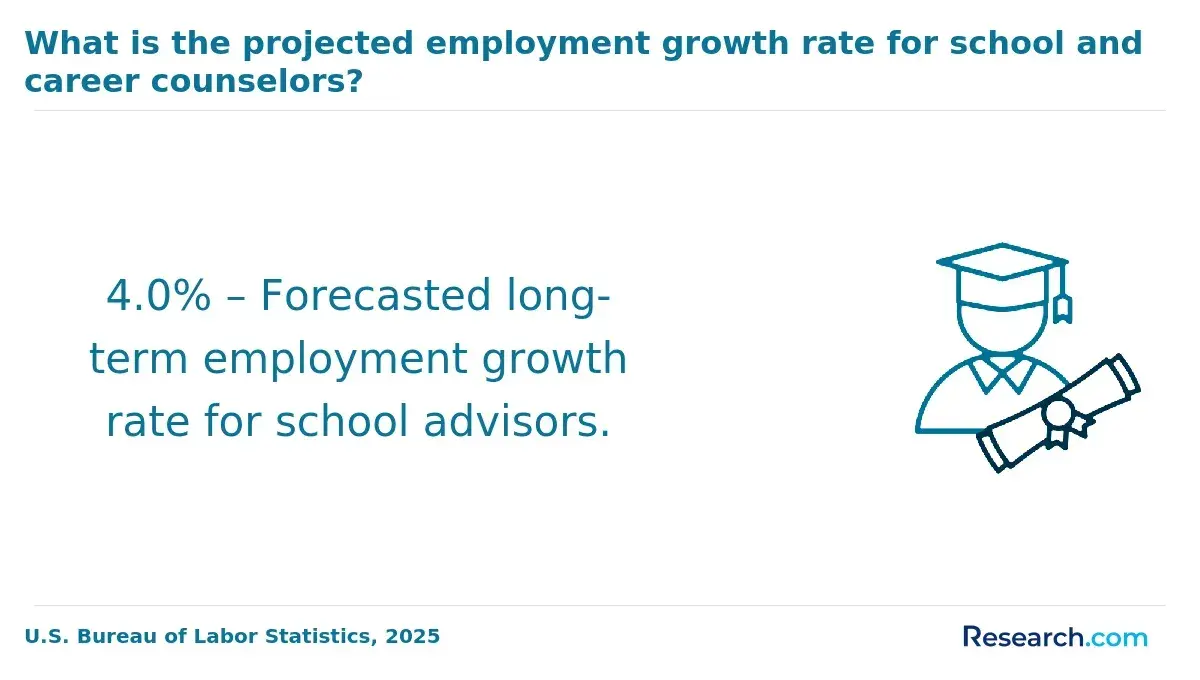
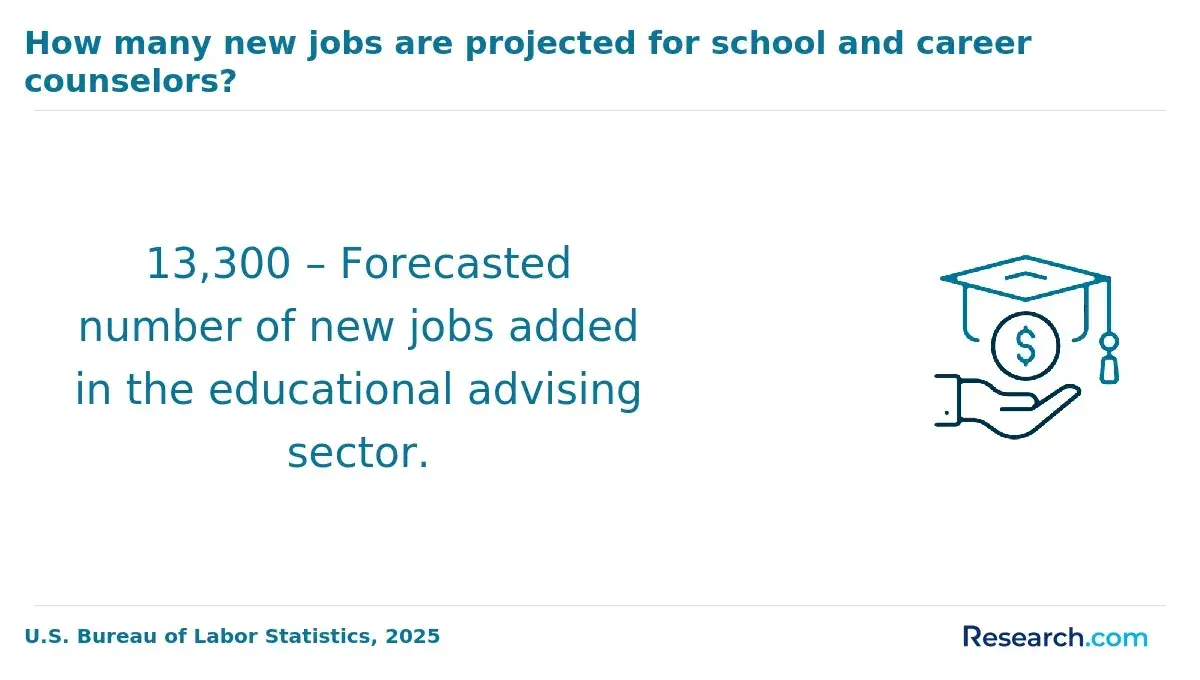
The employment outlook for LPCs in Louisiana is generally favorable. State employment projections indicate that substance abuse, behavioral disorder, and mental health counselors in Louisiana can expect job growth of 11.3% until 2030.
Demand is connected to broader mental health access challenges. Louisiana ranks 37th out of all U.S. states for access to mental health care services among adults and youth, and many residents still face barriers to timely treatment.
According to the most recent data, Louisiana had 5,762 professional counselors and 1,153 marriage and family therapists. LPCs may find opportunities in hospitals, mental health clinics, schools, government agencies, community programs, and private practices.
Current trends affecting counseling careers in Louisiana
- More demand for accessible care: Unmet treatment needs continue to create pressure for a larger behavioral health workforce.
- Growth in integrated care: Counselors may increasingly work alongside physicians, social workers, case managers, and behavioral health teams.
- Technology-supported counseling: Telehealth and digital scheduling tools can expand access, but counselors must still follow state rules, privacy standards, and employer policies.
- Greater emphasis on specialization: Employers may value training in substance use, trauma, school-based services, family systems, crisis intervention, and culturally responsive care.
What financial aid and scholarships are available for counseling students in Louisiana?
Graduate counseling education can be expensive, but students may reduce costs through grants, scholarships, assistantships, employer benefits, federal aid, and loan repayment programs. The best strategy is to combine multiple funding sources and compare total net cost across programs.
- Louisiana Go Grant: This state-funded grant is intended for low- to moderate-income students who need added financial support. Award amounts vary based on financial need.
- TOPS (Taylor Opportunity Program for Students): Although mainly used for undergraduate education, TOPS can help students complete the bachelor’s degree required before entering a counseling master’s program.
- Federal Student Aid (FAFSA): Completing the FAFSA is necessary for access to federal aid options such as the Pell Grant, Federal Work-Study, and federal student loans for eligible accredited programs.
- Counseling-related scholarships: Organizations such as the American Counseling Association and the National Board for Certified Counselors offer scholarship opportunities for counseling graduate students, often based on academic merit, financial need, or professional goals.
- University-specific scholarships: Louisiana institutions, including Louisiana State University and the University of Louisiana at Monroe, may offer scholarships, fellowships, or assistantships for graduate counseling students.
- Loan forgiveness programs: Counselors working in underserved or high-need areas may qualify for programs such as the National Health Service Corps Loan Repayment Program.
Practical ways to reduce the cost of becoming an LPC
- Apply early for graduate assistantships, scholarships, and departmental awards.
- Compare in-state, out-of-state, online, and private tuition carefully.
- Ask whether internship placements are paid, unpaid, or eligible for employer support.
- Check whether your employer offers tuition assistance for behavioral health degrees.
- Avoid taking extra courses that do not count toward licensure unless they support a clear specialization.
How do I become a school counselor in Louisiana?
To become a school counselor in Louisiana, students generally need counseling education that addresses child and adolescent development, academic planning, crisis response, school systems, family collaboration, and ethical practice in educational settings. School counseling requirements may differ from general LPC requirements, so candidates should verify the appropriate credential pathway. For detailed steps, review this guide to becoming a school counselor in Louisiana.
What are the Louisiana LPC license requirements?
Louisiana LPC candidates must satisfy academic, clinical supervision, examination, application, and ethical requirements established by the state licensing board. Because licensure rules are specific and documentation-heavy, students should check the requirements before choosing a program and again before applying. For a focused overview, see the Louisiana LPC license requirements.
What additional education or training is required to specialize in a particular area of counseling?
Specialization may require graduate electives, a formal concentration, post-graduate certificates, supervised experience with the target population, or a separate credential. For example, counselors pursuing clinical mental health roles should understand diagnosis, treatment planning, evidence-based interventions, ethics, and crisis response. Students interested in this route can review how to become a licensed mental health counselor in Louisiana.
How can I integrate behavior analysis into my counseling practice in Louisiana?
Counselors who want to add behavior analytic strategies should pursue appropriate coursework, supervised experience, and training in behavior assessment and intervention. Behavior analysis can complement counseling for clients with behavioral challenges, but counselors must stay within their competence and scope of practice. For certification-focused guidance, see how to become a behavior analyst in Louisiana.
What are the career advance opportunities for LPCs in Louisiana?
After becoming licensed, Louisiana LPCs can advance by developing a specialty, supervising other clinicians, building a private practice, moving into program leadership, teaching, or pursuing additional credentials. Advancement depends on experience, reputation, continuing education, business skills, and the needs of the communities served.
- Specialized clinical practice: Counselors may focus on grief, trauma, marriage and family therapy, substance abuse, child and adolescent counseling, or other areas.
- Supervision and management: Experienced LPCs may supervise counselors in training, lead clinical teams, or manage behavioral health programs.
- Private practice: Some counselors build independent or group practices after meeting licensure and business requirements.
- Higher education: Licensed counselors with advanced expertise may teach, supervise practicum students, or contribute to counselor education programs.
Students focused on the fastest way to become a counselor should still avoid shortcuts that weaken licensure eligibility. A better approach is to choose a license-aligned program, plan clinical placements early, and prepare for exams throughout graduate school.
What strategies can help me succeed on LPC licensing exams in Louisiana?
Strong exam preparation starts before graduation. Candidates should review core counseling areas regularly, use practice tests, build a study calendar, and connect exam content to real counseling scenarios from practicum and internship. Peer study groups, structured review courses, and guidance from licensed counselors can help clarify difficult topics. If your goal is to move efficiently through the process, review the fastest way to become a counselor in Louisiana.
Additional Certifications and Licensures for Counselors
Louisiana counselors may strengthen their careers by adding credentials that match their practice goals. Additional certifications can signal specialized training, but they should be chosen carefully based on client population, employer expectations, and scope of practice.
The National Certified Counselor credential from the National Board for Certified Counselors is one option for counselors who want a recognized professional certification. The Certified Clinical Mental Health Counselor credential may be relevant for counselors focused on clinical mental health services.
Some counselors also develop specialized creative or expressive therapy skills. For example, students interested in art therapy should compare formal training routes and credential expectations by reviewing the best art therapy programs.
Additional credentials are most valuable when they build on verified clinical competence, supervised practice, and a clear career plan. They should not be used as substitutes for state licensure when regulated counseling practice is required.
Key Insights
- Louisiana LPC licensure usually requires a bachelor’s degree, a qualifying counseling master’s degree, supervised clinical experience, a licensing exam, and board approval.
- The process commonly takes six to eight years or more, so students should plan for both school time and post-graduate supervised experience.
- Online counseling programs can work for Louisiana LPC licensure if they meet accreditation, curriculum, and supervised experience requirements.
- Program choice should be based on licensure alignment, accreditation, clinical placement support, specialization, total cost, and outcomes—not rankings alone.
- Louisiana’s mental health access challenges create meaningful opportunities for trained counselors, especially in clinical mental health, substance abuse, school counseling, family services, and underserved communities.
- Before enrolling, ask the program to confirm in writing how its curriculum supports Louisiana LPC requirements and whether it helps students secure approved practicum and internship placements.
Related Articles for Nearby States
- 2027 How to Become a Licensed Counselor (LPC) in Mississippi
- 2027 How to Become a Licensed Counselor (LPC) in Arkansas
- 2027 How to Become a Licensed Counselor (LPC) in Texas
- 2027 How to Become a Licensed Counselor (LPC) in Alabama
- 2027 How to Become a Licensed Counselor (LPC) in Tennessee
- 2027 How to Become a Licensed Counselor (LPC) in Missouri
- 2027 How to Become a Licensed Counselor (LPC) in Oklahoma
- 2027 How to Become a Licensed Counselor (LPC) in Florida
- 2027 How to Become a Licensed Counselor (LPC) in Kentucky
- 2027 How to Become a Licensed Counselor (LPC) in Georgia
References:
- American Counseling Association. (2025). State licensure requirements for professional counselors. https://www.counseling.org/licensure-requirements
- American Psychological Association. (2025). Education pathways in counseling psychology. https://www.apa.org/education-career/guide/subfields/counseling
- CareerOneStop. (2025). Licensed professional counselor career profile. https://www.careeronestop.org/Toolkit/Careers/Occupations/occupation-profile.aspx
- Council for Accreditation of Counseling and Related Educational Programs. (2025). Find accredited counseling programs. https://www.cacrep.org/directory
- Louisiana Licensed Professional Counselors Board of Examiners. (2025). Licensure requirements. https://www.lpcboard.org/licensure-requirements
- Louisiana Licensed Professional Counselors Board of Examiners. (2025). Application process overview. https://www.lpcboard.org/application-process
- Mental Health America. (2025). The State of Mental Health in America 2025. https://mhanational.org/issues/2025/mental-health-america-all-data
- National Board for Certified Counselors. (2025). Louisiana counselor certification and licensure. https://www.nbcc.org/licensure/stateboarddirectory
- National Alliance on Mental Illness. (2025). Mental health workforce trends. https://www.nami.org/advocacy/policy-priorities/workforce
- Substance Abuse and Mental Health Services Administration. (2025). National Survey on Drug Use and Health: 2025 Annual Report. https://www.samhsa.gov/data/release/2025-nsduh-annual-report
- University of Wisconsin Population Health Institute. (2025). County Health Rankings & Roadmaps: Louisiana. https://www.countyhealthrankings.org/reports/state-reports/2025-louisiana-state-report
- U.S. Bureau of Labor Statistics. (2026). Substance abuse, behavioral disorder, and mental health counselors. https://www.bls.gov/ooh/community-and-social-service/substance-abuse-behavioral-disorder-and-mental-health-counselors.htm
Other Things You Should Know About Becoming an LPC in Louisiana
In 2027, licensed professional counselors in Louisiana must complete 40 hours of continuing education every two years to maintain licensure. These hours must include at least three hours focused on ethics or professional conduct.
An LPC in Louisiana must be supervised by a Licensed Professional Counselor Board Approved Supervisor (LPC-S). LPC-Ss are experienced counselors who have completed additional training and supervision requirements to become approved supervisors. They provide oversight and guidance to LPC candidates as they accrue supervised hours and work towards licensure.
In 2027, Louisiana requires LPCs to have a master's degree in counseling or a related field, complete 3,000 supervised experience hours, and pass the National Counselor Examination (NCE). The Louisiana LPC Board oversees licensure processes, ensuring that all applicants meet educational and ethical standards.
As of 2027, aspiring Licensed Professional Counselors in Louisiana must complete 3,000 hours of post-master's supervised experience. At least 1,920 of these hours must be in direct client contact, under the supervision of a board-approved LPC supervisor.


