2027 How to Become a Mental Health Counselor in Montana

Co-Founder and Chief Data Scientist
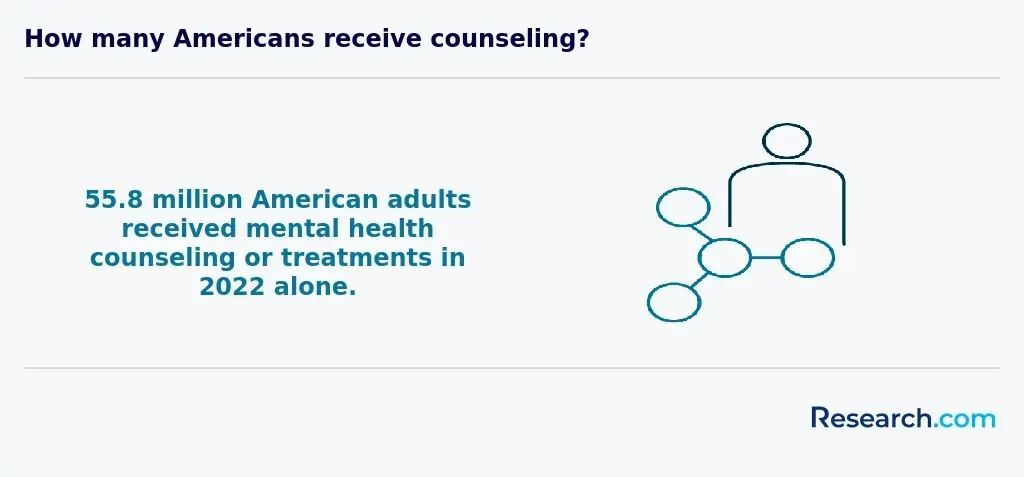
Becoming a mental health counselor in Montana means preparing for a licensed clinical role in a state where many people need care but access can be difficult, especially outside larger communities. According to a 2023 Mental Health America report, about 40% of adults with mental illness in Montana did not receive treatment, and a Kaiser Family Foundation report found that 35.5% of Montana adults with anxiety or depression symptoms who needed counseling or therapy did not receive it in a May 2022 survey.
This guide explains how to become a mental health counselor in Montana, what the Licensed Clinical Professional Counselor credential requires, how supervised experience works, where counselors are employed, and what challenges shape practice in the state. It is designed for students comparing counseling degrees, career changers considering graduate school, and current professionals who want to understand Montana’s licensing and labor market conditions before making a decision.
Quick Answer: How do you become a mental health counselor in Montana?
To practice independently as a mental health counselor in Montana, you generally need a master’s degree or higher in counseling or a closely related field, coursework that meets Montana Board of Behavioral Health requirements, 3,000 hours of supervised counseling experience, a passing score on either the National Clinical Mental Health Counseling Examination (NCMHCE) or the National Counselor Examination (NCE), a background and fingerprint check, and approval from the Montana Board of Behavioral Health. Montana licenses professional counselors as Licensed Clinical Professional Counselors, or LCPCs.
| Requirement | What Montana applicants should know |
| Degree | A master’s degree or higher in counseling or a related field is required for LCPC licensure. |
| Coursework | Applicants must complete at least 60 semester hours of CACREP core competencies. |
| Supervised experience | Montana requires 3,000 supervised hours, including 1,000 hours of direct client contact under face-to-face supervision in clinical settings. |
| Exam | The Montana Board of Behavioral Health requires either the NCMHCE or the NCE, both administered through the National Board for Certified Counselors. |
| Application | Applicants submit documentation to the Montana Board of Behavioral Health, complete a background and fingerprint check, and pay a $200 application fee. |
Key Things You Should Know About Becoming a Mental Health Counselor in Montana
- Licensure title: Montana uses the Licensed Clinical Professional Counselor designation, commonly shortened to LCPC.
- Demand is strong: O*NET projects 21% growth for substance abuse, behavioral disorder, and mental health counselors in Montana through 2030.
- Rural access matters: Telehealth, integrated care, and stigma reduction are especially important because many Montanans live far from mental health providers.
- Typical earnings vary: Mental health counselors in Montana earn around $53,000 on average, while U.S. BLS data lists $53,690 for substance abuse, behavioral disorder, and mental health counselors in the state.
- Supervision is a major milestone: The 3,000-hour supervised experience requirement is where students turn classroom training into supervised clinical judgment.
- Career fit matters: Montana can be rewarding for counselors who want community-based work, but rural caseloads, provider shortages, suicide prevention needs, and burnout risk should be taken seriously.
- What does a mental health counselor do in Montana?
- What steps are required to become an LCPC in Montana?
- How should students prepare for a Montana counseling career?
- Why is supervised practicum and clinical experience so important?
- Which counseling specializations are available in Montana?
- Is Montana a good state for mental health counselors?
- How strong is demand for mental health counselors in Montana?
- What legal and ethical duties apply to Montana counselors?
- How can advanced education strengthen a counseling career?
- What are Montana’s marriage and family therapist requirements?
- How does telehealth affect counseling in Montana?
- How can counselors build cultural competence?
- How can social work skills support counseling practice?
- Which Montana schools prepare future counselors?
- What family and couples counseling paths are available?
- How can Montana counselors reduce burnout?
- What jobs can counseling graduates pursue in Montana?
- What challenges do Montana counselors face?
- How does Montana support counselor development?
- How can counselors build a sustainable Montana practice?
- How can counselors track licensing changes?
- What are the most important takeaways?
What does a mental health counselor do in Montana?
Mental health counselors in Montana assess, diagnose, and treat clients dealing with emotional, behavioral, relational, and substance use concerns. Their work may include individual counseling, group therapy, crisis response, treatment planning, referrals, documentation, coordination with other providers, and community education.
The role is especially important in Montana because many residents live in rural or frontier communities where mental health services can be limited. In that context, an LCPC may be one of the few accessible behavioral health professionals in a region. Counselors may work with clients facing anxiety, depression, grief, trauma, family conflict, substance use disorders, or adjustment concerns tied to work, health, isolation, or major life transitions.
Common responsibilities of Montana LCPCs
- Clinical assessment: Counselors evaluate symptoms, client history, risk factors, strengths, and treatment goals.
- Therapy and intervention: They use evidence-informed counseling approaches to help clients change behavior, process trauma, manage symptoms, and improve relationships.
- Crisis and safety planning: In a state with serious suicide prevention needs, counselors must be prepared to assess risk and respond appropriately.
- Referral and coordination: Many clients need support beyond therapy, such as medical care, substance use treatment, housing resources, or social services.
- Community education: Counselors often help normalize mental health care and reduce stigma, particularly in close-knit communities where privacy concerns can discourage treatment.
Montana’s counseling workforce serves a mix of urban, rural, tribal, veteran, school, health care, and community settings. The work can be deeply relational because counselors often become part of the broader community ecosystem, not just isolated clinical providers.
What steps are required to become an LCPC in Montana?
The Montana counseling licensure pathway is structured, and each stage builds toward independent clinical practice. Because licensing boards can revise rules, applicants should always confirm current requirements directly with the Montana Board of Behavioral Health before enrolling in a program, beginning supervision, or submitting an application.
- Earn a relevant bachelor’s degree. Many students begin with psychology, counseling, social work, human services, or a related field. A specific undergraduate major may not always be required for graduate admission, but relevant coursework can make the transition easier.
- Complete a qualifying graduate degree. Montana LCPC applicants need a master’s degree or higher in counseling or a closely related discipline. Students comparing master’s in counseling programs should verify that the curriculum aligns with Montana’s LCPC requirements before enrolling.
- Meet coursework expectations. The Board states that applicants must complete at least 60 semester hours of CACREP core competencies. Program titles alone are not enough; review course content and ask the school how it documents Montana eligibility.
- Accumulate supervised counseling experience. Montana requires 3,000 supervised hours. This stage is where candidates develop practical skills under approved supervision.
- Pass the required examination. Applicants must pass either the National Clinical Mental Health Counseling Examination (NCMHCE) or the National Counselor Examination (NCE), both associated with the National Board for Certified Counselors.
- Submit the LCPC application. The application goes to the Montana Board of Behavioral Health under the Montana Department of Labor and Industry. Applicants also complete a background and fingerprint check and pay a $200 application fee.
- Provide required documentation. Typical materials include certified education transcripts, an academic summary form, exam verification, and documentation of supervised experience.
| Stage | Decision point | Common mistake to avoid |
| Choosing a graduate program | Confirm that the program supports Montana LCPC eligibility. | Assuming any counseling-related master’s degree automatically meets Board requirements. |
| Planning supervision | Make sure hours, supervisor qualifications, and documentation match Montana rules. | Completing hours that cannot be verified or do not meet direct client contact requirements. |
| Selecting an exam | Decide whether the NCMHCE or NCE best fits your preparation and career goals. | Waiting until the end of supervision to understand exam logistics. |
| Applying for licensure | Gather transcripts, academic forms, supervision verification, exam proof, and background materials early. | Submitting an incomplete application and delaying approval. |
How should students prepare for a Montana counseling career?
Students preparing for mental health counseling in Montana should think beyond admission requirements. The best preparation combines the right graduate curriculum, supervised fieldwork, cultural humility, rural service awareness, and early professional networking.
- Choose schools carefully. Montana students often consider institutions such as the University of Montana and Montana State University, both of which offer graduate-level pathways relevant to counseling and mental health preparation. Accreditation, curriculum fit, field placement support, and faculty expertise should all be reviewed.
- Check CACREP alignment and Board expectations. Accreditation from the Council for Accreditation of Counseling and Related Educational Programs can help signal program quality, but students should still confirm whether the coursework satisfies Montana’s LCPC requirements.
- Look for clinical depth. Programs with strong practicum, internship, and supervision structures can help students enter the workforce with more confidence.
- Build familiarity with Montana communities. A counselor working in Missoula, Billings, Great Falls, a reservation community, or a remote rural area may face different access issues, cultural expectations, and referral limitations.
- Join professional networks early. Organizations such as the Professional Counselors Association of Montana can help students find continuing education, mentors, supervision leads, and policy updates.
- Explore related credentials thoughtfully. Additional training in trauma-informed care, addiction counseling, school counseling, or couples and family work may improve career flexibility, but it should support a clear career goal.
One practical strategy is to speak with counselors already practicing in the part of Montana where you hope to work. Location-specific advice is valuable. Just as students seeking Michigan LPC career guidance benefit from hearing from Michigan practitioners, future Montana LCPCs should ask local clinicians about client needs, supervision availability, referral networks, and realistic job conditions.
The chart below shows counseling specialty programs with the highest enrollment in 2023.
Why is supervised practicum and clinical experience so important?
Supervised experience is one of the most important parts of becoming an LCPC in Montana because it tests whether classroom learning can be applied safely and ethically with real clients. It also gives candidates a structured setting to develop clinical judgment, documentation habits, risk assessment skills, treatment planning ability, and professional boundaries.
The Montana Board of Behavioral Health requires 3,000 hours of supervised practicum experience. According to Board rules, LCPC applicants must complete 1,000 of those hours as direct client contact under face-to-face supervision in clinical settings. Of those 1,000 hours, a maximum of 250 may come from co-facilitative or group therapy. Montana also allows 1,500 of the 3,000 hours to be obtained pre-degree as part of the academic requirements of the degree program, if approved by the graduate program.
Why the supervision period matters
- It builds clinical confidence. New counselors learn how to respond when clients present with complex grief, trauma, substance use, depression, anxiety, or crisis risk.
- It teaches rural and community realities. Supervised placements expose candidates to referral limitations, dual relationship concerns, transportation barriers, and privacy challenges that are common in smaller communities.
- It supports ethical practice. Supervisors help candidates recognize when consultation, referral, documentation, or mandated reporting may be needed.
- It creates professional relationships. Practicum and internship sites can lead to mentors, references, job offers, and future referral networks.
- It helps candidates test specialization interests. Students may discover that they are drawn to addiction recovery, school-based work, trauma care, family counseling, veteran services, or community mental health.
| Supervised experience component | Montana requirement or consideration |
| Total supervised hours | 3,000 hours are required for LCPC applicants. |
| Direct client contact | 1,000 hours must involve direct client contact under face-to-face supervision in clinical settings. |
| Group or co-facilitative therapy limit | No more than 250 of the 1,000 direct client contact hours may come from co-facilitative or group therapy. |
| Pre-degree hours | 1,500 of the 3,000 hours may be completed before the degree if approved by the graduate program. |
| Documentation | Candidates should track hours carefully and confirm that forms meet Board expectations. |
Which counseling specializations are available in Montana?
Mental health counselors in Montana can shape their careers around population, setting, or clinical focus. Some areas require additional training or credentials, while others are developed through supervised experience, continuing education, and employer expectations. Students exploring what counseling degree graduates can do should compare specializations based on demand, client population, personal fit, and licensing implications.
| Specialization | Who it serves | Why it may fit Montana |
| Substance abuse counseling | Clients experiencing addiction, recovery challenges, relapse risk, or co-occurring mental health needs. | Community clinics, treatment programs, and integrated behavioral health settings often need addiction-informed clinicians. |
| Trauma-informed counseling | Clients affected by violence, grief, accidents, adverse childhood experiences, military trauma, or community trauma. | Trauma-informed practice is useful across rural, tribal, veteran, and health care settings. |
| Child and adolescent counseling | Children, teenagers, and families navigating emotional, behavioral, developmental, or school-related concerns. | School and community providers need clinicians who understand youth development and family systems. |
| Rehabilitation counseling | People with disabilities, injuries, chronic conditions, or employment-related barriers. | This path can support clients who need both mental health care and functional support. |
| Career and educational counseling | Students, workers, and adults making education or employment transitions. | It may fit counselors interested in schools, colleges, workforce programs, or career development. |
Salary potential differs by role, setting, experience, and location. Current U.S. BLS figures for Montana list the following average annual wages for selected counseling-related occupations:
- Educational, Guidance, and Career Counselors and Advisors - $60,230
- Rehabilitation Counselors - $42,770
- Substance Abuse, Behavioral Disorder, and Mental Health Counselors - $53,690
These figures should be treated as labor market benchmarks, not guarantees. Actual earnings may be higher or lower depending on employer type, caseload, licensure status, specialization, geography, and years of experience.
Is Montana a good state for mental health counselors?
Montana can be a strong fit for counselors who want meaningful community-based work, are comfortable serving clients with limited access to care, and can manage the professional demands of rural or underserved practice. It may be less ideal for someone whose main priority is maximizing salary, working only in highly specialized urban settings, or avoiding long travel distances and limited referral options.
| Factor | Why Montana may be attractive | What to consider carefully |
| Community impact | Counselors can fill real access gaps and support communities where providers are scarce. | High need can also mean heavy caseloads and limited backup resources. |
| Salary | The average salary for mental health counselors in Montana is around $53,000. | That figure is below the national average of approximately $60,000, and wages vary by role and region. |
| Licensure for out-of-state counselors | Montana allows out-of-state counselors to apply for LCPC licensure if they meet Board requirements. | The state does not currently offer license reciprocity, so applicants must review requirements carefully. |
| Counseling Compact | Montana is a member of the Counseling Compact and is waiting for this initiative to take effect. | Applicants should not assume compact practice privileges are available until official implementation rules apply. |
| Telehealth | Virtual care can extend services to remote areas. | Counselors must follow privacy, documentation, technology, and jurisdiction rules. |
The bottom line: Montana offers purpose-driven work for counselors who want to improve access to care. The trade-off is that the same access gaps that create opportunity can also increase workload, ethical complexity, and burnout risk.
How strong is demand for mental health counselors in Montana?
Demand for mental health counselors in Montana is supported by unmet treatment needs, provider shortages, rising awareness of mental health care, and workforce projections. Approximately 163,000 adults in Montana are grappling with mental health conditions, and the state faces a shortage of mental health providers. Projections indicate a need for an additional 240 counselors by 2030.
The Montana Department of Labor and Industry reported that the estimated number of substance abuse and mental health counselor graduates in the state is only 52 students per year, which is much lower than the projected need. That gap suggests opportunities for qualified graduates, particularly in community health centers, hospitals, nonprofit agencies, addiction treatment settings, schools, and private practices.
Projected employment growth in Montana, 2020-2030
| Counseling occupation | Projected growth |
| Educational, Guidance, and Career Counselors and Advisors | 11% |
| Rehabilitation Counselors | 8% |
| Substance Abuse, Behavioral Disorder, and Mental Health Counselors | 21% |
These O*NET OnLine projections cover 2020-2030. They point to strong demand, but job outcomes still depend on licensure status, specialization, location, employer funding, supervision availability, and willingness to work in underserved communities.
What legal and ethical duties apply to Montana counselors?
Montana mental health counselors must practice within state law, Board rules, professional ethics, and their own scope of competence. Core responsibilities include protecting confidentiality, obtaining informed consent, maintaining accurate records, practicing within training limits, documenting treatment decisions, managing boundaries, and responding appropriately to risk.
- Confidentiality: Clients should understand what information is private and when disclosure may be legally or clinically required.
- Informed consent: Counselors should explain services, fees, risks, benefits, privacy limits, telehealth policies, and client rights before treatment begins.
- Mandatory reporting: Counselors must understand state reporting obligations related to abuse, neglect, danger, or other legally defined situations.
- Cultural humility: Ethical care requires attention to culture, identity, geography, language, religion, family structure, and community context.
- Competence: Counselors should seek supervision, consultation, referral, or additional training when client needs exceed their preparation.
Counselors interested in addiction treatment should also understand how substance use credentials and legal duties differ from general counseling practice. Research.com’s guide on becoming a substance abuse counselor in Montana explains that related pathway in more detail.
How can advanced education strengthen a counseling career?
Advanced education can help Montana counselors deepen clinical expertise, qualify for specialized roles, move into supervision or leadership, and serve clients with more complex needs. It can also help professionals stay current with trauma-informed care, integrated behavioral health, telehealth ethics, addiction treatment, assessment, and evidence-based interventions.
Before enrolling, counselors should compare cost, accreditation, licensure alignment, transfer credit policies, field placement support, and whether the credential will improve their actual career options. For working professionals, affordable master’s in counseling options may be worth comparing, especially if the goal is to reduce debt while meeting credential requirements.
| Education option | Best for | Question to ask before enrolling |
| Master’s in counseling | Students seeking the primary academic pathway to LCPC licensure. | Does this program meet Montana Board coursework expectations? |
| Post-master’s certificate | Licensed or license-track counselors adding a specialization. | Will this credential improve practice scope, employer options, or client outcomes? |
| Doctoral study | Counselors interested in research, teaching, advanced leadership, or high-level clinical specialization. | Is the time and cost justified by the career goal? |
| Continuing education | Licensed counselors maintaining competence and learning targeted skills. | Is the training reputable, relevant, and accepted for professional development needs? |
What are Montana’s marriage and family therapist requirements?
Counselors who want to specialize in couples, marriage, and family systems should understand that marriage and family therapy is a distinct professional pathway with its own education and licensing expectations. Training usually emphasizes family systems theory, couple dynamics, relational assessment, and interventions designed for families rather than only individuals.
Students considering this direction should compare LCPC and MFT requirements before choosing a program. For a focused overview, review Research.com’s guide to marriage counselor education requirements in Montana. The right path depends on whether your long-term work will center on individual mental health counseling, relational therapy, or a blend of both.
How does telehealth affect counseling in Montana?
Telehealth can make counseling more accessible in Montana by reducing travel barriers for clients in rural and remote areas. It can also help counselors coordinate care, offer follow-up sessions, and reach clients who may otherwise delay or skip treatment because of distance, weather, transportation, or privacy concerns in small communities.
However, telehealth is not simply video counseling. Montana counselors must use secure platforms, protect confidentiality, document telehealth services properly, verify client location when clinically necessary, plan for emergencies, and understand jurisdiction rules. Telehealth also requires clinical judgment: some clients may need in-person care, a higher level of support, or local crisis resources.
Students exploring alternative counseling pathways should be cautious about shortcuts. Research.com’s guide on fast routes into counseling-related work can help readers distinguish between licensed counseling roles and non-licensed support roles.
How can counselors build cultural competence?
Cultural competence in Montana requires more than general awareness. Counselors may work with Native American communities, ranching and agricultural families, veterans, rural residents, college students, older adults, and clients whose values around privacy, independence, family, spirituality, or help-seeking differ from the counselor’s own assumptions.
- Learn local context. About 12 tribal nations are living in Montana, each with distinct histories, traditions, and community priorities.
- Build relationships before assuming expertise. Consultation with community leaders, cultural educators, and experienced local clinicians can improve care.
- Adapt communication. Some clients may prefer direct problem-solving, while others may need more time to build trust before discussing sensitive topics.
- Respect rural privacy concerns. In small communities, clients may fear being recognized at a clinic or known by the counselor socially.
- Use referrals appropriately. Cultural competence includes knowing when a client would benefit from a provider, elder, advocate, interpreter, or specialist with more relevant expertise.
Professionals who want to understand related mental health roles in education can also review Research.com’s guide on becoming a school psychologist in Montana.
How can social work skills support counseling practice?
Many Montana clients need more than weekly therapy. They may also need help navigating housing instability, unemployment, disability services, health care access, transportation, domestic violence resources, food insecurity, or substance use treatment. Counselors who understand social work principles can coordinate care more effectively and advocate for practical supports that improve treatment engagement.
This does not mean counseling and social work are interchangeable. They are different professions with different training models and licensure rules. But counseling practice can benefit from social work-informed skills such as case coordination, resource referral, systems thinking, and community advocacy. Readers considering a broader human services pathway can compare social worker education requirements in Montana with LCPC requirements.
Which Montana schools prepare future counselors?
Montana students should evaluate schools based on licensure preparation, clinical placement support, faculty expertise, accreditation, affordability, and fit with the communities they hope to serve. A strong program should teach counseling theory and technique while also preparing students for Montana-specific realities such as rural practice, cultural responsiveness, provider shortages, and integrated care.
Prospective students often begin by comparing psychology and counseling-related academic options in the state. Research.com’s overview of the best psychology schools in Montana can help students identify institutions to research, but rankings should not replace licensure verification.
Questions to ask before choosing a counseling program
- Does the program meet Montana LCPC coursework expectations, including the required 60 semester hours of CACREP core competencies?
- How does the school help students secure practicum and internship placements?
- Are rural, tribal, addiction, trauma, or telehealth topics included in the curriculum?
- What percentage of students complete the program and move into supervised practice?
- Does the program help students prepare for the NCMHCE or NCE?
- Can any pre-degree hours count toward Montana’s 3,000 supervised hours, and how is that documented?
- What is the total cost after tuition, fees, travel, books, technology, and supervision-related expenses?
What family and couples counseling paths are available?
Mental health counselors in Montana may work with individuals whose concerns involve relationships, parenting, divorce, grief, family conflict, or communication patterns. Some LCPCs pursue additional training in couples and family counseling, while others choose the marriage and family therapy licensure route if they want their primary professional identity to center on relational therapy.
If your goal is to work mainly with couples and families, compare LCPC training with MFT training before committing to graduate school. Research.com’s guide on how to become a marriage and family therapist in Montana can help clarify the specialized requirements and career options.
How can Montana counselors reduce burnout?
Burnout is a serious concern for mental health counselors, especially in high-need areas where caseloads are heavy and referral options are limited. Montana’s rural geography can intensify the problem because clinicians may feel professionally isolated or responsible for a wide range of client needs.
- Use consultation and supervision. Even experienced counselors benefit from clinical consultation, especially for trauma, suicide risk, ethical dilemmas, and dual relationship concerns.
- Set caseload boundaries. High demand does not make unlimited availability sustainable.
- Plan for crisis coverage. Counselors should know local emergency contacts, crisis lines, hospital options, and backup procedures.
- Protect time away from work. Recovery time is part of ethical practice because exhausted clinicians are more likely to make poor decisions.
- Consider role diversification. Some professionals reduce burnout by combining clinical work with supervision, teaching, school-based roles, community training, or program leadership.
Counselors interested in education settings can compare their options with Research.com’s guide on becoming a school counselor in Montana.
What jobs can counseling graduates pursue in Montana?
Counseling graduates in Montana can work in clinical, school, nonprofit, health care, recovery, and community-based environments. Fully independent clinical practice generally requires LCPC licensure, but graduates may also qualify for supervised roles while completing licensure requirements. Readers comparing broader counseling career paths should focus on the credentials required for each role.
| Career path | Typical work setting | Important credential consideration |
| Mental health counselor | Community mental health centers, hospitals, private practices, integrated care clinics, nonprofit agencies. | Independent clinical practice requires Montana LCPC approval. |
| Substance abuse counselor | Addiction treatment centers, recovery programs, correctional settings, community agencies. | Additional addiction-focused training or credentialing may be expected depending on the role. |
| School-based counselor or mental health provider | K-12 schools, education agencies, youth programs. | School counseling and clinical counseling may have different credential requirements. |
| Geriatric counselor | Senior services, hospitals, long-term care, community agencies. | Specialized knowledge of aging, grief, chronic illness, and family caregiving is helpful. |
| Military or veteran counselor | Veteran-serving organizations, clinics, nonprofit agencies, private practice. | Training in PTSD, reintegration, military culture, and family systems can be valuable. |
| Social worker | Hospitals, community agencies, government programs, nonprofits. | Social work has a separate education and licensure pathway. |
The employment chart below shows where mental health workers were employed in 2023.
What challenges do Montana counselors face?
Montana offers meaningful counseling work, but the challenges are real. Students should understand these conditions before investing in graduate training, especially if they plan to work in rural or underserved areas.
- Access to care: Long distances, provider shortages, weather, transportation barriers, and limited specialty services can prevent clients from receiving timely treatment.
- High suicide rates: KFF reports that the national age-adjusted suicide rate was 14.1% in 2011-2021, while Montana’s was 32%. Counselors must be prepared for suicide risk assessment, safety planning, consultation, and crisis coordination.
- Stigma: Some clients may avoid care because they believe they should “tough it out,” worry about being judged, or fear that seeking counseling will become known in a small community.
- Dual relationships: In smaller towns, counselors may encounter clients at school events, stores, churches, community meetings, or through family networks.
- Professional isolation: Rural clinicians may have fewer nearby peers, supervisors, specialists, or emergency behavioral health resources.
- Burnout risk: Counselors balancing high need, crisis cases, administrative work, and limited referral options must actively manage workload and self-care.
- Regulatory complexity: Licensure, supervision, telehealth, documentation, and continuing education rules require ongoing attention. Anyone considering this field should understand general counselor duties and preparation requirements before choosing a path.
How does Montana support counselor development?
Montana supports counselor development through professional associations, continuing education, supervision networks, workforce initiatives, and state licensing resources. These supports are especially important because counselors need current training to serve rural, tribal, veteran, youth, addiction, and crisis-affected populations responsibly.
Professional organizations such as the Montana Counseling Association can help LCPCs and students connect with peers, find workshops, learn about policy issues, and stay engaged with the counseling community. Continuing education can also help counselors maintain competence in areas such as telehealth ethics, trauma care, suicide prevention, clinical documentation, cultural responsiveness, and integrated behavioral health.
Students and early-career professionals should also use step-by-step licensing resources. Research.com’s guide on how to become a therapist in Montana explains the licensure process from education through supervised practice and application.
Some Montana initiatives and organizations also focus on workforce shortages through scholarships, loan repayment programs, and incentives for providers willing to serve underserved areas. Availability and eligibility can change, so applicants should confirm details directly with the program offering the support.
How can counselors build a sustainable Montana practice?
A sustainable counseling practice in Montana depends on clinical quality, ethical marketing, referral relationships, careful documentation, realistic caseload management, and community trust. Private practice can be viable, but it requires more than licensure. Counselors must understand payer systems, telehealth rules, emergency planning, scheduling, billing, privacy, and local referral patterns.
Practical steps for building a practice
- Define your clinical focus. A clear niche, such as trauma, addiction recovery, adolescents, couples, veterans, or rural telehealth, helps clients and referral partners understand your services.
- Build referral relationships. Connect with primary care clinics, schools, hospitals, nonprofits, recovery programs, and community leaders while respecting privacy and professional boundaries.
- Create a compliant telehealth plan. Use secure tools, document client location, prepare emergency procedures, and explain telehealth limits during informed consent.
- Track outcomes and capacity. Sustainable practice requires knowing when your caseload is full and when referral is the better clinical choice.
- Continue business and ethics training. Clinical skill alone does not prepare counselors for billing, records, legal risk, supervision, or practice management.
Those still planning their route into the field can review Research.com’s guide to the quickest path to becoming a counselor in Montana, while remembering that faster is not always better if it means choosing a program that does not meet licensure goals.
How can counselors track licensing changes?
Licensing rules can change, and counselors are responsible for staying current. Montana LCPC applicants and licensees should monitor the Montana Board of Behavioral Health, review official application checklists, keep copies of supervision documentation, participate in continuing education, and consult professional associations when rules or interpretations are unclear.
Applicants should not rely only on school marketing pages, old forum posts, or unofficial advice. A program may be academically strong but still require careful review for Montana licensure alignment. Research.com’s guide to LPC license requirements in Montana can help readers understand the broader process, but the Board remains the final authority.
Common mistakes to avoid when becoming a counselor in Montana
| Mistake | Why it matters | Better approach |
| Choosing a graduate program based only on convenience | An online or nearby program may not satisfy Montana LCPC coursework expectations. | Ask the program to explain exactly how it meets Montana Board requirements. |
| Ignoring total cost | Tuition is only one part of the investment; fees, books, technology, travel, and reduced work hours can add pressure. | Estimate the full cost and compare it with realistic salary expectations. |
| Assuming online programs automatically qualify for licensure | Licensure rules are state-specific, and not every online program is designed for Montana applicants. | Confirm licensure alignment in writing before enrolling. |
| Tracking supervised hours casually | Poor documentation can delay licensure even when the work was completed. | Use Board-aligned forms and review progress regularly with your supervisor. |
| Waiting too long to prepare for the NCE or NCMHCE | Exam delays can slow the transition from supervised practice to licensure. | Build exam preparation into your licensure timeline. |
| Assuming salary outcomes are guaranteed | Average wages do not predict an individual offer. | Compare pay by setting, region, licensure level, and specialization. |
| Underestimating burnout | High-need work can become unsustainable without boundaries and consultation. | Plan supervision, peer support, self-care, and workload limits from the start. |
Key Insights
- Montana licenses independent professional counselors as Licensed Clinical Professional Counselors, or LCPCs.
- The standard path includes a qualifying master’s degree or higher, at least 60 semester hours of CACREP core competencies, 3,000 supervised hours, a passing NCE or NCMHCE score, and Board approval.
- Supervised experience is not just a licensing hurdle. It is where candidates learn risk assessment, documentation, ethics, cultural responsiveness, and real-world clinical judgment.
- Demand is strong: O*NET projects 21% growth for substance abuse, behavioral disorder, and mental health counselors in Montana through 2030, and the state faces a projected need for an additional 240 counselors by 2030.
- Salary should be evaluated realistically. Montana mental health counselor pay is around $53,000 on average, while U.S. BLS data lists $53,690 for substance abuse, behavioral disorder, and mental health counselors.
- Montana is a good fit for counselors who want community impact, rural access work, telehealth opportunities, and close client relationships. It may be challenging for those who need higher wages, dense referral networks, or highly specialized urban practice settings.
- The best next step is to verify Montana Board requirements, compare accredited programs carefully, speak with practicing LCPCs in the region where you want to work, and plan supervision before you graduate.
Related Articles for Nearby States
- 2027 How to Become a Mental Health Counselor in Idaho
- 2027 How to Become a Mental Health Counselor in Wyoming
- 2027 How to Become a Mental Health Counselor in North Dakota
- 2027 How to Become a Mental Health Counselor in South Dakota
- 2027 How to Become a Mental Health Counselor in Washington
- 2027 How to Become a Mental Health Counselor in Oregon
- 2027 How to Become a Mental Health Counselor in Utah
- 2027 How to Become a Mental Health Counselor in Nebraska
- 2027 How to Become a Mental Health Counselor in Minnesota
- 2027 How to Become a Mental Health Counselor in Colorado
References:
- Kaiser Family Foundation (March 2023). Mental Health in Montana. https://www.kff.org/statedata/mental-health-and-substance-use-state-fact-sheets/montana
- Montana Board of Behavioral Health (July 2024). Licensing Requirements and Application Checklist, Licensed Clinical Professional Counselor (LCPC). https://boards.bsd.dli.mt.gov/_docs/bbh/lcpc-app-checklist.pdf
- Montana Department of Labor and Industry (2022). Montana Post-Secondary Workforce Report. https://lmi.mt.gov/_docs/Publications/LMI-Pubs/Special-Reports-and-Studies/MTCollegeReport2022.pdf
- Montana Secretary of State (n.d.). 24.219.604 LCPC SUPERVISED WORK EXPERIENCE REQUIREMENTS. https://rules.mt.gov/browse/collections/aec52c46-128e-4279-9068-8af5d5432d74/policies/be7bf570-4dec-489a-ac40-4ffaf1727c0b
- National Alliance on Mental Illness (2021). Mental Health in Montana. https://www.nami.org/wp-content/uploads/2023/07/MontanaStateFactSheet.pdf
- O*NET OnLine (n.d.). National Employment Trends: Mental Health Counselors. Retrieved from https://www.onetonline.org/link/localtrends/21-1014.00
- US BLS (2023). Occupational Employment and Wages, May 2023: Substance Abuse, Behavioral Disorder, and Mental Health Counselors. Retrieved from https://www.bls.gov/oes/current/oes211018.htm
- US BLS (2023). May 2023 State Occupational Employment and Wage Estimates, Montana. https://www.bls.gov/oes/current/oes_mt.htm
- US BLS (2023). Occupational Employment and Wage Statistics Query System. Retrieved from https://data.bls.gov/oes
Other Things You Should Know About Becoming a Mental Health Counselor in Montana
In 2027, the process to become a licensed mental health counselor in Montana involves completing a CACREP-accredited master's program in counseling, obtaining 3,000 hours of supervised experience, and passing the National Counselor Examination (NCE). Following these steps, you apply for licensure through the Montana Board of Behavioral Health.
To become a mental health counselor in Montana, expect approximately 6-8 years. This includes earning a bachelor's degree (4 years), a master's degree in counseling or a related field (2-3 years), and fulfilling postgraduate supervised experience (1-2 years) required for licensure.