
2027 Best 1-Year Nurse Practitioner Online Programs

Co-Founder and Chief Data Scientist
Nurse practitioners (NPs) have expanding career opportunities, especially as they fill gaps left by retiring physicians in private practices, hospitals, and long-term care facilities. However, finding the best one-year online nurse practitioner program can be challenging with many options. This article helps simplify the search by highlighting top programs that offer quality education, flexibility, and speed. Our experts aim to help aspiring NPs advance their careers efficiently.
What are the benefits of getting a 1-year nurse practitioner online degree?
- Nurse practitioners play a vital role in delivering high-quality, patient-centered care to individuals of all ages. The scope of their practice varies by state, with many states granting NPs full autonomy to operate without physician supervision.
- The average annual salary of nurse practitioners in the United States is $124,325.
- Accredited one-year online nurse practitioner programs can be as effective as in-person programs. They include in-person clinical experiences often conducted in the student's local area.
What can I expect from a 1-year nurse practitioner online program?
A one-year online nurse practitioner program offers a hybrid format. It combines online courses with in-person clinical experiences arranged locally for students. These programs use advanced technologies for interactive learning, such as live chat and video conferencing, and often include a brief on-site residency to enhance clinical skills before practice.
Accreditation by recognized nursing bodies ensures program quality and student testimonials can provide valuable insights. While online NP programs can be as effective as traditional ones, prospective students should carefully research and compare programs based on the following:
- Faculty qualifications
- Online learning experience
- Clinical placement support
- Overall cost
Aspiring students should be aware of potential challenges, such as managing multiple clinical courses concurrently. They should also expect the academic rigor and time commitment necessary to complete the program successfully.
Where can I work with a 1-year nurse practitioner online program?
With a one-year online nurse practitioner program, you can expect to work in various healthcare settings upon completion. Nurse practitioners, as advanced practice registered nurses, provide both primary and specialty healthcare services. Graduating from a one-year online NP program opens up opportunities for advanced NP positions in diverse environments such as hospitals, clinics, private practices, community health centers, nursing homes, and schools.
According to the Bureau of Labor Statistics (BLS), the largest employers of nurse anesthetists, nurse midwives, and NPs in 2022 were as follows:
- Offices of physicians: 47%
- Hospitals; state, local, and private: 25%
- Outpatient care centers: 9%
- Offices of other health practitioners: 4%
- Educational services; state, local, and private: 3%
Meanwhile, the states with the highest employment level in NPs are as follows:
- Florida: $22,270
- California: $21,740
- Texas: $20,170
- New York: $16,670
- Tennessee: $14,040
How much can I make with a 1-year nurse practitioner online degree?
Individuals with a one-year nurse practitioner online degree can receive varying salaries based on location, specialty, and experience. On average, NPs in the U.S. earn a median annual salary of $124,325. Meanwhile, the top-paying states for nurse practitioners are as follows:
- California: $161,540
- Nevada: $148,670
- Washington: $145,400
- New Jersey: $145,030
- Oregon: $144,950
- 2027 List of the Best 1-Year Nurse Practitioner Online Programs Best NP Online Programs
- How long does it take to complete a nurse practitioner online degree? How long does it take to complete a nurse practitioner online degree?
- How does a 1-year nurse practitioner online program compare to an on-campus program? Online vs On-Campus
- What is the average cost of a 1-year nurse practitioner online program? Average Cost
- What are the financial aid options for students enrolling in a 1-year nurse practitioner online program? Financial Aid
- What are the prerequisites for enrolling in a 1-year nurse practitioner online program? Admission Requirements
- What courses are typically in a 1-year nurse practitioner online program? What courses are typically in a 1-year nurse practitioner online program?
- How do you balance clinical hours with coursework in a 1-year nurse practitioner program? How do you balance clinical hours with coursework in a 1-year nurse practitioner program?
- What types of specializations are available in a 1-year nurse practitioner online program? What types of specializations are available in a 1-year nurse practitioner online program?
- What are alternative pathways to becoming a Nurse Practitioner? What are alternative pathways to becoming a Nurse Practitioner?
- How to Choose the Best 1-Year Nurse Practitioner Online Program How to Choose the Best 1-Year Nurse Practitioner Online Program
- How can I evaluate the quality of a 1-year nurse practitioner online program? How can I evaluate the quality of a 1-year nurse practitioner online program?
- How can I transition from a 1-year NP program to a Doctor of Nursing Practice (DNP) program? How can I transition from a 1-year NP program to a Doctor of Nursing Practice (DNP) program?
- What additional credentials can further enhance my professional standing? What additional credentials can further enhance my professional standing?
- Should I Consider an online MSN MBA dual degree to Enhance My NP Career? Should I Consider an online MSN MBA dual degree to Enhance My NP Career?
- What career paths are available for graduates of 1-year nurse practitioner online programs? What career paths are available for graduates of 1-year nurse practitioner online programs?
- What is the job market for graduates with a 1-year nurse practitioner online degree? Job Outlook
- Which is better—a one-year or two-year nurse practitioner program? Which is better—a one-year or two-year nurse practitioner program?
- What Determines the Cost of Becoming a Nurse Practitioner? What Determines the Cost of Becoming a Nurse Practitioner?
- What is the fastest path to becoming a nurse practitioner? What is the fastest path to becoming a nurse practitioner?
- What are the licensing and certification requirements after completing a 1-year nurse practitioner online program? What are the licensing and certification requirements after completing a 1-year nurse practitioner online program?
- What is the return on investment of a 1-year nurse practitioner online program? What is the return on investment of a 1-year nurse practitioner online program?
2027 Guide to the Best 1-Year Nurse Practitioner Online Programs
Choosing a 1-year online nurse practitioner program is not just a question of speed. You need to know whether the program fits your license status, clinical placement needs, specialization, budget, certification goals, and state practice requirements. Accelerated NP programs can help experienced registered nurses move into advanced practice faster, but the workload is intense and not every “online” program is fully remote.
This guide is for registered nurses comparing accelerated online MSN nurse practitioner options, including Family Nurse Practitioner, Psychiatric-Mental Health Nurse Practitioner, Adult-Gerontology, Pediatric, Neonatal, and Women’s Health tracks. You will learn which programs are available, how online and campus formats differ, what admissions requirements to expect, how clinical hours work, what costs to compare, and how to judge whether a fast NP program is worth the investment.
If you are still deciding between FNP certification options, review this comparison of FNP-C and FNP-BC certification pathways before selecting a program track.
Quick Answer: Are 1-Year Online Nurse Practitioner Programs Worth Considering?
A 1-year online nurse practitioner program can be a strong option for licensed registered nurses who already have the required nursing education, clinical experience, and time to handle an accelerated graduate workload. These programs are best for students who can manage intensive coursework, secure or complete clinical placements on schedule, and meet certification and state licensure requirements after graduation.
However, “1-year” does not always mean easy, inexpensive, or fully online. Many programs require campus intensives, local clinical hours, strict sequencing, and a substantial weekly time commitment. Before enrolling, confirm accreditation, total tuition and fees, clinical placement support, certification eligibility, and whether the program meets requirements in the state where you plan to practice.
How We Rank 1-Year Online Nurse Practitioner Programs
Research.com evaluates accelerated online nurse practitioner programs using transparent academic and institutional factors that matter to working nurses. Because graduate nursing education is a significant financial and professional commitment, our ranking process prioritizes program credibility, student outcomes, and practical fit rather than marketing claims alone.
Our ranking process uses current and comprehensive data from the following sources:
- The Integrated Postsecondary Education Data System (IPEDS) database
- Peterson’s database, including its Distance Learning Licensed Data Set
- College Scorecard database
- National Center for Education Statistics
Research.com experts also review factors such as graduation rate, student-faculty ratio, and program focus. Details about the ranking process are available on our methodology page.
Best 1-Year and Accelerated Online Nurse Practitioner Programs for 2027
The programs below include online or distance-based nurse practitioner pathways that can be completed in about one year to less than two years, depending on the track, prior education, enrollment plan, and clinical scheduling. Always confirm current tuition, state authorization, clinical placement policies, and certification eligibility directly with the school before applying.
| Rank | School | Program length | NP tracks or concentrations | Cost information | Credits | Accreditation |
| 1 | Vanderbilt University | 1-year | Adult-Gerontology Acute Care Nurse Practitioner; Adult-Gerontology Acute Care Nurse Practitioner - Hospitalist; Adult-Gerontology Acute Care Nurse Practitioner - Intensivist; Adult-Gerontology Primary Care Nurse Practitioner; Family Nurse Practitioner; Neonatal Nurse Practitioner; Pediatric Nurse Practitioner, Acute Care; Pediatric Nurse Practitioner - Primary Care; Psychiatric-Mental Health Nurse Practitioner (lifespan); Women’s Health Nurse Practitioner | $1,997 per credit | Depends on the specialized track you choose | Commission on Collegiate Nursing Education (CCNE) |
| 2 | National University | 1-year | Family Nurse Practitioner (FNP); Psychiatric Mental Health Nurse Practitioner (PMHNP) | $48,600 total estimated program tuition | 36-60 | CCNE |
| 3 | Anderson University | 15 months | FNP; PMHNP | N/A | 47-49 | CCNE |
| 4 | Union University | 16 months | FNP; PMHNP | $712 per credit | 46 | CCNE |
| 5 | University of Nevada, Las Vegas | 16 months | Family Nurse Practitioner; Nursing Education; Psychiatric Mental Health Nurse Practitioner; Nurse Midwifery; Direct Entry - Generalist | The School of Nursing operates on various tuition model | 33-54, depending on the chosen track | CCNE |
| 6 | South College | 18 months | FNP | Varies | 74 | CCNE |
| 7 | Saint Thomas University | 18 months | FNP | $28,770 total tuition | 47 | CCNE |
| 8 | Mount Carmel College of Nursing | 18 months | Adult-Gerontology Acute Care Nurse Practitioner; FNP; Psychiatric-Mental Health Nurse Practitioner | $955 per credit | 46-48, depending on the chosen track | CCNE |
| 9 | Youngstown State University | 20 months | FNP | $24,242 in-state tuition | 46 | CCNE |
| 10 | Georgetown University | 19-27 months | FNP | N/A | 44 | CCNE |
1. Vanderbilt University
Vanderbilt University offers multiple distance-accessible nurse practitioner tracks that combine remote coursework with required campus visits for intensives. Students complete both graduate nursing core courses and specialty-specific courses tied to their chosen NP population or practice area.
- Program length: 1-year
- Tracks/concentrations: Adult-Gerontology Acute Care Nurse Practitioner, Adult-Gerontology Acute Care Nurse Practitioner - Hospitalist, Adult-Gerontology Acute Care Nurse Practitioner - Intensivist, Adult-Gerontology Primary Care Nurse Practitioner, Family Nurse Practitioner, Neonatal Nurse Practitioner, Pediatric Nurse Practitioner, Acute Care, Pediatric Nurse Practitioner - Primary Care, Psychiatric-Mental Health Nurse Practitioner (lifespan), Women’s Health Nurse Practitioner
- Cost per credit: $1,997
- Required credits to graduate: Depends on the specialized track you choose
- Accreditation: Commission on Collegiate Nursing Education (CCNE)
2. National University
National University’s Master of Science in Nursing is built for baccalaureate-prepared nurses who want graduate preparation for advanced practice and leadership responsibilities. The program follows American Association of Colleges of Nursing expectations for graduate nursing education and uses 4-week courses, year-round enrollment, and a global alumni network of over 230,000 members.
- Program length: 1-year
- Tracks/concentrations: Family Nurse Practitioner (FNP), Psychiatric Mental Health Nurse Practitioner (PMHNP)
- Cost information: $48,600 total estimated program tuition
- Required credits to graduate: 36-60
- Accreditation: CCNE
3. Anderson University
Anderson University’s College of Health Professions offers graduate nursing programs in Family Nurse Practitioner and Psychiatric Mental Health Nurse Practitioner. The MSN curriculum is designed to prepare nurses for advanced practice, leadership, and research-oriented roles through specialty coursework and clinical preparation.
- Program length: 15 months
- Tracks/concentrations: FNP, PMHNP
- Cost per credit: N/A
- Required credits to graduate: 47-49
- Accreditation: CCNE
4. Union University
Union University provides a 16-month graduate nursing pathway for professional nurses seeking nurse practitioner preparation. The FNP track emphasizes primary care, health promotion, and management of acute and chronic conditions across the lifespan, while the PMHNP track centers on mental health assessment and treatment across the lifespan.
- Program length: 16 months
- Tracks/concentrations: FNP, PMHNP
- Cost per credit: $712
- Required credits to graduate: 46
- Accreditation: CCNE
5. University of Nevada, Las Vegas
The University of Nevada, Las Vegas School of Nursing offers an MSN program focused on advanced nursing practice competencies. The curriculum aligns with the Essentials of Master's Education in Nursing identified by the American Association of Colleges of Nursing and includes active learning, orientation activities, clinical skill development, ethical decision-making, and leadership preparation.
- Program length: 16 months
- Tracks/concentrations: Family Nurse Practitioner, Nursing Education, Psychiatric Mental Health Nurse Practitioner, Nurse Midwifery, Direct Entry - Generalist
- Cost per credit: The School of Nursing operates on various tuition model
- Required credits to graduate: 33-54, depending on the chosen track
- Accreditation: CCNE
6. South College
South College offers an MSN with a Family Nurse Practitioner concentration through both RN to MSN and BSN to MSN options. The program blends online didactic learning with in-person clinical practice experiences and is intended to strengthen the clinical reasoning and analytical skills needed in complex healthcare settings.
- Program length: 18 months
- Tracks/concentrations: FNP
- Cost per credit: Varies
- Required credits to graduate: 74
- Accreditation: CCNE
7. Saint Thomas University
Saint Thomas University’s online Master of Science – Family Nurse Practitioner program prepares registered nurses for primary care responsibilities across patient populations and clinical environments. The program is designed for nurses seeking broader clinical autonomy and expanded practice opportunities.
- Program length: 18 months
- Tracks/concentrations: FNP
- Cost per credit: $28,770 total tuition
- Required credits to graduate: 47
- Accreditation: CCNE
8. Mount Carmel College of Nursing
Mount Carmel College of Nursing offers an online Master of Science with several advanced practice tracks. The program is structured for working nurses who want to deepen clinical expertise and prepare for higher-level practice or leadership responsibilities in healthcare settings.
- Program length: 18 months
- Tracks/concentrations: Adult-Gerontology Acute Care Nurse Practitioner, FNP, Psychiatric-Mental Health Nurse Practitioner
- Cost per credit: $955
- Required credits to graduate: 46-48, depending on the chosen track
- Accreditation: CCNE
9. Youngstown State University
Youngstown State University’s online MSN – Family Nurse Practitioner program emphasizes professional nursing issues, nursing science, and research methods that support evidence-based primary care. The FNP curriculum focuses on care for individuals and families across the lifespan within the healthcare delivery system.
- Program length: 20 months
- Tracks/concentrations: FNP
- Cost per credit: $24,242 in-state tuition
- Required credits to graduate: 46
- Accreditation: CCNE
10. Georgetown University
Georgetown University offers a distance-based online MSN Family Nurse Practitioner program for registered nurses who want to provide primary care for families. The program is grounded in the Jesuit principle of cura personalis and emphasizes whole-person care, including physical, emotional, mental, and spiritual dimensions of health.
- Program length: 19-27 months
- Tracks/concentrations: FNP
- Cost per credit: N/A
- Required credits to graduate: 44
- Accreditation: CCNE
If you are not yet a nurse but want to enter the field, you may need a different starting point, such as an online nursing degree for non nurses, before becoming eligible for nurse practitioner graduate study.
What Graduates Say About Online Nurse Practitioner Programs
- Sheila: "Completing nurse practitioner coursework online helped me continue working and meet family obligations while moving toward an advanced nursing role. The flexible format and focused coursework helped me build new clinical confidence without stepping away from my current job."
- Marco: "My online NP program used live discussions, video meetings, and digital learning tools to keep the experience interactive. Being able to complete clinical hours near home helped me connect classroom learning to the patients in my own community."
- Samantha: "The online format gave me the convenience I needed without making the program feel isolated. Faculty support and peer interaction helped me stay engaged, and the degree opened the door to more autonomy in my nursing career."
Key Findings
- Accelerated online nurse practitioner programs can shorten the path to advanced practice, but students still must complete required clinical hours and meet certification and state licensure rules.
- Program length varies widely. Some listed programs can be completed in 1-year, while others take 15 months, 16 months, 18 months, 20 months, or 19-27 months.
- Cost comparisons should include tuition, technology fees, campus intensives, travel, clinical placement expenses, books, background checks, and certification or licensure fees.
- CCNE accreditation is common among the programs listed, but students should also confirm state authorization and certification eligibility for their selected NP track.
- Online learning offers flexibility, but clinical scheduling can be the biggest logistical challenge for working nurses.
How Long Does It Take to Complete an Online Nurse Practitioner Degree?
An online nurse practitioner degree often takes two to four years, depending on the degree level, enrollment pace, previous nursing education, transfer credits, clinical requirements, and chosen specialization. Accelerated programs are shorter, and schools such as Vanderbilt University and National University offer 1-year options for eligible students.
The right timeline depends on more than advertised program length. Ask whether courses are lockstep or self-paced, whether clinical hours can begin early, how quickly placements are approved, and whether the program requires campus intensives that could affect your schedule.
Research.com also prepares decision-focused guides in other fields, including online graduate psychology options. If you are comparing online master’s programs outside nursing, review our guide to forensic psychology masters programs online.
How Does a 1-Year Online Nurse Practitioner Program Compare With an On-Campus Program?
A 1-year online nurse practitioner program offers more scheduling flexibility than a traditional campus-based program, but it also requires strong self-management and careful planning for clinical hours. The better format depends on your work schedule, learning style, location, clinical network, and need for in-person support.
| Factor | Online 1-year NP program | On-campus NP program |
| Flexibility | Allows coursework from any location with internet access; helpful for working nurses who need schedule control. | Provides a fixed class schedule and regular in-person structure. |
| Learning pace | Often compressed and demanding; students may move through courses quickly. | May provide a steadier rhythm with more face-to-face accountability. |
| Clinical requirements | Clinical hours are still required; students may need to arrange approved local placements. | Programs may have more established local clinical relationships and direct placement support. |
| Student support | Support is delivered through virtual advising, learning platforms, video meetings, and online resources. | Students can access in-person faculty meetings, peer interaction, labs, and campus services. |
| Cost considerations | May reduce relocation, commuting, and campus-related expenses, though technology and travel-to-intensive fees may apply. | May involve commuting, housing, parking, and campus meal costs in addition to tuition. |
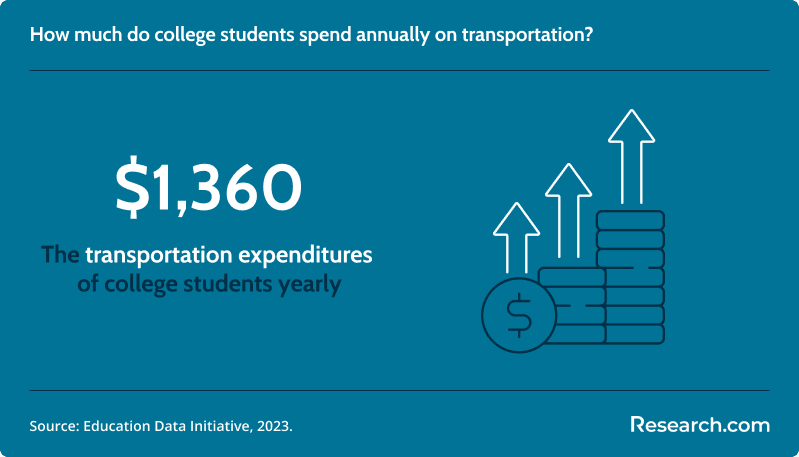
According to the Education Data Initiative, students who commute to college for in-person classes pay $1,360 per year in transportation costs, which online students do not incur. Students attending in-person classes also spend $600 more on a campus meal plan compared with preparing meals at home for an entire year.
What Is the Average Cost of a 1-Year Online Nurse Practitioner Program?
The cost of a 1-year online nurse practitioner program depends on the school, residency status, specialty track, number of credits, fees, and whether the program requires campus visits. In general, an online nurse practitioner master’s degree from an accredited institution averages around $17,000 annually. Online programs may also charge technology fees, although they can reduce commuting, housing, and some campus-based costs.
For public four-year colleges, an online degree is $31,165 cheaper than an in-person degree when comparing tuition and total cost of attendance. The cost of an online degree from a public university is roughly $54,183, compared with $85,348 for the same degree delivered in person.
Cost comparisons should not stop at tuition. Ask each school for a full estimated cost of attendance that includes clinical compliance expenses, books, equipment, background checks, immunization documentation, required travel, graduation fees, certification exam fees, and state licensure costs.
If you are also comparing affordability in education-related graduate study, Research.com provides a guide to cheap masters programs for teachers.
What Financial Aid Options Are Available for 1-Year Online Nurse Practitioner Students?
Students in accredited online nurse practitioner programs may be able to use several forms of financial aid, but eligibility depends on the school, enrollment status, degree level, and individual financial profile. Start by asking whether the program participates in federal financial aid and whether accelerated pacing affects aid disbursement.
Federal Work-Study Programs
Students can begin the federal aid process by completing the Free Application for Federal Student Aid, or FAFSA. Federal Work-Study may allow eligible students to earn money through part-time employment arranged through their college or university.
Military Benefits
Military service members and eligible veterans may have access to education benefits, credit opportunities, or loan repayment programs. Options such as the U.S. Army Reserve Minuteman Scholarship can cover full tuition or room and board costs in exchange for service.
Employer Tuition Assistance
Hospitals, clinics, and healthcare systems sometimes offer tuition assistance, scholarships, reimbursement, or compensation programs for nurses returning to school. Review the fine print carefully because some employers require a work commitment after graduation.
Affordable or Accelerated Program Selection
Choosing a lower-cost accredited public university or a shorter accelerated program can reduce total tuition exposure. Still, a shorter program is not automatically cheaper if per-credit tuition, fees, or travel requirements are high.
Students comparing low-cost education pathways outside nursing may also find Research.com’s guide to the cheapest teaching degree useful.
What Are the Prerequisites for a 1-Year Online Nurse Practitioner Program?
Admissions requirements vary by university and track, but accelerated nurse practitioner programs usually expect applicants to be academically prepared, licensed, and clinically experienced before beginning graduate-level advanced practice coursework.
- A Bachelor of Science in Nursing degree from an accredited nursing program
- A current registered nurse license in the state where you will complete your clinical hours
- One to two years of recent, relevant nursing experience
- Completion of prerequisite courses such as statistics, often with a minimum grade of "C"
- A minimum cumulative Grade Point Average (GPA) of 3.0 on a 4.0 scale
- Application materials such as official transcripts, a resume, a personal statement, and letters of recommendation
- Completion of 45-49 credits and around 650-800 clinical hours
If you still need prerequisite coursework or a more affordable nursing pathway before graduate study, review options for the cheapest online nursing prerequisites.
What Courses Are Common in a 1-Year Online Nurse Practitioner Program?
Accelerated NP programs compress advanced nursing theory, clinical reasoning, research, and specialty preparation into a short timeline. Course names differ by school, but most programs include the following graduate-level content areas.
Advanced Pharmacology for Nurse Practitioners
This course covers medication mechanisms, metabolism, excretion, therapeutic uses, safety considerations, and prescribing principles. NP students use this foundation to prepare for safe and effective medication management across patient populations.
Advanced Pathophysiology
Advanced pathophysiology examines the biological and physiological processes behind illness and health changes. Students study disease mechanisms at cellular and organ-system levels to support diagnosis, clinical judgment, and treatment planning.
Advanced Health Assessment
Students develop advanced assessment skills, including patient history taking, physical examination, interpretation of diagnostic findings, identification of normal and abnormal results, differential diagnosis development, and treatment planning.
Evidence-Based Practice
Evidence-based practice teaches students to evaluate research, combine clinical expertise with patient preferences, and apply high-quality evidence to improve patient outcomes and care quality.
Principles of Nursing Research
This course introduces the research process and its role in improving nursing science and clinical care. Students learn how to identify practice problems, form research questions, and evaluate published studies.
How Can You Balance Clinical Hours and Coursework in a 1-Year NP Program?
A 1-year nurse practitioner program is academically and logistically demanding because students must complete graduate coursework while also meeting clinical hour requirements. Success usually depends on planning clinical placements early and treating the program like a major professional commitment.
- Build a weekly and monthly calendar: Block time for readings, assignments, exams, clinical shifts, work hours, family responsibilities, and rest.
- Break large tasks into short deadlines: Divide case studies, papers, and clinical documentation into smaller milestones so the workload does not pile up.
- Use mobile and recorded learning tools: When available, recorded lectures, digital flashcards, and mobile resources can help you study during short gaps in your schedule.
- Connect clinical cases to coursework: Use approved and de-identified clinical experiences to strengthen discussion posts, care plans, and case-based assignments.
- Communicate early with your preceptor: Confirm expected hours, patient population exposure, documentation rules, and scheduling needs before the clinical term becomes crowded.
- Protect basic self-care: Sleep, nutrition, boundaries, and stress management are not optional in an accelerated clinical program.
What NP Specializations Are Available in 1-Year Online Programs?
Specialization determines the patient population you prepare to serve, the certification exam you pursue, and the clinical placements you need. Do not choose a track only because it is shorter or more convenient; choose one that fits your long-term practice goals and state requirements.
- Family Health: Prepares students to provide primary care to patients across the lifespan in varied outpatient and community settings.
- Adult-Gerontology: Focuses on adults and older adults, including acute and chronic health concerns common in these populations.
- Psychiatric Mental Health: Centers on assessment, diagnosis, and treatment of psychiatric disorders and mental health conditions.
- Women's/Gender-Related Health: Emphasizes reproductive health, gynecologic care, and health concerns related to sex and gender.
- Pediatrics: Prepares nurses to care for infants, children, and adolescents with attention to development and pediatric health needs.
Nurses interested in child health sometimes work closely with education and family-support professionals. If your broader career interests include early childhood development, you can also explore an affordable early childhood education degree online.
What Are Alternative Pathways to Becoming a Nurse Practitioner?
A traditional BSN-to-MSN nurse practitioner route is not the only option. Registered nurses with different academic backgrounds may be able to use bridge programs that build on prior nursing education and clinical experience. For example, RN to FNP programs can allow eligible registered nurses to move toward graduate-level family nurse practitioner preparation without first completing a separate traditional bachelor’s pathway.
Bridge programs can be especially useful for nurses balancing work, family, and school. Many combine online coursework with local clinical experiences, making them more accessible for students who cannot relocate or attend campus full time.
Before choosing a bridge route, confirm that the program leads to the correct degree, meets certification eligibility requirements, includes the required clinical hours, and is accepted by the board of nursing in the state where you plan to practice.
How to Choose the Best 1-Year Online Nurse Practitioner Program
The best accelerated NP program is the one that is accredited, affordable enough for your situation, aligned with your desired specialty, realistic for your schedule, and accepted for certification and licensure where you intend to work.
- Verify nursing accreditation. Look for recognized nursing accreditation, such as CCNE or the Accreditation Commission for Education in Nursing (ACEN).
- Match the track to your practice goal. Choose FNP, PMHNP, adult-gerontology, pediatrics, or another track based on the patients and settings you want to serve.
- Check admissions fit before applying. Confirm GPA rules, RN license requirements, prerequisite courses, experience expectations, and application materials.
- Calculate the full cost. Compare tuition, fees, travel, technology costs, clinical expenses, books, certification exams, and licensure costs.
- Ask how clinical placement works. Find out whether the school places students, provides leads, approves student-found sites, or leaves most of the search to you.
- Review faculty and student support. Look for accessible faculty, advising, technical support, writing resources, and clinical coordination help.
- Evaluate schedule flexibility. Determine whether courses are asynchronous, synchronous, lockstep, full time, or part time.
- Test the online learning environment. Make sure the platform, required software, and internet expectations work with your devices and schedule.
- Ask about outcomes. Request graduation rates, certification pass rates, employment support, and student retention information when available.
- Consider next-step credentials. If you may later pursue a certificate, DNP, or administrative role, ask whether credits apply to future study.
How Can You Evaluate the Quality of a 1-Year Online Nurse Practitioner Program?
Quality evaluation should begin with accreditation, but it should not end there. Review whether the curriculum balances advanced nursing theory, evidence-based practice, specialty preparation, and supervised clinical training. Ask who teaches the courses, what clinical partnerships exist, how students are supported during placement, and whether graduates are eligible for the relevant national certification exam.
Also compare graduation rates, employment data, student support services, and clinical placement policies with other accelerated nurse practitioner programs online. A fast program is only valuable if it prepares students for certification, licensure, and competent practice.
How Can You Move From a 1-Year NP Program to a Doctor of Nursing Practice Program?
After completing an accelerated NP program, some graduates continue into Doctor of Nursing Practice study to strengthen leadership, systems improvement, research translation, policy, and advanced clinical practice skills. DNP admission requirements vary, so ask whether your MSN credits, clinical hours, and certification status satisfy entry requirements.
If your goal is to move quickly into doctorate-level preparation, compare DNP accelerated programs that are designed for nurses who already have graduate-level advanced practice preparation.
What Additional Credentials Can Strengthen an NP Career?
Additional credentials can help nurse practitioners broaden their scope of expertise, shift specialties, or increase credibility in a focused area of practice. Post-master’s certificates are especially relevant for nurses who already hold graduate preparation but want another NP population focus without repeating an entire master’s program.
For example, FNP post-master's certificate programs online may help graduate-prepared nurses add family practice preparation and pursue additional professional certification where eligible.
Should You Consider an Online MSN MBA Dual Degree for an NP Career?
An online MSN MBA dual degree may make sense if your career goals include healthcare administration, operations leadership, practice management, consulting, or policy influence. The MBA component can add training in finance, strategy, organizational leadership, and management.
It may not be necessary if your primary goal is direct patient care. Before choosing a dual degree, compare the added cost and time against your desired role, employer expectations, and whether a DNP, certificate, or administrative experience would serve your goals more directly.
What Career Paths Are Available After a 1-Year Online Nurse Practitioner Program?
Career options depend on the NP specialty completed, certification earned, state scope-of-practice rules, clinical experience, and employer needs. Common paths include primary care, specialty clinics, hospitals, community health, behavioral health, pediatrics, and geriatric care.
- Family Nurse Practitioner (FNP): Provides primary care for individuals and families across the lifespan, including health promotion, disease prevention, and management of common acute and chronic conditions.
- Adult-Gerontology Nurse Practitioner (AGNP): Focuses on adults and older adults, including age-related conditions, chronic disease management, and healthy aging.
- Pediatric Nurse Practitioner (PNP): Provides care for infants, children, and adolescents.
- Psychiatric-Mental Health Nurse Practitioner (PMHNP): Assesses, diagnoses, and treats patients with psychiatric disorders and mental health conditions.
After gaining experience, some NPs pursue doctoral education. If that is part of your plan, compare easy DNP programs to get into with appropriate caution: admission accessibility should still be balanced against accreditation, clinical rigor, and career fit.
What Is the Job Market for Nurse Practitioner Graduates?
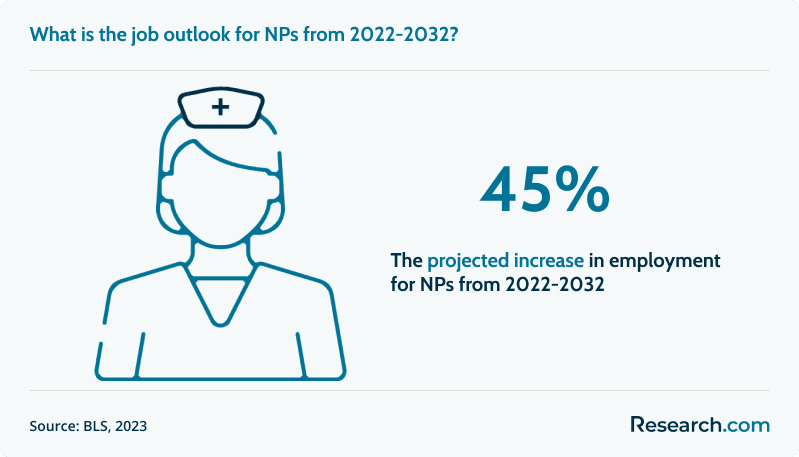
In 2022, the total employment of nurse practitioners (NPs) was 266,300. By 2032, NP employment is projected to reach 384,900, representing a 45% growth rate. In the same year, about 92% of NP jobs were in the private sector.
The chart below shows the highest employment of nurse practitioners in 2022.
Current Trends Affecting Nurse Practitioner Education
Several changes are shaping how nurses should evaluate accelerated online NP programs. Telehealth, remote patient monitoring, electronic health record tools, and AI-supported documentation are increasingly part of clinical workflows, so students should look for programs that prepare them to use technology responsibly while maintaining patient-centered care.
Employer expectations are also shifting toward measurable competencies, certification readiness, and comfort working in interdisciplinary care teams. At the same time, clinical placement availability can be competitive in some regions, making placement support one of the most important questions to ask before enrolling.
Which Is Better: A 1-Year or 2-Year Nurse Practitioner Program?
A 1-year NP program is better for experienced nurses who can commit to an intensive schedule and want to enter advanced practice as quickly as possible. A 2-year program may be better for students who need more time for work, family, clinical scheduling, or academic support.
| Choose a 1-year program if... | Choose a 2-year program if... |
| You can manage a fast, full-time academic and clinical workload. | You need a more sustainable pace while continuing to work. |
| You already meet admissions requirements and have relevant nursing experience. | You need time to complete prerequisites or strengthen academic readiness. |
| You have strong clinical placement options or the school provides reliable placement support. | You live in an area where securing clinical sites may take longer. |
| You are comfortable with compressed coursework and limited schedule flexibility. | You prefer more time for faculty interaction, studying, and skill development. |
| You want to reduce time away from higher-level earning potential. | You want to reduce burnout risk and spread costs over a longer period. |
Cost can cut both ways. A 1-year program may allow students to return to the workforce sooner, but accelerated programs may have higher per-credit tuition, intensive fees, and less room to reduce work hours gradually. Students comparing specialty-specific affordability can review cheapest online PMHNP programs.
What Determines the Cost of Becoming a Nurse Practitioner?
The cost of becoming a nurse practitioner depends on the degree route, school type, credit requirements, residency status, program format, specialty, clinical expenses, and licensing or certification costs. Students should also consider earlier nursing education expenses, especially if they are not yet an RN or are moving through multiple nursing credentials.
For learners comparing nursing entry routes, understanding related expenses such as LPN training cost can help clarify the total cost of a longer nursing career pathway.
What Is the Fastest Path to Becoming a Nurse Practitioner?
The fastest path depends on your current credentials. A licensed RN with a BSN and the required experience may be able to enter an accelerated MSN-NP program directly. An RN without a BSN may need a bridge program. A non-nurse must first complete nursing education, become licensed as an RN, and then pursue graduate NP preparation.
- Accelerated nurse practitioner programs: These programs condense graduate coursework and clinical training into a shorter schedule. Some students can complete an NP degree in one year, depending on prior education, experience, and program design.
- Bridge programs for registered nurses: RNs may qualify for bridge pathways that build on existing nursing knowledge and clinical experience. Some bridge programs can be completed in 12 to 18 months, depending on specialization and structure.
- Specialization choice: Each NP track has its own coursework and clinical expectations. Compare actual credit and clinical-hour requirements instead of assuming one specialty is automatically faster.
- Clinical placement logistics: Even in a short program, required clinical hours and residency-style experiences can affect completion time. Programs with strong placement support may help students avoid delays.
If speed is your main concern, compare pathways carefully using this guide to the shortest time to become a nurse practitioner.
What Licensing and Certification Steps Come After a 1-Year Online NP Program?
After graduating from a 1-year online nurse practitioner program, candidates typically need to pass a national certification exam in their specialty area through a recognized certification body such as the American Association of Nurse Practitioners or the American Nurses Credentialing Center. Certification is separate from state licensure, and both are important for practice.
State licensure requirements vary. Graduates may need to submit official transcripts, proof of program completion, clinical hour documentation, background checks, fees, and continuing education information. Always check the state board of nursing where you plan to practice before enrolling and again before graduation.
If you are still researching nursing school access points, you may also find this article helpful: What college has the highest acceptance rate to nursing?
What Is the Return on Investment of a 1-Year Online Nurse Practitioner Program?
The return on investment of a 1-year online NP program depends on total cost, time to completion, lost or reduced work income during school, certification success, job opportunities, and long-term career goals. A faster program may help graduates move into advanced practice sooner, but higher tuition or clinical placement delays can reduce that advantage.
Before enrolling, compare each program’s total cost against outcomes such as graduation rates, certification preparation, employer relationships, clinical support, and alumni career paths. If you need to strengthen your nursing education before entering graduate study, explore easy BSN bridge programs online to get into.
Common Mistakes to Avoid When Choosing a 1-Year Online NP Program
- Assuming online means fully remote: Some programs require campus intensives, skills labs, orientation sessions, or in-person assessments.
- Ignoring clinical placement policies: A short program can become delayed if you cannot secure approved preceptors or sites.
- Looking only at tuition: Fees, travel, books, background checks, equipment, exam costs, and licensure expenses can change the true price.
- Choosing a track before confirming state rules: Certification eligibility and scope of practice can vary by state and specialty.
- Relying only on rankings: Rankings are useful, but the best program for you must fit your state, schedule, specialty, and budget.
- Underestimating the workload: Accelerated NP programs require serious time management, especially when clinical hours begin.
- Assuming salary outcomes are guaranteed: Earnings depend on specialty, location, experience, employer, scope of practice, and market conditions.
Questions to Ask Before Applying
- Is the program accredited by CCNE or ACEN?
- Does the program meet requirements in the state where I plan to complete clinical hours and practice after graduation?
- Who is responsible for finding clinical placements?
- How many campus visits, intensives, or in-person requirements are required?
- What is the total cost of attendance, including fees and clinical expenses?
- What certification exam does the program prepare graduates to take?
- What are the graduation and certification pass rates?
- Can I realistically work while enrolled in this accelerated format?
- Are courses asynchronous, synchronous, or a mix of both?
- What support is available if a clinical placement falls through?
References
- Bureau of Labor Statistics, U.S. Department of Labor. (2023). A look at nurse practitioners for National Nurse Practitioner Week. The Economics Daily. Retrieved May 29, 2024, from https://www.bls.gov/opub/ted/2023/a-look-at-nurse-practitioners-for-national-nurse-practitioner-week.htm
- Bureau of Labor Statistics, U.S. Department of Labor. (2023). Occupational employment and wages, May 2023: 29-1171 nurse practitioners. Retrieved May 29, 2024, from https://www.bls.gov/oes/current/oes291171.htm
- Bureau of Labor Statistics, U.S. Department of Labor. (2024). Occupational Outlook handbook: Nurse anesthetists, nurse midwives, and nurse practitioners. Retrieved May 29, 2024, from https://www.bls.gov/ooh/healthcare/nurse-anesthetists-nurse-midwives-and-nurse-practitioners.htm
- Hanson, M. (2023, August 23). Cost of online education vs. traditional education. EducationData.org. Retrieved May 29, 2024, from https://educationdata.org/cost-of-online-education-vs-traditional-education
- Indeed Editorial Team. (2024). 11 of the highest-paid types of nurse practitioners (FAQ). Indeed. Retrieved May 29, 2024, from https://www.indeed.com/career-advice/finding-a-job/highest-paid-types-of-nurse-practitioners
- Insel, T. (2023, December 8). America’s mental health crisis. The Pew Charitable Trusts. Retrieved May 29, 2024, from https://www.pewtrusts.org/en/trend/archive/fall-2023/americas-mental-health-crisis
- Salary.com. (2024). Nurse practitioner salary in the United States. Retrieved May 29, 2024, from https://www.salary.com/research/salary/benchmark/nurse-practitioner-salary
Key Insights
- A 1-year online nurse practitioner program is best for licensed, experienced nurses who can handle a compressed graduate schedule and complete clinical requirements without delays.
- Accreditation, certification eligibility, and state licensure fit matter more than speed. Verify all three before applying.
- Clinical placement support can make or break an accelerated NP timeline. Ask exactly what the school does and what you must arrange yourself.
- Total cost should include more than tuition. Add fees, technology, travel, clinical compliance, certification exams, and licensure expenses.
- Online NP programs can reduce commuting and relocation barriers, but many still require in-person clinical hours and may include campus intensives.
- The best specialization is the one that matches your intended patient population, preferred work setting, and long-term career plan.
- A faster program may improve ROI by shortening time to advanced practice, but only if the program is affordable, accredited, clinically feasible, and aligned with your state’s requirements.
Other Things You Should Know About Nurse Practitioner Online Programs
In 2027, most 1-year nurse practitioner online programs require at least 500 clinical hours. These hours are crucial for hands-on training and must be completed in a healthcare setting approved by the program, ensuring students gain practical experience.
Most 1-year nurse practitioner online programs do not require a standardized entrance exam such as the GRE. Schools usually ask for an active RN license, a BSN or MSN, a minimum GPA around 3.0, current CPR certification, and recent clinical nursing experience.


