2027 What is a Labor and Delivery Nurse?

Co-Founder and Chief Data Scientist
Becoming a labor and delivery nurse is a strong option for registered nurses who want to work directly with birthing patients, newborns, families, and obstetric care teams. This specialty is rewarding, but it is also high-pressure: nurses must monitor maternal and fetal status, respond quickly to complications, communicate clearly with physicians and families, and provide steady emotional support during one of the most important medical events in a patient’s life.
The need for skilled obstetric nurses remains important as hospitals, birthing centers, and maternal care units continue to manage staffing pressures and complex patient needs. The CDC records that the U.S. has a fertility rate of 1,627 births per 1,000 women, which means maternity care continues to require nurses who can combine clinical judgment with compassion and calm decision-making. If you are asking, “What can I do with a BSN degree?” labor and delivery nursing is one path where a nursing degree can lead to direct patient care, specialty certification, leadership opportunities, and advanced practice options.
This guide explains how to become a labor and delivery nurse, what the job involves, how education and certification choices affect your career path, what salary ranges look like, and how to decide whether this specialty is the right fit for your long-term nursing goals.
Labor and Delivery Nurse Table of Contents
- How to Become a Labor and Delivery Nurse
- What to Expect as a Labor and Delivery Nurse
- Labor and Delivery Nurse Jobs and Related Roles
- Labor and Delivery Nurse Salary
- Career Advancement Strategies for Labor and Delivery Nurses
- Common Challenges in Labor and Delivery Nursing
- Labor and Delivery Nurse Career Outlook
- Legal and Ethical Issues in Labor and Delivery Nursing
- Cultural Competence in Maternal and Newborn CareLegal considerations for L&D nursesCareer outlook for registered nurses
- Emerging Labor and Delivery Nursing Trends for 2026
- Using Transfer Credits to Enter the Field Faster
- Are RN to BSN Programs Difficult?
- Work-Life Balance for Labor and Delivery Nurses
- Funding Your Labor and Delivery Nursing EducationEducation funding options
- Choosing the Right Education Path
- Advanced Degrees for Labor and Delivery NursesNursing education pathway comparison
Quick Answer: How Do You Become a Labor and Delivery Nurse?
To become a labor and delivery nurse, you generally need to complete an approved nursing program, earn an ADN or BSN, pass the NCLEX-RN, obtain an RN license, and gain clinical experience in maternal, obstetric, postpartum, or acute care nursing. Many employers prefer or require a BSN for labor and delivery roles, and specialized certifications can make applicants more competitive after they have built experience.
| Step | What You Need to Do | Why It Matters |
| 1. Earn a nursing degree | Complete an ADN or BSN from a state-approved nursing program. | This is the academic foundation required to qualify for RN licensure. |
| 2. Pass the NCLEX-RN | Take and pass the national registered nurse licensing exam. | Passing the exam is required before you can practice as an RN. |
| 3. Obtain RN licensure | Apply through your state board of nursing. | Licensure allows you to work legally as a registered nurse. |
| 4. Build clinical experience | Start in obstetrics, postpartum, medical-surgical, women’s health, or another relevant unit. | Labor and delivery units often seek nurses who can handle fast-changing clinical situations. |
| 5. Add specialty credentials | Consider obstetric, fetal monitoring, neonatal resuscitation, or related certifications. | Certifications can demonstrate readiness for higher-acuity maternity care roles. |
How to Become a Labor and Delivery Nurse
The route to labor and delivery nursing depends on your current education level, state licensing rules, and how quickly you want to enter registered nursing practice. For most students, the process takes about four to five years, though the timeline can vary by program format, transfer credits, clinical placement availability, and whether you choose an ADN or BSN. When comparing healthcare colleges and programs, make sure the nursing program is approved by the state board of nursing and prepares graduates for the NCLEX-RN.
Labor and delivery nursing requires more than technical competence. Nurses in this specialty must communicate under pressure, recognize subtle changes in maternal and fetal condition, and support patients whose birth plans, pain levels, cultural expectations, or medical needs may change quickly. These interpersonal skills are also essential across healthcare careers; for example, students researching the steps to become a dentist will find that patient communication, ethical judgment, and steady decision-making are just as important in dentistry as they are in nursing.
Essential Skills for Labor and Delivery Nurses
- Patience. Labor can be long, unpredictable, and emotionally intense. Nurses need patience when coaching patients through contractions, explaining unexpected changes to families, and staying composed during urgent situations such as emergency cesarean deliveries or premature births.
- Empathy. Many patients remember their labor nurse for years because that nurse helped them feel seen, heard, and supported. Empathy helps nurses build trust, respond to fear or pain with respect, and create a safer emotional environment during childbirth.
- Adaptability. A birth plan can change within minutes. Labor and delivery nurses must adjust when patients need induction, fetal monitoring changes, surgical delivery, neonatal support, or higher-level intervention.
- Clinical decision-making. Nurses in this specialty often assess time-sensitive information and escalate concerns quickly. Sound judgment is essential when monitoring fetal heart patterns, maternal vital signs, bleeding, medication response, and signs of distress.
- Cultural awareness. Birth practices, family involvement, modesty expectations, pain management preferences, and postpartum traditions can vary widely. Culturally responsive nurses ask respectful questions, avoid assumptions, and adapt care when safe and appropriate.
Education Requirements: ADN vs. BSN
Labor and delivery nurses must first qualify as registered nurses. The two most common entry-level degree options are the Associate Degree in Nursing and the Bachelor of Science in Nursing. Both can lead to RN licensure if the program is approved by the state board of nursing, but they differ in duration, depth, and long-term flexibility.
| Path | Typical Length | Best For | Career Considerations |
| Associate Degree in Nursing | Typically two years | Students who want a faster and often lower-cost route to RN licensure | Can qualify graduates for the NCLEX-RN, but some labor and delivery employers prefer BSN-prepared nurses. |
| Bachelor of Science in Nursing | Usually requires two additional years beyond an ADN pathway | Students who want stronger preparation for specialty roles, leadership, graduate school, or competitive hospital positions | A BSN may improve access to labor and delivery roles and is commonly expected for advancement or future graduate nursing study. |
- Complete an ADN or BSN. Labor and delivery nursing begins with formal nursing education. An ADN may provide a quicker entry into RN practice, while a BSN offers broader preparation in leadership, research, community health, and complex care. Students who are comparing future healthcare pathways may also review options such as online physician assistant programs, but labor and delivery nursing specifically requires RN preparation and licensure.
- Pass the NCLEX-RN and obtain an RN license. After graduating from an approved nursing program, you must pass the NCLEX-RN and meet your state’s licensing requirements. Once licensed, many nurses gain experience in postpartum care, women’s health, medical-surgical nursing, emergency care, or another unit before moving into labor and delivery.
Certifications and Advanced Education
- Consider specialty certification after gaining experience. Certification is not always required for entry into labor and delivery, but it can strengthen your qualifications. The Inpatient Obstetric Nursing Certification from the National Certification Corporation requires at least two years of professional experience, 2,000 hours of specialty experience in patient intake, labor, delivery, and postpartum care, and an RN license.
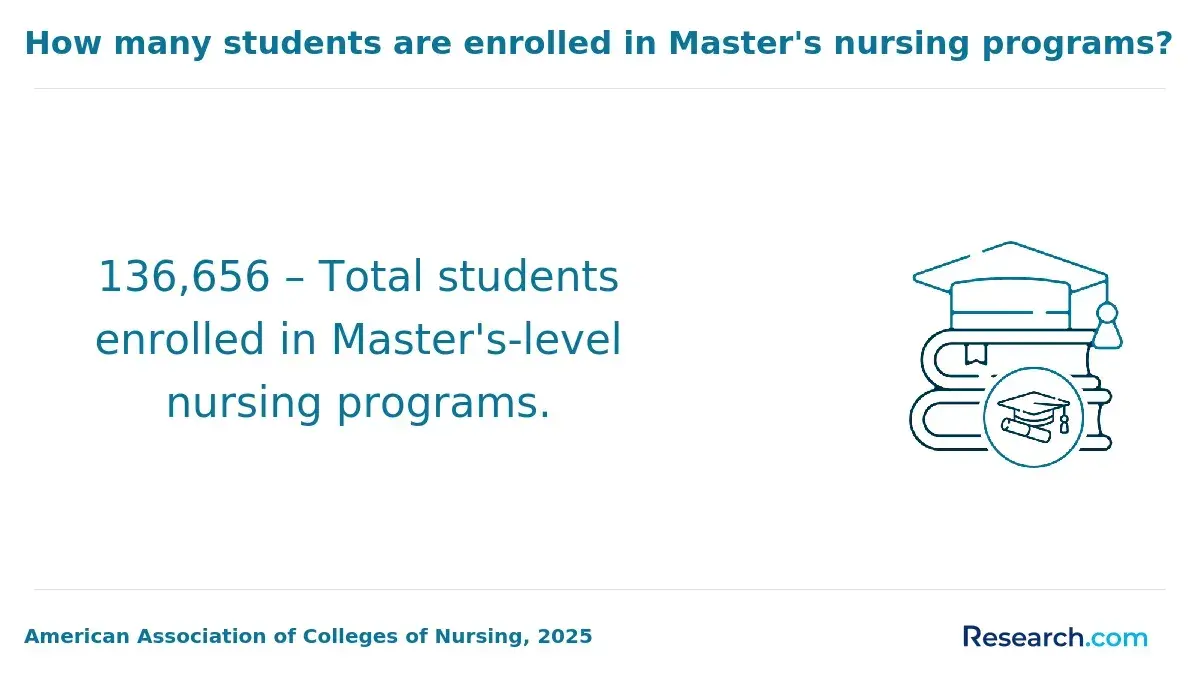
- Use graduate education strategically. Advanced education can prepare nurses for leadership, teaching, advanced practice, quality improvement, and specialized maternal care roles. The Journal of Nursing Regulation reports that RNs who pursued master’s degrees increased from 15.8% to 20.6%, showing stronger interest in graduate nursing education. Nurses who want to move beyond bedside care may pursue an MSN degree and consider roles such as nurse educator, nurse administrator, clinical nurse specialist, certified registered nurse anesthetist, advanced practice registered nurse, or certified nurse-midwife. Some nurses also broaden their knowledge through related fields, including the best nutrition graduate programs, when nutrition, maternal health, and patient education align with their goals.
What to Expect as a Labor and Delivery Nurse
A labor and delivery nurse cares for birthing patients before, during, and immediately after delivery. The work usually takes place in hospitals, although nurses may also work in birthing centers or home birth settings depending on licensure, employer policy, and local practice rules. The Association of Women’s Health, Obstetrics and Neonatal Nurses states that nurses should care for only three patient-baby couplets per shift in staffing standards, helping protect time for assessment, support, and safe care. Many labor and delivery nurses work 12-hour shifts, which can be demanding but may also create longer stretches away from work.
The job is clinically complex and emotionally meaningful. One shift may involve routine monitoring and patient education, while another may require rapid response to fetal distress, hemorrhage risk, hypertensive complications, unplanned surgery, or newborn resuscitation.
Responsibilities Across the Childbirth Care Continuum
| Stage | What Labor and Delivery Nurses Do | Key Skills Used |
| Antepartum | During the 40-week period between conception and labor, nurses may monitor maternal and fetal health, check vital signs, assist with ultrasounds and fetal assessments, and respond to pregnancy-related concerns. | Assessment, patient education, risk recognition, communication |
| Intrapartum | During active labor, birth, and placenta delivery, nurses monitor contractions and fetal status, support pain management, communicate with physicians, prepare for delivery, and respond to plan changes such as cesarean birth or other interventions. | Rapid decision-making, fetal monitoring, teamwork, emergency preparedness |
| Postpartum | After delivery, nurses observe recovery, monitor bleeding and vital signs, support bonding and feeding, educate patients, and identify concerns that may require lactation, mental health, or medical follow-up. | Observation, emotional support, teaching, escalation of concerns |
| Neonatal | Newborn care can range from routine assessment to support for premature, high-risk, or medically fragile infants. Some nurses develop stronger neonatal skills or move into NICU practice. | Newborn assessment, respiratory support awareness, family education, coordination with neonatal teams |
- Antepartum. Before labor begins, nurses may help assess the health of the pregnant patient and fetus, document vital signs, assist with fetal testing, and provide individualized support based on the patient’s pregnancy risks and needs.
- Intrapartum. During active labor and delivery, nurses are core members of the birth team. They monitor labor progress, communicate changes, help prepare for vaginal, breech, or cesarean delivery, and respond when complications emerge.
- Postpartum. After birth, nurses monitor recovery, educate patients about physical and emotional changes, support breastfeeding or other feeding plans, and connect families with resources such as lactation consultants or mental health professionals when needed.
- Neonatal. Newborn care may involve routine monitoring or higher-level intervention depending on the infant’s condition. Labor and delivery nurses may support low-risk newborns, premature infants, assisted ventilation needs, post-operative care, or critical neonatal situations.
Where Labor and Delivery Nurses Work
- Hospitals. Most labor and delivery nurses work in hospitals, including maternity wards, delivery rooms, nurseries, and neonatal care units. This is also where many graduates of programs such as the best online FNP program pathways eventually practice in broader healthcare roles.
- Birthing centers. Birthing centers often emphasize wellness-focused and lower-intervention childbirth. Nurses in these settings provide monitoring, comfort measures, education, and coordination with midwives or physicians when transfer or escalation is needed.
- Patients’ homes. Some nurses support home births, depending on state rules, employer policies, and care team structure. Home-based maternity care requires strong assessment skills, careful preparation, and clear emergency transfer planning.
What jobs can an L&D nurse get?
Labor and delivery experience can lead to several roles in maternity, newborn, women’s health, and neonatal care. Some positions are direct bedside roles, while others involve management, education, or private newborn support.
| Role | Main Focus | Typical Setting |
| Labor and delivery nurse | Care for birthing patients during labor, delivery, and immediate recovery | Hospitals, birthing centers |
| OB/GYN nurse | Support prenatal, reproductive, and postpartum care | Clinics, hospitals, OB/GYN practices |
| Maternity nurse | Assist during pregnancy, labor, delivery, and early postpartum care | Hospitals, private care, maternity units |
| NICU nurse | Care for premature, medically fragile, or critically ill newborns | Neonatal intensive care units |
| Infant nursery manager | Oversee nursery operations, staff, compliance, and care quality | Hospital nursery units |
| Newborn care specialist | Support families with newborn routines, feeding, sleep, and overnight care | Private homes, family support settings |
- OB/GYN nurses. OB/GYN nurses assist with prenatal and postpartum care, often working closely with physicians. They may perform fetal monitoring, administer medications, educate pregnant patients, support labor teams, and help families understand newborn care.
- Maternity nurses. Maternity nurses focus on monitoring, comfort, patient education, and coordination during pregnancy, labor, birth, and the immediate postpartum period. They may support medication administration, vital sign monitoring, feeding education, and care planning.
- NICU nurses. NICU nurses care for premature and medically complex infants who require continuous monitoring. The CDC reported a preterm birth rate of 10.41%, underscoring the importance of skilled neonatal nurses. NICU nurses administer tests and medications, monitor infant progress, and teach parents how to care for newborns with medical challenges.
- Infant nursery managers. These managers supervise nursery operations, staffing, supplies, records, compliance, equipment, and care quality. They also help train staff and coordinate with other hospital units.
- Newborn care specialists. Newborn care specialists help families during the early weeks of a baby’s life. They may provide overnight support, help establish feeding and sleep routines, educate parents, and reduce stress during the immediate postpartum transition.
How much does a labor and delivery nurse make?
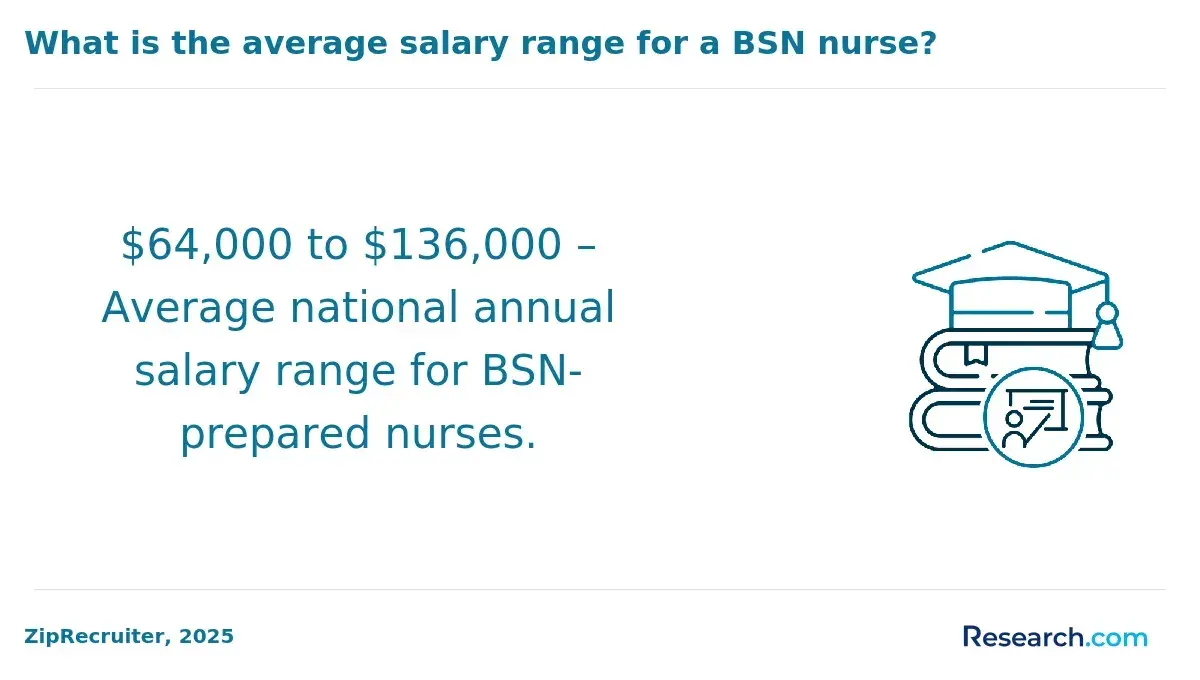
Labor and delivery nurse pay depends on location, employer, shift differentials, union contracts, years of experience, education level, certifications, and the acuity of the unit. Registered nurses earn an average of $93,600 annually. L&D nurses receive an average salary of $114,415, and pay can reach up to $170,500 for nurses with more experience, credentials, or specialized responsibilities.
Advanced practice roles may pay more, but they also require graduate education, clinical preparation, and additional certification or licensure. Labor and delivery nurses who become nurse practitioners and nurse midwives can expect average yearly salaries of $129,210 and $128,790, respectively.
| Role or Category | Salary Figure Stated | Important Context |
| Registered nurses | $93,600 annually | General RN average; individual pay varies by workplace and region. |
| Labor and delivery nurses | $114,415 average salary | Specialty experience, credentials, and local demand can influence earnings. |
| Experienced or highly credentialed L&D nurses | Up to $170,500 | Higher salaries are not guaranteed and may reflect specific markets, shifts, or advanced qualifications. |
| Nurse practitioners | $129,210 average yearly salary | Requires graduate-level advanced practice preparation. |
| Nurse midwives | $128,790 average yearly salary | Requires specialized graduate education and credentialing. |
Strategies for Advancing Your Career as a Labor and Delivery Nurse
Career growth in labor and delivery usually comes from a combination of clinical experience, specialty credentials, leadership exposure, and additional education. The best path depends on whether you want to remain at the bedside, move into management, teach other nurses, or become an advanced practice provider.
- Earn relevant certifications. Credentials such as Neonatal Resuscitation Program training, Electronic Fetal Monitoring certification, and obstetric nursing certification can show employers that you are prepared for higher-acuity maternity care.
- Consider BSN completion if you entered through an ADN. Nurses who already hold RN licensure may use an RN to BSN pathway to strengthen leadership, research, and population health knowledge. A flexible option such as an RN to BSN online in 6 months program may appeal to working nurses who want a faster completion route.
- Build a professional network. Mentors in obstetrics, postpartum care, NICU, midwifery, and women’s health can help you understand hiring expectations, prepare for interviews, and identify growth opportunities.
- Pursue leadership experience. Charge nurse, preceptor, unit educator, and quality improvement roles can prepare you for management or graduate study.
- Document specialty achievements. Keep a record of certifications, continuing education, high-risk experience, committee work, and patient safety initiatives. These details can strengthen your resume and annual evaluations.
What are the common challenges and how can labor and delivery nurses overcome them?
Labor and delivery nursing can be physically demanding, emotionally intense, and clinically unpredictable. Nurses may support joyful births, traumatic outcomes, emergency surgeries, high-risk pregnancies, and grieving families in the same week. This makes resilience, teamwork, and structured support essential.
| Challenge | Why It Happens | Practical Response |
| Rapid clinical changes | Maternal or fetal status can shift quickly during labor. | Use clear escalation protocols, maintain strong fetal monitoring skills, and practice simulation scenarios. |
| Emotional strain | Birth can involve fear, trauma, grief, conflict, or unexpected outcomes. | Use debriefing, peer support, counseling resources, and healthy boundaries. |
| Communication pressure | Patients, families, physicians, midwives, doulas, and neonatal teams may all need timely updates. | Use structured communication tools and confirm shared understanding during urgent changes. |
| Burnout risk | Long shifts, night work, staffing gaps, and high-acuity cases can accumulate. | Protect rest days, seek unit-level support, monitor signs of compassion fatigue, and rotate duties when possible. |
| Entry barriers | Labor and delivery units may prefer nurses with hospital or maternal care experience. | Start in postpartum, women’s health, medical-surgical, or another unit while building relevant certifications and mentorship. |
If you are still deciding how to enter nursing quickly, reviewing the quickest way to become a nurse can help you compare accelerated and traditional options before choosing a route into labor and delivery.
Labor and Delivery Nurse Career Outlook
The broader nursing labor market remains favorable for registered nurses, including those who specialize in labor and delivery. The healthcare industry is facing a nurse shortage, and recent data projects a 5% increase in job demand for nurses through 2034, with 189,100 openings for registered nurses per year in the next decade. Many openings are expected because employers need to replace nurses who retire or move into other occupations.
For labor and delivery nurses, demand can vary by region, hospital birth volume, unit staffing models, and access to maternal care services. Candidates with strong acute care experience, fetal monitoring skills, postpartum knowledge, and specialty credentials may be better positioned for competitive openings.
What are the legal and ethical considerations in labor and delivery nursing?
Labor and delivery nurses work in an area where consent, patient autonomy, documentation, privacy, emergency decision-making, and family involvement must be handled carefully. Nurses need to understand their state scope of practice, hospital policies, federal privacy rules, and professional standards for maternal and newborn care.
- Informed consent. Nurses often reinforce education, answer questions, and verify that patients understand procedures, but they must work within policy and provider responsibilities.
- Patient autonomy. Birthing patients have the right to participate in decisions whenever possible, even when a care team recommends a change in plan.
- Accurate documentation. Labor progress, fetal monitoring, medication administration, patient teaching, provider communication, and changes in condition must be documented clearly.
- Privacy and family boundaries. Nurses may need to manage who is allowed in the room, what information can be shared, and how to protect patient confidentiality.
- Professional boundaries. Emotional closeness is common in birth care, but nurses must maintain professional judgment and avoid conflicts of interest.
Nurses who want deeper preparation in advanced clinical responsibility, ethics, and maternal-neonatal decision-making may explore bridge options such as ASN to NP programs online, especially if they plan to move into advanced practice.
How can labor and delivery nurses promote cultural competence in patient care?
Cultural competence in labor and delivery means providing safe, respectful, individualized care without assuming that all patients want the same birth experience. Nurses should ask about preferences, explain clinical recommendations clearly, use qualified interpreters when needed, and recognize that culture, faith, family structure, trauma history, and identity can shape how patients experience childbirth.
- Ask before assuming. Questions about support people, modesty, pain relief, feeding, postpartum customs, and spiritual practices can prevent misunderstandings.
- Use clear language. Avoid jargon when explaining monitoring, medication, induction, cesarean birth, or newborn procedures.
- Respect safe preferences. When patient requests do not compromise safety, nurses can help incorporate them into the care plan.
- Recognize inequities. Maternal health outcomes are affected by access, bias, communication, and trust. Nurses play an important role in listening carefully and escalating concerns.
- Continue formal learning. Coursework and diverse clinical experiences, including programs connected to HBCU DNP programs, can strengthen cultural humility and leadership in equitable care.
How can you transition into a labor and delivery nursing career from other healthcare professions?
Healthcare workers such as CNAs, medical assistants, paramedics, doulas, lactation support workers, and allied health professionals may already have patient care experience that can help them move toward labor and delivery nursing. However, they still need to become licensed registered nurses before working independently in an L&D nursing role.
- Review your current credentials. Identify whether you already have college credits, patient care hours, CPR training, or prerequisite science courses that may apply to nursing admission.
- Choose an RN pathway. Depending on your background, you may pursue an ADN, BSN, accelerated BSN, or direct-entry graduate pathway.
- Gain general nursing experience. If you cannot enter labor and delivery immediately, build strong assessment and prioritization skills in medical-surgical, emergency, women’s health, postpartum, or pediatric settings.
- Add obstetric training. Seek fetal monitoring education, neonatal resuscitation preparation, postpartum care exposure, and mentorship from experienced L&D nurses.
- Apply strategically. Highlight transferable skills such as patient communication, crisis response, documentation, vital sign monitoring, and family education.
If you do not yet hold a nursing credential, online ADN programs for non-nurses may offer a flexible way to begin preparing for RN licensure and eventual labor and delivery specialization.
What are the emerging trends and advancements in labor and delivery nursing for 2026?
Labor and delivery nursing is being shaped by technology, patient-centered care models, safety initiatives, mental health awareness, and a stronger emphasis on equitable maternity care. Nurses who keep their skills current are better prepared to work in complex maternity units and adapt to changing employer expectations.
Key trends affecting labor and delivery nurses
- Telehealth and remote monitoring. Some maternity teams use virtual visits and remote monitoring to support patients, especially those with high-risk pregnancies or access barriers.
- Expanded pain management options. Nurses may support both pharmacological and non-pharmacological approaches, including breathing techniques, movement, water-based comfort measures, aromatherapy, and hypnobirthing when available and appropriate.
- Greater attention to mental health. Screening for postpartum depression, anxiety, trauma, and adjustment concerns is increasingly integrated into maternal care workflows.
- Cultural competence and equity. Hospitals are paying closer attention to respectful maternity care, communication quality, and disparities in maternal outcomes.
- More technology in delivery rooms. Advanced monitoring tools and AI-supported analytics may help teams identify risks earlier, but nurses still need strong clinical judgment and careful validation of alerts.
- Sustainability in maternity units. Some hospitals are trying to reduce waste and use resources more efficiently while maintaining patient safety.
- Interprofessional care models. Nurses, physicians, midwives, doulas, lactation consultants, mental health professionals, and neonatal teams increasingly collaborate around the patient’s goals and clinical needs.
Why staying current matters
- It can improve patient safety by helping nurses recognize risks sooner.
- It supports stronger collaboration across obstetric and neonatal teams.
- It helps nurses remain competitive for specialty, charge nurse, educator, and leadership roles.
- It prepares nurses to meet changing hospital policies, accreditation expectations, and patient care standards.
How Can I Leverage Transfer Options to Enter Labor and Delivery Nursing Faster?
Transfer credits can shorten your path into nursing if you have completed prerequisite courses, hold a prior degree, or have relevant healthcare coursework. The key is to confirm transfer policies before enrolling, because schools vary in how they evaluate anatomy, physiology, microbiology, statistics, psychology, and general education credits.
- Request an official transfer evaluation. Do this before committing to a program so you know which credits will actually count.
- Check science course expiration rules. Some nursing programs require recent completion of lab sciences.
- Ask about clinical placement timing. Even with transfer credit, limited clinical seats can affect your graduation date.
- Compare total cost, not just tuition. Fees, uniforms, background checks, exams, commuting, and lost work hours can change affordability.
- Confirm board approval. A faster program is not worth it if it does not meet licensure requirements in your state.
Students looking for flexible transfer-friendly options can review the easiest nursing programs to transfer into while still verifying accreditation, licensure preparation, and clinical quality.
Are RN to BSN Programs Truly Challenging?
RN to BSN programs can be challenging, but the difficulty usually comes from balancing coursework with nursing shifts, family responsibilities, and clinical or project requirements rather than from starting nursing concepts from scratch. Students typically study leadership, community health, evidence-based practice, nursing research, population health, ethics, and healthcare systems.
Working nurses can improve their chances of success by creating a weekly study schedule, using employer tuition support if available, choosing a realistic course load, and asking current students how much writing, group work, and practicum time the program requires. For a closer look at expectations, review How hard can RN to BSN programs get?
How Can Labor and Delivery Nurses Achieve Work-Life Balance?
Work-life balance is difficult in labor and delivery because shifts can be long, emotionally intense, and unpredictable. Nurses may work nights, weekends, holidays, and overtime, and they may carry the emotional weight of traumatic births or emergency cases. Sustainable practice requires intentional recovery, supportive leadership, and realistic boundaries.
- Protect recovery after difficult shifts. Sleep, hydration, nutrition, and decompression time are not optional in a high-stress specialty.
- Use peer support and debriefing. Talking through complex or traumatic cases can reduce isolation and help nurses process what happened.
- Set communication boundaries. Avoid constantly checking work messages during off time unless your role requires it.
- Watch for burnout signs. Emotional numbness, dread before shifts, irritability, sleep disruption, and compassion fatigue should be taken seriously.
- Compare career demands honestly. If you are weighing other nursing specialties, exploring areas such as how much do aesthetic nurses make can help you understand how pay, schedule, stress, and patient acuity differ across nursing paths.
How can you fund your labor and delivery nursing education?
Nursing education can be expensive, especially when students add licensing fees, textbooks, equipment, exam preparation, transportation, and reduced work hours. Start with the most affordable accredited route that still supports your career goals, then layer financial aid and employer support when available.
| Funding Option | How It Helps | What to Check |
| Federal financial aid | May provide grants, loans, or work-study eligibility. | Complete the required aid application and confirm school eligibility. |
| Scholarships | Can reduce out-of-pocket cost without repayment. | Look for nursing, women’s health, minority nursing, local hospital, and state association awards. |
| Employer tuition reimbursement | Hospitals may help pay for BSN completion or graduate nursing education. | Ask about work commitments, grade requirements, annual caps, and eligible programs. |
| Community college ADN pathway | May reduce initial nursing education costs. | Confirm NCLEX-RN preparation and whether you plan to complete a BSN later. |
| Online or hybrid options | Can reduce commuting and improve scheduling flexibility. | Verify clinical requirements, state authorization, accreditation, and licensure alignment. |
Nurses planning advanced practice careers should compare tuition carefully across graduate options, including cost-conscious pathways such as cheap online FNP programs, while confirming that the program fits their licensure and career goals.
How to Choose the Right Educational Path for a Labor and Delivery Nursing Career
The best education path depends on your starting point. A high school graduate, an LPN, an ADN-prepared RN, a bachelor’s degree holder in another field, and a working healthcare professional will not all need the same route.
| Your Starting Point | Possible Path | When This Makes Sense |
| No nursing degree | ADN or BSN | You need initial RN preparation and want to qualify for the NCLEX-RN. |
| Prior bachelor’s degree in another field | Accelerated BSN or direct-entry MSN | You want to use prior college credits to move into nursing more efficiently. |
| Licensed RN with ADN | RN to BSN | You want stronger hiring flexibility, leadership preparation, or graduate school eligibility. |
| Experienced RN | MSN, DNP, or specialty certification | You want to move into advanced practice, education, management, or specialty leadership. |
Students without a nursing background may consider direct-entry programs if they already hold a non-nursing degree. Flexible options such as the shortest direct entry MSN online programs for non-nurses can help some career changers move into nursing, but applicants should verify clinical placement support, state authorization, accreditation, and whether the program’s outcomes match their goals.
Questions to ask before choosing a nursing program
- Is the program approved by the state board of nursing where I plan to seek licensure?
- What is the program’s NCLEX-RN preparation process?
- Does the program offer maternity, newborn, or women’s health clinical exposure?
- How are clinical placements assigned, and are they guaranteed?
- Will my transfer credits apply, and will any science courses expire?
- What is the total cost after fees, supplies, transportation, and lost work time?
- Do local hospitals prefer BSN-prepared nurses for labor and delivery roles?
- Can I continue into an MSN, DNP, or nurse-midwifery pathway later?
What Advanced Degree Options Can Accelerate Your Career in Labor and Delivery Nursing?
Advanced degrees can help labor and delivery nurses move into roles that involve broader clinical decision-making, education, leadership, quality improvement, policy, or advanced practice. The right degree depends on the role you want, not just the credential’s prestige.
| Advanced Option | Potential Career Direction | Best Fit |
| MSN | Nurse educator, nurse administrator, clinical nurse specialist, advanced practice preparation | RNs who want graduate-level roles without necessarily pursuing doctoral study immediately |
| DNP | Advanced clinical leadership, systems improvement, evidence-based practice, policy influence | Nurses seeking high-level practice leadership or advanced practice preparation |
| Nurse-midwifery pathway | Care for patients through pregnancy, birth, postpartum, and reproductive health | Labor and delivery nurses who want an advanced maternal health role |
| Specialty certifications | Obstetric, neonatal, fetal monitoring, and high-risk maternity expertise | Nurses who want to deepen bedside specialty credibility |
A doctoral pathway such as the fastest DNP program may appeal to experienced nurses who want to combine clinical expertise with leadership, quality improvement, and evidence-based practice. Before enrolling, compare accreditation, clinical expectations, state authorization, cost, faculty support, and whether the curriculum aligns with maternal care or advanced practice goals.
Common Mistakes to Avoid When Pursuing Labor and Delivery Nursing
- Choosing a nursing program without checking approval and accreditation. If a program does not meet licensure requirements, it can delay or prevent RN practice.
- Assuming an online program has no clinical requirements. Nursing requires hands-on clinical preparation, even when didactic courses are online.
- Focusing only on tuition. Fees, supplies, licensing exams, background checks, commuting, and reduced work hours can significantly affect total cost.
- Waiting too long to seek maternity experience. Volunteer work, clinical preferences, postpartum roles, and mentorship can help you build a stronger labor and delivery application.
- Assuming salary figures are guaranteed. Pay varies by employer, location, shifts, experience, and credentials.
- Ignoring emotional demands. Labor and delivery can be joyful, but it can also involve emergencies, loss, trauma, and ethical complexity.
- Relying only on rankings. Program fit, clinical placement quality, licensure alignment, cost, and support services matter more than reputation alone.
Is Labor and Delivery Nursing Worth It?
Labor and delivery nursing can be worth it for nurses who want meaningful bedside work, fast-paced clinical decision-making, and close involvement in maternal and newborn care. It may not be the best fit for nurses who prefer predictable routines, low-emotion environments, or minimal emergency response.
| Choose Labor and Delivery Nursing If... | Consider Another Path If... |
| You want to support patients through pregnancy, birth, and early recovery. | You prefer less emotionally intense patient care. |
| You can stay calm during emergencies and rapid clinical changes. | You want a highly predictable schedule and workflow. |
| You enjoy educating families and communicating with interdisciplinary teams. | You are uncomfortable with surgical deliveries, fetal monitoring, or newborn emergencies. |
| You are interested in future pathways such as nurse-midwifery, obstetric leadership, or maternal health education. | You prefer a specialty with less night, weekend, holiday, or on-call work. |
Key Insights
- Labor and delivery nurses are registered nurses who specialize in caring for birthing patients and newborns before, during, and immediately after delivery.
- The typical path includes earning an ADN or BSN, passing the NCLEX-RN, obtaining RN licensure, and gaining relevant clinical experience.
- A BSN can improve competitiveness for hospital labor and delivery roles and may be important for leadership or graduate study.
- Specialty certifications, fetal monitoring skills, neonatal resuscitation training, and obstetric experience can strengthen advancement opportunities.
- Registered nurses earn an average of $93,600 annually, while L&D nurses receive an average salary of $114,415, with earnings influenced by location, experience, credentials, and employer type.
- The field offers meaningful work, but it also requires emotional resilience, strong communication, rapid assessment skills, and comfort with unpredictable clinical situations.
- Before choosing a program, verify state board approval, accreditation, clinical placement support, transfer credit policies, total cost, and whether the curriculum supports your labor and delivery goals.
Help Families Through One of Healthcare’s Most Important Moments
Labor and delivery nursing allows nurses to combine technical skill, patient advocacy, emotional support, and family education in a specialty that directly affects maternal and newborn outcomes. For nurses who want to grow beyond entry-level practice, RN to MSN degree programs can support movement into leadership, education, or advanced clinical roles.
With the right experience, credentials, and possibly an online masters program for nursing, labor and delivery nurses can build careers that include bedside specialty practice, management, advanced practice, teaching, or maternal health leadership. The strongest path is the one that matches your current credentials, financial situation, learning format, licensure needs, and long-term career goals.
References:
- AACN. (2025). 2024-2025 Enrollment and Graduations in Baccalaureate and Graduate Programs. https://www.aacnnursing.org
- Association of Women’s Health, Obstetrics and Neonatal Nurses (n.d.). Staffing Standards Executive Summary. https://www.awhonn.org/education/staffing-exec-summary/CDC data briefCDC preterm birth information
- Centers for Disease Control and Prevention. (2025). Vital Statistics Rapid Release: Births: Provisional Data for 2024. https://www.cdc.gov/nchs/data/vsrr/vsrr038.pdf
- NurseJournal. (2025). The Top 20 Highest-Paying Nursing Specialties. https://nursejournal.org/articles/best-nursing-specialities-for-the-future/CDC Vital Statistics Rapid Release
- Smiley, R. A., Kaminski-Ozturk, N., Reid, M., Burwell, P., Oliveira, C. M., Shobo, Y., Allgeyer, R. L., Zhong, E., O’Hara, C., Volk, A., & Martin, B. (2025). The 2024 National Nursing Workforce Survey. Journal of Nursing Regulation, 16(1), S1–S88. https://doi.org/10.1016/s2155-8256(25)00047-x
- U.S. Bureau of Labor Statistics. (2025). Nurse Anesthetists, Nurse Midwives, and Nurse Practitioners. https://www.bls.gov/ooh/healthcare/nurse-anesthetists-nurse-midwives-and-nurse-practitioners.htm
- U.S. Bureau of Labor Statistics. (2025). Registered Nurses. https://www.bls.gov/ooh/healthcare/registered-nurses.htmBLS registered nurse outlook
- ZipRecruiter. (2026). Labor And Delivery Registered Nurse Salary. https://www.ziprecruiter.com/Salaries/Labor-And-Delivery-Registered-Nurse-Salary
Other Things You Should Know About a Labor and Delivery Nurse
In 2027, labor and delivery nurses typically need a Bachelor of Science in Nursing (BSN) and an active Registered Nurse (RN) license. Certification in Inpatient Obstetric Nursing (RNC-OB) and Advanced Cardiovascular Life Support (ACLS) are also recommended to enhance their qualifications.
In 2027, labor and delivery nurses use advanced technology like electronic fetal monitoring to assess fetal health. They also employ digital health records for efficient patient data management and utilize telehealth for remote consultations, enhancing care coordination and patient outcomes.
A labor and delivery nurse should have strong communication and empathy skills to support expectant parents. The ability to work under pressure is essential, along with a solid understanding of medical procedures. Being a team player and having critical thinking abilities are crucial in this fast-paced environment.