2027 Cheapest and Shortest Online Photography Degree Programs That Pay Well: Cost, Duration, and Salary Outlook

Co-Founder and Chief Data Scientist
Choosing an online photography degree is a cost, time, and career decision—not just a creative one. The right program should help you build a strong portfolio, learn current digital production tools, and finish without taking on more debt or delay than the field can reasonably justify.
This guide is for students, working adults, freelancers, and career changers comparing affordable and accelerated online photography degrees. It explains what these programs usually cost, how financial aid can reduce the price, what “shortest” formats actually look like, how online photography classes work, which skills matter most, and how to judge whether a low-cost program is legitimate. It also covers career outcomes, higher-paying roles, job placement factors, and the practical criteria to use before enrolling.
Key Benefits of the Cheapest and Shortest Online Photography Degree Programs That Pay Well
- Lower tuition fees in these programs reduce student debt, with average online photography degrees costing 30% less than traditional on-campus options.
- Accelerated program formats allow completion within 12 to 18 months, enabling faster entry into the workforce and earlier salary gains.
- Graduates report median salaries up to 15% higher than peers without formal training, reflecting strong return on investment in photography education.
How Much Does an Affordable Online Photography Degree Typically Cost?
An affordable online photography degree usually costs less than a traditional campus-based art or photography program, but the total price depends on degree level, credit requirements, school type, fees, and equipment needs. Cost matters because photography careers often require ongoing spending on cameras, lenses, lighting, storage, editing software, marketing, and portfolio development even after graduation.
The National Center for Education Statistics reports average in-state undergraduate online tuition near $13,200 per year. For photography students, the full program cost can vary widely, so comparing only advertised tuition can be misleading.
| Cost factor | What to expect | Why it matters |
| Full program tuition | Affordable online photography degree tuition generally falls between $15,000 and $30,000 for a full program. | This is the starting point for estimating return on investment, especially for students planning to freelance or change careers. |
| Associate degree cost | Associate degrees may cost as little as $7,000 to $15,000. | This can be a practical route for students who want foundational training, a portfolio, and faster entry into paid work. |
| Bachelor's degree cost | Bachelor's degrees typically range from $20,000 to $40,000. | A bachelor's degree may provide broader study in visual communication, business, media production, and advanced portfolio development. |
| Cost per credit | Online photography courses often range from $300 to $600 per credit hour. | Per-credit pricing helps you compare programs with different credit loads and completion timelines. |
| Additional expenses | Technology fees, course materials, cameras, editing software, and optional or required workshops may add to the total. | A low tuition rate can become less affordable if the program requires expensive equipment or travel. |
Accelerated online photography programs can reduce indirect costs because students may finish sooner and limit time away from work. However, faster is not automatically cheaper. A short program with high per-credit tuition, mandatory residencies, or costly equipment requirements may cost more than a longer public option.
Students should also weigh expected earnings. Photographers' median salaries hover around $41,000, with top earners exceeding $75,000. That range makes debt control important. A program is more financially sensible when it helps you graduate with a marketable portfolio, current editing skills, and realistic access to commercial, media, portrait, event, or freelance work.
For students comparing fast-track education models outside photography, online EdD programs offer another example of how accelerated online formats can affect cost, scheduling, and completion planning.
Can You Get Financial Aid in the Cheapest Online Photography Programs?
Yes, students in cheap online photography programs may qualify for financial aid, but eligibility depends on the institution, accreditation status, enrollment level, and the type of program. Before applying, confirm that the school participates in recognized aid programs and that the credential you want is eligible for funding.
Nearly 85% of online undergraduate students receive some financial assistance, making aid planning an important part of choosing an affordable photography degree. Students should start with grants and scholarships before relying on loans.
- Federal Grants: Need-based aid such as the Pell Grant does not require repayment. Eligibility is commonly tied to financial need and enrollment status, so students should check requirements before assuming they qualify.
- Scholarships: Photography associations, local arts groups, community foundations, and school-based awards may help reduce tuition. Strong applications often include a portfolio, a clear artistic or career statement, and timely submission.
- Federal Student Loans: Loans can fill funding gaps, but they must be repaid. Because photography income can vary by specialization, location, and client base, students should borrow conservatively and compare repayment obligations against realistic earnings.
- Employer Tuition Assistance: Working adults may be able to use employer support, especially if the degree connects to marketing, communications, media production, design, or another job-related function. Employers may require documentation, minimum grades, or continued employment.
How to reduce the net cost
- Verify accreditation and aid eligibility before enrolling.
- Compare total program cost, not only per-credit tuition.
- Ask whether camera equipment, software, printing, storage, or portfolio review fees are included.
- Use scholarships and grants first, then consider loans only for remaining costs.
- Choose a course load that protects both aid eligibility and your ability to keep working.
Many photography programs have tuition rates between $200 and $400 per credit hour with typical completion within 1.5 to 2 years. Students comparing affordability across fields can also review strategies used by online business colleges, where tuition, transfer credits, employer aid, and career outcomes are often evaluated together.
What Are the Shortest Online Photography Degree Programs?
The shortest online photography degree programs are usually accelerated associate or bachelor's pathways that use condensed terms, year-round scheduling, self-paced coursework, or credit for prior learning. They are designed for students who want to build a portfolio and enter or advance in the field faster than a traditional academic calendar allows.
Studies show that over 30% of online learners seek faster degree completion options. In photography, speed can be useful for career changers, freelancers formalizing their training, and working adults who want structured skill development without pausing employment.
| Accelerated format | How it shortens the program | Best fit |
| Quarter-based schedules | Terms are often about 10 weeks instead of typical 15-week semesters. | Students who want a faster calendar but still prefer structured deadlines. |
| Self-paced courses | Motivated learners may move through material more quickly when they can manage an intensive workload. | Students with strong discipline, predictable study time, and prior creative experience. |
| Modular formats | Courses are organized into focused blocks that separate technical, creative, and portfolio skills. | Learners who benefit from completing one skill area at a time. |
| Credit for prior learning | Relevant professional experience or previous coursework may reduce remaining requirements. | Working photographers, media professionals, military students, and transfer students. |
Typical accelerated affordable online photography degrees range from about 18 months for associate degrees to 2.5-3 years for bachelor's degrees, compared to four years for traditional paths. Public institutions may offer cost-effective options between $200 and $400 per credit hour.
Fast completion requires trade-offs. Shorter terms mean less downtime, but also less room to fall behind. Students should review weekly workload, portfolio expectations, critique requirements, and software access before choosing the quickest option. Graduates from such programs often see earning potential with median salaries near $40,000-$55,000 annually, especially in digital media and commercial photography roles.
Students thinking beyond photography may also compare advanced online pathways such as an MLIS degree when evaluating long-term education plans and flexible program design.
What Is the Typical Format of the Shortest Online Photography Degree Programs?
The shortest online photography degree programs usually combine compressed terms, asynchronous learning, frequent project deadlines, and portfolio-based assessment. The goal is to help students move quickly while still producing evidence of technical and creative ability.
Recent data shows that about 30% of online certificate and degree programs adopt faster pacing to accommodate learners balancing multiple commitments. In photography, that faster pacing often means students work on images every week rather than waiting for occasional large assignments.
- Compressed terms: Courses are commonly organized into short sessions lasting between 5 and 8 weeks. This allows students to focus on fewer subjects at one time while earning credits more quickly.
- Online delivery: Instruction is primarily online and asynchronous, with video demonstrations, readings, editing walkthroughs, critique boards, and digital submissions. Some programs add optional live sessions or office hours for feedback.
- Weekly commitment: Students typically dedicate 10 to 15 hours weekly. That time may include shooting assignments, editing, peer critique, software practice, and revisions.
- Modular learning: Coursework is often divided into competency-based units, such as camera control, lighting, composition, digital workflow, color correction, visual storytelling, and portfolio preparation.
What students should expect before enrolling
Accelerated photography programs are flexible, but they are not light. Students need reliable internet, access to required camera equipment, editing software, storage for large files, and enough weekly time to complete image-based projects. Because critique is central to photography education, applicants should also look for programs that provide regular instructor feedback rather than automated assignments only.
How Do Online Classes Work for Accelerated Photography Degrees?
Online classes in accelerated photography degrees typically use a mix of recorded instruction, visual demonstrations, digital project submissions, discussion boards, critique sessions, and instructor feedback. The online format gives students scheduling flexibility, while the accelerated pace keeps assignments moving quickly.
Approximately 45% of learners in creative arts fields finish these accelerated programs on schedule. Students are more likely to stay on pace when they understand the weekly rhythm before starting.
- Asynchronous lessons: Students access recorded lectures, demonstrations, readings, and assignment instructions on their own schedule. This format helps working adults and students in different time zones.
- Scheduled interaction: Some courses include live critiques, discussions, office hours, or presentations. These sessions can strengthen feedback and reduce the isolation of online study.
- Weekly workload: Students are often expected to dedicate up to 15 hours each week to lessons, shooting, editing, discussion participation, and project revisions.
- Project pacing: Assignments are usually due on a close schedule to support completion within 12 to 18 months. Students may move from concept development to shooting, editing, critique, and revision within a short window.
- Peer review: Many programs use online critique boards where students evaluate classmates' work. This builds visual analysis skills and exposes students to different approaches.
- Instructor feedback: Faculty may respond through written comments, annotated files, recorded critiques, live meetings, or portfolio reviews.
Common challenges in accelerated online photography classes
- Falling behind on shoots because of weather, location access, client availability, or equipment problems.
- Underestimating the time needed for editing and file management.
- Submitting technically correct images that lack a clear concept or audience.
- Relying too heavily on flexibility and missing critique deadlines.
The best online classes make expectations clear, provide examples of strong work, and include meaningful feedback. Students should avoid programs that promise speed but offer little critique, limited faculty access, or unclear portfolio standards.
What Skills Do Students Gain from a Shortest-Track Online Photography Degree?
A shortest-track online photography degree should help students gain practical, portfolio-ready skills rather than only general arts knowledge. The accelerated format is valuable when it develops the technical, creative, business, and communication abilities needed for paid assignments.
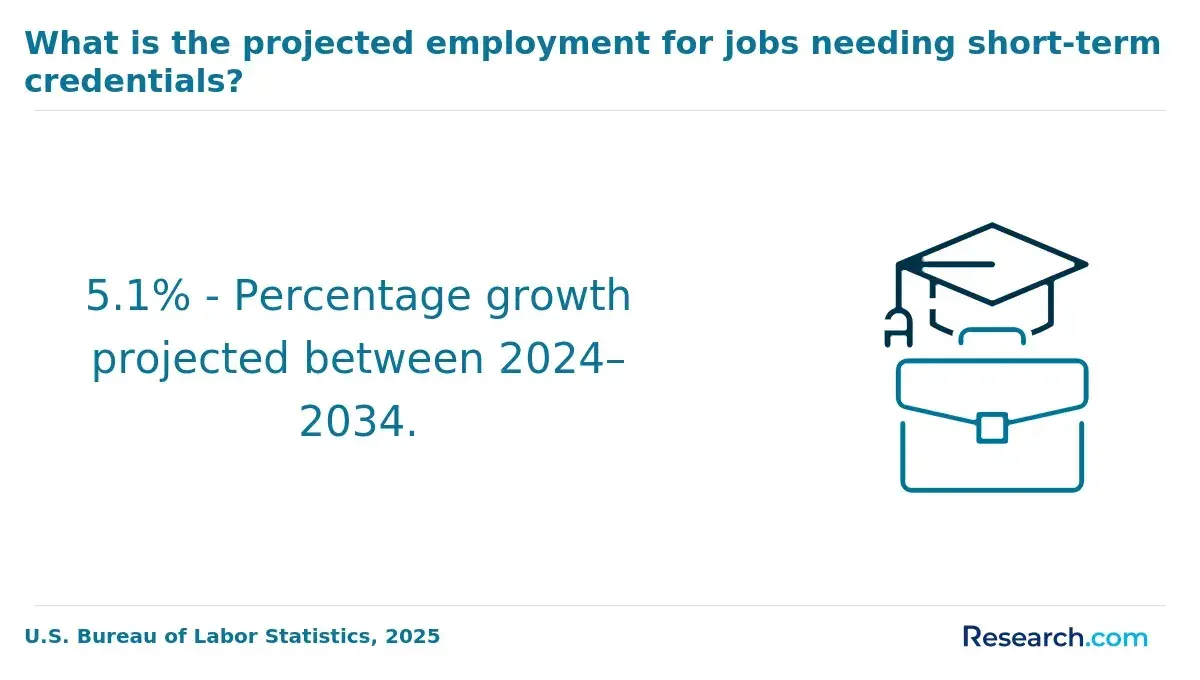
The Bureau of Labor Statistics anticipates a 6% growth in photographic services employment by 2031, underscoring the value of building a broad skill set for a competitive visual market.
- Technical Expertise: Students learn camera operation, exposure control, lens selection, lighting basics, file formats, color management, and digital workflow. They also build experience with industry-standard editing software like Photoshop and Lightroom.
- Creative Vision: Coursework usually emphasizes composition, visual storytelling, mood, concept development, sequencing, and the ability to create images for a defined audience or purpose.
- Editing and Post-Production: Students practice selecting, correcting, retouching, exporting, and organizing images. These skills are essential for commercial, portrait, event, editorial, and freelance work.
- Communication Skills: Photography work often involves clients, models, art directors, editors, stylists, and marketing teams. Students learn to interpret briefs, give and receive feedback, and present their work professionally.
- Time Management: Accelerated programs require disciplined scheduling. Students practice planning shoots, managing deadlines, revising work quickly, and balancing multiple projects.
- Problem-Solving: Students learn to adapt when lighting changes, equipment fails, locations are unavailable, or a creative direction does not work as expected.
- Portfolio Development: A strong program helps students leave with a curated body of work that shows technical range, style, and career direction.
When comparing programs, students should ask how many portfolio projects they will complete, whether critique is required, and whether the curriculum includes business or client-facing skills. Technical ability alone is rarely enough; photographers also need reliability, communication, and a clear professional identity.
Are Cheap and Fast Online Photography Degree Programs Considered Legitimate?
Cheap and fast online photography degree programs can be legitimate, but students should verify quality carefully. Low tuition and accelerated scheduling are not problems by themselves. The concern is whether the school has recognized accreditation, qualified instructors, useful curriculum, transparent costs, and credible student support.
- Accreditation: Legitimate programs typically hold recognized institutional or programmatic accreditation. Accreditation from agencies like the Accrediting Commission of Career Schools and Colleges can indicate that the school meets established educational standards.
- Faculty Credentials: Instructors should have relevant professional experience, teaching ability, and current knowledge of photography, editing software, visual media, and portfolio expectations.
- Curriculum Quality: A credible curriculum includes hands-on projects, critique, digital editing, lighting, image production, visual communication, and portfolio development. It should reflect current professional practice rather than outdated equipment or generic art assignments.
- Transparent Costs: Students should be able to see tuition, fees, equipment requirements, software costs, and any residency or workshop expenses before enrolling.
- Licensing Eligibility: Photography generally does not require the same type of licensure associated with regulated fields, but certifications or specialized training may support certain professional goals.
- Industry Recognition: Employer awareness, alumni work, internship access, portfolio outcomes, and relationships with creative organizations can signal whether the program has practical value.
Warning signs to check
- The school makes unrealistic income guarantees.
- Accreditation claims are vague or hard to verify.
- The program promises unusually fast completion without explaining credit requirements.
- Faculty information is missing or generic.
- Portfolio requirements are minimal or absent.
- Tuition looks low, but required fees or equipment costs are unclear.
A legitimate low-cost program should be able to explain exactly what students learn, how work is assessed, who teaches the courses, what technology is required, and how graduates use the credential.
What Are the Highest-Paying Roles for Online Photography Degree Graduates?
Online photography degree graduates can pursue higher-paying roles when they combine strong image-making skills with business judgment, editing expertise, leadership, or commercial specialization. The degree alone does not determine income; portfolio quality, niche, client base, location, experience, and networking all matter.
Students comparing creative careers can also review high paying degrees to understand how photography-related paths fit into broader salary and career planning.
- Commercial Photographer: Commercial photographers create images for advertising agencies, marketing firms, brands, corporations, and product campaigns. Experienced commercial photographers earn a median annual wage of around $56,000, with top earners making over $90,000 depending on industry and location.
- Art Director: Art directors often build on photography, design, media, or visual communication experience. They lead visual projects, manage creative teams, shape campaign concepts, and oversee photoshoots. This role contributes to a median salary exceeding $100,000 annually.
- Photo Editor: Photo editors select, organize, edit, and maintain visual consistency for media outlets, publishers, agencies, and digital platforms. Median wages for this role are near $60,000 and vary with employer size and geographic location.
How to improve earning potential
- Build a portfolio targeted to a specific market, such as product, fashion, editorial, real estate, events, or brand photography.
- Learn editing and retouching workflows that meet professional production standards.
- Develop business skills, including pricing, contracts, client communication, licensing, and project management.
- Seek internships, assistant roles, freelance projects, or portfolio collaborations while enrolled.
- Use school critiques and career services to refine a professional portfolio before graduation.
For cost-conscious students, the strongest return on investment usually comes from programs that connect coursework to portfolio development, commercial practice, and industry feedback—not simply from the lowest tuition.
What Is the Job Placement Rate for Online Photography Graduates?
Job placement rates for online photography graduates vary by school, program quality, student portfolio strength, local and online labor markets, and the type of photography work pursued. According to the National Center for Education Statistics (NCES), employment rates for visual and performing arts graduates, including photography, typically fall between 70% and 80% within one year of graduation.
Because photography includes salaried roles, contract work, freelance projects, and self-employment, placement rates can be harder to interpret than in fields with more standardized hiring pipelines. Students should ask each school how it defines “placement” and whether freelance income, part-time work, internships, or unrelated employment are included.
- Industry demand: Digital content creation and visual media continue to support demand in advertising, media, marketing, e-commerce, events, and freelance photography.
- Program reputation: Schools with recognized programs, active alumni, portfolio review opportunities, and career services may provide stronger job-search support.
- Internships and practicum experience: Hands-on experience helps students build portfolios, references, and professional contacts. These opportunities can be especially important for online students.
- Alumni networks: Alumni can share job leads, mentor students, collaborate on projects, and help graduates understand realistic career paths.
- Portfolio strength: Employers and clients often evaluate photographers by work samples first. A degree is more useful when it produces a polished, targeted portfolio.
The Bureau of Labor Statistics projects a 6% growth in photographer employment from 2021 to 2031, reflecting increasing multimedia content needs. Online students can improve outcomes by seeking virtual internships, remote editing work, local assistant opportunities, online portfolio reviews, and industry events.
Students planning additional education can also compare affordable graduate options, including the cheapest masters degree pathways, when deciding whether advanced study supports their long-term creative or professional goals.
Understanding online photography graduate job placement rates is essential, but the rate should not be used alone. Compare placement data with tuition, debt, portfolio quality, career services, internship access, and the specific type of photography work you want to pursue.
How Do You Choose the Best Cheap Online Photography Degree Program?
The best cheap online photography degree is not always the lowest-priced option. It is the program that offers credible instruction, manageable cost, strong portfolio development, current technical training, and career support aligned with your goals.
- Accreditation: Confirm that the institution has regional or national accreditation. Accreditation can affect financial aid eligibility, transfer credit, employer recognition, and future education options.
- Curriculum quality: Look for coursework in digital photography, lighting, composition, editing, visual storytelling, portfolio development, and professional practice. Courses should reflect current industry tools and expectations.
- Program length: Shorter degrees, generally lasting 18 to 24 months, may reduce total cost and help students enter the workforce sooner. Make sure the pace is realistic for your schedule.
- Student support: Career counseling, faculty access, technical help, academic advising, and portfolio feedback can make a major difference in an online program.
- Career outcomes: Review graduation rates, job placement statistics, alumni work, and portfolio examples. According to the Bureau of Labor Statistics, photographers earn a median wage around $45,000, with experienced professionals reaching over $70,000 annually.
- Total cost: Add tuition, fees, software, camera equipment, storage, printing, travel, and lost work time where relevant.
- Portfolio expectations: Choose a program that requires substantial image-making, critique, revision, and final portfolio preparation.
Questions to ask before enrolling
- Is the school accredited, and is the program eligible for financial aid?
- What equipment and software are required before the first course?
- How many portfolio projects will I complete?
- Will instructors provide individualized critique?
- Are internships, assistantships, or industry projects available to online students?
- How does the school define and report job placement?
- Can transfer credits or prior learning shorten the program?
A strong affordable program should make the path to graduation clear and the career value understandable. Prioritize transparent pricing, credible instruction, meaningful feedback, and portfolio outcomes over speed alone.
What Graduates Say About Their Cheapest and Shortest Online Photography Degree
- : "Finding an affordable and fast online photography degree was a game-changer for me. The whole program cost less than I expected—about $5,000 on average—and I completed it in just under a year. This quick and budget-friendly path helped me build a portfolio rapidly and land freelance gigs that have jump-started my creative career. — Calvin"
- : "After researching many options, I chose an online photography degree because it fit my busy schedule and limited budget. At around $4,500 total, it was far more affordable than many traditional schools. The streamlined courses sharpened my technical skills while opening doors to professional networking, which boosted my confidence and job prospects. — Katrina"
- : "I pursued an affordable, accelerated online photography degree to accelerate my career transition without taking on heavy debt. With costs averaging near $5,000 and coursework completed in under a year, it was a practical investment. Since graduating, my professional assignments have increased, showing me that accessible education can equip you for success in the photography field. — Owen"
Other Things You Should Know About Photography Degrees
Admission to the fastest online photography degree programs in 2027 typically requires a high school diploma or GED, a portfolio showcasing photography skills, and completion of specific prerequisite courses. Some programs may also request letters of recommendation or a statement of purpose.
In 2027, graduates with an online photography degree can expect starting salaries ranging from $30,000 to $50,000. Earnings largely depend on factors such as specialization, location, and the ability to network and build a portfolio. As experience grows, salaries can increase notably.
In 2027, several online photography degree programs incorporate internships, providing practical experience. For example, the University of Southern New Hampshire offers an optional internship module in their curriculum, allowing students to gain hands-on skills in a professional setting alongside their studies.
References
- Best Online Photography Degrees https://www.onlineu.com/degrees/photography
- Do paid online photography classes have advantages over free online tutorials for a beginner? https://photo.stackexchange.com/questions/37921/do-paid-online-photography-classes-have-advantages-over-free-online-tutorials-fo
- Photographers : Occupational Outlook Handbook: : U.S. Bureau of Labor Statistics https://www.bls.gov/ooh/media-and-communication/photographers.htm
- Learn Photography Online: Benefits, Pathways and Satisfied Students https://www.photographyacademy.ie/blog/learn-photography-online--benefits--pathways-and-satisfied-students
- Career Opportunities After Completing a Photography Program https://aaftonline.com/blog/career-oppurtunities-after-completing-a-photography-program/
- Photography School, Degree, and Career Guide | All Art Schools https://www.allartschools.com/photography/
- Are online photography courses worth it? https://electronics.howstuffworks.com/cameras-photography/tips/are-online-photography-classes-worth-it.htm