2027 Best Photography Degrees for Working Adults

Co-Founder and Chief Data Scientist
Many working adults struggle to find photography degree programs that accommodate full-time jobs and family responsibilities. According to the National Center for Education Statistics, over 40% of photography students are over 25, highlighting the growing demand for flexible learning options. This often leaves adult learners overwhelmed by rigid schedules and limited online offerings. The photography industry itself is expanding, with employment projected to grow 7% over the next decade, emphasizing the need for accessible education tailored to professionals. This article explores accredited photography degree programs designed for working adults, offering solutions to balance education and career advancement effectively.
Key Things to Know About Photography Degrees for Working Adults
- Flexible scheduling and asynchronous online classes enable working adults to balance professional responsibilities with coursework, with over 60% of programs offering hybrid options.
- Many programs emphasize employer-relevant skills like digital editing and business management, enhancing job prospects in the evolving photography industry.
- Accelerated tracks and dedicated support services, including career advising and technical help, improve completion rates among adult learners by approximately 25% compared to traditional pathways.
What Are the Best Photography Degrees for Working Adults?
The best photography degrees for working adults vary based on key factors like schedule flexibility, career alignment, and return on investment. Many professionals seek programs that offer part-time or online options to balance full-time employment with academic progress. A growing trend among adult learners is the preference for online education, which provides adaptability in pacing and greater access to resources regardless of location, making flexible photography degree programs for professionals increasingly popular.
Below are several degree options that are particularly well suited for working adults:
- Bachelor's in Photography with Online Coursework: This option allows professionals to attend classes remotely with flexible schedules, making it easier to manage work and study commitments without compromising educational quality.
- Associate Degree in Digital Photography: Offering a shorter duration with hands-on training, this degree quickly prepares students for entry-level roles and immediate career application.
- Bachelor's in Visual Arts with Photography Concentration: Combining artistic development and technical photography skills, this degree supports both creative and professional growth in diverse photography fields.
- Certificate Programs in Commercial or Digital Photography: These intensive, focused courses often provide online or evening/weekend formats, ideal for busy adults seeking targeted skill enhancement without lengthy time commitments.
- Master's Degrees in Photography or Visual Communication: Tailored for career advancement, these programs commonly offer part-time and online enrollment, perfect for experienced photographers aiming for leadership or specialized roles.
Working professionals interested in accelerating their education might also explore an edd degree fast-track programs as an example of how flexible degree paths support career advancement. Incorporating flexible photography degree programs for professionals aligns educational goals with demanding schedules and evolving career objectives.
What Are the Admission Requirements for Working Adults in Photography Degree Programs?
Admission requirements for working adults pursuing photography degree programs often differ significantly from those designed for traditional students. This difference acknowledges the need for flexibility, as about 40% of graduate students attend part-time, a trend that reflects the rising demand among adult learners. Adults balancing careers and education seek options that accommodate their busy schedules without compromising their professional growth.
Typical admission criteria for photography degree program entry criteria for professionals focus on practical experience, flexibility, and holistic evaluation. Common considerations include:
- Work Experience: Relevant professional or creative experience in photography or related fields may supplement or replace traditional entrance requirements, emphasizing real-world skills over academic records alone.
- GPA Expectations: Many programs accept slightly lower GPAs than traditional standards, giving more weight to portfolio quality and demonstrated accomplishments in the field.
- Standardized Test Waivers: Adult learners with substantial work experience often receive waivers for GRE or other standardized exams, easing the application process while recognizing their practical expertise.
- Professional Recommendations: Letters from supervisors or industry experts can significantly strengthen applications, reflecting a candidate's professional reputation and capabilities.
- Flexible Scheduling: Online and part-time enrollment options are essential to help working adults progress at a manageable pace alongside their careers and personal commitments.
Students interested in balancing work and study while pursuing a career in photography might also explore related flexible options such as the cheapest online counseling degree, which can provide additional skills supportive of career advancement.
What Coursework Is Required in Photography Degree Programs for Working Adults?
Coursework in photography degree programs designed for working adults balances career relevance, practical skills, and flexible learning formats such as online or evening classes, allowing students to continue full-time employment. Over 40% of those enrolled in photography-related programs are adult learners, reflecting an increasing trend of professionals seeking education that supports career advancement and accommodates busy schedules.
Common coursework areas in photography degree programs for working adults include:
- Digital Photography Techniques: This course covers mastering camera functions, lighting, and composition to help students create professional-quality images essential for freelancers and commercial photographers.
- Photo Editing and Post-Production: Focused on industry-standard software like Adobe Photoshop and Lightroom, this coursework enhances practical skills to refine images and build strong portfolios valued by clients.
- Visual Storytelling: Teaching how to craft compelling narratives through images, this area supports branding and marketing expertise, key for those working in advertising or media.
- Business Practices for Photographers: Covering contracts, marketing strategies, and client relations, this course equips working adults with entrepreneurial skills needed to manage a successful photography career or business.
These essential classes in photography programs for professionals ensure that adult learners acquire the skills to thrive in competitive industries. For those exploring flexible education paths, options such as affordable online mft programs also illustrate the growing availability of career-advancing studies tailored for working adults.
Completion times for a photography degree among working adults vary due to the challenge of juggling job responsibilities with academic commitments. Typically, full-time students finish their bachelor's degrees in around four years, while those balancing work and study often take between five and seven years to graduate.
Several key elements affect this timeline:
- Program format: Online and hybrid degree options offer greater flexibility, enabling students to study at convenient times and progress according to their personal schedules rather than a fixed campus timetable.
- Course load: Choosing part-time enrollment reduces the weekly academic demands, making it easier to maintain employment but extending the overall length of the degree.
- Prior credits: Transferring previously earned credits from earlier college courses or relevant experience can shorten the time needed by exempting students from certain classes.
- Work schedule: Irregular or demanding work hours, such as shift work, can limit study availability and slow degree progress.
- Accelerated options: Some programs provide intensive classes or summer terms that help highly motivated students speed up completion.
A professional who completed an online photography degree while working shared his experience when asked about managing the timeline. He recalled that balancing late-night assignments with a full-time job was challenging but rewarding. "There were moments when I felt overwhelmed, especially during project deadlines that coincided with busy work periods," he explained.
He valued the flexibility of his program, which allowed him to set his own pace and take advantage of breaks at work to focus on coursework. Despite occasional stress, finishing the degree in six years felt like a significant personal achievement, reinforcing his commitment to career growth while managing day-to-day responsibilities.
Cost is a major concern for working adults pursuing a photography degree, especially as part-time enrollment among adult learners has increased significantly to accommodate flexible schedules. Tuition rates in photography programs often span from $300 to over $1,000 per credit hour, with total expenses depending on credit requirements and program format.
Several key factors determine the overall cost for employed students:
- Tuition per Credit varies widely across public, private, and online programs. Online courses frequently provide more affordable rates tailored to the needs of adult learners balancing work and school.
- Program Length affects both duration and cost. Associate degrees require fewer credits, while bachelor's programs demand more credits, resulting in higher total tuition fees.
- Additional Fees such as lab charges, technology access, and essential equipment like cameras or editing software add to the overall expense beyond tuition.
- Learning Format influences costs; online study options can reduce commuting expenses and offer scheduling flexibility, potentially lowering total financial burden.
- Cost-Saving Options include employer tuition reimbursement, scholarships, and financial aid programs specifically designed for adult learners, helping to offset tuition and fees.
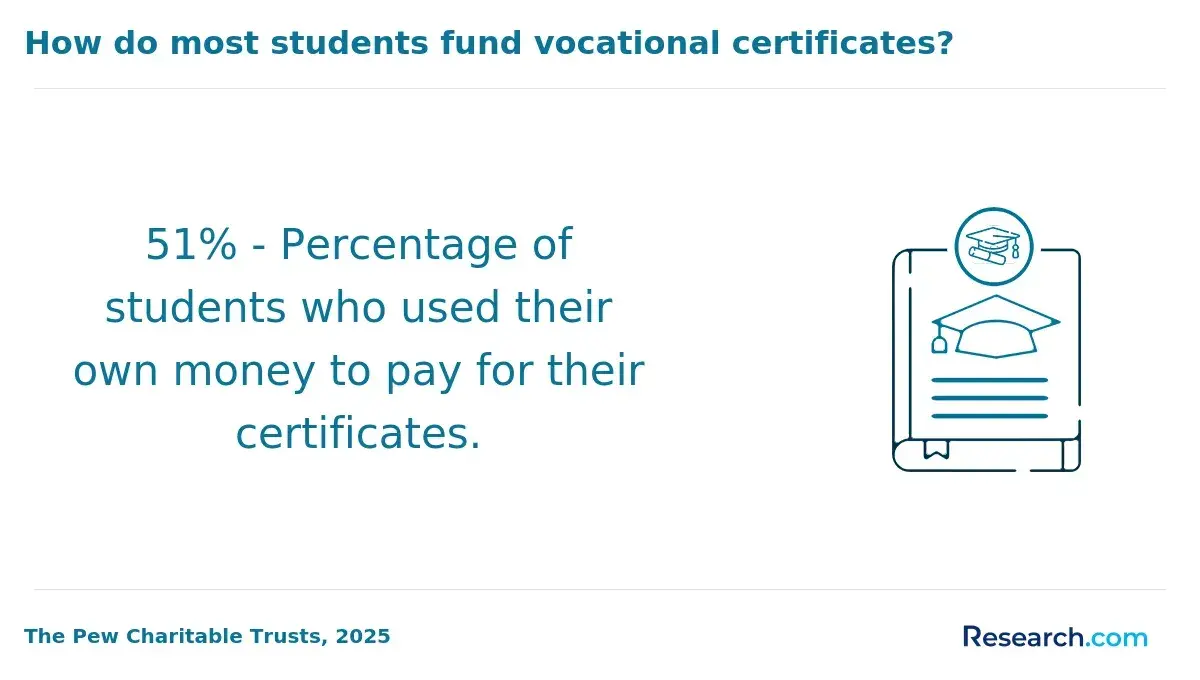
Balancing a job, education, and personal life often creates financial and time challenges for adults pursuing a photography degree. Access to various financial aid options can ease this burden, making it easier to focus on academics without sacrificing work responsibilities or income.
Here are some common types of financial assistance available to working adults in photography programs:
- Federal Aid: Programs like grants, loans, and work-study are accessible through FAFSA. Grants such as the Pell Grant are especially valuable since they don't require repayment and support students with limited income.
- Employer Tuition Assistance: Many companies encourage continuing education by offering partial or full tuition reimbursement. Benefits vary widely, so it's important to check eligibility and application requirements with your employer's HR department.
- Scholarships for Adult Students: Several organizations focus on funding adults returning to school, especially those pursuing creative disciplines like photography. These awards typically consider financial need, academic merit, and career goals.
- State and Institutional Grants: Often available alongside federal aid, these grants target adult learners and do not need to be repaid. Eligibility depends on residency, income, and the institution attended.
- Flexible Payment Plans: To reduce immediate financial stress, many schools offer installment plans that spread tuition payments over time without added interest or fees.
When asked about her experience navigating financial aid while completing her photography degree alongside full-time work, a professional shared how daunting it initially felt to manage expenses and applications. "It was overwhelming at first to gather all the necessary paperwork for federal aid, but breaking it down step-by-step helped," she said.
She also emphasized how employer tuition help was a game-changer, noting, "Having my company support part of my tuition lifted a huge weight, and I could concentrate on learning instead of worrying about money." Reflecting on flexible payment options, she recalled how they gave her the breathing room needed during tougher months. Overall, this combination of resources made balancing work and education not only possible but rewarding.
Working adults pursuing a Photography degree often face the challenge of balancing coursework with full-time jobs and family duties. Institutional support services play a vital role in helping these students navigate time constraints and maintain academic progress.
- Flexible Scheduling: Evening, weekend, and asynchronous classes allow students to fit their studies around work and personal commitments, minimizing conflicts and promoting steady progress.
- Academic Advising: Personalized guidance assists students in selecting courses strategically, ensuring efficient degree completion and aligning studies with career goals.
- Online Learning Support: Technical help and access to digital tools reduce barriers for remote learners, making it easier to engage with coursework and resources from any location.
- Tutoring and Workshops: Targeted academic assistance and skills development sessions improve understanding of challenging topics and boost performance in practical Photography skills.
- Mental Health Resources: Counseling and stress management services support students' emotional well-being, fostering resilience and sustained motivation throughout their studies.
Accreditation for photography programs means they have been evaluated by recognized agencies to ensure they meet quality education standards. For working adults, this is crucial as it guarantees that their degree holds value and credibility in professional settings. Accredited degrees are more likely to be acknowledged by employers, enhancing job prospects and promotion potential.
Additionally, enrollment in accredited programs often qualifies students for federal financial aid, making it easier to manage the costs of balancing work and studies. Currently, adult learners compose over 40% of all U.S. college students, highlighting the demand for flexible yet reputable programs.
Holding an accredited photography degree provides long-term benefits by confirming the legitimacy of the education received. Accreditation facilitates credit transfer between institutions, which helps students who may need to change schools without losing progress.
It also plays a vital role in meeting requirements for licensure or certification in specific photography-related careers. Ultimately, a degree from an accredited program underpins career growth by reinforcing the trustworthiness and recognition of the graduate's qualifications.
Salary growth is a key motivator for working professionals pursuing a Photography degree, as many adults seek to boost earnings while managing ongoing careers. In the U.S., those with a Photography degree generally earn between $35,000 and $75,000 annually, though actual salaries vary based on several factors.
- Industry Demand: Sectors such as advertising, media, and commercial photography typically offer higher wages compared to freelance or event photography roles. Demand fluctuations in these industries impact salary potential.
- Role Advancement: A Photography degree can open doors to senior or specialized positions that come with increased compensation. Professionals who advance into management or niche specialist roles tend to see greater income growth.
- Employer Policies: Companies that value formal education may grant raises or promotions more readily to those with Photography degrees. Some employers prioritize credentials when considering career growth and salary adjustments.
- Years of Experience: Experience combined with a Photography degree often compounds salary benefits. Continued skill development and longer tenure enhance earning potential over time.
- Specialization: Focusing on areas like digital editing, fashion, or documentary photography can provide access to niche markets with higher pay. Specialized skills meet specific client demands, creating opportunities for better compensation.
Working adults interested in flexible education that supports career advancement might consider an accelerated bachelor's degree online in Photography. Such programs accommodate full-time employment and help learners leverage the impact of a photography degree on career growth effectively.
Overall, while a photography degree salary increase for working adults is not guaranteed, the degree equips professionals with valuable skills and recognized credentials that support long-term career development and higher earning potential.
A degree in photography enables working adults to qualify for higher-level, specialized, or leadership roles instead of starting in entry-level positions. This credential equips professionals with advanced technical skills, creative vision, and industry knowledge that enhance their value in competitive career advancement opportunities for working adults.
Below are some common upward-mobility jobs that professionals with a photography degree often pursue:
- Photo Editor: Oversees the selection and editing of visual content, ensuring quality and consistency across projects. This role demands both creative judgment and organizational skills, marking a clear step up from basic shooting roles.
- Commercial Photographer: Specializes in fields like advertising, fashion, or corporate photography, often commanding higher rates and engaging strategically with clients. The degree supports the expertise needed for this specialization.
- Photography Instructor: Combines practical and academic knowledge to educate and mentor aspiring photographers. This position reflects leadership in the field and requires mastery of both technical and conceptual photography skills.
- Creative Director: Leads visual teams and manages projects, developing overall creative vision and strategy. This role requires strong communication and leadership abilities refined through formal education and experience.
- Photography Studio Manager: Balances artistic insight with business operations, managing client relations and staff coordination. The degree helps prepare graduates for these multifaceted leadership responsibilities.
Experience combined with a formal photography education allows professionals to transition into roles demanding both expertise and management capabilities. For adults balancing work and study, exploring 1 year graduate programs can offer flexible options to accelerate such career growth while continuing full-time employment.
Jobs available with a photography degree for adults not only span diverse creative and leadership positions but also represent meaningful career progression backed by specialized training and industry-relevant skills.
What Graduates Say About Their Photography Degrees for Working Adults
- Callen: "Choosing an online photography degree while working full-time was a game changer for me. The flexibility allowed me to balance my job and studies without much stress, and with the average program costing around $15,000 to $25,000, it felt like a worthwhile investment. After completing the degree, I saw a significant boost in my freelance opportunities and professional credibility."
- Koen: "Deciding to pursue a part-time photography degree came from a need to grow professionally without quitting my job. The cost was a concern initially, but knowing that the average price ranges between $10,000 and $20,000 made it manageable over time. Reflecting on my journey, the skills and network I developed have been invaluable in advancing my career in commercial photography."
- Owen: "Balancing a career and an online photography degree wasn't easy, but the affordability-averaging about $18,000-made it a feasible next step. Completing the program enhanced my technical abilities and gave me the confidence to take on higher-profile projects. It truly elevated my standing in the creative industry."
Other Things You Should Know About Photography Degrees
Working adults should consider programs that offer flexible scheduling and online coursework options, cater to career advancement, and have strong industry connections. Researching alumni outcomes and program rankings, along with ensuring the program offers robust support services, will aid in selecting the best photography degree in 2027.
Some programs allow working adults to gain credit for prior photography experience through portfolio assessments or work experience evaluations. Check if your chosen school offers credit for prior learning (CPL) policies for 2027 to speed up degree completion.
A working adult should check for institutional accreditation from a U.S. regional accreditor such as the Higher Learning Commission, Southern Association of Colleges and Schools Commission on Colleges, or Middle States Commission on Higher Education. This helps confirm the degree is eligible for federal aid and widely recognized by employers.
- The Ultimate Guide to Becoming a Professional Photographer https://www.training.com.au/ed/becoming-a-professional-photographer/
- Full Time Courses - Photography Degrees | Photography Studies College https://www.psc.edu.au/courses/full-time-courses
- Digital Photography Degree FAQs | All Bachelor Degrees https://allbachelordegrees.com/degrees/digital-photography-faqs/
- Digital Photography Program https://coned.georgebrown.ca/courses-and-programs/digital-photography-program
- How To Become a Photographer Without Paying For School https://wdophoto.com/2023/08/11/how-to-become-a-photographer/
- Would you do a photography degree later in life? — StreetSnappers Street Photography Workshops https://streetsnappers.com/street-photography-blog/a-photography-degree-later-in-life
- Career Opportunities After Completing a Photography Program https://aaftonline.com/blog/career-oppurtunities-after-completing-a-photography-program/
- How to Choose the Right Photography Program https://nossi.edu/how-to-choose-the-right-photography-program/
- photography grants https://www.collegescholarships.org/grant-programs/
- BA Hons Photography Enrolment Form https://www.oca.ac.uk/courses/ba-photography/