2027 Online Photography Degree Programs Costs: Tuition & Fees

Co-Founder and Chief Data Scientist
The real question is not only whether an online photography degree fits your creative goals, but whether the total cost makes sense for the career path you want. Tuition is only one part of the budget. Photography students may also need cameras, lenses, editing software, lighting, storage, printing, portfolio tools, and occasional lab or studio-related fees.
This guide breaks down the cost of online photography degrees in practical terms: typical tuition ranges, what tuition usually covers, what students often pay for separately, how online programs compare with campus-based options, and where financial aid may help. Use it to compare programs more carefully, estimate your true out-of-pocket cost, and avoid choosing a school based on tuition alone.
Key Points About Online Photography Degree Costs
- Average tuition for online Photography degrees ranges from $15,000 to $40,000, depending on the institution, program length, and degree level.
- Costs are influenced by factors like technology fees, specialized equipment access, and accreditation status.
- Investing in an online Photography degree may be worthwhile due to networking opportunities, industry-relevant skills, and potential career advancement.
What Is the Average Cost of an Online Photography Degree?
The average cost of an online Photography degree in the US varies widely, from a few thousand dollars to more than $160,000 for a full program. The final price depends mainly on degree level, school type, residency rules, credit requirements, and whether the program is offered by a public college, private university, or specialized art school.
At the associate level, online photography programs typically cost between $2,700 and upwards of $30,000. Many associate programs require around 60 to 64 credit hours. Public community colleges may be the lowest-cost route, with tuition ranging from as little as $31 per credit hour for in-state students up to $331 for out-of-state students.
At the bachelor’s level, online photography degrees often range from $30,000 to $166,000 for four years. Public universities can be significantly less expensive than private art schools. For example, Arizona State University charges approximately $10,710 annually for in-state students, while Savannah College of Art and Design may cost around $37,575 per year. Some institutions price by credit rather than by year; Southern New Hampshire University lists a $342 per credit hour rate.
Photography degree costs are broadly similar to related Visual Arts programs, but private art and design schools tend to charge more. Students should compare the full cost of attendance, not just posted tuition, because photography programs often require specialized gear and software that may not be included in tuition.
What Is Typically Included in the Tuition for an Online Photography Degree?
Tuition for an online Photography degree usually covers the academic instruction required to complete the program. That includes photography courses, general education requirements, faculty feedback, access to the online classroom, and some academic support services. It does not always include the equipment and software students need to produce their work.
Most programs include the following in tuition:
- Academic coursework: Tuition generally covers required and elective courses in areas such as digital photography, lighting techniques, photo editing, visual storytelling, portfolio development, and photography history.
- General education courses: Associate and bachelor’s degrees commonly include writing, humanities, social science, math, or other general education classes required for the credential.
- Online learning access: Students typically receive access to the learning management system, course modules, assignment submission tools, discussion boards, and instructor feedback.
- Academic support services: Many schools include virtual advising, library access, tutoring, career counseling, and technical support as part of tuition or required student fees.
- Some instructional materials: Certain programs provide digital readings or e-resources, but textbooks, subscriptions, or professional software may still be billed separately.
The largest extra costs are often outside tuition. Students may need to buy or maintain a camera body, lenses, memory cards, external storage, lighting equipment, tripods, calibration tools, and editing software such as Adobe Creative Cloud. Some programs may also charge separate fees for printing, portfolio production, studio access, or lab-related work. Before enrolling, request a written list of required equipment and software so you can estimate the true cost of the degree.
What Factors Influence the Cost of Pursuing an Online Photography Degree?
The cost of an online Photography degree is shaped by more than the advertised tuition rate. A low per-credit price can become expensive if the program requires many credits, costly equipment, or limited transfer credit. A higher-priced program may offer stronger career support, portfolio review, or industry connections, but those benefits should be evaluated carefully.
- School type and residency status: Public colleges generally charge less than private universities. In-state students often pay lower tuition than out-of-state students, although some online programs offer the same rate to all distance learners. Residency policy is one of the biggest drivers of online photography degree tuition by state.
- Degree level: Associate degrees usually cost less because they require fewer credits. Bachelor’s programs are longer and often include more advanced studio, design, business, and portfolio courses.
- Credit-hour requirements and program length: Most photography associate and bachelor’s degrees require between 60 and 120 credit hours. If tuition is charged per credit, every additional credit increases the total price.
- Transfer credit policies: Schools that accept more transfer credits can lower your cost and shorten your time to graduation. This is especially important for students who already completed general education courses or prior art and design classes.
- Technology fees: Online students may pay fees for learning platforms, digital resources, tech support, and online student services. These charges can add up even when tuition appears affordable.
- Equipment and software costs: Photography program equipment and software costs can be substantial. Cameras, lenses, lighting tools, storage, and editing software such as Adobe Photoshop or Lightroom are often student responsibilities.
- Program reputation and support: Schools with well-known art programs, experienced faculty, strong portfolio development, and career services may charge more. The question is whether those services align with your career goals and are worth the added cost.
Students looking for faster and lower-cost academic options can also review the best 6 month associate online programs, especially if they want a shorter pathway before committing to a longer photography degree.
Online photography programs are often cheaper than traditional on-campus programs, but the savings are not automatic. Online students may avoid housing, commuting, meal plans, and some campus-based fees, yet they still need to budget for tuition, technology fees, equipment, software, and portfolio expenses.
Associate-level online photography degrees can range from about $2,700 to over $30,000 for the full program. Online bachelor’s degrees at reputable public universities typically charge between $10,710 and $28,800 per year, while private schools may charge up to $37,575 annually.
By comparison, on-campus private universities can cost $64,000 to $72,000 per year. Public institutions charge between $17,000 and $55,000 per year depending on residency. This online vs traditional photography degree tuition comparison shows why online study can be financially attractive, particularly for students who can live at home and continue working.
However, students should not assume online always means inexpensive. Some online art schools charge premium tuition, and photography students usually provide their own gear. The best comparison is the total cost of attendance: tuition, fees, equipment, software, books, travel, housing, and lost income if you reduce work hours. Older learners comparing flexible education options may also want to explore the best college degrees for older adults online.
Yes. Many public institutions still use in-state and out-of-state tuition categories for online Photography programs. Residency can significantly affect total cost, especially at community colleges and state universities.
In-state students may pay much lower rates. In some associate-level online programs, in-state tuition can be as low as $31 per credit, while out-of-state students may pay as much as $249 per credit for the same online coursework. Over a full degree, that difference can amount to thousands of dollars.
There are important exceptions. Some private schools charge one tuition rate regardless of where students live. Some fully online public programs also use a flat online rate for all distance learners. In addition, certain public colleges participate in regional tuition agreements that reduce costs for students from neighboring states.
Before applying, ask each school these questions: Does online tuition depend on residency? Are online students eligible for in-state rates? Are there regional tuition discounts? Are there separate online program fees? Getting these answers early can prevent a program from becoming more expensive than expected.
The most affordable online photography degree programs are usually those with moderate per-credit tuition, strong transfer credit policies, fewer added fees, and clear equipment requirements. Students comparing the cheapest online photography degrees by state should look beyond sticker price and calculate the remaining credits they personally need to complete.
Notable lower-cost online options include:
- Southern New Hampshire University (SNHU): SNHU offers a Bachelor of Arts in Digital Photography at $330 per credit for 120 credits, totaling $39,600. The program allows up to 90 transferable credits and includes discounted online photo-editing software, which can reduce both time and out-of-pocket cost for eligible transfer students.
- Liberty University: Liberty offers a BS in Digital Design with a concentration in Photographic Design at $390 per credit hour. Total costs are approximately $23,400 for a 60-credit completion track or $46,800 for a full four-year degree. Free electronic textbooks may also help lower student expenses.
- Lindenwood University: Lindenwood charges $495 per credit hour for its online BFA in Art and Design with a photography emphasis. The program costs $29,700 for a 60-credit completion option or $59,400 for the entire four-year degree, placing it among the more affordable BFA photography programs online.
Students seeking a specialized photography-focused degree may also consider Sessions College, which offers a BFA in Digital Photography at $510 per credit, totaling $61,200 for 120 credits. By contrast, the Academy of Art University is notably higher in tuition, with costs exceeding $150,000.
Affordability also depends on how much aid, employer support, or transfer credit you can use. Students interested in other flexible academic pathways in creative or professional fields can review options such as online phd programs no dissertation.
The most expensive online photography programs are often offered by private art and design institutions with specialized faculty, intensive portfolio development, and broader creative-industry support. These programs may be valuable for some students, but the higher tuition should be weighed against expected career outcomes, financial aid, debt, and the student’s existing portfolio and network.
Examples of higher-cost online photography degree options include:
- Savannah College of Art and Design (SCAD): SCAD’s online Bachelor of Fine Arts in Photography costs approximately $41,130 per year. The higher price reflects the school’s art and design focus, specialized instruction, portfolio development, and career coaching resources.
- Academy of Art University: This San Francisco-based school charges about $35,112 annually for its online Bachelor of Fine Arts in Photography. The program emphasizes a rigorous curriculum, current creative technology, feedback from experienced photographers, and workshop-style instruction.
- Rocky Mountain College of Art + Design: Rocky Mountain College of Art + Design offers a Bachelor of Fine Arts in Photography and is also positioned among higher-cost online art program options. Its curriculum emphasizes creative exploration, technical development, and professional preparation.
Higher tuition is not automatically a sign of better fit. Before choosing one of these programs, review graduate portfolio examples, faculty credentials, career services, internship support, student outcomes, and total debt risk. Prospective students should also compare aid availability through online colleges accepting fafsa, since federal aid eligibility can make a major difference in net cost.
The return on an online photography degree depends on how much you pay, how much debt you take on, and how quickly you convert the credential into paid work. A low-cost program completed with transfer credits can pay off much faster than a high-cost private program financed mostly with loans.
On average, graduates can expect to see an ROI within one to four years after starting their careers. For example, students attending in-state public institutions, with tuition around $30,151 for a four-year program, might recover their education expenses in less than a year—approximately 8.5 months. Graduates from private colleges may need nearly four years to break even because of higher tuition.
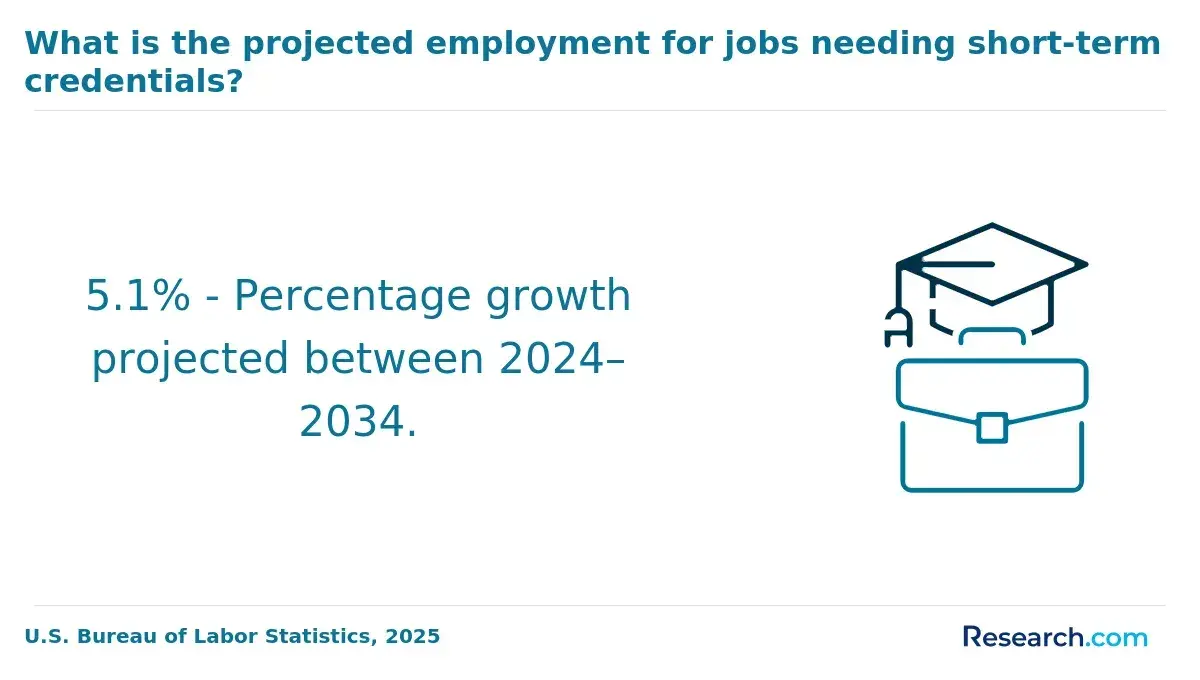
Earnings are the other side of the ROI calculation. Entry-level photography-related roles typically offer about $42,520 annually, while experienced professionals in roles such as art director or graphic designer could earn upwards of $70,000. Industry demand is projected to grow moderately, which may support steady opportunities, but outcomes can vary widely by location, specialization, portfolio quality, client base, and business skills.
Students planning to freelance should be especially cautious. Freelance income can grow over time, but it may start unevenly and require spending on marketing, insurance, equipment upgrades, website hosting, and business software. To improve ROI, compare net price after aid, minimize unnecessary borrowing, build a portfolio while enrolled, and choose courses that support a clear career path such as commercial photography, product photography, portrait work, editorial work, or visual content production.
Online photography students are generally eligible for financial aid if they attend an accredited school that participates in federal aid programs. Eligibility usually requires U.S. citizenship or eligible non-citizen status, enrollment in an eligible degree program, and satisfactory academic progress. Students should verify accreditation and federal aid participation before applying or enrolling.
The first step is completing the Free Application for Federal Student Aid (FAFSA) every academic year. FAFSA results determine eligibility for many federal, state, and institutional aid options. Online photography degree financial aid eligibility can apply to tuition, required fees, and, in some cases, other education-related costs.
- Federal grants: Undergraduate students with exceptional financial need may qualify for a Pell Grant. This type of federal aid does not need to be repaid if the student meets program requirements.
- Federal student loans: Direct Subsidized and Unsubsidized Loans may help cover tuition and fees. Loans must be repaid, so students should borrow only what they need.
- Institutional scholarships: Accredited schools may offer merit-based or need-based awards. Photography and art scholarships may require a portfolio, artist statement, or separate application.
- Private scholarships and grants: Art foundations, nonprofits, and professional organizations may offer awards for creative students. Amounts and eligibility rules vary widely.
- Employer tuition assistance: Some employers provide tuition assistance or reimbursement, though this benefit is less common in the arts than in some other fields.
- Private student loans: These may be used when federal aid is not enough, but they often have different rates, repayment rules, and borrower protections than federal loans.
Photography students federal grants and loans can reduce upfront costs, but aid does not always make an expensive program affordable. Compare the net price after grants and scholarships, not only the amount of aid offered. Students who are weighing education costs against employment-focused alternatives may also want to review highest paying vocational trades.
Online Photography program costs may increase in the coming years, but the pace will vary by institution. Tuition is influenced by school budgets, demand for online creative programs, faculty costs, technology platforms, software requirements, and competition from lower-cost online providers.
Current tuition fees for online Photography degrees vary widely by institution, program length, and school type. Public universities are often more affordable, especially for in-state students, with annual tuition often ranging between $5,000 and $15,000. Private institutions typically charge higher fees, sometimes exceeding $20,000 per year.
Several trends may affect future costs. As digital media remains central to marketing, publishing, ecommerce, and content production, demand for photography and visual communication training may support stable or slightly higher tuition. At the same time, competition among online programs may encourage schools to offer modular pricing, pay-per-course options, transfer-friendly degree completion pathways, or discounts on creative software.
Students planning to enroll later should not assume today’s price will remain fixed. Ask whether tuition is locked after enrollment, whether fees increase annually, whether software subscriptions are included, and whether required equipment lists change by course. If you are ready to study soon and have compared costs carefully, enrolling earlier may help you avoid future tuition increases.
What Students Say About The Cost of Pursuing Online Photography Programs
- : "Pursuing an online Photography degree was one of the best investments I have made in my career. The program cost was more affordable than many traditional options, and the flexibility allowed me to keep working while studying. I now feel that the skills I gained justify the tuition I paid. — Callen"
- : "The cost of my online Photography degree felt manageable, especially because I could study without relocating. The program expanded my artistic vision and helped me move further into freelance photography. For me, the return was worth the time and money. — Koen"
- : "The financial commitment made me cautious at first, but researching average costs helped me choose a program that fit my budget. The credential strengthened my portfolio and improved my confidence in pursuing paid photography work. — Owen"
Other Things You Should Know About Photography Degree Program Costs
Yes, several institutions offer scholarships specifically for online Photography degree students. In 2027, scholarships may be available from art-focused foundations, schools with photography departments, or industry sponsors. Eligibility often includes academic merit, portfolio quality, and financial need.
Financial aid for online Photography degree students in 2027 includes options like federal grants, student loans, and scholarships. Many programs also offer work-study opportunities. Students should complete the Free Application for Federal Student Aid (FAFSA) to determine eligibility for financial assistance.
Yes. Many accredited online photography degrees require a portfolio of 10–20 original images, plus a short artist statement or creative essay. Some schools waive the portfolio for associate programs, but bachelor’s admissions often ask for proof of technical skill and artistic potential.
- Medical Coding - Medical Billing - Medical Auditing - AAPC https://www.aapc.com/
- Online Photography Degree https://www.snhu.edu/online-degrees/bachelors/ba-in-digital-photography
- Financial Aid & Scholarships » Nossi College of Art | Visual Art Degrees https://nossi.edu/application-form-financial-aid-scholarship/
- Focus: Is taking a photography course worth it, or is self-taught better? https://focus.picfair.com/articles/is-taking-a-photography-course-worth-it-or-is-self-taught-better
- Online Photography Certificate Program https://www.sessions.edu/online-certificates/digital-photography/