2027 Online Digital Photography Degrees That Help Build Photo Editing Skills

Co-Founder and Chief Data Scientist
Choosing an online digital photography degree is really a choice about your portfolio, software fluency, and career direction. The U. S. Bureau of Labor Statistics reports a May 2024 median annual wage of $42,520 for photographers, but editing-heavy roles can overlap with design, media, marketing, and publishing. This guide is for students comparing online programs, career changers, working photographers, and creatives who want stronger Lightroom, Photoshop, retouching, color, and workflow skills. You will learn how programs differ, what they cost, and how to choose one that supports your goals.
Key Things You Should Know
- Online digital photography degrees can build editing skills through repeated critique, digital workflow training, portfolio courses, and software practice in tools such as Adobe Lightroom, Photoshop, Camera Raw, Capture One, and color-managed output systems.
- Costs vary widely: the College Board's 2024 pricing data lists average published tuition and fees at $11,610 for in-state public four-year colleges and $43,350 for private nonprofit four-year colleges, so transfer credit and total program length matter.
- The labor market rewards versatile visual skills: BLS May 2024 data lists a $42,520 median annual wage for photographers, while related editing-adjacent roles such as graphic designers report a $61,300 median wage.
What is an online digital photography degree and how does it build photo editing skills?
An online digital photography degree is a college program that teaches image capture, digital post-production, visual storytelling, lighting, composition, portfolio development, and professional business practices through remote coursework. Depending on the school, it may be offered as an associate, bachelor's, or graduate degree in digital photography, photography, commercial photography, visual arts, or a related media field.
The editing component matters because many photography jobs now require more than taking technically correct images. Employers and clients often expect photographers to manage RAW files, correct exposure and color, retouch portraits or products, prepare files for web and print, apply consistent visual styles, and deliver final assets through digital platforms.
Students usually build editing skills through a cycle of making images, submitting work, receiving critique, revising files, and explaining creative choices. That feedback loop is one of the main differences between a degree and a short software tutorial. A strong program should help students move from "knowing where the tools are" to making intentional editing decisions that support a story, brand, or client brief.
The degree may be a good fit if you want structured training, faculty feedback, a portfolio, and a credential. It may be less efficient if you already have a strong portfolio and only need a narrow skill such as wedding retouching, product compositing, or Lightroom catalog management; in that case, a certificate, workshop, or software-specific course may be enough.
Common degree levels differ in depth and career use. The table below summarizes how each option usually fits students who want stronger editing skills.
| Degree level | Typical focus | Best fit | Editing skill depth |
| Associate degree | Camera operation, lighting basics, editing fundamentals, introductory portfolio work | Students seeking entry-level skills or transfer pathways | Foundational |
| Bachelor's degree | Advanced image-making, post-production, visual theory, business practices, portfolio development | Students seeking broader creative, commercial, or media roles | Moderate to advanced |
| Master's degree | Conceptual practice, advanced critique, thesis work, teaching or fine-art preparation | Experienced photographers, artists, educators, or portfolio-driven professionals | Advanced and individualized |
| Certificate or nondegree training | Targeted software, workflow, or genre-specific skills | Working photographers who need a specific editing upgrade | Narrow but practical |
How do online digital photography programs compare to campus-based options for learning editing?
Online and campus-based programs can both teach editing well, but they do it differently. The best choice depends on your access to equipment, schedule, learning style, and need for in-person studio experiences.
Online programs are especially practical for photo editing because editing is already a computer-based workflow. Students can review tutorials, submit digital files, join critique sessions, and revise projects from home. The trade-off is that online students may need to supply more of their own equipment, arrange shoots independently, and be disciplined about deadlines.
The comparison below highlights the decision points that matter most when editing skills are a major goal.
| Factor | Online digital photography degree | Campus-based photography degree | Decision guidance |
| Editing practice | Strong fit for Lightroom, Photoshop, RAW workflow, file delivery, and digital critique | Also strong, often with access to labs and calibrated workstations | Online can work well if you have a capable computer and reliable internet |
| Studio access | Usually self-arranged through home setups, rentals, local studios, or workplace spaces | Often includes lighting studios, print labs, gear checkout, and campus support | Campus may be better for students who need frequent studio equipment access |
| Schedule flexibility | Often asynchronous or hybrid, useful for working adults | More fixed class and lab schedules | Online is usually easier to combine with work or family obligations |
| Critique experience | Video, discussion boards, annotated files, and digital reviews | In-person critique, live demonstrations, and peer review | Both can be valuable if critique is frequent and specific |
| Networking | Depends on faculty access, alumni groups, online communities, and internships | Often easier through campus events, studios, galleries, and local employers | Online students should look for portfolio reviews, internship support, and active faculty mentoring |
Online learning is not automatically easier. In fact, editing-focused courses may require more independent troubleshooting because students must manage software versions, storage, backups, monitor calibration, and file submissions. Before enrolling, ask whether the program includes technical support for creative software and whether faculty provide feedback on working files, not just final JPEGs.
Campus learning may be better if your goal depends heavily on physical processes such as large-format printing, darkroom work, studio lighting, gallery installation, or access to specialized equipment. Online learning may be better if your goal is commercial editing, freelance photography, social media content, ecommerce imagery, travel photography, or a portfolio built around digital delivery.
Which accredited schools offer online digital photography degrees focused on photo editing?
Several accredited U.S. institutions offer online photography or digital photography programs with coursework that can support photo editing, retouching, digital workflow, and portfolio development. Program names, online availability, tuition, and curriculum can change, so confirm current details with the school before applying. Students comparing cost should also review options for the cheapest online photography degree to understand how affordability and program depth differ.
The table below is not a ranking. It is a practical starting point for identifying accredited options and the kinds of editing-related learning a student should look for.
| School | Example online photography-related offering | Accreditation type to verify | Editing-related strengths to investigate |
| Southern New Hampshire University | BA in Digital Photography | Regional accreditation through NECHE | Digital image workflow, portfolio development, media production, visual storytelling |
| Academy of Art University | Online photography degrees at undergraduate and graduate levels | Institutional accreditation through WSCUC | Commercial photography, retouching, lighting, portfolio critique, professional presentation |
| Full Sail University | Digital Photography bachelor's degree | Institutional accreditation to verify through current school disclosures | Digital production workflow, image manipulation, media delivery, career-focused projects |
| Savannah College of Art and Design | Online photography-related study through SCADnow, depending on current offerings | Regional accreditation through SACSCOC | Fine-art and commercial portfolio development, critique, visual concepts, advanced image production |
| Sessions College | Online digital photography-focused associate or career programs, depending on current catalog | National accreditation through DEAC | Software-focused production, digital imaging, portfolio preparation, applied design workflows |
Accreditation matters because it can affect transfer credit, federal financial aid eligibility, employer recognition, and future graduate study. Regional accreditation is common among public and nonprofit universities, while some specialized career schools hold national institutional accreditation. Neither label alone proves program quality, but students should understand how a school's accreditation aligns with their plans.
When contacting schools, ask specifically how much of the program is devoted to editing and post-production. A program can have "digital" in the name but still focus more on composition, history, or conceptual practice than hands-on retouching. That may be ideal for some artists, but less useful for students whose primary goal is client-ready editing work.
What curriculum and software tools are taught in online digital photography programs?
Most online digital photography programs combine technical image-making, visual communication, editing software, and portfolio development. The curriculum should help students understand not only how to edit an image, but why a particular edit improves clarity, mood, brand fit, or storytelling.
Editing-focused coursework often appears across several classes rather than in one course. Students should read course descriptions carefully and look for repeated post-production practice from beginner through advanced levels.
Typical curriculum areas include the following, with each area contributing to a different part of the editing workflow.
- Digital camera and RAW workflow: exposure, white balance, lens choice, dynamic range, file formats, metadata, importing, naming, and archiving.
- Adobe Lightroom or Lightroom Classic: catalog management, global corrections, color grading, masking, batch processing, presets, exporting, and nondestructive editing.
- Adobe Photoshop: layers, selections, masks, compositing, skin retouching, product cleanup, background replacement, sharpening, and file preparation.
- Color management and output: monitor calibration, soft proofing, print profiles, web compression, resolution, and client delivery standards.
- Lighting and studio practice: how light quality affects editing demands, including shadow recovery, color correction, and product consistency.
- Portfolio and critique: sequencing, visual consistency, project statements, revisions, and professional presentation.
- Business and ethics: copyright, releases, licensing, disclosure of manipulation, client communication, invoicing, and digital asset management.
Software changes quickly, so the exact tool list is less important than the workflow principles. A graduate who understands RAW processing, layers, masks, color, file management, and ethical image manipulation can adapt more easily when interfaces change or new tools appear.
AI-assisted editing is now a major trend in photography education and professional practice. Tools for subject selection, generative fill, denoising, background expansion, and facial retouching can speed up production, but they also raise questions about authenticity, copyright, consent, and client expectations. A reputable program should teach students when AI tools are appropriate, how to disclose substantial manipulation when needed, and how to preserve their own creative judgment.
Students should also check hardware requirements before enrolling. Editing large RAW files and layered Photoshop documents may require a computer with adequate memory, storage, graphics performance, and backup capacity. A low tuition price can become less attractive if required technology costs are not planned in advance.
What admission requirements and application materials do online digital photography degrees need?
Admission requirements depend on degree level and school selectivity. Many undergraduate online digital photography programs are accessible to beginners, while graduate programs usually expect a stronger portfolio and clearer artistic or professional goals.
For undergraduate programs, schools commonly ask for basic academic and identity materials. Some programs also request creative samples, but many bachelor's programs allow students to enter without a polished portfolio.
- Completed online application.
- High school diploma, GED, or equivalent documentation.
- Official transcripts from high school and any colleges attended.
- Transfer credit evaluation, if applicable.
- Personal statement or short goal statement, depending on the school.
- Portfolio or sample images, if required by the program.
- Proof of English proficiency for applicants whose prior education requires it.
- Financial aid forms, scholarship applications, or military benefit documentation, if relevant.
Graduate photography programs typically require more evidence of readiness because advanced study is critique-heavy and self-directed. A graduate applicant may need a portfolio, artist statement, resume, recommendations, and sometimes an interview.
The most important application material for editing-focused students is the portfolio, even when it is optional. It does not have to be perfect, but it should show current ability and direction. Include a small set of images that demonstrate camera control, editing choices, consistency, and willingness to revise.
Students can strengthen an application by preparing in a focused sequence rather than submitting random images. The following steps are useful before applying to a portfolio-based program.
- Select 12 to 20 images that show range without feeling disconnected.
- Edit the set consistently so color, contrast, cropping, and sequencing support the same visual standard.
- Save original files and edited versions in case faculty ask about process or revisions.
- Write a short explanation of your goals, preferred genres, and editing skills you want to build.
- Ask a working photographer, instructor, or experienced editor for feedback before submission.
A common mistake is assuming that open or flexible admission means the program will be easy. Online photography degrees still require time for shooting, editing, critique participation, file management, and revisions. Students who underestimate the weekly workload may struggle even if admission itself is straightforward.
How long do online digital photography programs take and what do they typically cost?
Program length depends on degree level, transfer credits, course load, and whether classes run on traditional semesters or accelerated terms. A full-time associate degree commonly takes about two years, while a bachelor's degree commonly takes about four years for first-time students. Students with transfer credits or prior college coursework may finish sooner.
Cost is harder to compare because schools advertise tuition differently. Some list per-credit tuition, some list term-based tuition, and others add technology, software, graduation, portfolio, or online learning fees. The College Board's 2024 data shows average published tuition and fees of $11,610 for in-state students at public four-year colleges and $43,350 at private nonprofit four-year colleges for 2024-25, which shows why students should compare total cost rather than relying on one tuition line.
Typical cost drivers include the following items. Use them to build a full budget before deciding whether a program is affordable.
- Tuition per credit or per term.
- Required number of credits after transfer evaluation.
- Online course fees, technology fees, and graduation fees.
- Camera body, lenses, lighting, tripod, storage drives, memory cards, and color calibration tools.
- Software subscriptions for Adobe Creative Cloud, Capture One, cloud backup, or portfolio hosting.
- Printing, shipping, props, studio rental, model fees, travel, or local shoot expenses.
- Interest costs if student loans are used.
Students considering graduate study should compare photography-specific master's options with broader visual arts pathways. If an advanced portfolio, teaching, or fine-art direction is the goal, researching an MFA degree online can help clarify how graduate creative programs differ in cost, format, and expected outcomes.
The table below gives a practical timeline view. Actual completion time varies by school and by how many credits a student takes each term.
| Program type | Common full-time length | Cost considerations | Best value when |
| Certificate | Several months to one year | Lower total cost, but usually no degree credential | You need targeted software or workflow skills |
| Associate degree | About two years | Often fewer credits than a bachelor's degree | You want entry-level training or a transfer pathway |
| Bachelor's degree | About four years for first-time students | Higher total cost, but broader coursework and portfolio development | You want a more complete credential for creative, media, or business roles |
| Master's degree | Often two to three years | Can be expensive and portfolio-intensive | You need advanced critique, teaching preparation, or fine-art development |
To reduce cost, ask about transfer credit, prior learning assessment, military benefits, employer tuition assistance, scholarships, and whether general education courses can be completed at a lower-cost accredited institution. Also ask whether software and equipment are included in tuition or billed separately.
What digital photography and photo editing careers can these degrees prepare you for?
An online digital photography degree can prepare students for roles that combine image capture, editing, production, and visual communication. It is not a guaranteed path into one job title because photography careers are portfolio-driven and often depend on location, specialization, client base, and professional network.
The strongest career outcomes usually come from pairing the degree with a focused portfolio. A student who wants product photography should build product lighting and retouching samples; a student who wants editorial work should build narrative image stories; a student who wants social media content should show fast, platform-ready editing and consistent brand visuals.
The table below connects common roles with the editing skills that make candidates more competitive.
| Career path | Typical responsibilities | Editing skills that matter | Portfolio evidence to build |
| Commercial photographer | Create images for products, brands, advertising, ecommerce, and corporate clients | Color consistency, product cleanup, compositing, tethered workflow, batch exports | Product sets, campaign images, before-and-after retouching samples |
| Portrait or wedding photographer | Photograph people, events, families, weddings, or professional headshots | Skin retouching, color grading, culling, gallery delivery, style consistency | Client-style galleries, lighting examples, full-event storytelling |
| Photo editor or digital imaging specialist | Select, correct, retouch, organize, and prepare images for publication or client delivery | Advanced Photoshop, metadata, file naming, color correction, quality control | Retouching comparisons, edited series, production workflow examples |
| Content creator or social media visual producer | Create image assets for brands, campaigns, platforms, and digital storytelling | Fast editing, format adaptation, brand consistency, AI-assisted production awareness | Platform-ready campaigns, reels or still sets, branded visual systems |
| Visual media coordinator | Manage photo libraries, coordinate shoots, edit assets, and support marketing teams | Digital asset management, naming standards, basic retouching, web optimization | Organized campaigns, asset libraries, marketing image sets |
AI is reshaping some editing tasks, especially background cleanup, object selection, denoising, image expansion, and first-pass retouching. Students who are more interested in building or managing the technology behind automated image systems may want to compare photography programs with an artificial intelligence degree, while students who want to create and direct images should focus on photography, design, and portfolio development.
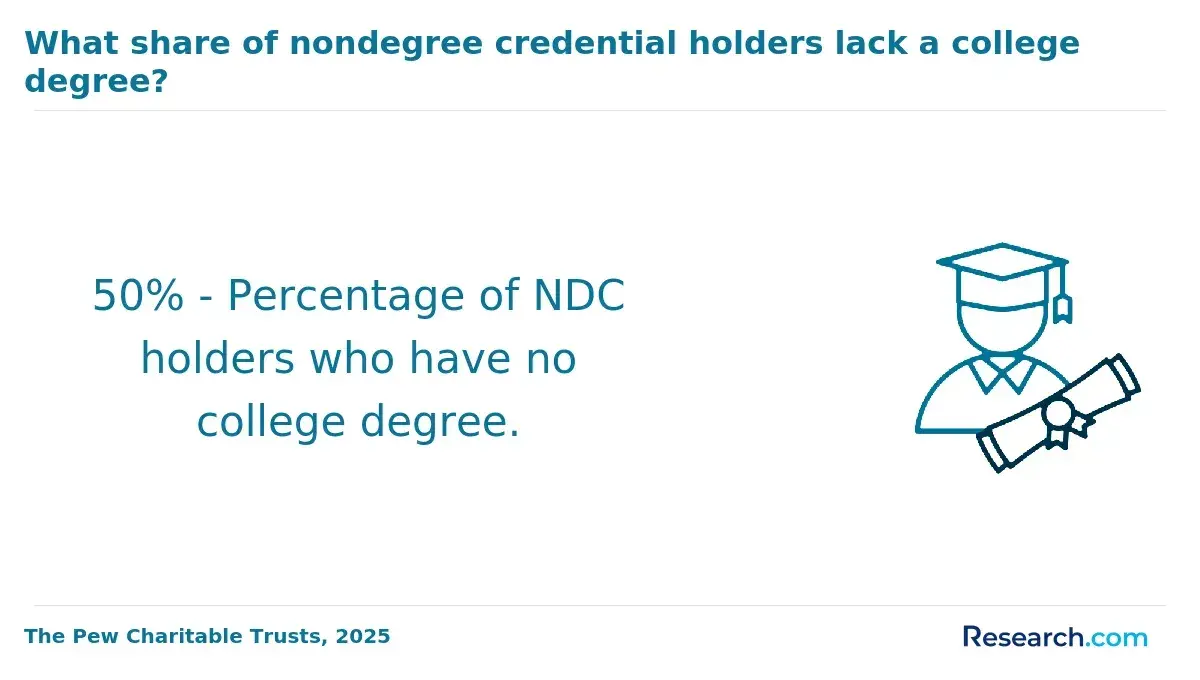
Some roles may not require a degree if the portfolio is strong, especially freelance photography, event photography, and some content creation jobs. However, a degree can be useful when a student wants broader creative training, structured critique, eligibility for roles that prefer a bachelor's degree, or a foundation for graduate study or teaching.
Students should avoid choosing a program based only on the broad job title "photographer." The smarter approach is to choose a niche, identify the images that niche pays for, and select courses and assignments that produce relevant portfolio evidence.
What are typical salaries and earning potential for digital photographers and photo editors?
Photography earnings vary widely because many professionals are self-employed, work part time, combine photography with design or marketing, or earn project-based income. Salary data is useful for setting expectations, but it should not be treated as a promise of individual earnings.
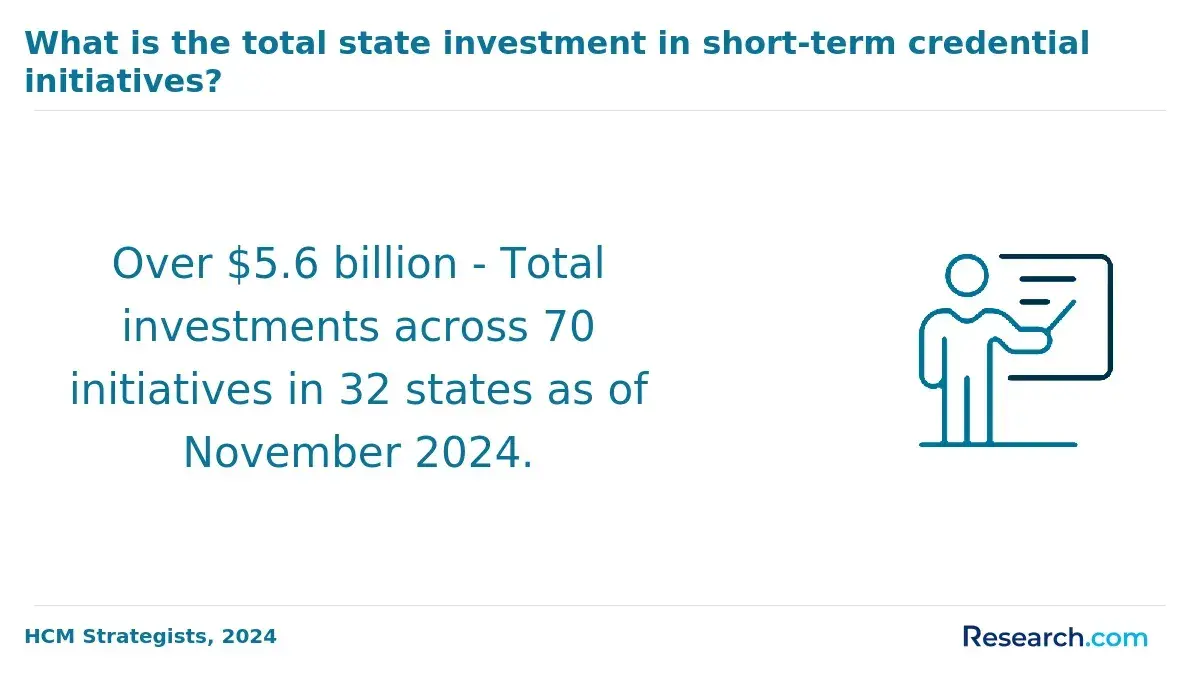
BLS May 2024 data reports a median annual wage of $42,520 for photographers. That figure reflects the middle of the occupation nationally, not a guaranteed starting salary, and it includes photographers across different industries and employment arrangements.
Editing-heavy skills can also connect to related occupations with different wage patterns. The table below shows national BLS May 2024 medians for selected roles that may overlap with digital photography, editing, design, and media production.
| Role or related occupation | May 2024 median annual wage | How it connects to photo editing |
| Photographers | $42,520 | Core image capture and delivery role; editing quality can affect client value |
| Graphic designers | $61,300 | Uses edited images in layouts, campaigns, brand systems, and digital assets |
| Editors | $75,260 | Some photo editing and publishing roles overlap with editorial judgment and content selection |
| Art directors | $106,500 | Advanced creative leadership role that may supervise photographers, image direction, and campaign visuals |
The wage differences show why students should think beyond the camera. A photographer who can also retouch, manage assets, support design teams, and understand brand strategy may have more ways to earn income than someone who offers shooting alone. However, higher-paying related roles may require additional experience, design skills, management ability, or a broader creative portfolio.
Freelancers should evaluate earning potential differently from salaried workers. A freelance photographer's gross revenue must cover taxes, insurance, equipment replacement, software, marketing, unpaid administrative time, studio costs, and inconsistent demand. A degree may help build skill and credibility, but business planning and client acquisition are essential to sustainable income.
What is the job outlook and industry demand for digital photography and editing roles?
The job outlook for photography is mixed: demand exists, but competition is real. The BLS projects employment for photographers to grow 4% from 2024 to 2034, which suggests continued need but not a shortage that makes credentials alone enough. Portfolio quality, specialization, editing speed, and business skills remain central.
Demand is strongest where images directly support sales, communication, documentation, or audience engagement. Ecommerce, real estate, hospitality, personal branding, events, marketing agencies, nonprofit communications, and social media teams all need visual assets, though many also expect quick turnaround and multi-platform delivery.
Several trends influence whether an online digital photography degree is worth the investment.
- AI-assisted editing is reducing time spent on repetitive cleanup, but it increases the value of creative direction, ethical judgment, and the ability to produce original images that do not look generic.
- Short-form digital marketing has expanded demand for fast visual content, but it often rewards hybrid skills such as photography, basic video, design, copy awareness, and platform formatting.
- Remote work has made digital file delivery and online collaboration normal, which supports online education models and distributed freelance work.
- Clients increasingly expect consistent brand visuals, which makes color grading, preset systems, file organization, and repeatable workflows more important.
- Competition from smartphones and automated tools pressures low-end work, so students should build a niche that requires lighting, judgment, reliability, or specialized editing.
The practical takeaway is that a degree should not be evaluated only by the word "photography" on the diploma. Students should ask whether the program helps them build marketable proof: a professional portfolio, software fluency, critique experience, client-style projects, and a clear specialization.
Students who want stable salaried employment may want to combine photography with adjacent skills such as graphic design, digital marketing, web content, social media management, or visual asset management. Students who want freelance work should choose programs that teach pricing, contracts, licensing, client communication, and business operations alongside editing.
How can students evaluate and choose a reputable online digital photography program?
The best online digital photography program is the one that matches your career goal, budget, learning style, and portfolio needs. A reputable program should be transparent about accreditation, cost, curriculum, faculty, technology requirements, student support, and career services.
Start by defining the outcome you want. "I want to get better at photography" is too broad for a degree decision. A stronger goal is "I want to build a commercial product portfolio," "I want to become a portrait photographer with advanced retouching skills," or "I want a bachelor's credential for creative media roles."
Use the following evaluation steps before applying or paying a deposit.
- Verify accreditation through the school and the U.S. Department of Education's recognized accreditation resources.
- Review the full curriculum and count how many courses include editing, retouching, digital workflow, critique, and portfolio revision.
- Ask for current software and hardware requirements, including whether Adobe tools are included or billed separately.
- Request a total cost estimate after transfer credits, fees, equipment, software, and expected time to completion.
- Review faculty portfolios to see whether their expertise matches your desired niche.
- Ask how online critique works and whether students receive feedback on layered files, RAW edits, contact sheets, or only final exports.
- Check career support, internship options, alumni work, portfolio review opportunities, and business training.
- Compare withdrawal, refund, transfer credit, and academic support policies before enrolling.
Military-connected students should also look closely at credit transfer, benefit certification, advising, and flexible scheduling. Even outside photography, guides to a veteran friendly online electrical engineering degree can show the kinds of support questions veterans should ask when comparing online programs.
Red flags deserve serious attention. Avoid programs that are vague about accreditation, pressure you to enroll immediately, refuse to provide a full cost estimate, show weak student portfolios, have little faculty interaction, or treat software training as a substitute for critique and portfolio development.
Also avoid choosing only by tuition. The lowest-cost program may be a poor value if it lacks editing depth, credible feedback, transferability, or career support. The highest-cost program may also be a poor value if its reputation, faculty access, and outcomes do not align with your goals. Value comes from the combination of cost, skill development, credential usefulness, and portfolio results.
A smart final step is to compare three programs side by side and ask the same questions of each admissions team. If one school gives clear, specific answers and another relies on vague promises, that difference can tell you a lot about the student experience.
Other Things You Should Know About Digital Photography
Not always, but most programs eventually require a camera with manual controls and RAW capture. Some introductory courses may allow a basic DSLR or mirrorless camera, while advanced courses may require lenses, lighting, tripod support, storage drives, and editing software.
Yes. If your goal is only to learn Lightroom, Photoshop, retouching, or color correction, a certificate or short course may be faster and cheaper. A degree makes more sense when you also want critique, portfolio development, visual theory, business training, and a college credential.
Most online digital photography degrees require Adobe Photoshop and Adobe Lightroom, and some include Capture One or similar raw-processing software. Programs usually expect students to have a computer that meets the school’s hardware standards and a current software subscription before the first editing course begins.
References
- Should you Study Photography at College or are There Better Options Now? https://digital-photography-school.com/should-you-study-photography-at-college-or-are-there-better-options-now/
- How to evaluate an online photography course https://www.upskillist.com/blog/how-to-evaluate-an-online-photography-course/
- How to Choose the Right Photography Program https://nossi.edu/how-to-choose-the-right-photography-program/
- Online Photography Degrees | Photography Programs & Courses https://www.onlinecolleges.net/degrees/photography/
- Photography Jobs Outlook 2026: Is Studying Photography Still a Good Career Investment? https://www.baph.co.uk/blog/photography-jobs-outlook-2026--is-studying-photography-still-a-good-career-investment-
- Top 10 Online Photography Classes You Can't-Miss: From Beginner to Pro https://www.zno.com/blog/top-10-online-photography-classes.html
- What Can You Do With a Photography Degree? https://pnca.willamette.edu/academics/bfa/photography/career-options
- Industries & Fields - Vault https://vault.com/industries/photography/industry-outlook
- How Much Does it Cost to Learn Photography? https://blog.nobledesktop.com/learn/photography/photography-cost-to-learn
- Online Photography Degree | Associate Degree (AOS) https://www.sessions.edu/online-degrees/digital-photography/