2027 Best Online Associate Degrees in Digital Photography With Rolling Start Options

Co-Founder and Chief Data Scientist
Choosing an online associate degree in digital photography is partly about convenience and partly about career fit. Rolling start options can help you begin sooner, build a portfolio faster, and avoid waiting for a traditional fall semester.
The U.S. Bureau of Labor Statistics reported a $42,520 median annual wage for photographers in May 2024, but income varies widely by specialty, market, and freelance skill. This guide is for students comparing flexible photography programs, costs, accreditation, course quality, and entry-level outcomes before enrolling.
Key Things You Should Know
- The strongest online associate photography programs combine institutional accreditation, portfolio-based coursework, instructor critique, Adobe-centered editing, lighting fundamentals, and frequent or rolling admissions dates.
- Cost varies sharply: College Board's 2024 data placed average published tuition and fees for public two-year in-district students at about $4,050, while private online art programs may cost substantially more.
- Photography is portfolio-driven: the BLS May 2024 median wage for photographers was $42,520, so students should judge programs by career support, production quality, business training, and transfer pathways rather than degree title alone.
What are the best online associate degrees in digital photography with rolling start dates?
The best online associate degrees in digital photography with rolling start dates are not simply the fastest or most heavily advertised programs. A strong option should let students begin in multiple terms, complete critique-based studio work online, build a professional portfolio, and earn credits from an accredited institution that is transparent about tuition, transfer, and student services.
Fully online associate degrees specifically titled "digital photography" are less common than online photography certificates or broader visual arts degrees. For that reason, the practical "best" choice is usually the program that best matches your goal: employment-ready portfolio development, transfer to a bachelor's degree, freelance business preparation, or a lower-cost community college pathway.
The table below summarizes the main types of rolling-start or frequent-start online associate photography options. Use it to identify the category that fits your timeline and career goal before comparing individual schools.
| Program type | Best fit | Typical strengths | Trade-offs to check |
| Online Associate of Science or Associate of Arts in Digital Photography | Students who want a transfer-friendly academic degree with general education courses | Balanced curriculum, portfolio projects, writing and communication courses, possible bachelor's transfer | May include fewer intensive studio courses than an applied degree |
| Online Associate of Applied Science or Associate of Occupational Studies in Photography | Students focused on employment, freelancing, and client-ready technical skills | Hands-on editing, lighting, visual storytelling, business practices, portfolio review | Credits may not transfer as smoothly into every bachelor's program |
| Online art school photography associate program | Students seeking structured critique, creative direction, and a stronger studio identity | Faculty feedback, sequential projects, portfolio emphasis, access to creative communities | Often higher tuition; students should verify accreditation and total cost |
| Community college online or hybrid photography pathway | Budget-conscious students who can complete some work locally or transfer later | Lower tuition, local support, general education transfer options | May require campus labs, limited rolling starts, or fewer online studio sections |
When comparing specific schools, look for evidence that online students receive real critique rather than only watching tutorials. A reputable program should include assignment-based shooting, instructor feedback, portfolio sequencing, image editing workflows, and career preparation. Schools that publish multiple start dates, rolling admissions, or short academic terms can be especially useful for working adults who do not want to wait months to enroll.
A smart shortlist should include programs that meet these minimum standards before you compare tuition or speed:
- Institutional accreditation recognized by the U.S. Department of Education or the Council for Higher Education Accreditation.
- Clear start-date calendar showing rolling, monthly, six-term, or multiple annual enrollment options.
- Portfolio-based courses in camera operation, lighting, digital editing, visual composition, and professional presentation.
- Access to faculty critique, online libraries, academic advising, disability services, and career support.
- Published tuition, fees, equipment expectations, refund policies, and transfer-credit rules.
Students should be cautious with any school that describes itself as "fully accredited" without naming the accreditor, promises a photography job, or advertises an unusually fast degree without explaining credit requirements. A rolling start date is useful only if the program also has academic depth and credible student support.
How do online digital photography associate degrees compare to campus-based programs?
Online digital photography associate degrees are best for students who can manage independent shooting assignments, upload work for critique, and learn editing software remotely. Campus-based programs are often better for students who need structured studio access, in-person lighting labs, darkroom resources, or face-to-face critique.
The core difference is not whether one format is "better." It is whether the format gives you enough feedback, equipment access, and portfolio structure for the kind of photography you want to do. NCES data released in recent years shows that distance education is now a normal part of U.S. higher education, which means online learning is no longer unusual; however, studio disciplines still require careful evaluation of hands-on learning quality.
The table below compares the decision factors that matter most for photography students. It can help you decide whether online, campus-based, or hybrid study is the better fit.
| Factor | Online associate degree | Campus-based associate degree | Best choice when |
| Scheduling | More flexible; often asynchronous with assignment deadlines | Fixed class meetings and lab times | Online works well for students with jobs, caregiving, or irregular schedules |
| Studio access | Student usually supplies camera, lighting, backdrop, and shooting space | School may provide studios, labs, lighting kits, printers, or darkrooms | Campus is stronger for students who lack equipment or want controlled studio practice |
| Critique | Delivered through discussion boards, video feedback, annotated files, or live sessions | Delivered in class, critiques, demonstrations, and peer reviews | Either works if critique is frequent, specific, and tied to portfolio improvement |
| Networking | May depend on virtual communities, faculty connections, and local internships | Easier access to local peers, campus exhibitions, and regional industry events | Campus or hybrid is useful for students who need local creative networks |
| Cost | May reduce commuting and relocation costs but can require home equipment purchases | May include lab fees, commuting, parking, or housing costs | Compare total cost, not tuition alone |
Online photography can be a strong option if you already have access to a camera, a computer capable of photo editing, and reliable internet. It may be less suitable if you need regular access to studio lighting, high-end printers, or supervised labs. Students interested in broader creative pathways may also compare photography with adjacent fields such as graphic design graduate programs later in their education, especially if they want to combine image-making with branding, advertising, or user-centered visual communication.
The common mistake is assuming that online means easier. In photography, online students often need more self-discipline because they must plan shoots, recruit subjects, solve lighting problems, and meet critique deadlines without a physical classroom pushing them forward.
Which accreditation and institutional quality standards should online photography programs meet?
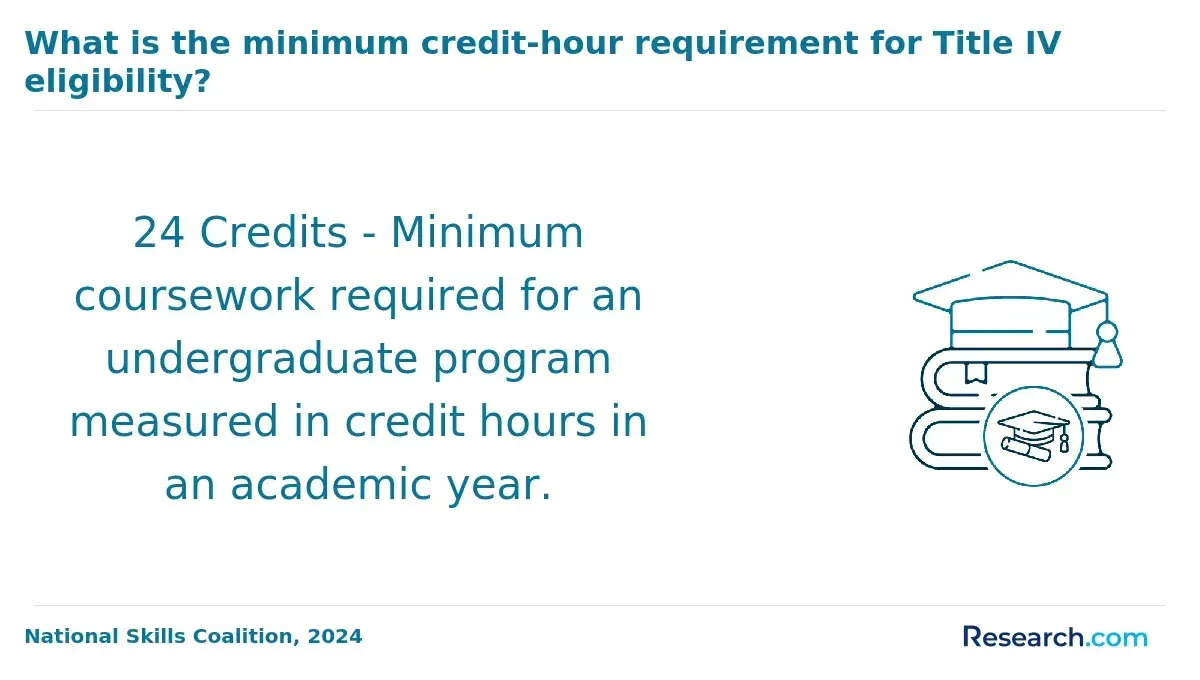
An online associate degree in digital photography should come from an institution with recognized institutional accreditation. This matters because accreditation affects credit transfer, federal financial aid eligibility, employer confidence, and the credibility of the credential if you later apply to a bachelor's program.
For most students, institutional accreditation is more important than specialized art accreditation. Specialized accreditation from organizations connected to art and design education can be a positive sign, but it is not always required for photography careers. Employers and clients usually care more about portfolio quality, reliability, editing skill, and professional communication.
The table below separates essential quality standards from optional signals. This distinction helps students avoid overvaluing brand names while still screening out weak or risky programs.
| Quality standard | Why it matters | What to verify |
| Recognized institutional accreditation | Supports federal aid access, transfer evaluation, and baseline academic oversight | Name of accreditor and current institutional status |
| Transparent degree requirements | Prevents surprises about credits, general education, labs, and portfolio reviews | Total credits, course sequence, residency requirements, and graduation standards |
| Online student support | Helps distance learners persist and solve academic or technical problems | Advising, tutoring, library access, disability accommodations, technical help, and career services |
| Faculty and critique model | Photography skill improves through feedback, revision, and visual problem-solving | Instructor qualifications, critique frequency, response times, and peer-review expectations |
| Portfolio and career preparation | Entry-level opportunities often depend on demonstrated work rather than the diploma alone | Capstone, portfolio course, business practices, internship options, and career coaching |
To check accreditation, use the school's website first, then confirm the accreditor through official U.S. accreditation databases or the accreditor's own directory. If a school is vague, recently changed ownership, under sanction, or unwilling to explain transfer policies, treat that as a red flag.
Students should also ask whether online photography courses are taught by the same academic unit as campus courses. A reputable online program should not feel like a disconnected content library; it should have faculty oversight, graded projects, and a clear path from beginner assignments to portfolio-ready work.
What admissions requirements and application timelines apply to online associate photography programs?
Admissions requirements for online associate degrees in digital photography are usually accessible. Most programs require a high school diploma or GED, an application, transcripts, and sometimes a placement process for English or math. Selective art schools may ask for a portfolio, but many associate-level programs admit beginners and use early courses to build foundational skills.
Rolling admissions means a school reviews applications as they arrive rather than waiting for one annual deadline. Frequent-start programs may use monthly starts, five or six terms per year, or multiple semester entry points. The benefit is speed, but students still need time to gather documents, apply for financial aid, buy equipment, and complete orientation.
The table below shows common admissions items and how they affect your enrollment timeline. Use it to estimate whether you can realistically start in the next available term.
| Requirement | Typical purpose | Timeline impact |
| Application form | Creates your student record and program selection | Often completed quickly online |
| High school or college transcripts | Confirms eligibility and helps evaluate transfer credit | Can delay admission if prior schools are slow to send records |
| FAFSA or financial aid documents | Determines eligibility for federal, state, and institutional aid | Should be started early because aid packaging can take time |
| Portfolio or creative sample | May assess readiness for art-school or advanced placement | Can add preparation time if required |
| Placement or advising | Determines course level and first-term schedule | May be required before registration |
Students who want to use a rolling start date efficiently should follow a simple sequence. This reduces the chance of being admitted but unable to register because aid, equipment, or transcripts are incomplete.
- Confirm the next available start date and the final date to submit documents.
- Request transcripts before submitting the application if prior schools are involved.
- Ask whether transfer credits, military credits, AP, CLEP, or prior learning can reduce the degree length.
- Complete financial aid forms as early as possible and ask when aid will be packaged.
- Review the first-term camera, software, and computer requirements before registering.
A common mistake is applying to the fastest-starting program without checking whether the first photography course is actually available in that term. Some schools may admit students year-round but offer major courses in a fixed sequence, which can affect graduation timing.
How long do online associate degrees in digital photography take and how are they structured?
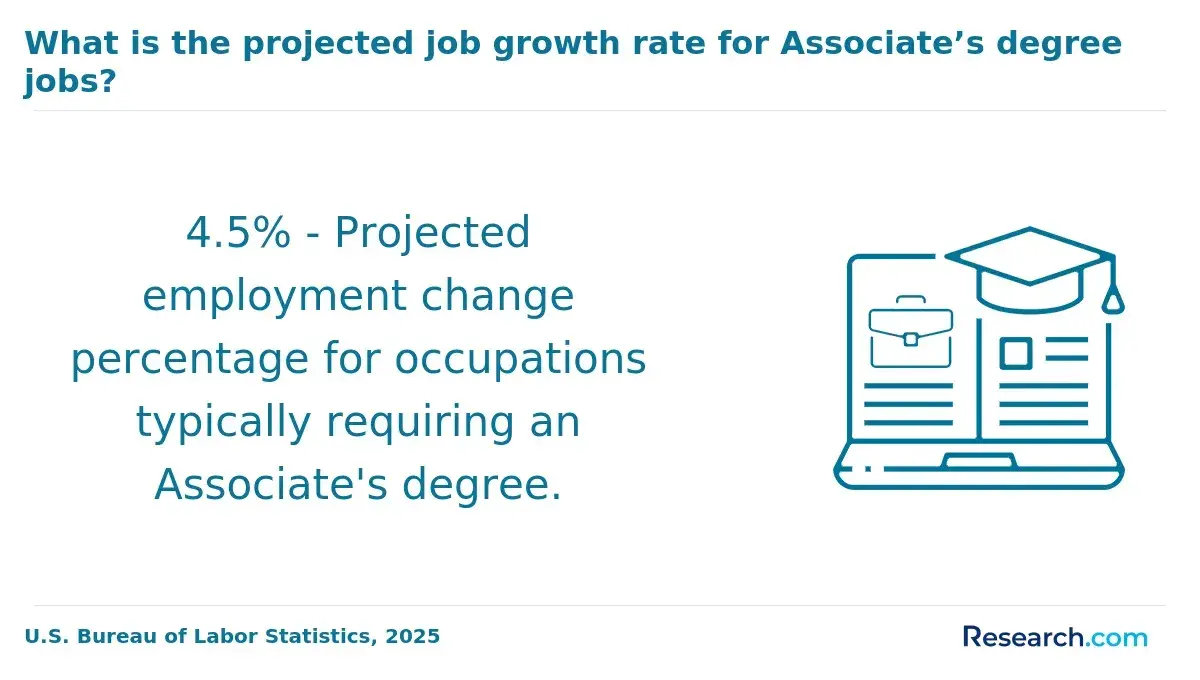
Most online associate degrees in digital photography require about 60 credits. Full-time students often finish in about two academic years, while part-time students may need longer. Accelerated calendars can shorten the waiting time between courses, but they do not remove the need to complete credit hours, assignments, critiques, and portfolio work.
Program structure usually combines general education, visual foundations, technical photography courses, editing software, business preparation, and a final portfolio or capstone. Rolling starts may let students begin with general education or introductory courses while waiting for a specialized photography sequence to open.
The table below shows a typical structure for an online associate photography degree. Individual schools vary, but this framework helps you understand where your time and tuition usually go.
| Degree component | Typical content | Why it matters |
| General education | Writing, communication, humanities, math or quantitative reasoning, social science | Supports transfer and helps photographers write proposals, contracts, captions, and client messages |
| Visual foundations | Design principles, color, composition, art history, visual culture | Builds stronger image judgment beyond camera settings |
| Photography core | Camera operation, exposure, lighting, digital workflow, image critique | Develops the technical and creative base for portfolio work |
| Editing and production | Adobe Lightroom, Photoshop, file management, retouching, output preparation | Prepares students for industry-standard postproduction expectations |
| Professional practice | Portfolio, branding, client communication, copyright, pricing, small-business basics | Helps students transition from class projects to paid or portfolio-building work |
Students comparing accelerated creative degrees should be realistic about workload. For example, someone researching an accelerated architecture degree may find that speed depends on studio intensity, transfer credits, and required design sequences; photography programs have similar constraints when projects require shooting, editing, and revision time.
Part-time study can be the better choice if you work, care for family, or need time to build a stronger portfolio. Full-time study may make sense if you already own equipment, have flexible hours for shoots, and want to transfer or enter the market quickly. The best timeline is the one that lets you complete strong work, not just finish credits.
What core courses and technical skills are taught in digital photography associate curricula?
Digital photography associate curricula teach students how to create, edit, evaluate, and present images for personal, editorial, commercial, and creative uses. A good curriculum moves beyond camera basics into lighting decisions, visual storytelling, file management, critique, ethics, and portfolio development.
Technology is changing the field quickly. AI-assisted editing, generative image tools, automated subject selection, and smartphone computational photography can speed up production, but they do not replace the photographer's judgment about lighting, timing, composition, consent, and client goals. Students should look for programs that teach both technical tools and ethical use of digital manipulation.
The table below links common courses to the skills students should expect to practice. This helps you read catalogs more critically instead of relying on course titles alone.
| Course area | Skills developed | Portfolio value |
| Digital camera fundamentals | Exposure, aperture, shutter speed, ISO, lenses, focus, white balance | Shows control over image capture in varied conditions |
| Lighting | Natural light, studio light, flash, modifiers, shadow control, reflective surfaces | Supports portraits, products, events, and commercial assignments |
| Digital editing | RAW processing, color correction, retouching, masking, compositing, export settings | Demonstrates polished production and file-readiness |
| Composition and visual storytelling | Framing, sequencing, perspective, mood, narrative, visual hierarchy | Helps images feel intentional rather than accidental |
| Business and professional practice | Client communication, copyright basics, releases, pricing concepts, branding, portfolio presentation | Signals readiness for freelance, assistant, or entry-level production work |
Before enrolling, compare syllabi or sample assignments if they are available. Strong programs usually require students to reshoot, revise, and explain creative choices. Weak programs may rely too heavily on passive video lessons or software tutorials without meaningful critique.
Students should also check software access. Many programs use Adobe Creative Cloud applications, but schools vary in whether software is included, discounted, or purchased separately. If you plan to freelance, learning file organization and backup habits is just as important as learning retouching tools.
How much do online associate photography programs cost, and what financial aid is available?
Online associate photography program costs depend on institution type, residency status, credit requirements, transfer credits, fees, equipment, and software. Tuition is only one part of the budget. Photography students may also need a camera body, lenses, memory cards, external storage, lighting basics, calibration tools, printing, and editing software.
College Board's 2024 Trends in College Pricing reported average published tuition and fees of about $4,050 for public two-year in-district students. That figure is useful as a public-college benchmark, but online photography students should still compare total program cost because private art schools and out-of-state tuition can be much higher.
Common cost items include the following:
- $4,050 average published tuition and fees for public two-year in-district students, based on College Board's 2024 benchmark.
- $0 to several hundred per term in technology, online learning, lab, portfolio, or graduation fees, depending on the school.
- $500 to $2,500 or more for student-owned camera, lenses, storage, lighting, and accessories, depending on what you already own and what the program requires.
- $20 to $60 per month for common photography software subscriptions if the school does not include or discount access.
Financial aid may be available if the institution participates in federal student aid programs and you meet eligibility requirements. Students should complete the FAFSA, ask about state grants, compare institutional scholarships, and check whether employer tuition assistance, veterans benefits, or workforce funding can apply.
To reduce the total cost, focus on avoidable expenses rather than only tuition. The following steps can make a meaningful difference:
- Ask for a full cost of attendance estimate that includes tuition, fees, books, software, and required equipment.
- Confirm whether transfer credits can reduce the number of courses you must pay for.
- Choose used or previous-generation camera equipment if it meets course specifications.
- Use student software discounts when available, but verify whether access continues after graduation.
- Compare public community college pathways with private online art schools before committing.
If your main goal is a fast, affordable online credential rather than a visual arts career, it may be worth comparing other flexible programs such as a Spanish online degree. The right investment depends on whether the program supports the work you actually want to do.
A common mistake is borrowing based on an expected freelance income that has not yet materialized. Photography income can be uneven, especially at the beginning, so students should keep debt manageable and build paid experience gradually.
What entry-level careers can you pursue with an online digital photography associate degree?
An online digital photography associate degree can support entry-level work in photography, media production, marketing support, e-commerce, studio assistance, and freelance services. The degree itself is rarely the only hiring factor. Employers and clients usually want to see a portfolio, technical reliability, editing ability, professionalism, and evidence that you can deliver images on deadline.
Entry-level graduates may begin as assistants or production support workers while building a specialized portfolio. Some students also combine photography with design, social media, copywriting, video, or web content skills to become more employable in small businesses and creative teams.
The table below outlines common entry-level paths and what each role typically emphasizes. Use it to match your coursework and portfolio projects to a realistic first step.
| Entry-level path | Typical responsibilities | Portfolio or skill emphasis |
| Photography assistant | Set up lighting, organize gear, support shoots, manage files, assist lead photographers | Reliability, lighting basics, file handling, studio etiquette |
| Portrait or event photographer | Photograph individuals, families, school events, small weddings, corporate gatherings, or community events | People skills, posing, lighting, delivery workflow, client communication |
| E-commerce product photographer | Create consistent product images for online stores, catalogs, and marketplaces | Lighting control, color accuracy, editing consistency, high-volume workflow |
| Real estate photography assistant or junior photographer | Photograph interiors and exteriors, edit image sets, coordinate with agents or property managers | Wide-angle composition, exposure blending, turnaround speed, scheduling |
| Digital imaging technician or photo editor assistant | Organize files, perform basic retouching, prepare images for publication, maintain archives | Software skill, attention to detail, color correction, asset management |
| Content production assistant | Create or support photo content for social media, websites, newsletters, and campaigns | Photography plus writing, branding, short-form video, and platform awareness |
Students who want stable employment should look for programs that include business communication and production workflow, not just artistic projects. Small employers often prefer candidates who can shoot, edit, organize assets, and communicate with noncreative stakeholders.
Students who want to freelance should use school assignments to build niche-specific samples. A general portfolio with unrelated images is less persuasive than a focused set showing portraits, products, food, interiors, events, or editorial storytelling.
What salary ranges and freelance earning potential exist for digital photography graduates?
Salary and freelance income in photography vary by market, specialty, client base, equipment, editing speed, reputation, and business skills. The BLS reported a May 2024 median annual wage of $42,520 for photographers. This is a useful national benchmark, but it should not be read as a guaranteed outcome for associate degree graduates because many photographers are self-employed, part-time, or working in highly local markets.
Freelance earning potential can be higher or lower than wage employment. A freelancer may charge per session, per image, per event, per product batch, or per licensing agreement, but they also pay for equipment, insurance, marketing, editing time, taxes, transportation, software, and unpaid administrative work.
The table below explains how different photography income models usually work. It is meant to help students think about business structure, not to predict individual earnings.
| Income model | How it works | Main risk | What improves earning potential |
| Hourly or salaried staff role | Employer pays for scheduled work in a studio, company, school, media team, or production unit | Fewer openings and less creative control | Reliable workflow, editing speed, communication, and cross-functional media skills |
| Freelance session work | Photographer charges clients for portraits, events, branding, family sessions, or local assignments | Irregular bookings and seasonal demand | Clear niche, local marketing, client experience, referrals, and consistent delivery |
| Commercial project work | Photographer prices product, food, real estate, corporate, or advertising assignments by project | Client acquisition and higher production expectations | Lighting skill, usage rights knowledge, polished estimates, and repeat business |
| Hybrid creative work | Photography is combined with social media, design, video, or marketing support | Role can become broad and underpriced | Bundled services, project management, and clear scope boundaries |
Students should evaluate return on investment by comparing debt, local demand, portfolio strength, and the time needed to build clients. A lower-cost program may produce a better financial outcome if it helps you build a strong portfolio without excessive borrowing. A higher-cost art program may make sense if it provides stronger critique, networking, and career support that you will actually use.
The most common salary mistake is assuming that a degree automatically converts into high freelance rates. In practice, rates usually rise when photographers can show a specific style, solve client problems, deliver consistently, and manage licensing or usage expectations professionally.
How can students evaluate rolling-start online photography programs to choose a reputable option?
To choose a reputable rolling-start online photography program, evaluate accreditation, total cost, course sequence, equipment requirements, critique quality, portfolio outcomes, transfer options, and career support. Rolling admissions should be treated as a convenience feature, not the main reason to enroll.
Start by deciding whether your priority is transfer, employment, freelancing, or personal creative development. A transfer-focused student may prefer an AA or AS degree with strong general education credits. A freelance-focused student may prefer an applied associate program with business practice, lighting, editing, and portfolio courses. A student unsure about the field may be better served by a lower-cost course or certificate before committing to a full degree.
Use these questions when talking with admissions or academic advisors. They are designed to reveal whether the program's flexibility is matched by real academic quality:
- Is the institution currently accredited by a recognized accreditor, and where can I verify that status?
- How many start dates are offered each year, and are photography major courses available every term?
- Who critiques online photography assignments, and how often do students receive individualized feedback?
- What equipment, software, computer specifications, and internet speed are required before the first term?
- Can I see sample student portfolios, capstone expectations, or graduate work examples?
- How many credits can transfer into the program, and how many credits may transfer to a bachelor's degree later?
- What is the full cost of attendance after fees, software, equipment, and supplies?
- What career services are available specifically to online creative students?
Red flags deserve serious attention. Avoid schools that pressure you to enroll immediately, refuse to provide a full cost estimate, hide accreditation details, promise specific jobs or income, or cannot explain how online critique works. Also be cautious if the program's portfolio examples look outdated or if the curriculum does not mention current editing workflows.
Military-connected students should also ask about credit for prior learning, GI Bill participation, deployment flexibility, and dedicated advising. Even if photography is your target, reviewing student-support expectations in other online fields, such as resources on a cybersecurity degree online for veterans, can help you identify the kinds of veteran services worth asking about.
The best final choice is the program you can afford, complete, and use to produce stronger work. If two programs are similar, choose the one with clearer costs, better critique, stronger student work, and more transparent transfer or career pathways.
Other Things You Should Know About Digital Photography
While a high-quality camera enhances learning in a 2027 online associate degree in digital photography, many programs suggest starting with whatever equipment fits your budget, as fundamental photography skills can be honed with basic camera models or even a good smartphone.
Usually, students retain rights to their own images, but school policies can vary for coursework, exhibitions, promotional use, or collaborative projects. Review the student handbook and ask how image rights are handled.
Some credits may transfer, especially general education courses from accredited institutions. Applied or occupational photography credits can be evaluated differently by receiving schools, so ask for written transfer guidance before enrolling.
No, most online associate degrees in digital photography do not require internships for graduation. Programs usually require about 60 semester credits of coursework instead, though some may offer optional practicum or portfolio projects. Check whether the school counts supervised fieldwork toward elective credit or a capstone.
References
- Quality Standards and Accreditation of Distance Education Programs in a Pandemic - OJDLA https://ojdla.com/articles/quality-standards-and-accreditation-of-distance-education-programs-in-a-pandemic
- Online Photography Degree and Certificate Programs | Sessions College https://www.sessions.edu/digital-photography-info/
- How to Choose the Right Photography Program https://nossi.edu/how-to-choose-the-right-photography-program/
- The Photography Institute https://www.thephotographyinstitute.com/us/en/blog-evaluating-online-courses
- Digital Photography 1a: Introduction https://www.edynamiclearning.com/course/digital-photography-1a-introduction/
- How To Get Student Loans and Financial Aid for Photography ... https://www.credible.com/student-loans/student-loans-for-photography-school
- Computer graphic arts - digital photography https://www.starkstate.edu/academics/explore-all-programs/digital-photography-major/
- European Online University Accreditation Explained - MIA Digital University https://miauniversity.com/european-online-university-accreditation/
- Best Online Associate Degrees in Photography https://www.onlineu.com/degrees/associate-photography
- The Rise of Hybrid Accreditation Models for Virtual Learning https://iacde.org/iacde-insights/the-rise-of-hybrid-accreditation-models-for-virtual-learning/