2027 Best RN to BSN Careers for Remote Opportunities

Co-Founder and Chief Data Scientist
Balancing full-time shifts with advancing education creates a critical bottleneck for many registered nurses aiming to earn their BSN. Limited daytime clinical placements and rigid onsite requirements compound the challenge, forcing candidates to delay career advancement or sacrifice income. The National Center for Education Statistics reports a 14% rise in adult online learners since 2023, signaling growing demand for flexible, remote pathways that accommodate working professionals' schedules. This shift underscores a structural reframing of nursing education accessibility, empowering RNs to maintain employment while pursuing credentials crucial for leadership and specialized roles. This article identifies the best RN to BSN careers optimized for remote opportunities, guiding strategic choices that reconcile practical constraints with career mobility.
Key Things You Should Know
- Remote RN to BSN programs averaging 18 months reduce total tuition by 20% compared to traditional timelines but risk workforce reentry delays impacting income streams during extended study periods, per NCES data.
- Employers prioritize BSN candidates with strong clinical decision-making experiences; graduating from purely remote programs showing limited hands-on exposure can hinder competitiveness in hospitals adopting Magnet Recognition standards, according to AACN reports.
- State licensure variability complicates remote RN to BSN program selection, requiring students to navigate different clinical hour requirements that may affect timely graduation and cross-state employment opportunities, as detailed by NCSBN.
What are the best RN to BSN career paths that support remote and hybrid work?
Remote and hybrid work options for RN to BSN career paths extend primarily to roles that integrate technology with clinical insight, such as telehealth nursing, case management, healthcare informatics, clinical education, and quality improvement. Nurses in telehealth leverage video and digital tools to manage patient assessments and education from home, though they must navigate differing state licensure rules affecting cross-state practice. Case management positions emphasize virtual coordination of care plans across providers, enabling effective remote collaboration but requiring strong organizational skills.
Healthcare informatics roles focus on analyzing electronic health record data and improving workflows, tasks well-suited to remote settings for BSN-prepared nurses with data expertise. Clinical educators increasingly conduct training sessions remotely or in hybrid formats, balancing educational impact with flexible delivery. Quality improvement nurses use data analysis and remote reporting to enforce best practices without onsite presence.
Those exploring RN to BSN career paths offering remote nursing jobs should anticipate maintaining advanced technological proficiency and ensuring secure, compliant home workspaces. According to ZipRecruiter, U.S. remote BSN nursing positions paid between $72,000 and $120,000 as of July 2025, indicating substantial employer demand for adaptability and communication skills alongside clinical knowledge. The best hybrid work opportunities for RN to BSN graduates thus hinge on combining clinical expertise with strong data literacy and self-management capabilities.
Students evaluating educational routes can consider RN to BSN online options that focus on building these interdisciplinary skills vital for virtual nursing practice.
How does completing an RN to BSN degree expand telehealth and virtual nursing opportunities?
Employers increasingly prioritize nurses with BSN credentials for telehealth roles, as completing an RN to BSN degree enhances telehealth nursing careers by sharpening clinical judgment, leadership capacity, and technological fluency crucial for remote healthcare delivery. For instance, a BSN-prepared nurse managing chronic illness patients remotely must interpret electronic health records, implement evidence-based protocols, and effectively coordinate care with multidisciplinary teams-competencies not fully developed at the associate degree level. This creates a competitive advantage in hiring pools seeking candidates who can operate independently within digital platforms.
The remote nursing opportunities expanded by RN to BSN education depend heavily on training in nursing informatics and community health assessment, which prepare graduates to engage underserved populations through telecommunication tools. Nurses must also navigate digital charting, cybersecurity, and telehealth legal frameworks, often requiring supplemental certifications or course work beyond the BSN itself. While telehealth nurses earn an average salary of $96,794 according to Sacred Heart University, this premium reflects the specialized skill set employers demand.
Strategically pursuing advanced competencies-such as remote patient monitoring technology and adapting clinical interventions for virtual settings-is essential for maximizing telehealth role viability and long-term career mobility. Many who seek further advancement consider online BSN to MSN programs to deepen their expertise and increase leadership opportunities.
Which RN to BSN roles allow nurses to work fully from home or across multiple locations?
Fully remote RN to BSN roles such as nurse informaticists, telehealth nurses, case managers, and clinical educators represent distinct professional tracks that require diverging skill sets and impact compensation differently. For example, nurse informaticists utilize electronic health records and data systems to streamline healthcare delivery, earning salaries often exceeding $130,000 annually-this can surpass bedside nursing pay when factoring in the absence of commuting and shift differential premiums. Telehealth nursing, which involves remote patient assessments via video or phone, typically offers between $60,000 and $110,000 depending on experience, reflecting in-demand specialization within nursing careers with flexible work locations.
Senior case managers handle complex care coordination remotely, frequently commanding salaries above $130,000, but this role demands advanced clinical judgment and proficiency in communication. Clinical educators designing virtual training programs usually earn between $70,000 and $95,000, providing a moderate remote nursing option. Transitioning RNs should weigh critical factors including technology proficiency, employer telework policies, and especially state licensure reciprocity, which often influences the feasibility of fully remote work. Telepractice regulations vary significantly, creating real barriers despite the apparent flexibility of these roles.
Employers increasingly favor candidates with BSN credentials, particularly when the program integrates informatics or care coordination electives, enhancing marketability for fully remote positions. Prospective students considering RN to BSN programs must also navigate practical constraints; choosing accredited, affordable pathways that accommodate working professionals is essential to balance education with employment. Resources like online nursing programs for working adults provide valuable guidance in this regard.
What admission and licensing requirements must RNs meet to enroll in RN to BSN programs?
Holding an active, unencumbered RN license issued by a state board of nursing is non-negotiable for admission into RN to BSN programs. This licensing criterion not only verifies clinical competency but is often a gatekeeper to career transitions requiring formal BSN qualifications. The licensing criteria for enrolling in RN to BSN programs typically include completion of an accredited associate degree in nursing (ADN) or an equivalent nursing diploma, accompanied by verifiable clinical experience-usually at least one year of direct patient care. Academic prerequisites like a minimum GPA between 2.5 and 3.0 ensure candidates possess the foundational knowledge for more rigorous coursework.
Additional program demands include general education courses in subjects such as statistics, microbiology, and anatomy, which build necessary analytical and scientific skills. Some institutions require standardized tests assessing critical thinking and writing, reflecting the increased emphasis on evidence-based practice and leadership. Mandatory background checks and up-to-date immunizations comply with clinical placement requirements, presenting logistical challenges for working RNs coordinating these alongside employment.
Meeting these RN to BSN admission requirements for licensed nurses opens the door to specialized roles with higher earning potential. For instance, legal nurse consultants-a role averaging $125,000 annually according to Nurse.org-require BSN credentials. This emphasizes a practical decision tradeoff: investing in meeting eligibility criteria expands access to telehealth, consulting, and administrative roles prioritizing formal qualifications and demonstrated clinical experience.
A strategic next step for many nurses is exploring best DNP programs that don't require clinical hours, especially for those seeking advanced leadership roles without additional onsite obligations.
How do online RN to BSN programs compare with campus-based options for remote career prep?
Online RN to BSN programs deliver outcomes comparable to campus-based tracks but diverge in flexibility and immediate applicability for working nurses targeting remote care roles. Both formats conform to accreditation benchmarks ensuring clinical and theoretical rigor essential for telehealth, case management, and utilization review specialties. However, online pathways uniquely support employed professionals by enabling skill application in virtual environments without relocation or schedule upheaval.
Labor market data projects over 2,000 remote BSN-level nursing roles in 2025, emphasizing growing demand for nurses versed in decentralized care delivery. While campus programs facilitate in-person networking, online RN to BSN curricula integrate virtual simulations, digital clinical case analyses, and asynchronous interactions that directly mirror telehealth workflows. Employers increasingly expect competencies in telehealth technology and remote documentation embedded in online coursework.
Tradeoffs focus on access and scheduling: online students can sustain full-time employment and swiftly shift into specialized remote roles but must secure local clinical placements and engage virtually with mentors. Campus programs provide structured face-to-face clinical residencies ideal for those prioritizing immersive environments, though often requiring employment breaks that slow workforce integration.
For example, a telehealth nurse transitioning from inpatient care benefits from online RN to BSN programs emphasizing remote communication and documentation standards. Conversely, a nurse aiming for hospital administration might find more value in campus programs offering leadership development through direct networking and experiential learning.
What RN to BSN coursework and clinical experiences best prepare nurses for remote positions?
Success in remote nursing roles depends heavily on coursework that goes beyond traditional bedside skills, focusing instead on care coordination, health informatics, leadership, and community health. RN to BSN programs that integrate telehealth technology, electronic health records (EHR) management, and data analytics enable nurses to navigate virtual patient monitoring and interdisciplinary collaboration effectively.
For example, an RN working remotely for a large insurer in New York City must handle complex case management and health coaching through digital communication platforms. This requires adeptness in virtual assessments and clinical decision-making under conditions of uncertainty-skills sharpened in remote-specific clinical practicums or simulation labs.
Without targeted telehealth and informatics training, graduates risk falling short of employer expectations for autonomy and technical fluency in remote workflows. Employers increasingly seek candidates with demonstrated experience in digital documentation and remote care coordination. Equally important is a curriculum that advances cultural competence and health equity to address diverse populations through remote outreach.
Nurses pursuing remote RN roles should verify that their RN to BSN program includes training in:
- Telehealth delivery models and communication tools
- Health informatics and EHR proficiency
- Population health management and preventive care
- Leadership and clinical decision-making in decentralized environments
Meeting these expectations aligns with workforce trends in metropolitan hubs where remote positions are expanding. For detailed course criteria and program outcomes related to remote care, prospective students can refer to the relevant data on Research.com.
How long do RN to BSN programs take, and what are typical tuition and financial aid options?
Opting for an RN to BSN program requires balancing time, cost, and career trajectory with realistic expectations about workforce demands and credential barriers. Full-time online formats typically take 12 to 18 months, while part-time options extend up to 24 months, accommodating working nurses but requiring prolonged commitment. Accelerated tracks shorten duration to 9-12 months but increase scheduling intensity and workload.
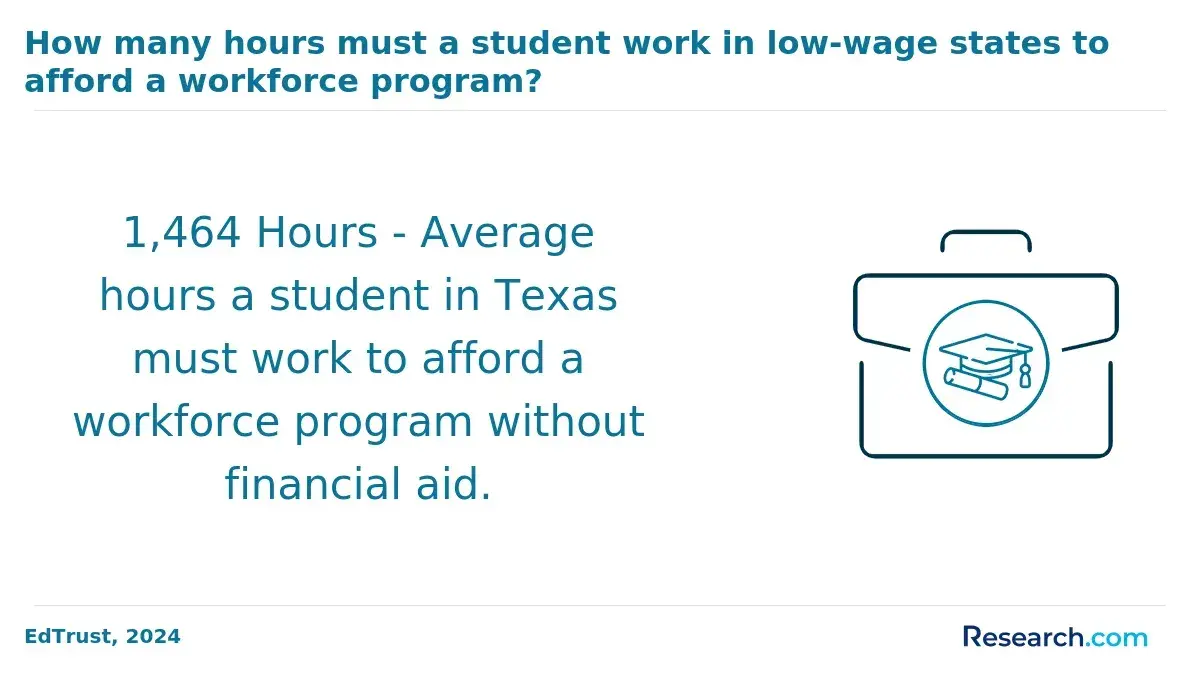
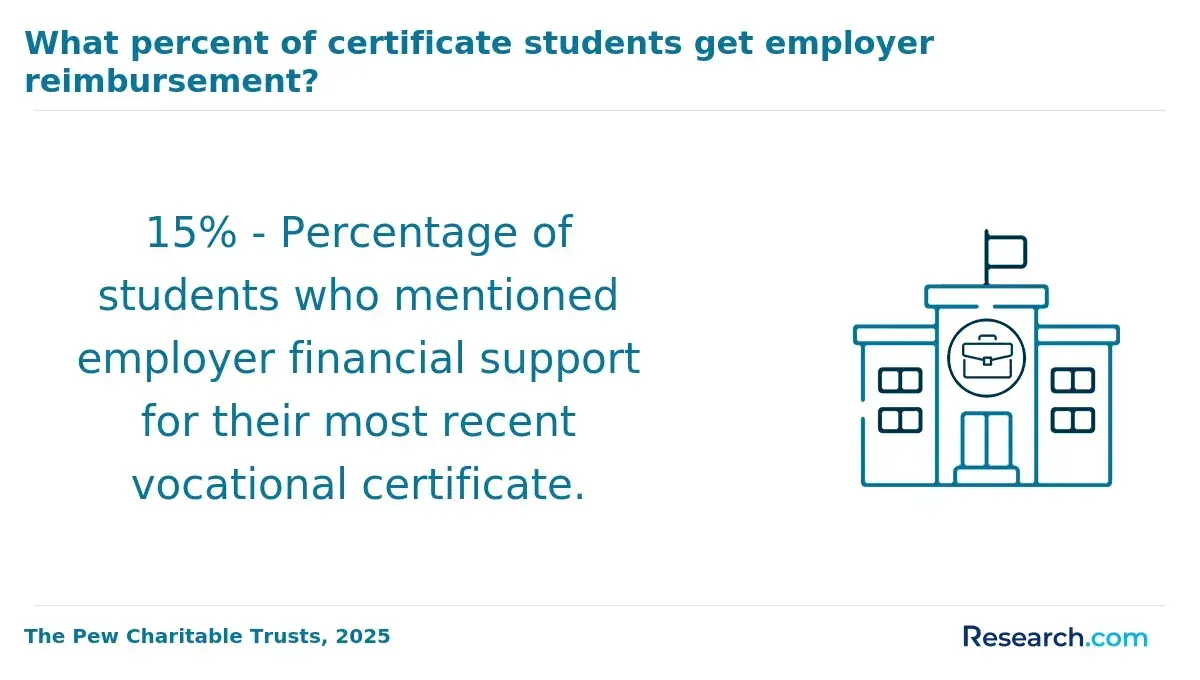
Tuition costs vary significantly: public schools average $7,000-$15,000 for the total program, whereas private institutions frequently demand $20,000-$40,000. Financing strategies often combine federal loans, Pell Grants, employer tuition reimbursement, and targeted scholarships, though eligibility and availability differ widely.
Consider the example of a nurse working in hospital utilization review who pursues a part-time RN to BSN program costing about $10,000 financed via federal loans and employer support. This approach enables maintaining an income without exiting the workforce while advancing qualifications aligned with employer expectations.
Salary benchmarks for BSN-preferred remote roles reflect the investment payoff: case managers average $80,000-$110,000, and utilization review nurses $70,000-$90,000. Employers typically require BSN credentials due to clinical and informatics competencies needed in these specialties, emphasizing the importance of programs offering flexible pacing and clinical components adaptable to varied healthcare settings.
Prospective students should rigorously assess how tuition debt, financial aid, and potential wage increases interact over time, especially given the challenge of managing coursework alongside ongoing employment.
What are the salary ranges for RN to BSN graduates in remote and hybrid nursing roles?
RN to BSN graduates pursuing remote or hybrid nursing roles face a salary range generally between $75,000 and $95,000 annually, with compensation often tied to job functions and location. Remote telehealth nursing, such as registered nurses handling telephonic triage, can achieve average salaries around $88,120, according to Sacred Heart University data. Positions in remote case management and telehealth align with the higher end of this spectrum, reflecting the premium placed on nurses adept at clinical care and digital communication.
Hybrid nursing roles typically pay slightly less, in the $75,000 to $80,000 range, due to occasional on-site demands balancing flexibility against direct patient interaction. Employers largely favor BSN-credentialed nurses in these roles because their training enhances critical thinking, care coordination, and leadership skills, translating into better pay compared to diploma or associate degree nurses.
Key practical considerations when targeting these roles include:
- Proficiency with telehealth platforms and electronic documentation systems.
- Autonomous decision-making capabilities.
- Geographic factors, where remote roles in rural areas can offset relocation costs while offering competitive salaries above $85,000.
- Hybrid roles in metropolitan zones may yield stronger clinical exposure and networking but at slightly lower pay.
This variability underscores the need for graduates of RN to BSN programs to evaluate tradeoffs between income potential, job duties, and work environment when selecting a career pathway in remote or hybrid nursing.
What is the job outlook for RN to BSN nurses in telehealth, case management, and informatics?
Demand for nurses with BSN credentials in telehealth, case management, and informatics reflects healthcare's pivot to digital and value-based care models. Telehealth roles prioritize BSN-prepared nurses who combine clinical judgment with proficiency in technology and virtual patient interaction. This shift corresponds with regulatory and reimbursement frameworks that increasingly favor higher education levels.
In case management, BSN nurses navigate complex discharge planning and resource coordination aimed at reducing readmissions and controlling costs, often utilizing remote communication tools and detailed documentation. These positions call for proficiency in interdisciplinary collaboration technologies, which are core components of RN to BSN programs.
Health informatics roles require nurses to manage electronic health records, support data-driven clinical decisions, and contribute to quality improvement initiatives. However, these opportunities often demand additional certification beyond the BSN to master specialized software platforms.
A practical example involves nurse educators working remotely in academic or health system settings. According to BLS data cited by Nevada State College, the median annual wage of $80,800 for nurse educators illustrates stable demand for BSN-prepared professionals in online instruction and training roles.
Employers uniformly expect BSN credentials paired with informatics or telehealth competencies, favoring candidates adaptable to digital tools and self-directed learning. Graduates considering RN to BSN programs must weigh fast-expanding remote nursing roles against ongoing requirements for technological skill development and certification to remain competitive.
How can nurses choose an accredited RN to BSN program aligned with remote career goals?
Success in transitioning to remote nursing roles through an RN to BSN program depends heavily on program accreditation by CCNE or ACEN and clear alignment with evolving telehealth and informatics demands. Nurses with 2-3 years of bedside experience are generally preferred for remote positions, narrowing immediate pathways for newer graduates. For example, entry-level roles such as health coaching or HEDIS chart abstraction require targeted program tracks rather than broad clinical curricula.
Employers expect graduates to possess practical skills directly applicable to remote care workflows. A nurse seeking remote case management must confirm the program's inclusion of insurance documentation and patient advocacy content, along with partnerships facilitating virtual clinical placements. Conversely, specialization in clinical informatics demands emphasis on electronic health record usage and data analytics.
Program flexibility is a pragmatic consideration given working nurses' schedules. Accelerated options enable degree completion in 12-18 months without sacrificing clinical hour requirements. Offering both synchronous and asynchronous courses directly impacts the feasibility of maintaining bedside employment. Access to virtual simulations or remote practicum placements is another key factor influencing skill readiness.
The decision to enroll should weigh accreditation status, explicit remote-care curriculum relevance, documented outcomes in remote employment, and structural support for working professionals. This nuanced approach better positions nurses for realistic workforce transitions compared to generic degree selections.
Other Things You Should Know About RN to BSN Programs
Proficiency in telehealth platforms, electronic health records (EHR) systems, and secure communication tools are crucial for remote RN to BSN roles in 2027. Familiarity with patient management software and experience using digital communication for care coordination also enhance job effectiveness in virtual healthcare environments.
Yes, if they hold an active multistate RN license from a Nurse Licensure Compact state and meet each employer’s telehealth requirements. Remote telehealth roles often require compact licensure, one unrestricted RN license, and 1 to 2 years of recent bedside or triage experience.
To work remotely as an RN in 2027, nurses must maintain an active Registered Nurse license in their state. Additionally, they may require multi-state licenses through the Nurse Licensure Compact (NLC) to practice across state lines, depending on job requirements.
References
- Alternative jobs for nurses: 11 derivative nursing jobs in 2026 https://www.sermo.com/resources/nurse-alternative-careers/
- Online RN to BSN - Bachelor of Science in Nursing https://online.ben.edu/programs/nursing/rn-bsn/
- Telehealth Nursing: What Is It? And How to Become One https://onlinedegrees.elmhurst.edu/blog/telehealth-nursing-what-it-and-how-become-one
- RN to BSN Admissions Information https://www.unthealth.edu/college-of-nursing/bs-in-nursing-rn-to-bsn.html
- Telehealth Nursing Careers and Education (Schools & Salary 2025) https://www.allnursingschools.com/specialties/telehealth-nurse/
- L.A. Care Jobs https://lacare.org/jobs
- 10 Jobs That Let You Work From Home as a Nurse https://credenzahealth.com/career-advice/10-jobs-that-let-you-work-from-home-as-a-nurse
- What Are the Opportunities in Nursing Informatics? | NursingEducation https://nursingeducation.org/insights/nursing-informatics/
- RN to BSN Program Online: Bachelor of Science Nursing https://www.chamberlain.edu/academics/nursing-school/rn-to-bsn
- 10 COMPANIES THAT HIRE NURSES TO WORK FROM HOME (RN, LPN & APRN) | Remote Nurse Connection https://remotenurseconnection.com/companies-hiring-nurses-work-from-home/