2027 Photographer vs Photo Editor vs Creative Director: Which Path Pays More?

Co-Founder and Chief Data Scientist
Choosing between photography, photo editing, and creative direction is really a decision about income ceiling, creative control, and training investment. The U. S. Bureau of Labor Statistics, in career data published in 2024, reported median pay of $40,170 for photographers, $75,020 for editors, and $106,500 for art directors, the closest federal benchmark for many creative directors. This guide helps aspiring visual professionals, career changers, and degree seekers compare responsibilities, salaries, education options, hiring demand, and portfolio strategies so they can choose the path with the best fit and realistic earning potential.
Key Things You Should Know
- Creative director roles usually have the highest pay ceiling: BLS data published in 2024 lists art directors at a $106,500 median annual wage, compared with $75,020 for editors and $40,170 for photographers.
- Photographers can enter with a portfolio and technical skill, while photo editors and creative directors are more likely to benefit from formal training in visual communication, design, media production, or art direction.
- The best-paying path is not always the best first step: many creative directors start as photographers, designers, photo editors, or content producers before moving into leadership roles.
Which role typically earns the highest salary: photographer, photo editor, or creative director?
Creative director typically pays the most, followed by photo editor, then photographer. The reason is structural: creative directors are responsible for brand-level visual decisions, budgets, campaigns, teams, and client or executive approvals. Photographers and photo editors may do highly skilled creative work, but they often have narrower responsibility unless they run a studio, specialize in premium commercial work, or move into management.
Federal labor data does not always use the exact title "creative director," so the closest reliable benchmark is usually "art director." "Photo editor" may be classified under editors, media editors, digital content editors, or image specialists depending on the employer. The table below uses BLS career data published in 2024 as a practical comparison point, not a guarantee of what any individual will earn.
| Career path | Closest BLS benchmark | Median annual wage in data published in 2024 | Why pay differs |
| Photographer | Photographers | $40,170 | Pay depends heavily on niche, client base, geography, equipment costs, and whether the photographer is self-employed. |
| Photo editor | Editors | $75,020 | Editors often combine visual judgment, publishing workflows, captions, rights management, quality control, and digital production. |
| Creative director | Art directors | $106,500 | Senior roles pay more because they involve strategy, leadership, brand direction, client management, and accountability for campaign outcomes. |
For a reader choosing a path, the practical takeaway is this: photography is often the most accessible entry point, photo editing can provide steadier editorial or brand-production work, and creative direction usually offers the strongest long-term earning potential if you are willing to build leadership, concept development, and business skills.
What does a photographer, photo editor, and creative director each do day to day?
These three careers overlap, but they solve different problems. A photographer creates images, a photo editor selects and refines images, and a creative director decides what the visual work should communicate across a campaign, publication, product launch, or brand system.
The table below summarizes the daily work so you can compare what each role feels like in practice, not just what it pays.
| Role | Typical day-to-day work | Best fit for | Common pressure points |
| Photographer | Plans shoots, sets lighting, directs subjects, captures images, manages equipment, edits selected files, communicates with clients, and delivers finished work. | People who enjoy hands-on image creation, field work, technical camera control, and client-facing projects. | Irregular income, equipment costs, client acquisition, weather or location issues, and tight turnaround times. |
| Photo editor | Reviews image sets, selects final images, coordinates with photographers, checks captions and rights, performs or oversees retouching, and maintains visual consistency. | People with strong visual judgment, organization, attention to detail, and interest in publishing, media, marketing, or content production. | Deadline pressure, high image volume, licensing accuracy, stakeholder feedback, and maintaining quality across platforms. |
| Creative director | Develops visual concepts, leads teams, approves photography and design, shapes campaign style, presents ideas to clients or executives, and protects brand consistency. | People who want broader creative control, leadership responsibility, strategy work, and cross-functional collaboration. | Accountability for business results, managing teams, defending creative decisions, budgets, and competing stakeholder expectations. |
If you want to spend most of your time shooting, choose photography. If you enjoy making images stronger through selection, sequencing, and production standards, photo editing may fit better. If you want to decide the visual direction of entire campaigns or brands, creative direction is the most aligned goal, though it usually takes longer to reach.
How do salaries for photographers, photo editors, and creative directors compare by industry?
Industry matters because visual work is priced differently across weddings, newsrooms, advertising agencies, e-commerce, corporate communications, fashion, entertainment, and technology. A photographer serving local portrait clients faces a different pay model than a commercial photographer shooting national campaigns. A photo editor at a news organization may have a different salary range than one working for a luxury brand or retail platform.
The table below shows how industry context usually changes the earning model and career trade-offs. Use it to identify where your preferred work style and income goals might align.
| Industry or setting | Photographer salary dynamics | Photo editor salary dynamics | Creative director salary dynamics |
| Advertising and marketing | Often higher project budgets, but strong competition and portfolio expectations. | Image selection, retouching coordination, asset management, and campaign consistency are valued. | Often one of the strongest paths because directors connect visuals to brand and revenue goals. |
| News, publishing, and media | Can offer mission-driven work and credibility, but budgets may be tighter than commercial sectors. | Photo editors are central to accuracy, captions, rights, ethics, and visual storytelling. | Leadership roles exist, but may be titled art director, visuals director, design director, or editorial creative lead. |
| E-commerce and retail | High-volume product photography may provide consistent work, though rates vary by employer and production scale. | Editors may manage large image libraries, color consistency, retouching standards, and vendor workflows. | Directors shape product presentation, seasonal campaigns, and brand identity across digital channels. |
| Wedding, portrait, and local services | Income depends heavily on pricing, referrals, location, upselling, and business operations. | Standalone photo editor roles are less common, though outsourced editing and studio production roles exist. | Creative director titles are uncommon unless the business grows into a studio, agency, or brand. |
| Entertainment, fashion, and luxury | High visibility and strong upside for top talent, but entry can be competitive and network-driven. | Editors need taste, speed, rights awareness, and collaboration with stylists, photographers, and art teams. | Strong pay potential for experienced leaders who can define a distinctive visual identity. |
The most important salary lesson is that job title alone is not enough. Compare the employer's revenue model, production scale, client type, and advancement ladder. A photographer with a profitable commercial studio may out-earn a salaried editor, while an editor who moves into art direction may eventually out-earn both.
What education and training do you need for each of these photography career paths?
There is no single required degree for every photography-related career, but training affects how quickly you can build a credible portfolio, understand professional workflows, and qualify for salaried roles. Photographers can often start with a certificate, associate degree, bachelor's degree, workshops, or self-directed training. Photo editors and creative directors usually benefit more from formal study in photography, design, journalism, marketing, media arts, or visual communication.
The table below compares common preparation routes by career goal. It is especially useful if you are deciding between a short credential, a full degree, or a longer-term leadership path.
| Career goal | Common education path | Typical training emphasis | When this path makes sense |
| Entry-level photographer | Certificate, associate degree, workshops, apprenticeships, or self-directed portfolio training | Camera operation, lighting, composition, editing software, client communication, and business basics | Best if you want to start shooting quickly and prove ability through portfolio work. |
| Commercial or editorial photographer | Associate or bachelor's degree in photography, visual arts, media production, or related fields | Studio lighting, visual storytelling, digital workflow, location production, contracts, and portfolio development | Best if you want structured critique, access to equipment, and a stronger professional network. |
| Photo editor | Bachelor's degree often preferred in journalism, photography, visual communication, digital media, or design | Image selection, editing ethics, metadata, captions, rights, publishing platforms, and visual consistency | Best if you want newsroom, magazine, brand, agency, or digital content roles. |
| Creative director | Bachelor's degree commonly expected; advanced study can help in competitive leadership roles | Art direction, branding, campaign strategy, design systems, team leadership, and presentation skills | Best if you want to lead creative teams rather than focus only on image production. |
Before choosing a program, map the credential to the job level you want. A short certificate may be enough to improve technical skill, but a bachelor's degree can be more useful if you want salaried creative roles, internships, alumni networks, and promotion into management.
Are degrees in digital photography, visual arts, or related fields required or preferred?
Degrees are not always required for photographers, but they are often preferred for photo editing, art direction, and creative leadership roles. Employers hiring photographers usually care most about portfolio quality, reliability, technical competence, and client experience. Employers hiring photo editors or creative directors are more likely to screen for a bachelor's degree because those roles involve communication, strategy, collaboration, and production judgment.
A degree is more likely to be worth considering when it gives you access to things that are hard to build alone. Look for concrete advantages rather than assuming any art-related credential will automatically improve earnings.
- Choose a digital photography or visual arts degree if you need structured critique, studio access, lighting labs, portfolio sequencing, and faculty feedback.
- Choose a design, visual communication, journalism, or media production degree if you want editorial, brand, agency, or digital content roles.
- Consider graduate study only if it supports a specific goal, such as teaching, advanced studio practice, leadership, or a competitive creative specialization.
- Avoid taking on unnecessary debt for a program that does not publish clear portfolio expectations, internship options, transfer policies, or career support.
For students considering advanced creative credentials, comparing online MFA programs can be useful if your long-term goal includes teaching, fine art practice, senior creative leadership, or a more specialized portfolio. However, an MFA is usually not the fastest route to entry-level photography work, and it should be weighed carefully against cost, time, and opportunity cost.
How do online digital photography programs compare with campus-based options for these careers?
Online and campus-based photography programs can both work, but they serve different students. Online programs are often better for working adults, military-connected students, parents, and people who already have access to a camera, editing software, and local shoot opportunities. Campus programs are often stronger for students who need studio space, darkrooms, lighting equipment, in-person critique, and direct access to faculty and peers.
The table below compares the formats by the decision factors that matter most for photography, photo editing, and creative direction.
| Factor | Online digital photography program | Campus-based program | Best choice if |
| Flexibility | Usually stronger for students balancing work, family, military service, or freelance assignments. | Usually less flexible because classes, labs, and critiques may require scheduled attendance. | Choose online if scheduling flexibility is your main constraint. |
| Equipment access | Student may need to provide more personal gear or find local resources. | May offer studios, lighting kits, printers, labs, and checkout equipment. | Choose campus if you need access to expensive production resources. |
| Portfolio feedback | Can be strong when programs include live critiques, faculty reviews, and peer discussion. | Often more immediate and immersive through in-person studio critique. | Choose based on critique quality, not format alone. |
| Networking | Can work well through virtual cohorts, local internships, and online professional communities. | May offer stronger local connections with studios, galleries, publications, and agencies. | Choose campus if local industry relationships are a major reason to enroll. |
| Career alignment | Often practical for photographers and editors building a portfolio while working. | Often useful for students pursuing intensive studio practice or creative leadership tracks. | Choose the format that produces the strongest portfolio for your target role. |
Military-connected learners should also check whether programs understand transfer credits, tuition assistance, portfolio requirements, and flexible scheduling. A guide to online photography degree programs for veterans can help identify questions that are especially relevant for veterans and active-duty students.
What coursework and technical skills best prepare you to become a photographer, editor, or director?
The strongest programs and training plans combine image-making, visual judgment, digital workflow, and professional communication. Camera skill alone is not enough if you want reliable paid work; employers and clients also expect file management, editing discipline, production planning, and the ability to collaborate under deadlines.
Use the following skill clusters to evaluate a course catalog or build a self-study plan. The goal is to match your training to the role you actually want.
- For photographers: camera exposure, composition, studio and location lighting, portrait direction, product photography, color management, digital asset organization, retouching, contracts, pricing, and client communication.
- For photo editors: image selection, visual sequencing, caption accuracy, metadata, copyright basics, newsroom or brand ethics, Adobe Photoshop and Lightroom, digital asset management, publishing workflows, and accessibility-aware content practices.
- For creative directors: art direction, typography, layout, branding, campaign concepting, audience research, presentation skills, budgeting, cross-functional leadership, creative briefs, and performance interpretation.
- For all three paths: AI-assisted workflow awareness, file security, licensing literacy, collaboration tools, project management, and the ability to explain creative decisions in plain business language.
AI tools now affect retouching, image search, background generation, culling, and concept mockups. That does not eliminate the need for human visual judgment. It raises the bar: professionals who understand taste, ethics, copyright risk, disclosure, and brand consistency are better positioned than those who rely only on automated edits.
What is the job outlook and hiring demand for photographers, photo editors, and creative directors?
Hiring demand is mixed. BLS projections published in 2024 show photographers at about 4% projected employment growth from 2023 to 2033, which suggests modest opportunities rather than explosive growth. That matters because many photography roles are freelance or project-based, so your business development skills can be as important as your camera skills.
For editors, BLS projected a slight decline over the same period, reflecting pressure in traditional publishing and changes in digital media staffing. Photo editors can still find opportunities, but they may need broader skills in content management, rights workflows, short-form video coordination, e-commerce imagery, and brand asset systems. For art directors, BLS projected about 5% growth from 2023 to 2033, which supports the idea that leadership roles tied to campaigns, branding, and digital content may offer stronger long-term prospects.
Technology is changing hiring expectations across all three paths. Employers increasingly value visual professionals who can work with AI-assisted editing, automation, asset libraries, and data-informed creative decisions. If that shift interests you beyond photography, exploring what jobs can you get with an AI degree can help you understand adjacent roles where creative production and machine learning intersect.
Use job outlook data carefully. It describes national trends, not your local market, portfolio strength, network, niche, or ability to win clients. A strong wedding photographer in a growing metro area, a brand photo editor with e-commerce experience, and a creative director with campaign results can each outperform broad averages.
How can you build a portfolio and real-world experience for each of these career paths?
Your portfolio is the evidence employers and clients use to judge whether your training translates into professional work. It should not be a random gallery of everything you have made. It should show a clear specialty, consistent quality, and an understanding of the audience you want to serve.
Follow these steps to build experience in a way that matches your target role and avoids the common mistake of creating a beautiful but unfocused portfolio.
- Pick a target market first: decide whether you are aiming for weddings, commercial products, editorial storytelling, fashion, sports, e-commerce, social content, nonprofit campaigns, or agency work.
- Create three to five focused projects: build complete stories or campaigns rather than isolated images, because employers want to see consistency across a full assignment.
- Document your process: include brief notes on the creative brief, lighting choices, editing decisions, permissions, and final deliverables when appropriate.
- Seek critique from working professionals: ask photographers, editors, art directors, faculty, or alumni to identify gaps in quality, sequencing, and market fit.
- Get real production experience: assist on shoots, intern with studios or agencies, volunteer selectively for organizations with clear usage agreements, or take small paid assignments with written terms.
- Build role-specific proof: photographers should show technical range, photo editors should show before-and-after selection logic or published packages, and aspiring creative directors should show concepts, mood boards, team coordination, and final campaign outcomes.
Be careful with unpaid work. A limited volunteer project can help you build samples, but repeated unpaid assignments can slow your progress and undervalue your labor. Whenever possible, use written agreements that define scope, deadlines, credit, usage rights, and payment or noncash benefits.
How do you choose an accredited, reputable digital photography program aligned with your career goals?
Start with accreditation, then evaluate career fit. In the U.S., institutional accreditation is the baseline signal that a college meets recognized academic standards and may participate in federal financial aid programs if otherwise eligible. Program reputation, faculty experience, portfolio outcomes, facilities, and internship access then determine whether the program is a good match for your goals.
Use this checklist before applying or enrolling. It can help you avoid common mistakes such as choosing a school based only on tuition, glossy student work, or a vague promise of creative careers.
- Verify institutional accreditation: check the school's accreditation status through official accreditation or federal education resources rather than relying only on marketing pages.
- Review portfolio requirements: a strong program should explain how students build, critique, revise, and present career-ready work.
- Compare total cost: include tuition, fees, camera gear, lenses, lighting, storage, software, printing, travel, and lost work time.
- Ask about transfer credits: confirm how prior college credits, military credits, AP credits, or portfolio-based credits are evaluated.
- Check faculty and industry ties: look for instructors with current professional work and relationships with studios, agencies, publications, galleries, or brands.
- Look for internships or applied projects: real clients, publications, exhibitions, and production labs can be more valuable than classroom assignments alone.
- Request career outcome context: ask what types of roles recent students pursue, but avoid treating any salary claim as a guaranteed outcome.
- Match the curriculum to your goal: a fine-art-heavy program may not be ideal for e-commerce photography, while a technical production program may not offer enough branding or leadership training for creative direction.
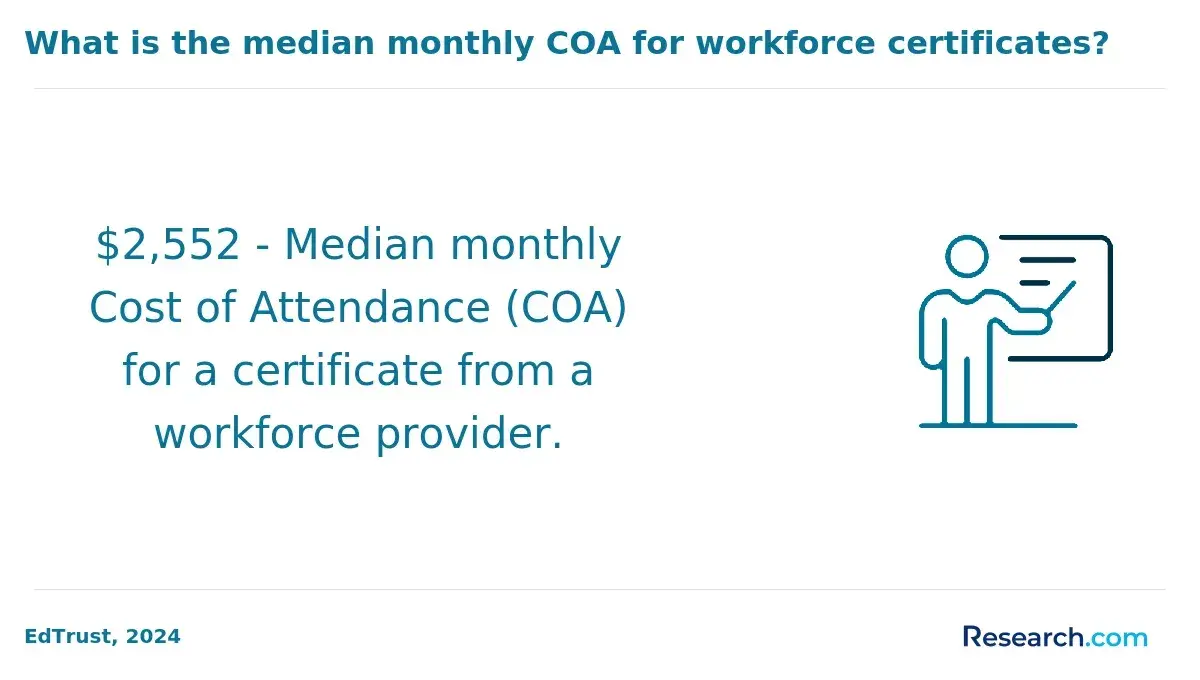
Cost comparison should be detailed, not superficial. The same total-cost thinking used when comparing an online animal science degree applies here: tuition is only one part of the investment, and supplies, software, travel, and time away from paid work can change the real affordability of a program.
A reputable program should make you a stronger candidate and a better visual problem solver. If a school cannot explain how its curriculum leads to a portfolio, internships, technical competence, and career-relevant feedback, keep comparing options.
Other Things You Should Know About Digital Photography
Not always. Many beginners can start with an entry-level interchangeable-lens camera or even use school-provided equipment. Before buying expensive gear, ask the program for its required equipment list and whether cameras, lighting kits, printers, or studio spaces are available to students.
In 2027, understanding copyright is crucial for photographers, photo editors, and creative directors to protect intellectual property rights, negotiate usage contracts, and avoid legal disputes. It ensures the protection of creative works and fosters ethical practices in the industry.
Only include AI-generated or AI-assisted work if it is clearly disclosed and relevant to the role. For photography jobs, employers usually want to see your camera, lighting, editing, and visual storytelling ability. AI concept work may help for art direction, but it should not replace proof that you can produce or manage original visual assets.
No, Adobe Photoshop certification is not required for most photo editor jobs. Employers usually ask for a strong portfolio, advanced retouching skills, and experience with Adobe Photoshop and Lightroom. Some studios also prefer familiarity with color management, file prep, and workflow tools used in commercial production.
References
- 14 different photography career paths to consider - Horizon Found | Blog https://horizonfound.com/14-different-photography-styles/
- What's the Outlook for Photographer Jobs? | All Art Schools https://www.allartschools.com/photography/outlook-photography-jobs/
- From Art Editor to Photographer and Graphic Designer | https://www.careershifters.org/success-stories/from-art-editor-to-photographer-and-graphic-designer
- Photography Course Australia: How to Choose the Right Training for Your Goals https://www.australianphotographyschool.com.au/blog/photography-course-australia-choose-right-training/
- Photography Education: College vs. Modern Alternatives for a Photographer Career — about photography https://aboutphotography.blog/blog/photography-education-college-vs-modern-alternatives-for-a-photographer-career
- Creative Directors, How Much Do You Make? https://www.aphotoeditor.com/2023/09/15/creative-directors-how-much-do-you-make/
- How to Build Career Pathways for Success in 2026 - ICMS https://www.icms.edu.au/degree-discovery/how-to-build-career-pathways-success/
- How Much Do Photographers Make | Full Frame Insurance https://www.fullframeinsurance.com/blog/how-much-do-photographers-make
- Professional Photography - College for Arts and Technology https://collegeforartsandtech.com/programs/professional-photography/
- What’s the difference between photo editor, art buyer, producer, art director, etc. Who should I be talking to? https://fuckgatekeeping.com/knowledge_base/whats-the-difference-between-photo-editor-art-buyer-producer-art-director-etc-who-should-i-be-talking-to/