
2027 How to Become a Phlebotomist – Salary & Requirements

Co-Founder and Chief Data Scientist
Choosing phlebotomy is usually a practical career decision: you want to enter healthcare quickly, work directly with patients, and build clinical experience without committing immediately to a long degree program. Phlebotomists collect blood specimens for testing, donation, research, and treatment support, and their work affects how accurately physicians, nurses, and laboratory teams can diagnose and monitor patients.
This 2026 guide explains what phlebotomists do, how training and certification work, where phlebotomists are employed, what skills matter most, and how the role can lead to other healthcare careers. According to the Bureau of Labor Statistics, 16,300 openings are predicted every year for phlebotomists from 2024 to 2034 (2025), making this an accessible healthcare path for people who want patient-facing work and a clear training route.
Phlebotomist Careers Table of Contents
- Why phlebotomy may be a strong healthcare entry point
- Phlebotomist job outlook and employment settings
- Skills phlebotomists need to work safely and accurately
- How to become a phlebotomist
- How phlebotomists can move into higher-level roles
- How technology is changing phlebotomy
- Where phlebotomists work
- Can an MBA help a phlebotomist move into management?
- How phlebotomists reduce safety risks
- How phlebotomy experience transfers to biology-related careers
- How mentorship and networking support career growth
- Career alternatives for trained phlebotomists
- Legal and ethical issues phlebotomists must understand
- Continuing education and certification renewal
- Why some phlebotomists consider lower-stress nursing roles
- How healthcare administration education can expand career options
- How further education can improve long-term prospects
Quick Answer: Is phlebotomy a good career path?
Phlebotomy can be a good starting point for people who want a healthcare job with direct patient contact, a defined technical skill, and a shorter training path than many clinical roles. It is best suited for people who can stay calm around blood and needles, follow specimen-handling rules precisely, and communicate clearly with anxious patients. It may not be ideal for someone who wants minimal patient interaction, dislikes repetitive procedures, or is uncomfortable with strict safety protocols.
| Decision Factor | What to Know Before Choosing Phlebotomy |
| Typical entry requirement | A high school diploma plus completion of a phlebotomy training program is commonly the starting point. |
| Certification | Certification is not required in every state, but many employers prefer or expect it. |
| Work environment | Hospitals, diagnostic laboratories, blood banks, outpatient clinics, research sites, and mobile services employ phlebotomists. |
| Best fit | People who are detail-oriented, steady under pressure, and comfortable helping patients through uncomfortable procedures. |
| Career growth | Experience can support movement into laboratory, nursing, dialysis, supervisory, public health, or healthcare administration pathways. |
Why pursue a career in phlebotomy?
Phlebotomists collect blood for laboratory testing, diagnosis, monitoring, transfusion services, and donation programs. The task may look simple from the outside, but proper blood collection requires correct patient identification, site selection, infection control, labeling, documentation, and specimen transport. A small error can delay results, compromise a sample, or create risk for the patient.
The role also requires strong patient-facing skills. Many patients are nervous around needles, some have difficult veins, and others may faint or become nauseated. A capable phlebotomist explains what will happen, keeps the patient as comfortable as possible, and follows safety procedures without rushing. For readers comparing healthcare support roles, phlebotomy has some overlap with other procedural careers, though it is more narrowly focused than a surgical technologist career path.
Phlebotomist Career Outlook
Phlebotomists are part of the clinical team that connects patient care with laboratory testing. They commonly work with nurses, physicians, laboratory personnel, donor center staff, and administrative teams. Their work is essential because blood specimens are used to screen, diagnose, and monitor a wide range of conditions.
The Bureau of Labor Statistics reported that in 2024, 139,400 phlebotomists were employed in hospitals (35%) and diagnostic laboratories (36%) (BLS, 2025). In addition to drawing blood, phlebotomists may explain specimen collection instructions, guide patients through urine or other sample collection, verify labels, and ensure samples are routed to the right destination.
Required Skills for Phlebotomists
Phlebotomy is a technical job, but it is also a trust-based patient care role. Blood tests are used in 80% of diagnoses, so correct collection and specimen handling are important to patient safety and accurate medical decision-making. If a sample is contaminated, mislabeled, collected in the wrong tube, or handled improperly, the results may be delayed or unreliable (World Health Organization, 2024). Phlebotomists must also follow professional healthcare values, including confidentiality, respect, and accountability; the importance of these expectations is discussed broadly in healthcare ethics and values resources such as this overview of values in healthcare.
Technical skills phlebotomists use every day
- Basic clinical knowledge: Phlebotomists need to understand anatomy, specimen types, collection tubes, order of draw, infection control, and how patient condition can affect the procedure. They should also know how to respond if a patient feels faint, anxious, or ill.
- Accurate documentation: Before and after a draw, phlebotomists verify patient information, record collection details, and support clean data entry. Inaccurate records can create billing, insurance, laboratory, or patient safety problems.
- Infection prevention: Because phlebotomists work with needles, blood, and biohazardous materials, hygiene and sterilization are non-negotiable. Hand hygiene, glove use, surface cleaning, and safe sharps disposal are part of the job.
- Specimen accuracy: Correct site selection, tourniquet use, needle placement, timing, labeling, and transport all influence specimen quality. A phlebotomist must work carefully even when the setting is busy.
Soft skills that affect patient experience
- Clear communication: Patients may ask why blood is being collected, what they should expect, or how long the process will take. Phlebotomists need to explain the procedure in plain language without offering medical interpretations outside their scope.
- Empathy: Needle anxiety is common. A calm, respectful approach can reduce patient tension and make the procedure safer and faster.
- Teamwork: Phlebotomists support the larger clinical workflow. Their accuracy affects the work of nurses, physicians, laboratory professionals, and other care team members.
| Skill Area | Why It Matters | How to Build It |
| Venipuncture technique | Reduces redraws, patient discomfort, and specimen problems. | Choose a program with supervised practice and documented clinical hours. |
| Patient identification | Prevents mislabeled specimens and wrong-patient errors. | Practice two-identifier verification and barcode workflows when available. |
| Patient communication | Helps anxious, pediatric, older, or medically fragile patients cooperate safely. | Use simple explanations, ask about prior reactions, and maintain a calm tone. |
| Infection control | Protects patients, staff, and the phlebotomist from exposure risks. | Follow OSHA, bloodborne pathogen, PPE, and sharps-disposal training. |
| Data accuracy | Supports correct test processing, billing, and medical records. | Double-check labels, requisitions, collection times, and specimen requirements. |
How to Start Your Career as a Phlebotomist
The typical first step is to earn a high school diploma or equivalent, complete a phlebotomy training program, and then decide whether certification is required or strategically useful in your state and local job market. Compared with many healthcare careers, phlebotomy is more accessible because prior medical experience is not usually required. Some broader education routes may take two to four years, while certificate-focused options and employer-based training can vary by school, state, and clinical placement availability.
State certification and licensing expectations differ, so students should verify local requirements before enrolling. Even when certification is not legally required, many hospitals, laboratories, blood banks, and outpatient clinics prefer certified applicants. Phlebotomy can also be a stepping stone for people planning future healthcare education, including nursing, laboratory science, public health, health administration, or an online PhD in healthcare administration later in their careers.
Work options vary by setting. A phlebotomist may work in a hospital, diagnostic lab, blood donation center, government facility, community clinic, or nonprofit health organization. People comparing healthcare career returns should avoid assuming that phlebotomy compensation will match unrelated advanced-degree outcomes, such as a master’s in dietetics salary. Instead, evaluate local wages, shift differentials, benefits, advancement paths, and whether the job helps you move toward a longer-term goal such as laboratory work, nursing, or roles that support medical social workers and interdisciplinary care teams.
Step-by-step path to becoming a phlebotomist
- Confirm state rules. Before paying tuition, check whether your state requires certification, licensure, minimum clinical hours, or approved training.
- Compare training programs. Look for programs that include venipuncture practice, capillary puncture, infection control, anatomy, specimen handling, patient identification, and clinical externship opportunities.
- Ask about clinical placement. Classroom instruction alone is not enough. Employers want evidence that you can perform under supervision with real patients or realistic clinical practice.
- Prepare for certification if needed. Review the eligibility rules for the credential you plan to pursue, since agencies differ in experience, training, and exam requirements.
- Apply strategically. Entry-level applicants should target hospitals, diagnostic laboratories, donor centers, outpatient clinics, and mobile phlebotomy employers.
- Keep records. Save documentation of completed training, venipunctures, finger sticks, clinical hours, certifications, and continuing education.
Career options by education level
| Education or Training Level | Possible Role | Role Summary | Median Annual Salary |
| Phlebotomy training or certificate | Certified phlebotomist | Collects blood specimens, verifies patient data, labels samples, follows collection protocols, and helps patients remain calm during the draw. | $37,380 |
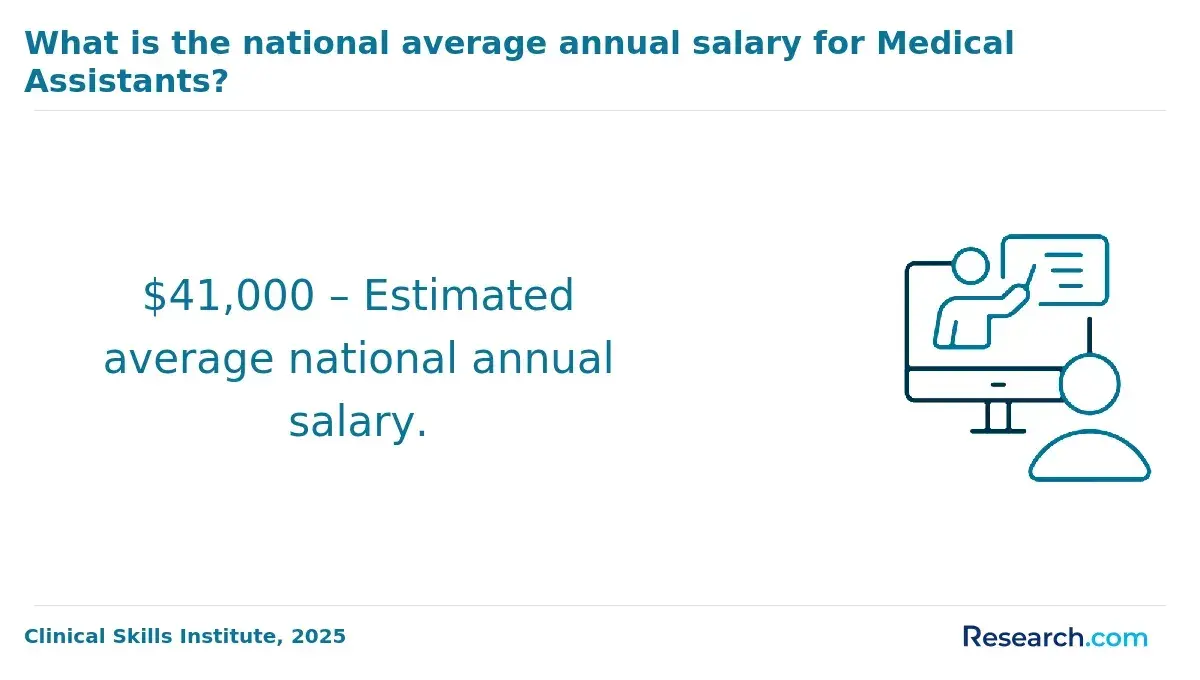
| Phlebotomy training plus clinical office skills | Medical assistant | Prepares rooms, takes vital signs, assists with routine lab tasks, manages supplies, and may use phlebotomy skills as part of a broader clinical support role. | $35,296 |
| Phlebotomy training with independent work readiness | Traveling phlebotomist | Collects specimens at homes, workplaces, donation sites, research settings, or other mobile locations while protecting sample integrity during transport. | $38,000 |
| Bachelor’s degree in a related field plus experience | Phlebotomist supervisor | Coordinates phlebotomy staff, monitors procedures, supports new employee training, and helps maintain donor or patient safety standards. | $43,410 |
| Associate or bachelor’s degree plus MLT preparation | Medical lab technician (MLT) | Analyzes blood and body fluids and may pursue an MLT training program and certification. | $59,696 |
| Bachelor’s degree and state licensure if required | Clinical laboratory technologist | Performs more complex laboratory testing on blood, urine, tissue, and other specimens, with possible specialization in blood banking or hematology. | $57,800 |
Can you get hired with only a phlebotomy certificate?
Yes, a certificate can be enough for some entry-level phlebotomy jobs, especially when the program includes hands-on training and meets employer expectations. Many schools and workforce providers offer flexible schedules, and some phlebotomy training programs include practical instruction designed for working adults. Before enrolling, ask whether the program prepares students for a recognized certification exam and whether graduates receive support finding clinical placements or first jobs.
How can I advance my career as a phlebotomist?
Phlebotomy can be a first clinical role rather than a final destination. The job exposes workers to patients across age groups, laboratory workflows, safety regulations, donor services, and high-pressure healthcare environments. That experience can help someone decide whether to remain in specimen collection, move into laboratory operations, pursue nursing, or study healthcare management.
Advancement does not always require a graduate degree. Many phlebotomists grow through experience, certification, cross-training, supervisory responsibilities, or related allied health education. Others use phlebotomy as a foundation for public health, laboratory science, nursing, or healthcare administration. If you are evaluating broader population-health careers, review the types of jobs available with a public health degree and compare them with your interests in patient care, data, outreach, or management.
Which phlebotomy certification should you consider?
The best certification depends on your state rules, employer preferences, training background, and career goals. Because requirements vary, do not choose a credential only because it is popular online. Check local job postings, ask nearby hospitals and laboratories which credentials they recognize, and confirm that your training program meets the exam agency’s eligibility rules.
| Certification | Issuing Organization | Key Eligibility Details Stated | Fee or Renewal Detail Stated |
| Phlebotomy Technician (RPT-AMT) | American Medical Technologists (AMT) | Applicants may qualify by completing a phlebotomy program, having at least 1,040 hours within three years, or meeting instructor experience criteria. | $125 for North American residents and $155 for those residing outside North America (AMT, n.d.). |
| Phlebotomy Technician (RPT-ASCP) | American Society for Clinical Pathology | Requires a high school diploma plus completion of phlebotomy training or at least one year of phlebotomy technician experience. | The application fee is $135. |
| Certified Phlebotomy Technician (CPT-NHA) | National Healthcareer Association (NHA) | Applicants may qualify through phlebotomy technician training or at least a year of supervised phlebotomy work experience. | This certification must be renewed every two years (NHA, n.d.). |
| Certified Phlebotomy Technician (CPT-NPA) | National Phlebotomy Association (NPA) | Requires completion of an allied health program meeting NPA curriculum standards and 200 hours of practical training. | Applicants can retake the exam for a maximum of three times (NPA, n.d.). |
| Phlebotomy Technician Certificate (PTC-ASPT) | American Society of Phlebotomy Technicians (ASPT) | Applicants need at least six months as a full-time phlebotomist or one year as a part-time phlebotomist, plus training with 75 venipunctures and 5 finger sticks. | The exam fee is $100 and includes the membership fee. |
How to choose the right certification
- Start with employer demand: Search job ads in your city and note which credentials appear most often.
- Check your eligibility: Some exams require specific clinical hours, training documentation, or work experience.
- Compare renewal rules: Renewal cycles, continuing education, and fees affect long-term cost.
- Ask your school direct questions: Confirm whether graduates are eligible for the certification you plan to pursue.
- Consider your next role: If you want laboratory advancement, choose a credential recognized by laboratory employers in your area.
Technology Integration in Phlebotomy
Technology is changing how phlebotomists identify patients, label specimens, track samples, and communicate with laboratories. Barcode systems, electronic health records, laboratory information systems, and automated specimen-routing tools can reduce preventable errors when used correctly. These systems do not replace phlebotomy skill; they make accuracy and documentation even more visible.
Modern phlebotomists should be comfortable scanning patient identifiers, printing or verifying labels, documenting collection times, and responding when electronic orders do not match the patient or test requirements. Automation can support safer workflows, but it also creates new responsibilities. A phlebotomist must know when to pause, verify, and escalate a mismatch instead of assuming the system is correct.
Workers interested in broader technology-enabled healthcare roles may later explore health information systems, healthcare operations, or other online programs. If you are comparing flexible education routes while working, Research.com’s guide to the easiest online degrees that pay well can help you think through workload, flexibility, and career alignment.
Common Work Settings for Phlebotomists
Phlebotomy jobs can feel very different depending on the employer. A hospital shift may involve constant movement and urgent orders, while an outpatient clinic may involve scheduled patients and more predictable volume. Choosing the right setting matters for stress level, schedule, skill development, and advancement.
| Work Setting | What the Job Is Like | Best Fit For |
| Hospitals | Phlebotomists may collect specimens across emergency departments, inpatient units, outpatient areas, and specialty departments. Volume can be high and priorities may change quickly. | People who can handle fast-paced work, varied patients, and urgent requests. |
| Outpatient clinics | Blood draws are often scheduled or tied to routine visits. Phlebotomists may also help with registration, rooming, or basic administrative duties. | Workers who prefer more predictable patient flow and regular patient interaction. |
| Clinical laboratories | Some roles involve less direct patient contact and more specimen processing, tracking, inventory, and equipment support. | People interested in laboratory operations and careful sample handling. |
| Blood donation centers | Phlebotomists collect donor blood, explain the donation process, monitor donor comfort, and support safety protocols. | Those who enjoy donor education and repeat community-facing interactions. |
| Mobile phlebotomy services | Phlebotomists travel to homes, workplaces, long-term care facilities, or community sites and must manage supplies, scheduling, documentation, and specimen transport. | Independent workers with strong organization and time-management skills. |
| Research facilities | Specimens may be collected according to study protocols, consent requirements, and regulatory procedures. | Detail-oriented workers interested in clinical trials, research, and strict documentation. |
Can an MBA boost your career as a phlebotomist?
An MBA is not necessary for routine phlebotomy work. It may make sense only if your goal is to leave primarily technical duties and move toward healthcare operations, team leadership, budgeting, quality improvement, or administrative management. A phlebotomist who wants to become a lab supervisor, clinic manager, donor center administrator, or healthcare operations leader may benefit from business training after gaining clinical experience.
Before enrolling, compare the cost of the degree with the specific roles you want and the education those employers request. If healthcare management is your target, flexible programs such as affordable online MBA healthcare administration programs may be worth reviewing, especially for working adults who need part-time study options.
What are the best practices for ensuring safety and reducing risks in phlebotomy?
Safety in phlebotomy depends on disciplined habits. The most important practices include correct patient identification, hand hygiene, appropriate PPE, proper skin antisepsis, careful needle handling, immediate sharps disposal, biohazard waste compliance, and accurate documentation. Phlebotomists also need to know how to respond to fainting, bleeding, hematoma formation, exposure incidents, and patient distress.
Training on OSHA guidelines and bloodborne pathogen standards helps reduce needle-stick injuries and accidental exposure. Documentation is also part of safety because it shows what was collected, when it was collected, and whether any incident occurred. Phlebotomists interested in administrative documentation, billing workflows, or records management may also compare the cheapest medical billing and coding online courses as a possible nonclinical expansion path.
How Can Phlebotomy Skills Transfer to Other Biology-Related Careers?
Phlebotomy builds skills that are useful beyond blood collection: specimen integrity, chain of custody, patient communication, infection control, documentation, and comfort working with biological materials. These abilities can support transitions into laboratory technology, clinical research, donor services, dialysis, pathology support, or allied health roles that require accuracy and compliance.
Phlebotomists considering broader science careers should compare the education requirements, daily work, and compensation of biology-related roles before making a move. For example, reviewing a guide to biology careers and biologist salary information can help you decide whether additional coursework in biology, chemistry, laboratory science, or research methods is worth the investment.
How Can Professional Networking and Mentorship Enhance Career Growth?
Mentorship can help phlebotomists make better decisions about certifications, employers, shift choices, and career transitions. Experienced colleagues can explain which credentials local employers respect, how to prepare for difficult draws, and when it may be time to pursue additional education. Networking through professional associations, employer training events, workshops, and conferences can also expose phlebotomists to laboratory, public health, and leadership opportunities.
If your long-term goal is population health, health education, epidemiology support, or program coordination, a mentor may help you evaluate whether affordable online master of public health programs align with your background and career goals.
Alternative Career Options for Phlebotomists
Phlebotomy experience can be valuable because it proves you can work with patients, follow clinical protocols, handle specimens, and function within healthcare systems. However, most alternative careers require additional training, certification, or degrees. The right next step depends on whether you want more patient care, more laboratory work, animal care, research, or healthcare administration.
What else can a phlebotomist do?
| Alternative Career | How Phlebotomy Helps | Additional Preparation Usually Needed |
| Registered nurse | Phlebotomy provides patient-care exposure, comfort with procedures, and experience communicating with anxious patients. | Nursing education and licensure. Some workers compare nurse practitioner schooling later if they plan advanced practice, and they may review nurse practitioner salary information when evaluating long-term options. |
| Pathology assistant | Specimen handling and laboratory awareness can help, especially for workers interested in disease identification and tissue analysis. | A bachelor’s degree in biology or chemistry, completion of a pathologist’s assistant program, and certification are commonly part of this route (Mayo Clinic College of Medicine and Science, n.d.). |
| Hemodialysis technician | Needle skills, patient monitoring, infection control, and comfort with blood-related procedures are directly relevant. | Completion of a hemodialysis training program and certification. |
| Histotechnologist | Experience with specimens and laboratory procedures can be a useful foundation. | Typically requires at least a science-related bachelor’s degree and specialized histology training. |
| Veterinary assistant | Phlebotomy skill may help when assisting veterinarians with animal care and sample collection. | Short training may be available, and workers may pursue an Approved Veterinary Assistant (AVA) designation from the National Association of Veterinary Technicians in America (NAVTA). Demand for veterinary assistants and laboratory animal caretakers is expected to grow by 19% until 2034 (BLS, 2025). |
Some phlebotomists also move into outreach, community health, donor recruitment, or case-support roles related to medical social work, especially when they enjoy patient communication more than laboratory procedures.
What are the legal and ethical considerations for phlebotomists?
Phlebotomists handle sensitive health information and biological materials, so legal and ethical awareness is part of the job. They must protect patient privacy, follow HIPAA-related confidentiality rules, obtain appropriate consent under workplace policy, verify identity, respect patient dignity, and comply with state-specific rules for practice, specimen handling, and biohazard disposal.
Ethical practice also means staying within scope. Phlebotomists should not interpret lab results, diagnose conditions, or give medical advice beyond approved instructions. Workers who want to expand into medication-related, regulatory, or advanced clinical roles should understand that those pathways require substantially different education, such as programs discussed in Research.com’s guide to Pharm D programs online.
Continuing Education and Certification Renewal for Phlebotomists
Continuing education helps phlebotomists keep up with safety standards, specimen requirements, technology, and employer expectations. Certification renewal rules vary by agency, so the safest approach is to maintain a calendar of renewal dates, fees, continuing education requirements, and documentation.
- Track renewal requirements: Confirm whether your credential requires continuing education hours, renewal exams, fees, or updated employment documentation.
- Add advanced procedure training: Pediatric collection, difficult draws, arterial blood sampling, donor procedures, and specialized specimen handling can expand your usefulness to employers.
- Explore broader clinical roles: If nursing is your goal, review nurse practitioner requirements to understand how long-term education pathways differ from phlebotomy.
- Attend workshops and employer trainings: These can improve technique, safety awareness, and professional contacts.
How to Choose a Phlebotomy Training Program
Program choice affects certification eligibility, job readiness, and employer confidence. Do not choose based only on tuition or convenience. A low-cost program can become expensive if it lacks clinical practice, does not qualify you for the certification you want, or is not recognized by local employers.
Questions to ask before enrolling
| Question | Why It Matters |
| Does the program meet state requirements? | Some states have specific certification or licensing expectations, and rules can affect whether you can work after completion. |
| Which certification exams does the program prepare students for? | Training must align with the eligibility rules of the credential you plan to pursue. |
| How many supervised venipunctures and finger sticks are included? | Employers want practical skill, not only classroom knowledge. |
| Is clinical placement guaranteed or only assisted? | Externship access can delay graduation or certification if it is not clearly arranged. |
| What are total costs beyond tuition? | Books, scrubs, background checks, immunizations, exam fees, supplies, and transportation can add to the price. |
| Do local employers hire graduates? | Employer recognition is one of the strongest indicators of program value. |
Common Mistakes to Avoid
- Assuming certification is optional everywhere: Rules and employer expectations differ. Always check your state and local job postings.
- Choosing the cheapest program without checking clinical training: Hands-on practice is central to employability.
- Ignoring certification eligibility: A program may teach phlebotomy but still fail to meet the requirements for the exam you want.
- Underestimating the emotional side of the job: Working with anxious patients, children, older adults, or medically fragile patients requires patience and communication.
- Focusing only on starting pay: Compare benefits, schedule, shift differentials, advancement options, and whether the role supports your long-term plan.
- Assuming online-only training is enough: Phlebotomy requires supervised hands-on practice; online coursework can support theory, but clinical skill must be demonstrated.
What are the benefits of exploring less stressful nursing jobs?
Some phlebotomists discover that they like patient care but want a different work rhythm, broader responsibilities, or more long-term patient relationships. Exploring less stressful nursing jobs can help workers compare roles by schedule, emotional demands, patient acuity, and work-life balance. This is especially useful for phlebotomists considering nursing but concerned about burnout.
How Does an Affordable Online Healthcare Administration Program Enhance a Phlebotomist’s Career?
Healthcare administration education can help phlebotomists move away from purely technical duties and toward scheduling, compliance, quality improvement, budgeting, staff coordination, or clinic operations. This path makes the most sense for workers who enjoy systems and leadership more than additional hands-on clinical training.
Online programs can be practical for employed phlebotomists because they may allow study around shifts. Before enrolling, compare accreditation, transfer credit policies, total cost, faculty experience, and career outcomes. Research.com’s guide to the cheapest online healthcare administration program can help you start that comparison.
How can further education improve your career prospects as a phlebotomist?
Further education can improve a phlebotomist’s prospects when it is tied to a specific career target. Training for medical laboratory technology, nursing, hemodialysis, public health, health information, or healthcare administration can open roles that involve more responsibility than routine blood collection. However, more education is not automatically better. The return depends on cost, time, local employer demand, licensing rules, and whether the credential leads to the work you actually want.
- Specialized credentials can broaden your role: Training in blood banking, dialysis, laboratory technology, or histotechnology may qualify you for more advanced technical duties.
- Degree pathways can support career changes: Nursing, laboratory science, public health, and healthcare administration each require different coursework and lead to different daily work.
- Additional education may improve stability: Workers with broader training may qualify for full-time, supervisory, laboratory, or specialized positions.
- Career satisfaction can improve when the path fits: Moving into a more complex role can be rewarding, but only if the duties match your strengths and interests.
- Costs must be weighed carefully: Tuition, exam fees, lost work hours, and clinical requirements should be compared with realistic local opportunities.
If advanced nursing is your goal, compare admission requirements, clinical expectations, and cost carefully. Research.com’s guide to the cheapest online nurse practitioner programs may be useful for long-term planning, though becoming a nurse practitioner requires a much longer education and licensure pathway than phlebotomy.
References
- Clinical Skills Institute. (2025). How Much Do Medical Assistants Earn in 2025? https://www.clinicalskillsinstitute.com/post/how-much-do-medical-assistants-earn-in-2025-salary-guide-by-state
- GCU. (2025). Careers in Health Information Management. https://www.gcu.edu/blog/nursing-healthcare/health-information-management-careers
- HRSA. (2025). State of the Primary Care Workforce, 2025. https://bhw.hrsa.gov/sites/default/files/bureau-health-workforce/data-research/State-of-the-Primary-Care-Workforce-2025.pdf
- U.S. Bureau of Labor Statistics. (2025). Employment Projections 2024-2034. https://www.bls.gov/emp/
- U.S. Bureau of Labor Statistics. (2025). Occupational Outlook Handbook: Healthcare. https://www.bls.gov/ooh/healthcare/
- U.S. Bureau of Labor Statistics. (2025, August 29). Phlebotomists: Occupational Outlook Handbook. https://www.bls.gov/ooh/healthcare/phlebotomists.htm
- World Health Organization. (2024, May 15). Fact sheet: Diagnostic testing and laboratory services. https://www.who.int/news-room/fact-sheets/detail/diagnostic-testing
Key Insights
- Phlebotomy is an accessible healthcare entry point: A high school diploma plus training is commonly the starting route, although state rules and employer expectations can add certification requirements.
- Accuracy is the core of the job: Patient identification, collection technique, labeling, documentation, and specimen handling directly affect test reliability and patient safety.
- Certification can improve competitiveness: Even when not legally required, recognized credentials may help applicants qualify for hospital, laboratory, blood bank, and outpatient roles.
- Work setting matters: Hospitals, laboratories, clinics, donation centers, mobile services, and research facilities offer different schedules, stress levels, patient contact, and advancement options.
- Career growth is possible but usually requires a plan: Phlebotomists can move toward supervision, medical laboratory technology, nursing, dialysis, public health, veterinary support, or healthcare administration with additional training.
- Choose programs carefully: Verify state requirements, certification eligibility, supervised clinical practice, total cost, and local employer recognition before enrolling.
- Further education should be goal-driven: Extra credentials or degrees are most valuable when they connect clearly to the specific role, salary range, licensure pathway, and work environment you want.
Other Things You Should Know About Becoming a Phlebotomist
Yes, you can begin a career in phlebotomy with just a certificate. Most entry-level positions require a phlebotomy certificate from an accredited program. This certificate demonstrates that you have completed necessary training and are qualified to perform blood draws and related tasks.
In 2027, phlebotomists are generally required to complete a postsecondary nondegree award from a phlebotomy program, which includes both classroom and clinical training. Accredited programs typically cover anatomy, physiology, and medical terminology. Certification from organizations like the American Society for Clinical Pathology is often recommended.
Licensure requirements for phlebotomists in 2027 vary by state. Some states require phlebotomists to be licensed and certified, while others only require certification. It's crucial to check the specific regulations in the state where you plan to practice.
Yes. Most employers require a criminal background check, immunization records, and a tuberculosis screening before hiring a phlebotomist in 2027. Some facilities also require drug testing and proof of HIPAA or bloodborne-pathogen training before the first day of work.
In 2027, phlebotomists are required to pursue continuing education to maintain certification, with most certifying bodies mandating 6-12 continuing education units (CEUs) every two years. This ensures they stay current with medical practices and techniques.
Recommended certifications for phlebotomists include the Phlebotomy Technician (RPT-AMT) from the American Medical Technologists, Phlebotomy Technician (RPT-ASCP) from the American Society for Clinical Pathology, Certified Phlebotomy Technician (CPT-NHA) from the National Healthcareer Association, Certified Phlebotomy Technician (CPT-NPA) from the National Phlebotomy Association, and Phlebotomy Technician Certificate (PTC-ASPT) from the American Society of Phlebotomy Technicians.
The job outlook for phlebotomists is positive, with the Bureau of Labor Statistics projecting 21,500 job openings annually from 2024 to 2034. The demand for phlebotomists remains high due to the essential role they play in healthcare and diagnostics.


