2027 Physical Education Salary Trends Report: Are Wages Keeping Up With Tuition and Inflation?

Co-Founder and Chief Data Scientist
A prospective physical education student faces a challenging question: does the financial return on a physical education degree outweigh the increasing costs of higher education? With tuition rising each year and inflation reducing purchasing power, weighing salary prospects against these economic factors becomes essential. Understanding whether wages have kept pace with these expenses can guide students in making informed decisions about their educational investments.
Salary growth, tuition costs, and inflation rarely move in sync, complicating the picture of long-term financial benefit. Evaluating a physical education degree's value requires looking beyond starting salaries to consider affordability and sustained earning potential over time. This article explores salary trends, tuition inflation, return on investment, and the variables shaping the financial outlook for physical education graduates.
Key Things to Know About Physical Education Salary Trends
- Average starting salaries in physical education grew by only 2% from 2022 to 2024, lagging behind a 6% rise in tuition fees, suggesting shrinking net financial gains post-graduation.
- Inflation-adjusted wages have plateaued since 2023, indicating stagnant real income despite increased living costs, which challenges the degree's value proposition amid economic pressures.
- Long-term earning potential hinges on specialization and certification; graduates with advanced credentials outperform peers by 20%, demonstrating targeted skill acquisition is critical for salary growth.
- Key Things to Know About Physical Education Salary Trends Key Things to Know About Physical Education Salary Trends
- What Is the Current Salary Outlook for Physical Education Graduates? Salary Outlook
- Are Physical Education Salaries Keeping Up With Inflation? Inflation Impact
- How Do Tuition Costs Compare With Physical Education Salary Growth? Tuition vs Salary
- Does a Physical Education Degree Deliver a Positive Return on Investment? Degree ROI
- Which Industries Offer the Highest Salaries for Physical Education Graduates? Which Industries Offer the Highest Salaries for Physical Education Graduates?
- Which States and Cities Offer the Highest Pay for Physical Education Professionals? Which States and Cities Offer the Highest Pay for Physical Education Professionals?
- How Do Physical Education Salaries Grow Throughout a Career? Career Growth
- How Do Physical Education Salaries Compare With Similar Degrees? Salary Comparison
- How Is Employer Demand Affecting Physical Education Salary Trends? Employer Demand
- How Can Students Maximize Their Lifetime Earnings With a Physical Education Degree? Maximizing Earnings
What Is the Current Salary Outlook for Physical Education Graduates?
Physical education graduate salary trends 2024 reveal a complex earning landscape shaped by location, sector, and educational attainment. Median salaries for secondary school physical education teachers hover around $63,000 annually, reflecting modest growth amid inflation, while entry-level roles and jobs in less funded rural districts may pay closer to $40,000. Conversely, graduates entering recreational sports or fitness instruction typically see hourly wages near $19, translating roughly to $40,000 annually but with greater income variability and less job stability. These disparities highlight how two individuals with the same degree can experience markedly different financial outcomes depending on their chosen career paths and geographic settings.
Long-term salary prospects for physical education graduates often improve with further certification or advanced degrees in kinesiology, sports management, or related fields, with data indicating up to a 20% salary boost for those holding master's qualifications. Future earnings should be weighed alongside projected job demand, which remains stable but constrained by budgetary limits in educational institutions. Rising tuition costs-averaging 5% increases annually-and inflation around 4% mean pay raises have not fully matched living expenses, urging students to critically evaluate the financial viability of their academic choices and consider alternate career routes within or related to physical education that may offer better returns.
For example, a graduate who decides to enhance their credentials with additional certifications or pursue further education might secure higher-paying roles compared to a peer who enters the workforce immediately. Prospective students should also explore pathways such as short medical assistant programs, which can provide quicker entry into health-related sectors with competitive wages. Balancing the potential salary growth and steady job demand against upfront costs and regional differences is crucial for anyone planning a career with a physical education degree in 2024.
Are Physical Education Salaries Keeping Up With Inflation?
Recent data reveals that while the nominal wages for physical education teachers have increased by about 4.2% over the last two years, inflation has surpassed 8%, effectively reducing the real earning power of these salaries. This gap highlights a critical point: wage growth that fails to outpace inflation diminishes purchasing power, making it harder for educators to cover everyday expenses. For example, a new graduate entering the field with an entry-level salary between $45,000 and $55,000 may find that rising costs of housing, transportation, and food in metropolitan areas outstrip their income growth, complicating debt repayment and financial stability.
The comparison of physical education salary growth versus inflation rates also intersects with tuition cost trends, which have surged by nearly 30% at public universities over the past eight years. This disparity means that while students invest significantly more in education, their potential wages do not reflect those increased costs or general living expenses. Prospective students and career changers must consider this imbalance alongside alternatives such as pursuing an online masters degree in nutrition, where earning potential and education costs might align more favorably depending on regional job markets.
Factors influencing whether physical education salaries keep pace with inflation include budget allocations in public education, local economic conditions, and policy decisions affecting teacher compensation. The National Center for Education Statistics indicates stagnant real earnings for teachers over the past decade, underscoring how persistent inflation without proportional wage adjustments erodes living standards. Understanding these dynamics is essential for balancing the personal and financial tradeoffs involved in pursuing a physical education career today.
How Do Tuition Costs Compare With Physical Education Salary Growth?
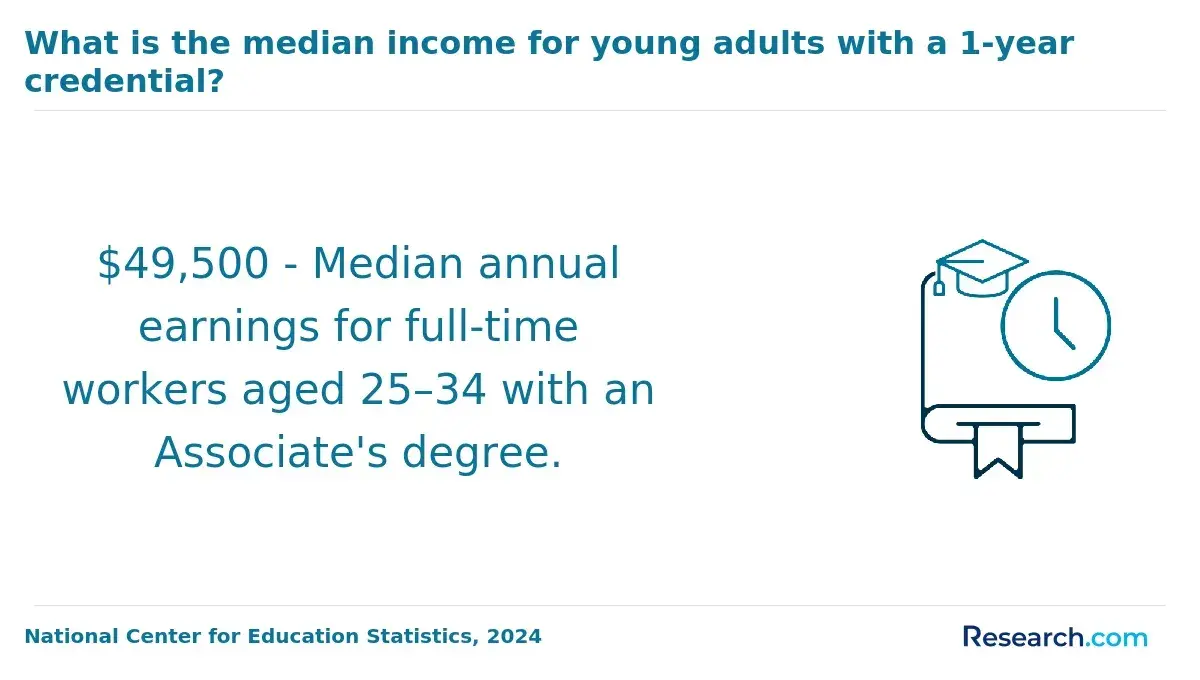
Evaluating tuition costs alongside salary growth offers a more comprehensive view of the financial trade-offs involved in pursuing a physical education degree. Recent data from the National Center for Education Statistics and the U.S. Bureau of Labor Statistics reveals that tuition for related bachelor's programs has climbed by roughly 35% over the past decade after adjusting for inflation. In contrast, early-career salaries for physical education teachers remain modest, averaging between $40,000 and $45,000, with mid-career earnings near $55,000. While nominal wages have increased slightly, real income growth has stagnated at about 1% annually, lagging behind tuition inflation that averages closer to 3%. This discrepancy means the cost burden often rises faster than earning potential, underscoring the importance of situating tuition figures within the context of expected salary trajectories rather than assessing them in isolation.
For example, a student who faced tuition costs of $30,000 annually five years ago might confront expenses exceeding $40,000 today without a proportional rise in starting salary. This imbalance can complicate financial planning, especially if loan debt accrues faster than income increases, constraining disposable income and saving ability early in a graduate's career. However, factors such as geographic location, employment opportunities, and supplementary income sources can alter this dynamic significantly. Understanding how these variables interact with the broader trend offers a more practical framework for prospective students weighing the long-term value of their investment in a physical education degree.
One recent graduate shared that she hesitated to commit to her physical education program after seeing tuition costs rise steeply within a few years. "I had to rethink my budget and consider part-time work seriously," she recalled. Despite securing a teaching position post-graduation, she found salary increases too incremental to offset her growing student debt quickly. "It wasn't just about tuition, but the overall financial squeeze-rent, living expenses, and slow wage growth made it tight," she reflected, underscoring how rising education costs paired with modest earnings can create added pressure just as new teachers are establishing themselves professionally.
Does a Physical Education Degree Deliver a Positive Return on Investment?
Return on investment (ROI) in higher education measures how the costs of obtaining a degree compare with the long-term financial benefits and career growth it enables. In the case of a physical education degree, this calculation extends beyond initial salaries to consider job stability, benefits, and opportunities within sectors such as public education, where employment tends to be more secure. For instance, a graduate entering a public school teaching position may face modest starting pay-median salaries for physical education teachers have grown only slightly in recent years according to the Bureau of Labor Statistics-but the added value of pensions, healthcare, and tenure rights inflates the true ROI over time.
To put this into perspective, consider a student who incurs $40,000 in tuition and related expenses over four years. With median annual earnings around $60,000 for physical education teachers nationwide, this upfront investment may take over a decade to recoup financially, especially when accounting for inflation and loan interest. However, graduates who leverage their degree into stable roles with solid benefits or transition into coaching or health and wellness positions may improve their returns. Data from the National Center for Education Statistics in 2024 highlights that graduates with physical education degrees experience higher employment rates than those without college credentials, partially offsetting the slower wage growth.
Ultimately, the ROI of a physical education degree varies significantly depending on economic conditions, geographic location, and career path choices. While it typically lags behind STEM or business degrees in raw financial terms, it offers a combination of steady demand and non-monetary benefits that can make the investment worthwhile. Prospective students should weigh tuition costs carefully alongside realistic salary trajectories and employment prospects, recognizing that a positive ROI may come from long-term career sustainability rather than immediate earnings.
Which Industries Offer the Highest Salaries for Physical Education Graduates?
Physical education graduates face a range of salary outcomes depending largely on the industries they enter, with marked differences evident across sectors. Rising tuition costs and inflation make it essential for graduates to carefully consider which fields provide the strongest earning potential. Recent data from the U.S. Bureau of Labor Statistics and industry analyses in 2024 underscore significant variation in physical education graduate salaries by industry in the US. Those who align their skills with sectors emphasizing specialized knowledge or certifications tend to benefit from notably higher compensation. Below are key industries where physical education graduates often find the highest salaries.
- Professional, Scientific, and Technical Services:This sector generally offers premium wages as it includes roles such as sports management, athletic training, and corporate wellness programming. Graduates who develop expertise in organizational health improvement and measurable outcomes often command stronger salaries here.
- Healthcare:Physical education graduates working in rehabilitation, physical therapy assisting, or hospital wellness programs typically earn more than peers in traditional education roles. Skills in patient care, injury prevention, and fitness assessment fuel demand and pay.
- Sports and Recreation:Positions within professional sports organizations, elite coaching, and private fitness consulting benefit from ongoing investments in athlete performance and public health awareness. Those with additional certifications beyond their degree often enter higher-paying roles.
- Corporate Wellness and Occupational Health:Emerging focus on workplace fitness and employee well-being in large companies drives demand for professionals who can design effective wellness programs, combining physical education knowledge with business acumen.
- Education Administration:While public education teaching roles may lag behind inflation, administrative positions within school districts or higher education can offer better salaries, especially when combined with advanced degrees or management experience.
- Research and Academia:Graduates who pursue further education and specialize in kinesiology, exercise science, or public health research often secure roles with higher salary ranges and access to grants, reflecting both expertise and contributions to advancing the field.
For example, a graduate entering healthcare as a physical therapy assistant in a metropolitan hospital may earn substantially more than a traditional physical education teacher, owing to the specialized clinical environment and union-negotiated pay scales. Considering that physical education graduate salaries by industry in the US can vary widely, prospective students might explore pathways such as an online bachelor's in kinesiology to augment their qualifications and expand access to these higher-paying sectors.
Which States and Cities Offer the Highest Pay for Physical Education Professionals?
Physical education professionals' salaries vary widely across different states and metropolitan areas, influenced by local economic conditions, education funding, and living expenses. Data from the U.S. Bureau of Labor Statistics in 2024 highlights that certain states and cities consistently pay above the national median wage of around $50,000 annually. While higher compensation can be appealing, candidates should also assess the impact of regional cost of living and job market competitiveness on long-term financial stability. Below are key areas where physical education salaries tend to peak and the practical considerations they entail.
- California: California frequently tops the list with median annual wages surpassing $65,000. The state's large, well-funded public school systems and progressive education policies drive demand. However, high housing costs, especially in urban centers like Los Angeles and San Francisco, can quickly offset salary gains.
- Massachusetts: With Boston as a hub, Massachusetts offers competitive wages often near or above the $65,000 mark. Strong union representation and investment in education contribute to higher pay, but students should weigh this against regional tuition rates and living expenses that are among the highest nationally.
- New York: Educators in New York State, particularly in New York City, earn salaries comparable to top-paying states. Robust district budgets and union-negotiated contracts support earnings exceeding $65,000, though wide disparities within boroughs and significant cost-of-living differences require careful consideration.
- San Francisco Metro Area: Physical education teachers in San Francisco can expect salaries over $75,000 annually due to well-funded districts and union policies favoring competitive pay. Yet, very high housing and general living costs mean that effective budgeting and financial planning are essential for those relocating.
- Boston Metro Area: Similarly, Boston offers attractive wages aligned with strong educational infrastructure and union influence. Prospective professionals should evaluate whether the salary premium justifies the city's expensive housing market and tuition fees.
- Seattle Metropolitan Area: While not always top-ranked by absolute salary, Seattle's growing investment in public school programs and quality of life attract educators. Salaries tend to be above the national average, with moderate living costs compared to California or New York, offering a balanced option for new physical education graduates.
How Do Physical Education Salaries Grow Throughout a Career?
Starting salaries for physical education graduates typically fall between $40,000 and $50,000 annually, according to 2024 data from the U.S. Bureau of Labor Statistics. Earnings generally increase by 15% to 30% over the next 10 to 15 years, reaching around $55,000 to $70,000 for mid-career professionals. These gains are often tied to additional certifications, advanced degrees, or a shift into roles such as athletic director or specialized positions within private schools or collegiate programs. Despite this upward movement, wage growth frequently struggles to keep pace with inflation and rising education costs, which suggests that salary increases alone may not fully offset the initial financial investment in the degree.
For example, two recent physical education graduates with identical degrees might experience divergent salary paths. One might remain in a public school teaching role, seeing moderate wage growth limited by district budgets, while the other pursues a master's degree and moves into school administration or collegiate athletics, unlocking a higher pay scale. Key drivers of long-term salary improvement include acquiring additional credentials, pursuing leadership roles, and selecting employment in higher-paying institutions or markets. These factors underscore the importance of strategic professional development and flexibility within the field for maximizing earnings over time.
Reflecting on her own journey, one physical education graduate recalled feeling uncertain when deciding whether to invest in an advanced certification to become an athletic director. Initially hesitant due to time and expense, she ultimately chose to pursue the credential after a mentor highlighted the limited salary growth she was experiencing as a classroom teacher. That decision led to a promotion and a salary increase that far exceeded the cost of her certification, offering a tangible example of how targeted professional development can shift the trajectory of physical education salaries in practice.
How Do Physical Education Salaries Compare With Similar Degrees?
Comparing physical education salaries with related degree paths reveals important distinctions in earning potential shaped by career settings and sector pay scales. While physical education teachers typically earn median salaries around $61,000 according to the U.S. Bureau of Labor Statistics, graduates with comparable degrees often encounter higher starting wages and faster growth. Prospective students should weigh passion for their chosen field alongside these economic realities. The following points clarify how physical education compares with closely aligned disciplines:
- Kinesiology and Exercise Science: Graduates in these areas frequently pursue roles like physical therapists or fitness trainers, earning median salaries between $65,000 and $75,000. Positions in private health services or corporate wellness programs often offer greater initial pay and advancement opportunities compared to education sector roles.
- Health Education Specialists: Typically earning median wages near $60,000, these professionals work in diverse environments such as community health organizations or government agencies. Their earnings can occasionally outpace physical education teachers, depending on employment context and responsibilities.
- Physical Education Teachers: Median salary hovers around $61,000 primarily within secondary schools, with pay raises tied to education sector scales. Inflation and rising tuition have constrained salary growth, creating challenges for long-term economic viability without additional certifications or skills.
For example, a recent graduate passionate about teaching sports may find that augmenting a physical education degree with specialized certifications enhances salary potential, narrowing the gap with kinesiology peers. Those prioritizing earnings might explore related fields or consider complementary credentials. Additionally, students interested in healthcare might evaluate accelerated RN to NP programs to access higher-paying clinical roles within a condensed timeframe.
How Is Employer Demand Affecting Physical Education Salary Trends?
Employer demand plays a critical but complex role in shaping salary trends for physical education professionals. While increased demand for qualified educators can theoretically drive competition among employers and lead to higher wages, this relationship is often tempered by budget constraints and regional economic factors. For example, a school district in an urban area with a strong push for youth wellness programs may offer higher salaries to attract skilled teachers, whereas rural districts struggling with funding may hire at lower pay rates despite similar demand. According to the U.S. Bureau of Labor Statistics 2024 projections, demand for physical education teachers is expected to grow moderately, yet salary increases have not consistently matched this trend, illustrating the nuanced impact of employer demand.
The interplay of factors such as operational costs, specialization, and economic cycles further complicates how employer demand affects wage growth. Research highlights that while vacancies remain steady, salary growth for physical education professionals has lagged behind inflation and rising tuition, which may reduce the long-term financial appeal of the degree. Understanding employer demand impact on physical education salaries includes recognizing that wages depend not only on hiring activity but also on organizational budgets and broader economic conditions. This reality emphasizes the importance for current and prospective degree holders to evaluate tuition costs carefully against salary expectations, especially in diverse geographic and institutional settings.
Those considering a physical education degree should also explore alternative or complementary educational paths, such as online sociology bachelor programs, which may offer different labor market dynamics and cost considerations. Being aware of physical education salary trends by employer demand equips students to make informed decisions about investing in their education amid rising tuition and inflation pressures.
How Can Students Maximize Their Lifetime Earnings With a Physical Education Degree?
Maximizing lifetime earnings with a physical education degree requires intentional specialization and skill diversification beyond basic teaching roles. Data from the U.S. Bureau of Labor Statistics (2024) and the National Association for Sport and Physical Education highlight that professionals blending advanced credentials and industry-relevant experience secure higher salaries. For example, a graduate who combines a kinesiology focus with certification as a Certified Strength and Conditioning Specialist (CSCS) often moves into lucrative roles in rehabilitation or corporate wellness. The following strategies offer clear pathways to enhance earnings and career resilience.
- Specialize in Kinesiology or Therapy: Focusing on niche areas such as kinesiology or physical therapy assistant roles taps into higher-paying healthcare sectors where demand is increasing, providing a steady salary premium over traditional teaching positions.
- Obtain Advanced Certifications: Credentials like CSCS or physical therapy licenses demonstrate expertise that employers value and often require for senior or specialized roles, leading to accelerated salary growth.
- Leverage Industry Connections: Active participation in organizations such as SHAPE America opens access to mentoring and exclusive job markets, facilitating leadership opportunities and innovative roles beyond classroom instruction.
- Gain Administrative Experience: Moving into sports management or wellness program leadership adds valuable business and operational skills, broadening future career options with higher income potential.
- Develop Data Analysis Skills: Competence in evaluating sports performance data meets rising demand for evidence-based training methods, distinguishing candidates in competitive job markets.
- Consider Geographic Mobility: Targeting metropolitan or underserved areas typically offers salaries above national averages, offsetting high living costs while ensuring stronger long-term financial returns.
- Pursue Graduate Education: Advanced degrees enhance subject mastery and open doors to roles in academia, research, or high-level management that command better compensation.
References
- Physical Education Teacher Career Guide https://www.teachercertificationdegrees.com/careers/physical-education-teacher/
- Does College Pay Off? A Comprehensive Return On Investment Analysis - FREOPP https://freopp.org/whitepapers/does-college-pay-off-a-comprehensive-return-on-investment-analysis/
- Health and Physical Education/Fitness. Degree — Salary, Debt & ROI | Is It Worth It? | CollegeValueRanked https://collegevalueranked.com/major/health-and-physical-education-fitness
- The price of college is rising faster than wages for people with degrees | USAFacts https://usafacts.org/articles/is-college-worth-it-the-price-of-college-is-rising-faster-than-wages-for-people-with-degrees/
- Why is the cost of college rising so fast? https://ssti.org/blog/why-cost-college-rising-so-fast
- pioneer-healthcare.com: Verifying that you are not a robot... https://pioneer-healthcare.com/blog/understanding-the-physical-education-teacher-salary-in-healthcare-and-education/
- Higher education’s big test: Proving the value of college degrees https://www.luminafoundation.org/news-and-views/higher-educations-big-test-proving-the-value-of-college-degrees/
- Sports Science Degree Careers and Salary in Europe — 2026 - StudyinEurope.eu https://www.studyineurope.eu/pt/sports-science/sports-science-degree-careers-salary-europe/
- Physical Education Teacher Salary | ValidGrad https://validgrad.com/blog/physical-education-teacher-salary/
- How to Become a P.E. Teacher: Salary and Job Description | Resilient Educator https://resilienteducator.com/teaching-careers/physical-education-teacher/
Other Things You Should Know About Physical Education
Assessing opportunity cost means considering not only tuition but also years spent out of the workforce or in lower-paid internships. If entry-level salaries remain flat while tuition and living costs rise, the immediate financial sacrifice may outweigh early income gains. Prospective students should prioritize programs with integrated practical experiences or certifications that boost marketability and may shorten the time to stable employment, as this can improve the cost-benefit balance despite sluggish salary growth.
Workload disparities significantly impact career sustainability and advancement in physical education roles. Employers demanding high administrative or extracurricular commitments often provide limited salary growth, increasing burnout risk. Prioritizing job options or certifications that define clear role boundaries and emphasize specialized skills can lead to better negotiating power and more consistent wage increases over time.
Geographic mobility presents a mixed tradeoff. While relocating to areas with higher demand can offer incremental wage advantages, these are often insufficient to fully compensate for rising tuition costs and inflation in costly metropolitan areas. Students might prioritize regions where the cost of living is lower but salary scales remain competitive, balancing quality of life and earning potential rather than chasing top nominal salaries that do not translate into greater net benefit.
Diversifying skills-such as gaining expertise in health coaching, adaptive physical education, or sport management-often leads to better wage resilience amid slow salary growth for traditional roles. Specializations tend to attract employers willing to pay premiums and open up alternative career paths. Therefore, students aiming to offset tuition inflation should prioritize programs that encourage cross-disciplinary learning rather than exclusively pursuing traditional teaching credentials.