2027 Physical Education Degree Completion Time Report: How Long Students Actually Take to Graduate

Co-Founder and Chief Data Scientist
Many students pursuing a physical education degree encounter varied obstacles that extend their time to graduation beyond typical program durations. Work commitments, transfer credits, and practicum scheduling often disrupt steady progression. Research from the National Student Clearinghouse Research Center in 2024 highlights an increasing trend of part-time enrollment among degree seekers, impacting completion timelines across disciplines.
In physical education fields, hands-on teaching requirements and certification processes further influence pacing. These factors create complex graduation patterns that differ significantly among students. This report examines how long students actually take to finish a physical education degree, analyzing prevalent influences and completion trends useful for informed planning.
Key Things You Should Know About Physical Education Degree Completion Time
- Most physical education degree programs take four to six years to complete. Full-time students often graduate in about four years, while part-time enrollment, student teaching, certification requirements, and work or family responsibilities can extend completion to five or six years.
- Graduation speed depends on both program structure and personal circumstances. Enrollment status, transfer credits, practicum or student teaching requirements, course sequencing, and online versus campus-based study all influence how quickly students complete their degree.
- Graduating faster isn't always the best path to career success. Although accelerated and online programs may shorten completion time, employers generally place greater value on teaching experience, professional certifications, and practical competencies than on how quickly a degree was earned.
- What Is the Average Graduation Time for Physical Education Students? Average Graduation Timeline
- What Factors Have the Biggest Impact on Graduation Speed? Graduation Timeline Factors
- How Does Full-Time Versus Part-Time Enrollment Affect Graduation Timelines? Full-Time vs. Part-Time Graduation Timeline
- Do Online Physical Education Students Graduate Faster Than Campus-Based Students? Do Online Physical Education Students Graduate Faster Than Campus-Based Students?
- How Many Months or Years Can Transfer Credits Save? How Many Months or Years Can Transfer Credits Save?
- Do Accelerated Physical Education Programs Significantly Reduce Completion Time? Accelerated Program Timeline
- Which Physical Education Program Requirements Most Often Extend Graduation Timelines? Factors Extending Graduation Timeline
- Does Taking Longer to Graduate Increase the Cost of a Physical Education Degree? Impact on Program Cost
- Does Graduating Faster Improve Career Prospects? Impact on Career Prospects
- Which Scheduling Mistakes Commonly Delay Graduation? Mistakes to Avoid
What Is the Average Graduation Time for Physical Education Students?
Most students pursuing a physical education degree in the United States complete their programs within four to five years when enrolled full-time, closely matching the typical duration for bachelor's degrees across disciplines. Full-time enrollment allows for more consistent progress through coursework and field experiences, while part-time students-often balancing work or family obligations-frequently extend their timelines to six or more years. The average graduation timeline for physical education students therefore reflects a balance between coursework intensity and individual scheduling flexibility, with many completing within the common four-to-six-year window.
Variations in graduation time largely stem from enrollment status, program design, and transfer credit applicability. Physical education curricula often integrate theoretical classes with practical requirements like internships, student teaching, and certifications, which can necessitate additional semesters if scheduling conflicts arise. Transfer students may experience either acceleration or delay depending on how their prior coursework aligns with program mandates. Additionally, growing options for online study introduce different pacing opportunities, though these can also complicate timely completion. Recent data from the National Center for Education Statistics show that approximately 40% of students in related health and physical education fields take longer than the standard four years to graduate, illustrating the impact of program structure and personal circumstances on degree completion.
Understanding these dynamics is critical for academic planning and career timing, especially given employer emphasis on practical experience and certification over mere graduation speed. Students extending their studies to gain extra credentials or minors should weigh the benefits against potential financial costs and delayed workforce entry. Navigating institutional policies and aligning degree progress with professional goals can help optimize outcomes. Prospective students must also consider the tradeoffs involved when selecting formats, such as the best online pharmacy school alternatives in related fields, to make informed decisions about the timeline and value of their physical education education pathway.
What Factors Have the Biggest Impact on Graduation Speed?
Graduation speed in physical education degree programs is driven by a complex interplay of academic planning, institutional structures, and personal circumstances rather than by any single determinant. Students' decisions about enrollment status, course sequencing, and balancing external responsibilities interact with program design features such as credit transfer policies and internship requirements. Understanding how these variables operate can empower students to tailor their course load and selection of online versus on-campus program formats to fit their timelines more realistically.
- Enrollment Status and Course Load: Full-time enrollment typically shortens degree completion times because it allows students to progress through coursework sequentially without extended breaks. A 2024 report from the National Center for Education Statistics highlights that only about 60% of full-time undergraduates complete a bachelor's degree within four years, with part-time students facing markedly longer timelines due to reduced semester credits and competing obligations.
- Transfer Credits and Institutional Policies: Students entering physical education programs with transferable credits from prior study can significantly reduce their time to degree. However, the variability in credit acceptance across institutions often leads to delays when some credits are rejected or require course repetition, particularly affecting those whose prior experience is nontraditional or from community colleges.
- Program Structure and Practicum Requirements: The inclusion of hands-on practicum, certifications, or internships within physical education curricula adds layers of complexity to timely completion. Scheduling constraints and limited placement availability can extend the timeframe beyond traditional coursework, demanding careful coordination by both students and academic advisors.
- External Responsibilities and Work-Life Balance: Many physical education students juggle professional employment and family care, which often necessitates part-time enrollment and slows progression. Surveys from 2024 indicate that these external commitments typically delay graduation by one to two semesters, underscoring the impact of workload distribution outside the classroom.
- Course Availability and Academic Performance: Bottlenecks in core physical education courses, limited class sizes, and prerequisite chains create structural challenges that prolong study duration. Students with academic difficulties may need to retake courses, further extending completion times, especially when combined with scheduling conflicts.
These factors collectively explain why graduation timelines vary widely even among students in the same physical education program. Those who strategically manage enrollment status and transfer credits, while anticipating practicum demands and balancing external responsibilities, generally navigate to completion more efficiently. Choosing between online versus on-campus program graduation timelines also hinges on these elements, as flexible formats may better accommodate work and family obligations but could entail differences in practicum scheduling or course sequencing. For students interested in complementing their physical education credentials with broader health system knowledge, exploring options like a masters in health administration offers an aligned pathway with increasing demand across healthcare systems.
How Does Full-Time Versus Part-Time Enrollment Affect Graduation Timelines?
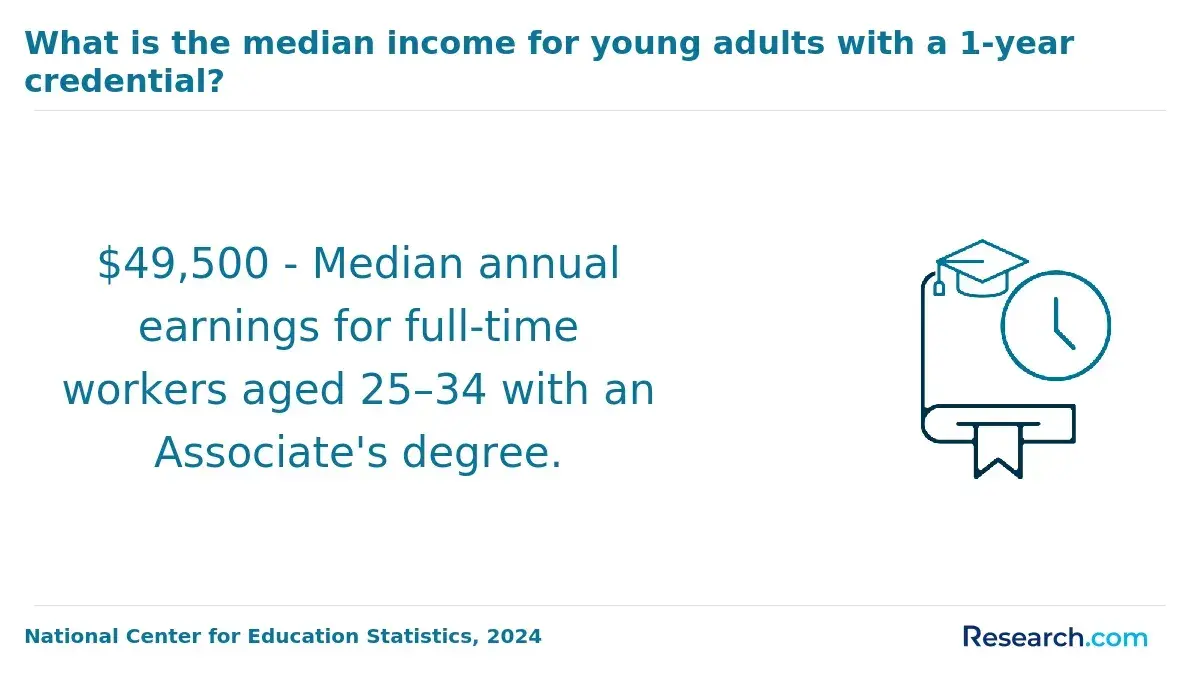
Full-time enrollment in physical education degree programs typically results in graduation within four to five years, reflecting the traditional academic timeline and sustained engagement. This accelerated pace stems from taking 12 or more credit hours per semester, enabling students to steadily progress through the 120 to 130 credit requirements without extended interruptions. Data from the 2024 National Center for Education Statistics highlights that students enrolled full-time complete their degrees significantly faster than part-time students, who often extend their studies over six to eight years due to lighter semester course loads.
The completion timeline for part-time physical education students is shaped by a combination of institutional and personal factors. Reduced credit hours per term, commonly between six and eight credits, slow progression, while the sequencing of prerequisite courses and limited access to required field experiences can cause scheduling bottlenecks. Additionally, program formats that do not consistently offer required classes each semester exacerbate delays, making continuous enrollment difficult for working adults or those with family obligations. Interruptions such as taking time off for professional or personal reasons further lengthen the path, underscoring the interplay between external responsibilities and academic pacing.
Choosing between full-time and part-time enrollment directly impacts financial planning, academic intensity, and workforce entry timing. Full-time study demands a concentrated effort with less flexibility but allows earlier eligibility for certification and employment, which many employers prioritize. Conversely, part-time paths offer adaptability crucial for non-traditional or transfer students but introduce prolonged academic commitments that can defer income potential and complicate balancing study with life demands. Understanding these tradeoffs is essential for aligning enrollment decisions with realistic career objectives and personal circumstances within physical education fields.
Do Online Physical Education Students Graduate Faster Than Campus-Based Students?
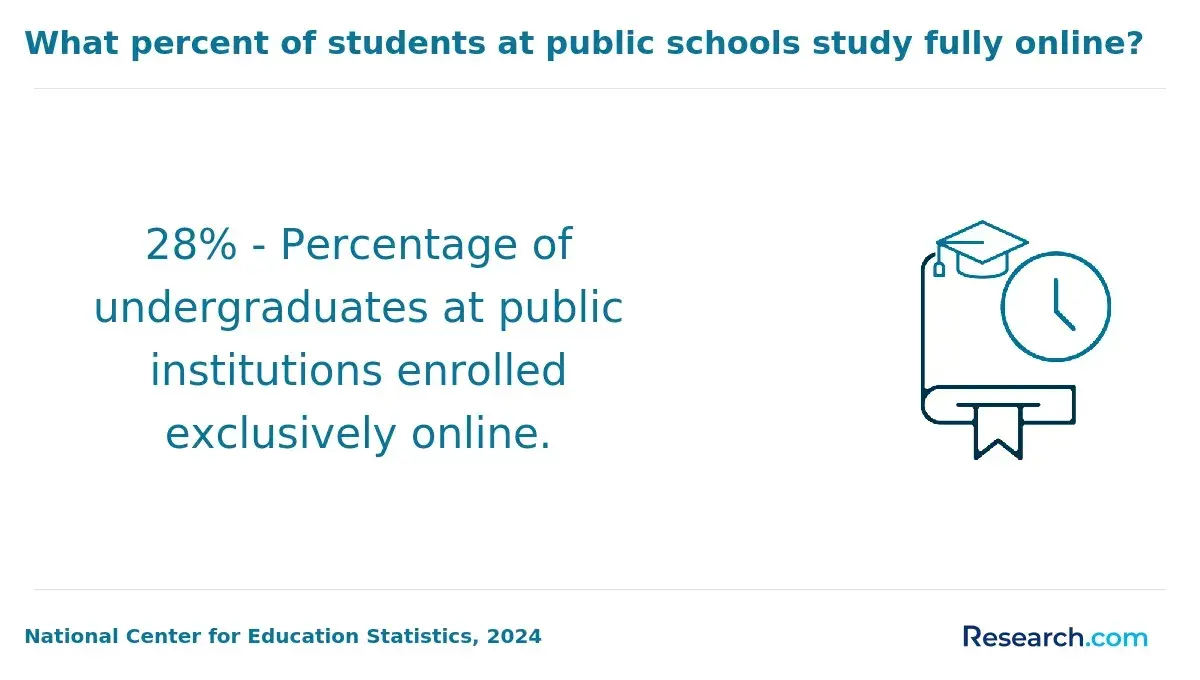
The common belief that online physical education students consistently graduate faster than their campus-based peers oversimplifies a complex reality. While data from the National Center for Education Statistics in 2024 indicates online students average about 4.2 years to complete their degrees compared to 4.5 years for on-campus learners, this gap is modest and influenced by many variables. Academic pacing flexibility in online formats does not guarantee expedited graduation, as individual circumstances such as work commitments and family responsibilities often shape how quickly students advance. Hence, completion timelines vary widely, reflecting not just program structure but also the learner's ability to manage competing demands effectively.
Key factors affecting graduation speed differ considerably between delivery modes. Online programs frequently provide asynchronous courses enabling self-paced progression, which can benefit motivated students but may also invite procrastination or slower progress if students struggle to maintain discipline. Conversely, campus programs typically follow stricter semester schedules with set deadlines, potentially limiting chances for accelerated advancement but offering clearer temporal boundaries. Enrollment status-full-time versus part-time-interacts significantly with format; working adults studying online often opt for part-time loads, extending total duration. Additionally, practical requirements such as internships or fieldwork, common in physical education curricula, can influence completion based on available local opportunities and scheduling flexibility. Institutional policies around credit transfer and prior learning recognition further complicate direct comparisons in timeline outcomes.
Choosing between online and campus physical education formats thus carries important implications for academic discipline and career entry timing. Online modalities demand robust self-management skills and may offer faster graduation for those able to leverage flexible pacing and credit options. However, the lack of structured face-to-face interaction can affect engagement and resource access, potentially delaying progress. For on-campus students, the regimented calendar supports steady advancement but may restrict acceleration, affecting when graduates enter the workforce. Ultimately, understanding how these structural and personal factors converge is essential for realistic planning of degree completion and subsequent career transitions in physical education.
One graduate recalled that during the rolling admissions cycle, they hesitated to apply to the online physical education program due to uncertainty about how quickly they could start and finish given their full-time job. The applicant's planning involved carefully monitoring acceptances from several institutions before committing, aware that delays in admission could push back their graduation date substantially. Once accepted, the ability to immediately access course materials and begin at their own pace proved a relief, but balancing coursework with family needs extended their timeline beyond initial expectations. This experience highlighted the unpredictability applicants face when timing their entry and progression through flexible online programs versus more structured campus formats.
How Many Months or Years Can Transfer Credits Save?
Transfer credits can substantially shorten the time needed to complete a physical education degree, though the extent of months or years saved varies significantly among students. Data from the National Center for Education Statistics indicates that some learners reduce their degree timelines by 25-40%, equating to roughly 12 to 20 months in a traditional four-year program. These reductions primarily occur because transfer credits often satisfy general education or prerequisite requirements, enabling earlier enrollment in specialized physical education coursework. However, the actual impact depends heavily on how well previous coursework matches the receiving institution's curriculum and policies, reflecting a complex dynamic beyond mere credit accumulation. This variability illustrates the importance of analyzing transfer credit impact on degree completion time with attention to how credits align with degree requirements beyond simple quantity.
The time saved through transfer credits is largely determined by several institutional factors, including accreditation compatibility between the original and receiving schools, course equivalency rules, and constraints like residency requirements or maximum transferable credits. Programs with strict residency or cap limits can significantly reduce the benefit of transferred credits, while institutions with more flexible evaluation systems may offer greater acceleration. Additionally, since physical education degrees often require unique practicum or clinical experiences, not all transferred credits advance progress equally. Consequently, students must navigate detailed institutional policies and credit evaluation processes, which directly shape how many months or years a transfer student can realistically save.
Beyond shortening degree duration, transfer credits influence academic planning, financial costs, and the sequencing of remaining courses. For working adults and transfer students, efficient credit transfers can reduce tuition and opportunity costs associated with extended enrollment, offering valuable flexibility when balancing commitments. These factors contribute to the broader context in which transfer credit strategies intersect with student goals, degree pathway acceleration, and workforce entry timelines. Prospective students may also consider related pathways like 1 year MHA programs online, reflecting a trend toward expedited healthcare and education credentials aligned with increasing demand across healthcare systems.
Do Accelerated Physical Education Programs Significantly Reduce Completion Time?
Accelerated physical education programs aim to compress the traditional duration of degree completion by increasing course loads and condensing academic terms. These formats are structured to deliver the same curriculum requirements over a shorter chronological period, often by offering consecutive or overlapping courses and reducing breaks between terms. The intent is to enable students to graduate in roughly six months to one year less than the typical four- to five-year pathway for bachelor's degrees. However, this design relies heavily on dense scheduling and assumes students can sustain heightened academic demands without compromising learning quality or practical experience.
Actual time savings depend on several critical elements. Programs that maintain unchanged prerequisites, capstone projects, or required internships often limit acceleration because these components cannot be shortened without affecting licensure or employability standards. Similarly, compressed credit loads create an intense workload that may reduce students' ability to engage in internships or part-time work, which are foundational for practical training. Transfer credit policies and course sequencing flexibility also play significant roles; restrictive frameworks can nullify potential time reductions if students must wait for specific courses or fail to transfer relevant credits efficiently.
The trade-offs inherent in accelerated pacing extend beyond calendar time to impacts on student experience and depth of mastery. Increased course density may raise stress levels and reduce opportunities for reflection, applied learning, and networking-factors that influence long-term career readiness. Consequently, while accelerated programs can moderately shorten degree timelines, they often require careful consideration of how pacing intensity intersects with educational quality, scheduling constraints, and the value of experiential learning before committing to this pathway.
One graduate recalled applying to an accelerated physical education program with the hope of quick entry into the workforce. The rolling admissions process introduced uncertainty, and they hesitated to submit application materials immediately, weighing their full-time job schedule against admission timing. After submitting later in the cycle, unavoidable administrative delays pushed the start date back, reducing anticipated time savings. This experience highlighted how external factors like admissions timing and preparation can disrupt the theoretical acceleration offered by program design, reinforcing that expedited degree completion is seldom guaranteed purely by enrolling in an accelerated track.
Which Physical Education Program Requirements Most Often Extend Graduation Timelines?
Delays in completing physical education degree programs frequently stem from embedded academic and experiential requirements rather than simply total credit hours. These components serve essential professional readiness functions, ensuring candidates meet state certifications and practical competencies. However, program structures imposing fixed scheduling, sequential coursework, and external placements often create pacing inflexibility that can prolong the time to graduation beyond four years, especially for students balancing work or transferring credits.
- Practicum and Student Teaching Placements: These hands-on, state-mandated experiences require coordination with local schools and seasonal sports calendars, limiting flexibility in scheduling. Because timing depends on partner institutions and sport seasons, students may need to extend enrollment to secure required hours, particularly if they juggle employment or personal obligations.
- Sequential Kinesiology and Anatomy Coursework: Courses in kinesiology and anatomy commonly involve laboratory work and strict prerequisites, forming building blocks that must be passed consecutively. Failure or delays in early science classes cascade into postponed progression, with about one-quarter of physical education students reporting extended timelines due to repeating essential science coursework, according to 2024 U.S. Bureau of Labor Statistics data.
- State Licensing Preparatory Classes and Exams: Many programs incorporate or require additional classes preparing students for licensure exams. These elements often add extra credit hours and distinct registration periods, increasing overall degree length, especially for part-time students who cannot accelerate through these certifications as quickly.
- Credit Transfer Limitations for Transfer Students: Specialized, practice-oriented courses in physical education often have restricted transferability. Transfer students frequently encounter unmet prerequisites or must retake classes expected to be waived, creating unexpected extensions in their academic timeline.
- Institutional Scheduling and Cohort Models: Some physical education programs use cohort enrollment or fixed-semester sequences for core courses and practicums. This structure restricts flexibility, requiring students to wait for the next available offering, which can add semesters to progression if missed or deferred.
Graduation delays tied to these requirements reflect the field's emphasis on regulated professional preparation rather than curricular overload. Understanding how these structural and experiential demands interact with individual student circumstances helps in planning realistic timelines and identifying potential bottlenecks early in the education process.
Does Taking Longer to Graduate Increase the Cost of a Physical Education Degree?
Extended time to complete a physical education degree generally increases total tuition and related educational expenses due to how many institutions structure their charges. When tuition is billed per semester or credit hour, each additional term adds direct costs, including campus fees and course materials, which contribute to the additional expenses of extended physical education programs. Financial aid policies often limit eligibility to a set graduation timeline, so students who exceed this may lose some grant or loan benefits, further raising out-of-pocket costs. Moreover, indirect expenses such as textbooks, equipment, transportation, and opportunity costs from delayed workforce entry compound the financial impact of delayed physical education graduation in the US. These cumulative factors mean students taking longer programs often face a substantially higher total financial burden despite potential part-time enrollment savings.
However, the financial impact of taking longer is not uniform across all programs or circumstances. Institutions with flat-rate tuition models allow students to spread courses over more terms without strictly increasing tuition, and some programs permit flexible pacing without extra charges. Employer tuition assistance or scholarship support can also offset costs, especially when students balance academic load adjustments strategically to manage expenses. Nonetheless, enrollment decisions-whether part-time to accommodate other commitments or retaking courses-indirectly influence how total costs accumulate over time. This complexity reflects why understanding institutional pricing and aid structures is essential for students aiming to balance manageable course loads with efficient degree completion. For a relevant comparison of program approaches to pacing and cost, see WGU vs Chamberlain.
Does Graduating Faster Improve Career Prospects?
Graduating faster from a physical education degree can allow students to enter the workforce earlier, potentially gaining an advantage in labor market timing and initial job search positioning. However, employers rarely assess the speed of completion in isolation; instead, hiring decisions emphasize the broader portfolio candidates present. While accelerated graduation might signal determination and efficiency, these traits are often secondary to demonstrated competencies and practical readiness in field environments.
The impact of graduation speed on job opportunities depends heavily on factors such as relevant internship experience, mastery of core skills, and the ability to build professional networks during the program. Employers in physical education-related fields prioritize candidates who have comprehensive skill development and certifications alongside academic credentials. This balance affects physical education degree career advancement more significantly than simply how quickly a degree was finished. Students who expedite their courses at the expense of experiential learning may find their early advantage diminished compared to those with deeper, hands-on training.
Trade-offs between accelerated completion and experiential depth are critical considerations for long-term career development. While some students benefit from entering the workforce sooner, the absence of robust internships or practicum opportunities can limit initial hiring competitiveness and professional growth trajectories. Ultimately, practical experience and professional engagements within the educational timeline are decisive, and students planning accelerated study should carefully evaluate how to maintain skill acquisition and networking opportunities. For those interested in related fields, exploring a marriage and family counseling degree online may offer expanded career pathways beyond traditional physical education roles.
Which Scheduling Mistakes Commonly Delay Graduation?
Graduation delays in physical education programs often stem less from academic difficulty than from avoidable scheduling and planning errors during enrollment and course selection. These challenges affect students across certificate, associate, bachelor's, and transfer pathways, impacting on-campus and online formats alike. A clear understanding of how course sequencing aligns with institutional policies is essential to sustaining steady academic progress and preventing bottlenecks.
- Improper Prerequisite Sequencing: Many programs require foundational courses early to unlock advanced options. Missing or postponing these prerequisites creates cascading delays, as students cannot register for higher-level classes without completing initial requirements, disrupting degree timelines.
- Poor Credit Load Management: Overloading risks burnout and course failures, while underloading extends completion time. Balancing workload with course availability is complex but critical, especially since many physical education courses have limited seats or term-specific offerings.
- Transfer Credit Misalignment: Transfer students frequently face delays due to credit evaluation bottlenecks and misaligned course equivalencies, often requiring additional coursework that stretches program duration beyond initial expectations.
- Delayed Practicum or Internship Enrollment: These components have restricted scheduling windows and placement availability. Postponing them forces students to wait for future terms, lengthening time to degree completion regardless of academic standing.
- Ignoring Term-Specific Course Offerings: Physical education curricula often include specialized courses only available in particular semesters. Failing to plan accordingly can result in unintended gaps, as students must pause progression to wait for required classes.
A 2024 National Center for Education Statistics report reveals that 34% of bachelor's degree students nationwide alter their initial course plans due to such scheduling conflicts, directly impacting timely program completion and reflecting widespread structural challenges across higher education.
Other Things You Should Know About Physical Education
Practicum and internship placements often extend the completion time because they require students to secure positions that match program standards, which can be competitive and time-consuming. These experiences are usually scheduled during specific terms or require full-time commitment, limiting course load flexibility. Students should plan early and prioritize securing quality placements, as delaying practical components can push graduation dates further than academic coursework alone.
Electives in physical education often cover specialized topics that may be prerequisites or recommended for certifications, impacting employability after graduation. Prioritizing these courses early can reduce scheduling conflicts with required core classes later on. However, cramming electives at the start can increase workload intensity, so a balanced approach that aligns with career goals and avoids bottlenecks near the program's end is advisable.
Employers increasingly value demonstrated competencies and relevant certifications that might require additional coursework or extended internships beyond basic degree requirements. This can lead students to deliberately extend their degree timeline to include specialized training or accumulate practical hours. While this lengthens time to graduate, it often improves job prospects and readiness, suggesting that rigidly aiming for the shortest completion time may not align with long-term career success.
The 2027 report highlights the flexible pathways offered for physical education studies, allowing working adults to manage their workload effectively. Part-time study options and modular courses are recommended for those needing to extend their timeline for better work-life balance.