2027 Physical Education Degree Growth by State: Where Interest Is Rising the Fastest

Co-Founder and Chief Data Scientist
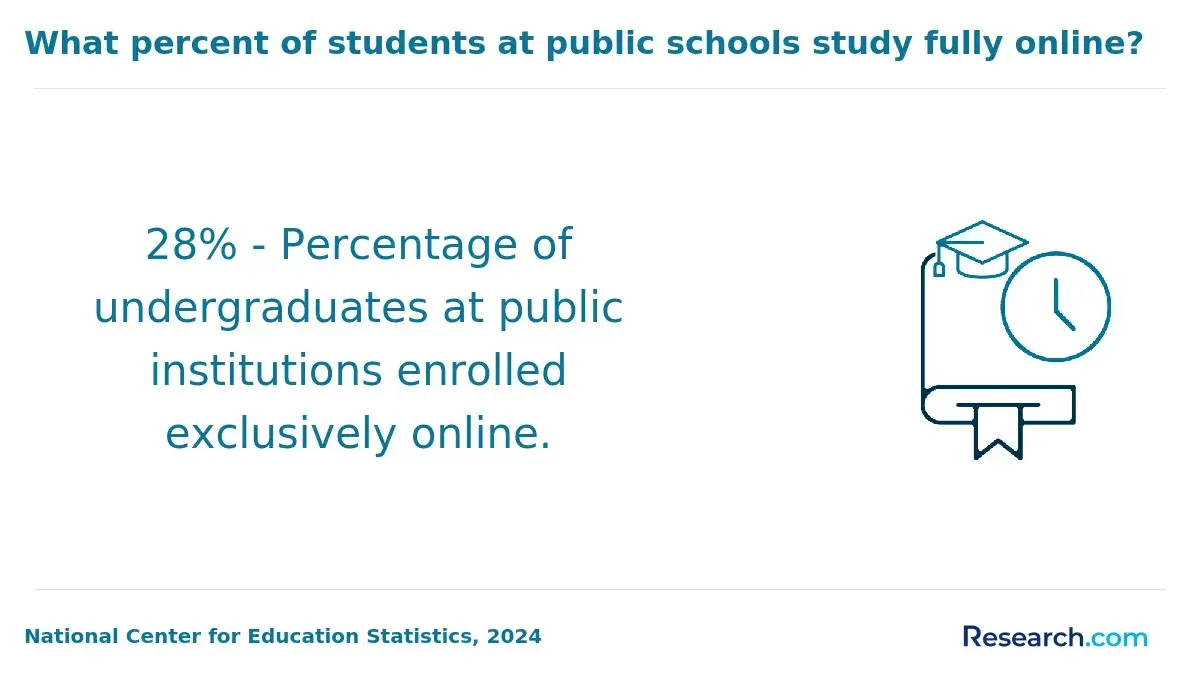
States experiencing rapid growth in physical education degree enrollment reveal much about shifting regional dynamics in education and workforce demands. For instance, increases in states with expanding youth populations and evolving certification standards underscore how demographic shifts and regulatory changes can alter candidate pipelines. The National Center for Education Statistics reports a 15% rise in enrollments in programs offering flexible, online formats since 2023, reflecting adult learners' preference for adaptable schedules amid career transitions.
Understanding which states lead this growth clarifies where physical education graduates may find stronger institutional support and more favorable employment conditions, guiding informed decisions on program selection and geographic mobility.
Key Things to Know About the State Where Physical Education Degree Interest Is Rising the Fastest
- Florida's surge in physical education degree enrollment reflects flexible scheduling and robust online program offerings, yet accelerated timelines risk compressing vital hands-on teaching practicum experience.
- In Texas, regulatory changes increasing certification rigor signal stronger employer preferences for advanced skill sets, shaping workforce demand toward candidates balancing theory with practical resilience.
- Midwestern states like Ohio see growth fueled by adult learners leveraging expanded federal aid, but extended part-time study timelines pose cost and career reentry tradeoffs for working professionals.
- Which States Are Seeing the Fastest Growth in Physical Education Degree Enrollment? States with Fastest Growth
- What Does Enrollment Growth in Physical Education Programs Actually Tell Prospective Students? Interpreting Enrollment Growth
- How Do Regional Job Market Conditions Drive Physical Education Degree Demand by State? Regional Job Market Conditions
- Which States Have Added the Most New Physical Education Degree Programs in the Last Five Years? States with New Programs
- How Has the Rise of Online Education Changed Which States Lead in Physical Education Program Interest? Role of Online Education
- What Demographic Trends Are Fueling Physical Education Degree Growth in Specific States? Demographic Trends Fueling Growth
- How Do State Funding Levels for Physical Education Services Influence Degree Program Growth? Role of State Funding
- Which States Are Emerging as Unexpected Leaders in Physical Education Degree Interest? Leaders in Growth
- How Does State Population Size Affect the Interpretation of Physical Education Degree Growth Data? Role of State Population
- What Role Do State Licensing Requirements Play in Driving or Suppressing Physical Education Enrollment? Role of State Licensing
Which States Are Seeing the Fastest Growth in Physical Education Degree Enrollment?
Rising enrollment in physical education degree programs nationally signals more than just increased interest; it reflects shifting state-level priorities in education, health policy, and workforce development that directly affect graduate prospects. The southeast and western United States dominate this growth trend, where regional dynamics shape not only how programs expand but also how graduates are positioned within evolving local and state labor markets. For instance, a recent graduate targeting licensure in Texas benefits from the state's rapidly growing youth population and bolstered funding for school health programs, which collectively create a more favorable environment for employment compared to states with stagnant or shrinking demand.
This geographic clustering of growth also highlights important tradeoffs: Candidates choosing programs in these states may face more rigorous certification requirements or heightened competition but can leverage community health initiatives and strong university partnerships that improve practical readiness.
- Texas: Enrollment in physical education degrees has surged significantly, driven by the state's large and growing youth population along with increased funding for public school health initiatives.
- Florida: Florida exhibits strong growth concentrated in both urban and suburban areas, fueled by expanding certification requirements for health and physical educators in K-12 systems.
- North Carolina: This southeastern state has seen notable growth tied to strong university program expansions and collaborative community health projects emphasizing active lifestyles.
- Washington: The Pacific Northwest shows increased enrollment influenced by regional emphasis on outdoor education and wellness integrated within school curricula and workforce development.
- Colorado: Colorado's growth reflects both demographic appeal and a policy environment promoting multifaceted health education including physical education as a core school subject.
The concentration of physical education degree enrollment growth in these southern and western states aligns closely with demographic trends and regulatory pressures that require advanced credentials, but hiring managers also weigh institutional reputation and program quality heavily. Prospective students should note that while growth can signal robust program offerings and heightened employer demand, it may also indicate a crowded job market or evolving qualification standards that require continual upskilling.
Analysis in upcoming sections will further dissect licensing complexity, regional job market conditions, and program delivery models to provide actionable insights for those evaluating graduate education in this field. Meanwhile, those exploring options might find that selecting programs with proven links to local workforce needs or access to community health partnerships enhances employment outcomes, underscoring the nuanced considerations behind enrollment momentum.
For those searching beyond physical education specifically, considerations about affordability and program format often intersect with career planning. Students interested in clinical or healthcare adjacent career pathways may look toward options such as the cheapest FNP program online to balance costs with practical credentialing, illustrating the importance of weighing program growth trends with personal career trajectories and geographic mobility.
What Does Enrollment Growth in Physical Education Programs Actually Tell Prospective Students?
Enrollment growth in physical education programs can mask important nuances affecting graduate success and career readiness. Higher numbers do not guarantee quality or positive long-term outcomes, making it critical for prospective students to look beyond surface trends when selecting a program.
Raw enrollment figures offer a snapshot of interest but lack the depth needed to assess program value comprehensively. Meaningful evaluation includes metrics such as student retention, graduation rates, job placement outcomes, and licensure exam pass rates. These factors reveal whether a program supports students' academic progress and workforce integration or merely attracts quantity without ensuring quality. Growth motivated by strong local labor market demand and employer engagement often correlates with better graduate employment prospects. Conversely, growth driven by lowered admissions standards or aggressive marketing can signal diluted academic rigor and risk graduate underpreparedness.
Prospective students should treat enrollment growth as one of multiple indicators, integrating contextual economic, demographic, and regulatory data specific to their target region. Engaging directly with current students and alumni provides valuable qualitative insights that statistics alone cannot capture, highlighting real-world educational experiences and career transitions.
- Retention: Higher enrollment without sustained student perseverance may point to academic or engagement issues within the program.
- Graduation Rates: Graduating from a growing program is only beneficial if the degree is completed successfully and on time.
- Job Placement: Programs tied to genuine employer demand and effective career services offer more reliable pathways to employment.
- Licensure Pass Rates: Licensing exam success reflects program alignment with essential professional standards.
- Recruitment vs. Quality: Rapid expansion fueled by marketing or relaxed entry criteria may compromise instructional quality and reputation.
- Contextual Factors: Local demographics, economic shifts, and educational policies shape enrollment trends and must inform interpretation.
- Direct Engagement: Conversations with students and graduates uncover practical realities beyond enrollment data.
How Do Regional Job Market Conditions Drive Physical Education Degree Demand by State?
Regional job market variations fundamentally shape demand for physical education degree holders, influencing not only where students enroll in graduate programs but also the practical training and career outcomes they can expect. For instance, states with expanding public school systems and integrated healthcare wellness initiatives create a dynamic environment for physical education professionals, offering substantial practicum opportunities and stronger negotiating power for salaries upon graduation. Conversely, selecting a program in a state with stagnant labor markets may limit placement options and wage growth, underscoring the strategic importance of aligning program choice with workforce trends.
- California: Persistent increases in public school funding aimed at countering childhood obesity sustain demand for physical education teachers and wellness coordinators, bolstered further by a sizable healthcare sector prioritizing community health education roles.
- Texas: Rapid population growth fuels school district expansion and state incentives for health education professionals, resulting in accelerating job openings and expanding graduate enrollment in physical education pathways.
- Florida: The convergence of an aging demographic and state investments in healthcare and education sectors creates rising demand for both school-based physical educators and therapeutic fitness experts in medical facilities.
- North Carolina: Strengthened public education infrastructure and growing healthcare jobs translate into heightened hiring for credentialed physical education professionals, supported by initiatives integrating community wellness programs.
- Washington: Employer-sponsored wellness efforts and consistent school district recruitment-especially in urban centers-drive demand for experts focused on holistic student health approaches.
Evaluating the physical education degree demand by state job market conditions requires consulting recent Bureau of Labor Statistics projections alongside state workforce data, enabling prospective students to identify regions with robust growth. Such insight is crucial since local licensure requirements and employer incentives-like subsidies for credentialing-can significantly shape employability and enrollment patterns. Including this workforce outlook as part of program selection maximizes alignment with actual hiring trends, enhancing long-term career viability.
By strategically researching the labor market, students and career changers can better navigate tradeoffs between educational investment and job market access. For those flexible in location, exploring diverse state labor conditions ensures placement opportunities and post-graduation compensation reflect regional realities rather than generic assumptions about physical education careers. Given this, prospective candidates should integrate labor market intelligence alongside program features to optimize their graduate education choices in this evolving field of study.
For individuals also considering adjacent fields, exploring related areas such as biology careers may provide complementary or alternative pathways aligned with their interests and regional demand fluctuations.
Which States Have Added the Most New Physical Education Degree Programs in the Last Five Years?
Rapid expansion of accredited physical education degree programs in select states reflects varying institutional responses to workforce demands and funding incentives rather than uniform national growth. For candidates who can be geographically flexible, identifying which states host growing program portfolios can reveal critical tradeoffs, such as program specialization, financial aid competition, and licensure alignment with local employment markets.
- Florida: Institutional growth here is spurred by state-designated workforce shortages and targeted grant funding, which accelerate new program launches. The existing culture valuing youth sports heightens demand for credentialed professionals, prompting many schools to invest in both in-person and online delivery, increasing choices but also intensifying intra-state competition for resources.
- Texas: Expansion manifests as both new physical education tracks and scaled enrollment in urban public universities, encouraged by streamlined accreditation tied directly to teacher workforce development goals. However, this growth in more affordable public institutions may translate into larger cohort sizes, which can influence student-to-instructor ratios affecting experiential learning quality.
- North Carolina: The state's emphasis on progressive policies incentivizes addition of online degree options targeting rural populations and supports programs with adaptive and health-focused concentrations. As a result, candidates can find more specialized curricula but must navigate increased competition for merit-based aid offered through enhanced scholarships.
- Arizona: Demographic growth and state initiatives favoring teacher preparation encourage expansion primarily through online program capacity. This format shift benefits working adults or geographically dispersed students, although it may constrain hands-on practicum opportunities critical for some career pathways.
- Ohio: Program growth includes new launches and capacity increases prompted by strong accreditation incentives and regional demand for physical education specialists. Competitive pressures have led to modest tuition reductions and broader financial aid access, enhancing affordability but requiring careful comparison of practical outcomes among institutions.
For students, choosing a state with multiple program expansions means balancing broader program choices and specialization opportunities against heightened competition for scholarships and varied delivery modes. Careful evaluation of curriculum rigor, graduate placement, and local licensure requirements remains vital. Within such dynamic markets, comparing programs side-by-side before committing can influence both educational experience and long-term employment success.
One recent graduate recalled navigating a rolling admissions cycle in a state experiencing significant program growth. Despite early application submissions, delays in updates from multiple institutions created uncertainty about acceptance timing. This unpredictability complicated financial planning and forced last-minute decisions, highlighting that in regions with many new programs, administrative responsiveness and clarity can be as consequential as program content. Waiting strategically to secure a spot in a program with stronger practicum partnerships ultimately proved beneficial, underscoring the importance of tactical patience in fast-changing enrollment landscapes.
How Has the Rise of Online Education Changed Which States Lead in Physical Education Program Interest?
The rise of fully online physical education graduate programs has fundamentally shifted the geography of student enrollment, dissolving previous boundaries tied to commuting or relocating. Students increasingly select programs based on quality, accreditation, and affordability rather than proximity, leading certain states with established, reputable online offerings to emerge as national leaders in attracting out-of-state learners. This shift creates new dynamics where these states act as hubs for physical education training at a scale that transcends local demand.
- Accessibility: Candidates in states without strong physical education graduate options now access distant programs without uprooting their lives, broadening their educational choices.
- Program Reputation: Long-standing, well-accredited online programs serve as magnets, often outpacing traditional in-state programs in enrollment, signaling employer recognition tied to established credentials.
- Cost Efficiency: Competitive online tuition in select states draws students seeking credible yet affordable credentials, underscoring value-driven enrollment decisions.
- Licensing Constraints: Despite easier program access, graduates must navigate differing state certification rules, a critical factor limiting seamless professional mobility post-degree.
- Market Concentration: States hosting dominant online programs concentrate resources and expertise but also redirect economic benefits from institutions in other regions.
- Practical Tradeoffs: While online formats increase flexibility, some employers still prefer candidates with in-person training and stronger local networks, impacting graduate employability.
What Demographic Trends Are Fueling Physical Education Degree Growth in Specific States?
Growth in physical education degree enrollment is often driven by state-specific demographic forces rather than uniform national trends. These localized shifts have significant implications for workforce demand and educational program sustainability, making it essential for prospective students to analyze demographic trajectories alongside state licensure and funding policies. For instance, candidates targeting states with stagnant or declining school-age populations may face limited teaching opportunities, while those in rapidly urbanizing or diversifying states could see more robust hiring and curricular innovation.
- Population Aging: In states like Florida and Arizona, a rising elderly population increases emphasis on wellness and active aging programs. This shift often diverts physical education roles toward community health settings rather than traditional K-12 schools, where enrollment may plateau.
- Immigration Patterns: Texas and California experience steady immigration inflows that diversify and expand K-12 populations, creating sustained demand for physical education professionals skilled in multicultural and bilingual environments.
- Urbanization: Rapid urban growth in Southeastern and Midwestern states such as Georgia and North Carolina drives construction of new schools and expanded extracurricular offerings, boosting physical education program enrollment and job openings.
- K-12 Enrollment Growth: States like Utah and Idaho with increasing birth rates and improved education funding see consistent rises in student populations, directly fueling demand for qualified physical education instructors.
- Mental Health Diagnoses: Rising awareness and diagnoses of mental health conditions in Oregon and Colorado expand the role of adaptive physical education and therapeutic exercise, prompting districts to prioritize specialized training that attracts students to degree programs focused on holistic wellness.
Because the physical education degree enrollment demographic trends by state vary markedly, enrollment growth reflects the interplay of economic conditions, policy environments, and demographic pressures rather than a simple supply-demand equation. Students should weigh these nuanced factors and consider states whose population changes suggest long-term stability in physical education roles, avoiding markets prone to cyclical or policy-driven volatility.
For those exploring interdisciplinary options, reviewing related fields like nutrition may offer strategic advantages-resources like nutrition degree online programs sometimes align with physical education careers and expanding health initiatives. Ultimately, decisions based on detailed demographic and workforce data will better position graduates for sustainable employment and relevant career progression.
How Do State Funding Levels for Physical Education Services Influence Degree Program Growth?
State funding levels for physical education services exert a direct influence on the expansion and stability of degree programs. Regions with strong, consistent public investment-spanning Medicaid reimbursements, block grants, school-based mental health initiatives, and community health center support-tend to foster environments where educational institutions can confidently grow physical education programs aligned with labor market demand.
This creates reliable hiring pipelines that attract students focused on long-term employment prospects within those states. Conversely, in states where funding is irregular or insufficient, physical education programs often face stagnation or decline as graduates migrate toward better-resourced job markets, weakening local workforce capacity and deterring institutional investment.
- Investment: Sustainable funding enables program enhancement as academic institutions respond to stable employer demand, reinforcing education-to-employment pathways.
- Employment Pipelines: States with robust support maintain consistent hiring trends, making them appealing locales for students prioritizing in-state career continuity.
- Graduate Retention: Underfunded areas commonly experience a brain drain where graduates relocate, undermining both workforce replenishment and program viability.
- Legislative Records: Tracking recent state legislation on physical education funding offers essential insight into the evolving strength of local job markets and program sustainability.
- Program Transparency: Prospective students should inquire about the percentage of graduates who sustain in-state employment five years post-graduation to assess true program value.
A graduate once shared how their decision-making was shaped by funding uncertainties encountered during the admissions cycle. As applications rolled in, program officials delayed clear communication about cohort capacity due to fluctuating state budget approvals for related services. The student hesitated to commit without a firm understanding of job prospects linked to funding realities but ultimately chose a program that provided transparent data on graduate employment outcomes and demonstrated adaptability amid funding shifts. This experience underscored the practical importance of timing and institutional responsiveness in managing funding-driven uncertainties during enrollment.
Which States Are Emerging as Unexpected Leaders in Physical Education Degree Interest?
States that traditionally rank high in physical education degree enrollment like California and New York are no longer the sole centers of growth. Emerging state markets for physical education degree programs reveal how strategic workforce initiatives, licensure reforms, and institutional expansion create new regional opportunities that attract diverse student populations. For those weighing their options, recognizing where enrollment growth stems from-and its sustainability-can influence both educational and career outcomes significantly.
- Alaska: Exhibiting a notable surge, Alaska's growth reflects focused investments in rural health and wellness tied to physical education. These efforts, initially buoyed by pandemic-era funding, now rest on ongoing commitments to workforce capacity in health education. Partnerships offering online and hybrid physical education programs also widen access for out-of-area candidates, balancing geographic remoteness with flexible learning pathways.
- West Virginia: Traditionally underrepresented, West Virginia benefits from workforce development grants aimed at addressing educator shortages and improving rural health. Recent changes easing licensure reciprocity in the Appalachian region ease barriers for graduates to remain and work locally. However, economic vulnerabilities could dampen these gains if political support shifts, cautioning students about potential risks tied to state policy fluctuations.
- Nebraska: Nebraska's rise is tied to systemic investments in teacher training, including incentives like reduced tuition and stipends for in-state students. Participation in interstate teaching compacts expands employment mobility post-graduation, suggesting the growth here is structurally sound rather than a short-term spike.
- Florida: Florida's growth extends beyond established institutions, driven by rising local hiring emphasizing student wellness amid an aging educator workforce. Despite higher tuition and competitive admissions, its diverse economy and sustained demand position it as a viable option for many students.
Emerging markets vary widely in their advantages, including less competitive admissions cycles and localized tuition benefits, but these must be weighed against durability factors such as funding volatility and licensure constraints. Students who demonstrate geographic flexibility and awareness of these variables may capitalize on growing opportunities in workforce regions less saturated by traditional competition.
For those balancing speed and affordability, exploring shorter pathways-such as the shortest RN to BSN program examined by some states-reflects an evolving educational landscape where accelerated credentials can factor into strategic career planning.
How Does State Population Size Affect the Interpretation of Physical Education Degree Growth Data?
Interpreting physical education degree growth data without considering state population size risks misleading conclusions about market demand and career opportunities. For example, a large state producing 2,000 new physical education graduates annually may appear to lead in expansion, but when its population reaches into the tens of millions, such growth might represent a modest per-capita increase. In contrast, a smaller state adding 300 graduates could signify substantial market expansion relative to its population, reflecting a more meaningful impact on local employment demand and program interest. This distinction underscores why absolute growth figures alone cannot reliably indicate workforce or market strength.
Per-capita growth rates and workforce saturation metrics, which measure the ratio of licensed physical education professionals to the resident population, provide a clearer picture of supply and demand dynamics. States with below-average ratios often face shortages, offering stronger early-career hiring prospects due to unmet needs. For prospective students comparing programs across states, focusing on these adjusted metrics reveals underserved markets where credentialing and program completion translate more directly into employment opportunities. These nuances also highlight the impact of state population on physical education enrollment trends, as demographic shifts influence both the scale and nature of demand for qualified professionals.
When evaluating physical education degree growth relative to state population size, several factors shape enrollment and workforce outcomes:
- Regulatory Complexity: High licensure barriers, including rigorous coursework and exams, can suppress enrollment growth despite demand.
- Market Saturation: Established states with dense professional populations see slower growth as workforce needs stabilize.
- Population Dynamics: Youth increases and rapid population growth create emerging demand pockets for educators.
- Institutional Availability: Limited accredited programs restrict graduate supply, even where demand exists.
For professionals considering further study or relocation, aligning choices with these market indicators is essential. Additionally, understanding how particular regions regulate entry and maintain workforce quality informs practical decision-making. Given these complexities and to complement your analysis on workforce trends and program credibility, exploring the best online health information management degree CAHIIM accredited offerings illustrates how accreditation and institutional characteristics also critically influence professional trajectories in related fields.
What Role Do State Licensing Requirements Play in Driving or Suppressing Physical Education Enrollment?
State licensing requirements fundamentally influence graduate enrollment patterns in physical education by shaping perceived professional viability and employer expectations. States with licensing systems that are transparent, stable, and accessible tend to attract a broader, more diverse student body, while those with opaque or frequently shifting requirements often see enrollment stagnate or decline, even amid strong local demand for physical education professionals. For example, a candidate weighing programs in states with comparable economic conditions might favor one with clear post-graduation licensure steps, anticipating smoother entry into the workforce and higher initial salary ranges that often accompany recognized credentials.
- Clarity: Clear communication of licensing criteria reduces uncertainty, enabling students to align their graduate studies and practical training with certification timelines, a critical factor given the complexity of exams and fieldwork components.
- Stringency: Well-defined but rigorous standards tend to attract students seeking credentials respected by employers, who often prioritize licensed candidates; however, excessive bureaucratic burdens without proportional career benefits can discourage enrollment by increasing opportunity costs.
- Accessibility: Efficient application and supervision processes-including testing schedules and renewal policies-encourage candidates to remain within a state's programs rather than relocating, directly influencing graduate retention in the local workforce.
- Employer Expectations: Licensing boards indirectly drive enrollment by setting professional benchmarks; states where employers strongly prefer licensed teachers typically see greater demand for compliant degree programs, reinforcing the economic value of pursuing those pathways locally.
- Feedback Loop: Robust licensing infrastructure supports program expansion, which bolsters advocacy for stable, progressive regulations and continuous curriculum improvements aligned with workforce needs.
- Decision-Making Impact: Prospective students should comprehensively evaluate the full licensure pathway-exams, practical experience, renewals-beyond degree content, comparing these requirements across states to gauge long-term manageability and career flexibility.
References
- Physical Education, MS - Pedagogy Option https://www.ucmo.edu/academics/programs/masters-degrees/coe/early-elementary-middle-and-physical-education/physical-education/physical-education-ms-pedagogy-option/
- How Online Learning Has Changed Education | ACE Blog https://ace.edu/blog/how-online-learning-has-changed-education/
- School Health Education and Physical Education | University of Maine at Farmington https://farmington.edu/academics/majors-programs/school-health-education-phys-ed/
- Shifting Demographic and Education Trends and Their Impact on the U.S. Workforce — The Burning Glass Institute https://www.burningglassinstitute.org/bginsights/shifting-demographic-and-education-trends-and-their-impact-on-the-us-workforce
- Research on the Challenges and Solutions for Online Physical Education in the Post-Epidemic Era https://www.scirp.org/journal/paperinformation
- The Future of Higher Education Enrollment in California - Public Policy Institute of California https://www.ppic.org/publication/the-future-of-higher-education-enrollment-in-california/
- U.S. Population Trends and Educational Attainment - Race and Ethnicity in Higher Education https://www.equityinhighered.org/indicators/u-s-population-trends-and-educational-attainment/
- What does application growth mean for enrollment outcomes? | EAB https://eab.com/resources/blog/enrollment-blog/if-you-arent-growing-applications-youre-losing-enrollment/
- Stabilizing and Strengthening State Funding for Public Higher Education After the Big Beautiful Bill - Center for American Progress https://www.americanprogress.org/article/stabilizing-and-strengthening-state-funding-for-public-higher-education-after-the-big-beautiful-bill/
- Two Decades of Change in Federal and State Higher Education Funding https://www.pew.org/en/research-and-analysis/issue-briefs/2019/10/two-decades-of-change-in-federal-and-state-higher-education-funding
Other Things You Should Know About Physical Education
Employers in states experiencing rapid growth in physical education interest tend to prioritize candidates with both strong pedagogical skills and adaptability to diverse educational settings. There is increasing emphasis on interdisciplinary competencies, such as integrating health sciences and technology into physical education curricula. Graduates without experience in these areas may find fewer job opportunities or slower career progression. Prioritizing programs that offer hands-on training with modern teaching tools can better position graduates for employment in these dynamic markets.
States with lower tuition fees and more affordable living costs typically draw higher enrollments in physical education graduate programs, especially from geographically mobile students and career changers seeking cost-effective education options. However, these financial savings sometimes come with tradeoffs in program scale or specialization offerings. Prospective students should weigh the cost benefits against access to robust practicum experiences and networking opportunities that more resource-rich states provide, as these factors crucially impact job placement rates after graduation.
For 2027, state enrollment growth data can help prospective physical education students identify regions with the fastest-growing programs. This insight can guide decisions based on program demand, availability of facilities, potential job opportunities, and networking prospects in high-growth areas, thereby improving career outcomes post-graduation.
Rural and underserved states with workforce shortages are expanding physical education programs, often through online or hybrid models tailored to local needs. While this increases access, these programs may offer limited fieldwork placements compared to urban counterparts, which can affect graduate readiness and employer perceptions. Students aiming to work in these areas should critically assess whether such programs provide sufficient practical experience and local networking opportunities, as these factors significantly influence job placement and retention in underserved communities.