2027 Best Online MBA Programs for Finance Careers

Co-Founder and Chief Data Scientist
An online MBA in finance is a major investment of time, money, and career focus. The right program can help working professionals move from analyst, accounting, operations, or general management roles into corporate finance, investment management, financial strategy, or executive leadership. The wrong program can leave you with high tuition costs, limited recruiting support, or a curriculum that does not match your career goals.
Demand is part of the appeal. According to the U.S. Bureau of Labor Statistics, employment in financial management is projected to grow 15% by 2034, much faster than average. Still, an MBA is not automatically the best option for every finance career. Applicants should compare accreditation, curriculum depth, faculty quality, alumni network, admissions requirements, total cost, and whether the program is built for working professionals.
This guide explains how to evaluate the best online MBA programs for finance careers in 2027, including accredited options, executive MBA pathways, no-GMAT admissions, curriculum expectations, completion timelines, costs, financial aid, and the difference between an MBA in finance and a master’s in finance.
Key Benefits of Getting Into Online MBA Programs for Finance Careers
- High-impact career paths: An MBA with a finance concentration can lead to roles such as financial analyst, investment banker, chief financial officer (CFO), portfolio manager, or corporate controller across diverse industries.
- Competitive earning potential: According to Payscale, professionals with an MBA in Finance earn a median annual salary of around $105,000, significantly higher than those with only a bachelor’s degree in business or economics.
- Flexibility through online study: Online MBA programs allow working professionals to balance coursework with full-time employment, eliminating relocation costs while still providing access to top-tier faculty and resources.
What are the best online MBA programs for finance careers in 2027?
The best online MBA programs for finance careers combine recognized business accreditation, rigorous finance coursework, flexible delivery, and strong career networks. For working professionals, the strongest choice is usually not just the most prestigious school; it is the program that fits your target role, schedule, budget, and level of professional experience.
Several U.S.-based programs stand out for professionals who want finance specialization without leaving the workforce:
- Indiana University – Kelley School of Business (Bloomington, IN): Kelley Direct offers an Online MBA with a Finance major that emphasizes corporate financial management, investments, and financial strategy. It is a strong fit for students who want a broad MBA foundation plus deeper finance training and access to a large alumni network.
- University of North Carolina – Kenan-Flagler Business School (Chapel Hill, NC): MBA@UNC is designed for students seeking a highly interactive online MBA experience. Its finance concentration covers areas such as asset management, private equity, and corporate valuation, with live classes and global immersions for students who want more engagement than a fully self-paced model.
- University of Florida – Warrington College of Business (Gainesville, FL): Warrington’s online MBA includes finance-focused study in financial markets, portfolio theory, and risk management. Students looking for a well-established public university option taught by the same faculty as the on-campus program may find it especially appealing.
- Carnegie Mellon University – Tepper School of Business (Pittsburgh, PA): Tepper’s Online MBA is well suited to quantitative professionals who want a data-driven approach to finance, analytics, and decision-making. It is a strong option for applicants who are comfortable with rigorous analytical coursework.
- Arizona State University – W. P. Carey School of Business (Tempe, AZ): ASU’s online MBA blends financial management, leadership, and technology integration. The program is AACSB-accredited and may appeal to students who value flexibility, innovation, and a broad business curriculum.
When comparing these programs, look beyond brand recognition. Review the finance electives, class format, residency requirements, career services for online students, cohort model, and whether the program’s alumni network is active in the sectors you want to enter.
If affordability is a deciding factor, compare these options with cheap online MBA programs that still offer accredited business education and relevant finance coursework.
How do accredited online MBA programs in finance compare?
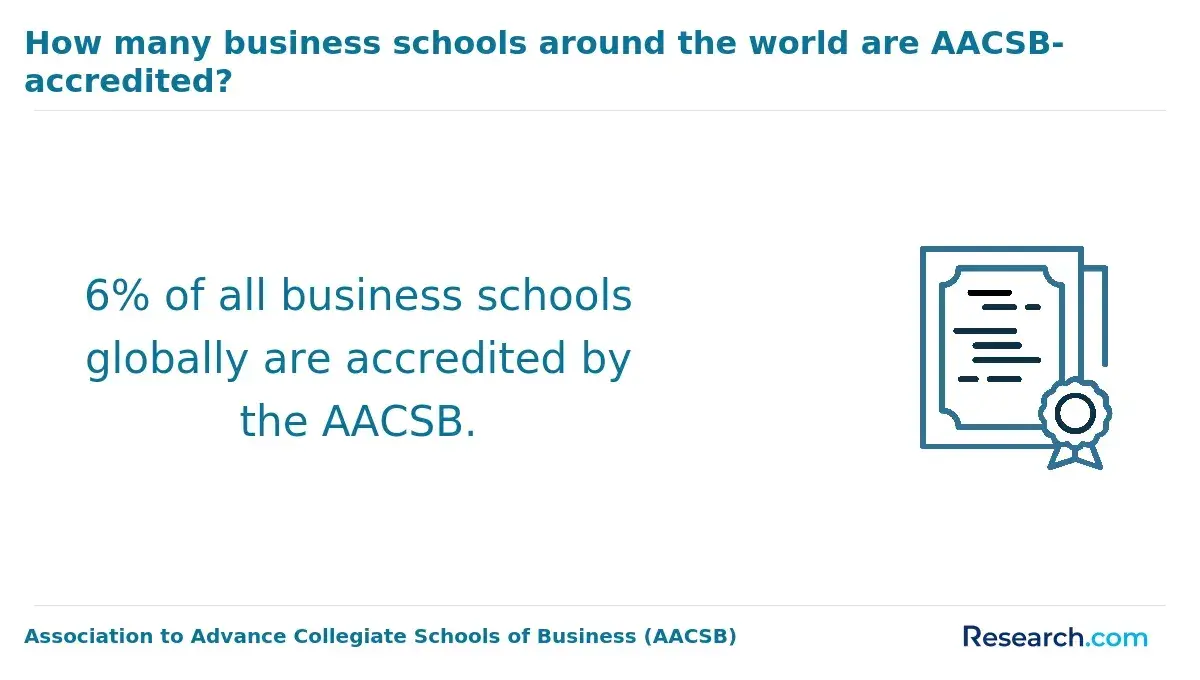
Accreditation is one of the first filters students should use when evaluating online MBA programs in finance. It helps confirm that a business school has been reviewed for academic quality, faculty qualifications, curriculum relevance, and student outcomes. For MBA programs, the Association to Advance Collegiate Schools of Business (AACSB) is widely regarded as the gold standard in business education.
Programs such as Indiana University, UNC, and Carnegie Mellon hold AACSB accreditation, which signals that the school has met rigorous standards and participates in ongoing quality review. For students, this matters because employers, doctoral programs, and professional networks may view accredited degrees as more credible than degrees from institutions with weaker oversight.
Key factors to compare among accredited programs
- Business accreditation: AACSB accreditation is especially important if you want a degree with strong employer recognition.
- Finance curriculum depth: Some programs offer a formal finance major or concentration, while others provide only a few electives.
- Faculty and teaching model: Check whether online courses are taught by the same faculty who teach on campus and whether classes are live, asynchronous, or hybrid.
- Career support: Strong programs give online students access to coaching, recruiting resources, alumni connections, and finance-focused career guidance.
- Total cost: Tuition is only one part of the price. Fees, required travel, course materials, and time away from work can affect the real cost.
Accreditation should not be the only deciding factor, but it should be a baseline requirement for most students. After confirming accreditation, compare program fit: corporate finance, investment management, financial analytics, private equity, or executive leadership each calls for slightly different coursework and networking opportunities.
For students who want both recognized quality and lower tuition, the most affordable AACSB online MBA programs can be a useful starting point.
What makes executive online MBA programs ideal for finance professionals?
Executive online MBA programs are designed for experienced professionals who already have substantial work history and want to move into senior leadership. For finance professionals, an EMBA can be especially useful when the goal is not just better technical finance knowledge but broader authority over strategy, operations, risk, governance, and organizational performance.
An online EMBA for finance professionals usually combines advanced management coursework with topics such as corporate finance, mergers and acquisitions, investment strategy, global markets, and executive decision-making. The format is often built around cohorts, leadership discussions, applied projects, and interaction with peers who are already managers, directors, founders, or executives.
When an executive online MBA makes sense
- You already have meaningful management experience: EMBA classrooms are strongest when students can learn from one another’s professional backgrounds.
- You are targeting senior roles: CFO, finance director, senior financial consultant, and business unit leadership roles often require cross-functional judgment, not finance skills alone.
- You need a program designed around work obligations: Executive formats often use weekend, modular, or structured online schedules for busy professionals.
- You value peer learning: The network can be as important as the curriculum, especially for professionals moving into leadership or advisory roles.
An EMBA is usually less appropriate for applicants who are early in their careers or who need highly technical training in modeling, investments, or quantitative finance. Those students may be better served by a traditional online MBA with a finance concentration or a specialized master’s in finance.
For professionals who want the executive format but need to control tuition costs, the most affordable executive MBA options can help narrow the search to programs with stronger value potential.
An online MBA in finance typically blends core business management with advanced finance electives. The goal is to prepare students not only to analyze financial information but also to use that analysis in strategic decisions, capital allocation, risk management, and leadership conversations.
Most programs begin with MBA core courses in areas such as accounting, economics, marketing, operations, leadership, business analytics, and strategy. Finance-focused coursework then builds more specialized skill in evaluating investments, managing capital, assessing risk, and communicating financial recommendations to executives or clients.
Common course topics include:
- Corporate financial management
- Investment analysis and portfolio management
- Risk assessment and financial modeling
- Global financial markets
- Mergers and acquisitions
Skills students should expect to build
- Financial analysis: Interpreting statements, ratios, forecasts, and valuation outputs to support decisions.
- Capital budgeting: Evaluating projects, investments, and financing choices using structured decision frameworks.
- Risk thinking: Identifying market, credit, operational, and strategic risks that affect financial performance.
- Executive communication: Translating complex financial findings into recommendations for non-finance leaders.
- Strategic judgment: Connecting finance decisions to growth, competition, governance, and long-term value creation.
Many programs also include capstone projects, simulations, consulting projects, or case-based assignments. These experiences matter because finance careers often require more than calculation. Employers value graduates who can defend assumptions, explain trade-offs, and recommend action under uncertainty.
Most part-time students complete an online MBA in finance in 18 to 36 months, while some accelerated programs allow completion in as little as 12 months. The right timeline depends on your work schedule, family responsibilities, prior coursework, program format, and tolerance for an intensive academic load.
Programs like those at the University of Florida and Arizona State University offer flexible pacing, allowing students to take one or two courses per term. Executive-style MBAs may follow a more structured calendar with weekend, modular, or cohort-based requirements.
Common completion formats
- Accelerated format: Best for students who can manage a heavy workload and want to finish quickly. This can be demanding for full-time professionals.
- Part-time format: Often the most practical choice for working students who need to balance coursework with job responsibilities.
- Executive format: Usually designed for experienced professionals and may include scheduled residencies, weekend sessions, or intensive modules.
- Flexible self-paced format: Useful for students with unpredictable schedules, though it requires strong discipline and time management.
Before enrolling, ask how many hours per week students typically spend on coursework, whether classes are synchronous or asynchronous, and how often group projects require meetings. A shorter program is not always better if it limits networking, career support, or your ability to absorb quantitative finance material.
Admission requirements vary by university, but most online MBA programs in finance evaluate academic readiness, professional maturity, leadership potential, and fit with the program. Finance-focused applicants should be ready to show both business motivation and quantitative ability.
Common admission requirements include:
- A bachelor’s degree from an accredited institution
- Professional work experience (typically 2–5 years)
- Official transcripts and a statement of purpose
- Letters of recommendation
- GMAT/GRE scores (optional or waived at many schools)
Programs like UNC and Indiana University place strong emphasis on leadership potential and career progression rather than test scores alone. A strong application should connect your past experience to your post-MBA finance goals and explain why the specific program is the right fit.
How to strengthen your application
- Quantify achievements: Use numbers where possible, such as budgets managed, revenue impact, cost savings, portfolio responsibilities, or project outcomes.
- Show readiness for finance coursework: Highlight accounting, statistics, economics, analytics, modeling, or finance experience.
- Choose recommenders carefully: Select supervisors or senior colleagues who can discuss your leadership, judgment, and growth potential.
- Write a focused statement of purpose: Avoid generic goals. Explain the roles you are targeting and how the MBA curriculum supports them.
- Prepare for interviews: Be ready to discuss your career path, leadership examples, ethical judgment, and reasons for choosing online study.
Applicants without a finance background can still be competitive, especially if they show strong analytical skills and a clear career plan. However, they may need to invest more time in foundational accounting, Excel, statistics, or financial statement analysis before advanced finance courses begin.
Tuition for online MBA programs in finance typically ranges from $20,000 to $90,000, depending on the university and program length. The advertised tuition, however, may not reflect the full cost. Students should calculate the total price of attendance before applying or committing to enrollment.
Costs may include tuition, technology fees, course materials, graduation fees, travel for optional or required residencies, and lost income if the program requires reduced work hours. Public universities like the University of Florida and Arizona State University often offer lower tuition rates for in-state or online students, but policies vary by institution.
Financial aid and funding options
- Federal financial aid: Eligible graduate students may use federal aid, depending on the institution and enrollment status.
- Scholarships: Some business schools offer merit-based, need-based, military, diversity, or professional scholarships.
- Employer tuition assistance: Many working professionals reduce costs through employer reimbursement or sponsorship programs.
- Military benefits: Eligible students may be able to apply military education benefits toward graduate business study.
- Private scholarships and loans: These can help fill funding gaps, but loan terms should be reviewed carefully.
When comparing programs, ask each school for a full cost breakdown and confirm whether online students qualify for the same scholarships and career services as campus-based students. A higher-cost program may be worth it if it offers stronger recruiting access, alumni connections, or career outcomes in your target sector. A lower-cost program may be the better value if you already have a strong professional network and mainly need the credential and skills.
An online MBA in finance can support advancement in corporate finance, investment management, consulting, banking, financial planning, and executive leadership. The degree is most valuable when it builds on relevant experience and is paired with a clear career strategy. Employers usually look for evidence that candidates can combine analysis, communication, leadership, and sound judgment.
Common career paths include:
- Financial analyst: Conducts financial modeling, forecasting, budgeting, and data interpretation for corporations or investment firms.
- Investment banker: Advises organizations on mergers, acquisitions, capital raising, valuation, and complex financial transactions.
- Chief financial officer (CFO): Oversees corporate financial operations, capital strategy, reporting, risk management, and long-term planning.
- Portfolio manager: Manages investment portfolios for clients or institutions and makes decisions based on risk, return, and market conditions.
- Finance director: Leads budgeting, forecasting, financial reporting, compliance, and financial planning functions within an organization.
How to use the MBA for career growth
- Align electives with your target role: Investment-focused students should prioritize valuation, portfolio management, and markets. Corporate finance students should focus on capital budgeting, strategy, risk, and reporting.
- Build a finance portfolio: Projects, case competitions, simulations, and applied analysis can help demonstrate skills to employers.
- Use career services early: Do not wait until graduation to network, update your resume, or prepare for interviews.
- Leverage classmates and alumni: Online MBA networks can be valuable if you actively participate in discussions, events, and alumni outreach.
An MBA in finance can lead to roles with six-figure earning potential, but outcomes depend on experience, industry, location, employer, and the strength of the student’s network and job search strategy. The degree is a tool for advancement, not a guarantee of promotion.
How does an online MBA in finance compare with a master’s in finance?
An online MBA in finance and a master’s in finance both develop financial expertise, but they serve different career goals. The MBA is broader and management-oriented. The master’s in finance is usually more technical and specialized.
A Master’s in Finance (MSF) provides deep training in areas such as investment analysis, risk management, and quantitative modeling. It is often a better fit for early-career professionals or students who want analyst, research, trading, risk, or technical finance roles.
An MBA in Finance combines finance electives with leadership, operations, strategy, marketing, accounting, and organizational management. It is often a better fit for professionals who want to move into management, corporate leadership, consulting, or executive decision-making.
| Factor | Online MBA in Finance | Master’s in Finance |
| Primary focus | Business leadership with finance specialization | Technical and quantitative finance training |
| Best for | Professionals targeting management or executive roles | Students or professionals targeting specialized finance roles |
| Curriculum scope | Broad business core plus finance electives | Finance-heavy coursework with less general management |
| Typical career direction | Corporate finance, finance director, consulting, CFO track | Analysis, investments, risk, modeling, research |
| Main advantage | Versatility across business functions | Depth in finance methods and tools |
Choose the MBA if you want a broader leadership credential and expect to manage teams, budgets, strategy, or business units. Choose the master’s in finance if you want deeper technical preparation and are more focused on analytical finance roles than general management.
Other Things You Should Know About Online MBA Programs for Finance Careers
Online MBA programs in finance for 2027 typically accept international students, requiring proof of English proficiency through exams like TOEFL or IELTS. These programs often provide support for visa applications and may require credential evaluations for non-U.S. degrees.
Many 2027 online MBA finance programs waive the GMAT or GRE for applicants with a strong GPA, professional experience, or an earned graduate degree. Some still require test scores for conditional admission, and selective programs may set minimum score thresholds before review.
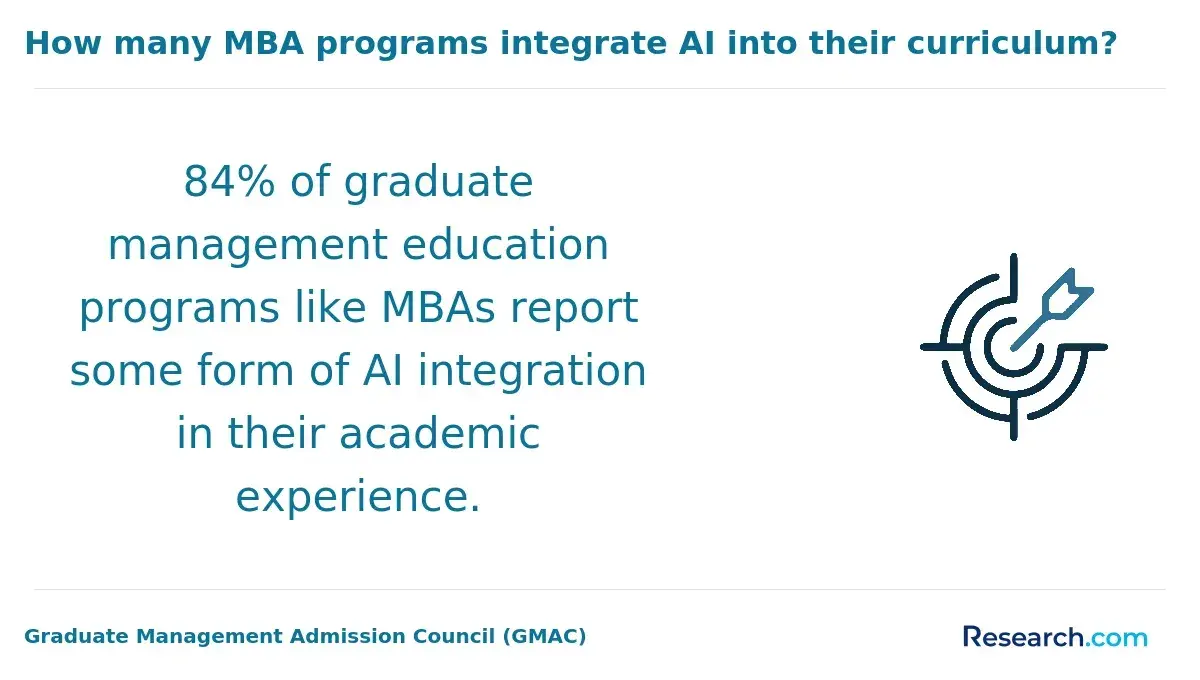
In 2027, online MBA programs for finance careers emphasize technology skills such as data analytics, financial modeling software proficiency, and blockchain applications. These skills equip graduates to handle evolving financial markets and tech-driven finance roles effectively.
- AACSB. (n.d.). Search accredited Schools. aacsb.edu.
- BLS. (2025, August 28). Financial Managers. bls.gov.
- BLS. (2025, August 28). Top executives. bls.gov.
- Payscale. (2025). Master of Business Administration (MBA), Accounting & Finance Degree. payscale.com.
- Sukanya. (2024, October 4). Scholarships options for online MBA. MBA & Beyond. mbaandbeyond.com.