2027 Leadership Courses in Online MBA Programs Explained

Co-Founder and Chief Data Scientist
Many professionals seek leadership development through online MBA programs but struggle to identify courses that effectively bridge theory and real-world application. This challenge limits their ability to gain practical skills essential for managerial roles. Without clear guidance, prospective students may waste time and resources on programs that lack relevant content or fail to enhance their leadership capabilities.
This article explains how leadership courses in online MBA programs are designed to meet industry demands. It aims to help readers select programs that offer actionable leadership training and improve career outcomes in management positions.
Key Things You Should Know
- Leadership courses in 2026 online MBA programs emphasize practical skills in change management, digital transformation, and ethical decision-making, aligning with evolving business demands.
- Approximately 70% of top online MBA programs now include leadership simulations and real-world projects to enhance experiential learning and student engagement.
- Recent data shows graduates with leadership training in online MBA programs report 15% higher mid-career salaries and faster advancement compared to peers without such focus.
What are leadership courses in online MBA programs?
Leadership courses in online MBA programs emphasize developing strategic, interpersonal, and decision-making skills essential for managerial positions. Topics often include organizational behavior, ethical leadership, conflict resolution, and team dynamics. These courses use case studies, simulations, and real-world business scenarios to prepare students for leading diverse teams.
Many leadership training programs in MBA online degrees also incorporate emotional intelligence, communication, and data-driven decision-making to equip future leaders. Students engaging in leadership coursework typically explore subjects such as:
- Leadership theories and styles
- Strategic planning
- Ethics in leadership
- Conflict and negotiation strategies
- Performance management
The flexibility of online learning allows working professionals to immediately apply leadership concepts in their current roles. The value of these programs is reflected by an average return on investment of 170% across 77 leadership-focused online mba programs, with results varying widely based on program quality and individual career development.
Prospective students should seek programs that blend leadership with practical business functions to maximize measurable skill growth and career advancement. To explore options, consider reviewing online MBA programs that offer specialized tracks in leadership development aligned to career goals and current industry demands.
Which online MBA programs offer strong leadership training?
Several online MBA programs with leadership development are designed to build strong leadership skills for working professionals and aspiring executives. The University of North Carolina's Kenan-Flagler Business School offers a Leadership Development Program within its online MBA, focusing on practical decision-making and team management. Indiana University's Kelley School of Business emphasizes leadership through immersive simulations and coaching, providing opportunities to refine skills in challenging environments.
Carnegie Mellon University's Tepper School merges analytics with leadership, requiring courses such as Leading Organizations and Transformational Leadership to cultivate strategic and adaptable leaders. The University of Michigan's Ross School integrates leadership labs and peer feedback to enhance interpersonal abilities and emotional intelligence, essential traits for executive success.
When evaluating top online MBA degrees for leadership skills, prospective students should look for:
- Structured leadership modules with clear outcomes beyond electives.
- Access to mentorship and executive coaching throughout the program.
- Hands-on projects or simulations building team and crisis management skills.
- Robust alumni networks and leadership forums for continued professional growth.
New MBA graduates in leadership roles earn an average starting salary of $88,426, with ranges from $46,750 to $150,314, highlighting the value of leadership competencies. For those seeking quality options, reviewing online MBA programs AACSB accredited can be a practical step toward selecting a respected curriculum that enhances leadership capabilities.
How do online MBA leadership courses differ from campus ones?
Online mba leadership course delivery differences are most apparent in flexibility and interaction style. Online programs offer asynchronous learning, enabling students to engage with lectures and assignments on their own schedules, ideal for working professionals or those with personal commitments. In contrast, campus-based courses demand fixed class times and in-person attendance, providing structured learning environments but less scheduling flexibility.
The comparison of leadership training in online and campus mba programs shows similar curriculum focus areas such as strategic decision-making, organizational behavior, and change management. However, online courses often utilize digital collaboration tools and virtual simulations, while campus programs emphasize real-time discussions and group projects conducted face-to-face.
Networking opportunities differ notably. Campus mba programs encourage spontaneous interactions, mentorship, and local career events. Online students network mainly through scheduled video calls, virtual forums, and online events, potentially limiting informal connections but increasing geographic diversity of peers.
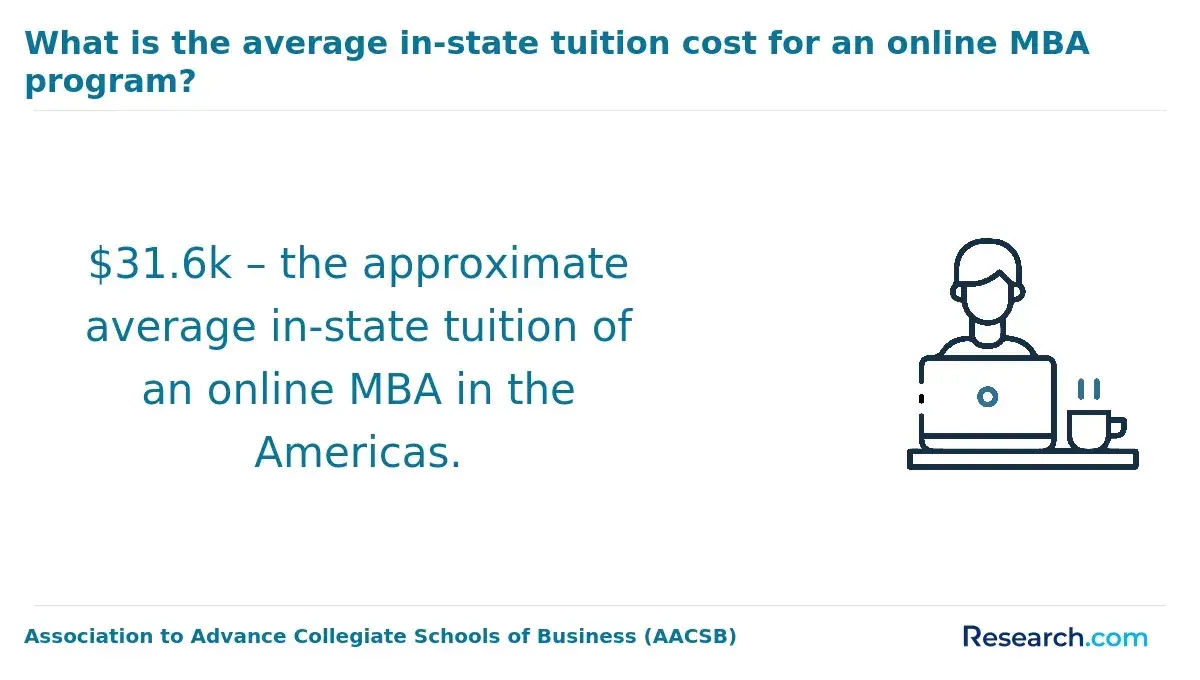
Cost also varies. According to MBAGuide.org, online leadership mba tuition ranges widely, from $7,458 to $154,339, with an average around $43,577. Campus programs generally incur higher fees due to housing and campus services. For those weighing options, examining comprehensive tuition data from executive MBA online programs can clarify financial considerations.
Prospective students prioritizing schedule flexibility and curriculum rigor may benefit from online courses, while those seeking immersive social engagement might favor campus experiences. Recognizing these distinctions helps align choices with professional and personal goals.
Accreditation stands as a critical factor for leadership online mba program accreditation standards, ensuring academic rigor and employer credibility. In the U.S., top accrediting bodies include:
- Association to Advance Collegiate Schools of Business (AACSB)
- Accreditation Council for Business Schools and Programs (ACBSP)
- International Accreditation Council for Business Education (IACBE)
ACBSP and IACBE accreditations focus more on teaching quality and student outcomes, offering valid alternatives that meet essential leadership and business education standards. Students should also verify state approvals and regional accreditation of the hosting university to confirm degree legitimacy and financial aid eligibility.
The competitiveness of admissions varies, with accepted leadership-focused online MBA students averaging a GMAT score near 571. AACSB-accredited programs tend to attract candidates from the upper end of this range, reflecting selective admissions processes. For those seeking an accessible alternative, more affordable options exist-including online MBA no GMAT programs.
When exploring top accredited online MBA programs for leadership development, prospective students should match accreditation types with their career ambitions. Executives aiming at global roles benefit from AACSB programs, while practical leadership skills for local markets can be developed through reputable ACBSP or IACBE options.
Admission requirements for leadership courses within online MBA programs typically include a bachelor's degree from an accredited institution and a competitive undergraduate GPA, often around 3.0 or higher. Many programs also require two to five years of professional experience in leadership or managerial roles, ensuring students can engage deeply with advanced leadership concepts.
Standardized tests such as the GMAT or GRE are commonly required, though some schools waive these for experienced professionals or strong academic backgrounds. It's important to check each program's testing policy, as some have adopted test-optional admissions.
Applicants usually submit letters of recommendation, a statement of purpose focusing on leadership goals, and a current résumé. Interviews, whether virtual or in-person, may assess communication skills and professional demeanor.
Faculty-to-student ratios impact learning quality. Online leadership MBA programs average a ratio of 17:1, with some programs offering ratios as low as 6:1, providing more personalized interaction crucial for leadership development. Executive or specialized leadership courses often have additional prerequisites, such as business fundamentals coursework or relevant certifications.
Online MBA leadership courses develop essential skills in strategic management, organizational behavior, and ethical leadership. Curricula typically cover change management, emotional intelligence, and effective communication across diverse teams. Practical leadership skills are reinforced through modules on team dynamics, conflict resolution, and decision-making frameworks.
Many programs incorporate case studies and simulations to enhance critical analysis and real-world problem solving. Students may analyze leadership styles within multinational firms or create initiatives aligned with corporate social responsibility. Electives can include innovation leadership, global leadership challenges, and technology-driven strategies.
Instructional approaches vary, featuring interactive webinars, project-based assignments, and peer collaboration to simulate leadership experiences. Some programs emphasize data analytics and performance metrics, preparing graduates for evidence-based management roles.
Enrollment size is also an important consideration. According to MBAGuide.org, average cohort sizes are around 360 students, with some programs admitting as few as eight and others enrolling over 3,800. Smaller cohorts often offer more personalized mentorship, while larger programs may provide broader networking opportunities.
Online MBA leadership programs generally span from one to three years, influenced by program design and student pace. Accelerated options enable full-time students to finish within 12 to 18 months, while part-time pathways extend to two or three years, offering flexibility for working professionals. This balance helps students manage coursework alongside their job commitments.
Program length depends on credit requirements and specialization depth. Some schools offer leadership certificates embedded in the MBA, requiring only 6 to 12 months of study. More comprehensive MBA programs with leadership concentrations often demand the full two years or more, covering core business skills and advanced leadership training.
Choosing the right program duration aligns with career objectives, available time, and the level of leadership expertise desired. Those seeking rapid growth might favor intensive, shorter courses within accelerated MBA, whereas others may prioritize longer programs for thorough skill development and networking.
- 92% of HBS Online leadership learners report increased confidence post-program.
- Earners see an average salary boost of $20,466.
- Return on investment can be as high as 11 times the course cost.
These outcomes emphasize the tangible value of leadership programming within online MBA formats for advancing professional success.
Graduates of online MBA leadership programs often step into management roles across various industries, driving organizational success through effective leadership. Common career paths include project manager, operations manager, human resources director, and executive positions like chief operating officer or leadership consultant. Many also find opportunities in specialized areas such as healthcare administration and nonprofit management, where leadership skills are essential.
These programs develop strategic decision-making, communication, and team-building abilities, preparing students for roles that demand strong leadership. For example, an operations manager in manufacturing works on enhancing efficiency and managing workforce dynamics, while healthcare administrators handle complex regulations and clinical teams.
Online MBA leadership graduates may also advance to corporate strategy and organizational development roles, designing leadership training or guiding change management initiatives. Entrepreneurial-minded individuals can leverage leadership skills to grow startups or lead innovation within established firms.
Cost is a key factor when choosing a program. Affordable options like Youngstown State University's online MBA in Organizational Leadership, at $473 per credit hour, offer a budget-friendly path to earning a leadership degree without excessive debt (OnlineMastersDegrees.org, 2025).
Career opportunities after earning an online MBA in leadership are broad, spanning mid-level to executive roles across sectors with a focus on improving business outcomes through effective leadership strategies.
Leadership MBAs completed online in 2026 present strong salary potential, with graduates often seeing pay increases between 20% and 60% compared to their pre-MBA earnings. Data from the Graduate Management Admission Council's 2025 Corporate Recruiters Survey shows median starting salaries for MBA graduates in leadership positions around $115,000 annually, with top executives earning above $160,000.
Graduates frequently take roles such as project managers, operations directors, and senior consultants. Salaries vary widely based on factors like company size and location; for instance, leadership MBA holders in major metropolitan areas like New York or San Francisco may earn 15% to 25% more than the national average.
Accelerated programs, such as the University of Illinois Chicago's online MBA with eight-week courses completed in as little as 14 months, enhance competitiveness by demonstrating advanced competencies and effective time management.
Post-MBA salary growth typically continues steadily, with annual raises ranging from 5% to 10%, augmented by bonuses and profit sharing in managerial roles. Earning additional specialized certifications alongside an MBA can further boost income prospects. Students should carefully research target industries and maximize networking opportunities to ensure the best return on their leadership MBA investment.
Is job demand strong for leadership MBA graduates?
Demand for leadership MBA graduates remains strong as organizations seek professionals skilled in managing teams and driving growth. Employers prefer candidates with leadership expertise to effectively handle complex business environments. For example, 100% of students enrolling in Indiana University-Bloomington's online MBA programs are already employed, highlighting how these programs attract professionals aiming for leadership advancement.
Companies often look for MBA graduates with leadership training for key roles such as project managers, department heads, and executives. These positions require advanced skills in strategic decision-making, communication, and team management, all emphasized in leadership MBA curricula. Growing leadership opportunities are especially evident in sectors like healthcare, technology, and finance, which face rapid digital transformation and restructuring.
Many leadership MBA students are mid-career professionals pursuing promotion or executive track transitions. They often apply new skills immediately to boost productivity and enhance promotion prospects. Typical coursework covers conflict resolution, change management, and ethical leadership, directly addressing challenges leaders encounter.
Leadership MBA graduates usually experience elevated responsibilities and improved compensation, often seeing salary increases between 10% and 25% within two years. Employers value them for driving performance improvements and fostering innovation.
- Skilled leadership-focused professional roles.
- Industries with increased leadership vacancies include healthcare, technology, and finance.
- Emphasis on strategic decision-making and team management.
Other Things You Should Know About MBA
Scholarships are often available for online MBA students, including those focused on leadership. Eligibility criteria and application processes vary by institution, so prospective students should research specific programs to find financial aid options tailored to online learners and leadership specialties.
Online MBA leadership programs typically offer flexible schedules, asynchronous coursework, and part-time study options to accommodate working professionals. This flexibility allows students to balance their studies with career and personal responsibilities without sacrificing the quality of their education.
Besides leadership, online MBA programs often emphasize strategic thinking, financial acumen, marketing expertise, and data analysis. These complementary skills equip graduates to manage diverse business challenges and make informed decisions in complex organizational environments.
- Admission requirements https://study.gov.pl/admission-requirements
- MBA in Leadership Online: Compare Top Programs https://www.onlinemastersdegrees.org/best-programs/mba-programs/leadership/
- Top 130 Online MBA Programs in Leadership 2026 | FIND MBA Online https://findmbaonline.com/specializations/leadership
- What Are Career Prospects Post Online MBA | ChitkaraU Online https://onlinechitkarau.com/our-blogs/career-prospects-post-online-mba-what-to-expect/
- Onlinemastersdegrees https://onlinemastersdegrees.org
- Leadership Course MBA: Comparing Programmes and Approaches https://quarterdeck.co.uk/articles/leadership-course-mba/
- Gain Leadership Skills with Online Executive MBA Program https://edglobalacademy.com/gain-leadership-skills-with-an-online-executive-mba-program/
- What can you do with an online MBA? | edX https://www.edx.org/resources/what-can-you-do-with-an-online-mba
- Online MBA 2025 https://rankings.ft.com/rankings/2998/online-mba-2025
- MBA Salary Projections 2025: How Much Will You Earn - MBA & Beyond https://www.mbaandbeyond.com/blog/mba-salary-projections-how-much-will-you-earn