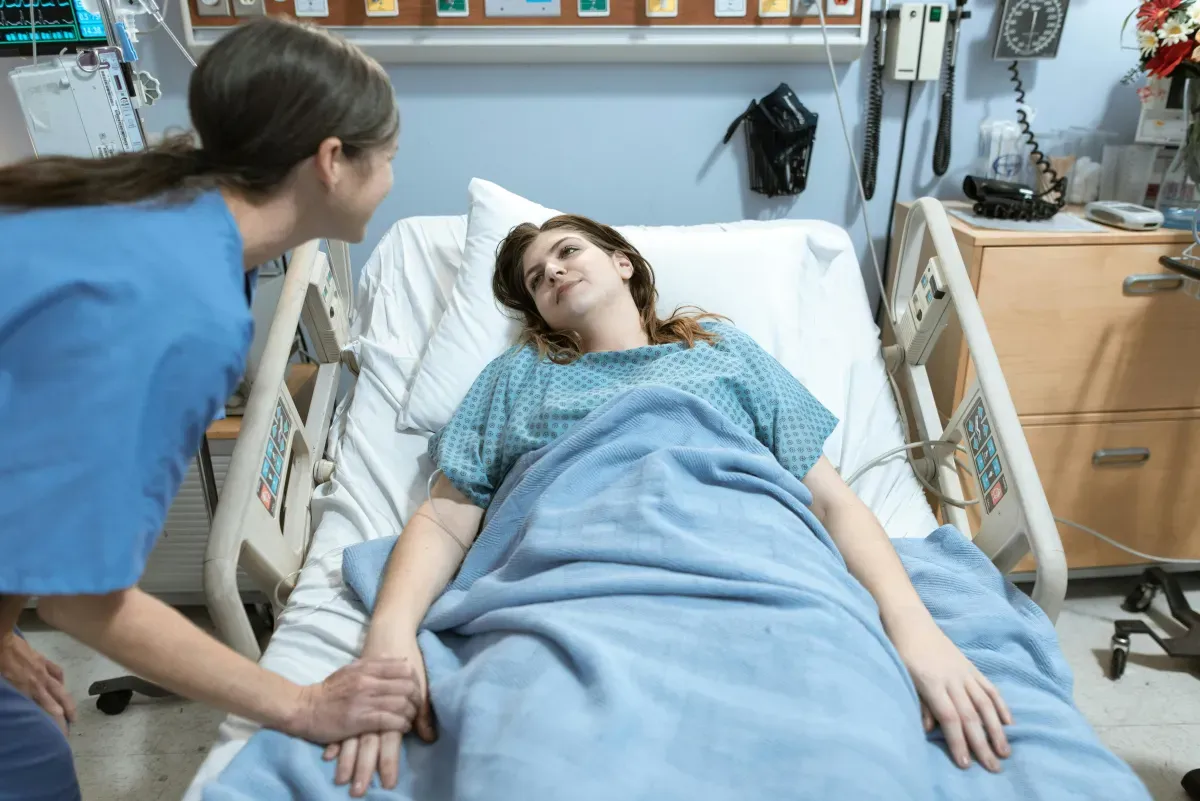
2027 Focused vs Comprehensive Nursing Assessment: Learning Goals and Work Contexts
Audited and Verified:
Our Editorial and Data Verification Process
Research.com uses government datasets, official education statistics and primary institutional information to support its career and degree guides. Our review process checks factual accuracy, occupational definitions, source dates and the requirements associated with the credentials discussed.
How This Article Was Fact-Checked
Our editorial team verifies salary estimates, employment projections, education requirements and program information against original data providers and official organizations. Salary figures are checked against the relevant occupational definitions and reporting periods. Information about licensure, accreditation and required in-person training is reviewed separately.
Fact-checked and verified on:

Co-Founder and Chief Data Scientist
A nursing student may be asked to complete a head-to-toe assessment in lab, then assess only a patient's breathing during a clinical shift. Both assignments develop essential skills, but they answer different questions. This guide explains how focused and comprehensive nursing assessments differ, when each fits the work context, and what instructors and employers expect students or new nurses to demonstrate. Understanding the distinction can help you prepare for skills evaluations, recognize when a limited assessment is insufficient, and choose education or training that matches your intended role.
Key Things You Should Know
- A comprehensive assessment establishes a broad picture of the patient; a focused assessment investigates a particular concern or change. Neither replaces immediate attention to safety concerns.
- Nursing school often teaches both through a head-to-toe baseline assessment and problem-based scenarios; the learning goal is sound clinical judgment, not simply completing a longer or shorter checklist.
- The appropriate assessment depends on the patient's condition, care setting, assigned role, and local policy. Documentation should show relevant findings, changes, actions, and reassessment.
What is the difference between focused and comprehensive nursing assessments?
A comprehensive nursing assessment gathers a broad health picture, often including the patient's history, current concerns, vital signs, and findings across body systems, along with functional and psychosocial needs relevant to care.
A focused nursing assessment examines a specific symptom, body system, risk, intervention, or change in condition. "Focused" describes the question being investigated - not permission to ignore findings outside that question that affect safety.
The comparison below shows how the two approaches differ in purpose and learning goal. Actual assessment content and timing depend on the patient, the nurse's scope, and the organization's requirements.
| Feature | Comprehensive assessment | Focused assessment |
| Primary purpose | Establish a broad baseline and identify care needs | Investigate or monitor a defined concern |
| Typical scope | History and multiple relevant body systems | Targeted history, observations, and examination |
| Student learning goal | Use a systematic sequence without overlooking important needs | Select relevant cues, interpret changes, and decide what requires follow-up |
| Common limitation | Can become a checklist without meaningful interpretation | Can miss a wider problem if the initial concern is framed too narrowly |
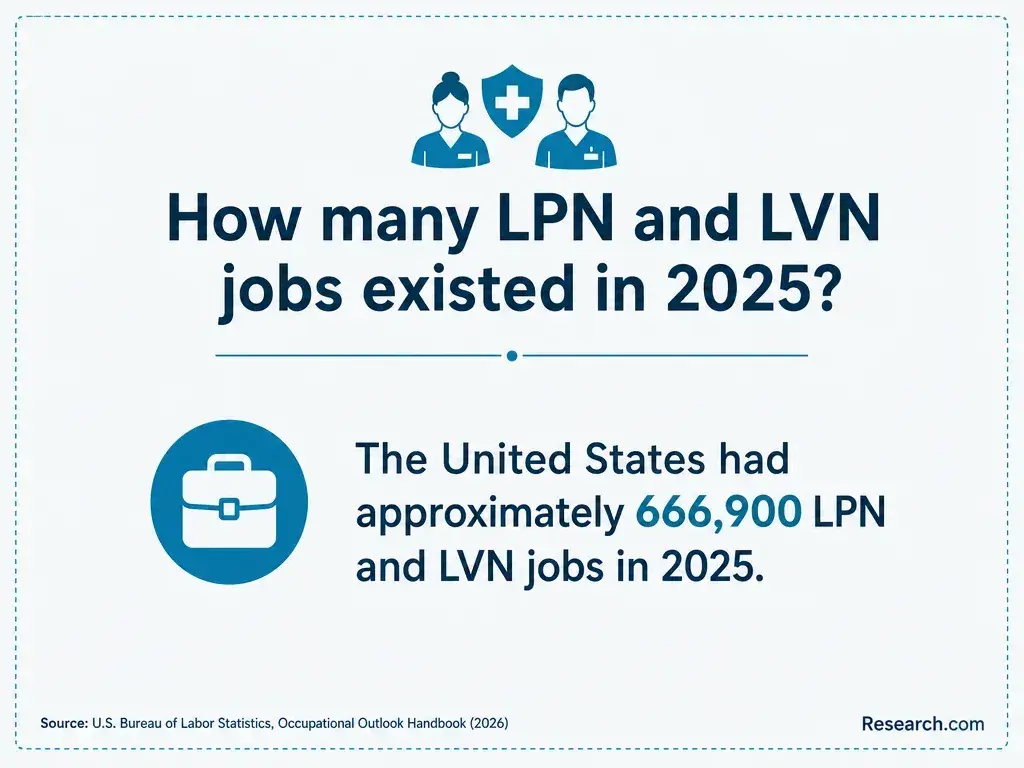
Scope of practice also matters: an LPN/LVN's assessment responsibilities and required RN oversight vary by state and setting. Students comparing LPN-to-RN entry requirements should ask how a proposed program develops and evaluates the additional assessment and clinical-judgment responsibilities expected of an RN.
When should nurses use focused or comprehensive assessments?
A comprehensive assessment is commonly used to establish a baseline when a patient enters a care service or begins an episode of care, subject to the setting's policy. A focused assessment is useful when a patient reports a new symptom, a known problem needs monitoring, or the nurse evaluates a response to an intervention.
Neither label determines the response by itself: an urgent change calls for immediate assessment, appropriate escalation, and care under applicable protocols - not completion of a lengthy routine form first.
For example, a student might practice a broad admission assessment under supervision, then return to assess a newly reported breathing concern. The second assessment is targeted, but the student must also recognize signs that warrant a wider evaluation or prompt help. A useful habit is to ask: What question am I trying to answer, what other cues could change its urgency, and what will I reassess?
Advanced roles can require deeper assessment preparation, but a short advertised program duration does not establish competence. Nurses reviewing 12-month FNP program options should examine supervised clinical experiences and assessment evaluation rather than assuming that program length alone predicts readiness.
How do focused and comprehensive assessments differ in nursing school?
Comprehensive assessment instruction commonly starts with anatomy and physiology, interview techniques, examination methods, and a repeatable head-to-toe sequence. In lab or simulation, an instructor can observe whether a student gathers accurate findings, communicates respectfully, maintains privacy, and distinguishes expected from concerning cues. Real patients rarely present in textbook order, so supervised clinical learning adds context.
Focused assessment assignments ask students to choose what information matters to a particular concern, explain their reasoning, report significant findings, and reassess as needed. A student who performs every examination step but cannot explain a new finding has not demonstrated the same judgment as a student who selects relevant checks and knows when to broaden the assessment.
Admission testing is separate from these learning outcomes. If you are exploring nursing schools without TEAS or HESI requirements, still ask how their courses, simulation, and supervised practice evaluate patient-assessment skills.
Both types require accurate observation, patient-centered communication, examination technique, interpretation, and timely reporting. Comprehensive assessments place more emphasis on collecting and organizing a broad baseline. Focused assessments place more emphasis on selecting relevant cues and deciding whether the findings answer the immediate clinical question.
Students can use the following practice sequence to move beyond memorizing an examination checklist. Each step should be performed within the assignment, supervision, and clinical-site policy.
- State the assessment purpose and identify immediate safety concerns.
- Gather relevant history and observations, using an interpreter or accessible communication support when needed.
- Examine appropriate systems, compare findings with available baseline information, and identify important changes.
- Communicate concerns through the required escalation channel, then document and reassess as appropriate.
Specialty training changes the depth and context of assessment, not the need for these fundamentals. For instance, nurses considering shorter psychiatric-mental health NP certificates should verify that a program's assessment teaching and supervised experiences fit their existing preparation and intended population focus.
The setting determines what baseline information is needed, how often reassessment occurs, and what findings must be escalated. An inpatient admission, an emergency visit, a scheduled outpatient follow-up, and a home-health encounter may all use different workflows.
Patient acuity, available records, time since the last assessment, and local policy also matter. A brief visit does not automatically justify a narrow assessment if the patient's presentation suggests a broader problem.
In behavioral health, for example, an assessment may emphasize presenting symptoms, safety, functioning, and relevant physical health concerns. In ambulatory care, a nurse may focus on a reported symptom while checking whether it differs from the patient's usual state. These examples describe work contexts, not fixed protocols; licensed judgment and organizational requirements govern the actual assessment.
If a student's goal is psychiatric advanced practice, online psychiatric NP programs by cost are only one comparison point. The more relevant assessment question is whether a program provides the required population-specific instruction and supervised clinical opportunities.
A comprehensive assessment record typically establishes a baseline across the areas required by the setting. A focused note identifies the reason for assessment, relevant findings, comparison with prior information when available, concerns communicated, actions taken within scope, and the patient's response or subsequent reassessment.
In either case, chart what was actually assessed; do not copy a normal head-to-toe template to represent an examination that did not occur. Electronic health record templates may prompt useful fields, but completing fields is not the same as conveying a clinical change.
Students should learn their site's approved terminology, documentation deadlines, correction process, and privacy rules. When a finding warrants urgent communication, documentation supports - but does not replace - reporting it through the required channel.
Documentation also matters beyond individual encounters. Nurses examining online DNP programs emphasizing organizational practice may encounter work on documentation quality and workflow improvement. Such study does not replace direct-care assessment training or qualify a graduate for an APRN role unless the specific track meets those separate requirements.
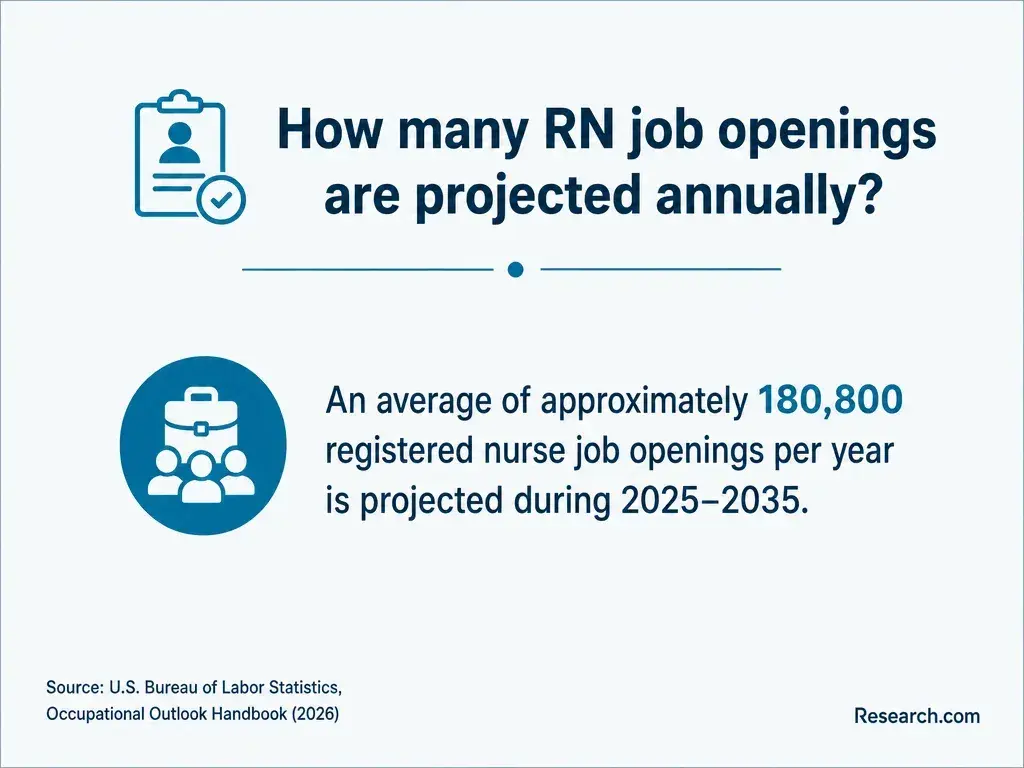
Prelicensure LPN/LVN and RN programs teach assessment appropriate to the role for which they prepare students. Prelicensure associate-degree and bachelor's-degree RN programs develop assessment alongside clinical judgment through coursework, skills learning, simulation, and supervised patient care.
Curricula differ, but applicants should look for opportunities to practice both broad baseline assessments and targeted responses to changing conditions. An RN-to-BSN program generally builds on an existing RN license rather than preparing a non-nurse for initial licensure.
Graduate APRN programs develop advanced assessment for a defined role and population; graduate programs in leadership or education do not automatically do so. If you do not hold a nursing license, begin with nursing education pathways without prior licensure and confirm which options actually provide supervised prelicensure preparation.
When comparing programs, request examples of assessment learning outcomes, skills evaluations, simulation expectations, and clinical placement arrangements. A course title alone cannot show how consistently students are observed and given feedback.
For a prelicensure program, confirm that the applicable state board of nursing approves or recognizes the program for the intended licensing pathway. Check institutional accreditation separately from nursing program accreditation, such as accreditation by ACEN or CCNE where applicable. These bodies have different responsibilities; none of their labels alone proves that an individual student is eligible for licensure in every state.
Graduation, eligibility to take the NCLEX, passing the examination, and receiving an active license are distinct steps. A school and the relevant state board can explain how a particular program and enrollment location affect eligibility. Students should also confirm any state-specific clinical-placement restrictions before enrolling in a distance program.
For an RN considering advanced practice, the same verification extends to the exact role and population-focus track. When comparing lower-tuition advanced practice nursing programs, check program accreditation, clinical requirements, certification eligibility, and state APRN requirements alongside price.
Campus programs often teach examination techniques in scheduled labs before students apply them in simulation and supervised clinical care. Online or hybrid programs may deliver lectures and case analysis remotely, but assessment skills still require observed practice and evaluation.
Depending on the program, that can mean local clinical placements, scheduled skills labs, live sessions, simulation, or required campus visits. "Online" does not mean every activity is asynchronous or can be completed from home.
For a working RN, an RN-to-BSN program may emphasize applying assessment information to care coordination, population health, or quality work rather than repeating an initial licensure skills sequence. Nurses exploring RN-to-BSN education for working registered nurses should check the actual assignment and attendance requirements; "no clinicals" should not be interpreted as "no practice-related work."
Before choosing either format, ask how instructors observe technique, how feedback is delivered, who arranges clinical experiences, and which activities have fixed times. Those answers are more useful than the online-versus-campus label.
Which nursing careers use focused and comprehensive assessments most often?
RNs in inpatient, emergency, community, home-health, and ambulatory settings may use both approaches, but the balance varies with patient needs and workflow. An admission or start-of-care process may require a broad baseline; subsequent visits or changes in condition often prompt targeted reassessment.
Specialty nurses must also learn setting-specific expectations during orientation rather than relying on school practice alone.
APRN roles generally call for advanced, population-specific assessment preparation. An RN considering a family NP role should examine supervised clinical access as carefully as coursework; preceptor assistance in online family NP programs may be relevant, but applicants must verify what help a particular school actually provides and who approves a placement.
For a student or new graduate, the best immediate career question is not which setting uses the "most" assessment. It is whether the unit offers appropriate orientation, feedback, manageable progression, and clear escalation support while assessment judgment develops in practice.
Other Things You Should Know About Nursing
Yes, under appropriate supervision. The student may use observation, available records, and permitted input from caregivers while documenting where information came from. Limited communication should not be recorded as a normal finding.
Respect the patient's decision, explain the purpose without pressure, and follow site policy for notifying the supervising nurse or clinician. Document the refusal and any assessment limits accurately.
A nursing assistant may collect and report assigned observations within their role, but this does not transfer the licensed nurse's responsibility for nursing assessment and interpretation. Delegation rules vary by state and setting.
It changes which cues can be observed directly. Nurses should account for missing examination information, use approved remote workflows, and follow escalation guidance when a concern cannot be evaluated adequately at a distance.
- Nursing Admission Assessment and Examination - NCBI - NIH https://www.ncbi.nlm.nih.gov/books/NBK493211/
- Standards of Practice for Nurse Practitioners | American Association of Nurse Practitioners https://www.aanp.org/advocacy/advocacy-resource/position-statements/standards-of-practice-for-nurse-practitioners
- Nursing Data Collection, Documentation, and Analysis | wolterskluwer.com https://assets.contenthub.wolterskluwer.com/api/public/content/06f2237898484301bee77af1c72169be
- The impact of whole of patient nursing assessment...: Journal of Advanced Nursing | Ovid https://www.ovid.com/journals/janu/fulltext/10.1111/jan.16025~the-impact-of-whole-of-patient-nursing-assessment-frameworks
- Nursing Assessments | cno.org https://www.cno.org/standards-learning/educational-tools/nursing-assessments
- 12.2 Types of Assessment - Fundamentals of Nursing | OpenStax https://openstax.org/books/fundamentals-nursing/pages/12-2-types-of-assessment
- Nursing guidelines: Nursing assessment | rch.org.au https://www.rch.org.au/rchcpg/hospital_clinical_guideline_index/Nursing_assessment/
- Change in Condition Assessment | Seattle Nurse Delegation https://seattlenursedelegation.com/services/change-in-condition-assessment/