2027 What Employers Want From Online MBA Graduates

Co-Founder and Chief Data Scientist
Employers increasingly face a challenge when hiring online MBA graduates: distinguishing candidates who can apply learned concepts to real business challenges from those with theory alone. In competitive markets, online MBA holders must prove adaptability, leadership, and problem-solving skills that align with evolving workplace demands.
Many encounter skepticism about the rigor and relevance of their education. This skepticism creates barriers to career advancement and opportunities. This article explores the specific skills and qualities employers seek in online MBA graduates and offers insights into how prospective students can strategically prepare to meet employer expectations and stand out in the job market.
Key Things You Should Know
- Employers in 2026 prioritize online MBA graduates with strong data analytics and digital skills, reflecting a 35% increase in demand for tech-savvy management professionals since 2024.
- Leadership and adaptability remain critical, as 78% of hiring managers seek candidates who demonstrate agility in hybrid work environments and cross-functional team management.
- Ethical decision-making and sustainability knowledge are increasingly valued, with 62% of companies favoring graduates versed in ESG principles and corporate social responsibility.
What skills and competencies do employers prioritize in online MBA graduates?
Employers emphasize a blend of technical, leadership, and strategic skills for online MBA graduates. Core business competencies employers seek in MBA graduates include financial acumen, data analysis, and digital literacy-skills that help graduates interpret complex datasets and make informed business decisions. Proficiency in tools like data visualization or financial modeling is often expected.
Strategic leadership skills for online MBA graduates are equally important. Employers want individuals who can manage diverse teams, communicate effectively, and navigate virtual collaboration tools, reflecting today's hybrid work environments. Project management expertise, especially in methodologies like Agile or Lean Six Sigma, is also essential for delivering projects efficiently.
Adaptability and strategic thinking prepare graduates to anticipate market trends and pivot business strategies. Ethical decision-making and global business awareness remain vital as companies operate in diverse cultural and regulatory landscapes.
The rise of online MBA programs, now comprising 58% of all MBA enrollments, highlights the acceptance of their rigor and value. Prospective students interested in cost-effective options may consider exploring the most affordable MBA programs available today.
In all, employers seek graduates equipped with strong analytical skills, effective leadership, strategic agility, and an ethical framework that translates into meaningful contributions from day one.
How do online MBA programs compare to traditional campus-based programs in employer perception?
Employer perception of online MBA programs compared to traditional programs varies widely across industries and job roles. For example, the GMAC Corporate Recruiters Survey 2021 reports that 41% of finance and accounting recruiters view online MBA graduates equally to their on-campus counterparts, while only 25% of consulting recruiters hold this view. This shows how differences in employer views on campus versus online MBA degrees depend heavily on sector and function.
The finance and accounting sectors emphasize technical skills and certifications achievable through online learning. Employers in these areas often prioritize demonstrated expertise and measurable results. A candidate with an online MBA and relevant financial modeling experience can compete directly against campus graduates. In contrast, consulting firms typically value leadership, networking, and in-person collaboration, elements traditionally linked to campus programs. Although consulting recruiters may be more cautious, many online MBAs now include live teamwork, immersive residencies, and case competitions, bridging this gap.
Prospective students should seek online MBA programs aligned with strong career services and industry relationships. Highlighting practical accomplishments, internships, and leadership roles gained during the program can help overcome employer concerns. Transparency about the program's rigor and accreditation also enhances perception.
Industry acceptance of online MBAs is growing, especially when paired with demonstrable skills and relevant experience. For more information on quality and affordable options, exploring the AACSB MBA can be valuable for prospective students considering an online MBA employer perception compared to traditional programs.
Which industries and job roles actively recruit online MBA graduates?
Industries hiring online MBA graduates in 2026 include finance, consulting, technology, healthcare, and consumer goods, all seeking candidates with managerial skills combined with digital fluency. Financial services firms value graduates for roles such as financial analyst, risk manager, and portfolio manager, emphasizing data interpretation and strategic decision-making.
Consulting firms target online MBA holders for strategy consultant and project manager positions, addressing complex business challenges. Technology companies increasingly hire graduates for product management, business development, and operations leadership roles where bridging technical teams and business objectives is essential.
Healthcare employers, including hospital systems and pharmaceutical companies, recruit online MBA graduates for healthcare administration, supply chain management, and financial planning roles to boost efficiency and patient outcomes. In consumer goods and retail, companies look for leaders in supply chain analysis, marketing, and general management, reflecting a focus on market trends and customer behavior.
Top job roles for online MBA holders often include:
- Business development manager
- Operations manager
- Financial controller
- Product manager
- Consultant
This trend coincides with a reported job market rebound, with MBA enrollments rising 1.6% year-over-year in 2024 after a previous decline. Prospective candidates should align with industries matching their expertise and highlight skills such as data analytics, leadership, and digital transformation to enhance recruitment chances. For those considering program expenses, exploring online executive MBA cost can help identify affordable options.
Accreditation standards play a crucial role in ensuring an online MBA is recognized by employers. The most respected accrediting bodies in the U.S. include the Association to Advance Collegiate Schools of Business (AACSB), the Accreditation Council for Business Schools and Programs (ACBSP), and the International Accreditation Council for Business Education (IACBE). These organizations enforce strict criteria covering curriculum quality, faculty expertise, student achievement, and institutional support.
Employers particularly value online MBA programs accredited by AACSB, which is widely regarded as the global gold standard. AACSB accreditation affirms a program's academic rigor and dedication to continuous improvement. Graduates from AACSB-accredited schools often enjoy better employment opportunities and higher salaries. For instance, the Harvard Business School Employment Report shows that 94% of the Class of 2025 seeking jobs received offers within three months, illustrating how top-tier accreditation can boost career success.
The ACBSP and IACBE accreditations also meet employer-preferred accreditation standards for online MBA programs but tend to emphasize teaching quality and practical learning outcomes. This focus benefits graduates aiming for specialized or applied business careers.
Prospective students should always verify accreditation status on official accreditor websites, as lack of recognized accreditation may raise employer concerns and limit access to some federal and private financial aid. Those looking for affordable online MBA programs no GMAT might find valuable options with credible accreditation through such verification.
Online MBA graduates typically earn salaries close to those of campus-based peers, with initial pay ranging from 85% to 95% of traditional program graduates. This range highlights employer confidence in the online education format while reflecting some differences in networking advantages. For example, technology and consulting sectors often show minimal salary gaps, whereas finance and investment fields may favor campus-based candidates due to stronger alumni networks.
Employers emphasize skills and experience over degree type, especially in dynamic industries like healthcare and artificial intelligence. These sectors have significantly increased hiring of online MBA graduates, signaling growing trust in their capabilities. Large companies such as Amazon recruit from both online and traditional MBA pools, helping to close opportunity and salary divides.
Advice to candidates includes:
- Showcasing relevant work experience and technical skills in applications.
- Using specialized online MBA certifications in healthcare or AI to access high-paying roles.
- Pursuing internships and networking to build connections comparable to on-campus students.
Salary comparisons should account for total compensation-bonuses and stock options often depend more on employer policy than on education format. Students should prioritize program quality and alignment with industry demands rather than focusing solely on salary statistics between online and campus MBA graduates.
Top online MBA programs offer tailored career support to address the challenges faced by remote students. These include personalized guidance from career coaches who assist with resume building, interview techniques, and targeted job search strategies. Many maintain strong ties with industry employers, enabling direct access to internships and job opportunities. Virtual career fairs and sector-specific networking events connect students with recruiters and alumni regardless of location. Additionally, mentorship programs pair students with alumni from relevant industries, fostering valuable professional relationships.
Online platforms enhance student engagement through discussion boards, group projects, and networking groups centered on shared interests. Searchable directories help students identify peers, professors, and alumni aligned with their career goals. Specialized career accelerators and boot camps often focus on leadership development, negotiation skills, and growth areas such as fintech and healthcare management.
According to National University MBA Statistics 2026, median total compensation for MBA graduates increased by 29% following degree completion in 2022, highlighting the value of effective career services. Prospective students should evaluate a program's transparent placement rates and employer engagement to ensure these resources align with their ambitions and optimize return on investment.
Completing an online MBA usually takes between one and three years, depending on program format and individual pacing. Accelerated tracks enable some students to finish in as little as 12 months, while part-time options often extend up to three years. This flexibility helps working professionals balance study with career obligations.
Employers focus more on the quality of the MBA program and relevant skills than on how quickly a candidate completes it. For instance, a student who graduates in 18 months with expertise in data analytics or leadership may be more appealing than one who finishes in 12 months without specialized skills. Additionally, graduates from accredited and highly ranked institutions tend to have better job prospects regardless of program length.
Longer programs offer comprehensive exposure to business concepts and networking opportunities, enhancing career growth in some industries. Accelerated MBAs attract those seeking rapid career transitions or promotions.
Return on investment (ROI) highlights this complexity: top-ranked business schools report a 10-year ROI up to 325% for MBA alumni. This indicates that program reputation, skill acquisition, and career advancement influence overall value more than duration alone.
Prospective students should select a program timeline matching their goals, finances, and learning preferences rather than rushing solely to improve employability.
Specializations and certifications within online MBA programs play a crucial role in improving employment potential by aligning graduates' skills with evolving market needs. Popular certifications include data analytics, project management, and digital marketing, each equipping students with practical skills valued by employers across finance, consulting, tech, and operational fields.
Finance and accounting remain in high demand, especially when paired with CPA alignment or advanced financial modeling expertise. This combination targets careers in corporate finance and investment analysis. Similarly, digital marketing and e-commerce tracks cater to the growing need for experts in online sales strategies, SEO, and content management.
Emerging specializations such as supply chain management, cybersecurity management, and healthcare administration are expanding career options. Supply chain expertise supports global operational efficiency, cybersecurity addresses increasing digital security challenges, and healthcare administration meets the sector's workforce growth.
Leadership and entrepreneurship certifications enhance essential soft skills, aiding career transitions and advancement to executive roles. Notably, 24% of MBA graduates change careers after graduating.
Students should select specializations that blend technical abilities with leadership training, focusing on credentials verified by employer demand to maximize return on investment.
Employers weigh online MBA credentials heavily on reputation, accreditation, and how well candidates demonstrate applicable skills. Degrees from AACSB-accredited programs or those with recognized regional accreditation are preferred, as these indicate strong academic standards and reduce concerns about diploma mills. Employers also examine coursework relevance, especially in leadership, finance, and analytics, to ensure alignment with job roles.
During hiring, managers often ask candidates to provide examples of applying MBA knowledge to real-world business problems, including strategic projects and teamwork in virtual settings. For promotions, sustained professional growth and the ability to leverage MBA learnings for measurable business results are critical. Alumni who show clear impact within their roles tend to be favored.
The proliferation of online MBA programs-from 555 to over 700 within a few years-has reduced average enrollment per program, increasing scrutiny on program quality. Employers prefer candidates from programs with competitive cohorts that encourage strong peer interaction, which enhances networking and leadership development.
Candidates should emphasize the following:
- The program's accreditation and ranking to validate credibility.
- Specific skills and projects demonstrating business acumen.
- How the online format enhanced self-discipline and adaptability.
- Professional growth and leadership roles undertaken post-degree.
Effectively articulating these points in resumes and interviews helps bridge skepticism about online MBA credentials and meets employer expectations.
What are the job placement rates and career outcomes for online MBA graduates?
Job placement rates for online MBA graduates at top institutions remain notably high, with many programs reporting over 85% success within 90 days post-graduation. For example, 92% of Indiana Kelley Full-Time and Flex MBA 2025 graduates secured job offers within this period, indicating strong employer recognition of these credentials as detailed in the Indiana Kelley Employment Report.
Employers increasingly value online MBA graduates for their leadership, strategic thinking, and adaptability-skills emphasized in accredited and well-designed programs. Career outcomes typically vary by prior experience, program networks, and industry focus. Common roles for graduates include management consulting, finance, healthcare administration, technology, and marketing, with many reporting salary increases of 15% to 20% within the first year.
Students should evaluate programs based on career services like resume workshops, interview coaching, and internship access, which correlate with better placement rates. Engaged recruiters and strong alumni networks also enhance job prospects.
- Proactive job search strategies such as leveraging LinkedIn
- Participating in virtual job fairs
- Targeting companies known to hire online MBA alumni
These approaches help graduates maximize their return on investment and long-term career growth after completing their degrees.
Other Things You Should Know About MBA
Online MBA programs are designed to equip students with key leadership, strategic thinking, and management skills. Coursework often includes case studies, group projects, and real-world problem solving, which foster leadership competencies. Many programs also offer opportunities for experiential learning that support leadership development.
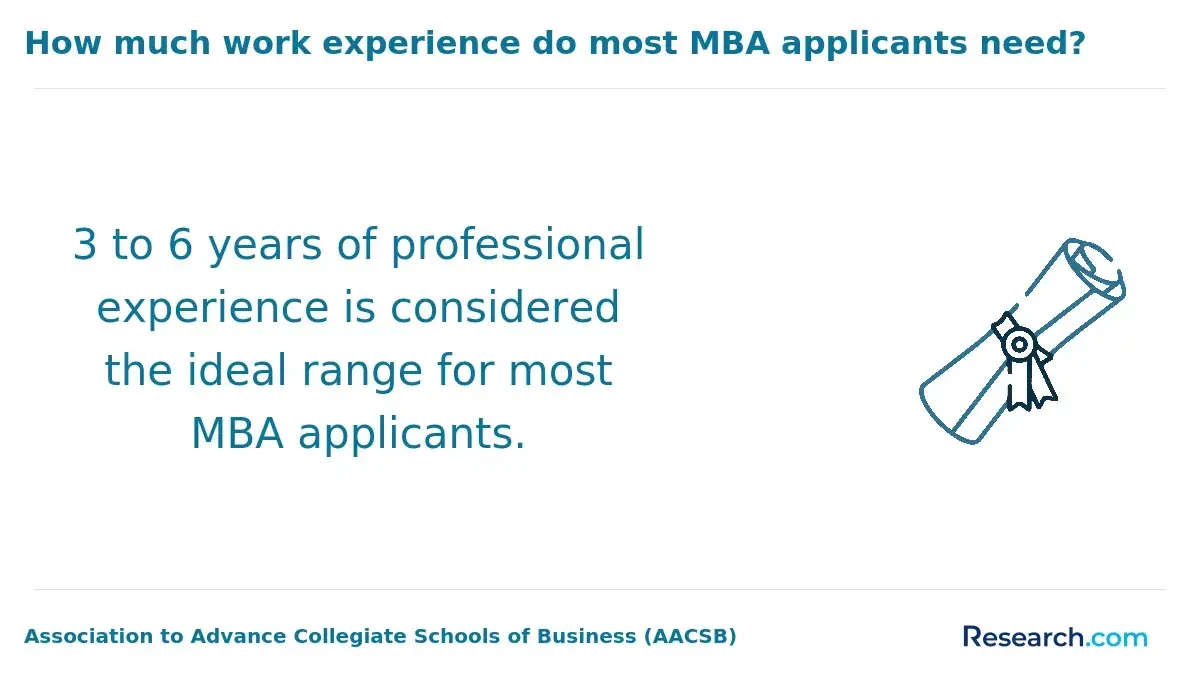
Most reputable online MBA programs require applicants to have relevant work experience, typically ranging from two to five years. This experience enhances learning by allowing students to apply academic concepts to practical business challenges. Work experience also strengthens a candidate's profile during admissions and improves employability after graduation.
While some employers may hold traditional views, most recognize that the value of an MBA lies in the curriculum and the graduate's capabilities rather than how the degree was earned. Attending an accredited program and demonstrating strong business acumen are more influential factors. As online MBA programs continue to evolve, employer perception increasingly favors competency over format.
- How to Choose The Right MBA Program Length https://www.princetonreview.com/business-school-advice/mba-program-length
- MBA Course Duration | How Long to Complete an MBA? https://collegetiger.com/mba-course-duration-how-long-does-it-take-to-earn-an-mba/
- Online MBA Jobs: Top Career Paths After Graduation https://www.dypatilonline.com/blogs/online-mba-jobs-top-career-paths-after-graduation
- Do the Best Online MBA Programs Offer International Networking Opportunities_ - SlideServe https://www.slideserve.com/Nandani10/do-the-best-online-mba-programs-offer-international-networking-opportunities
- How Employers View Online MBA vs On-Campus MBA in India? https://www.onlinecu.in/blog/cu/how-do-employer-perceptions-of-online-mbas-compare-to-on-campus-mbas.php
- Accreditation and Your Online MBA: What You Should Know | Online MBA Report https://www.onlinembareport.com/articles/accreditation-and-your-online-mba-what-you-should-know
- Top 15 Online MBA Specializations for Career Growth - Blog https://manavrachnaonline.com/blogs/top-15-online-mba-specializations-for-career-growth/
- Are Online MBA Degree Programs Respected by Employers? https://blog.targettestprep.com/are-online-mba-degrees-respectable/
- Your Degree https://www.yourdegree.com/blog/online-mba-vs-traditional-mba-salary-comparison/
- How do employers look at online degrees? - MBA Crystal Ball https://www.mbacrystalball.com/blog/2017/01/27/online-degrees-how-employers-view-them/