2027 Application Deadlines for Online Forensic Psychology Master's Programs: Fall, Spring & Rolling Admissions

Co-Founder and Chief Data Scientist
When a prospective student aiming to enroll in an online forensic psychology master's program misses a priority deadline, the resulting delay can postpone graduation by an entire semester or year. Balancing work and transfer credit evaluations complicates the decision further, especially since 65% of programs in 2024 report fluctuating cohort sizes tied closely to admission cycles rather than continuous enrollment. This trend underscores how missing fall or spring deadlines may limit seat availability and reduce access to optimal faculty or resources.
Understanding the structure and timing of fall, spring, and rolling admissions is critical for avoiding costly enrollment setbacks and aligning educational goals with career timelines. This article clarifies deadlines for each admission type to help applicants strategically plan and secure timely entry into their chosen program.
Key Things to Know About Application Deadlines for Online Forensic Psychology Master's Programs
- Admission deadlines vary widely; early deadlines often prioritize cohorts with limited seats, requiring students to balance competing offers and avoid bottlenecks that impact job market timing post-graduation.
- Programs with rolling admissions reduce wait times but may limit financial aid availability-affecting cost planning-while fixed cycles provide clearer enrollment timelines favored by employers valuing credential predictability.
- Missed document submission deadlines can delay registration and financial aid disbursement, stressing the need for proactive planning to align with internship seasons critical for forensic psychology workforce entry in 2024 and beyond.
What are the Typical Application Deadlines for Online Forensic Psychology Master's Programs?
Fall admissions dominate the application cycle for online forensic psychology master's programs, with deadlines frequently set between October and December of the prior year, creating a crucial window for applicants to align transcripts, recommendations, and background check clearances. Missing these priority deadlines often means competing for limited seats under regular final deadlines, which can fall as late as December but carry a heightened risk of delayed admission decisions and reduced financial aid availability.
For students aiming to start in the spring, the shorter lead time-deadlines typically between July and October-demands accelerated application assembly, often compressing the timeline for securing funding and official documentation, particularly in programs that limit enrollment strictly to one annual cohort.
Many programs leverage rolling admissions to offer flexibility, reviewing applications as they arrive and closing enrollment once capacity is reached, sometimes months ahead of the intended term start. This approach benefits early applicants by increasing admission certainty and opportunity access, but also penalizes procrastinators with the risk of closed cohorts, highlighting the need for proactive planning when comparing online forensic psychology master's program fall and spring admission dates.
According to recent Council of Graduate Schools data, nearly 68% of graduate programs emphasize early applications to improve funding and acceptance odds, underscoring the administrative and financial tradeoffs intertwined with deadline timing. Prospective students should carefully weigh how these deadlines impact not only admission competitiveness but also their course registration windows and assistantship eligibility, which often hinge on adherence to priority cutoff dates.
Strategic timing can also influence long-term enrollment readiness and career pathways, as delays caused by late or deferred applications risk disrupting placement in workforce demand cycles that favor fall starts in forensic psychology. Those juggling degree choices alongside other commitments may face compounded challenges, making it essential to internalize these deadline nuances when coordinating application efforts. For individuals seeking cost-effective education alternatives, comparing program deadlines alongside financial logistics-including scholarship cycles and access to the cheapest online nursing programs and other healthcare-related credentials-can be a practical part of resource management in extended academic planning.
When are the Fall Admission Deadlines for Online Forensic Psychology Master's Programs?
Fall admission deadlines for online forensic psychology master's programs largely cluster between May and mid-August, but the exact cutoff can vary widely depending on institutional policies and program structures. Programs typically have priority deadlines several months before final submission dates, offering advantages like earlier decision notifications and stronger access to financial aid or assistantships. Students who delay past these priority windows risk limited cohort spots or compressed decision timelines that challenge their ability to finalize enrollment tasks, such as securing funding or submitting prerequisite records.
According to 2024 data from the Council of Graduate Schools and National Center for Education Statistics, around 65% of psychology-related graduate programs adhere to a May 1 to August 15 deadline range, highlighting a common planning horizon but leaving notable variability tied to rolling admissions or multi-start scheduling.
For applicants, understanding these deadline nuances can shape strategies significantly. Fixed-deadline programs often prioritize cohort integrity with limited seats, meaning late applications may face waitlists or reduced financial aid opportunities. Contrasting this, rolling admission policies provide more flexibility but intensify competition for funding and course availability as decisions happen on an ongoing basis, making early application essential despite extended windows.
Moreover, decision notifications typically take four to eight weeks, compressing practical timeframes for employment adjustments or prerequisite completion if applications hover near final deadlines. This dynamic means balancing early submission to optimize registration access against sufficient time for assembling thorough application materials is critical for maximizing admission success and enrollment readiness.
One graduate recalled navigating these timing complexities firsthand when applying in spring 2023. They submitted their application just after the priority deadline at the start of June but faced uncertainty as the program operated on rolling admissions. Gathering transcripts, letters of recommendation, and test scores took longer than expected, causing some stress about whether late submission would limit funding opportunities. Ultimately, they received admission confirmation by late July, allowing enough time to arrange work schedules and financial aid, but the compressed timeline emphasized how crucial early and organized applications are to avoid last-minute enrollment hurdles in online forensic psychology programs.
When are the Spring Admission Deadlines for Online Forensic Psychology Master's Programs?
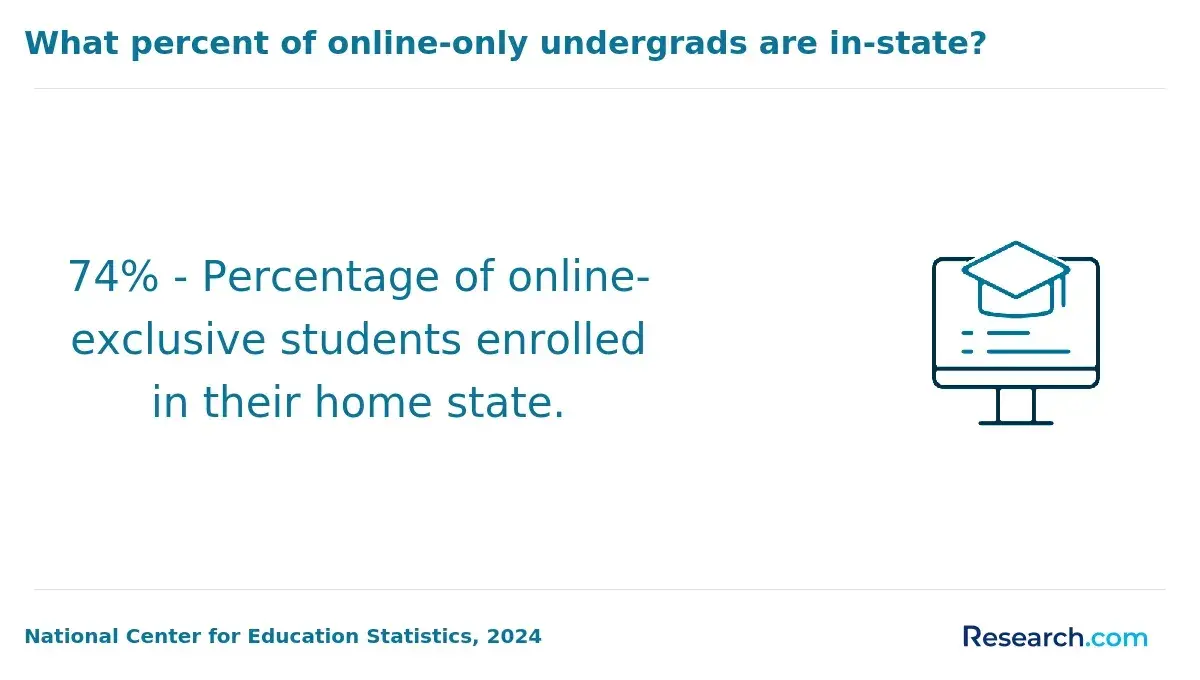
Spring admission deadlines for online Forensic Psychology master's programs tend to vary significantly across institutions, reflecting differences in application review processes and cohort enrollment structures. While many programs set priority deadlines as early as October or November to optimize financial aid opportunities and space allocation, final submission cutoffs can extend into January. This staggered approach means applicants submitting after priority dates often face diminished scholarship availability and limited cohort spots. Approximately 30-40% of online master's offerings provide spring start options, according to 2024 data from major U.S. higher education enrollment reports, highlighting the relatively selective nature of this intake period.
Programs adopting rolling admissions offer some flexibility, reviewing applications until capacity is reached, but tend to close acceptances several weeks prior to spring term start dates in late January or early February. This model favors candidates who finalize materials later but demands prompt document submission to meet practical constraints such as background checks, interviews, or GRE processing. Prospective students balancing employment or career shifts should align their application timing with these deadlines to avoid bottlenecks. Missing early cutoffs can reduce both financial support and chances for prompt admission decisions, complicating educational and workforce planning for those aiming to enter mid-academic year cohorts.
Which Online Forensic Psychology Master's Programs Offer Rolling Admissions?
Prospective students assessing online forensic psychology master's programs with rolling admissions should scrutinize enrollment calendars and admissions websites for signs of continuous application cycles, such as multiple start dates spanning fall, spring, and often summer terms. Programs like those at Arizona State University and Southern New Hampshire University typically list priority deadlines alongside open enrollment windows, signaling rolling review periods. However, availability within specialized concentrations or clinical practicum scheduling can constrain true rolling admission flexibility, especially since accreditation standards often mandate cohort progression sequences that limit start term options and affect when practicum placements are available-critical factors for students planning their education timeline.
Data from the National Center for Education Statistics shows that nearly 40% of online graduate programs adopted rolling or multiple-entry admissions by 2024, reflecting growing recognition of varied student needs. Yet applicants must weigh the tradeoff that programs with rolling admissions may feature smaller, staggered cohorts, potentially impacting peer networking and clinical experience opportunities mandatory in forensic psychology training.
Evaluating whether to apply immediately or wait for a later term depends on individual readiness and the alignment of application components, with practical considerations extending to externship timing and employer expectations for accredited degrees with comprehensive practicum. Those balancing accelerated paths might also explore allied fields, like a 12 week LPN program, as a complementary credential in healthcare settings.
How Far in Advance Should You Apply to an Online Forensic Psychology Master's Program?
Application timing for online Forensic Psychology master's programs critically shapes enrollment outcomes, balancing document preparation, financial aid processes, and course availability. Most programs with fixed fall or spring admission cycles require submissions at least six to nine months ahead, reflecting the lead time needed for official transcripts, recommendation letters, and prerequisite verifications.
Data from the Council of Graduate Schools in 2024 indicates around 65% of master's programs emphasize priority deadlines three to six months before classes start, reinforcing that late or last-minute applications can restrict access to preferred faculty advisors or courses. Rolling admissions offer flexibility but carry tradeoffs: the expedited review often means a shorter window for financial aid paperwork and potentially limited course options depending on the term's enrollment capacity, which can delay timely progression for students balancing work or family commitments.
For students managing multiple priorities, such as part-time employment or caregiving, aligning applications with institutional deadlines is essential to avoid cascading delays in registration and orientation. Applying too close to deadlines often results in administrative backlogs that impact financial aid disbursement and onboarding, constraining enrollment strategy and delaying entry by a semester or more. Conversely, beginning the process early allows better negotiation of prerequisites and prerequisite evaluations, maximizing admission choices and ensuring readiness for workforce integration. Students enrolling internationally or those requiring additional credential evaluations face added timing complexity, reinforcing the need for proactive planning beyond generic 'apply early' recommendations.
One part-time student recalled submitting transcripts and requesting recommendations starting in December for a fall start the following September. The process stretched longer than anticipated due to holiday delays and slower communication from former employers providing verification letters. Initially tempted to apply late during the spring deadline, they chose the earlier cycle to secure financial aid and course spots, acknowledging that while it compressed their timeline for completing all materials, it ultimately prevented a deferral that would have disrupted their work schedule and family plans.
What Application Materials Must Be Submitted Before Online Forensic Psychology Master's Program Deadlines?
Application materials required for online forensic psychology master's programs must be assembled with precise timing, as delayed transcript requests or recommender responses can jeopardize meeting fall, spring, or rolling admissions deadlines. Institutions typically verify official transcripts from all post-secondary education to confirm a bachelor's degree or equivalent, often emphasizing coursework in psychology or related social sciences. A notable risk lies in underestimating the time needed for external bodies, such as testing services or recommenders, to submit their components, which can delay application completeness reviews and affect eligibility for competitive spots, especially when standardized tests like the GRE are still required by some programs.
Letters of recommendation, personal statements, and resumes that outline relevant experience also undergo critical evaluation, with admissions committees considering how applicants contextualize gaps or nontraditional paths within these materials. Applicants juggling work commitments and multiple submissions must plan well in advance to avoid incomplete applications, since background checks and English proficiency proofs add layers of coordination for international candidates. Rolling admissions cycles underscore the advantage of submitting all documents early, as available seats diminish continuously and late applicants risk losing priority despite otherwise strong credentials.
The submission deadlines for forensic psychology graduate program application documents hence dictate a strategic approach to collect, review, and finalize each piece to prevent last-minute errors or omissions. Given the field's practical orientation, presenting a complete dossier that reflects analytical skills and relevant experiences enhances admission chances and readiness for specialized career roles. For those evaluating related pathways, exploring kinesiology certification online offers comparative insight into credentialing timelines and application logistics within allied disciplines.
What Are Priority Deadlines for Online Forensic Psychology Master's Programs and Why Do They Matter?
Priority deadlines in online forensic psychology master's admissions serve as critical checkpoints that shape how applications are evaluated and allocated within limited cohort sizes. Programs often receive a substantial portion of applications-sometimes up to 30%-before final deadlines, allowing admissions committees to review candidates in a less congested environment. This sequencing can affect not only the timing of admission decisions but also access to competitive financial aid and scholarships, which are frequently tied to early application windows aligned with institutional funding cycles. For applicants juggling employment, family, or military duties, submitting by priority deadlines can mean earlier clarity on course schedules and enrollment logistics, facilitating smoother integration of graduate study into complex life circumstances.
However, meeting a priority deadline does not guarantee admission, since academic qualifications and relevant experience remain decisive factors. Rather, the advantage lies in administrative prioritization and reduced waitlisting risks compared to later applicants who may face more constrained seats or funding options. Programs that operate on rolling admissions provide ongoing flexibility but may restrict access to funding or preferred class registration for those who delay beyond priority cutoff dates. Understanding these tradeoffs is essential: for example, an applicant seeking to secure a teaching assistantship or financial aid tied to early decisions must weigh the risk of expedited review against the potential benefits of timely notification and resource allocation that priority deadlines facilitate.
What Should International Students Know About Online Forensic Psychology Master's Program Application Deadlines?
International applicants to online forensic psychology master's programs face critical timing challenges that extend beyond simply meeting general deadlines. Credential evaluations and English proficiency tests, such as TOEFL or IELTS, require firm lead times-often 8 to 12 weeks for transcript analysis and at least 60 days before enrollment to complete language score reporting, per ETS 2024 data. Missing early fall deadlines not only risks losing access to scholarships but also compresses the window for visa processing and course registration, which can alter tuition classification and delay program start. For instance, students applying from countries with slower document postal systems or limited testing availability must account for these administrative variables well in advance to avoid deferred admission or enrollment gaps that can disrupt planned career trajectories.
Fall admission cycles, generally the most competitive and tightly scheduled, demand early, strategic submission to secure full program access and avoid last-minute complications. Spring admissions present a secondary option but often come with fewer course offerings and less institutional support. Rolling admissions provide flexibility but create uncertainty, as late applicants might miss critical cutoff dates for English proficiency validation or face limited spots, diminishing practical enrollment readiness. Moreover, universities report that international students who meet early deadlines show a 25% higher course completion rate within two years, underscoring how timing directly impacts academic progression and workforce entry in forensic psychology.
Can You Apply to an Online Forensic Psychology Master's Program After the Deadline Has Passed?
Applying to an online forensic psychology master's program after the deadline is often difficult but sometimes feasible, depending on program policies and individual circumstances. Many programs enforce strict deadlines tied to fixed cohort starts, limiting late entry to maintain academic integrity and cohort cohesion. Nonetheless, some institutions utilize rolling admissions, which allow applications to be reviewed until enrollment caps are met. This flexibility can offer late applicants a viable path, particularly if the program has not reached full capacity. According to a 2024 National Association for College Admission Counseling (NACAC) report, about 35% of graduate psychology programs have adopted rolling or extended deadlines, providing increased accessibility for candidates who need late application options for online forensic psychology master's programs.
Programs with fixed deadlines often only consider exceptions in cases of documented hardship or military service, though these are rare and usually require an appeals process. Waitlists may provide secondary opportunities when admitted students decline their place, but relying on such mechanisms adds uncertainty. Deferred enrollment presents an alternative, allowing admitted students to postpone matriculation to a subsequent term-though approval is discretionary and inconsistent across schools. Applicants should weigh the potential loss of financial aid tied to early application, the impact of delayed entry on their professional trajectory, and the opportunity cost of missing specialized courses or faculty mentorship unique to certain cohorts. Employers in forensic psychology frequently prioritize degree completion and applicable experience over exact enrollment timing, but delays can affect when career benefits are realized.
Late applicants must proactively communicate with admissions offices, demonstrate preparedness through completed prerequisites or relevant experience, and realistically assess whether to reapply or target programs offering rolling admissions. Understanding institutional deadlines, cohort size limitations, and the tradeoffs involved is critical. For those evaluating next steps, exploring what to do with a bioinformatics degree offers a model of how specialized graduate credentials contribute to diverse career pathways and timing considerations in evolving fields.
Salary potential for remote professionals with a forensic psychology master's degree varies widely based on role specialization, experience, and hiring practices. Positions such as forensic consultants, behavioral analysts, and criminal justice advisors command different pay scales influenced by industry demand and credential requirements. Remote work arrangements can affect compensation-some employers adjust salaries downward due to location cost differences, while others offer competitive wages to attract qualified candidates nationally. Professionals focusing on niche areas like digital forensics or cybercrime face growing opportunities but must balance specialized skills acquisition against market saturation.
How Do Application Deadlines Differ Among Online Forensic Psychology Master's Programs?
Application timelines in online forensic psychology master's programs reflect diverse institutional priorities tied to cohort enrollment models, capacity constraints, and administrative workflow. Differences in admission deadlines for forensic psychology master's programs often hinge on whether schools adhere to fixed fall and spring semesters or employ rolling admissions that accept applicants until cohorts fill. For students balancing work or personal commitments, rolling deadlines can offer more flexibility but carry the risk of sudden closures once capacity is reached, making early application a strategic advantage. Programs with strict semester-based deadlines typically require submission months in advance, which influences preparation for financial aid, practicum scheduling, and academic readiness.
Institutions vary in how they manage late applications - some maintain waitlists or allow deferred enrollment, while others enforce firm cutoff dates due to accreditation standards and practicum placement timelines. These differences impact student planning, as late applications may reduce opportunities for scholarships and limit course availability in forensic psychology cohorts that follow sequential curricula. According to a 2024 National Association for College Admission Counseling report, about 38% of graduate programs utilize rolling admissions or waitlists, an indicator that applicants must carefully assess deadlines to optimize admission prospects.
Those comparing multiple schools should weigh these timing nuances alongside their career goals and workload, as early application submission generally supports smoother transitions into training and employment in this specialized field. For students exploring options in related areas, reviewing online DSW programs may provide broader context on graduate degree scheduling and affordability considerations.
What Do Graduates Say About Navigating Online Forensic Psychology Master's Program Application Deadlines?
- Esteban: "Applying to the online forensic psychology master's program felt like a strategic move in my career pivot. I deliberately timed my application so I could complete an internship immediately after graduation, knowing that most employers prioritize practical experience over licensure. That decision made all the difference when competing for analyst roles, where a solid portfolio and hands-on investigative work mattered more than just credentials."
- Alexis: "I was cautiously optimistic about meeting the application deadline because I wanted to keep my full-time job during the program. The flexibility of the online forensic psychology course allowed me to advance without stepping away from work, but I quickly realized that salary growth in non-licensed positions can plateau. Post-grad, I focused on certifications and volunteering to stay competitive since many employers expect more than just a degree."
- Eli: "Reflecting on my application timing, I underestimated how tough the hiring landscape would be without a license despite holding my forensic psychology master's degree. Many positions I targeted valued licensure first, so I shifted to roles supporting licensed professionals remotely. The remote work opportunities were a pleasant surprise, though it meant accepting slower career progression initially while I prepared for licensing exams."
Other Things You Should Know About Forensic Psychology Degrees
Yes, many online forensic psychology master's programs require applicants to have completed undergraduate courses in psychology or related fields by 2027. Checking specific program prerequisites is essential, as requirements can vary between institutions.
Submitting applications late, even if before the deadline, can reduce chances for merit-based aid or departmental funding that typically allocates on a rolling or priority basis. Forensic psychology programs sometimes reserve scholarships for early applicants due to the competitive nature and limited funding. Strategically, prioritizing early application submission improves access to financial support and can increase your visibility to admissions committees responsible for assessing fit and readiness in a complex interdisciplinary field.
When applying to programs with rolling admissions in 2027, consider applying early to maximize chances of acceptance and access to scholarships, as spots can fill up quickly. Also, evaluate each program's application review timeline to align with your career goals and personal schedule.
Application fees for 2027 forensic psychology master's programs vary by institution, typically ranging from $50 to $100. Some schools may offer waivers for financial hardship or specific qualifying events. Check each program's website for exact fee details and waiver information.
References
- M.Sc.Applied Psychology Forensic Psychology Stream: Info for Prospective Students | Saint Mary's University https://www.smu.ca/academics/applied-psychology-forensic-psychology.html
- Forensic Psychology Master’s Programs Online: Compare Schools https://www.onlinemastersdegrees.org/best-programs/psychology/forensic-psychology/
- MS in Forensic Psychology | Neumann University https://www.neumann.edu/academics/grad/masters-degree-in-forensic-psychology
- Master's In Forensic Psychology: Courses And Requirements https://www.psychology.org/degrees/forensic-psychology/masters/
- Online Master's Degree in Forensic Psychology https://www.monroeu.edu/academics/king-graduate-school/online-masters-degree-forensic-psychology
- Forensic Psychology: Online Master's Degree Programs https://www.criminaljusticeprograms.com/specialty/forensic-psychology/online-masters-degree/
- M.A. Forensic Psychology: Online and In-Person | The Chicago School https://www.thechicagoschool.edu/programs/psychology/forensic-psychology/ma/